

A car with 175,000 miles can still offer years of useful transportation, but buying one requires more than checking whether the engine starts and the test drive feels smooth.
At this mileage, maintenance history, previous driving conditions, and the state of major mechanical systems matter far more than a seller’s claim that the vehicle runs perfectly.
Some high-mileage cars have been carefully maintained, while others are approaching expensive repairs that can quickly exceed their purchase price. Before handing over your money, inspect these ten areas to judge whether the vehicle is a sensible buy or a costly gamble.
1. Review the Maintenance and Ownership History
At 175,000 miles, maintenance records are among the most valuable pieces of evidence you can obtain before buying a car. The odometer tells you how far the vehicle has traveled, but it cannot tell you whether the previous owner changed fluids on schedule, addressed warning lights promptly, or ignored problems until they became expensive.
Ask for service invoices, inspection reports, and records of major repairs. Look for consistent oil changes, cooling-system maintenance, transmission servicing where specified, and replacement of wear items.
Check whether the manufacturer-required services for that particular engine and model year have been completed. If the car uses a timing belt, for example, verify whether the belt and any associated components were replaced at the required interval.
A vehicle with 175,000 mostly highway miles and a documented service history may be a better prospect than one with substantially fewer miles and little evidence of maintenance.
However, highway mileage is not automatically harmless, and city driving does not automatically make a car unreliable. The vehicle’s actual condition remains decisive.
Compare the service records with the odometer reading and vehicle history report. Look for unexplained gaps, inconsistent mileage entries, or repeated repairs for the same issue. Ask the seller to explain any missing documentation rather than assuming the worst or accepting vague assurances.
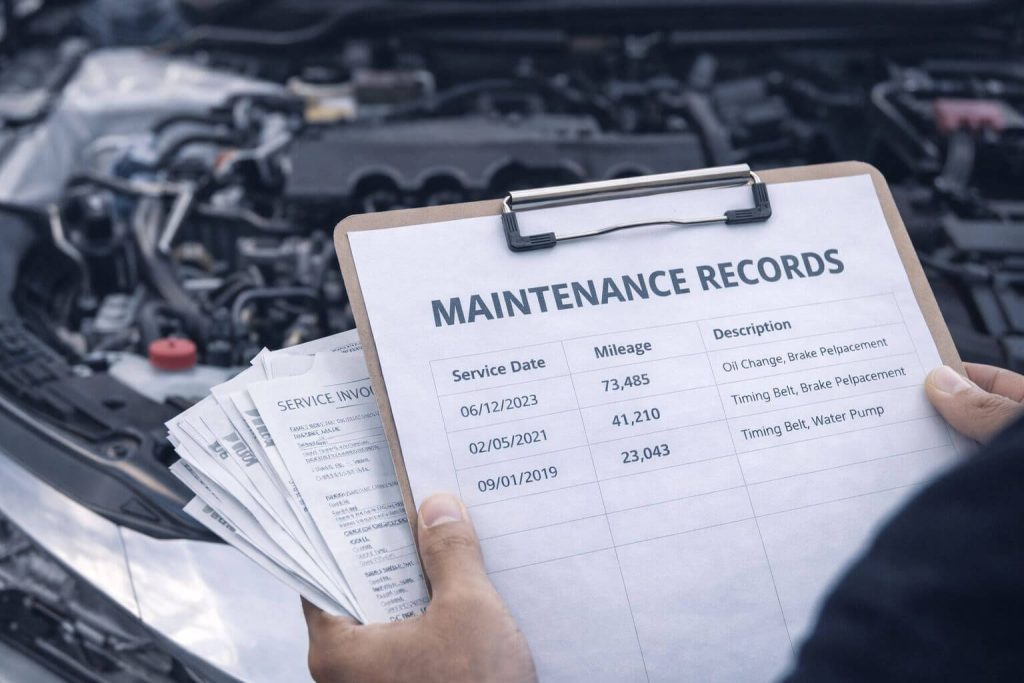
Be cautious when the seller cannot explain how the car was maintained. Missing records do not prove neglect, but they create uncertainty that should influence the price and your repair budget. At this mileage, evidence of consistent care is more persuasive than a claim that the vehicle has always run perfectly.
2. Get an Independent Pre-Purchase Inspection
A professional pre-purchase inspection is especially important when buying a car with 175,000 miles. Even if the vehicle starts easily, drives smoothly, and has no warning lights, it may have hidden leaks, worn components, or developing mechanical problems that are difficult to detect during a short test drive.
Choose an independent mechanic familiar with the vehicle’s make and powertrain. Ideally, the inspection should cover the engine, transmission, cooling system, suspension, steering, brakes, tires, exhaust, electrical systems, and underbody.
Ask the mechanic to scan for diagnostic trouble codes and identify signs of previous accident damage or poor-quality repairs.
Request a written report that separates urgent safety issues from repairs that may be needed soon. For example, worn brake components may require immediate attention, while minor seepage from a gasket might be something to monitor or repair later. Obtain cost estimates for significant findings before deciding whether the asking price still makes sense.
Do not rely exclusively on a dealership inspection or a report supplied by the seller. Those documents can provide useful information, but an independent assessment gives you another opinion before you commit your money.
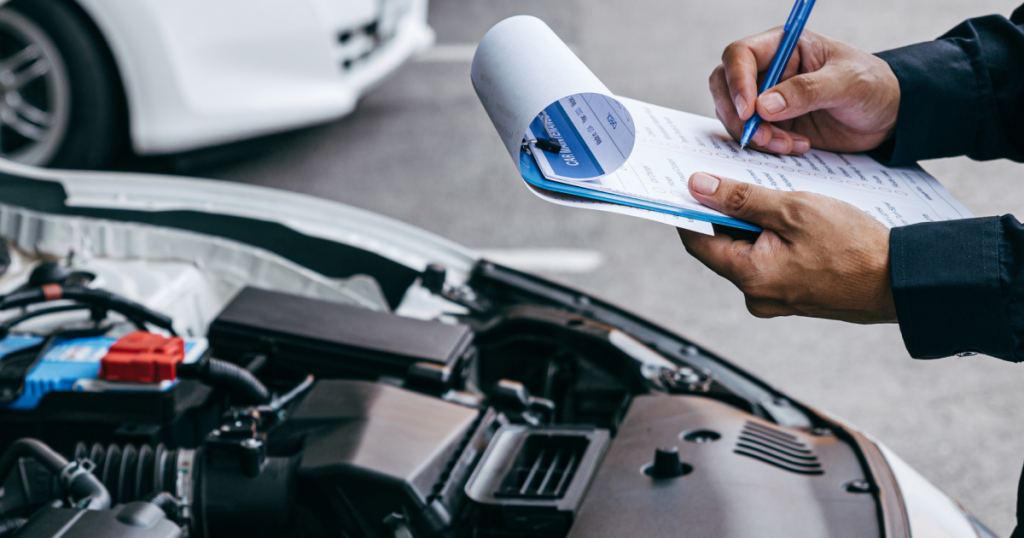
If the seller refuses to let you arrange a reasonable inspection, treat that as a serious warning sign. You do not need to assume the vehicle is defective, but you should be unwilling to accept substantial mechanical uncertainty without a corresponding reduction in price.
At this mileage, spending money on an inspection can prevent a much bigger financial mistake. Never skip an independent inspection simply because the car feels good during a test drive.
3. Check the Engine for Wear and Oil Consumption
At 175,000 miles, the engine may still have substantial useful life remaining, but its condition deserves close attention. Regular servicing, operating temperatures, driving habits, and previous repairs all influence engine longevity. Two cars with the same engine and mileage can have very different mechanical health.
Begin by checking the service history for regular oil changes and any documented repairs involving the engine. Ask the seller whether the vehicle consumes oil between services, has overheated, or has required repeated repairs for misfires or warning lights. Frequent oil top-ups are worth investigating because they may indicate leaks or internal engine wear.
During the test drive, pay attention to rough idling, hesitation, unusual knocking, persistent ticking, and loss of power. Watch for exhaust smoke after the engine has warmed up.
Blue smoke can indicate burning oil, while persistent white smoke accompanied by coolant loss may suggest a cooling system or internal engine problem. Neither symptom identifies the exact cause without further diagnosis.
Inspect accessible areas for oil leaks and check whether the oil level is appropriate using the manufacturer’s recommended procedure. A mechanic may recommend compression testing or a cylinder leak-down test if the symptoms suggest internal wear.
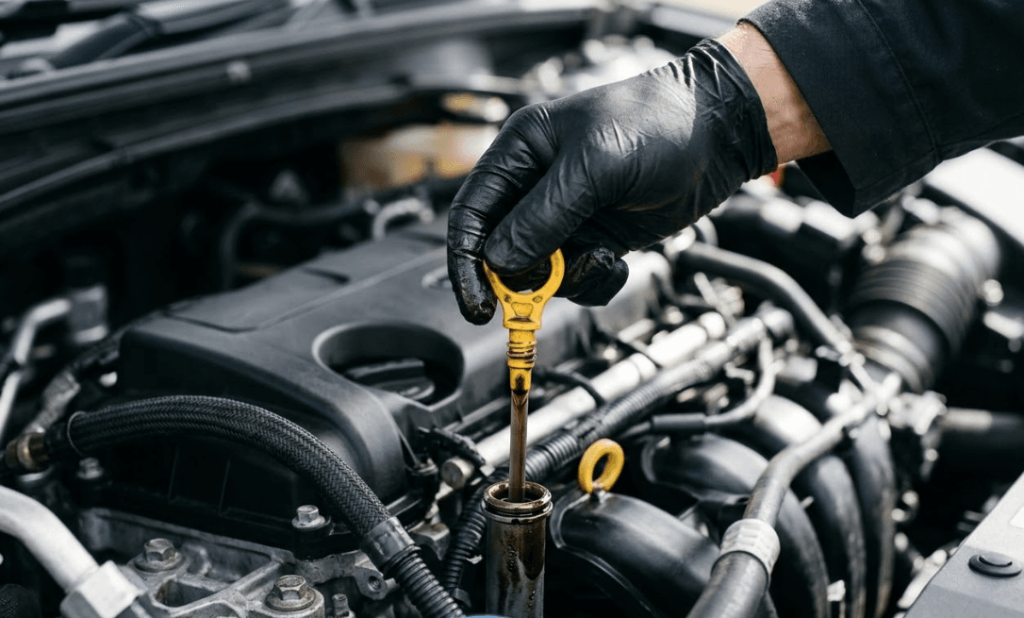
Do not reject every high-mileage engine automatically. A well-maintained engine can continue operating reliably beyond 175,000 miles, but no mileage figure guarantees its remaining lifespan.
Pay attention to symptoms, maintenance evidence, and inspection results together. If the seller cannot explain significant oil consumption, overheating, or unusual engine noises, factor the uncertainty into your decision before buying.
4. Evaluate the Transmission and Drivetrain
A transmission problem can turn an inexpensive high-mileage car into a costly ownership mistake. At 175,000 miles, the transmission’s maintenance history, operating behavior, and previous workload deserve particular attention.
Repair costs vary significantly depending on whether the vehicle has an automatic, manual, continuously variable transmission (CVT), or dual-clutch system.
During the test drive, check how the vehicle shifts during gentle acceleration and when moving between Drive and Reverse. Delayed engagement, slipping, harsh shifts, shuddering, or unusual whining noises warrant investigation.
In a manual car, watch for clutch slipping under acceleration, difficulty selecting gears, or abnormal noises when the clutch pedal is operated.
Ask for records showing whether the transmission received the servicing specified for that model. Fluid requirements and service intervals differ, so avoid assuming that every transmission needs the same maintenance.
Fresh fluid does not necessarily resolve existing mechanical wear, and an overdue service should be assessed according to the manufacturer’s guidance.
The drivetrain also deserves attention. Check for differential leaks, damaged CV-joint boots, clicking during turns, and vibration under acceleration. Four-wheel-drive and all-wheel-drive vehicles require additional checks of their transfer cases, differentials, and related components where fitted.
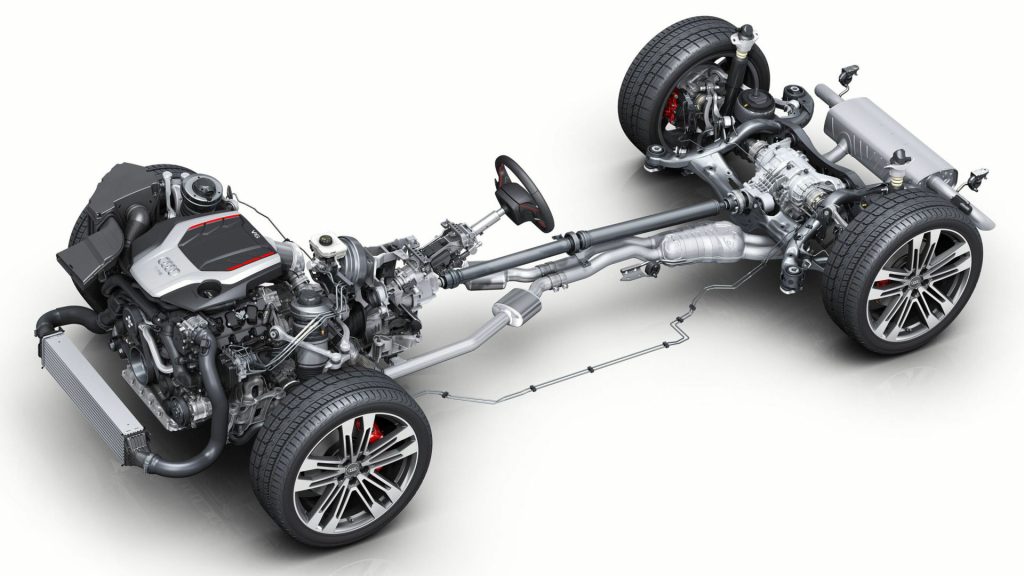
Have a mechanic inspect any suspicious symptoms before purchase. A short road test cannot reliably establish the remaining life of a transmission, particularly if the seller has warmed the vehicle beforehand.
Do not buy based on the seller’s promise that a transmission issue is minor. Obtain a diagnosis and repair estimate first. If a major failure is suspected, walking away may be safer than gambling on an uncertain repair bill.
5. Inspect the Cooling System for Leaks and Overheating
Cooling-system problems can be particularly serious on a car with 175,000 miles because repeated overheating may damage the engine. Radiators, water pumps, thermostats, hoses, seals, and plastic connectors can deteriorate with age and heat exposure. A small leak may appear manageable until coolant loss causes the engine to run too hot.
With the engine cool, inspect accessible hoses, the radiator area, and the ground beneath the parked vehicle for signs of leakage. Look for dried coolant residue, unexplained low coolant levels, or a sweet smell after driving. Never open a pressurized cooling-system cap while the engine is hot.
During the test drive, monitor the temperature gauge or temperature warning system. The reading should behave as specified for the vehicle, and warning lights or temperature fluctuations should not be dismissed. Ask the seller whether the car has ever overheated or required repeated coolant top-ups.
A mechanic can pressure-test the cooling system and inspect the water pump, radiator, thermostat, and associated components. If there is a history of overheating, further testing may be necessary to check for cylinder-head gasket damage or other internal problems.
Also review coolant maintenance records. Using the correct coolant and replacing it according to the manufacturer’s schedule helps protect against corrosion and other cooling-system issues.
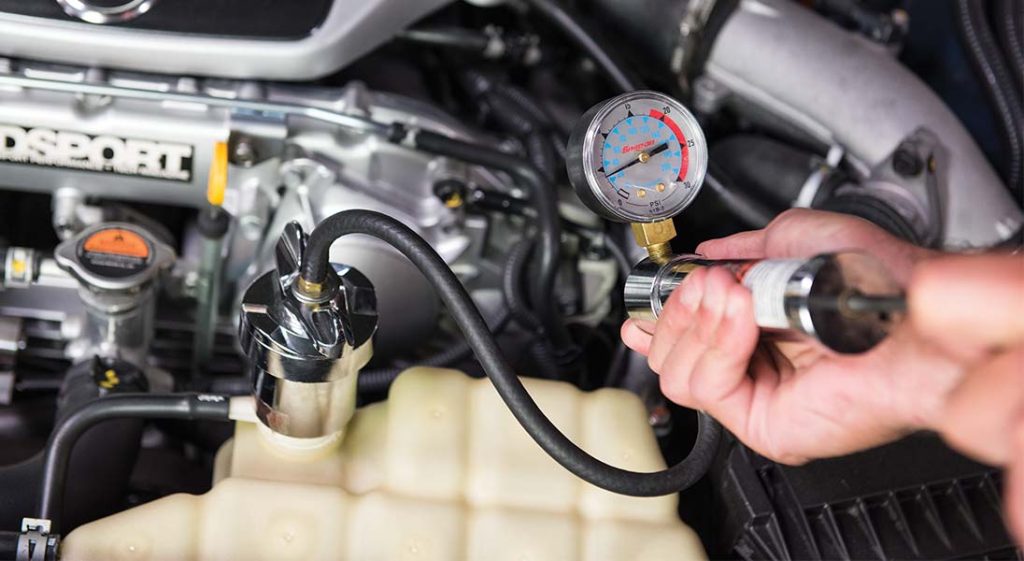
Repair costs vary considerably. Replacing a hose may be relatively inexpensive, while internal engine damage caused by severe overheating can be financially devastating.
A clean inspection cannot guarantee that the cooling system will never fail, but it can help identify existing weaknesses. Treat unexplained coolant loss or overheating as a reason for further diagnosis before purchasing the vehicle.
6. Examine the Suspension, Steering, and Wheel Bearings
At 175,000 miles, suspension and steering components may have experienced years of bumps, potholes, heavy loads, and repeated wear. Shocks, struts, control-arm bushings, ball joints, tie-rod ends, and wheel bearings may need attention, depending on the vehicle’s history and previous repairs.
During the test drive, listen for clunking over bumps, squeaking when turning, or humming that changes with road speed. Notice whether the steering feels loose, the vehicle pulls to one side, or the body continues bouncing after passing over a bump. Uneven tire wear can also indicate alignment problems or worn suspension components.
These symptoms do not identify a specific failed part by themselves. For example, pulling to one side may result from tire pressure differences, alignment issues, or suspension damage. A mechanic should inspect the components before recommending repairs.
Ask whether major suspension parts have been replaced and request invoices if available. A high-mileage car with recently replaced, quality components may have an advantage over one still using worn original parts. However, confirm that the replacement work was performed correctly.
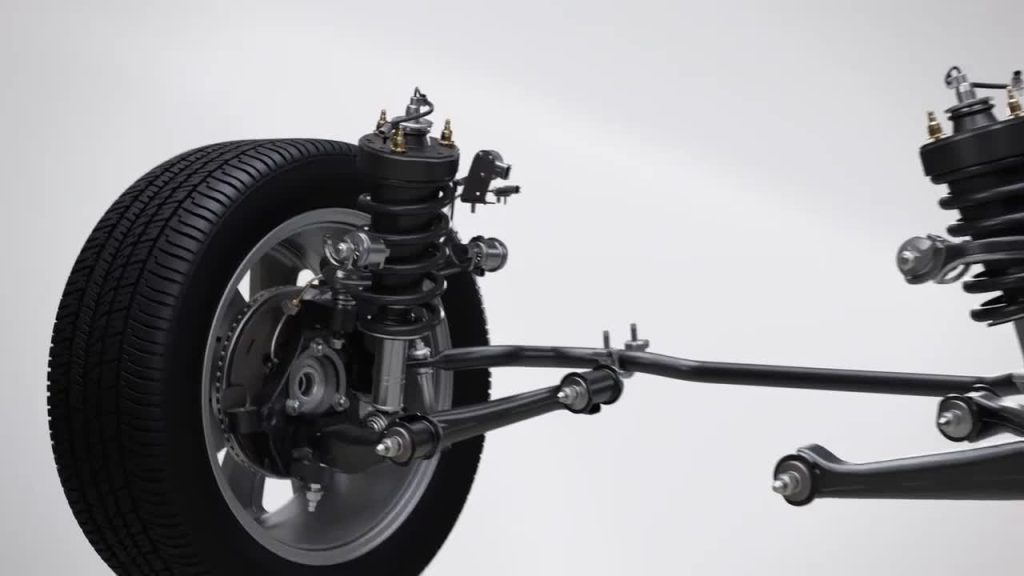
Also inspect the tires for uneven wear and check the wheel bearings for excessive play or noise. If the car has spent years on rough roads, pay particular attention to damaged components and signs of previous repairs.
Suspension work can range from a relatively inexpensive replacement to a more substantial bill when several components need attention together. Obtain estimates for any defects before negotiating the purchase price.
7. Check for Rust and Structural Damage
A car with 175,000 miles may have spent many years exposed to moisture, road salt, heat, or other conditions that accelerate deterioration. Rust deserves special attention because corrosion in structural areas can affect safety and make repairs uneconomical.
Inspect the underbody, frame or structural rails, suspension mounting points, floor panels, wheel arches, and brake and fuel lines. Surface rust on a noncritical part does not necessarily mean the car should be rejected, but deep corrosion, flaking metal, or rust around important mounting points requires professional assessment.
Look for signs of previous collision repairs, including uneven panel gaps, mismatched paint, overspray, and poorly repaired seams. A vehicle history report may identify recorded accidents or title problems, but it cannot guarantee that every collision or repair has been documented.

The car’s location history can help guide the inspection. Vehicles from regions that use road salt may face greater corrosion risks, while cars from dry climates can still have damage from accidents, flooding, or long-term exposure to the elements.
Ask a mechanic to examine questionable areas from underneath the vehicle. If structural rust is suspected, do not rely on a seller’s claim that it is merely cosmetic.
8. Test the Electrical System and Air Conditioning
Electrical problems can become frustrating on older vehicles because faults may appear intermittently. At 175,000 miles, check the battery, alternator, wiring, sensors, switches, and electronic accessories rather than assuming everything works because the engine starts.
Start by checking whether the engine cranks normally and whether dashboard warning lights behave as expected. A mechanic can test the battery and charging system and scan for diagnostic trouble codes. A warning light that has recently disappeared may still warrant investigation if the underlying issue was never repaired.
Operate the power windows, locks, mirrors, headlights, interior lights, infotainment system, and climate controls. Confirm that the air conditioning produces cold air and that the heater and windshield defogging functions operate properly. Listen for unusual noises from the ventilation fan and check for persistent damp or musty smells.
Test all available keys and remote functions. On vehicles with advanced driver-assistance systems, ask whether any warning messages or calibration issues have been reported.
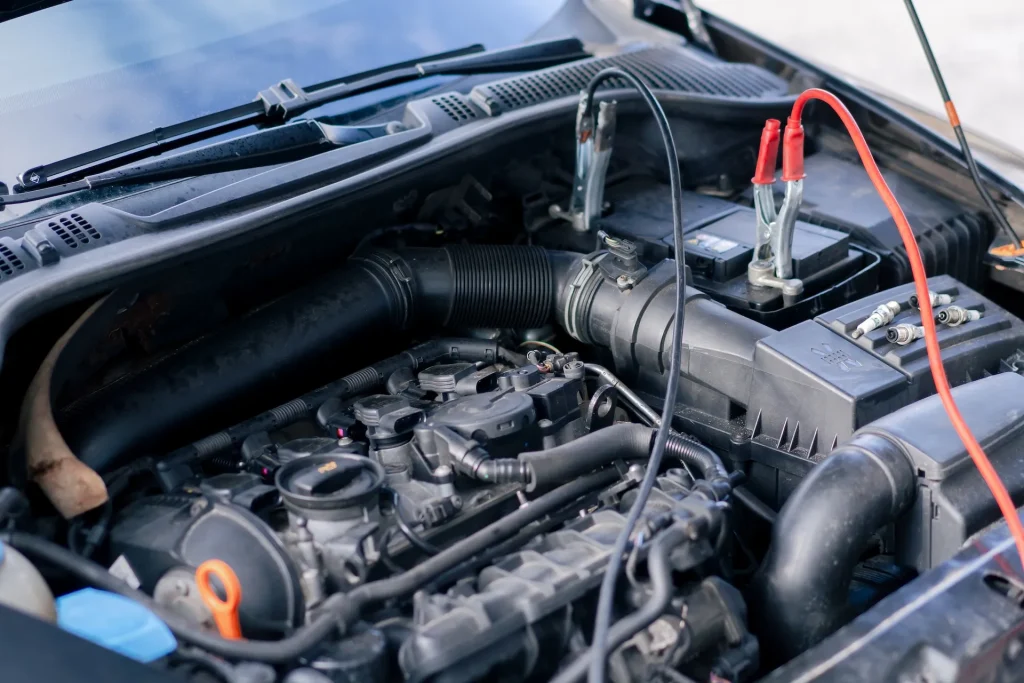
Electrical faults range from inexpensive battery replacements to costly wiring or module repairs. Air-conditioning problems can also vary significantly in price depending on whether the cause is a simple electrical fault, a leak, or a failed major component.
Have any intermittent issues diagnosed before purchase, and include likely repairs in your budget. A car with 175,000 miles does not need every electrical component replaced, but unexplained faults should never be ignored.
9. Verify the Brakes, Tires, and Other Wear Items
A high-mileage car may need several wear-related replacements even when its major mechanical systems remain healthy. Brakes and tires should be checked carefully because their condition directly affects safety and can create immediate expenses after purchase.
Have a mechanic inspect brake-pad thickness, rotor condition, calipers, brake lines, and fluid condition. During the road test, watch for vibration while braking, pulling to one side, grinding noises, or an unusually soft pedal. These symptoms can indicate problems that require further diagnosis.
Check all tires for tread depth, uneven wear, sidewall damage, and age. A set of tires can represent a substantial expense, especially on vehicles requiring larger or specialized sizes. Uneven wear may also point to alignment or suspension problems that should be corrected before fitting replacement tires.
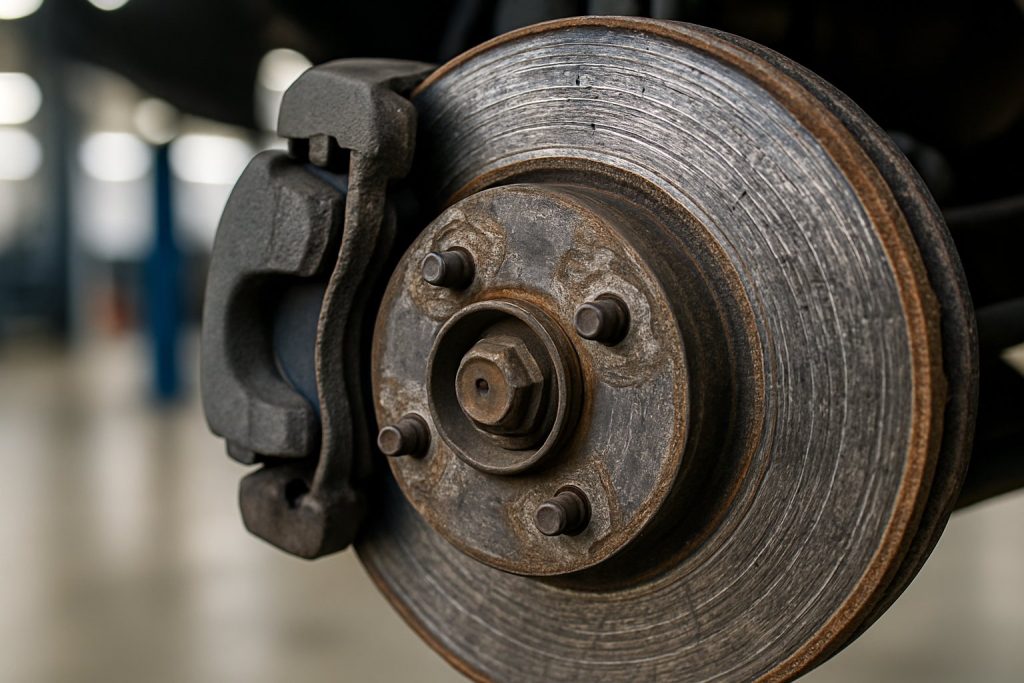
Other items to inspect include the battery, belts, hoses, engine mounts, wiper blades, and exhaust system. Not every component will need replacement simply because the car has reached 175,000 miles, but age and service history can make several items due at once.
Ask the mechanic to separate urgent safety repairs from maintenance that can reasonably be scheduled later. Obtain written estimates and use them when evaluating the seller’s asking price.
10. Calculate the Total Cost Before Making an Offer
Even a mechanically sound car with 175,000 miles can become a poor purchase if its price leaves no room for upcoming maintenance. Before making an offer, calculate the cost of buying the vehicle and preparing it for reliable daily use.
Start with the asking price, taxes, title and registration fees, and any financing charges. Add the cost of repairs identified during the independent inspection, along with overdue scheduled maintenance, tires, or brakes. Estimate insurance and fuel expenses based on your driving habits rather than relying on generic averages.
Ask the mechanic which repairs are likely to be needed soon and which problems could become expensive if ignored. A written estimate makes it easier to distinguish a manageable maintenance list from a vehicle that may require major engine, transmission, or structural work.

Compare the car with similar examples of the same model year, trim, and mileage. A higher asking price may be justified by documented maintenance and recent major repairs, while a cheaper car may need enough work to eliminate its apparent savings.
Keep an emergency reserve after the purchase. High-mileage vehicles can develop unexpected faults even when they pass an inspection, and spending every available dollar on the purchase leaves little room to respond.
The best buy is not necessarily the car with the lowest mileage or price. It is the vehicle whose condition, maintenance history, and expected repair costs make financial sense for your needs.
