

An older car with 150,000 miles can be a better purchase than one with 80,000 miles if it has been maintained properly. Mileage alone cannot reveal engine damage, neglected servicing, structural rust, or poorly repaired accident damage.
For buyers in the United States, understanding a vehicle’s history and present condition is essential to avoiding expensive surprises. Maintenance records, mechanical inspections, title information, and evidence of previous repairs can tell you far more than the odometer alone.
Before purchasing an older vehicle, examine these eight areas carefully to determine whether the car deserves your money and can meet your expectations.
1. Maintenance Records and Regular Servicing
Maintenance history can reveal whether an older car received the care necessary to remain dependable. A vehicle with 140,000 miles and documented servicing may be a better purchase than one with 75,000 miles and years of neglected maintenance.
Ask the seller for dated service receipts, dealership records, and invoices from independent repair shops. Look for evidence of regular oil changes, coolant servicing, brake-fluid replacement, and other maintenance specified by the manufacturer.
Check whether the timing belt, spark plugs, and transmission fluid were serviced when required for that particular model.
Do not assume every vehicle follows identical maintenance intervals. Requirements vary by engine, transmission, model year, and driving conditions. Consult the manufacturer’s maintenance schedule to identify overdue work.
Repeated repairs also deserve attention. Several cooling-system repairs, recurring warning lights, or multiple attempts to resolve a transmission problem may indicate an unresolved fault. Conversely, documented replacement of worn components can demonstrate responsible ownership.
A thick folder of receipts is not automatically proof of good maintenance. Examine what the records actually show, whether the dates and mileage readings are consistent, and whether significant repairs were completed correctly.
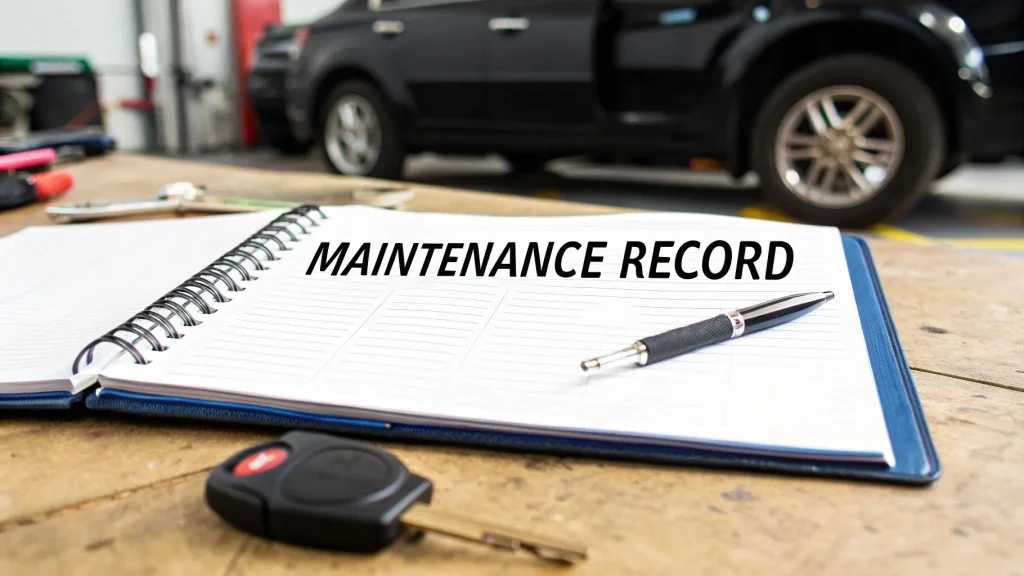
Missing paperwork does not necessarily mean the vehicle is unreliable, but it creates uncertainty. Arrange an independent inspection if the service history is incomplete.
The deciding factor is credible evidence of consistent care, not simply the number of service stamps. A seller who can explain the maintenance history and support those explanations with records gives you a stronger basis for assessing the car’s condition and likely future expenses.
2. Rust and Structural Integrity
A clean exterior can hide corrosion that makes an older car unsafe or expensive to repair. Rust is particularly important in the United States, where road salt, coastal moisture, and prolonged exposure to wet conditions can damage metal components.
Inspect the rocker panels beneath the doors, wheel arches, floor pans, and suspension mounting points. On body-on-frame vehicles, examine the frame rails and crossmembers. Look for bubbling paint, flaking metal, holes, and suspicious patches of fresh undercoating that might conceal previous damage.
Not all rust is equally serious. Surface corrosion on an exhaust component is different from deterioration affecting structural sections or suspension attachment points. Serious structural corrosion can compromise vehicle safety and make repairs uneconomical.
A car’s previous location provides useful context. Vehicles driven through winters in the Northeast and Midwest may have experienced repeated exposure to road salt. However, a car from a dry state is not automatically rust-free, so assess its actual condition rather than relying on its location.
Pay attention to areas that are difficult to inspect without a lift. A qualified mechanic can examine the underside and identify corrosion that photographs or a brief driveway inspection might miss.
Fresh paint and undercoating should not automatically be considered suspicious, but ask when and why they were applied.

Structural condition matters more than cosmetic appearance. If an inspection identifies severe corrosion around the frame, unibody structure, or suspension mounts, do not treat it as a minor negotiating point. Obtain a professional assessment before proceeding, and walk away if the damage threatens safety or requires uneconomical repairs.
3. Engine Health and Mechanical Condition
An engine’s condition depends on lubrication, operating temperatures, maintenance, and previous driving conditions, not just mileage. A well-maintained engine can remain serviceable at high mileage, while neglected maintenance or repeated overheating can cause serious damage in a relatively low-mileage vehicle.
Ask the seller to leave the engine cold before your inspection. Starting it yourself allows you to listen for abnormal knocking, persistent rattling, rough idling, or unusually prolonged cranking. Some engines make brief startup noises normally, so interpret sounds according to the manufacturer’s specifications.
Check the engine oil using the recommended procedure. Very low oil, heavy sludge, or signs of coolant contamination deserve further investigation. However, darker oil alone does not prove engine damage. Inspect accessible areas around the valve covers and oil pan for leaks, and check coolant only when the engine is cold.
During a test drive, watch the temperature gauge and pay attention to hesitation, misfires, vibration, and loss of power. Persistent blue exhaust smoke can indicate oil burning, while white smoke that continues after warm-up may indicate coolant entering the combustion process. These symptoms require diagnosis rather than guesswork.
A mechanic can scan diagnostic codes and, when appropriate, perform compression or leak-down testing. A basic code reader cannot establish the complete condition of an engine.
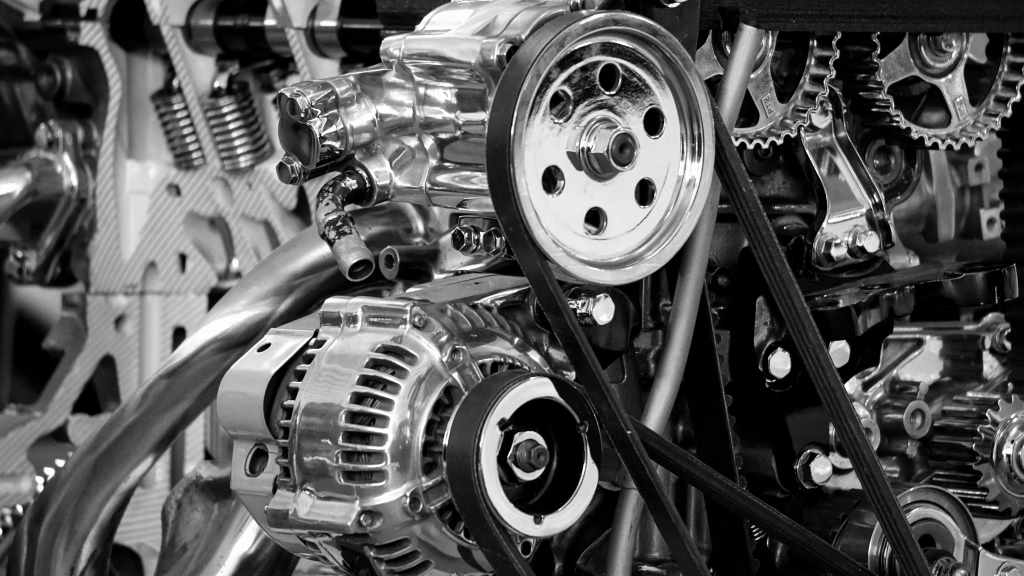
Also ask about previous overheating, oil-pressure warnings, and major engine repairs. Supporting invoices help establish whether problems were repaired properly.
Do not judge engine health by a quiet idle alone. Some faults emerge only under load or after the engine warms up. An independent inspection can distinguish manageable maintenance needs from expensive internal damage before you commit to the purchase.
4. Transmission Performance and Drivetrain Condition
Transmission repairs can significantly increase the cost of owning an older car. A vehicle with substantial mileage may shift smoothly, while a lower-mileage example can have problems caused by overheating, neglected servicing, or heavy use.
First, identify the transmission type. Conventional automatics, continuously variable transmissions (CVTs), dual-clutch units, and manual gearboxes have different maintenance requirements and operating characteristics. Check the manufacturer’s schedule instead of assuming every transmission needs identical servicing.
During the test drive, observe how the transmission behaves when selecting Drive or Reverse and accelerating gently. Watch for excessive engagement delays, slipping, unexpected engine-speed increases, harsh shifts, or shuddering. Manual transmissions deserve attention to clutch engagement, gear selection, and grinding noises.
Test the vehicle in ordinary traffic and on an open road when safe. Some problems appear only after the drivetrain warms up. For all-wheel-drive vehicles, ask the mechanic to inspect the transfer case, differentials, axle joints, and related components.
Transmission fluid checks require care. Some vehicles have no accessible dipstick, and manufacturers may specify particular temperatures and procedures for checking fluid levels. Never assume that a transmission is defective simply because it lacks a dipstick, and avoid using incorrect fluid.
Request invoices for previous transmission repairs and servicing. A documented replacement or rebuild is not automatically a disadvantage, particularly when the work was performed correctly and carries a valid warranty.
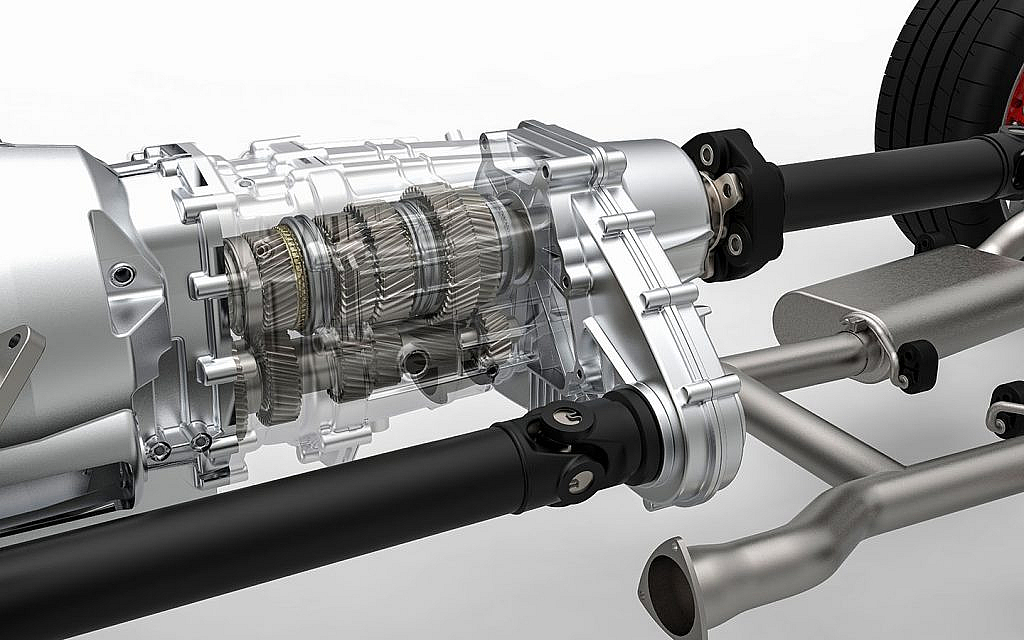
A smooth test drive is encouraging, but it cannot guarantee transmission health. If you notice slipping, hesitation, or unusual noises, obtain a professional diagnosis and written repair estimate. Use the findings to negotiate fairly or reconsider the purchase before expensive drivetrain problems become your responsibility.
5. Accident History and Previous Repairs
Accident history matters because poorly repaired damage can affect structural integrity, handling, safety systems, and resale value. A replaced bumper following a minor collision is very different from an impact that damaged structural components or deployed airbags.
Start by checking the vehicle identification number (VIN) through a reputable history-report provider. Reports may reveal recorded collisions, title brands, ownership changes, and other available information. However, unreported accidents and privately repaired damage may not appear, so a clean report is not proof that the car has never been damaged.
Inspect the body in daylight. Uneven panel gaps, mismatched paint, overspray on rubber seals, and differences in surface texture can indicate previous repairs. Open the hood and trunk to examine accessible seams and surrounding metal for unusual welds, disturbed fasteners, or inconsistent paint.
These signs are not conclusive by themselves. Professional repairs and replacement panels can be perfectly legitimate, but unexplained structural work deserves closer examination.
Ask whether previous repairs involved the frame, unibody structure, suspension mounting points, or airbag system. Request invoices and repair documentation wherever available. A qualified body-repair specialist can assess whether the work appears appropriate.
Also check for unresolved recalls through the National Highway Traffic Safety Administration’s official VIN lookup. A recall check identifies certain safety-related issues, but it does not establish whether previous collision repairs were performed correctly.

The important question is not simply whether an accident occurred, but how severe it was and how the vehicle was repaired. A professionally repaired minor collision may be acceptable, while poorly repaired structural damage can create serious safety and financial concerns. Arrange an independent inspection before making your decision.
6. Ownership History, Title Status, and Odometer Accuracy
A vehicle’s ownership history helps explain its background, but the number of previous owners does not automatically determine its condition. A car owned by one person can be poorly maintained, while one with several owners may have an excellent service record.
Begin by checking the title and confirming that its VIN matches the vehicle. In the United States, title brands can identify events such as salvage status or certain types of damage. State rules differ, so verify unfamiliar brands with the relevant state motor vehicle agency before proceeding.
The U.S. Department of Justice supports the National Motor Vehicle Title Information System (NMVTIS), which provides information about title history and certain recorded brands. Its reports are useful, but they do not contain every accident, repair, or mechanical problem.
Odometer accuracy deserves equal attention. Compare the displayed mileage with service invoices, inspection records, and available historical readings. If an older record shows 118,000 miles but the odometer now displays 91,000, ask for documentation explaining the discrepancy.
A replacement instrument cluster or recording error may account for conflicting readings, but an unsupported explanation is not enough.
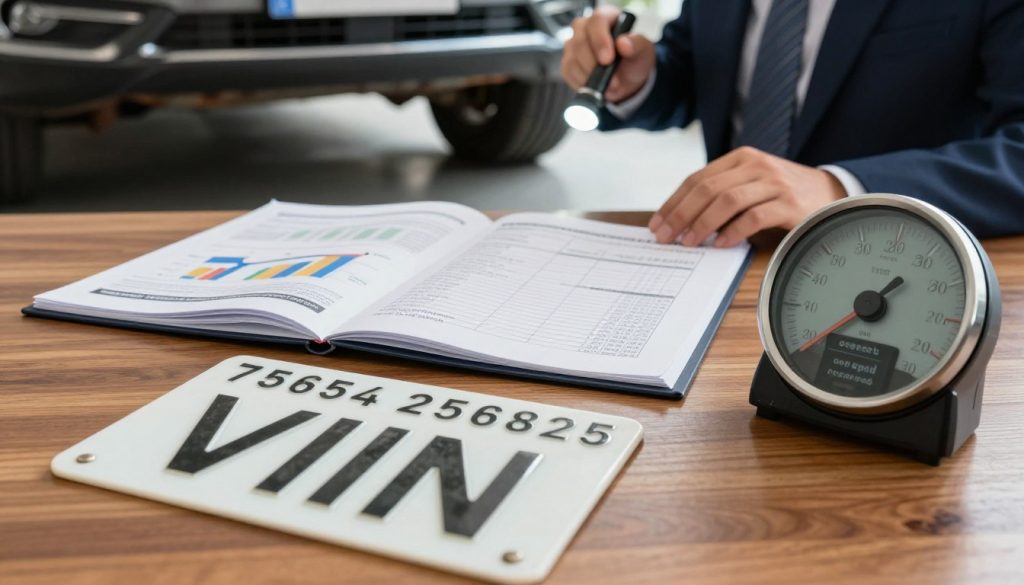
Ask the seller how long they have owned the vehicle and whether major repairs were completed during that period. Check the answers against available records rather than relying entirely on verbal assurances.
Look for a consistent, believable history. Unresolved VIN discrepancies, questionable title documents, or unexplained mileage changes should delay the purchase until verified. These problems can complicate registration, insurance, financing, and resale. A documented history gives you a stronger foundation for assessing the vehicle than owner count alone.
7. Suspension, Steering, Brakes, and Tires
An older car may have a healthy engine but still need substantial work on its suspension, steering, brakes, or tires. These components influence handling and stopping ability, so their condition deserves careful attention before purchase.
Start with the tires. Examine tread depth across the inner, middle, and outer sections. Uneven wear can indicate alignment problems, incorrect inflation, or worn suspension components. Inspect the sidewalls for cuts, bulges, and cracking, and check the manufacturing dates when assessing tire age.
The National Highway Traffic Safety Administration identifies 2/32 inch as the minimum tread depth associated with tire replacement guidance, but state legal requirements vary. Tires nearing that threshold may perform poorly in wet conditions, making replacement an immediate expense.
During the test drive, notice whether the steering feels loose, the car pulls to one side, or the steering wheel vibrates. Listen for clunks over bumps and unusual noises when turning. Such symptoms can have several causes and require proper diagnosis.
Brake warning signs include grinding, significant vibration, a soft pedal, or pulling during braking. Never dismiss these symptoms as normal simply because the vehicle is old.
Ask a mechanic to inspect brake pads, rotors, hoses, wheel bearings, ball joints, tie rods, bushings, and shocks or struts. Request written estimates for any necessary work before negotiating the price.
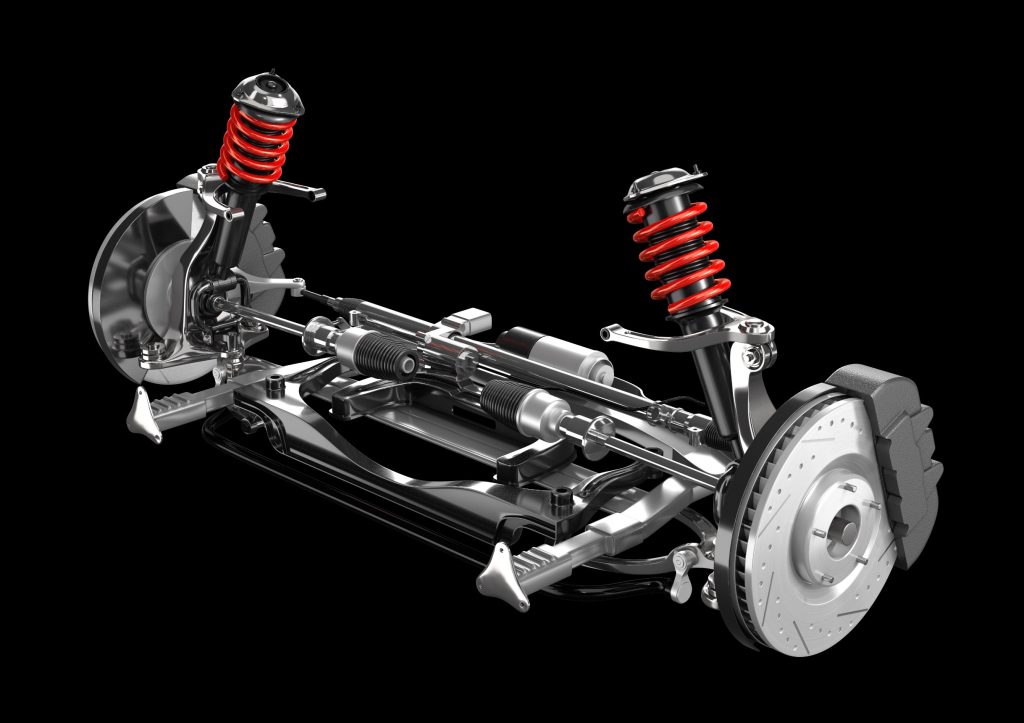
Consider the combined repair bill, not just individual defects. Worn tires, overdue brakes, and damaged suspension parts can quickly increase the purchase cost. A professional inspection helps establish which repairs are urgent, which are routine maintenance, and whether the asking price reflects the vehicle’s actual condition.
8. Flood Damage and Electrical Problems
Flood damage can remain hidden even when an older car looks clean and starts normally. Water exposure may damage wiring, electronic control modules, interior materials, and safety systems, with some problems appearing weeks or months later.
The National Highway Traffic Safety Administration warns buyers to watch for signs of flood-damaged vehicles. Cars affected by major storms can also be transported to other states, so a seller’s location does not establish where the vehicle previously lived.
Begin by checking for a persistent musty smell, damp carpeting, and unusual staining. Inspect beneath floor mats, around seat rails, inside the trunk, and in the spare-tire well. Look for dried mud, waterlines, swollen carpet padding, or corrosion in areas that should normally remain dry.
Test the electrical equipment systematically. Operate the windows, door locks, lights, climate controls, power seats, and infotainment system. Check that dashboard warning lights behave normally during startup. A diagnostic scan can reveal certain faults, although a clean scan cannot rule out every intermittent electrical problem.
Look for inconsistent interior condition. Heavily corroded fasteners or electrical connectors alongside unusually fresh carpeting may justify further investigation, though neither observation proves flood exposure independently.
Check available vehicle-history and title records for recorded flood or salvage branding. These records can help, but unreported water damage may remain undocumented.
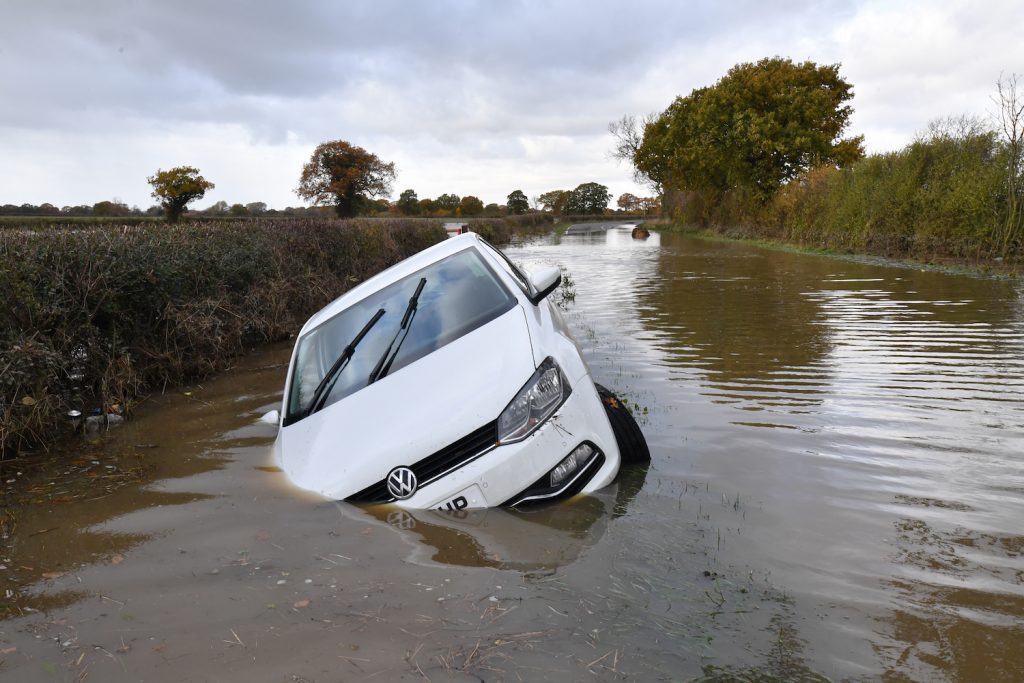
Hybrid and electric vehicles require additional caution because flooding can affect high-voltage components and battery systems. Suspected water exposure should be assessed by a qualified specialist.
Treat multiple warning signs seriously. Unexplained moisture, electrical faults, and inconsistent history together justify a thorough professional inspection. If substantial flood damage is suspected and its extent cannot be established, choosing another vehicle is generally safer than accepting potentially expensive hidden problems.
