
Transmission trouble often starts with small changes in how a vehicle accelerates, shifts gears, or responds to the driver’s commands. A slight delay when selecting Drive, an unexpected jolt between gears, or a shudder at cruising speed may seem harmless at first.
However, these symptoms can indicate problems with transmission fluid, hydraulic pressure, internal clutches, the torque converter, sensors, or electronic controls.
Manufacturer diagnostic procedures help technicians distinguish genuine transmission faults from problems caused by the engine, wiring, or control software.
NHTSA complaints can also reveal patterns affecting particular vehicles, although an owner’s complaint is not proof of a confirmed defect. The following signs explain what drivers should watch for, how manufacturers may investigate the symptoms, and when a vehicle needs immediate attention.
1. Delayed Engagement When Shifting Into Drive or Reverse
One of the earliest warning signs of transmission trouble is a noticeable delay between selecting Drive or Reverse and the vehicle actually moving. A healthy automatic transmission should generally engage promptly under normal operating conditions.
If the engine revs for several seconds before the vehicle begins moving, the transmission may not be applying its internal clutches or hydraulic circuits correctly.
Several faults can cause this behavior. Low transmission fluid levels, internal leakage, worn clutch packs, a malfunctioning valve body, or incorrect hydraulic pressure may prevent the transmission from engaging immediately.
Cold fluid or a control-system adaptation issue can also affect engagement, so a delay does not automatically mean the transmission needs replacement.
General Motors’ service bulletin 22-NA-122 instructs technicians to check diagnostic trouble codes and assess engagement between gear ranges.
The procedure notes that, when transmission fluid is above 20°C, engagement should generally complete in less than three seconds under the specified test conditions. This is a diagnostic reference for applicable vehicles, not a universal rule for every transmission.
Pay attention to whether the delay occurs only during cold starts or continues after the vehicle warms up. A repeated delay accompanied by a harsh clunk deserves professional inspection.
Do not repeatedly rev the engine to force the vehicle into motion. That can increase heat and mechanical stress. A technician can check fluid level, operating temperature, stored codes, and hydraulic pressure before determining whether the problem involves a serviceable component or internal damage.
2. Harsh Shifts, Jerking, or Sudden Clunks
An automatic transmission should change gears without repeatedly throwing occupants forward or producing severe mechanical jolts. A mild sensation during certain shifts can be normal in some vehicles, but increasingly harsh engagement, repeated banging, or a strong jolt between gears deserves investigation.
Possible causes include incorrect transmission-fluid pressure, worn internal clutches, faulty solenoids, damaged mounts, or software and adaptation problems. Engine misfires can also produce vibrations that feel like transmission trouble. This is why replacing a transmission before proper diagnosis can lead to unnecessary expense.
General Motors’ diagnostic guidance directs technicians to examine stored trouble codes and assess shifting behavior during a road test. Its procedures also recognize that incorrect adaptation, line pressure problems, and certain diagnostic faults can contribute to harsh engagement. The correct repair therefore depends on the vehicle and the specific fault, rather than the sensation alone.
NHTSA records show why unexpected shifting deserves particular attention. In an investigation concerning 2011-2013 Ford F-150, Expedition, and Lincoln Navigator vehicles, the agency examined reports of sudden downshifts that could cause abrupt deceleration.
The investigation led to recall 19V-075 for affected F-150 vehicles and extended warranty provisions for certain Expedition and Navigator models.
If your vehicle repeatedly slams into gear, record when it happens, which gear is involved, and whether the transmission is cold or warm. Have a technician scan the control modules and inspect relevant components. A sudden, severe shift that destabilizes the vehicle should not be ignored or treated as an ordinary characteristic.
3. Engine Revs Rise Without a Matching Increase in Speed
Transmission slipping occurs when the engine’s speed increases without the expected increase in vehicle speed. You may press the accelerator, hear the engine rev higher, and notice that the car accelerates slowly or seems to lose its connection between engine power and the wheels.
In an automatic transmission, slipping can result from worn clutch packs, insufficient hydraulic pressure, low or degraded fluid, a failing torque converter, or internal leakage. In a manual transmission, a worn clutch can produce a similar sensation, although the underlying mechanism differs.
A slipping sensation can also be caused by traction-control intervention or other powertrain faults, so diagnosis matters.
The warning becomes more serious when slipping occurs repeatedly under acceleration, while climbing a hill, or when shifting into a higher gear. Friction components may generate excess heat when they fail to hold properly. Continued driving can turn a repairable problem into extensive internal damage.
NHTSA complaint records include reports describing transmission slipping, loss of acceleration, and vehicles that no longer move as expected. These complaints can help identify recurring concerns in particular vehicle models, but they are owner reports and do not independently establish the cause of an individual vehicle’s symptoms.
Notice whether the problem occurs during a particular gear change or whenever the vehicle is under load. Avoid hard acceleration and towing until the transmission has been checked. A technician may examine fluid condition, diagnostic codes, clutch slip data, and operating pressure.
If the engine revs dramatically while the vehicle barely moves, stop driving when safe and arrange professional assistance rather than repeatedly testing the transmission.
4. Shuddering or Vibration at Steady Speeds
A transmission-related shudder can feel like driving over a series of small road ripples even when the pavement is smooth. It may occur during light acceleration, at a steady cruising speed, or around the moment an automatic transmission changes gear.
One possible cause is torque-converter clutch shudder. The torque converter transfers power between the engine and an automatic transmission, and many designs use a clutch to reduce slipping during cruising. If that clutch engages unevenly, the driver may feel vibration through the vehicle.
General Motors bulletin 18-NA-091 describes a slight shudder during gear changes at speeds below 40 mph with light throttle in certain applications.
The documented diagnostic approach includes monitoring torque-converter clutch slip and checking the transmission control module calibration. The prescribed correction depends on confirming the specific condition.
Not every vibration originates in the transmission. Engine misfires, worn engine mounts, damaged tires, wheel imbalance, and driveline components can create similar sensations. GM’s diagnostic guidance specifically cautions technicians to rule out engine-performance problems before attributing vibrations to transmission behavior.
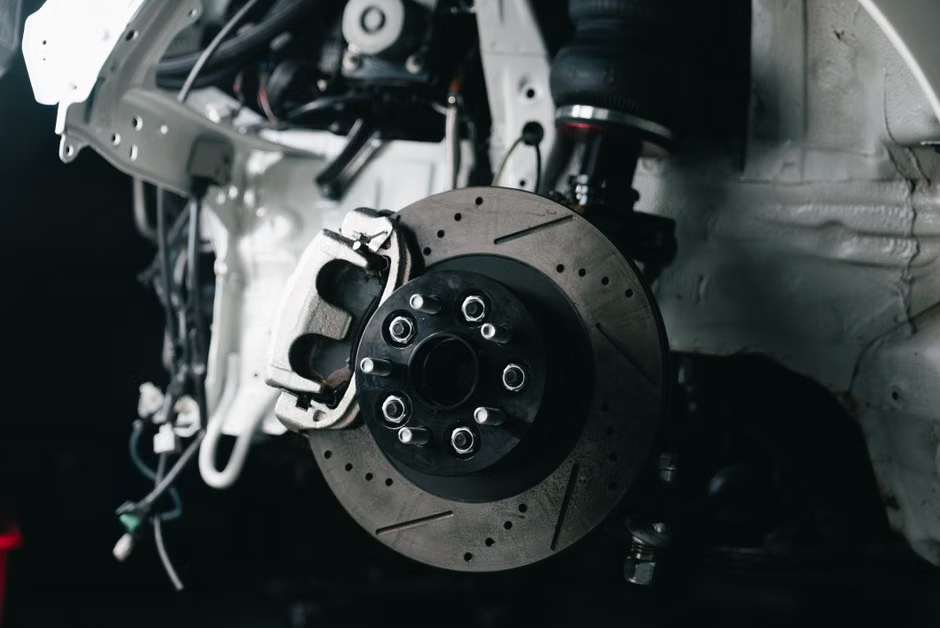
Pay attention to the speed, throttle position, and gear in which the shudder occurs. If it appears only under light acceleration or disappears when the transmission changes gear, those details can help a technician reproduce the problem.
Do not assume that a fluid change will solve every shudder. Some faults require software updates, specific fluid procedures, or mechanical repairs. An inspection should establish the cause before parts are replaced. If vibration becomes severe or accompanies slipping, warning lights, or loss of power, avoid continuing to drive until the vehicle has been assessed.
5. Transmission Fluid Leaks Beneath the Vehicle
A fresh red, pink, brown, or amber fluid stain beneath a vehicle can indicate a transmission-fluid leak, although color varies by fluid type and age. Some newer transmissions use fluids that are not bright red, so appearance alone cannot confirm the source.
Transmission fluid lubricates moving parts, helps control hydraulic pressure, and carries heat away from internal components. If the level drops too far, the transmission may struggle to engage gears, shift erratically, overheat, or suffer internal damage. A small leak can therefore become a costly problem if it remains unnoticed.
Common leak points include cooler lines, seals, gaskets, drain plugs, transmission pans, and connections around the transmission housing. Damage from road debris or previous servicing can also cause leakage. A stain may originate from engine oil, coolant, or another component, which is why identifying the fluid matters.
Check whether the stain returns after the vehicle has been parked. Do not crawl beneath a vehicle supported only by a jack, and do not open hot components or attempt to check fluid using an unfamiliar procedure. Many modern transmissions require a specific temperature and service procedure to measure the level accurately.
NHTSA’s complaint database allows owners to report powertrain concerns, including transmission problems, but a leak by itself does not establish a widespread defect. The agency uses complaints alongside manufacturer information, warranty claims, and other evidence when assessing potential safety issues.
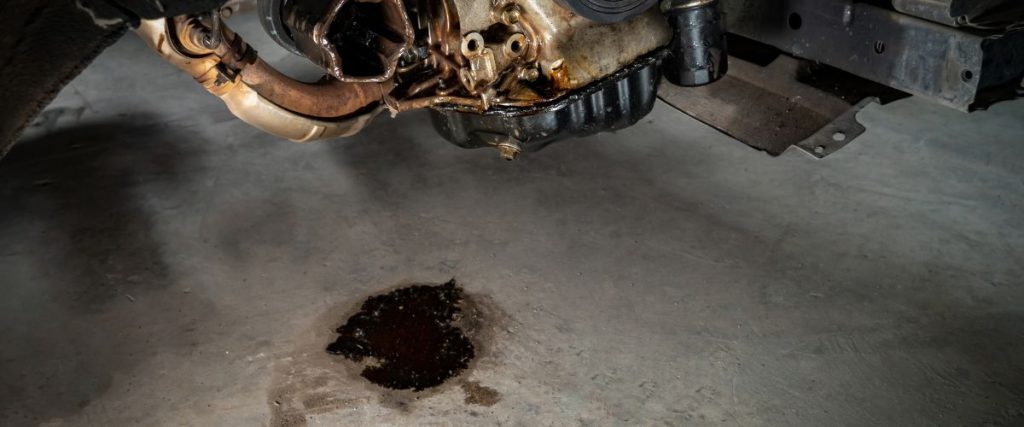
If the leak is substantial, the transmission slips, or a warning appears, stop driving when safe and arrange inspection. A technician can locate the source, verify the correct fluid level, and determine whether a seal repair is sufficient or whether the transmission has already suffered damage.
6. Burning Smell or Transmission Overheating
A persistent burning odor after driving can indicate overheated transmission fluid, although brakes, engine oil, electrical components, and other parts can produce similar smells. The warning deserves attention when it appears alongside slipping, delayed shifts, or a transmission-temperature alert.
Automatic transmission fluid helps lubricate components, transmit hydraulic pressure, and remove heat. Excessive temperatures can accelerate fluid degradation and reduce its ability to protect internal parts. Overheating may result from low fluid, a restricted cooler, heavy towing, repeated high-load driving, internal slipping, or a cooling-system problem.
Some vehicles display a dedicated transmission-temperature warning, while others provide a general powertrain warning or diagnostic message. The exact indicator and permitted operating temperature depend on the model. There is no single temperature threshold that applies to every transmission.
If the warning appears, follow the owner’s manual instructions. Depending on the vehicle, that may mean stopping safely, reducing the load, allowing the transmission to cool, or arranging roadside assistance. Do not continue towing a heavy trailer or repeatedly accelerate hard in an attempt to make the warning disappear.
A burning smell alone does not prove that the transmission is failing. A technician should inspect the fluid condition, cooler operation, stored trouble codes, and possible sources of external leakage. If fluid has overheated because internal components are slipping, simply replacing the fluid may not correct the underlying fault.
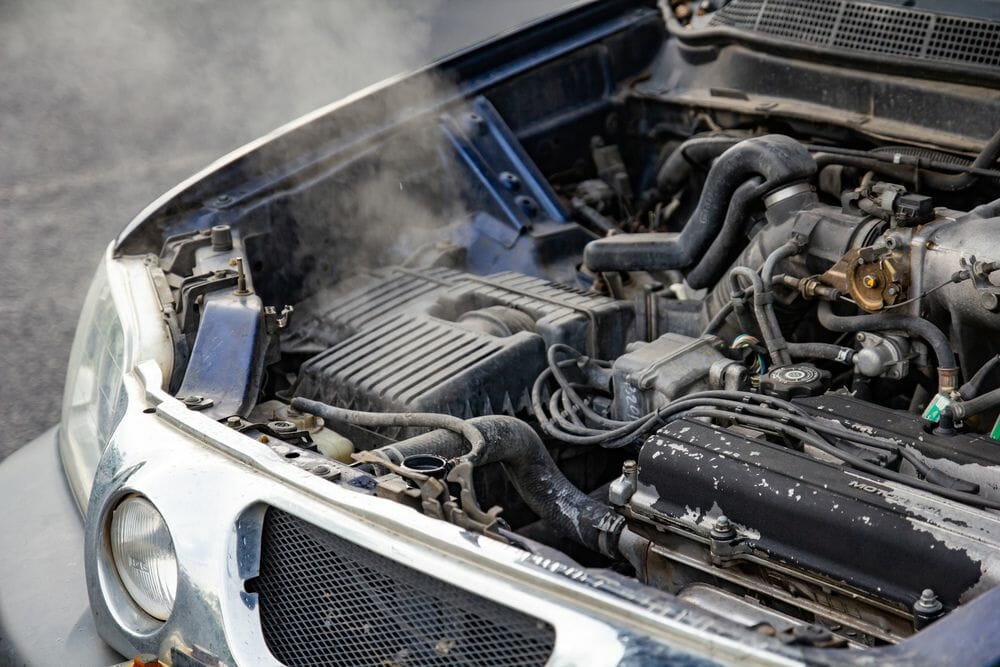
NHTSA evaluates reported safety concerns using owner complaints and additional information, including manufacturer data and warranty claims. A temperature warning or odor should be diagnosed on its own merits rather than interpreted as proof of a known defect across an entire vehicle model.
7. Transmission Warning Light or Check-Engine Light
A transmission warning light, a powertrain malfunction message, or a check-engine light can indicate a problem with the transmission or its control system. Modern automatic transmissions use sensors, solenoids, wiring, and electronic control modules to manage gear selection, hydraulic pressure, and shift timing.
The system may store diagnostic trouble codes when it detects an electrical fault, an unexpected gear ratio, abnormal temperature, or a mismatch between commanded and measured operation.
Some vehicles display a dedicated transmission warning, while others illuminate the check engine light because transmission faults are included in the powertrain control system.
A warning light does not automatically mean the transmission needs replacement. A damaged wire, faulty speed sensor, weak electrical connection, or software issue may produce a fault that can be repaired without dismantling the transmission. Conversely, an internal mechanical problem may trigger a warning even when the vehicle still drives.
The most useful next step is to retrieve the diagnostic codes with a suitable scan tool. A generic code reader may identify the basic fault, but manufacturer-level diagnostic equipment can provide additional transmission data and test functions.
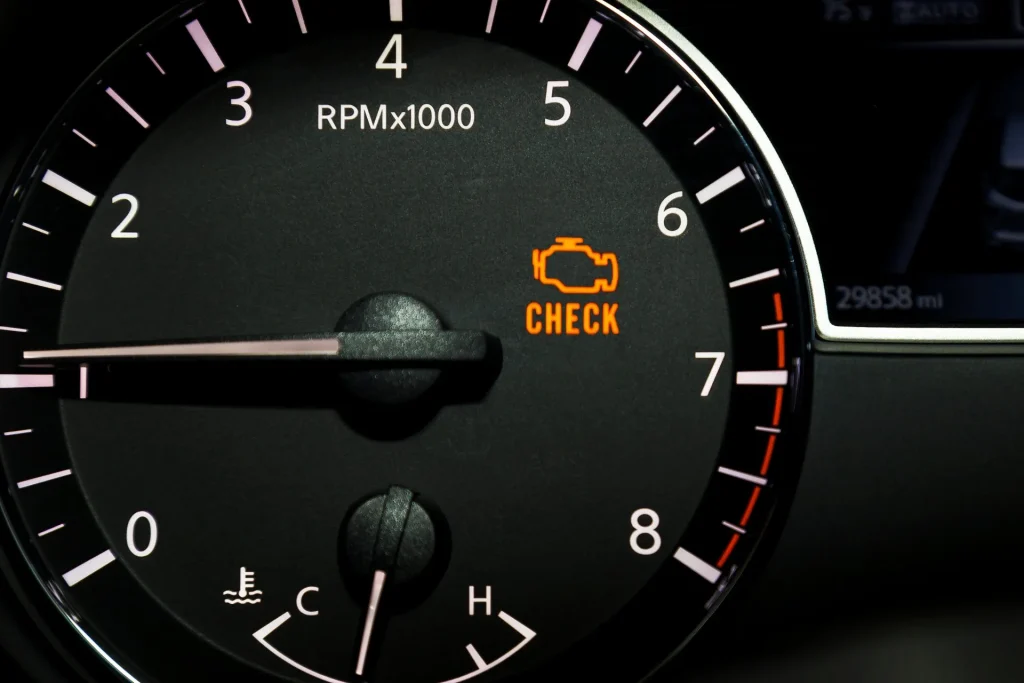
Do not clear the codes simply to make the warning disappear before diagnosis. Doing so may erase useful information about when the fault occurred. Record any accompanying symptoms, such as slipping, delayed engagement, or harsh shifts, and tell the technician whether the warning appears intermittently or remains illuminated.
NHTSA complaints can help reveal recurring concerns across particular makes and model years, but the agency does not treat every warning light or complaint as proof of a defect.
If the vehicle enters limp mode, loses drive, or displays a warning instructing you to stop, follow the owner’s manual and arrange assistance when necessary.
8. Unexpected Downshifting or Sudden Loss of Speed
A transmission that suddenly downshifts without driver input can be more than a mechanical inconvenience. An unexpected shift into a lower gear may cause abrupt deceleration, disturb the vehicle’s balance, or create a dangerous situation in traffic.
NHTSA investigated unexpected downshifting in certain 2011-2013 Ford F-150, Ford Expedition, and Lincoln Navigator vehicles. Its investigation summary documented reports of sudden downshifts that could cause the rear wheels to skid or lock temporarily.
The investigation led to recall 19V-075 for affected F-150 vehicles, with extended warranty provisions for certain Expedition and Navigator vehicles.
More recently, NHTSA opened an investigation in March 2025 into unexpected downshifting allegations involving 2015-2017 Ford F-150 pickups. The investigation examined reports of sudden deceleration and potential rear-wheel lockup.
An investigation is not, by itself, a finding that every vehicle in the group is defective. Buyers should check the latest official status and VIN-specific recall information.
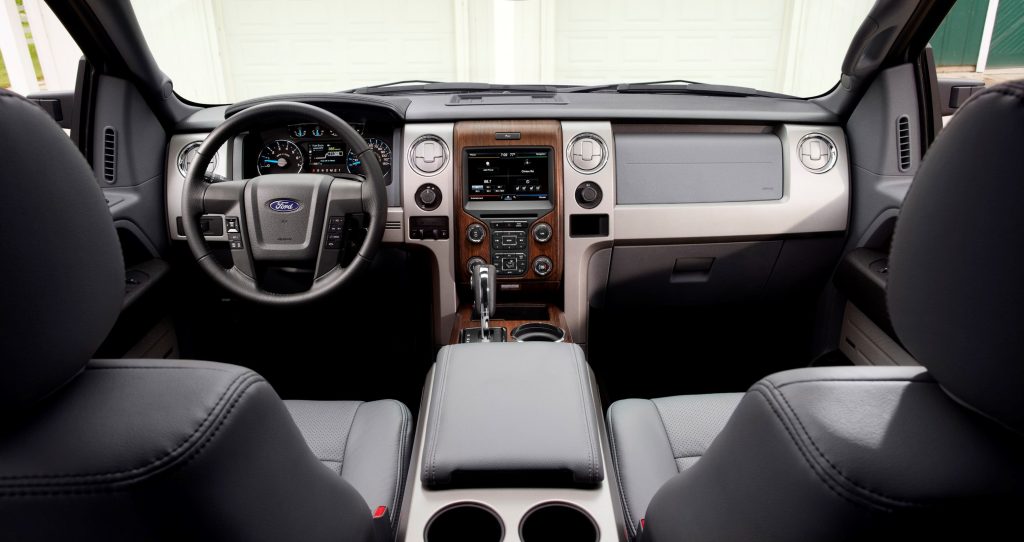
Possible causes of unexpected shifting include control-module faults, speed-sensor problems, wiring issues, and internal transmission malfunctions. The specific cause cannot be identified reliably from the symptom alone.
If the vehicle suddenly downshifts or loses speed unexpectedly, concentrate on maintaining control and move to a safe location when possible. Avoid testing the fault in traffic. Record the circumstances, including speed, warning lights, and whether the engine restarted or shifted normally afterwards.
Have the vehicle inspected promptly and check NHTSA’s recall database. A safety-related shifting problem should not be dismissed as an ordinary transmission quirk, particularly if it causes sudden deceleration or loss of control.
9. Transmission Slips Into Neutral, or the Vehicle Stops Moving
A vehicle that suddenly loses drive, behaves as though it has shifted into Neutral, or refuses to move despite the engine running may have a serious transmission problem. The cause could involve internal clutch failure, hydraulic-pressure loss, a damaged torque converter, an electronic control fault, or a failure elsewhere in the driveline.
In an automatic transmission, internal clutches and bands, where fitted, must apply correctly to transfer engine power to the wheels. If a critical component cannot engage, the engine may rev without moving the vehicle.
A similar symptom can occur if a driveshaft, axle, or other driveline component fails, so the transmission should not be condemned without proper diagnosis.
Intermittent loss of drive is particularly concerning because the vehicle may work normally again after stopping or restarting. That temporary recovery does not prove the fault has disappeared. A recurring loss of propulsion can leave the driver unable to accelerate when merging, crossing an intersection, or moving through traffic.
NHTSA complaint records include reports of transmissions that slip, stop delivering power, or leave vehicles unable to move. These reports are useful for identifying possible patterns, but complaints alone cannot confirm the mechanical cause of a particular failure.
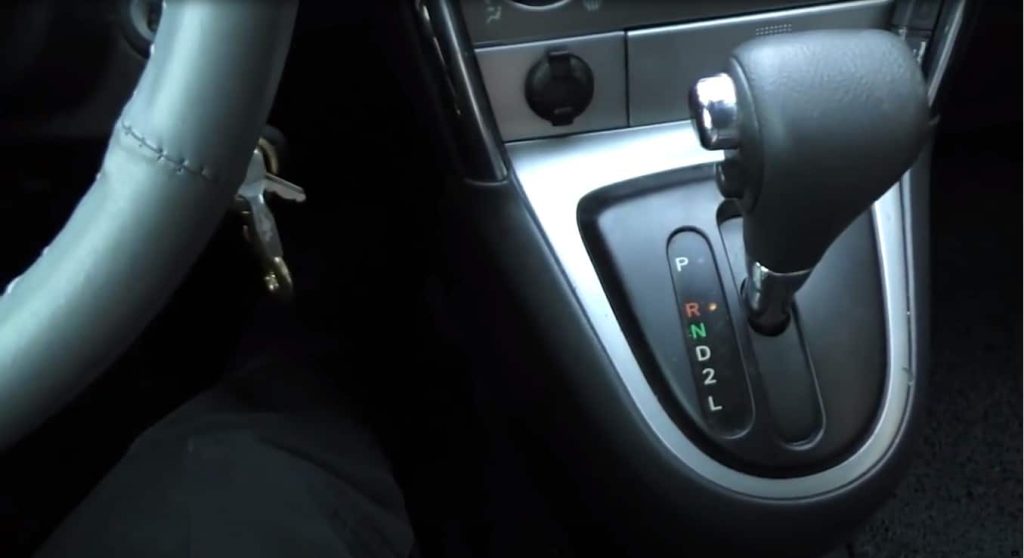
If the vehicle loses drive while moving, activate the hazard lights and move out of traffic if you can do so safely. Do not repeatedly rev the engine in an attempt to restore movement. Arrange roadside assistance if the problem persists or returns.
A technician should inspect stored codes, fluid level, hydraulic operation, and relevant driveline components. If the transmission has suffered internal damage, continued attempts to drive may increase repair costs.
10. The Transmission Gets Stuck in One Gear
A transmission that remains in one gear, refuses to shift upward, or will not select Reverse may have entered a protective operating mode often called limp mode. This strategy can limit gear selection or performance when the control system detects a fault that could cause further damage.
Possible causes include faulty speed sensors, solenoid problems, wiring defects, low fluid, hydraulic-pressure issues, control-module faults, or internal mechanical damage.
Some vehicles deliberately hold a particular gear to preserve limited mobility, while others may refuse to engage a gear at all. The exact behavior depends on the transmission design and fault detected.
Drivers may notice that the engine revs unusually high at road speed, acceleration is weak, or the vehicle struggles to move from a stop. A warning light or message may appear, but some faults produce symptoms before the driver receives a clear warning.
The correct response is to obtain diagnostic trouble codes rather than repeatedly switching the ignition off and on. Restarting may temporarily restore normal shifting, but it does not necessarily repair the underlying fault.
A technician can examine the codes, live sensor readings, control commands, and transmission fluid condition to determine whether the problem is electrical, hydraulic, or mechanical.
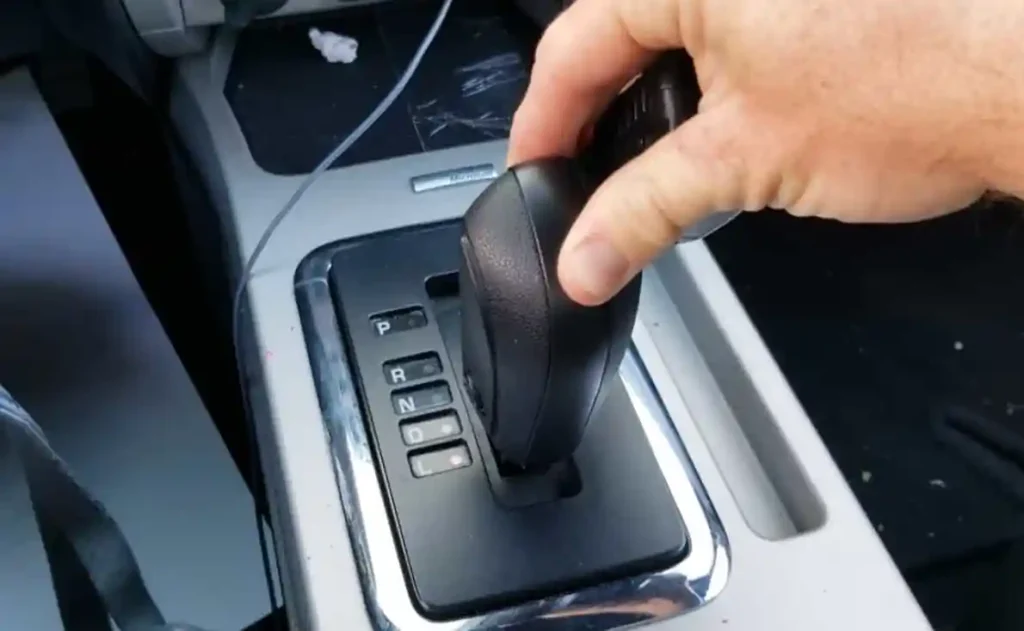
NHTSA’s complaint and investigation systems help identify recurring safety concerns, but a transmission stuck in one gear does not automatically establish a manufacturing defect. The vehicle’s make, model year, symptoms, and diagnostic results all matter.
If the vehicle cannot accelerate safely with surrounding traffic, avoid driving it. Follow the owner’s manual and arrange professional assistance. Prompt diagnosis may identify a faulty sensor or solenoid before a more extensive repair becomes necessary.
