A steering wheel that shakes whenever you press the brake pedal is more than an annoyance. It can indicate uneven braking forces, worn components, or a problem affecting the wheels and suspension.
Sometimes the vibration appears only when slowing down from highway speeds, while in other cases it can be felt during ordinary city driving. Understanding when the shaking occurs can help narrow down the possible causes, but the symptoms alone cannot confirm which part has failed.
From brake rotor thickness variations to worn suspension components, these six common reasons explain why your steering wheel may vibrate during braking and when professional inspection is necessary.
1. Brake Rotor Thickness Variation
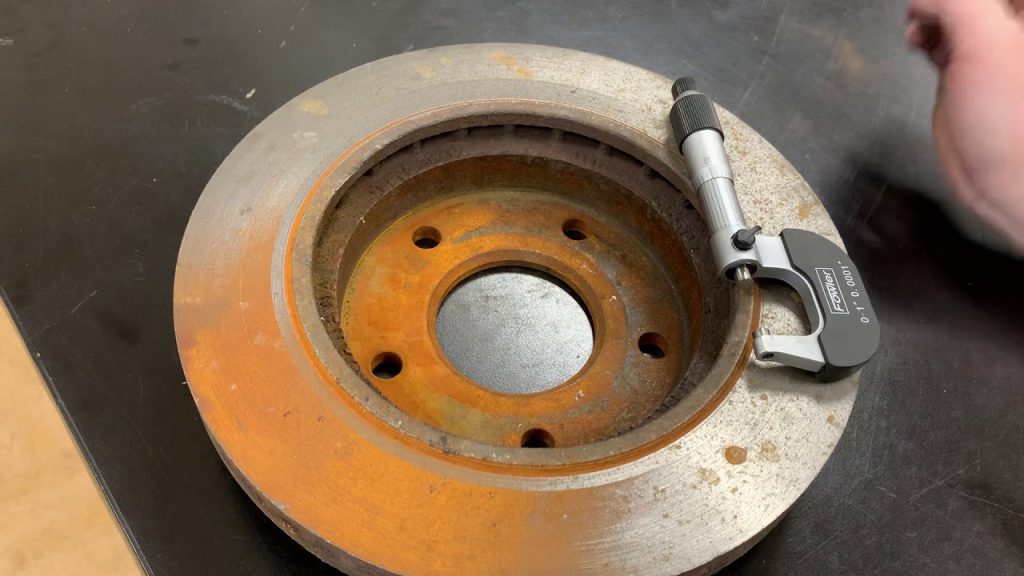
Brake rotor thickness variation is one of the main reasons a steering wheel shakes when the brakes are applied. Rotors are metal discs that rotate with the wheels, and brake pads clamp against them to slow the vehicle. If a rotor develops variations in thickness across its surface, the braking force can fluctuate as the wheel turns.
Drivers often describe this problem as having warped rotors. However, the issue may involve uneven rotor thickness or excessive lateral runout rather than a rotor that has literally bent. These conditions can cause the brake pads to move unevenly against the rotating surface, producing a pulsing brake pedal and vibration through the steering wheel.
The symptoms are often more noticeable when slowing down from highway speeds because the rotating components and braking forces make the vibration easier to feel. The shaking may become stronger as braking continues, although severity varies by vehicle and the extent of the problem.
Heat, uneven friction-material deposits, corrosion, and incorrect rotor installation can contribute to braking vibration. A technician can measure rotor thickness and runout to determine whether resurfacing is permitted under the manufacturer’s specifications or replacement is necessary.
Do not assume that every steering-wheel vibration means the rotors need replacing. Tire problems, loose suspension components, and other brake faults can create similar symptoms. A proper inspection should identify the actual cause before parts are changed.
If the steering wheel shakes strongly during braking, the vehicle pulls to one side, or stopping performance deteriorates, arrange prompt professional inspection. Avoid high-speed driving until the problem has been assessed.
2. Uneven Brake Pad Deposits or Rotor Corrosion
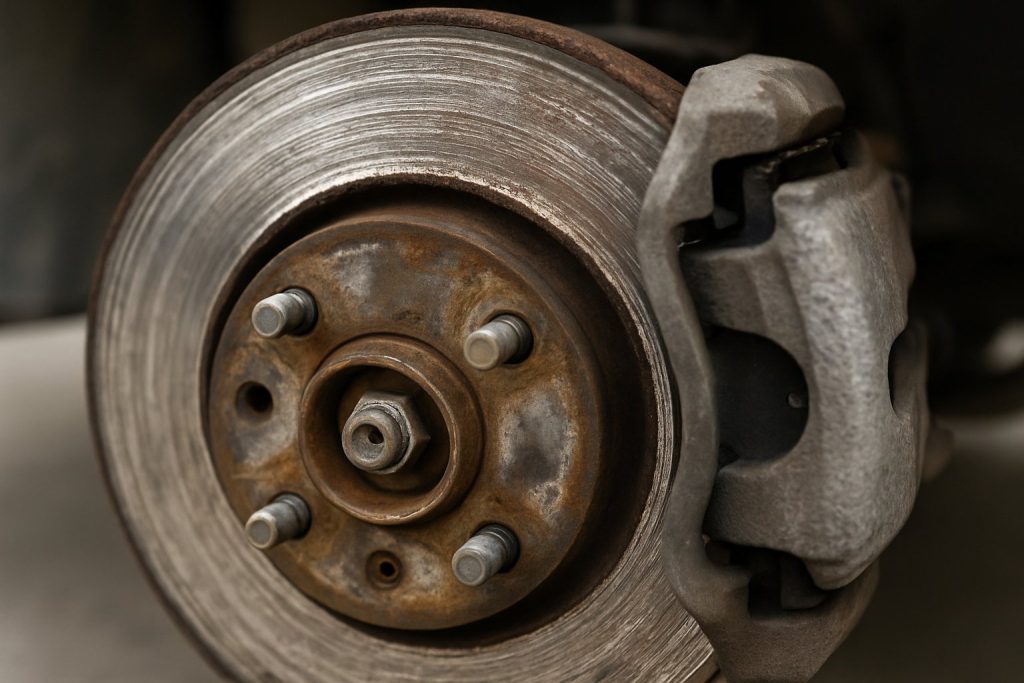
Brake pads create friction against the rotors to slow the vehicle, and consistent contact is important for smooth braking. If friction material transfers unevenly onto a rotor, or corrosion develops across parts of its surface, braking force can vary as the rotor rotates. The result may be a pulsing brake pedal or steering-wheel vibration.
This problem can occur after repeated heavy braking, particularly when the brakes become very hot. Corrosion can also develop while a vehicle sits unused, especially in damp conditions or where road salt is common. The affected areas may contact the pads differently from the rest of the rotor, creating inconsistent braking behavior.
Drivers may notice that the vibration is strongest during moderate or firm braking, sometimes becoming more apparent when slowing from highway speeds. However, symptoms alone cannot distinguish uneven deposits from rotor thickness variation or other brake faults.
A technician can inspect the rotor surfaces for corrosion, uneven deposits, discoloration, and wear. Depending on the condition and the manufacturer’s specifications, the appropriate repair may involve resurfacing where permitted or replacing the rotors and pads. The underlying cause should also be addressed so the problem does not return.
Avoid repeatedly applying the brakes aggressively in an attempt to clean the rotors. That approach may increase heat and make an existing problem worse. After the vehicle has been parked in wet weather, light surface rust can sometimes clear during normal braking, but persistent vibration requires inspection.
If braking becomes uneven, the vehicle pulls unexpectedly, or grinding accompanies the shake, have the system checked promptly. Consistent braking depends on properly functioning friction surfaces, not simply on replacing parts without diagnosis.
3. A Sticking Brake Caliper
A sticking brake caliper can cause steering-wheel vibration because it prevents the brake pads from applying or releasing pressure correctly.
In a disc-brake system, the caliper presses the pads against the rotor when the driver applies the brakes. If the caliper piston or sliding mechanism becomes restricted, braking force may become uneven between the wheels.
One warning sign is a vehicle that pulls to one side when braking. Drivers may also notice a burning smell, excessive heat near one wheel, uneven pad wear, or a reduction in fuel economy if a brake remains partially applied. These symptoms do not prove that a caliper is faulty, but they justify an inspection.
A sticking caliper can generate excessive heat because the pad continues rubbing against the rotor. Over time, this may contribute to uneven rotor wear, friction-material deposits, and additional vibration. Replacing the rotors alone may not solve the problem if the faulty caliper remains in service.
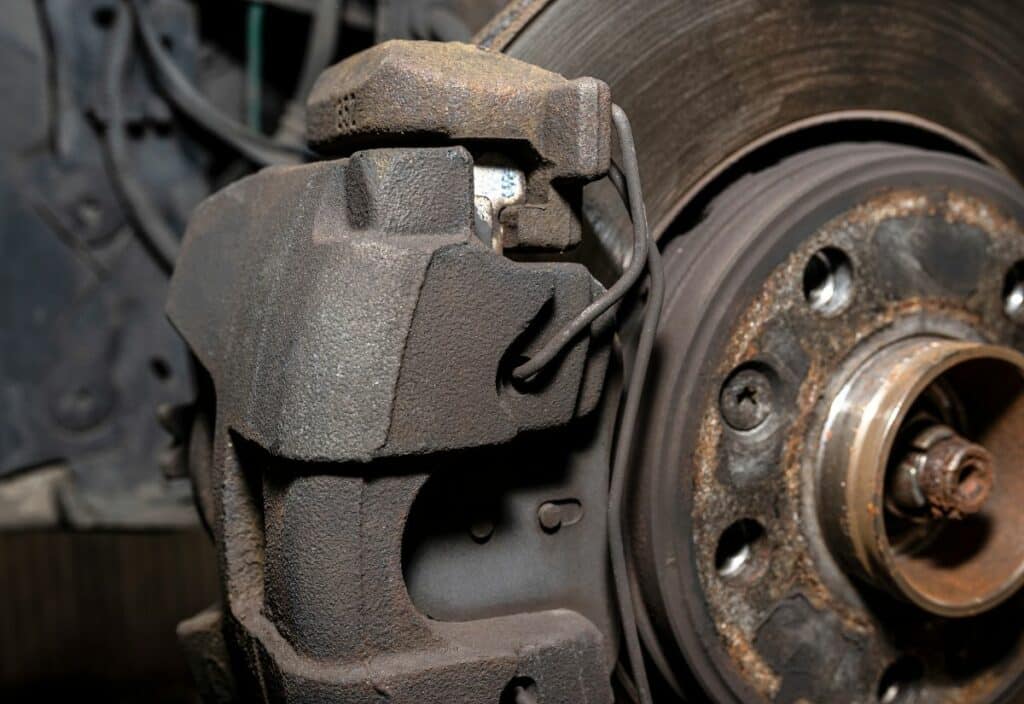
Corrosion, damaged seals, restricted slide pins, or problems with brake hoses can contribute to uneven brake operation. A technician should inspect the caliper, pad movement, hydraulic components, and rotor condition to identify the source.
If one wheel becomes unusually hot, smoke appears, or the vehicle suddenly pulls strongly while braking, stop somewhere safe and arrange professional assistance. Do not touch a potentially overheated wheel or brake assembly, because the components can cause burns.
The appropriate repair may involve servicing or replacing the caliper and correcting any resulting damage. Brake vibration should never be dismissed when accompanied by overheating or altered stopping behavior. Early diagnosis helps prevent a localized fault from damaging additional components or compromising safe braking.
4. Worn Suspension or Steering Components
Brake-related vibration can become more noticeable when suspension or steering components are worn. Parts such as control-arm bushings, ball joints, and tie-rod ends help maintain wheel alignment and control. If these components develop excessive movement, braking forces can cause the front wheels to shift or oscillate more than they should.
A common clue is a steering wheel that shakes during braking alongside clunking noises, vague steering, or uneven tire wear. The vehicle may also feel unstable when crossing bumps or changing direction. These symptoms can overlap with brake rotor problems, so the vibration alone cannot identify the defective component.
During braking, weight transfers toward the front of the vehicle. This increases the load on the front suspension and can make looseness more noticeable. Worn bushings may allow the wheel’s position to change under that load, amplifying vibration that might otherwise be less apparent.
A mechanic should inspect the suspension and steering linkage for excessive play, damaged rubber components, loose fasteners, and abnormal movement. The technician may also check wheel alignment and the condition of the tires and brakes. Replacing parts without finding the source can leave the original problem unresolved.
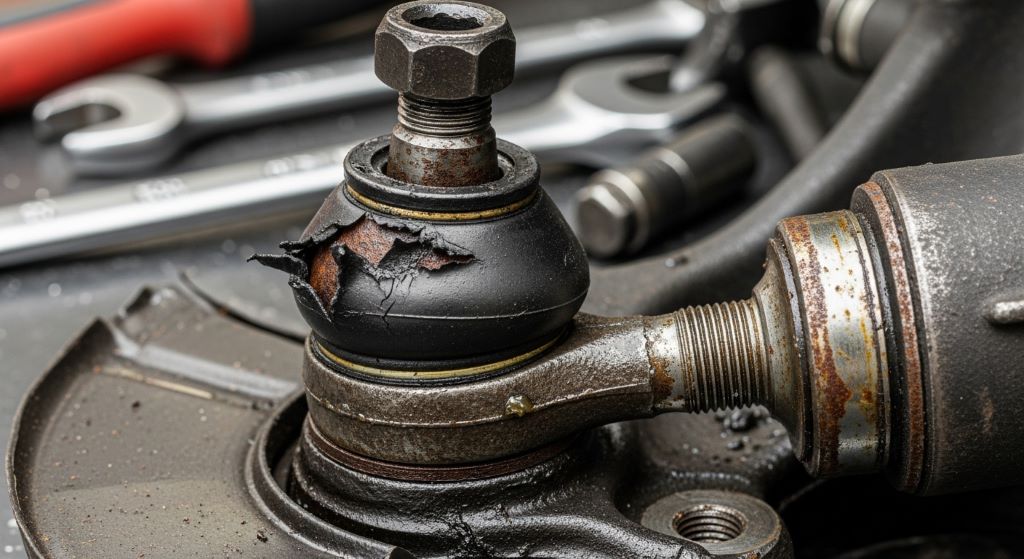
Do not ignore a shaking steering wheel if the vehicle also wanders, clunks, or feels difficult to control. A severely worn steering or suspension component can affect directional stability, particularly during emergency braking or evasive maneuvers.
Arrange a prompt inspection and avoid high-speed driving if handling feels unstable. Repairing worn components can restore proper control, but the final diagnosis should account for the entire front-end system rather than focusing exclusively on the brakes.
5. Tire, Wheel, or Wheel-Mounting Problems
A steering wheel that shakes during braking may have a problem with the tires or wheels rather than the brake components themselves.
An unbalanced wheel commonly produces vibration at particular road speeds, even when the brakes are not being applied. Braking can make an existing vibration more noticeable because additional forces act on the wheels and suspension.
Damaged tires, uneven tread wear, bent wheels, and incorrect wheel mounting can all contribute to shaking. A tire with internal structural damage may also produce vibration that changes as speed increases. If the problem began after hitting a pothole or having tires serviced, the wheels and tires deserve particular attention.
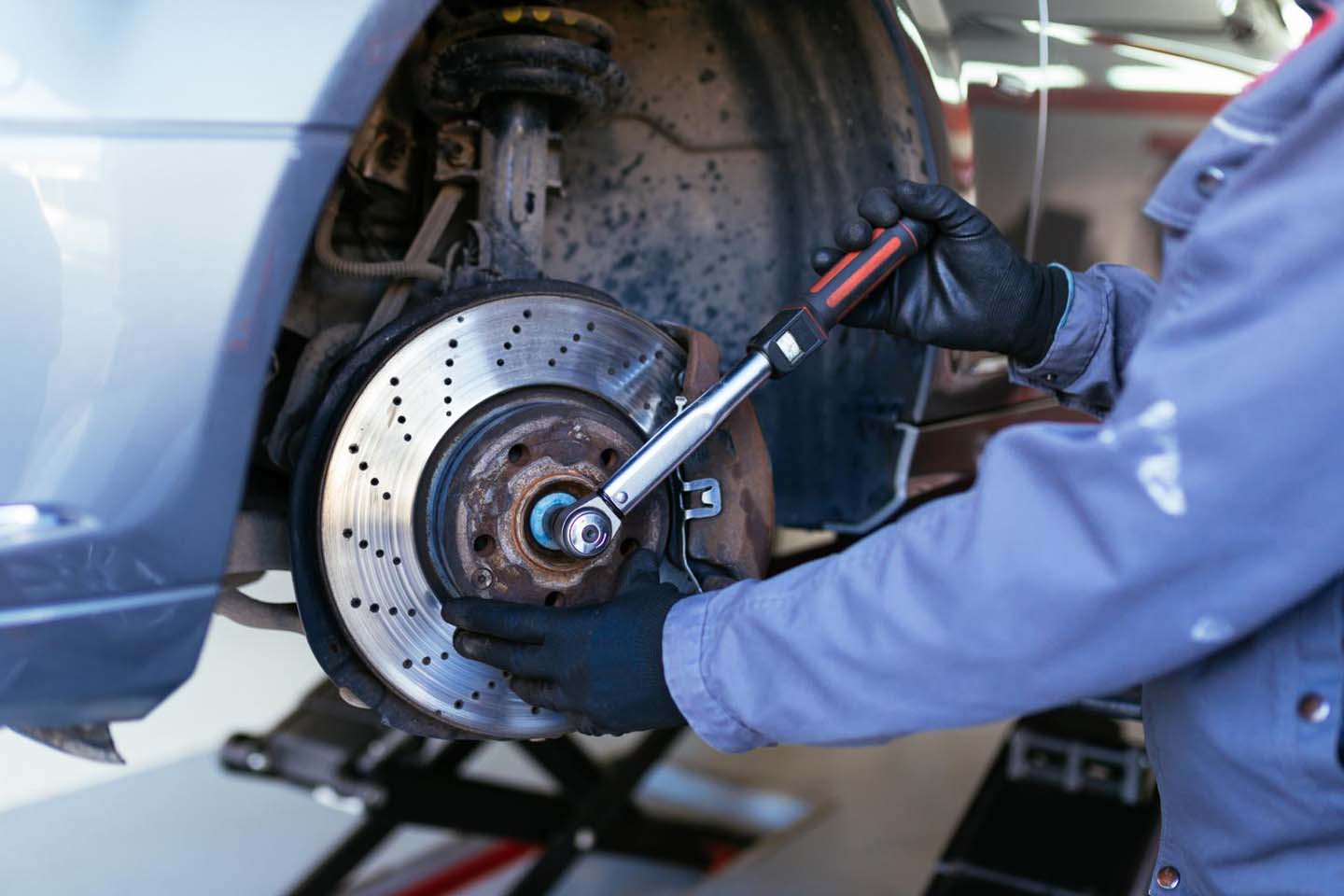
Wheel fasteners are another important consideration. Lug nuts must be tightened according to the vehicle manufacturer’s specified torque and sequence. Improper tightening can affect wheel clamping and, in some circumstances, contribute to brake judder or mounting-related problems. Never assume that tightening the fasteners randomly will correct the issue.
A technician can inspect tire condition, check wheel balance, measure wheel and rotor runout where necessary, and verify the mounting surfaces and fasteners. A tire with a bulge, exposed cords, or other structural damage should not be treated as a routine balancing problem.
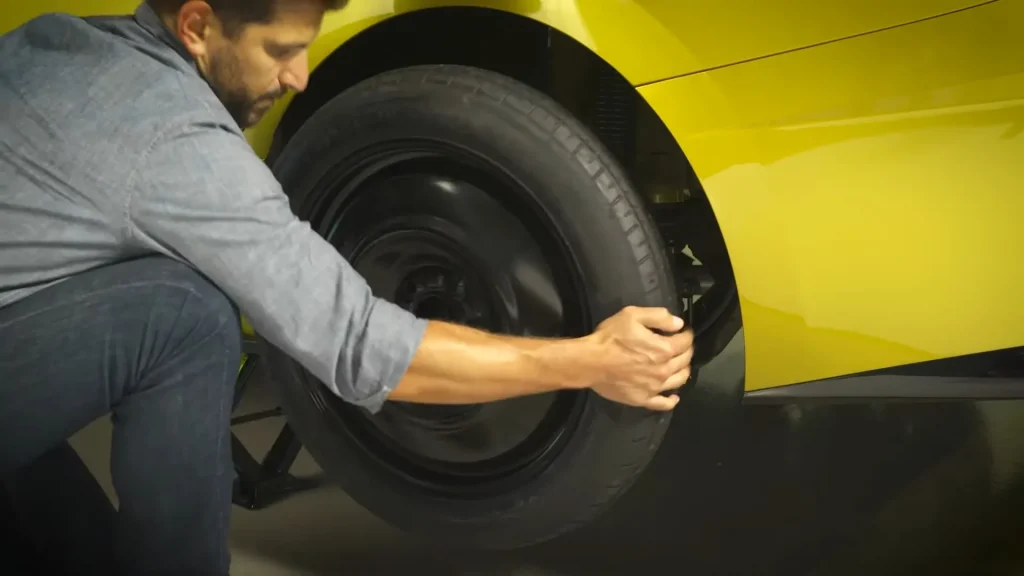
The timing of the vibration helps narrow down the cause. If shaking occurs at highway speed even without braking, a tire, wheel, or balance issue becomes more likely. If it appears primarily when the brake pedal is pressed, the braking system still needs careful inspection.
If the vibration starts suddenly or the vehicle feels unstable, reduce speed safely and stop if necessary. Correcting wheel or tire problems promptly helps maintain predictable handling and prevents a separate fault from being mistaken for brake trouble.
6. Worn Wheel Bearings or Excessive Hub Runout
Wheel bearings allow the wheels to rotate smoothly while supporting the vehicle. When a bearing wears or becomes damaged, it can produce humming, rumbling, grinding, or looseness. In some cases, this movement becomes more noticeable during braking and contributes to steering-wheel vibration.
A worn bearing may produce noise that changes when the vehicle turns, because cornering changes the load placed on individual wheels. Drivers might also notice a rough sensation through the steering wheel or floor. However, tire noise and other rotating components can create similar symptoms, so sound alone cannot confirm a bearing failure.
The wheel hub also provides the mounting surface for the brake rotor. If the hub or its mounting surface has excessive runout, corrosion, or contamination, the rotor may not sit squarely.
This can contribute to uneven rotor movement and, over time, braking vibration. Manufacturer service procedures may therefore call for checking both the rotor and hub when diagnosing brake judder.
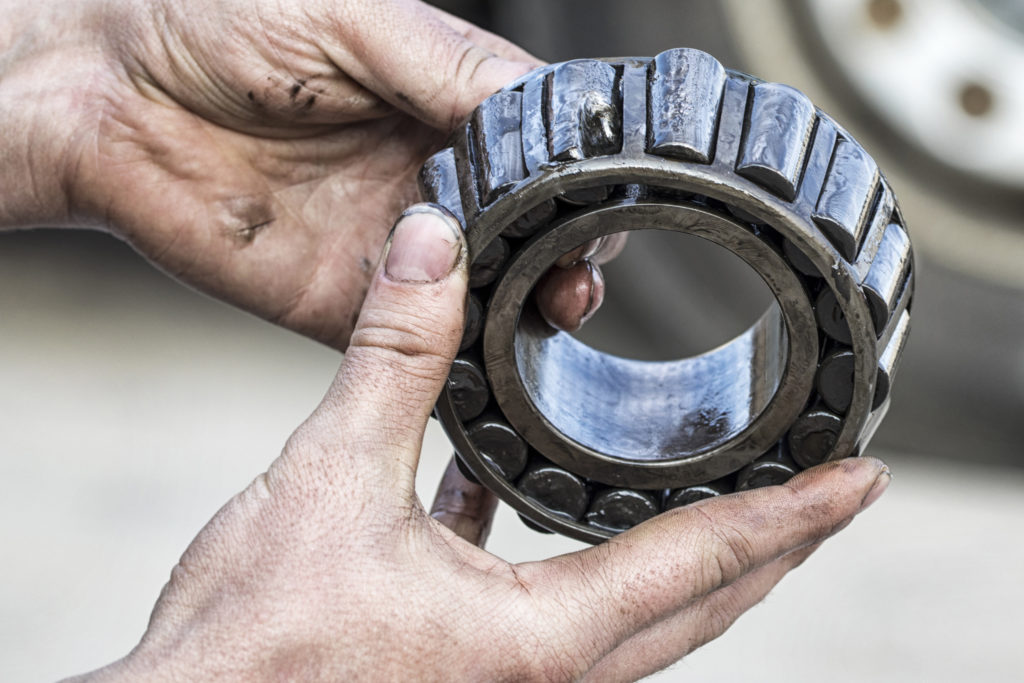
A technician can inspect bearing condition, check for excessive play, and measure runout using appropriate equipment. The correct repair depends on the vehicle’s design and the specific fault. Replacing brake rotors without addressing a damaged hub or bearing may allow the vibration to return.
If the steering wheel shakes alongside grinding noises, unusual wheel movement, or deteriorating handling, arrange prompt inspection. A severely damaged bearing can compromise safe vehicle operation, so continued highway driving is unwise.