

A car that vibrates at highway speeds can turn a routine drive into an uncomfortable and potentially concerning experience. The shaking might appear in the steering wheel, travel through the seats, or affect the entire vehicle as speed increases.
Sometimes the cause is a simple wheel imbalance, but worn suspension components, damaged tires, brake problems, and drivetrain faults can also produce similar symptoms. Identifying when the vibration starts, where it can be felt, and whether it changes during braking or acceleration can help narrow down the possibilities.
Understanding these warning signs also helps drivers recognize when a vehicle needs prompt professional inspection.
1. Unbalanced Tires and Wheels
One of the most common reasons a car vibrates at highway speeds is an imbalance in the tire-and-wheel assembly. Every wheel has small variations in weight distribution. During balancing, a technician attaches small weights to compensate for those differences and help the wheel rotate smoothly.
If a balancing weight falls off, a tire wears unevenly, or a wheel was not balanced correctly during installation, the imbalance can produce noticeable shaking as speed increases. Drivers often feel this vibration within a particular speed range, such as around 55 to 70 mph, although the exact range depends on the vehicle and the severity of the imbalance.
Where you feel the shaking can provide a useful clue. Vibration through the steering wheel often points toward the front wheels, while shaking through the seat or floor may indicate a problem at the rear. These patterns are not definitive, so a professional inspection is still necessary.
The National Highway Traffic Safety Administration (NHTSA) identifies wheel balancing as an important maintenance practice and notes that proper balancing helps prevent shaking or vibration.
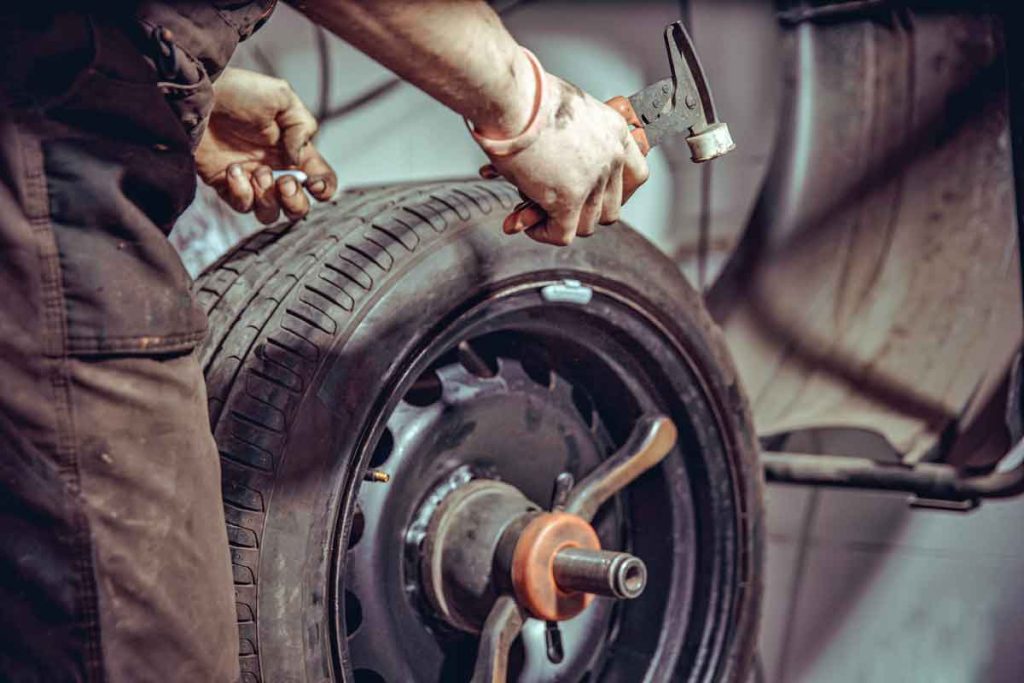
The usual solution is to have the wheels inspected and balanced using appropriate equipment. If balancing does not resolve the problem, the technician should check for tire damage, wheel runout, and other mechanical faults.
Do not assume every highway vibration is harmless. If the shaking starts suddenly or becomes severe, reduce speed carefully and stop somewhere safe if necessary. A damaged tire or wheel can produce symptoms similar to an ordinary imbalance but may pose a much greater safety risk.
2. Damaged Tires or Internal Belt Separation
A tire can look reasonably normal from the outside and still have internal damage capable of causing serious vibration. Impacts with potholes, curbs, and road debris can damage the tire’s internal structure, while age, underinflation, and overloading can contribute to deterioration.
One possible problem is belt separation, in which components within the tire’s structure begin to separate. This can create an uneven or bulging area that prevents the tire from rolling smoothly. As the wheel rotates faster, the irregularity may produce a rhythmic thumping sensation, shaking, or unusual road noise.
Other warning signs include a visible bulge, cuts, cracks, exposed reinforcement material, or irregular tread wear. A tire may also develop a flat spot after sitting for an extended period. Temporary flat spotting can diminish as the tire warms during driving, but persistent vibration requires investigation rather than an assumption that the problem will disappear.
NHTSA advises drivers to inspect tires for physical damage and irregular wear and to seek professional assistance when they notice unusual vibration or other tire-performance changes.
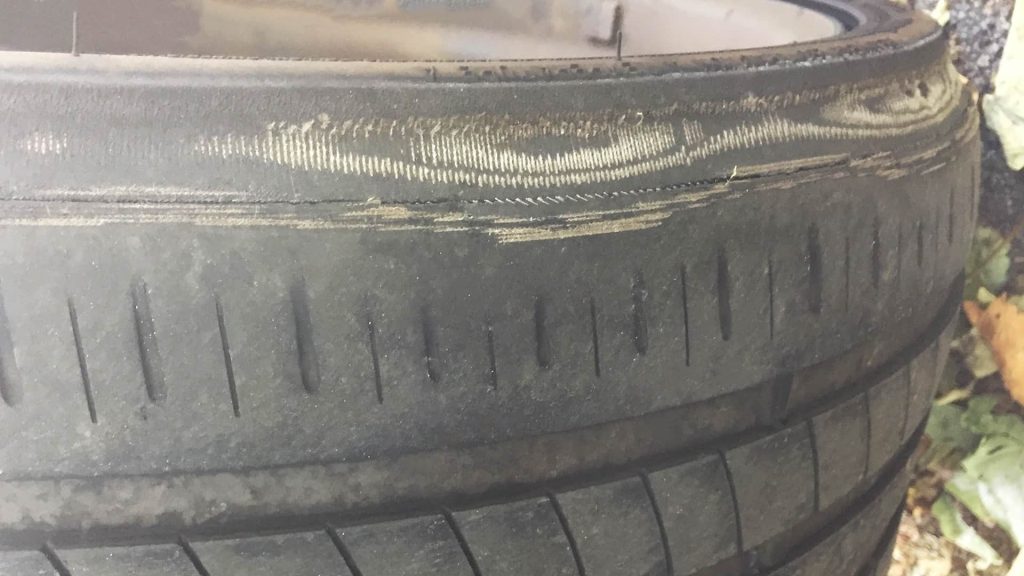
If you notice a bulge, sudden severe shaking, or a rhythmic thumping noise, avoid highway driving and arrange a safe inspection. Do not attempt to repair structural damage simply by balancing the wheel, because balancing cannot restore a damaged tire’s internal construction.
A technician can inspect the tire, measure its condition, and determine whether replacement is necessary. Checking tire pressure regularly and inspecting the tread and sidewalls can help identify developing problems before they become more dangerous. Never ignore a sudden change in how your car feels on the road.
3. Bent Wheels Caused by Potholes or Road Impacts
A bent wheel can cause persistent vibration even when the tire itself is in good condition. American roads contain potholes, uneven pavement, and debris that can deliver a sharp impact to a wheel, particularly when a vehicle travels over a damaged section at speed.
Alloy wheels can sustain bends along their inner or outer edges, and some damage is difficult to see while the wheel remains mounted.
When a wheel is no longer perfectly round, it may not rotate smoothly. The resulting vibration can become more noticeable at highway speeds, sometimes resembling the symptoms of an ordinary wheel imbalance. Drivers may also notice a thumping sensation, steering-wheel shake, or a change in the way the vehicle responds on rough pavement.
A wheel that looks undamaged from the outside can still have an inner-edge bend. Therefore, a quick visual inspection alone may not identify the problem. A repair shop can remove the wheel and measure its runout, which indicates how far the wheel deviates from its intended rotational path.
Balancing may reduce vibration caused by uneven weight distribution, but it cannot correct a wheel that is physically bent beyond acceptable limits. Depending on the damage and the manufacturer’s specifications, replacement may be necessary.

Pay attention to when the shaking began. If it appeared immediately after hitting a pothole or curb, ask a technician to inspect both the wheel and tire rather than requesting balancing alone. The impact may have damaged both components.
Avoid continued high-speed driving if the vibration is severe or the wheel appears visibly damaged. Prompt inspection can help prevent further tire damage and identify problems that could affect vehicle control.
4. Uneven Tire Wear and Incorrect Wheel Alignment
Tires are designed to meet the road at specific angles determined by the vehicle’s suspension geometry. When those angles move outside the manufacturer’s specifications, the wheels may no longer track correctly, leading to uneven tire wear, pulling, and sometimes vibration.
Wheel alignment problems can develop after hitting a pothole, striking a curb, or wearing out suspension components.
Common signs include a vehicle drifting to one side on a reasonably level road, a steering wheel that sits off-center, or tread wear that differs noticeably across the tire. Uneven wear can eventually create a rough rolling surface that contributes to vibration at higher speeds.
It is important to distinguish alignment from wheel balancing. Balancing corrects uneven weight distribution in the rotating wheel-and-tire assembly. Alignment adjusts the angles of the wheels relative to the vehicle and road. A car can need either service or both, depending on the underlying fault.
NHTSA recommends regular tire maintenance, including pressure checks, inspections for uneven wear, and alignment services when appropriate.
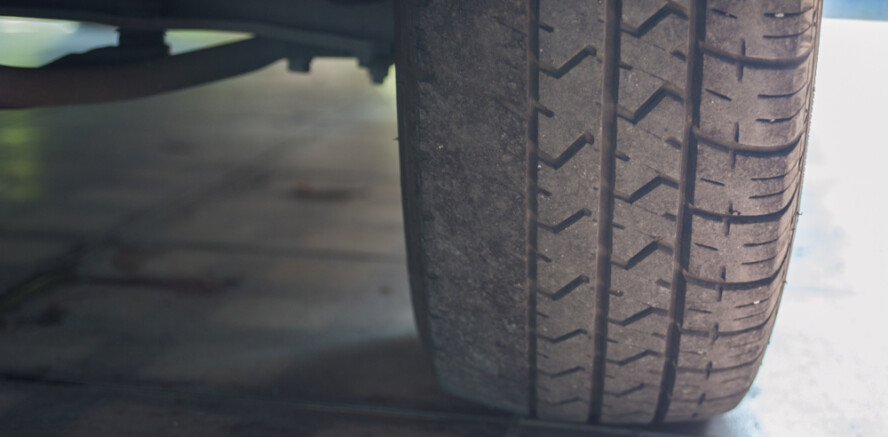
If your car vibrates and also pulls to one side, have the tires and alignment inspected. A technician should examine tread patterns and suspension condition before adjusting the alignment, because worn or damaged parts can prevent the settings from remaining correct.
An alignment service will not fix a tire with internal damage or a bent wheel. The correct repair depends on the diagnosis.
Checking tire pressure monthly, rotating tires according to the owner’s manual, and arranging inspections after significant road impacts can help limit irregular wear. Addressing the underlying cause is more effective than repeatedly replacing tires that wear unevenly.
5. Brake Rotor Problems
If your car vibrates mainly when you press the brake pedal, the braking system deserves attention. A problem with the brake rotors can cause the steering wheel, brake pedal, or vehicle body to shake as the car slows down.
This symptom differs from a typical wheel imbalance, which can produce vibration even when the brakes are not being used.
Brake rotors rotate with the wheels, and variations in rotor thickness or surface condition can cause changes in braking force as the pads contact them. Drivers may feel this as a repeated pulsing through the brake pedal or steering wheel, particularly during braking from highway speeds.
The phrase “warped rotors” is commonly used to describe this problem, but technicians need to identify the actual cause. Rotor thickness variation, uneven deposits on the rotor surface, excessive runout, worn brake components, or other faults may contribute to similar symptoms. Heat and demanding braking conditions can also affect brake performance.
If the vibration occurs only during braking, tell the technician exactly when it happens and whether the pedal pulses or the steering wheel shakes. A proper inspection can determine whether the rotors, pads, calipers, or other components require service.
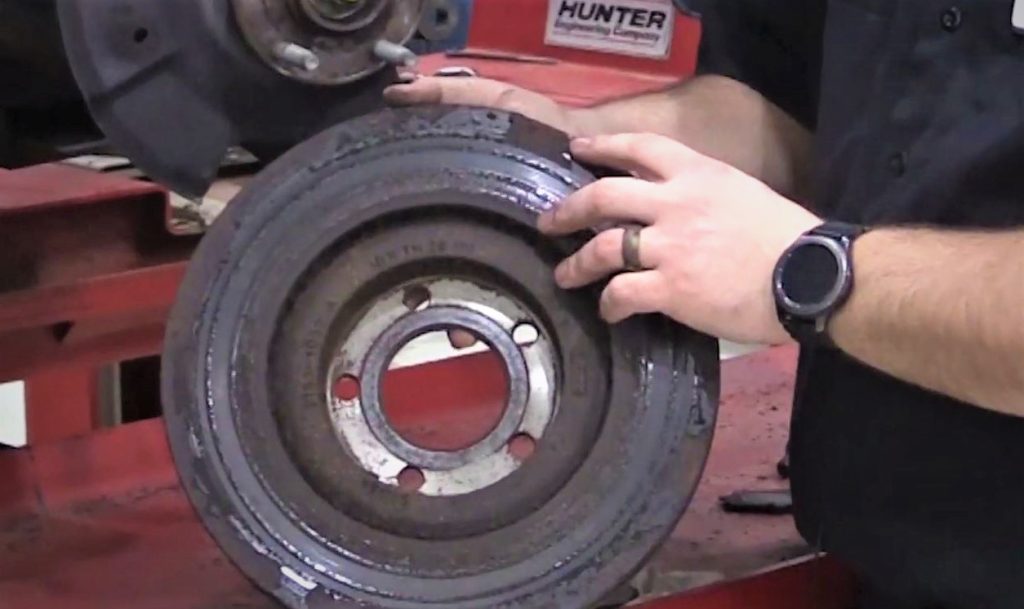
Do not assume that balancing the wheels will solve a braking-related vibration. The symptoms may have a different cause and need a separate diagnosis.
Brake problems deserve prompt attention because the system is essential for controlling and stopping the vehicle. If shaking is severe, braking performance changes, or warning lights appear, avoid continuing at highway speeds and arrange professional assistance. Smooth braking should not be taken for granted when the vehicle develops a new vibration.
6. Worn Suspension or Steering Components
Your car’s suspension and steering systems help keep the tires in contact with the road while maintaining directional control. When components become worn, loose, or damaged, the vehicle may develop vibration, excessive movement, uneven tire wear, or unstable handling at highway speeds.
Potential causes include worn control-arm bushings, ball joints, tie-rod ends, struts, and shock absorbers. Each component serves a different purpose, so the symptoms can vary.
Worn shock absorbers or struts may allow excessive bouncing after bumps, while loose steering components can contribute to imprecise steering or unusual movement over uneven pavement.
Suspension problems can also interact with tire issues. For example, worn dampers may allow a tire to bounce repeatedly against the road, contributing to irregular tread wear. That uneven wear can then create additional vibration, making it difficult to identify the original fault without a thorough inspection.
Pay attention to other symptoms accompanying the shaking. Clunking over bumps, a steering wheel that feels unusually loose, excessive body movement, or uneven tire wear can all help a technician narrow down the cause.
A professional inspection may involve checking joints and bushings for excessive play, examining dampers for damage or leakage, and inspecting the tires for wear patterns. Replacing parts without identifying the faulty component can waste money and leave the vibration unresolved.
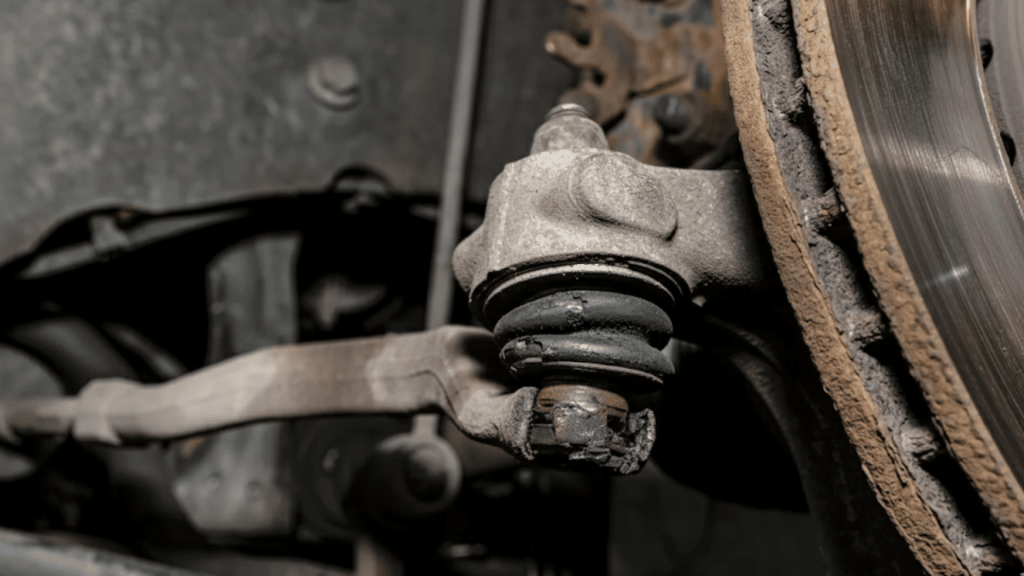
If the car feels unstable, wanders across the lane, or develops sudden steering changes, do not continue driving at highway speed. Have the vehicle inspected promptly.
Routine maintenance and early attention to unusual noises or handling changes can help identify suspension problems before they affect other components. A properly functioning suspension supports predictable handling, tire contact, and driver confidence on the highway.
7. Worn Wheel Bearings
Wheel bearings allow the wheels to rotate smoothly while supporting the vehicle’s weight. When a bearing wears or becomes damaged, it may create a humming, growling, rumbling, or grinding noise that changes with road speed. In some cases, the problem can also contribute to vibration felt through the steering wheel, floor, or body.
Unlike a simple wheel imbalance, a failing wheel bearing may produce noise that changes as the vehicle turns. This happens because cornering shifts the load between the wheels, potentially making a damaged bearing more noticeable under certain conditions. However, the direction of the noise alone is not a reliable way to identify which bearing has failed.
Bearing problems can develop through wear, contamination, corrosion, impact damage, or other mechanical issues. A technician may check for abnormal noise, excessive play, rough rotation, and related damage. Some bearing faults are difficult to detect without lifting the vehicle and inspecting the assembly properly.
Do not assume that a humming sound automatically means the wheel bearing is defective. Tire noise, uneven tread wear, and other rotating components can produce similar sounds. A professional diagnosis helps prevent unnecessary parts replacement.
If vibration is accompanied by grinding, a noticeable change in handling, or a rapidly worsening noise, arrange an inspection promptly. A severely damaged bearing can compromise safe vehicle operation, so continuing long highway trips without checking the problem is unwise.
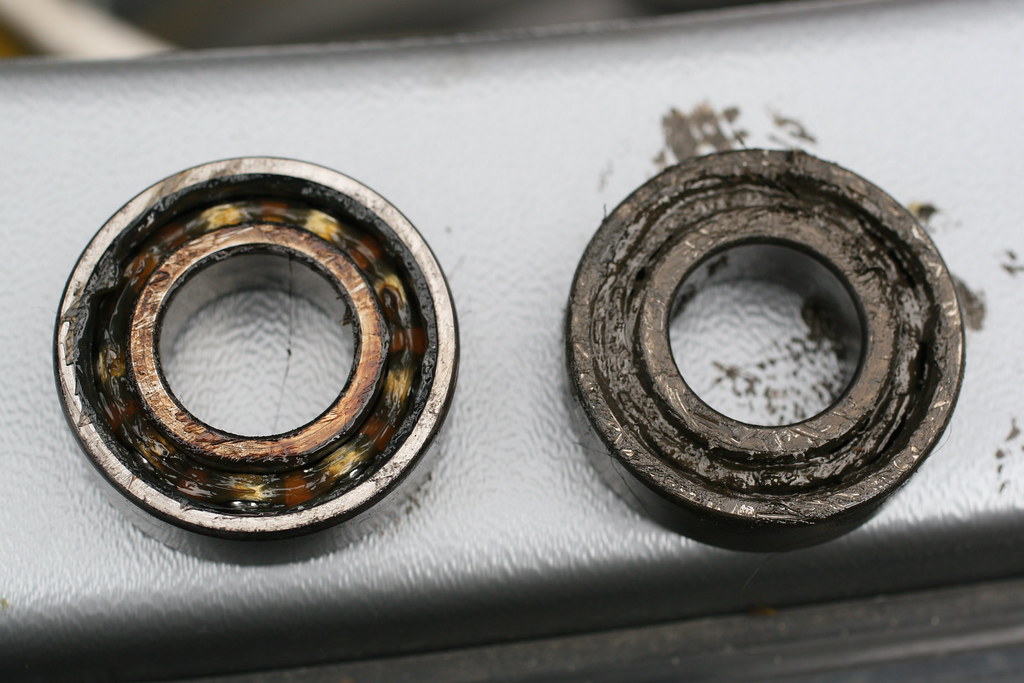
Wheel bearings are not normally repaired by balancing the tires or adjusting alignment. The appropriate repair depends on the vehicle’s design and the condition of the bearing assembly.
Pay attention to new noises and changes in vibration rather than waiting for the symptoms to become severe. Early diagnosis may prevent additional damage and help restore smooth, predictable driving.
8. Drivetrain Problems or a Damaged Driveshaft
A vibration that becomes stronger when you accelerate may originate in the drivetrain rather than the tires. The drivetrain transfers power from the engine and transmission to the driven wheels. Depending on the vehicle, it includes components such as driveshafts, constant-velocity (CV) joints, universal joints, and axle shafts.
If a driveshaft becomes bent or unbalanced, or a joint wears out, rotating components may generate vibration as vehicle speed increases. A worn inner CV joint can also cause shaking during acceleration, while a damaged universal joint on a vehicle equipped with one may produce vibration, clunking, or unusual noises.
The conditions under which the vibration occurs provide useful clues. If the car feels relatively smooth while coasting but shakes when you apply the accelerator, a drivetrain issue becomes one possibility. However, this pattern does not prove the drivetrain is responsible. Tire defects, engine problems, and worn mounts can produce similar symptoms.
A technician may inspect the driveshaft, joints, axle shafts, mounts, and related components for excessive play, damage, or abnormal movement. The diagnostic procedure depends on whether the vehicle uses front-wheel drive, rear-wheel drive, or all-wheel drive.
Do not attempt to inspect rotating drivetrain parts while the vehicle is running or raised without appropriate equipment and training. These components can cause serious injuries.
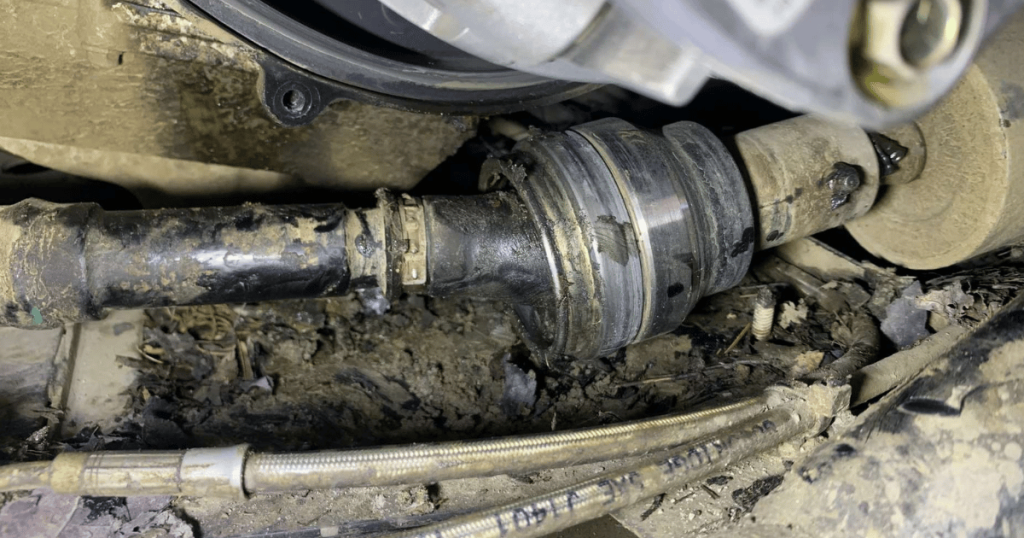
If the vibration is severe, occurs suddenly, or is accompanied by clunking and difficulty controlling the vehicle, stop somewhere safe and arrange professional assistance. Continuing to accelerate through the vibration may worsen the damage.
Explaining whether the shaking occurs during acceleration, cruising, or deceleration can help a repair technician narrow down the source. Accurate diagnosis matters because drivetrain repairs differ substantially from ordinary wheel balancing or alignment services.
9. Engine Misfires or Worn Engine Mounts
Not every vibration that becomes noticeable on the highway originates from the wheels. Engine problems can also cause shaking, particularly when the engine is under load during acceleration or climbing a hill. Two possible causes are an engine misfire and worn engine mounts, although they produce different symptoms.
An engine misfire occurs when one or more cylinders fail to burn the air-fuel mixture correctly. Possible causes include faulty spark plugs, ignition coils, fuel-delivery problems, or other engine faults. Drivers may notice hesitation, reduced acceleration, rough running, or an illuminated check engine light alongside the vibration.
Engine mounts serve a different purpose. They secure the engine to the vehicle while helping isolate normal engine movement from the cabin. When a mount deteriorates, vibration can travel more noticeably through the steering wheel, floor, or seats.
The shaking may be especially apparent when the engine is idling or when the transmission shifts between operating conditions.
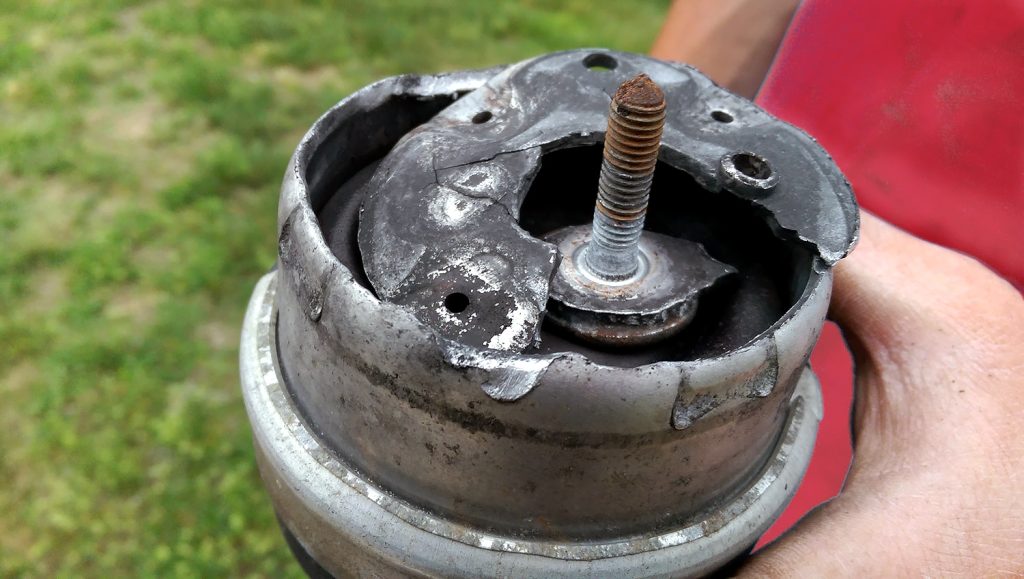
Pay attention to whether the vibration changes with engine speed or vehicle speed. If it occurs while the car is stationary with the engine running, an engine-related fault becomes more plausible than a wheel imbalance. If it appears only at highway speed, the wheels, tires, and drivetrain still deserve careful examination.
A mechanic can scan for diagnostic trouble codes, inspect the ignition and fuel systems, and examine engine mounts for damage. A flashing check-engine light can indicate a serious misfire that may damage the catalytic converter, so follow the owner’s manual guidance and seek prompt assistance.
Do not replace engine mounts or ignition parts based on vibration alone. Several faults can produce similar sensations, and accurate diagnosis prevents unnecessary repairs.
