
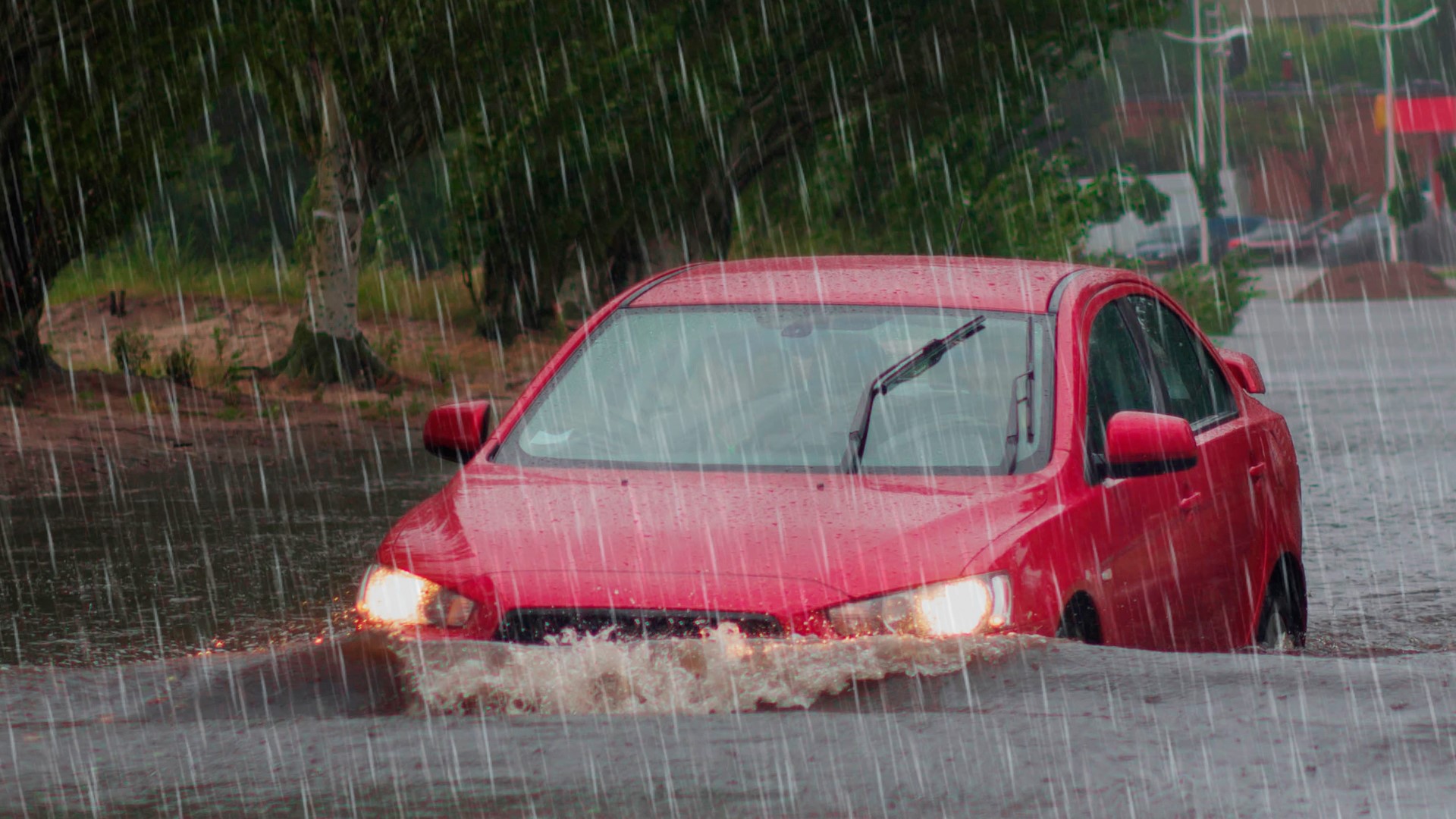
Heavy rain can affect a vehicle even when its cabin stays completely dry. Water reaches exposed mechanical components, collects in drainage channels, washes away protective lubrication in certain conditions, and creates an environment where corrosion and electrical faults can develop.
Repeated wet-weather driving can also reveal weaknesses in tires, brakes, suspension parts, and exterior seals. In the United States, where intense thunderstorms and prolonged rainy periods affect many regions, understanding these risks helps drivers avoid preventable repairs.
The damage is not always immediate, either. Some problems appear days or weeks after a storm, making early inspection and sensible maintenance especially valuable.
1. Brake Components Can Corrode and Lose Effectiveness Temporarily
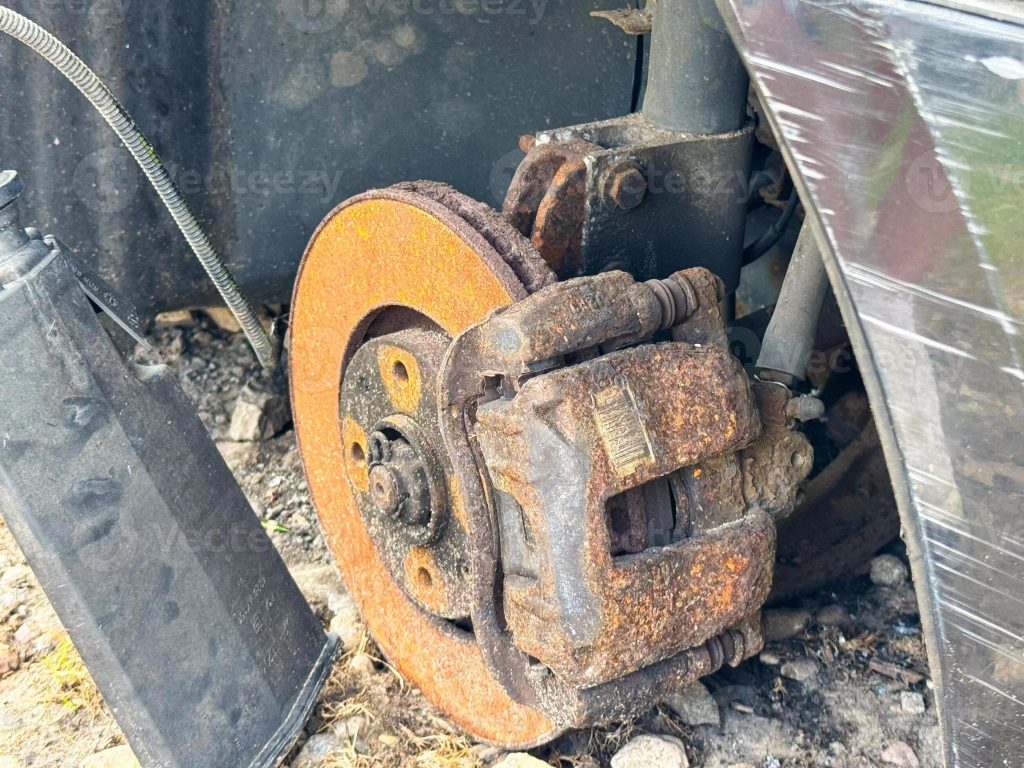
Brakes are designed to operate in wet weather, but repeated exposure to moisture can still affect their condition. Water on brake rotors may cause a thin layer of surface rust to form while a vehicle sits parked.
In many cases, normal braking removes this light rust. The concern arises when corrosion becomes extensive, components deteriorate, or moisture exposes an existing problem that was already developing.
The Ford F-150 is a useful example because it is frequently used for commuting, towing, and work around construction sites. After a heavy storm, water and road grime can accumulate around the wheels and braking hardware.
If the truck remains parked in a damp environment, surface corrosion may become visible on exposed rotor areas. That does not automatically mean the brakes need replacement, but persistent grinding, vibration, pulling, or reduced braking response deserves professional attention.
A Honda Accord can experience the same basic effects, despite its very different purpose. Water may temporarily reduce braking effectiveness immediately after driving through substantial standing water.
The driver should brake gently and cautiously when conditions allow, confirming that the brakes respond normally before resuming ordinary driving.
Do not ignore a soft pedal, persistent warning light, or unusual noise. These symptoms can indicate problems that surface rust alone cannot explain. A mechanic can inspect the pads, rotors, calipers, and brake fluid condition.
After heavy rain, avoid unnecessary hard braking and do not assume every rusty rotor requires replacement. Prompt attention to persistent symptoms can prevent a minor concern from becoming a safety problem.
2. Undercarriage Moisture Can Accelerate Rust and Corrosion
A car’s underside faces a steady combination of water, road grime, and debris during heavy rain. Although manufacturers apply protective coatings and corrosion-resistant treatments, those defenses can be weakened by scratches, damaged underbody panels, or previous repairs.
Moisture trapped around seams and crevices can encourage corrosion, especially when a vehicle repeatedly operates in wet conditions.
The Subaru Outback is often used for road trips and outdoor activities, making underbody inspections worthwhile after driving on muddy or poorly maintained roads during storms. Mud and leaves can collect around underbody shields and wheel wells, retaining moisture against metal surfaces.
Owners should look for damaged protective panels, loose fasteners, and visible corrosion, particularly if the vehicle has spent years in areas where winter road salt is common.
A Chevrolet Silverado 1500 faces similar exposure, especially when used for hauling equipment or traveling on unpaved roads. Water alone does not guarantee serious rust, and a single rainstorm will not normally destroy a properly maintained underbody.
The greater concern is repeated moisture exposure combined with existing coating damage, accumulated debris, and corrosive road contaminants.
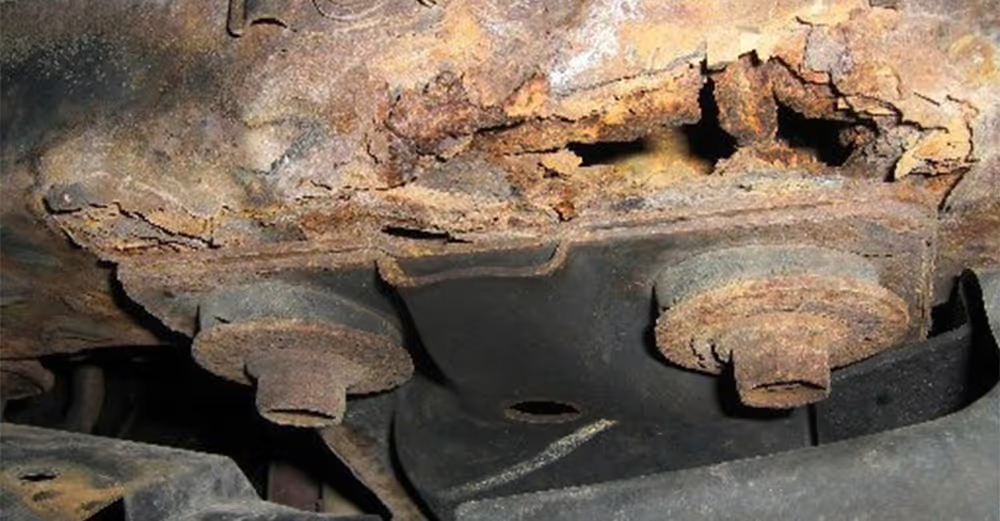
After a storm, rinse away heavy mud when safe and practical, paying attention to wheel wells and accessible underbody areas. Avoid directing high-pressure water at sensitive electrical connectors or damaged components. If the vehicle has substantial rust, have a mechanic assess whether it is superficial or affecting structural parts.
Drivers in snowy states should also remember that road salt can accelerate corrosion. Regular inspections and prompt attention to damaged coatings are more effective than waiting until rust becomes obvious from outside the vehicle.
3. Electrical Connectors Can Develop Moisture-Related Faults
Modern vehicles rely on electrical connections for lighting, sensors, engine management, power accessories, and safety systems. These components are generally designed to withstand normal weather exposure, but damaged seals, cracked insulation, loose connectors, and previous collision repairs can allow moisture to reach places it should not.
The Nissan Altima illustrates why drivers should pay attention to electrical symptoms after prolonged rainfall. Depending on the model year, its systems include electronic engine controls, power accessories, and multiple sensors.
If moisture reaches a vulnerable connection, a driver may notice intermittent warning lights, malfunctioning windows, or unusual behavior from an electrical accessory. Such symptoms have many possible causes, so rain exposure alone does not prove water damage.
The Jeep Grand Cherokee offers another example because its equipment varies widely across model years and trims. Exterior lighting, parking sensors, and other electronic features should be checked after severe weather, particularly if the vehicle has a history of front-end damage or aftermarket electrical modifications.
Poorly sealed repairs can create weaknesses that remain unnoticed until water reaches the affected area.
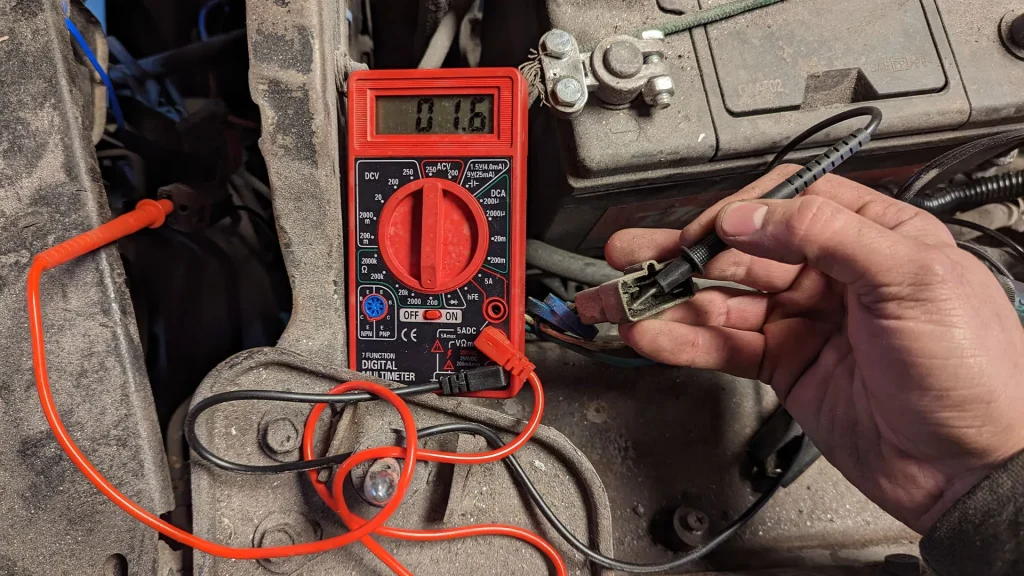
Avoid opening sealed electrical connectors or applying household cleaners in an attempt to dry them. Modern systems may require specific diagnostic procedures, and incorrect handling can cause additional damage. If warning lights persist, accessories stop working, or electrical behavior becomes erratic, arrange a professional inspection.
Drivers can reduce risk by keeping factory seals intact, addressing damaged wiring promptly, and ensuring previous body repairs were completed correctly. Ordinary rain should not disable a properly maintained vehicle, but it can expose existing weaknesses that deserve attention before they spread to other systems.
4. Tires Can Wear Faster When Wet Roads Hide Potholes
Heavy rain does not automatically destroy tires, but wet-weather driving can expose existing weaknesses and increase the risk of damage.
Potholes become harder to see beneath standing water, while debris washed across a road may puncture a tire or damage its sidewall. Repeated impacts can also affect wheel alignment, leading to uneven tread wear.
The Mazda CX-5 is a practical example of why tire condition matters after a storm. Drivers may encounter water-filled potholes on city streets or rural roads, and a hard impact can damage a tire even when the exterior initially appears normal.
Look for sidewall bulges, cuts, vibration, or a steering wheel that no longer sits straight. A bulge can indicate internal tire damage and warrants prompt professional assessment rather than continued high-speed driving.
For the Ram 1500, tire checks are especially important when the truck carries heavy loads or tows a trailer. The correct tire pressure depends on the tire specification and the vehicle’s loading requirements. Underinflation or overloading can increase stress on the tire, while worn tread reduces the ability to channel water away from the contact patch.
AAA testing has found that tires with relatively worn tread can require substantially longer stopping distances on wet pavement than new tires. In one 2018 test, stopping distance increased by 87 feet, or 43 percent, under the tested conditions.
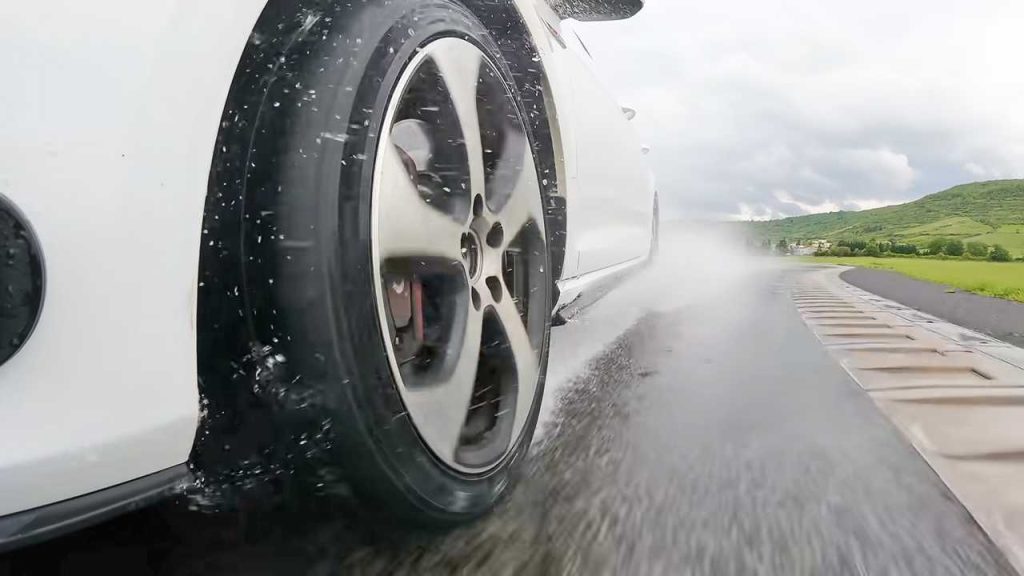
After driving through heavy rain, inspect tire pressure and visible tread condition when safe. If you hit a deep pothole, have the tire and wheel checked for hidden damage. Correct inflation, adequate tread, and careful driving help reduce risks that rain makes harder to anticipate.
5. Suspension and Wheel Alignment Can Suffer From Water-Hidden Road Hazards
Suspension systems are built to handle ordinary rain, but storms can conceal potholes, broken pavement, and debris capable of damaging components.
A wheel striking a deep pothole may bend a rim, damage a tire, affect alignment, or place extra stress on suspension parts. The damage comes primarily from the impact, not simply from water touching the vehicle.
The Hyundai Santa Fe demonstrates how a family SUV can encounter these problems during everyday driving. Water covering a road defect may hide its depth until the front wheel reaches it.
After a severe impact, drivers should watch for persistent steering vibration, clunking noises, uneven tire wear, or the vehicle pulling to one side. These symptoms can indicate alignment or component damage that deserves inspection.
The Mercedes-Benz C-Class offers another example, particularly in versions equipped with more sophisticated suspension configurations.
The exact hardware varies by model year and trim, but a damaged wheel, control arm, bushing, or shock absorber can create additional labor and parts expenses. Some symptoms may not appear until the vehicle is driven at higher speeds or over uneven pavement.
Do not assume that a vehicle is fine simply because it continues moving after hitting a pothole. Inspect the tires and wheels for visible damage, and arrange a professional check if handling changes or unusual noises develop.
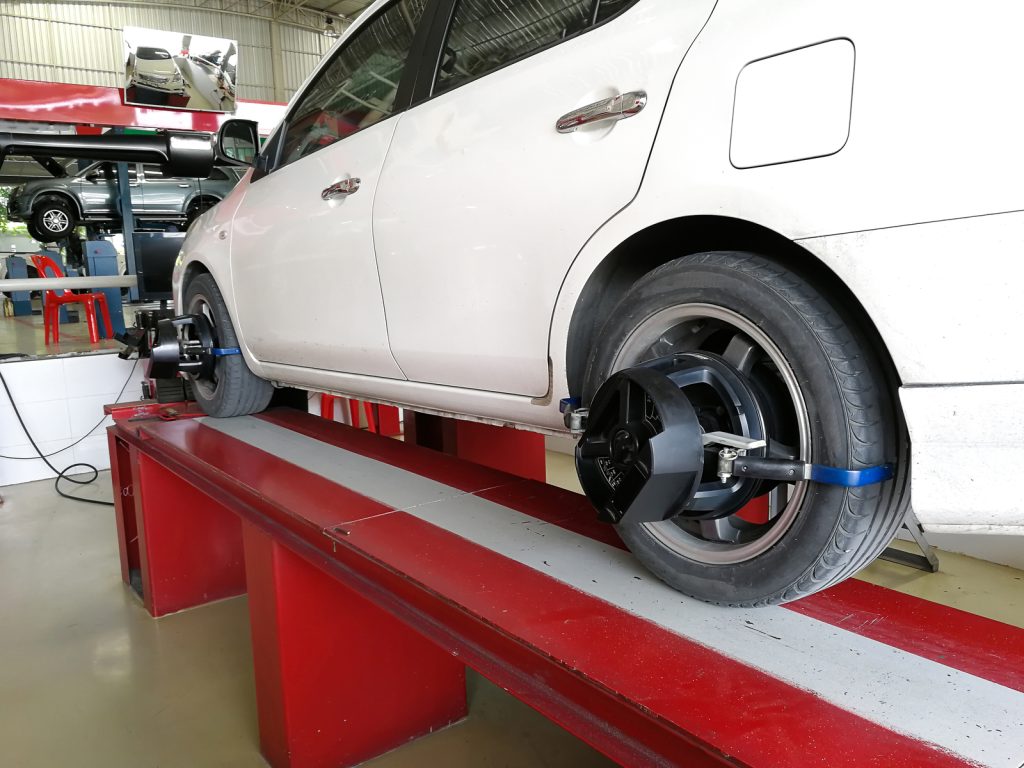
A wheel alignment can correct alignment angles when the relevant components are sound, but it will not repair a bent suspension part.
When rain becomes intense enough to conceal road conditions, slow down and leave extra room to react. Avoid driving through water when you cannot judge the road beneath it. Preventing a hard impact is usually less expensive than repairing the damage afterward.
6. Advanced Driver-Assistance Systems May Struggle in Heavy Rain
Many newer vehicles use cameras and radar sensors to support automatic emergency braking, lane-keeping assistance, adaptive cruise control, and other driver-assistance features. These systems can be affected by heavy rain, road spray, dirt, and poor visibility.
Rain may temporarily limit their ability to detect lane markings, vehicles, or obstacles, even when the hardware itself has not been damaged.
The Toyota Camry is one example of a vehicle equipped with driver-assistance technology on many model years. Depending on its equipment, a Camry may use a forward-facing camera and other sensors to support safety functions.
During heavy rain, the driver may receive a warning that a particular feature is temporarily unavailable. This does not automatically indicate a component malfunction, as poor visibility may simply prevent the system from functioning properly.
The Volvo XC90 provides another example because its available safety technology varies by generation and model year.
After a storm, check that sensor areas are clean and unobstructed. If a warning remains after the weather clears and the vehicle has been cleaned according to the owner’s manual, arrange a diagnostic inspection.

AAA research published in October 2021 found that simulated moderate to heavy rain affected the performance of automatic emergency braking and lane-keeping assistance during closed-course testing.
At 35 mph, test vehicles with automatic emergency braking collided with a stopped vehicle in 33% of the runs. These results illustrate the limitations of assistance systems in poor conditions, not the probability of a crash in every rainy journey.
Keep the windshield clean, maintain the wipers, and never rely on driver assistance as a substitute for attentive driving. If visibility becomes inadequate, slow down or stop somewhere safe until conditions improve.
7. Exterior Seals and Drainage Channels Can Deteriorate
A dry cabin does not guarantee that every part of a vehicle has remained dry. Heavy rain can reveal weaknesses around door seals, windshield trim, trunk openings, sunroof drains, and other drainage channels. Water may travel behind exterior panels or collect in concealed spaces without immediately appearing on the seats or carpets.
The Kia Telluride is worth checking carefully if it has a panoramic sunroof or other roof-mounted equipment, depending on its trim and model year. Inspect the headliner edges, roof trim, door openings, and cargo area for water stains or musty odors.
Make sure the sunroof opens and closes properly if fitted, and have its drainage system inspected if there is evidence of leakage.
The Acura RDX provides another example of why exterior seals deserve attention. Depending on its equipment and previous repairs, potential inspection points include the windshield perimeter, door seals, tailgate opening, and sunroof drainage system.
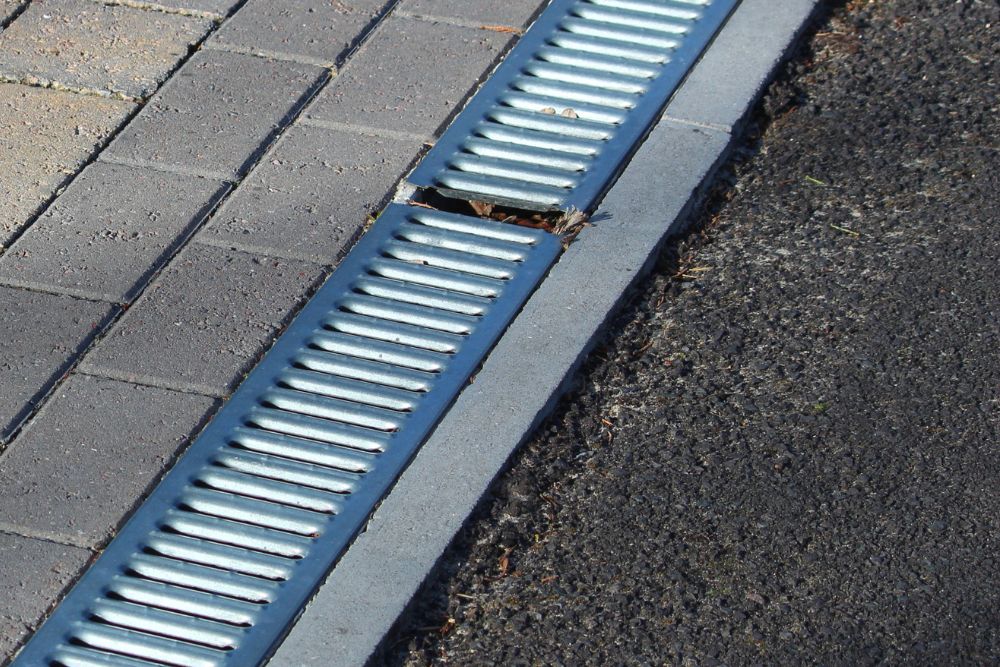
A previous windshield replacement or body repair may be relevant if the sealing work was not completed correctly.
Blocked drains and damaged seals can allow moisture to remain trapped behind trim or within concealed cavities. Over time, persistent moisture may contribute to corrosion, unpleasant odors, or electrical problems if it reaches wiring and connectors. However, a wet exterior alone is not evidence of a failed seal.
After heavy rainfall, inspect accessible seals and drainage openings without dismantling vehicle components. Look for loose trim, cracked rubber, water marks, or unexplained dampness. If leakage is suspected, have a qualified technician perform a controlled water test and identify the entry point before replacing parts.
