

A used car can appear mechanically sound during a test drive while hiding expensive problems in the features that make modern vehicles comfortable, safe, and convenient.
A panoramic sunroof, adaptive suspension, advanced driver assistance, or power-operated tailgate may work perfectly today but require costly repairs as components age. The risk is not limited to luxury vehicles, either.
Mainstream sedans and SUVs increasingly use sophisticated electronics and specialized hardware. Understanding which features deserve extra scrutiny helps American buyers make informed decisions, negotiate fairly, and avoid unexpected bills.
Before purchasing any used vehicle, knowing what to inspect can be just as valuable as knowing its mileage.
1. Advanced Driver-Assistance Systems and Safety Sensors
Features such as adaptive cruise control, automatic emergency braking, lane-keeping assistance, and blind-spot monitoring can make driving safer and less tiring. However, these systems depend on cameras, radar units, sensors, wiring, and electronic control modules that may be expensive to diagnose or replace after damage.
The Toyota RAV4 is a useful example because many versions include Toyota Safety Sense driver-assistance technology. Equipment varies by model year and trim, so buyers should verify which functions their particular vehicle has.
A damaged windshield, front bumper, or sensor mounting point can require additional work beyond conventional body repairs. Depending on the system, calibration may be necessary after a component is replaced or its position changes.
The expense is not limited to major collisions. A minor parking impact can damage a bumper-mounted sensor, while an incorrectly installed windshield may interfere with a camera’s view. In its research on advanced driver-assistance systems, AAA has highlighted how sensor-related work can add to collision-repair costs.

During a pre-purchase inspection, test the available safety features under appropriate conditions and check for warning messages. Have a qualified technician scan the relevant control modules and inspect the sensors for damage or previous repairs.
Do not assume that a warning light simply needs resetting. A system that appears operational may still have a stored fault or calibration issue. Ask for a written estimate before accepting a vehicle with unresolved safety-system problems, and verify that any necessary repairs restore the system to proper working order.
2. Air Suspension and Electronically Controlled Dampers
Air suspension can make a heavy SUV or luxury sedan feel remarkably smooth, adjusting ride height or firmness to suit driving conditions. The trade-off is mechanical complexity. Air springs, compressors, valves, height sensors, and electronic controls all introduce potential failure points that conventional steel springs do not have.
The Lincoln Navigator is one example worth checking carefully. Certain versions offer air suspension or electronically controlled suspension equipment, depending on the model year and configuration.
If an air spring develops a leak, the compressor may run more frequently while trying to maintain the correct ride height. Leaving the fault unresolved can place additional strain on the system.
Repair costs vary widely with the failed component, parts availability, and labor rates. A 2026 US repair-cost guide from Empire Auto Protect places some individual air-suspension repairs in the hundreds to thousands of dollars, while extensive system failures can cost several thousand dollars. These are broad estimates, not guaranteed quotes for every Navigator.
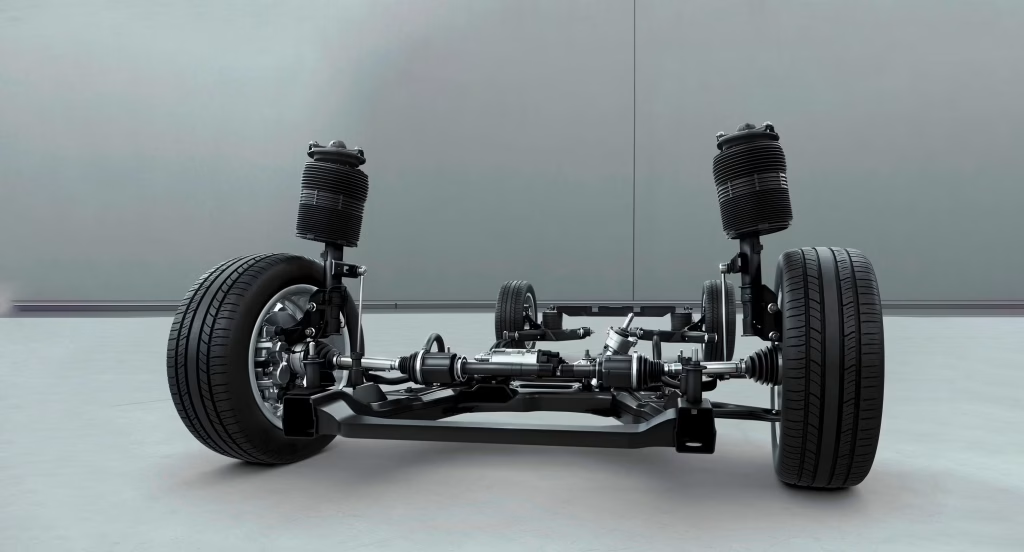
Before buying, leave the vehicle parked and inspect whether it sits level. Check for suspension warnings, unusual compressor noise, and changes in ride height after starting the engine. During the test drive, listen for clunks and pay attention to whether the vehicle rides unevenly.
Ask a mechanic to inspect the suspension and provide a written estimate for any faults. A lower purchase price may not compensate for a major suspension repair immediately after the sale.
3. Panoramic Sunroofs and Power Moonroofs
A panoramic sunroof can make a cabin feel brighter and more spacious, but its large glass panels, sliding tracks, motors, seals, and drainage channels create several potential repair points. When the system develops a fault, the problem may involve more than replacing a worn rubber seal.
The Hyundai Palisade is a good example of a family SUV in which buyers may encounter a large sunroof, depending on the trim and model year. Before purchasing one used, operate the roof through its complete opening and closing cycle. Listen for grinding, clicking, or uneven movement, and check whether the glass closes flush with the surrounding roof.
Water intrusion deserves particular attention. Sunroof assemblies generally use drainage channels to direct water away from the cabin.
If a drain becomes obstructed, water may collect around the headliner, pillars, carpeting, or electrical connectors. The source of a leak should be identified before anyone assumes that replacing the visible seal will solve it.
The Volkswagen Tiguan also deserves a thorough roof inspection when equipped with a panoramic sunroof. Look for damp carpeting, musty odors, water staining, and evidence of previous interior repairs. After rain or a professional water-leak test, moisture in the cabin may indicate a drainage, sealing, or installation problem.

Repair expenses depend on the cause. Clearing a blocked drain can be relatively inexpensive, while replacing a motor, repairing damaged tracks, or addressing extensive water damage can cost considerably more. A damaged glass panel may add another substantial expense.
Do not accept a seller’s explanation that a leak is merely condensation without proper investigation. Ask a qualified technician to inspect the drainage system and roof mechanism before purchase. This is particularly important if the vehicle has previously experienced heavy rain, hail, or roof repairs.
4. Turbochargers and Their Supporting Components
Turbocharged engines deliver strong acceleration from relatively small engine displacements, but their supporting systems can become expensive to repair when maintenance has been neglected.
A turbocharger operates under high heat and rotational speed, relying on appropriate lubrication and, depending on its design, effective cooling. Oil leaks, damaged bearings, boost leaks, and wastegate problems can all affect performance.
The Ford Escape illustrates why buyers must check the exact powertrain rather than assuming every version carries the same risks. Certain model years offer turbocharged EcoBoost engines, while engine availability varies by year and trim.
A used example may run smoothly during a short drive yet develop hesitation, excessive smoke, unusual whistling, or a check-engine light under different conditions.
The Chevrolet Equinox provides another example. Some versions use turbocharged engines, including the 1.5-liter turbocharged four-cylinder in applicable model years. Buyers should verify the engine specification and review service records for the specific vehicle.
A turbocharger problem can sometimes be confused with a less expensive fault involving a hose, sensor, ignition component, or other part of the engine’s air and fuel systems.
That distinction matters because a warning light alone does not establish that the turbocharger has failed. A proper diagnosis should include relevant fault codes, boost-pressure checks, inspection for oil leaks, and an assessment of the engine’s general condition.
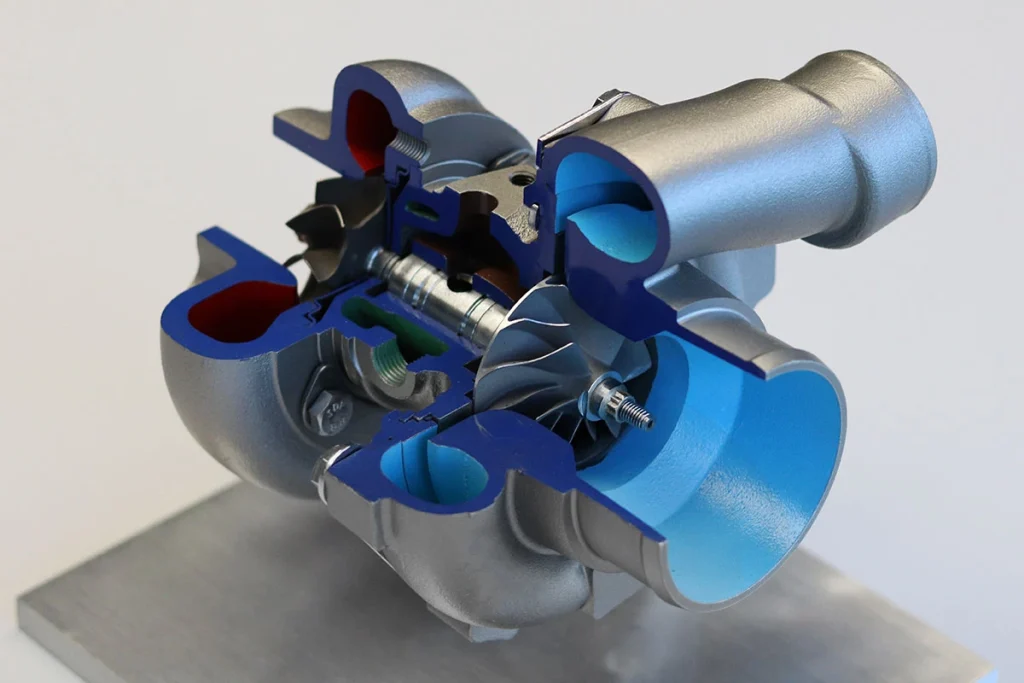
Before purchasing, ask whether the vehicle has experienced power loss, unusual exhaust smoke, or repeated engine warnings. Review maintenance invoices and have a mechanic inspect the turbocharger and associated plumbing.
If the seller reports a suspected turbo problem, obtain a written repair estimate before negotiating. The final cost may depend on whether the fault involves a small supporting component or the turbocharger assembly itself.
5. Dual-Clutch and Complex Automatic Transmissions
A sophisticated transmission can make a used car feel responsive and refined, but repairs may become expensive when clutch packs, hydraulic components, valve bodies, or electronic controls develop faults.
Transmission type also plays a role, as conventional automatics, continuously variable transmissions, and dual-clutch systems have distinct designs and servicing requirements.
The Volkswagen Golf GTI is one vehicle to inspect carefully because many model years offer a dual-clutch automatic transmission alongside a manual option.
The dual-clutch unit can deliver quick gear changes, but buyers should pay attention to shuddering, hesitation when moving away from a stop, harsh engagement, and warning messages. Some symptoms can be caused by software or adaptation issues, while others may indicate mechanical wear.
The Ford Focus requires a more specific warning. Certain 2012 through 2016 North American Focus models equipped with the DPS6 PowerShift dual-clutch automatic transmission became associated with widely reported transmission complaints and legal disputes.
That history does not mean every Focus has failed, but buyers should verify the exact transmission, review repair records, and investigate whether applicable warranty extensions or settlement provisions remain relevant to the vehicle. Coverage should never be assumed simply because a model was previously included in a program.
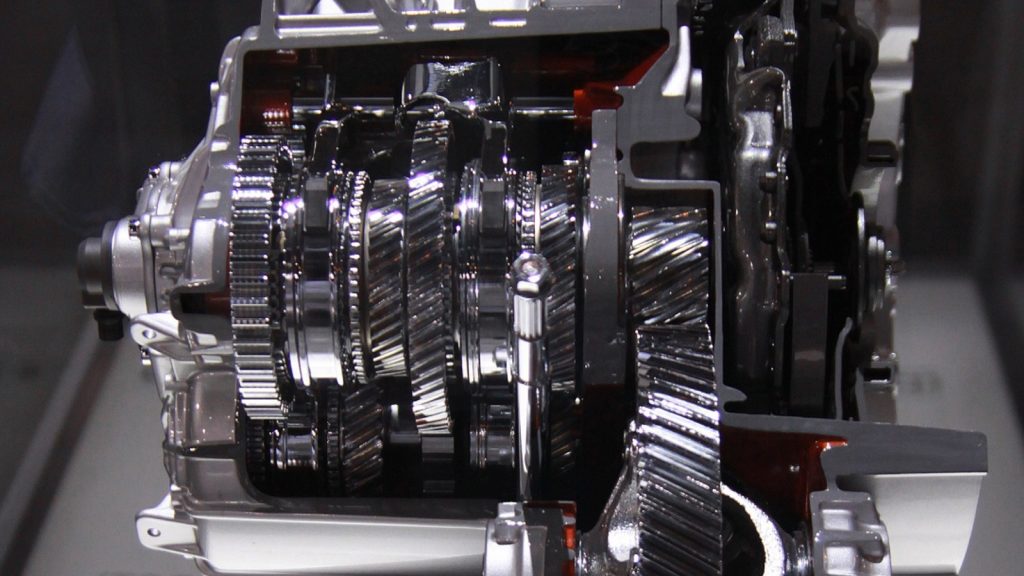
When inspecting either vehicle, test it both cold and fully warmed up. Check reverse engagement, low-speed acceleration, hill starts, and repeated stop-and-go operation where safe. A short highway drive may not reveal problems that occur in traffic.
Ask a transmission specialist to scan the control system and inspect the service history. Do not accept persistent shuddering or delayed engagement as normal behavior without a diagnosis.
Before purchasing, compare the repair estimate with the vehicle’s market value, since a major transmission fault can substantially change the economics of the deal.
6. Large Touchscreens and Integrated Infotainment Systems
A modern infotainment screen may control navigation, audio, climate settings, vehicle preferences, and smartphone connectivity.
When these functions are integrated into one system, a failed display or control module can become more than a minor inconvenience. Depending on the design, the repair may require software diagnosis, module replacement, programming, or specialist labor.
The Tesla Model 3 deserves particular attention because its central touchscreen handles many functions that conventional cars operate through separate physical controls.
When inspecting a used example, test the display for dead areas, flickering, slow responses, unexpected restarts, and problems accessing vehicle settings. Confirm that climate control, cameras, audio, navigation, and other relevant features work correctly.
The exact repair implications depend on the model year and hardware generation. Some faults may be resolved through software updates or repairs to individual components, while others may require more substantial work.
Buyers should also confirm whether any applicable warranty remains and whether the vehicle has a documented history of screen or computer replacement.
The Cadillac Escalade offers another example of infotainment complexity, particularly in model years equipped with extensive digital displays and integrated electronic controls. A damaged screen, failed control module, or intermittent communication fault can require specialized diagnostic work.
A replacement display may not be a simple plug-and-play installation if programming or configuration is necessary.
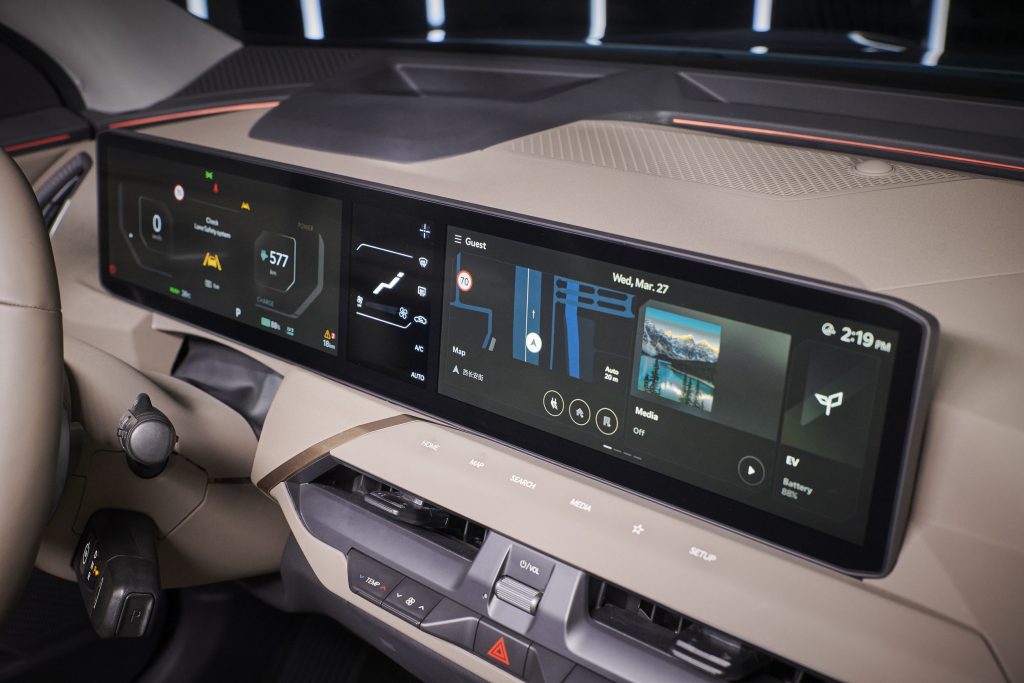
During the inspection, check every screen and physical control, connect a compatible phone, test the cameras, and operate the climate system. Review any warning messages and ask whether previous software or hardware repairs were completed.
A screen that lights up is not necessarily fully functional. If any feature is unreliable, request a professional diagnosis and written estimate before buying. An unresolved electronic fault can turn a seemingly minor defect into a costly ownership problem.
7. Adaptive Headlights and Expensive LED Assemblies
Modern headlights do much more than illuminate the road. Depending on the vehicle, they may use LED or adaptive lighting technology, automatic leveling, cornering functions, and sensors that adjust the beam as driving conditions change.
These systems can improve visibility, but repairs may be considerably more expensive than replacing a conventional halogen bulb.
The Audi A8 is an example of a luxury sedan that has offered sophisticated lighting technology on certain model years and trims. Buyers should verify the equipment fitted to the individual car, since lighting systems differ across generations.
If an adaptive headlight develops a fault, the problem might involve a control module, actuator, wiring connection, or the complete lamp assembly. The cost depends on which component has failed and whether the part can be serviced separately.
The Mercedes-Benz S-Class also merits close inspection. Certain versions feature advanced LED lighting systems with automatic beam adjustment and additional electronic controls. Damage to a headlamp assembly can be particularly expensive if the unit incorporates multiple functions that cannot be repaired individually.
Headlight problems are not always obvious in daylight. A lamp may illuminate but fail to adjust correctly, display an intermittent warning, or develop condensation inside the housing. Aftermarket replacement units may also differ in quality, compatibility, or regulatory compliance.

Test both headlights, high beams, turn signals, and any available adaptive functions in appropriate conditions. Check for cracks, moisture, inconsistent brightness, and dashboard warnings. If the vehicle has been in a front-end collision, ask the technician to inspect mounting points and related wiring.
Obtain a parts and labor estimate before agreeing to the purchase. Replacing an expensive lighting assembly may be manageable when budgeted in advance, but it can be an unpleasant surprise when the car was bought without checking its equipment.
8. Power Tailgates, Sliding Doors, and Motorized Mechanisms
Power-operated doors and tailgates offer everyday convenience, especially on family vehicles. Unfortunately, their motors, hinges, latches, position sensors, wiring, and electronic control systems can wear out or become damaged. A mechanism that works intermittently may require more investigation than simply replacing a fuse.
The Honda Odyssey is worth checking because many model years offer power sliding doors and a power tailgate, depending on trim and configuration.
Open and close each door several times using the available controls. Listen for grinding, repeated beeping, uneven movement, or hesitation. Also test manual operation where the owner’s manual permits it, because resistance or unusual noises may indicate a mechanical issue.
A door that reverses direction before closing may have a problem with its obstruction sensors, tracks, alignment, or motor.
The cause needs to be diagnosed before parts are replaced. Family use can also mean these mechanisms have completed thousands of operating cycles, especially in vehicles used for school runs and frequent passenger loading.
The BMW X5 provides another example through its power-operated tailgate on equipped versions. Inspect the liftgate for uneven movement, failure to remain open, unusual motor noise, and warning messages. Depending on the design and model year, a fault may involve an actuator, latch, wiring, or control component.
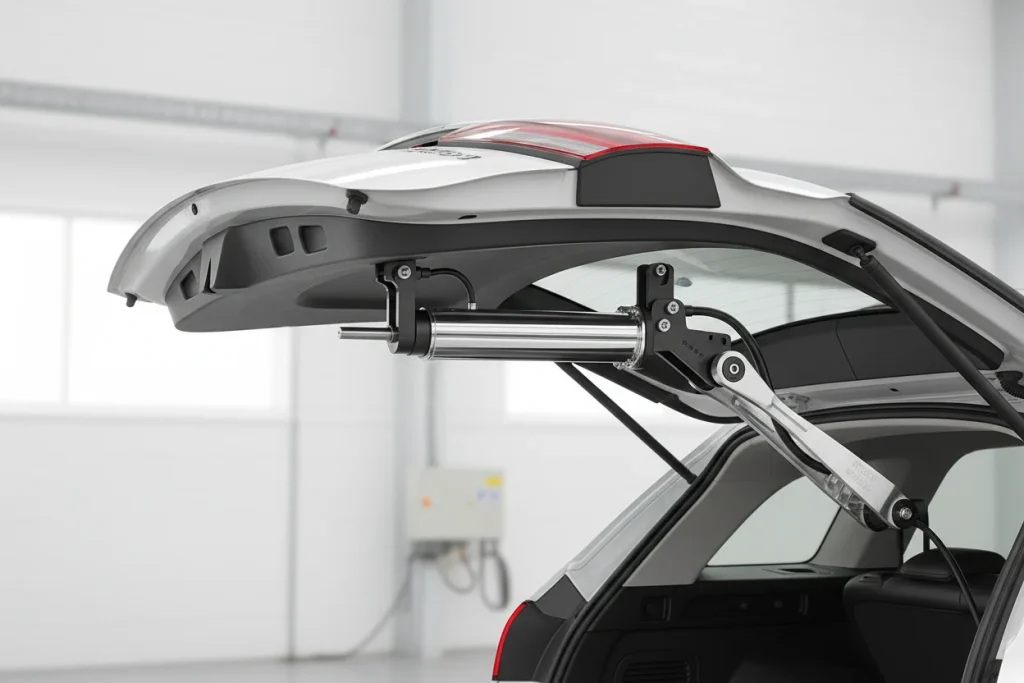
Before buying either vehicle, test every powered mechanism using its normal switches and remote controls. Inspect the tracks and hinges for visible damage, and check for evidence of collision repairs around the door openings.
Ask the seller about intermittent operation rather than testing a feature only once. A written repair estimate can help distinguish a relatively simple adjustment from a more expensive motor or electronic fault. These features are useful, but their convenience should not conceal a problem that will become your responsibility after purchase.
9. Air Conditioning With Multiple Climate-Control Zones
A sophisticated climate-control system can keep passengers comfortable in different parts of the cabin, but the additional components create more opportunities for faults.
Depending on the vehicle, the system may include multiple temperature sensors, blend-door actuators, electronic controls, rear evaporators, and separate refrigerant lines. Diagnosing a problem can therefore require more than checking whether cold air comes through the front vents.
The Chevrolet Traverse is a useful example because certain model years and trims offer tri-zone climate control, with separate controls for rear passengers. During a test drive, operate the front and rear systems independently.
Check whether each zone responds to temperature changes and whether the airflow direction changes correctly. A system that cools the front cabin but blows warm air in the rear may have a problem beyond a simple refrigerant shortage.
The Lexus GX is another vehicle worth inspecting, particularly when equipped with rear climate controls. Its configuration varies by model year and trim, so buyers should establish which features are fitted to the particular example.
Test the system after the vehicle has been sitting in warm weather, then check whether it continues to cool consistently during the drive.
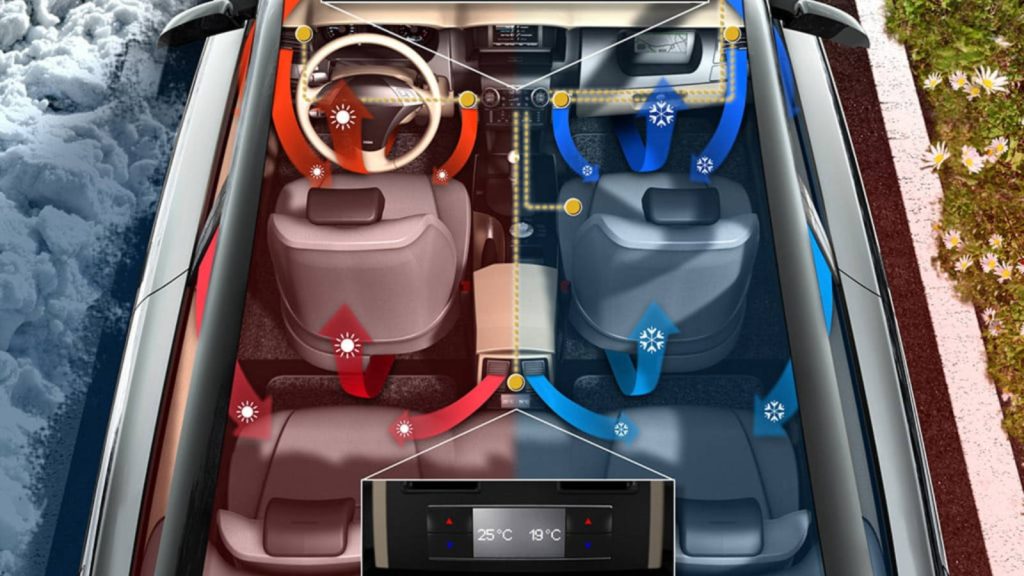
Air-conditioning repairs vary substantially in cost. A faulty actuator or electrical connection may be relatively straightforward to address, while a leaking evaporator can involve extensive dashboard disassembly. Compressor failure, refrigerant leaks, and contaminated systems can also require more involved repairs.
Listen for unusual clicking behind the dashboard, check for unpleasant odors, and look for warning messages. Do not assume that warm air merely means the refrigerant needs topping up. Refrigerant loss generally warrants investigation to identify the underlying cause.
Before purchasing, have an automotive air-conditioning specialist check cooling performance, system pressures, and suspected leaks. A written diagnosis can help prevent an apparently minor comfort issue from becoming a major repair expense.
