A used luxury car can deliver premium comfort, impressive performance, sophisticated technology, and a prestigious badge for far less than its original sticker price. However, the purchase price tells only part of the story.
Behind an attractive deal may be expensive maintenance schedules, specialized repairs, costly insurance, premium fuel requirements, and electronic systems that become increasingly difficult to service as a vehicle ages.
Even a car with a clean title and an apparently spotless interior can conceal problems that emerge months after purchase. Understanding these ten hidden costs helps American buyers evaluate a used luxury vehicle realistically, protect their budgets, and avoid turning an affordable purchase into an expensive ownership experience.
1. Unexpected Maintenance and Routine Service Bills
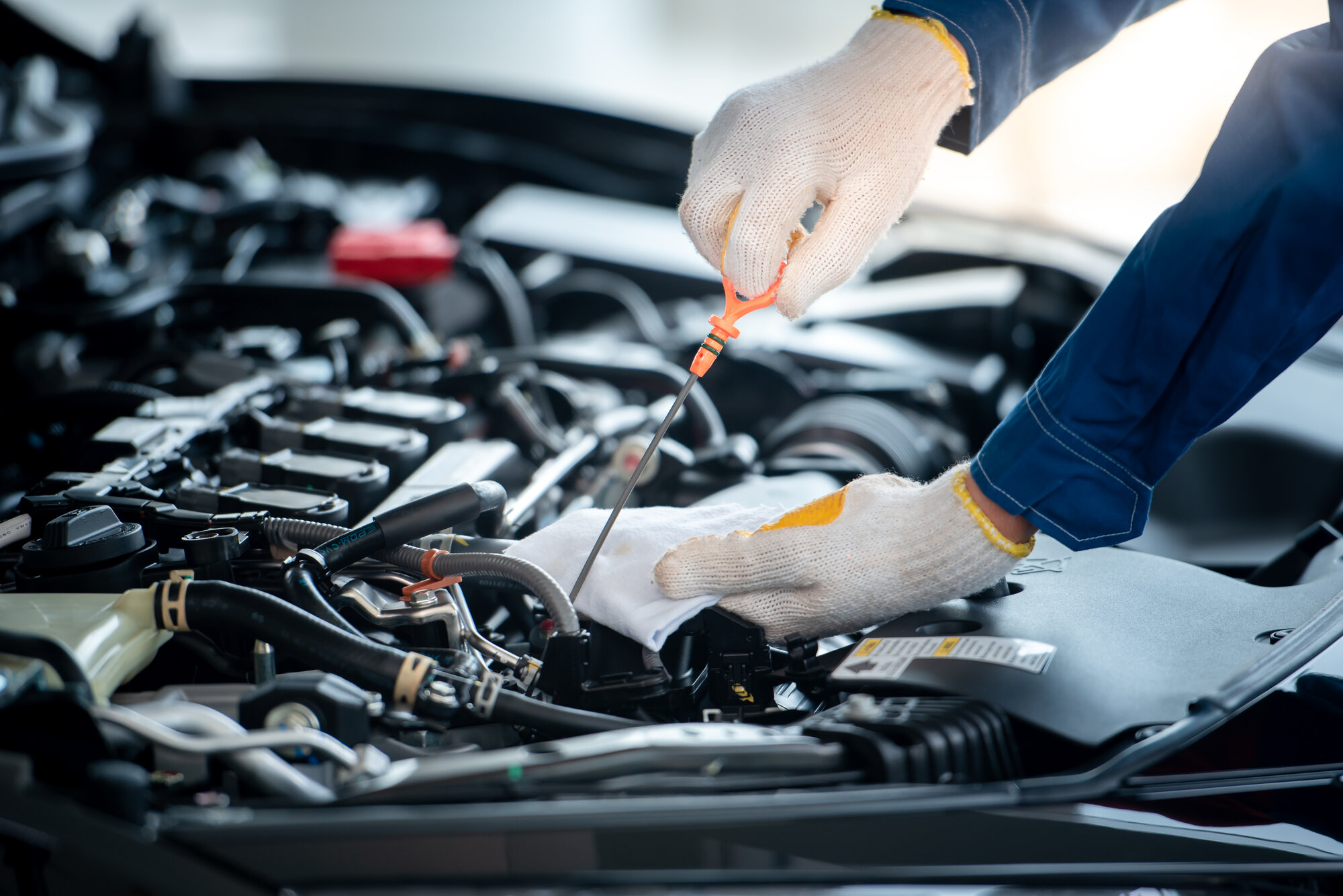
A used luxury car may cost less to purchase than it did when new, but its maintenance requirements do not automatically become cheaper with age. Oil changes, filters, spark plugs, fluid replacements, and scheduled inspections can cost more when a vehicle requires specialized parts, particular fluids, or additional labor.
Consider a used BMW 3 Series. RepairPal reports an average annual repair and maintenance cost of $968 across BMW models, compared with $652 for all vehicle models.
These figures cover different model years and include scheduled maintenance and unscheduled repairs, so they should be treated as brand-level averages rather than a guaranteed bill for one particular vehicle.
The expense becomes harder to predict when the service history is incomplete. A seller might advertise a car as recently serviced, yet that description may cover only an oil change.
Deferred spark plug replacement, overdue transmission servicing where specified, or neglected cooling system maintenance can create additional expenses shortly after ownership begins.

The Mercedes-Benz E-Class presents a similar budgeting challenge. RepairPal estimates average annual repair and maintenance costs of $908 across Mercedes-Benz models.
A well-maintained example may need relatively little beyond routine service in a given year, while an older vehicle approaching several scheduled maintenance milestones can require substantially more.
Before purchasing either car, request invoices rather than relying on verbal assurances. Ask a qualified specialist to identify overdue services and estimate the next 12 months of maintenance. Keeping a separate repair reserve also prevents ordinary servicing from disrupting your monthly budget.
2. Expensive Repairs to Complex Engine and Transmission Systems
Luxury vehicles often deliver their performance through sophisticated engines and transmissions. Turbochargers, direct fuel injection, variable valve timing, electronically controlled cooling systems, and advanced automatic transmissions can improve power delivery and efficiency.
However, diagnosing and repairing these components may require specialized equipment, experienced technicians, and expensive replacement parts.
The Audi A6 illustrates why model-specific research matters. RepairPal estimates its average annual repair and maintenance cost at $913, compared with $652 across all vehicle models.
That figure does not mean every A6 will develop an expensive engine or transmission fault. It demonstrates why buyers should investigate the exact engine, model year, mileage, and service history rather than relying on the purchase price alone.
The Porsche Cayenne presents a different set of maintenance considerations due to its performance-focused engineering, considerable weight, and complex mechanical layout. Depending on the model and component involved, certain repairs may require extensive labor simply to gain access to the necessary parts.
A warning light, oil leak, cooling-system fault, or transmission symptom should therefore be investigated before negotiations are finalized, not dismissed because the vehicle starts and drives normally during a short test.
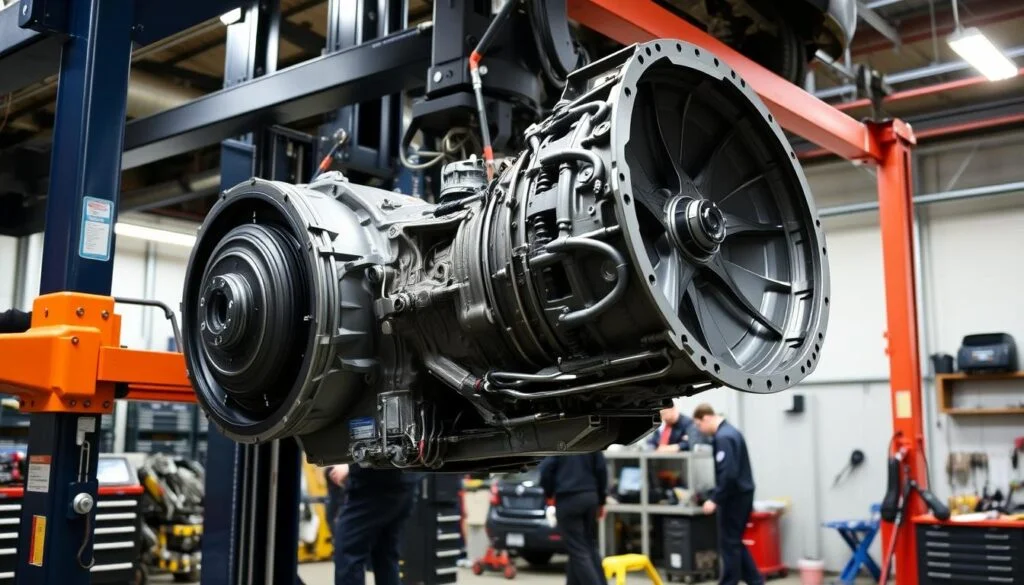
Ask the seller whether the vehicle has undergone engine, transmission, and cooling-system repairs. Obtain a diagnostic scan and an independent pre-purchase inspection, ideally from a specialist familiar with the specific powertrain. Request written estimates for any faults discovered.
One important distinction is that a premium repair bill is not inevitable simply because a car is luxurious. Preventive maintenance, documented repairs, and careful model selection can reduce risk. The danger is purchasing a technically complicated vehicle without knowing which major systems may soon need attention.
3. Higher Insurance Premiums Than Expected
Insurance is another expense that can change the economics of buying a used luxury vehicle. Buyers sometimes assume that a lower used-car price automatically means cheaper coverage, but insurers consider several factors, including the vehicle’s repair costs, replacement parts, theft risk, safety equipment, claims history, and the driver’s personal circumstances.
The Lexus LS demonstrates the importance of looking beyond the purchase price. As a flagship sedan, it can feature sophisticated driver assistance technology, expensive lighting assemblies, and advanced electronic equipment.
If a collision damages a headlight, bumper, radar sensor, or camera, the repair may involve more than replacing a damaged panel. The insurer may also need to cover calibration procedures and specialized labor.
A Jaguar F-Pace presents similar considerations from the SUV segment. Its repair costs can vary with the model year, engine, trim, and severity of damage. Aluminum body components, electronic safety systems, and specialized replacement parts may influence the cost of restoring a damaged vehicle.

There is no reliable nationwide premium that applies to every used luxury car. Insurance quotations vary substantially by ZIP code, driving record, age, coverage limits, deductible, and insurer. Therefore, obtain quotations using the exact vehicle identification number before paying a deposit.
Compare comprehensive and collision coverage, liability limits, deductibles, and rental-car reimbursement. A cheaper policy may offer less protection when an expensive repair occurs.
The key is to factor insurance costs into your budget from the beginning. A vehicle that seems affordable based on its monthly payment alone could put a much greater strain on your finances once insurance and other ownership expenses are included.
4. Premium Tires, Brakes, and Replacement Components
Luxury vehicles frequently use larger wheels, wider tires, performance-oriented braking systems, or specialized suspension components. These features can improve handling, comfort, and stopping performance, but replacing worn components may cost considerably more than servicing an ordinary commuter car.
Take the Maserati Ghibli. Depending on the trim and wheel package, it may use staggered tire sizes, meaning the front and rear tires differ in dimensions.
Owners cannot always rotate these tires front to rear, and replacing a matching set may require a larger immediate expense than anticipated. Performance tires can also wear faster when subjected to aggressive acceleration, hard cornering, or unsuitable alignment.
The Land Rover Range Rover Sport introduces a different consideration. Depending on the version, it may have large wheels, substantial vehicle weight, performance brakes, and an advanced suspension system.
Replacement costs vary by specification, and suspension repairs can become particularly expensive if an older vehicle has air-suspension equipment that develops leaks or compressor problems.
Do not judge tire condition by tread depth alone. Look for uneven wear, sidewall damage, cracking, and evidence of poor alignment. Ask a tire shop to confirm the exact replacement sizes and obtain a written estimate for a complete set.
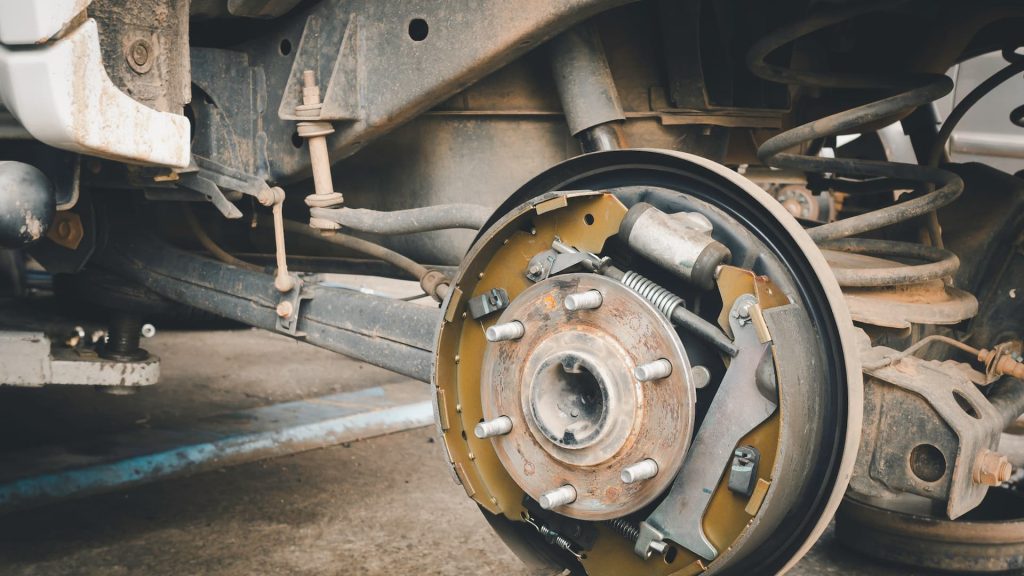
During a pre-purchase inspection, have the mechanic measure brake-pad thickness, inspect rotor condition, and assess suspension components. These checks can uncover expenses that a short test drive will not reveal.
A seemingly small discount can disappear quickly if tires, brakes, and suspension parts all need replacement soon after purchase.
5. Premium Gasoline and Higher Fuel Expenses
Fuel costs can quietly increase the price of owning a used luxury car, particularly when its engine requires premium gasoline or delivers relatively low fuel economy. The important distinction is between a manufacturer recommending premium fuel and requiring it for the engine’s intended operation.
Buyers should check the fuel specifications in the owner’s manual and on the vehicle’s fuel-door label rather than assuming every luxury model has identical requirements.
Consider the Cadillac CTS-V, a high-performance sedan whose supercharged V8 engine was designed around premium gasoline. Its performance-oriented powertrain can consume considerably more fuel than a smaller, economy-focused sedan, particularly during spirited driving.
Someone attracted by its used-market price should calculate fuel expenses using realistic driving habits, not the most optimistic highway mileage figure.
The Bentley Continental GT brings a different ownership equation. Its powerful engine, substantial performance capability, and grand-touring character prioritize refinement and acceleration rather than minimizing fuel consumption.
The precise fuel requirement and EPA fuel-economy estimates depend on the model year and powertrain, so buyers should check the specific vehicle rather than relying on a single figure for the entire model line.
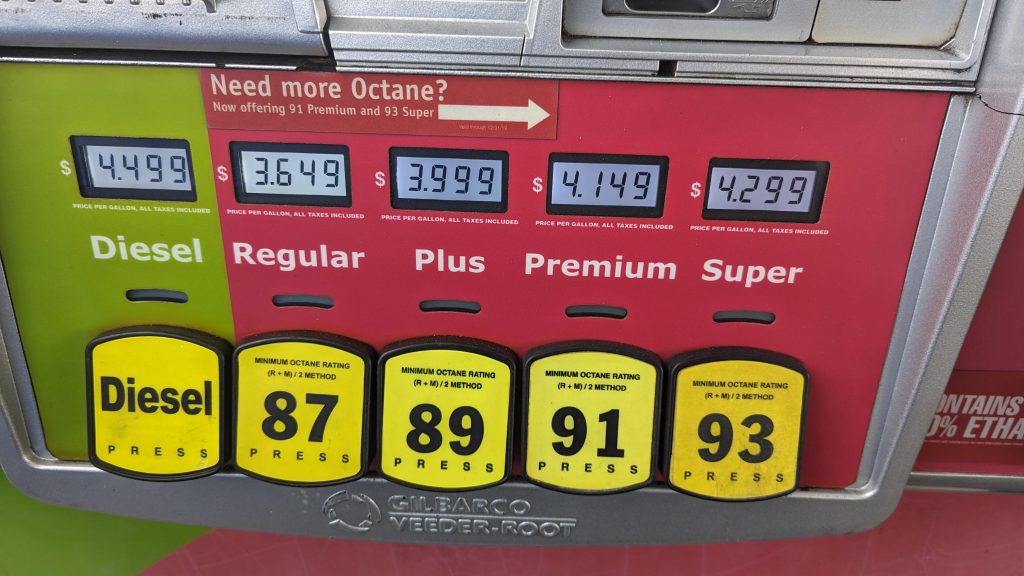
A useful way to estimate annual fuel spending is to divide expected annual mileage by the vehicle’s realistic miles-per-gallon figure, then multiply the result by the local price per gallon. For example, driving 12,000 miles annually at 20 mpg requires approximately 600 gallons. At $4 per gallon, that equals $2,400 per year.
Use the same calculation with the actual fuel grade and mileage expected for your driving conditions. A premium car can still be an enjoyable purchase, but fuel should be part of the affordability calculation before the sale is completed.
6. Electronic Failures and Expensive Diagnostic Work
Modern luxury vehicles rely on interconnected electronic systems to manage infotainment, climate control, parking assistance, adaptive suspension, driver assistance, and vehicle settings.
These features can make driving easier, but faults may be difficult to diagnose when several modules communicate with one another. An inexpensive-looking warning light can sometimes require hours of specialist testing before the actual cause is identified.
The Tesla Model S illustrates a different kind of electronic ownership risk. Depending on the model year, equipment, and warranty coverage, a used example may have complex touchscreen functions, powered door hardware, advanced driver assistance equipment, and numerous electronically controlled systems.
Buyers should test every screen function, camera, charging feature, door handle, and climate-control setting. Battery and drive-unit condition also deserve separate attention because they involve components beyond conventional electronic accessories.
Meanwhile, the BMW 7 Series combines luxury equipment with multiple electronic control systems. Features such as power-operated seats, sophisticated climate controls, parking cameras, and electronically adjustable suspension, where fitted, add convenience but also create more components that should be checked before purchase.
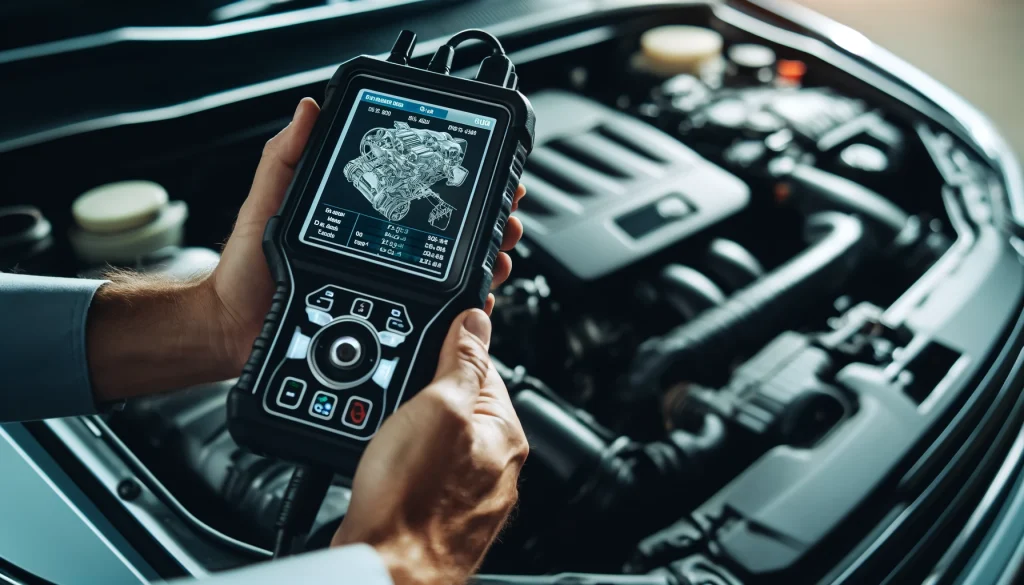
A dashboard without warning lights is not proof that every system works correctly. Some faults are intermittent, while others may have been temporarily cleared before a sale. A qualified technician can scan relevant control modules, investigate stored fault codes, and check whether the symptoms match the recorded service history.
Ask the seller to demonstrate every major feature during the inspection. Test the car after it has been parked long enough to become cold, and repeat the checks after driving. If the vehicle has an intermittent electrical fault, obtain a written diagnosis and repair estimate before agreeing on a price.
7. Depreciation and the Cost of Reselling
A used luxury car may look like a bargain because its original price has fallen dramatically. However, depreciation does not stop once a vehicle reaches the used market. Its value can continue declining as mileage increases, newer technology arrives, warranties expire, and buyers become concerned about future repair expenses.
The Genesis G90 is a useful example of why buyers should investigate resale values before committing. As a full-size luxury sedan, it competes with established premium brands while offering extensive equipment and a comfortable cabin.
Its future resale price will depend on the model year, mileage, condition, equipment, service records, and demand in the local market. A large discount from its original sticker price does not guarantee that the car will retain its current value.
The Infiniti QX80 presents another consideration. Large luxury SUVs appeal to buyers who want generous passenger space, towing capability, and substantial road presence. However, fuel expenses, changing demand for large vehicles, and the condition of an aging example can influence what a future buyer is willing to pay.
Two vehicles of the same model year may command noticeably different prices if one has complete service records and the other has accident damage or deferred maintenance.
Before buying, compare current asking prices with recent transaction data where available. Check several vehicles with similar mileage, trim, and condition instead of relying on a single online listing. Research the model’s value trend using established automotive valuation services, such as Kelley Blue Book or J.D. Power.
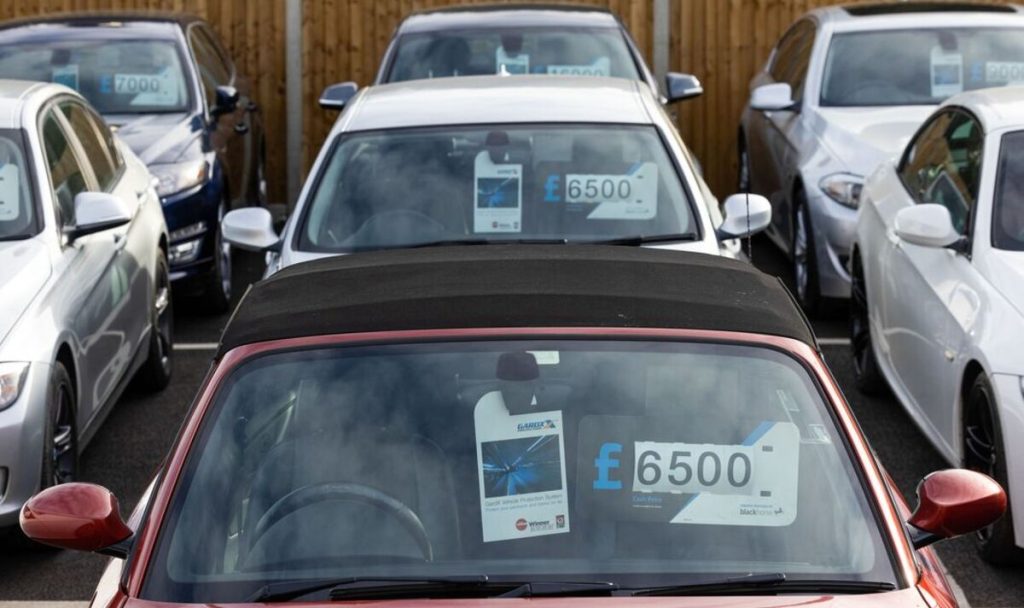
Your expected ownership period matters, too. If you plan to sell within two years, a model with unstable resale demand could make the purchase less attractive. Someone keeping the vehicle for eight years may care more about reliability and repair expenses than short-term resale fluctuations.
The smartest approach is to estimate a realistic resale value before purchasing, then calculate the difference between your purchase price and expected selling price.
8. Financing Charges, Taxes, and Registration Fees
The advertised price of a used luxury car is rarely the final amount a buyer pays. Sales tax, title charges, registration fees, dealer documentation fees, and financing interest can add thousands of dollars to the transaction. These costs depend on the vehicle’s price, the buyer’s location, the loan terms, and applicable state and local regulations.
Consider the Lincoln Navigator. A buyer may find an older example priced well below its original showroom price and assume the lower sticker makes it an inexpensive purchase.
Yet sales tax on a substantial transaction can still add a significant amount, particularly in jurisdictions with higher combined state and local rates. Registration charges may also vary according to state rules, vehicle value, weight, or other factors.
The Acura MDX illustrates why financing deserves equal attention. Even when the purchase price is comparatively manageable, the interest rate and loan term can change the final cost substantially.
Used-car loan rates depend on factors including credit history, lender policies, vehicle age, and loan duration. Buyers should compare financing offers rather than accepting the first dealership proposal.
For example, a $30,000 loan at a hypothetical 8% annual interest rate over 60 months would produce a monthly payment of approximately $608 and total payments of roughly $36,500. That is around $6,500 in interest, excluding taxes, fees, and other charges. The example is illustrative, not a current market-rate quotation.

Request an itemized out-the-door price before signing. Separate the vehicle price from taxes, fees, optional products, and financing costs. Obtain preapproval from a bank or credit union, then compare its offer with the dealer’s terms.
Be particularly careful with long loan terms on older luxury vehicles. You could still owe substantial money when the car needs major repairs or its resale value has declined. A lower monthly payment does not necessarily mean a cheaper purchase.
9. Warranty Gaps and Costly Out-of-Pocket Repairs
One of the most expensive surprises when buying a used luxury car is discovering that the manufacturer’s warranty has expired or does not cover the problem that develops. A vehicle can look immaculate, have relatively low mileage, and still leave its next owner responsible for substantial repair bills.
The Volvo S90 is worth examining carefully when shopping for a used luxury sedan. Buyers should establish the original in-service date, mileage, and remaining factory warranty coverage for the exact vehicle.
Depending on the model year and its history, some warranty protection may remain, while an older example may have none. An attractive asking price should not be mistaken for protection against future mechanical or electrical failures.
The Alfa Romeo Giulia presents a similar consideration. Its precise warranty status depends on the original sale date, mileage, and any applicable extended coverage.
Before buying, check whether the vehicle has outstanding recalls, documented repairs, or unresolved warning lights. If a seller advertises an extended warranty, request the actual contract instead of accepting a verbal promise that major components are covered.
Certified pre-owned programs can provide additional protection, but they are not identical. Consumer Reports notes that certified vehicles typically cost more than comparable noncertified examples, and coverage depends on the manufacturer’s program and contract terms.

Read the exclusions carefully. Wear items, routine maintenance, pre-existing conditions, and certain electronic or suspension components may not qualify for reimbursement. Also confirm deductibles, approved repair facilities, coverage limits, and whether the contract transfers to another owner.
If you buy without a meaningful warranty, maintain a separate emergency fund for repairs. A warranty should reduce a clearly defined financial risk, not serve as a substitute for checking the vehicle’s condition before purchase.
10. Specialist Labor and Hard-to-Find Replacement Parts
A final hidden expense is the difficulty of finding qualified technicians and replacement parts for less common luxury vehicles.
Even when a fault is straightforward, a repair can become expensive if the required component must be ordered from overseas, supplied through a limited dealer network, or installed by a specialist with experience in that particular vehicle.
The Aston Martin Vantage demonstrates why buyers should investigate local repair support before purchasing an older performance car. Depending on its generation and engine, maintenance may require model-specific diagnostic knowledge and parts that are less readily available than those for mass-market vehicles.
A routine repair is not necessarily difficult, but limited parts availability can extend the time a vehicle spends off the road. Buyers should ask independent specialists about servicing capability, parts sourcing, and typical turnaround times before committing.
The Rolls-Royce Ghost presents another ownership consideration. Its sophisticated equipment, bespoke features, and premium components can make repairs more involved than those on a conventional sedan.
If a damaged interior component, electronic module, or specialized body part needs replacement, the cost may depend on the precise specification and availability of the required part.
These expenses are not guaranteed, and independent specialists may offer alternatives to dealership servicing. However, choosing the wrong repair facility can create additional diagnostic costs or unnecessary parts replacement.
Before buying either vehicle, identify at least one reputable specialist within a reasonable distance. Ask for an estimate covering routine maintenance and common age-related repairs, and check whether commonly needed parts are available domestically.
Also consider downtime. If the car is your only means of transportation, waiting several weeks for a component can create rental-car or alternative-transportation expenses. A purchase decision should account for both the financial cost of repairs and the inconvenience of keeping a rare luxury vehicle running.