
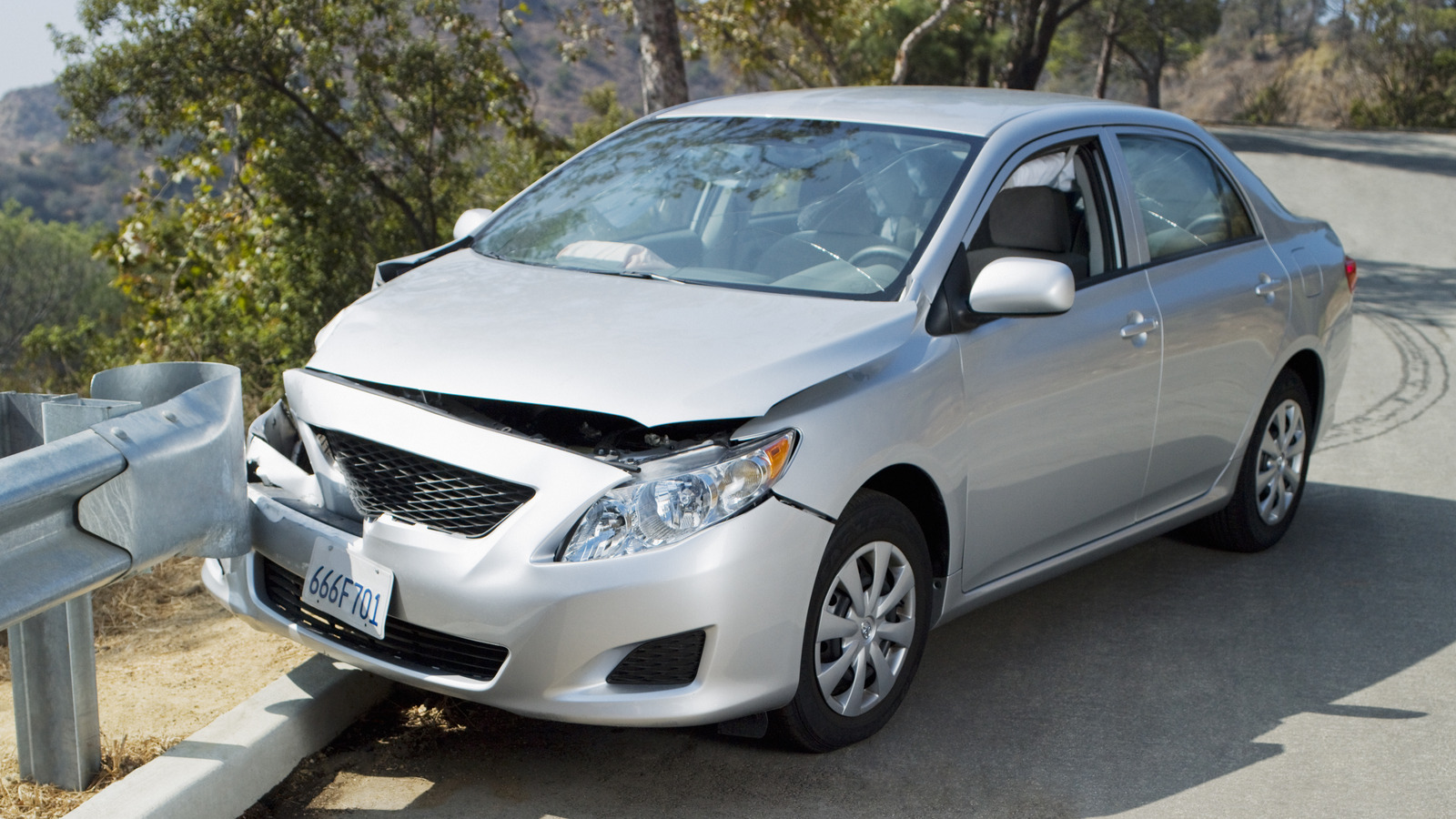
A car with more than 100,000 miles on its odometer can still be a sensible purchase, but its condition matters far more than the number alone. Some high-mileage vehicles have been maintained carefully, driven mostly on highways, and repaired promptly.
Others may be approaching expensive repairs despite looking clean and driving well during a short test. Before buying, ask questions that reveal how the vehicle was used, which components have been replaced, and whether important maintenance was completed on schedule.
Request records wherever possible, verify the seller’s claims, and arrange an independent inspection. The right questions can help separate genuine value from costly uncertainty.
1. Has the Engine Received Regular Maintenance?
The first question should be about the engine’s maintenance history, not simply whether it starts easily. At more than 100,000 miles, an engine may have accumulated years of wear, and the way previous owners cared for it can make a meaningful difference to its current condition.
Ask the seller how frequently the oil was changed, which oil specification was used, and whether receipts or digital service records are available.
Compare those records with the maintenance schedule in the owner’s manual for the exact model year and engine. Service intervals vary, so a universal mileage rule cannot replace the manufacturer’s recommendations.
Oil changes are only part of the picture. Ask whether the air filter, spark plugs, drive belts, and other scheduled items were replaced when required.
Also find out whether the engine has ever overheated, consumed excessive oil, developed a persistent warning light, or needed major repairs. Specific answers supported by invoices are more useful than a general statement that the car was maintained well.
Look for gaps in the records. A missing receipt does not automatically mean a service was skipped, particularly if an owner performed maintenance independently. However, a long period without documentation should prompt more questions and a closer inspection.
The American Automobile Association advises owners to follow the maintenance schedule specified by the vehicle manufacturer because service requirements differ among vehicles. That guidance matters even more when evaluating an older car.

A mechanic should inspect for oil leaks, abnormal noises, coolant contamination, and stored diagnostic trouble codes. Ask for an estimate of any work currently needed. A well-documented engine is not guaranteed to be trouble-free, but reliable records give you stronger evidence than a seller’s assurances alone.
2. Has the Transmission Been Serviced or Repaired?
A transmission can be expensive to repair, so ask directly whether it has ever been serviced, rebuilt, or replaced. The answer should include the approximate mileage when the work occurred, the reason for it, and whether an invoice or repair order is available. If the transmission has been replaced, ask whether the unit was new, remanufactured, or used.
Do not assume that every transmission requires the same fluid-change interval. Some vehicles have different requirements for automatic, continuously variable, dual-clutch, and manual transmissions.
Others use manufacturer-specific procedures for checking fluid levels. The correct service schedule depends on the particular vehicle, its transmission design, and the conditions in which it has been driven.
During a test drive, notice whether the transmission engages Drive and Reverse without an unusual delay. Acceleration should not be accompanied by unexplained engine-speed flares, repeated harsh shifts, slipping, or persistent grinding. A single symptom does not identify a specific failure, but it is a reason to arrange professional diagnosis.
Ask whether any warning lights have appeared or whether the vehicle has ever entered a reduced-power or protective operating mode. A seller who reports a previous transmission repair should be able to explain what was fixed and whether the repair came with a warranty.
Maintenance records deserve particular attention if the vehicle regularly towed trailers, carried heavy loads, or operated in demanding conditions. Those uses can place additional demands on some drivetrains, depending on the design and manufacturer’s guidance.
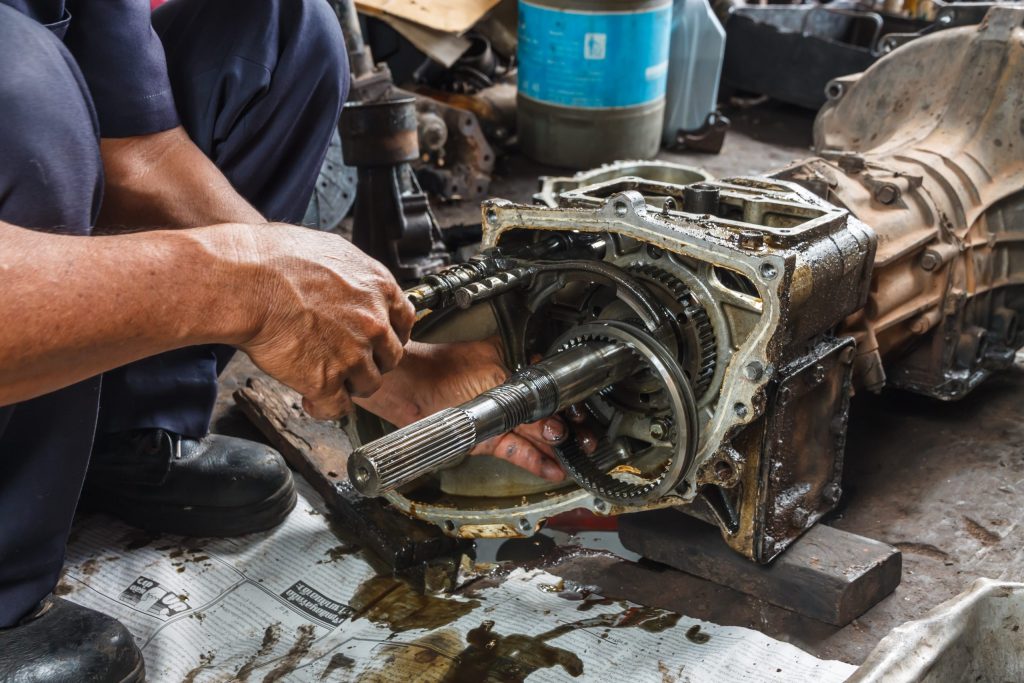
An independent mechanic can inspect for leaks, scan relevant control modules, and assess shifting behavior. A smooth short drive is encouraging, but it cannot guarantee the transmission will remain healthy. Before agreeing on a price, establish whether any required service is overdue and whether suspicious symptoms could indicate a major repair.
3. Has the Timing Belt or Another Major Component Been Replaced?
At 100,000 miles, one of the most important questions is whether any major maintenance items are due or already overdue. The timing belt is a particularly important example, but it is not fitted to every engine. Some engines use timing chains, which have different inspection and maintenance requirements.
Ask the seller to identify the engine and provide documentation for any timing-belt replacement. If the engine uses a belt, check the owner’s manual for the specified replacement interval.
Depending on the vehicle, the required service may be based on mileage, age, or both. Do not assume that every timing belt must be replaced at exactly 100,000 miles.
This distinction matters because a timing belt failure can stop the engine and, in some engine designs, cause severe internal damage.
If the belt was replaced, find out whether the water pump, tensioners, and related components were serviced at the same time when recommended. An invoice is more reliable evidence than a handwritten note or a seller’s memory.
Ask about other major scheduled work, including spark plugs, coolant service, accessory belts, and any model-specific maintenance listed by the manufacturer. These items do not all require replacement at the same mileage, so the service schedule should guide the discussion.
AAA’s automotive maintenance guidance notes that timing-belt replacement commonly falls within a range that can extend from roughly 60,000 to 100,000 miles, although the exact interval depends on the vehicle. Treat that as a general reference, not a substitute for the correct service schedule.
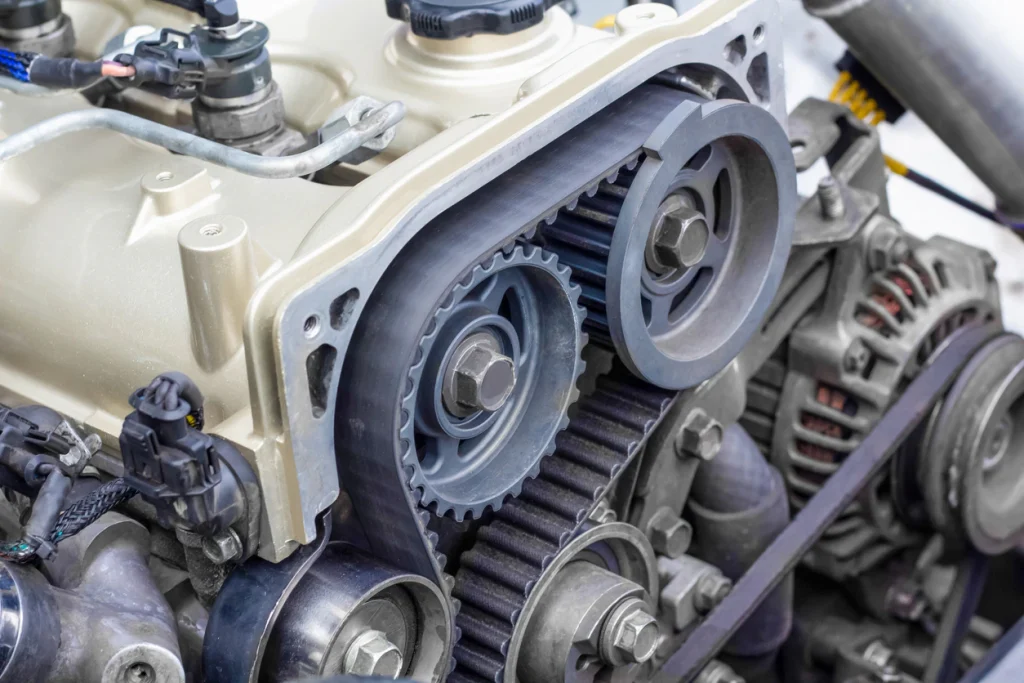
If the seller cannot confirm whether a required timing-belt service has been completed, obtain a written estimate from a qualified mechanic.
You can then factor the cost into negotiations or arrange the work immediately after purchase. An undocumented maintenance item is not automatically a reason to reject the car, but it should never be ignored.
4. Has the Car Ever Overheated or Consumed Too Much Oil?
Ask whether the engine has ever overheated, needed repeated coolant top-ups, or consumed oil between scheduled changes. These questions can uncover a history that may not be obvious when the engine is cold and running quietly on the day you inspect the car.
Overheating can result from several problems, including a leaking hose, a faulty thermostat, a damaged radiator, a failing water pump, or a cooling fan that does not operate correctly. If the engine has overheated severely, more serious damage may also have occurred. Ask what caused the incident, how it was repaired, and whether the repair was documented.
Oil consumption deserves equally careful attention. Some engines use a small amount of oil during normal operation, but repeated low-oil warnings or frequent top-ups need an explanation.
Possible causes include external leaks, worn internal components, or problems with the engine’s ventilation system. The seller should be able to explain whether the vehicle has needed oil between services and how often.
Inspect the engine for fresh oil residue, dried coolant deposits, or signs of recent cleaning that could make leaks harder to identify. Look at the exhaust during a normal start and drive, too. Persistent blue smoke can indicate that oil is entering the combustion process, while white vapor can have several causes and is not automatically proof of a failed head gasket.
Request service invoices for any cooling system or engine repairs. If the seller says a problem was fixed, ask which component was replaced and whether the underlying cause was identified.
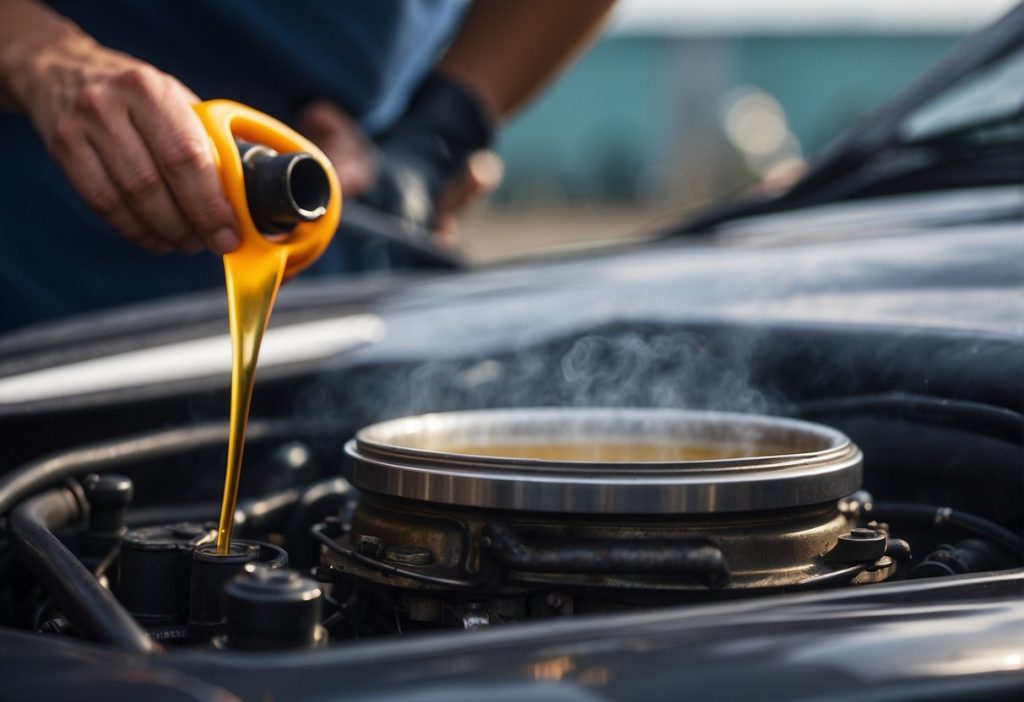
A pre-purchase inspection may include cooling-system pressure testing or additional engine diagnostics if symptoms justify them. Never remove a coolant cap while the engine is hot. A car with a documented, properly repaired issue may still be worth considering, but unexplained overheating or oil consumption can expose you to substantial repair costs.
5. How Many Owners Has the Car Had, and How Was It Driven?
Ownership history can help explain a vehicle’s mileage, maintenance records, and general condition. Ask how many people have owned the car, how long the current seller has had it, and whether it was used mainly for commuting, highway travel, delivery work, rideshare driving, or towing.
More than 100,000 miles does not automatically mean a vehicle has been abused. A car that accumulated most of its mileage on long highway trips may have experienced less stop-and-go operation than one used for frequent short journeys.
However, highway use is not a guarantee of good condition, and city driving does not automatically make a car a poor purchase. Maintenance, driving habits, climate, and the vehicle’s design all matter.
Ask whether the vehicle was used for commercial purposes or regularly carried heavy cargo. If it towed trailers, check the manufacturer’s towing limits and ask whether the transmission, cooling system, brakes, and suspension received appropriate maintenance.
Towing can increase mechanical demands, but its effect depends on load, terrain, equipment, and how the vehicle was operated.
The number of previous owners should be considered alongside the quality of the records. Several owners with consistent service documentation may provide a clearer picture than one owner who cannot explain the vehicle’s maintenance history. Likewise, a recent ownership change is not proof of a problem, but it is reasonable to ask why the car is being sold.
Compare the seller’s answers with the vehicle history report. The Federal Trade Commission recommends using history reports to check available information about ownership, accidents, repairs, and title status. Such reports are not complete records of everything that happened to a car.

If the seller’s account conflicts with the paperwork, ask for clarification before proceeding. A clear explanation supported by records can resolve a discrepancy. If key details remain uncertain, let an independent mechanic assess the vehicle and avoid paying a premium based on an unverified story.
6. Has the Car Been in an Accident, Flood, or Major Repair?
Before buying a high-mileage vehicle, ask whether it has ever been involved in a collision, sustained flood damage, or received significant structural repairs. These events can affect safety, reliability, resale value, and the accuracy of the seller’s description.
Request the vehicle identification number, or VIN, and use it to obtain a vehicle history report. In the United States, the National Motor Vehicle Title Information System provides access to approved providers offering information about title brands, salvage records, and certain insurance-related events.
Other vehicle history reports may include additional accident and service information, depending on the available records.
Remember that a clean report does not prove the car has never been damaged. Some collisions are repaired without an insurance claim, and not every repair reaches a reporting database. A history report should therefore support, not replace, a physical inspection.
Examine the body in daylight. Uneven gaps between panels, paint that does not match, overspray around trim, and signs of replaced fasteners can indicate previous bodywork.
These clues are not conclusive on their own, since cosmetic repairs may be minor and professionally completed. Ask a qualified technician to assess structural components and the quality of any repairs.
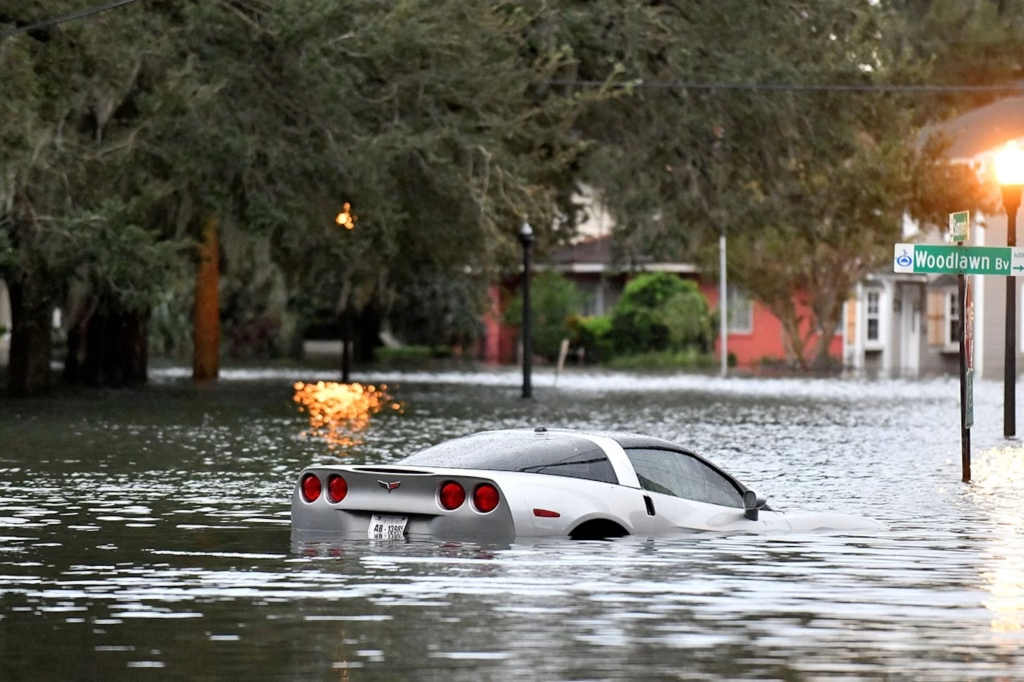
Flood exposure also deserves attention. Musty odors, water stains, corrosion in unusual places, damp carpeting, or electrical faults can warrant further investigation. Cleaning or replacing the interior does not necessarily eliminate damage to wiring and electronic components.
Ask whether airbags have deployed and whether any replaced airbags or seat-belt pretensioners were repaired according to manufacturer procedures. Safety-system warning lights should be investigated rather than ignored.
The Federal Trade Commission cautions that a vehicle history report is not a substitute for an independent mechanical inspection. That advice is especially relevant when a car has accumulated significant mileage and may have passed through several owners.
If the seller discloses a collision, focus on the quality of the repair, the type of damage, and the mechanic’s findings. Properly repaired cosmetic damage may be acceptable, but unresolved structural or flood-related concerns deserve serious caution.
7. Are the Brakes, Tires, Suspension, and Steering in Good Condition?
Ask which wear-related components have been replaced recently and which may need attention soon. At more than 100,000 miles, it is sensible to examine the brakes, tires, steering, and suspension carefully, although their condition depends on use and maintenance rather than mileage alone.
Start with the tires. Ask when they were installed and whether all four are the same size and specification required for the vehicle. Inspect tread depth, sidewalls, and wear patterns.
Uneven tread wear can be associated with alignment problems, incorrect inflation, worn suspension parts, or other issues. Check the tire age as well, because rubber can deteriorate with time even when tread remains.
Next, ask about brake-pad and rotor replacement. The seller should be able to provide recent service records if major brake work has been completed.
During a normal, safe test drive, listen for grinding or persistent squealing and notice whether the vehicle pulls to one side or vibrates when braking. A mechanic should inspect any unexplained symptom before the car is purchased.
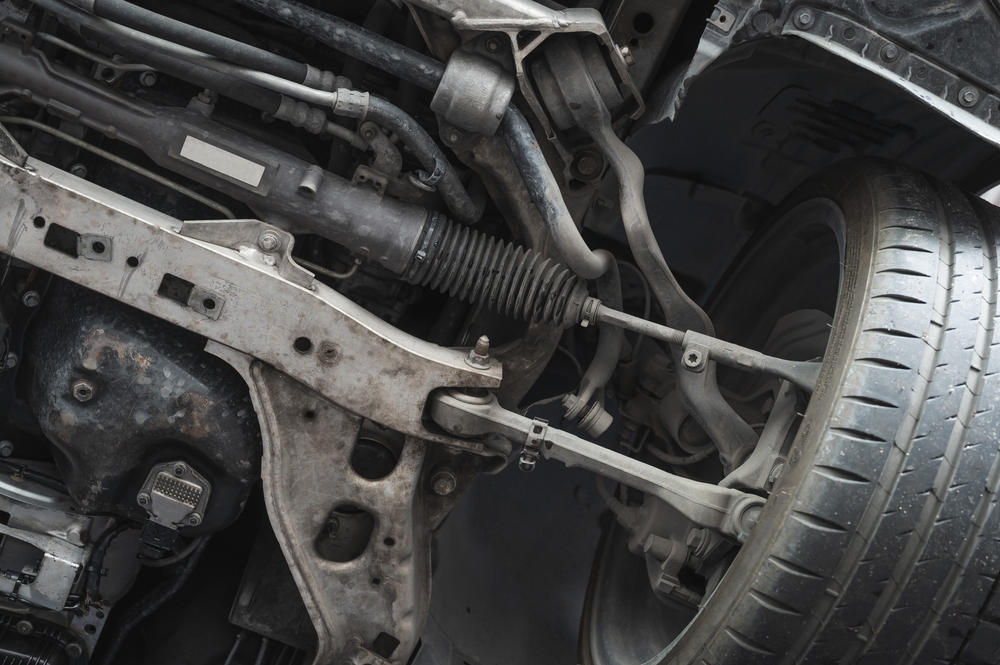
Suspension and steering components may also have worn over years of driving. Clunks over bumps, excessive bouncing, loose steering, or inconsistent handling can indicate a problem, although several different faults can produce similar symptoms. Do not assume that a wheel alignment alone will fix uneven tire wear or poor handling.
Ask whether wheel bearings, control-arm bushings, ball joints, tie-rod ends, shocks, or struts have been replaced when required. These parts do not all have fixed replacement intervals, so an inspection is more useful than relying on mileage as a verdict.
A written pre-purchase inspection should identify safety-critical faults and estimate the cost of repairs. Use that information to negotiate realistically.
A vehicle may be mechanically sound but still require several hundred dollars or more in immediate maintenance, depending on the parts and labor involved. Knowing what is due helps you judge the true purchase cost instead of focusing only on the asking price.
8. Are There Outstanding Recalls or Unresolved Warning Lights?
A high-mileage car may have passed through several owners without every safety recall being completed. Ask whether the seller has records showing that recall repairs were performed and whether any dashboard warning lights have appeared recently. Do not accept a claim that everything is fine without checking the relevant information.
In the United States, the National Highway Traffic Safety Administration allows buyers to check a vehicle’s recall status using its VIN. A VIN search can identify unrepaired recalls associated with that specific vehicle.
Recall repairs are generally performed at no charge by an authorized manufacturer dealership, although you should confirm the remedy and arrangements with the manufacturer or dealer.
A recall search does not reveal every mechanical problem, nor does a clear result mean the car is free from defects. It is one safety check among several. Ask for any recall-repair paperwork the seller has and verify whether the work relates to the vehicle’s exact VIN.
Warning lights need separate attention. The check-engine light may relate to anything from an emissions-system fault to an issue affecting engine operation. An airbag warning light, ABS warning, or charging-system alert may point to a safety or electrical problem that should be diagnosed before driving the car regularly.
Be cautious if a seller says a light has only just come on or that it is caused by a harmless sensor. That explanation may be accurate, but a diagnostic scan and professional assessment are needed to establish the cause. A mechanic can also check for stored trouble codes, although a scan alone does not guarantee that every issue will be found.
Ask whether any warning lights were recently cleared or whether the battery was disconnected before the sale. Such actions can reset some diagnostic information and readiness monitors, so a mechanic may need additional testing or a drive cycle to evaluate the vehicle properly.
Do not let the absence of warning lights replace a thorough inspection. Verify recall status, diagnose active warnings, and obtain written estimates for unresolved problems before agreeing to buy.
9. What Repairs Are Likely to Be Needed Soon, and What Will They Cost?
The final question should focus on the money you may need to spend after the purchase. A vehicle priced attractively at 110,000 or 140,000 miles can become expensive if several overdue services and worn components need attention at the same time.
Ask the seller what repairs have been recommended recently, which items were postponed, and whether any mechanic has provided an estimate.
Request recent inspection reports and invoices rather than relying on verbal assurances. Look for notes about oil leaks, coolant seepage, brake wear, tire condition, suspension components, battery performance, and transmission behavior.
If an inspection identified a problem that was never repaired, ask why the work was postponed and whether the vehicle has continued to be driven.
Next, commission an independent pre-purchase inspection. The Federal Trade Commission recommends this step even when a dealer says the vehicle has already been inspected or offers a warranty.
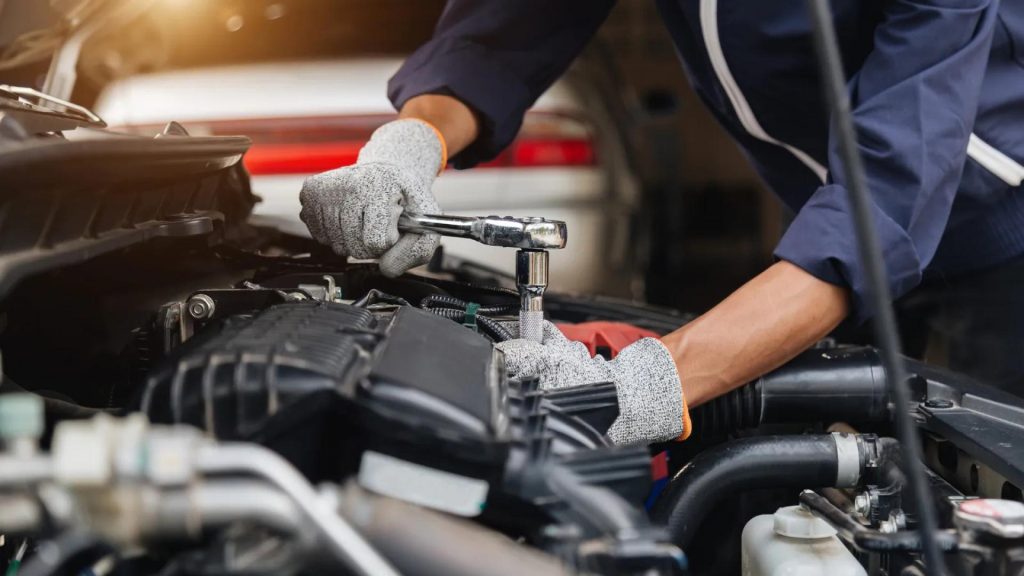
Ask the mechanic to identify immediate safety concerns, repairs likely to be needed soon, and issues that may require further diagnostic testing. Request a written report that includes the vehicle’s VIN and estimated repair costs.
Use the findings to calculate the actual cost of ownership. For example, if the car costs $6,500 but needs $900 in tires and $700 in overdue maintenance, the initial outlay could reach $8,100 before taxes, registration, insurance, or unexpected repairs. These figures are an illustration, not a standard estimate for every high-mileage vehicle.
Compare that projected expense with the price and condition of similar vehicles. Also consider whether you can afford an unexpected repair without disrupting essential expenses. A car with documented maintenance and a few predictable service needs may be preferable to a cheaper vehicle with unresolved engine or transmission concerns.
Finally, clarify the warranty terms before signing. Dealer sales may be covered by a warranty or sold as-is, depending on the transaction and applicable law. Read the paperwork carefully and get every repair promise in writing.
The aim is not to avoid every car with more than 100,000 miles. It is to understand its condition, estimate upcoming costs, and decide whether the purchase makes financial sense.
