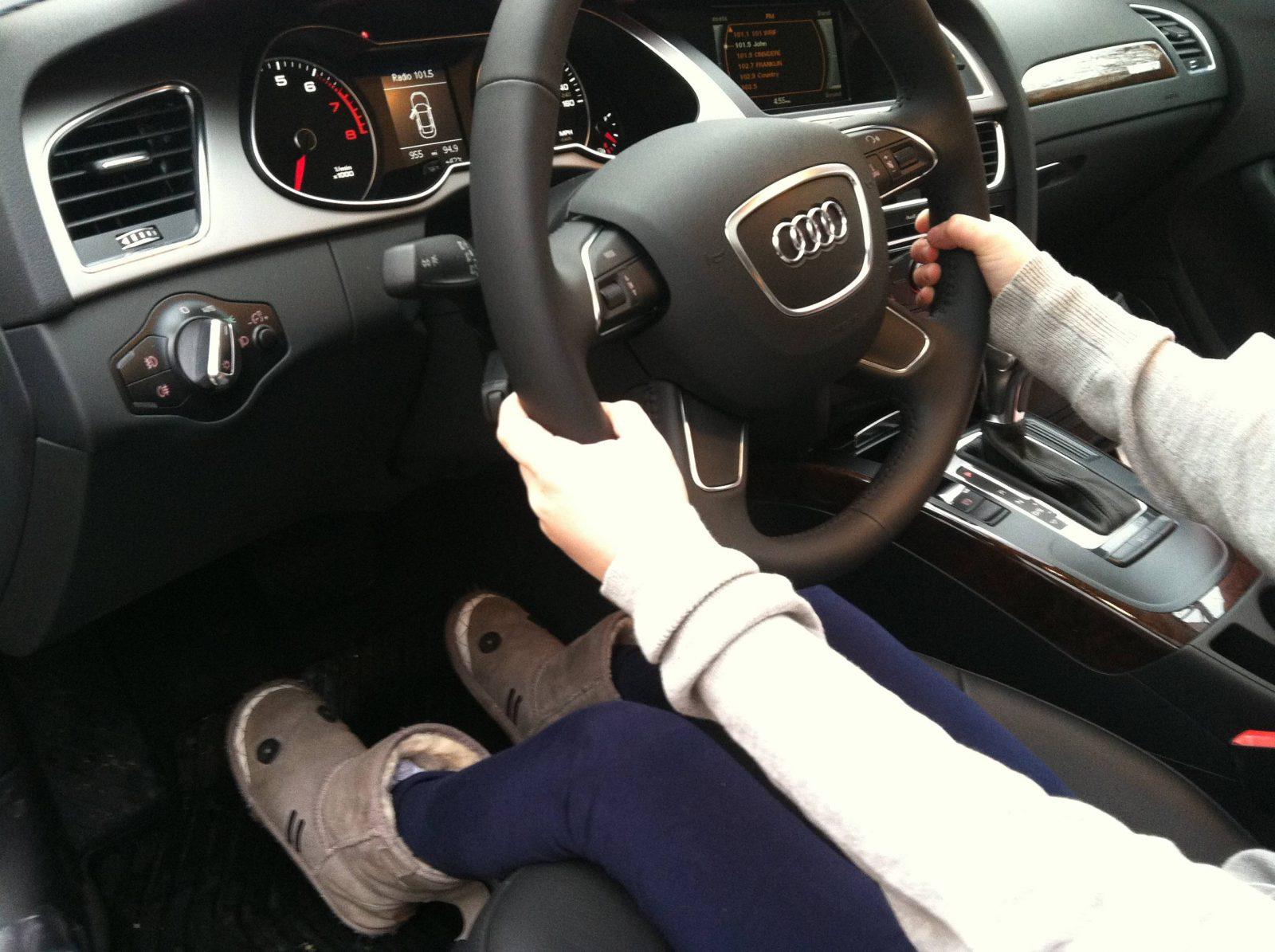
For shorter drivers, finding a comfortable car involves much more than adjusting the seat forward. Poor pedal reach, a steering wheel that sits too far away, thick roof pillars, and a high dashboard can make everyday driving unnecessarily tiring.
The right interior design helps drivers maintain a natural posture, see the road clearly, and operate the controls without stretching or leaning forward. Fortunately, several vehicle features address these challenges directly.
From adjustable seating and telescoping steering wheels to parking cameras and customizable pedals, these details can make a meaningful difference. Understanding what to look for helps drivers choose a vehicle that feels comfortable and practical.
1. Height-Adjustable Driver’s Seat
A height-adjustable driver’s seat can make a substantial difference for shorter motorists because it allows them to raise their seating position without compromising their ability to reach the pedals.
When the seat sits too low, the hood, dashboard, or door line may obstruct parts of the driver’s view. Raising the seat can improve the forward sightline and make it easier to judge the vehicle’s position on the road.
The most useful systems offer a broad adjustment range, allowing drivers to find a position that suits their height and proportions. Some power seats also provide separate adjustments for the front and rear of the cushion, helping the driver change the seating angle rather than simply moving straight upward.
However, the highest setting is not automatically the best. Drivers need adequate headroom, a comfortable view of the instruments, and enough space between their chest and the steering wheel.
The National Highway Traffic Safety Administration (NHTSA) recommends maintaining at least 10 inches between the center of the steering wheel and the driver’s chest where possible, while still maintaining full control of the vehicle.
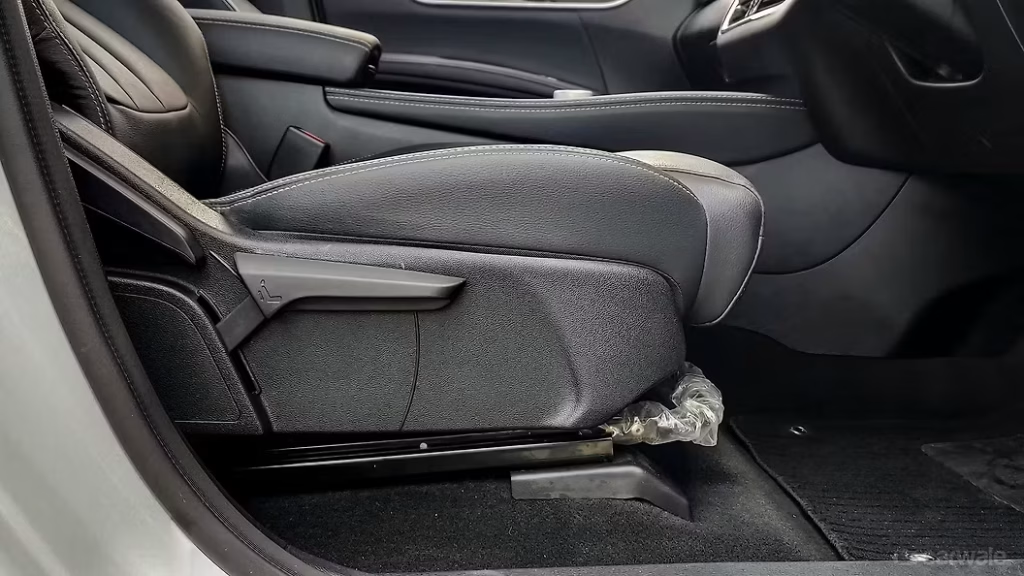
Seat height should also allow the driver to press the pedals fully without stretching or lifting the hips from the cushion. Before buying a vehicle, test the adjustment range and check whether the seat can provide a clear forward view without leaving the steering wheel uncomfortably close.
A well-designed height-adjustable seat makes it easier to establish a natural driving posture instead of compensating for an unsuitable seating position.
2. A Telescoping and Tilt-Adjustable Steering Wheel
A steering wheel that moves both vertically and toward or away from the driver can help shorter motorists find a comfortable driving position.
Without these adjustments, a driver may need to sit unusually close to the dashboard to reach the wheel, potentially compromising comfort and reducing the space available around the steering wheel.
Tilt adjustment changes the wheel’s angle, while telescoping adjustment moves it closer to or farther from the driver. Together, these functions allow the driver to position the wheel without relying entirely on seat movement. That distinction matters because moving the seat forward also changes the distance to the pedals.
Ideally, the driver should be able to hold the steering wheel comfortably with slightly bent elbows and relaxed shoulders. The wheel should not force the driver to stretch forward, hunch the shoulders, or press the chest too close to the airbag.
NHTSA advises drivers to maintain as much distance from the steering wheel as practical while retaining full control.
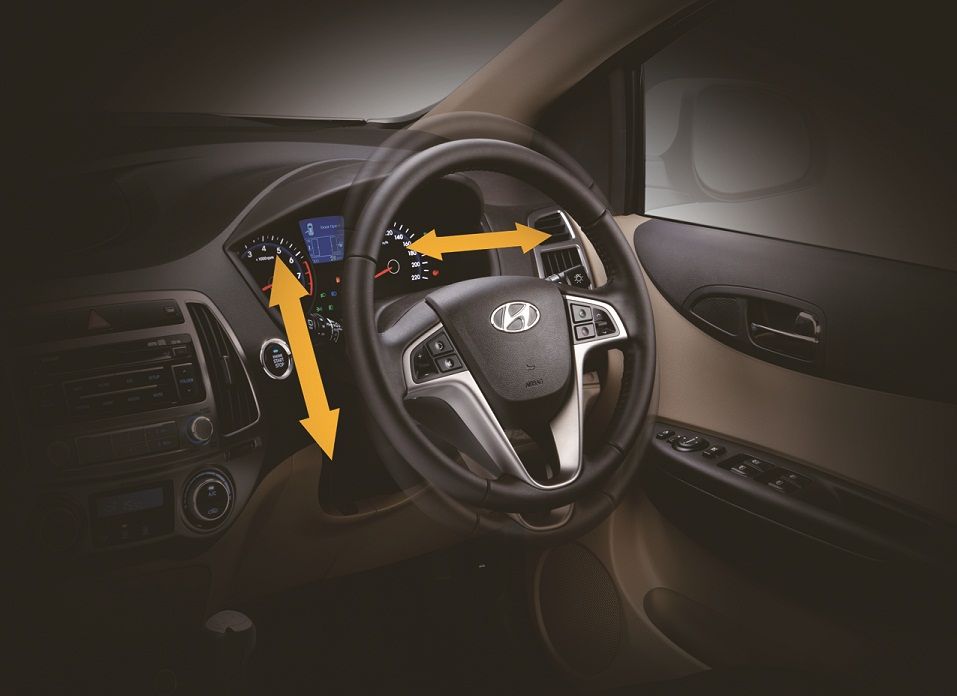
The adjustment range matters just as much as the presence of the feature. Some steering wheels move only a short distance, which may not solve the problem for every driver. Others offer a wider range that makes it easier to establish a natural posture.
When testing a vehicle, adjust the seat first, then position the steering wheel. Check that the instrument cluster remains visible and that your arms can move freely during turns. A properly adjustable wheel helps shorter drivers avoid awkward compromises between pedal reach, steering comfort, and safe positioning.
3. Adjustable Pedal Reach and a Comfortable Footwell
Reaching the accelerator and brake comfortably is essential for shorter drivers. In some vehicles, moving the seat forward provides adequate pedal reach but leaves the steering wheel too close or the driver’s knees cramped. A thoughtfully designed footwell, combined with a suitable seat adjustment range, can help prevent these compromises.
Some vehicles offer power-adjustable pedals that move closer to or farther from the driver. This allows the driver to adjust pedal reach without moving the seat as far forward. The feature is not widely available across all vehicle categories, so it is worth checking the equipment list rather than assuming every power-seat vehicle includes it.
Even without adjustable pedals, the shape and spacing of the footwell make a difference. Drivers should be able to press the brake firmly without stretching their leg, twisting the ankle unnaturally, or allowing the seat to interfere with pedal movement. There should also be enough space to move between the accelerator and brake quickly and smoothly.
Safety comes first when evaluating this feature. NHTSA recommends adjusting the driver’s seat so the pedals can be operated adequately without leaning forward while maintaining as much safe distance from the steering wheel as possible.
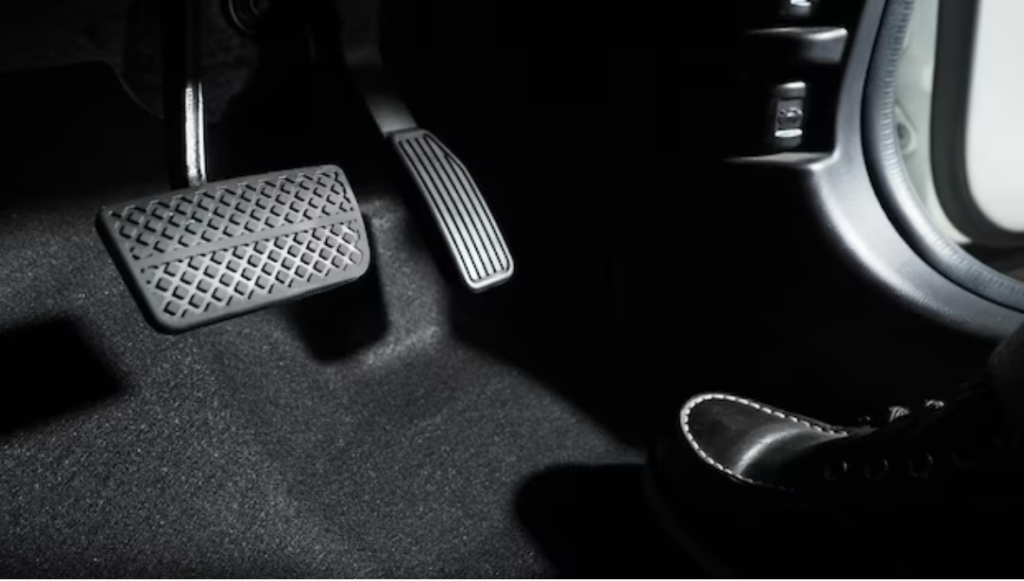
Avoid improvised pedal extensions or modifications that have not been professionally assessed for compatibility with the vehicle. Incorrectly fitted equipment can interfere with pedal operation.
During a test drive, check the brake’s full travel, the accelerator’s reach, and the space available around your knees. A comfortable footwell should support smooth, controlled pedal operation without forcing the driver into an awkward posture.
4. Excellent Forward Visibility and a Low Dashboard
A clear view through the windshield can make driving less stressful for shorter motorists, particularly when judging traffic, intersections, and pedestrians. The dashboard’s height, windshield angle, hood design, and driver’s seating position all influence how much of the road is visible from behind the wheel.
A high dashboard or long hood can make it harder to judge the area immediately ahead. Raising the driver’s seat may help, but it cannot compensate for every design limitation. The relationship between the seat, windshield, and dashboard matters more than any single measurement.
During a test drive, sit in your normal driving position and check whether you can see the road ahead without stretching your neck or leaning forward.
Pay particular attention to stop lines, the area immediately in front of the hood, and the view when approaching an intersection. A vehicle that feels comfortable in a showroom may offer a different perspective once correctly adjusted.
Forward visibility also depends on the windshield pillars. Thick pillars can obstruct portions of the driver’s view when turning or checking cross traffic. Move your head naturally to determine whether you can see around these obstructions without losing a comfortable posture.
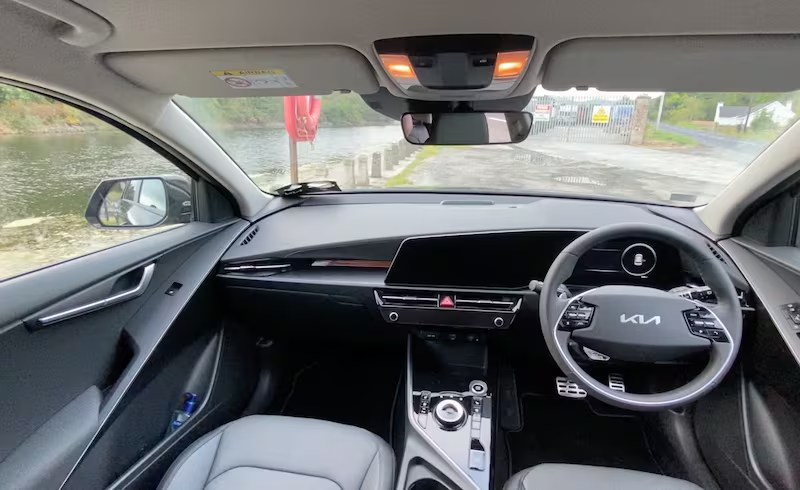
There is no universal dashboard height that works best for every shorter driver because height, torso length, and leg length vary. Instead, assess the actual sightline from the driver’s seat.
Choose a vehicle that provides a clear view without requiring you to sit unnaturally upright or lean toward the windshield. Good visibility can reduce uncertainty during everyday driving, although drivers must still check mirrors, look carefully at intersections, and remain alert for pedestrians outside the most obvious sightlines.
5. A Seat-Belt Height Adjuster for Better Belt Fit
A seat-belt height adjuster allows the upper belt anchor to move up or down along the door-side pillar. For shorter drivers, this feature can help position the shoulder belt comfortably across the chest instead of rubbing against the neck or sitting too close to the edge of the shoulder.
Correct belt positioning matters for both comfort and protection. The shoulder belt should cross the middle of the chest and rest securely over the shoulder.
The lap belt should sit low across the hips and pelvic bones, rather than across the abdomen. The National Highway Traffic Safety Administration (NHTSA) provides these basic fit recommendations for vehicle occupants.
Without a suitable height adjustment, some drivers may find the belt uncomfortable and be tempted to place it under an arm or behind the back. Both practices are unsafe. An adjustable anchor makes it easier to achieve a comfortable fit while keeping the belt in its intended position.
The available adjustment range varies by vehicle, and some designs use fixed upper anchors. Check whether the belt can be positioned appropriately for your body before deciding that a particular interior suits you.
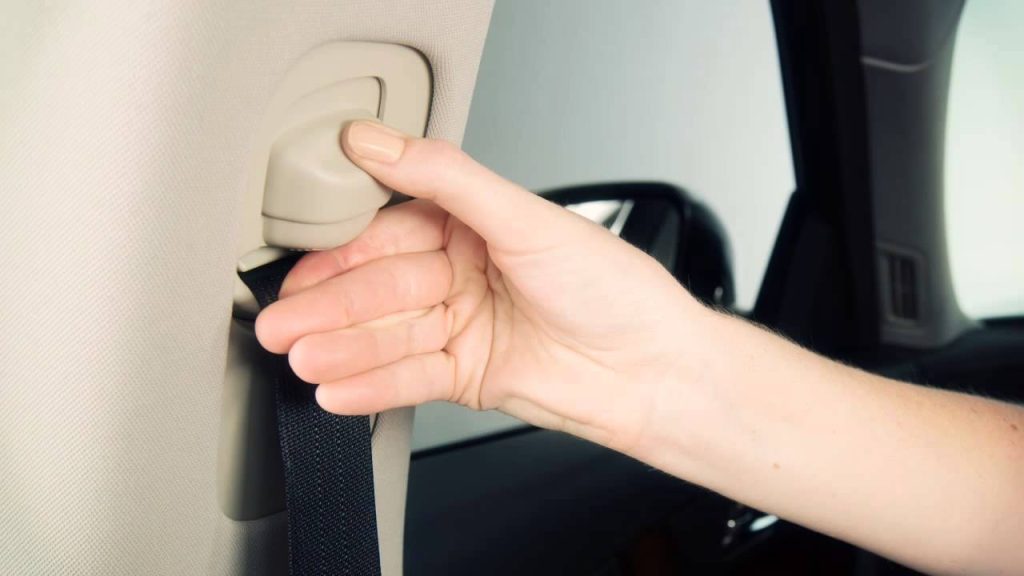
After adjusting the seat, move the belt anchor and fasten the belt normally. Confirm that the shoulder portion stays on your shoulder when you sit upright and that the lap portion remains low across your hips. Avoid reclining the seat excessively, because that can affect belt fit.
This feature is particularly worth checking if the shoulder belt tends to rub against your neck. A good adjustment range can improve daily comfort without sacrificing the correct positioning required for the restraint system to work as intended.
6. Parking Sensors and a Rearview Camera
Parking a vehicle can be more challenging when the driver has difficulty judging the front corners, rear bumper, or distance to nearby obstacles. Parking sensors and rearview cameras provide additional information that can make low-speed maneuvering easier, especially in crowded American parking lots and narrow garages.
Parking sensors use ultrasonic or other detection technology to warn the driver when the vehicle approaches an obstacle. Depending on the system, alerts may become more frequent as the distance decreases. Front sensors can be particularly helpful when maneuvering close to a wall or another vehicle, while rear sensors assist during reversing.
A rearview camera provides a displayed image of the area behind the vehicle. Federal rules require rear visibility systems on new light vehicles covered by the standard, with implementation completed in 2018. NHTSA explains that the system is intended to help drivers see the area directly behind their vehicle when reversing.
For shorter drivers, the value comes from gaining information that may be difficult to obtain from the seat alone. However, cameras and sensors have limitations. A camera may not show every nearby object, and sensors can miss small, narrow, or low obstacles. Rain, dirt, and poor visibility can also affect performance.
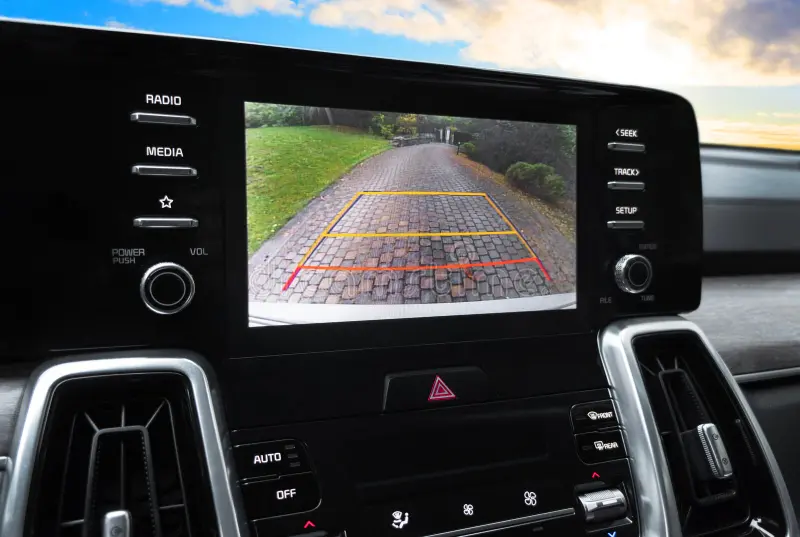
Choose a system with a clear display, useful parking guidelines, and audible alerts that are easy to interpret. Front sensors may be especially valuable if the hood is difficult to judge from the driver’s seat.
Always check mirrors and look around the vehicle before reversing. Cameras and sensors are helpful aids, but they should supplement direct observation rather than replace it.
7. Large, Clear Displays and Easy-to-Reach Controls
A well-designed dashboard can make everyday driving more comfortable by keeping important information readable and frequently used controls within easy reach. Shorter drivers may find that a large steering wheel, a deep dashboard, or a distant touchscreen makes certain functions awkward to operate from their preferred seating position.
Instrument displays should remain visible after the seat and steering wheel have been adjusted. If the steering wheel blocks the speedometer or warning lights, the driver may need to change posture repeatedly just to read basic information.
A customizable digital instrument cluster can help by allowing selected information to be presented in a more useful layout, although the adjustment options vary by vehicle.
Physical controls can also make a difference. Buttons for climate settings, windshield defrosting, and audio volume are easier to use when they are positioned within comfortable reach. A touchscreen mounted too far forward may encourage the driver to lean away from the seatback, which is inconvenient and can become distracting while moving.
During a test drive, adjust the seat and steering wheel before assessing the dashboard. Check that you can read the displays clearly, reach essential controls without stretching, and operate the climate system without losing a comfortable driving posture.
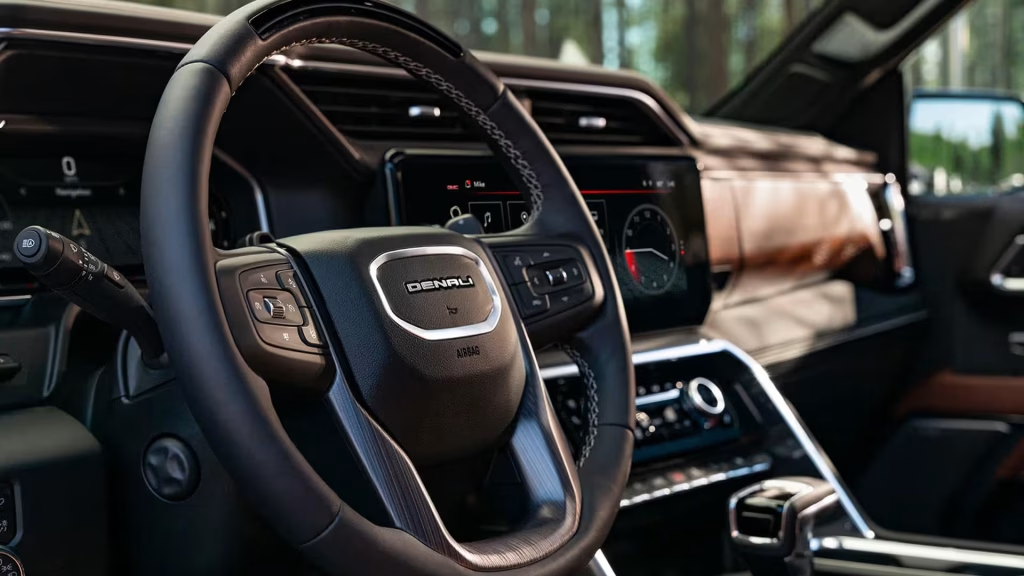
Avoid judging the interior solely by screen size. A large display is not automatically more convenient if its menus require several taps for simple tasks. Clear information and straightforward controls are more important than visual complexity.
The ideal cockpit lets you remain seated comfortably while checking speed, using basic controls, and monitoring warning indicators. For shorter drivers, that thoughtful arrangement can reduce repeated stretching and make everyday trips less tiring.
8. Memory Settings for the Driver’s Seat and Mirrors
Memory settings can make a vehicle much easier to share between drivers of different heights. The system stores preferred positions for features such as the power-adjustable driver’s seat and, on some vehicles, the side mirrors and steering column.
With a button press, the vehicle can return to a saved configuration instead of requiring the driver to adjust everything manually.
For a shorter driver, this can be especially useful after another household member has moved the seat farther back or changed the mirror angles. Recreating a comfortable position every time can become frustrating, particularly when several adjustments need to be coordinated.
The feature is most valuable when the vehicle offers a broad range of seat movement, steering-wheel adjustment, and mirror positioning.
Memory cannot compensate for a poor underlying fit, so the initial setup still matters. The driver should first establish a position that allows comfortable pedal operation, a clear view of the road, and appropriate distance from the steering wheel.
Depending on the vehicle, memory controls may store only seat positions or include additional settings. Some systems also offer easy-entry functions that move the seat to make getting in and out more convenient. Availability varies, so check the specific equipment rather than assuming every power seat includes memory.
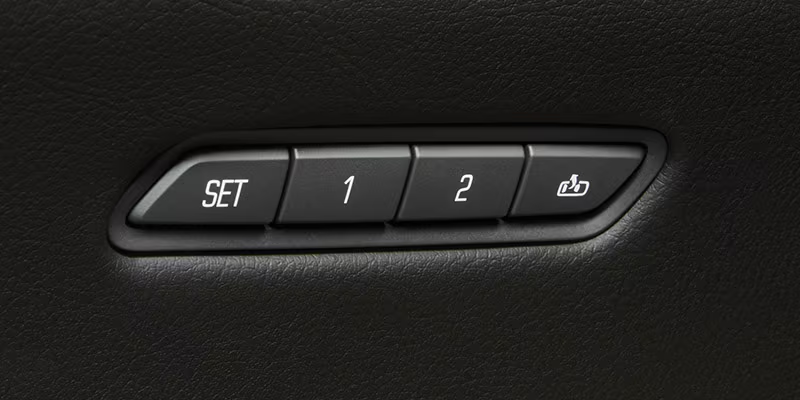
When setting a profile, adjust the seat first, then the steering wheel and mirrors. Confirm that the pedals remain comfortably reachable and that the seat belt fits correctly. Save the position only after checking that you can operate the vehicle without leaning forward or stretching.
Memory settings are a convenience rather than a safety system, but they make it easier to return to a familiar, comfortable setup. For shorter drivers who share a vehicle, that consistency can make every journey more pleasant.