
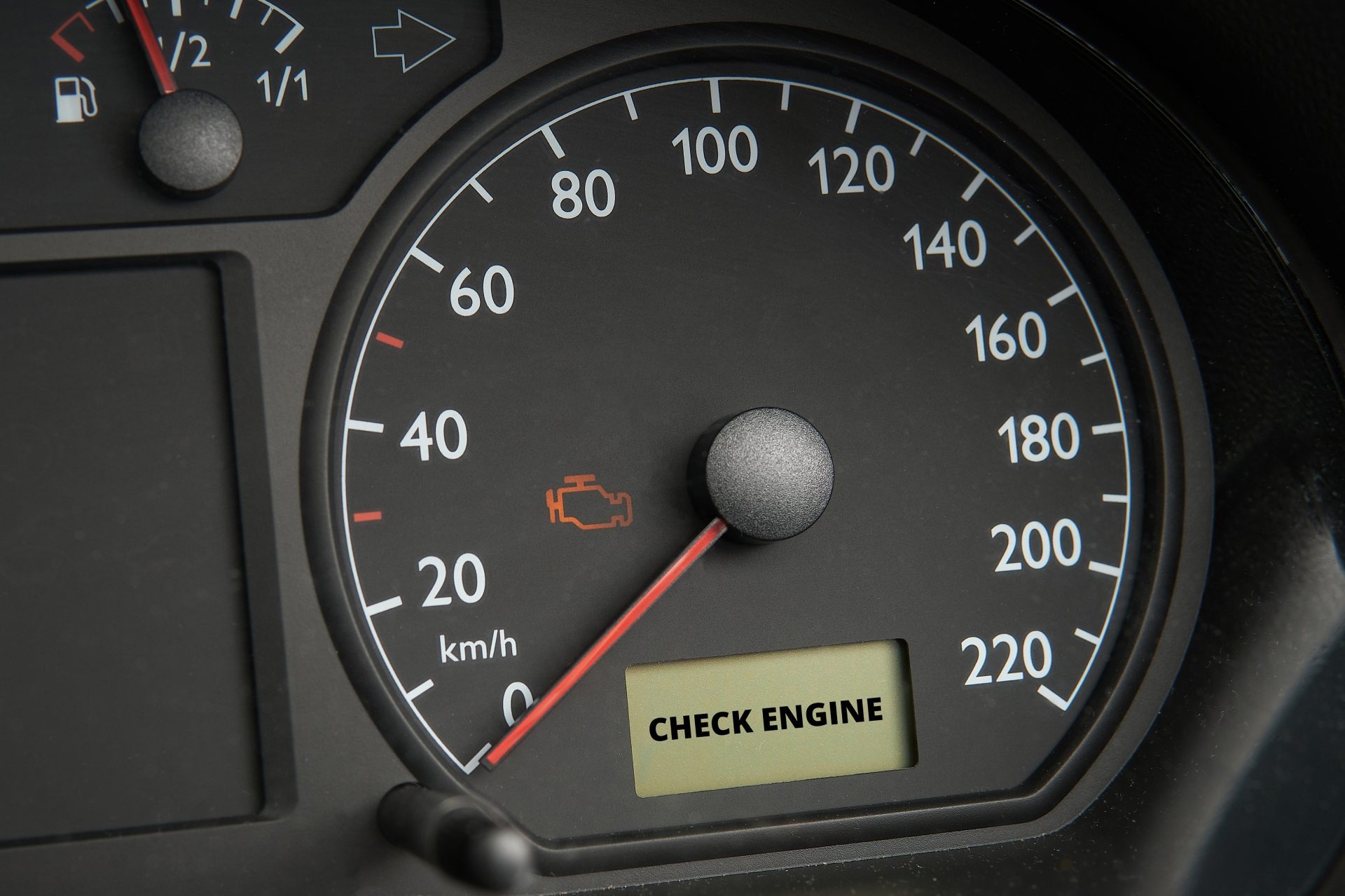
Engine trouble rarely happens without warning. Strange noises, rising temperatures, dashboard alerts, or sudden power loss can signal that something is wrong beneath the hood.
Ignoring these signs may turn a minor repair into costly engine damage, leaving you with an unexpected bill or a vehicle that will not start. An engine seizes when internal parts, such as pistons, bearings, or the crankshaft, can no longer move freely because of excessive heat, friction, or poor lubrication.
Vehicle damage can develop gradually or occur with little warning. Recognizing early symptoms helps you respond promptly and prevent further problems. Here are 10 warning signs to watch for, along with practical steps to address them before a minor issue turns into an expensive repair.
1. Loud Metallic Knocking or Pounding
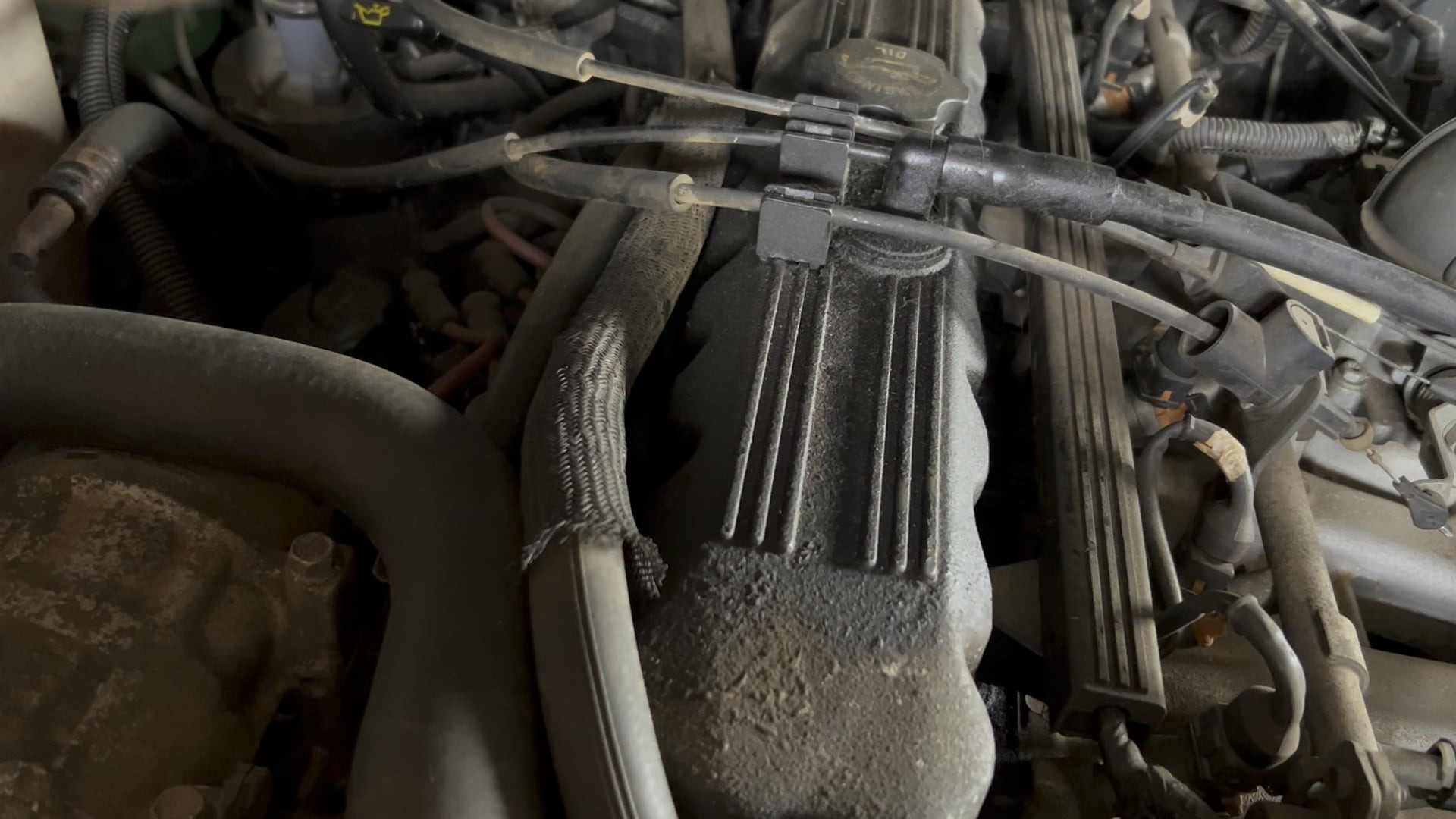
Imagine pressing the accelerator and hearing a deep, metallic knock coming from beneath the hood. That sound deserves immediate attention, particularly if it grows louder when climbing a hill or accelerating.
Heavy knocking can point to worn connecting rod bearings, damaged pistons, or other internal problems.
When engine oil cannot maintain a protective film between moving parts, metal surfaces begin rubbing against each other. Continued operation can cause rapid wear and, in severe cases, engine seizure.
Not every knocking sound means the engine is about to lock up. Fuel quality, combustion problems, and loose components can also produce unusual noises.
However, a deep pounding sound accompanied by an oil warning light or rising temperature is especially concerning.
What should you do? Pull over somewhere safe, turn off the engine, and arrange professional assistance. Do not keep revving the engine to identify the noise. Additional running time may worsen internal damage.
A mechanic can check the oil level, inspect the lubrication system, and listen for signs of bearing or piston damage. Catching the cause early may save an engine that would otherwise require extensive repairs or replacement.
2. Persistent or Flickering Oil Pressure Light
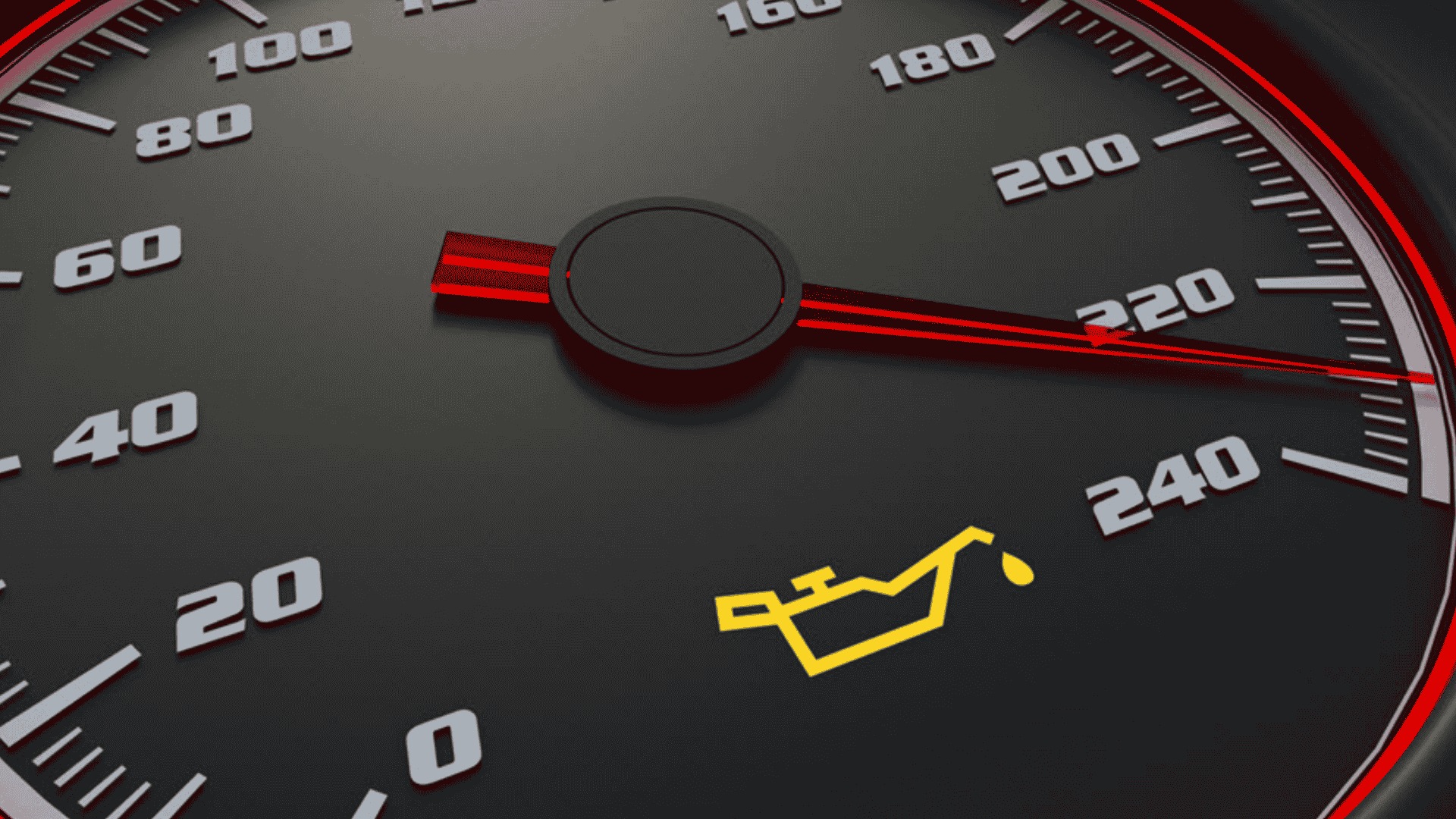
Your oil pressure warning light is there for a reason. If it stays illuminated while the engine is running or flickers unexpectedly, treat it as an urgent warning rather than a minor dashboard annoyance.
Engine oil lubricates moving components and helps carry heat away from critical surfaces. Low oil pressure can prevent the lubricant from reaching bearings, the crankshaft, and other parts that depend on a steady supply. Without sufficient lubrication, friction and heat can rise rapidly.
Several problems can trigger the warning, including low oil levels, an oil leak, a failing oil pump, a clogged oil filter, or a faulty pressure sensor. The light alone cannot tell you which problem is responsible.
The most important step is to shut off the engine as soon as you can safely pull over. Driving with dangerously low oil pressure can cause severe internal engine damage within a very short time.
Once the vehicle is safely parked and the engine has cooled enough for a safe check, inspect the dipstick if your vehicle has one.
If the oil is low, adding the correct oil may help, but it does not prove that pressure has returned to normal or that no damage has occurred.
If the warning remains, do not restart the engine. Have the vehicle inspected or towed to a repair shop.

3. Unusual Ticking or Grinding Noises on Startup
A brief ticking sound during startup may be harmless on some engines, especially if it disappears quickly. A new, persistent, or increasingly loud noise deserves more attention.
The engine’s valve train contains components that open and close the valves, while the timing chain or belt helps keep engine movement synchronized.
These parts depend on proper lubrication and correct adjustment. Low oil pressure, worn components, or timing-system problems can produce ticking, rattling, or grinding sounds.
Pay attention to when the noise occurs. Does it begin immediately after starting? Does it continue after the engine warms up? Is it louder than it was last week? These details can help a technician identify the source.
A sharp ticking noise may come from a valve train problem, while grinding can indicate more severe mechanical trouble.
Neither sound alone confirms that seizure is imminent, but noises accompanied by poor performance or an oil pressure warning should never be ignored.
Check the oil level according to your owner’s manual, and look for any visible leaks once the vehicle is safely parked. Avoid repeatedly starting the engine just to listen for the sound.
If the noise is persistent, metallic, or getting worse, arrange an inspection before driving again. A timely repair may prevent a small lubrication or timing problem from becoming major engine damage.
4. Burning Oil, Sweet, or Rubbery Smells
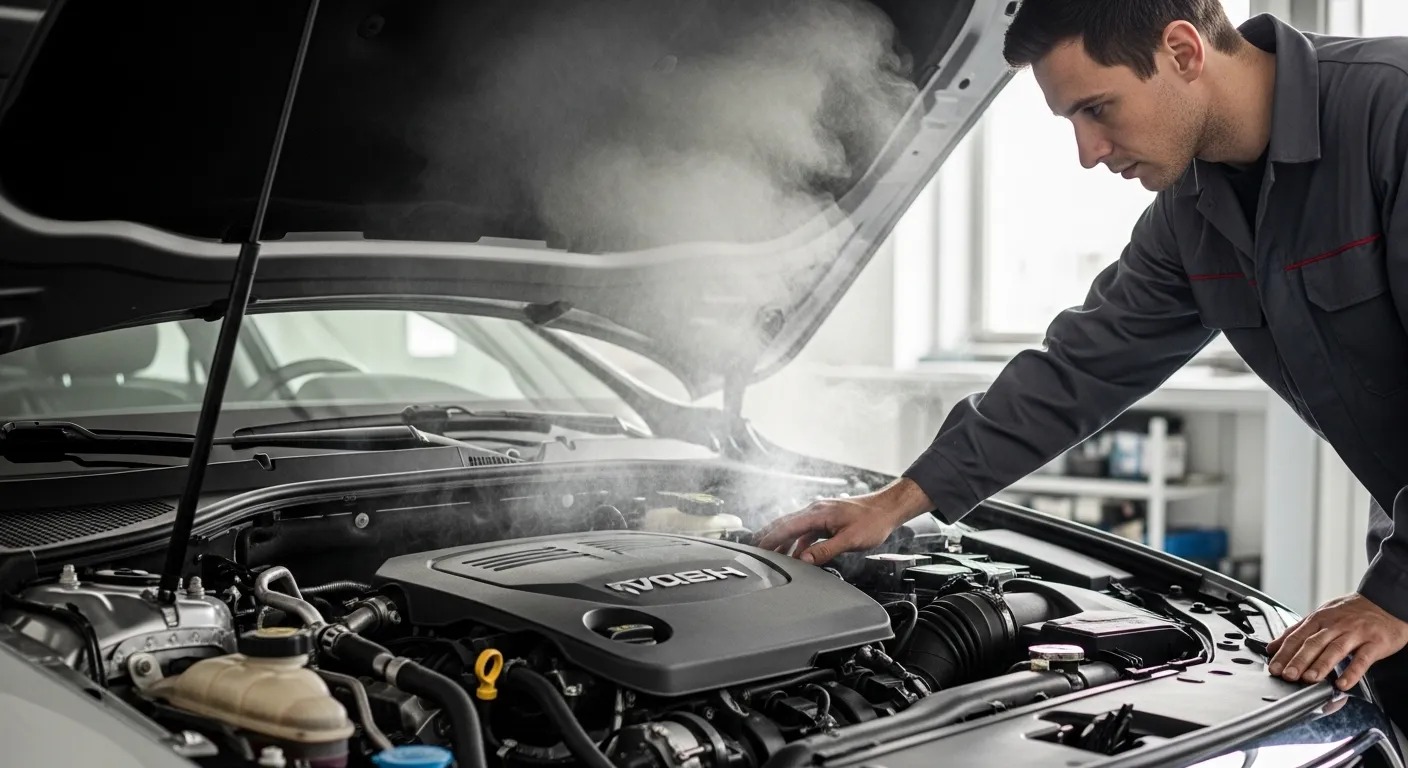
Your nose can sometimes detect engine trouble before the dashboard does. A sharp burnt-oil odor, a sweet smell resembling syrup, or the smell of melting rubber can indicate a problem that needs prompt attention.
Each odor offers a different clue. Burning oil may mean lubricant is leaking onto hot exhaust components or entering the combustion chamber.
A sweet smell can point to leaking engine coolant. A bitter, rubbery odor may come from a slipping belt, a seized pulley, or another component exposed to excessive heat.
These problems do not all lead directly to engine seizure. However, oil loss can reduce lubrication, while coolant loss can cause the engine to overheat.
A failing belt or pulley may also affect accessories that the engine relies on, depending on the vehicle’s design.
If you notice smoke or a strong burning smell while driving, pull over safely and turn off the engine. Do not open a hot radiator or coolant reservoir because pressurized coolant can cause severe burns.
Once the vehicle has cooled, look for obvious fluid leaks or damaged belts without touching hot components. If the smell returns, the temperature rises, or warning lights appear, arrange professional help.
A strange odor may seem minor at first, but it can be an early clue that your engine needs attention.
5. Excessive Exhaust Smoke
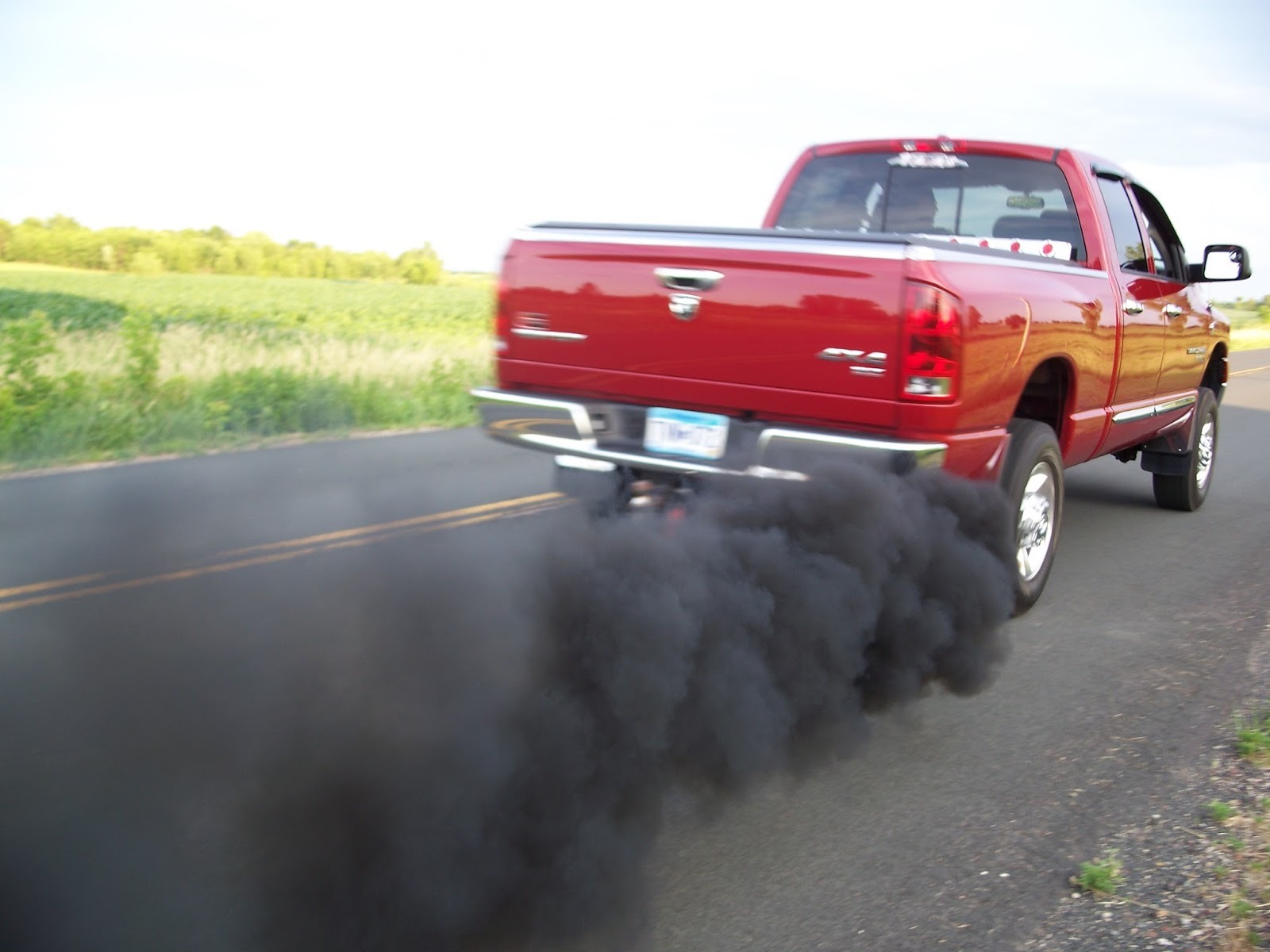
Take a moment to check what comes out of your exhaust. A small amount of water vapor on a cold morning can be normal, but persistent, heavy smoke may signal a mechanical or fuel-system problem.
The color can help narrow down the cause:
- Blue smoke: Often indicates engine oil entering the combustion chamber because of worn piston rings, valve seals, or related problems.
- Thick white smoke: Once the engine is warm, persistent white smoke may indicate coolant entering the cylinders, potentially because of a damaged head gasket or another internal leak.
- Black smoke: Usually suggests excessive fuel or incomplete combustion, which can result from fuel-system or air-intake problems.
Blue smoke can accompany oil consumption that eventually leaves the engine dangerously low on lubricant. Thick white smoke caused by coolant loss may point to overheating risks. Either condition can lead to severe internal damage if left untreated.
Black smoke does not automatically mean the engine is close to seizing, but it still warrants diagnosis, particularly when paired with poor performance or warning lights.
Watch for changes in smoke color, quantity, and duration. Check fluid levels only when it is safe to do so, and never remove a hot cooling-system cap.
If heavy smoke appears alongside overheating, knocking, or an oil pressure warning, stop driving and arrange a tow. A mechanic can test for coolant leaks, oil consumption, and combustion problems before further damage occurs.
6. Frequent Overheating or Climbing Temperature Gauges
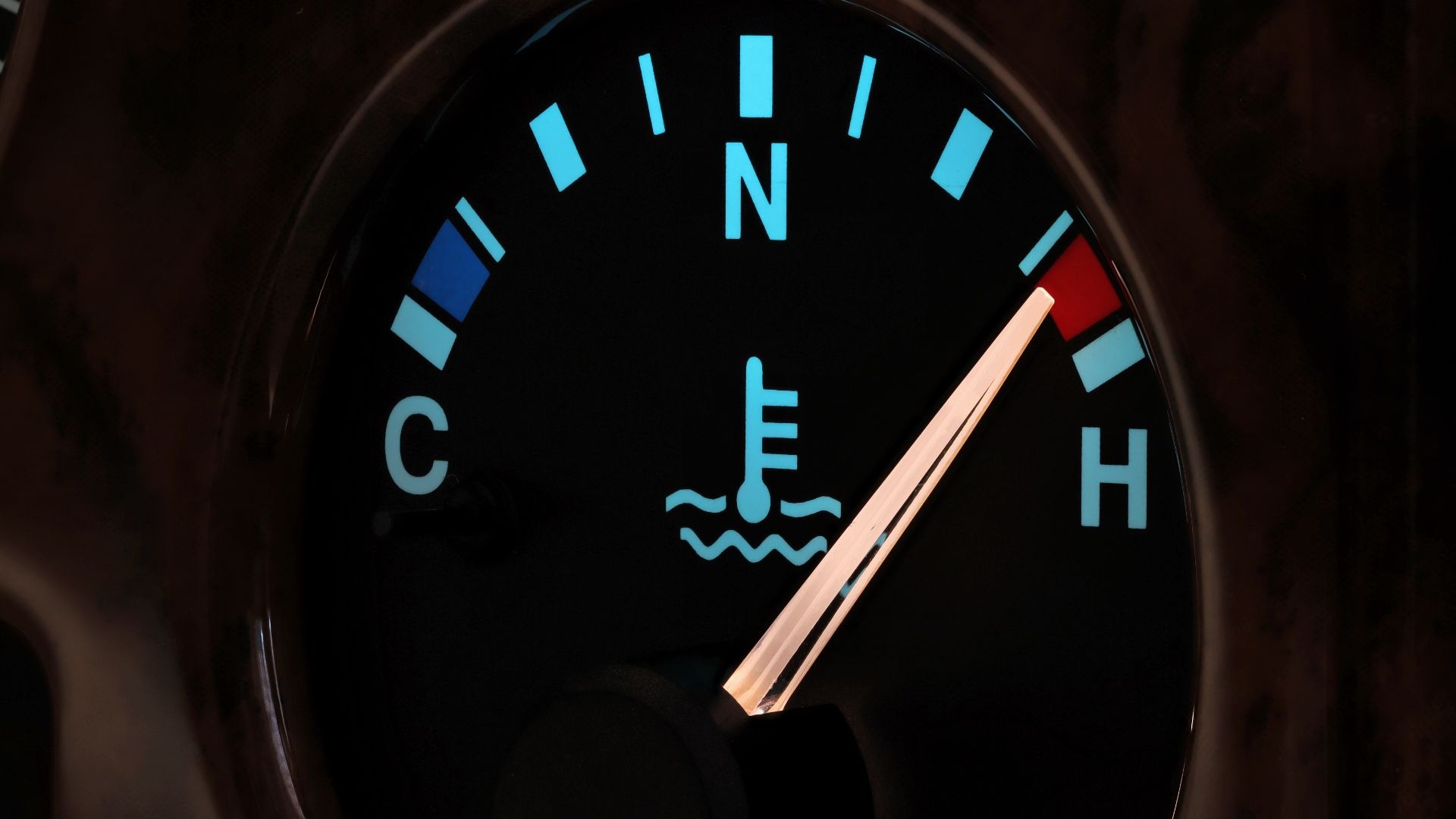
An engine temperature gauge that keeps climbing is not something to ignore until you reach your destination. Excessive heat can damage an engine quickly, especially when the cooling system cannot bring temperatures back within the proper range.
Several faults can cause overheating, including a coolant leak, a failing water pump, a stuck thermostat, a damaged radiator, or a cooling fan that does not operate correctly. Low coolant levels can also prevent the system from removing heat effectively.
When temperatures become excessive, metal components expand beyond their intended operating limits. Cylinder heads can warp, head gaskets can fail, and cylinder walls and pistons can suffer damage.
Severe overheating may cause internal parts to bind together and stop moving. If the temperature gauge enters the danger zone or a temperature warning appears, pull over safely and switch off the engine.
Turn off the air conditioning if you need a brief moment to reach a safe stopping place, but do not continue driving in the hope that the gauge will fall.
Never remove the radiator cap while the system is hot. Wait for the engine to cool completely before checking coolant levels, and follow the owner’s manual.
Repeated overheating calls for professional diagnosis, even if the temperature returns to normal after a short break. Finding the cause early can prevent a cooling-system repair from turning into an engine replacement.
7. Loss of Power or Sudden Limp Mode
Has your vehicle started struggling to accelerate, even though you are pressing the gas pedal as usual? Perhaps it hesitates when merging, struggles on hills, or suddenly refuses to travel faster than a limited speed.
These symptoms can result from many issues, including fuel delivery faults, ignition problems, clogged filters, transmission trouble, or a malfunction detected by the vehicle’s control system.
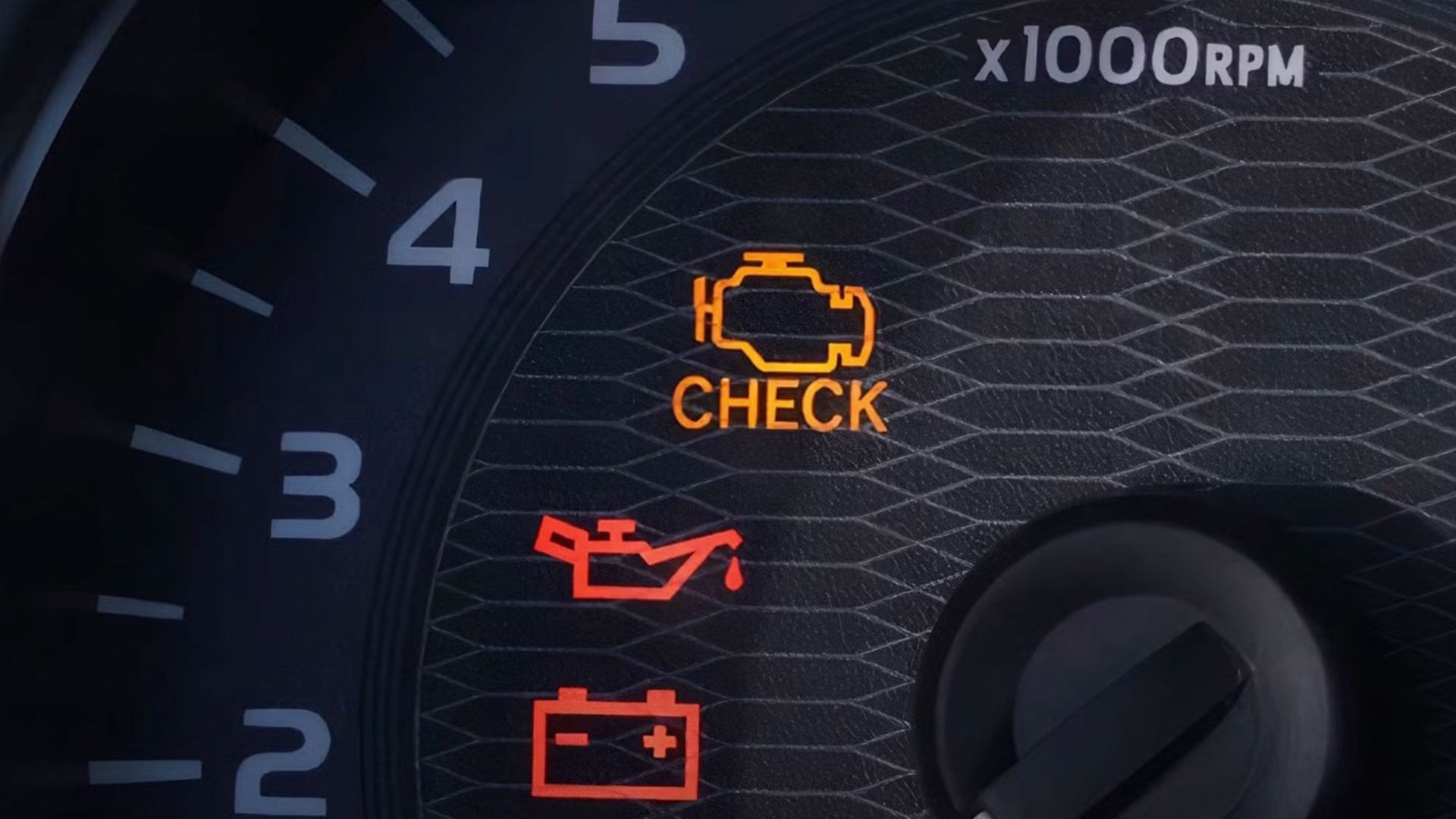
Some vehicles enter limp mode to limit performance and help protect certain components when a fault is detected.
Internal engine damage can also cause a noticeable loss of power. Worn components, poor compression, lubrication problems, or overheating may prevent the engine from operating normally.
The challenge is knowing whether the problem is minor or urgent. A warning light, unusual knocking, excessive smoke, or a rising temperature makes the situation more concerning.
Do not keep pressing the accelerator harder to compensate for sluggish performance. That can increase engine load when the vehicle may already have a mechanical problem.
If the vehicle enters limp mode, check the dashboard for warnings and consult the owner’s manual. Pull over safely if the engine runs roughly, overheats, or shows low oil pressure.
Arrange a diagnostic inspection rather than repeatedly restarting the vehicle to clear the warning.
Loss of power does not guarantee that seizure is imminent, but it is a useful early warning when combined with other symptoms. Prompt diagnosis can help identify the fault before further damage occurs.
8. Rough Idling or Unexpected Stalling
A healthy engine should generally run smoothly when the vehicle is stopped. If the car shakes heavily at a traffic light, vibrates unusually, or stalls without warning, something may be interfering with normal operation.
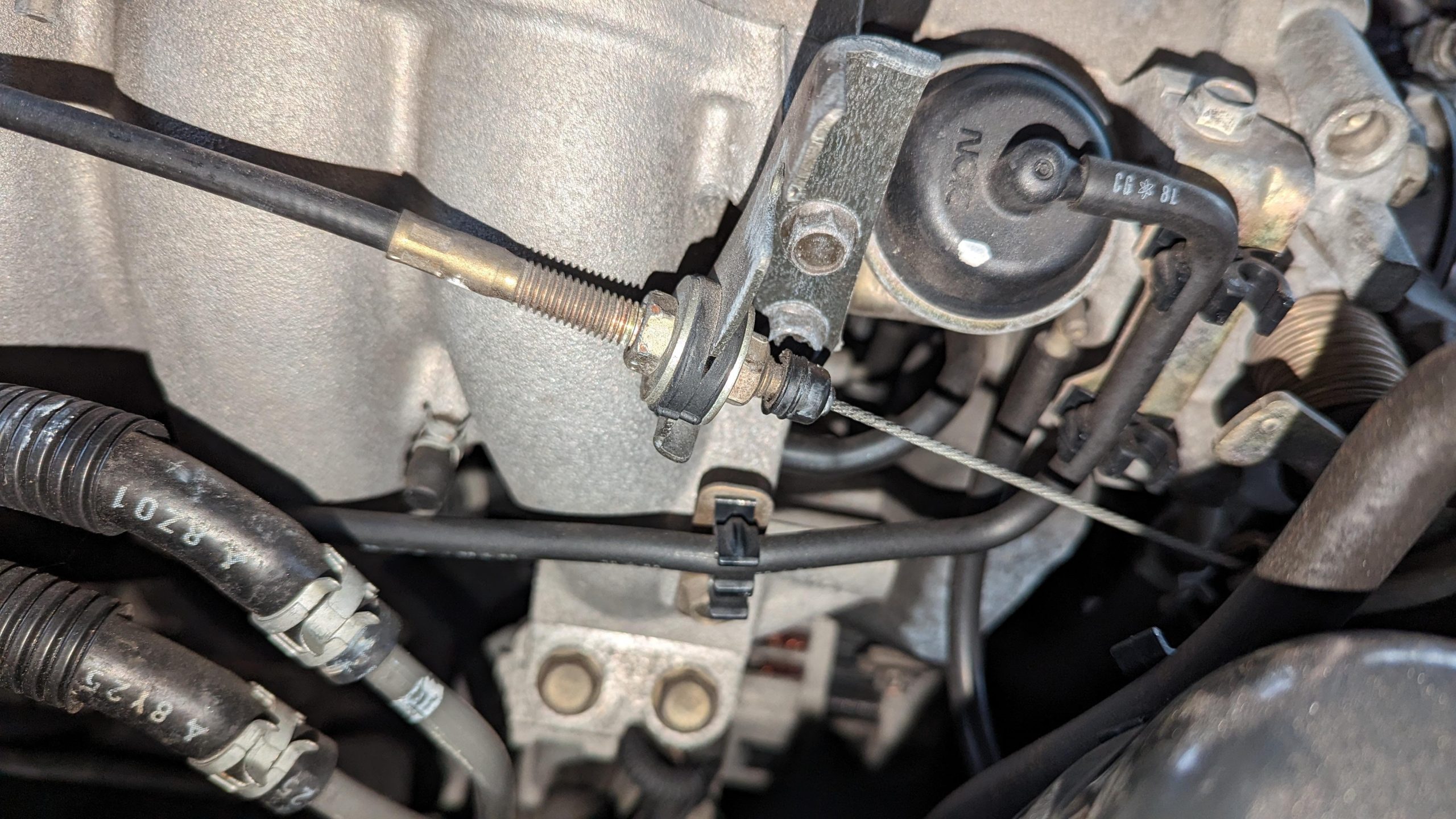
Common causes include worn spark plugs, faulty ignition coils, vacuum leaks, fuel delivery problems, or a malfunctioning sensor. These faults can produce misfires, making the engine shake or run unevenly.
Internal mechanical problems can cause similar symptoms. Low compression, damaged valves, or severe friction may affect how consistently the engine runs. If internal components are beginning to bind, the engine may struggle to maintain normal operation.
Pay attention to the circumstances. Does the vehicle shake only when the air conditioning is running? Does it stall when coming to a stop? Does the problem occur alongside an oil warning, metallic noise, or rising temperature?
Those details can help a technician distinguish a routine engine-management fault from a more serious mechanical issue.
If the engine stalls in traffic, prioritize your safety. Move out of the flow of traffic if possible, activate your hazard lights, and request roadside assistance when needed. Avoid continuing to drive if the vehicle repeatedly stalls or displays other severe warning signs.
Rough idling alone does not prove that an engine is about to seize. Still, persistent shaking or unexpected stalling deserves attention, particularly when accompanied by signs of overheating or poor lubrication.
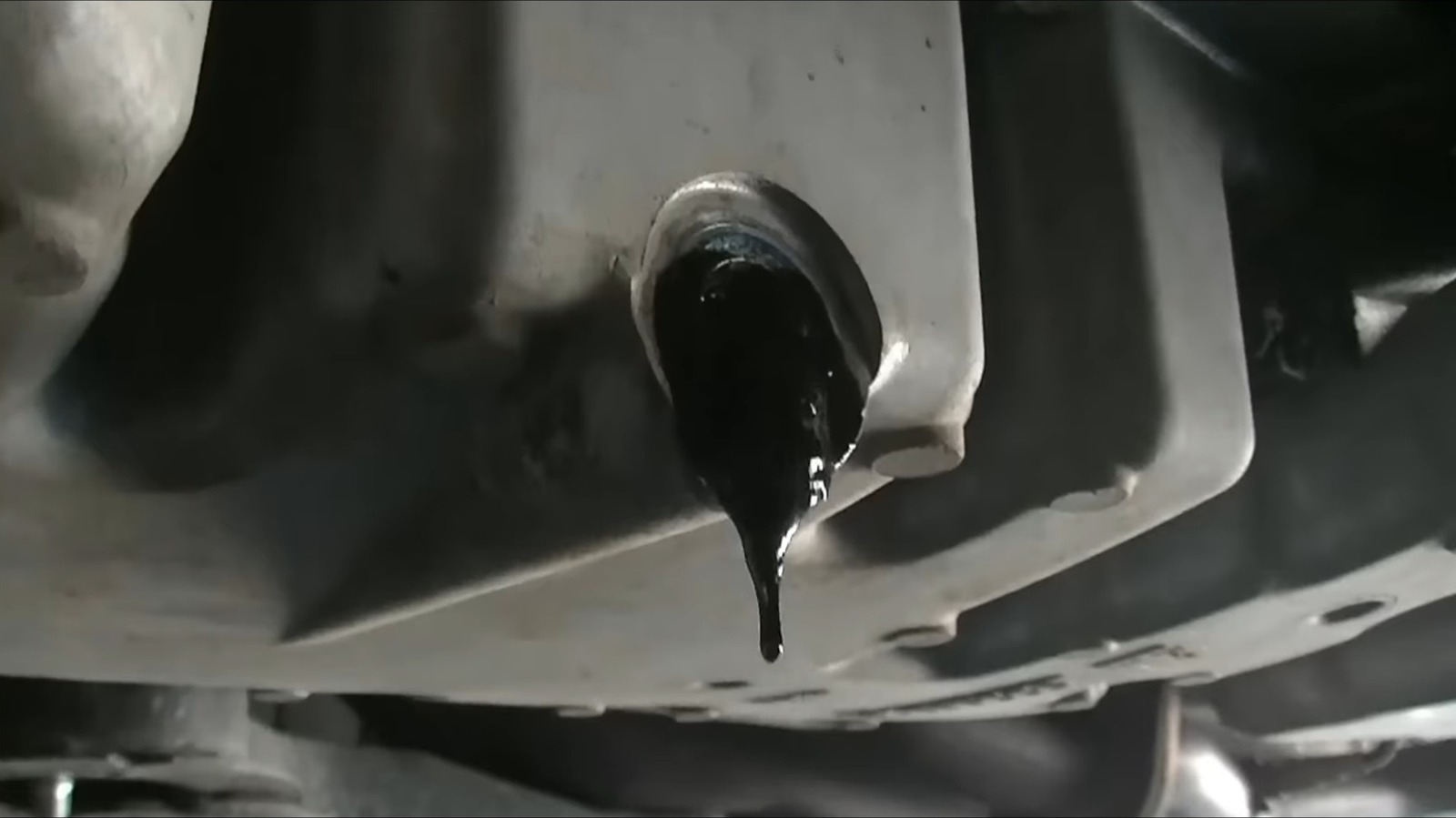
9. Thick, Gritty, or Sludgy Oil
Engine oil should provide smooth lubrication, not look like thick tar or contain obvious metallic debris. Checking the dipstick can sometimes reveal a problem before the engine develops more serious symptoms.
Dark oil is not automatically bad. Engine oil naturally becomes darker as it collects contaminants during normal use. The concern is oil that appears unusually thick, contains gritty particles, smells strongly burnt, or has visible metal specks.
Sludge can form when oil breaks down, maintenance is neglected, or contamination builds up. Thick deposits may restrict oil passages and interfere with lubrication. Metal particles can indicate that internal components are wearing against one another.
If the oil level is low, the engine may also be at risk of inadequate lubrication. Either condition can increase friction and raise the chance of serious damage.
Park on level ground and follow the owner’s manual when checking the oil. Some vehicles require a specific waiting period after shutdown, while others use electronic oil-level monitoring rather than a conventional dipstick.
If you find metal particles, heavy sludge, or oil with an unusual burnt smell, do not assume that a routine oil change will solve the problem. A mechanic may need to inspect the lubrication system and determine whether internal wear has occurred.
Regular oil changes using the manufacturer’s recommended specification are among the simplest ways to protect an engine. When the oil looks or feels seriously abnormal, investigate the cause before driving further.
10. Hard Cranking or a Sudden “Dead” Start
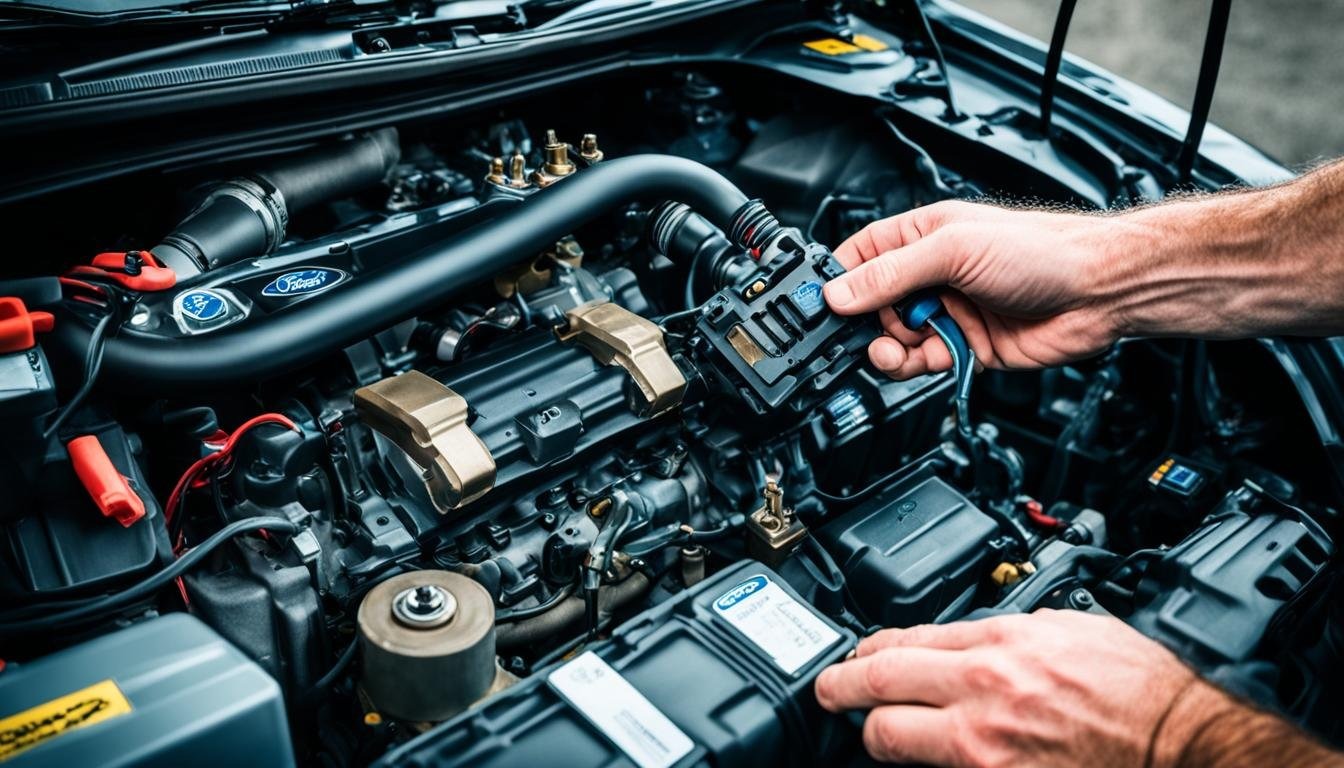
You turn the ignition, hear the starter struggle, and the engine barely moves. Perhaps you hear one heavy clunk instead of the usual cranking sound. These symptoms can be alarming, but they do not always mean the engine has seized.
A weak battery, faulty starter motor, damaged electrical connections, or a poor ground connection can prevent an engine from turning over.
Mechanical faults can produce similar symptoms, including a seized accessory, internal engine damage, or a component that prevents the crankshaft from rotating.
A completely seized engine may refuse to turn because internal parts have locked together. This can happen after severe overheating, oil starvation, or extensive bearing damage.
Avoid repeatedly turning the key or pressing the start button when the engine will not crank normally. Repeated attempts can overheat the starter or drain the battery without solving the underlying fault.
A roadside technician can test the battery and starter circuit and determine whether the engine itself can rotate.
If the vehicle recently showed an oil pressure warning, overheated, or made loud metallic noises, tell the technician. That history can help narrow down the cause.
Do not attempt to force the engine to turn with tools unless you have the proper training and equipment. If seizure is suspected, have the vehicle towed to a qualified repair shop.
A no-start condition may be electrical, but unusual resistance or a sudden clunk after other warning signs call for urgent mechanical investigation.
