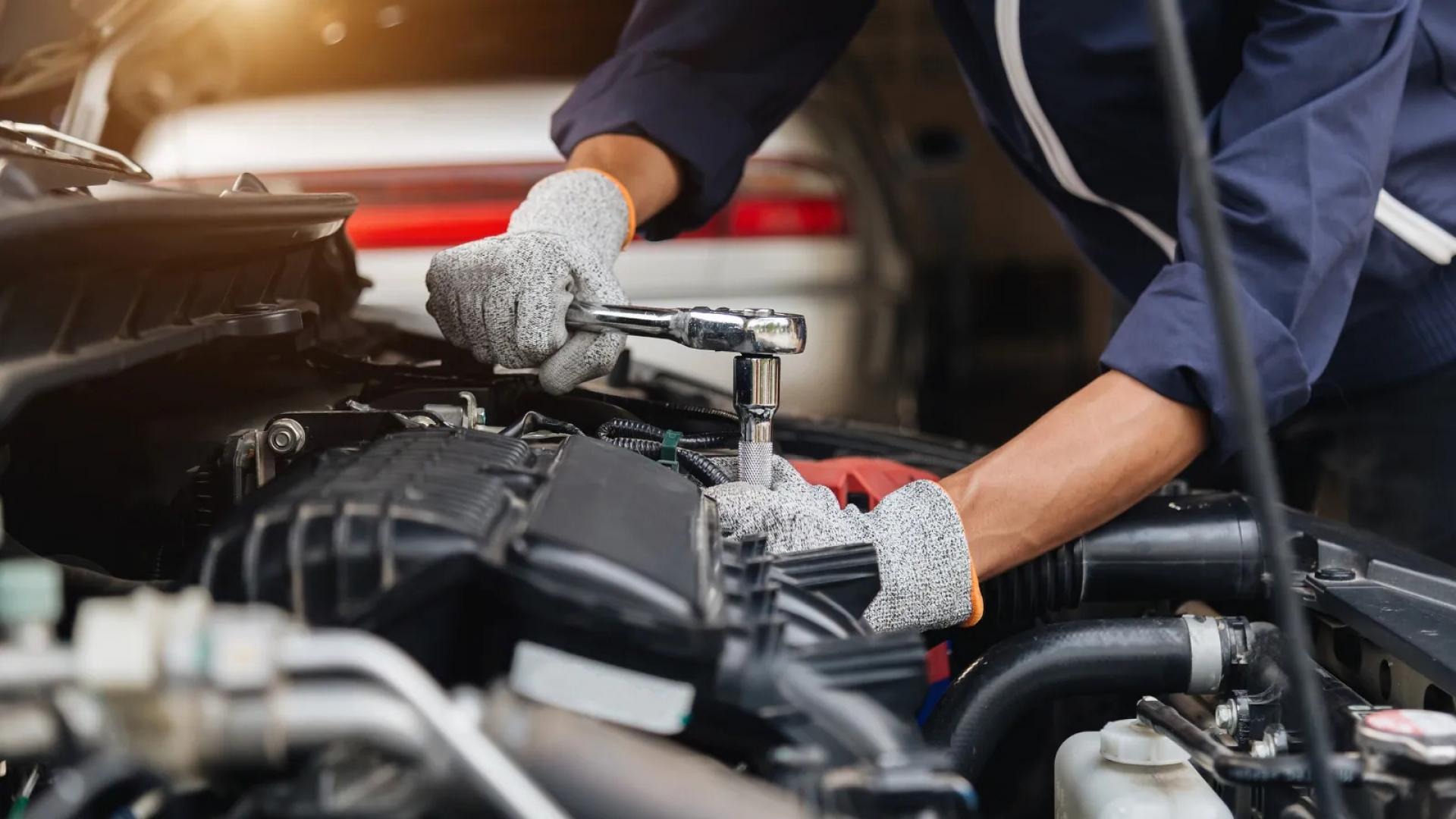
What if your car could last 300,000 miles without costing you a fortune in repairs? It may sound like a stretch, but many vehicles can reach that milestone when their owners give them the care they need. The secret is not always buying an expensive model or replacing a car every few years. Sometimes, it comes down to three basic maintenance jobs that protect the parts doing the hardest work.
Engine oil, the air filter, and transmission fluid may not seem exciting, yet neglecting them can turn a dependable vehicle into a costly problem. The good news is that these services are often far cheaper than replacing an engine or transmission. If you want your car to stay reliable for years, learning when and how to maintain these three systems is a smart place to start.
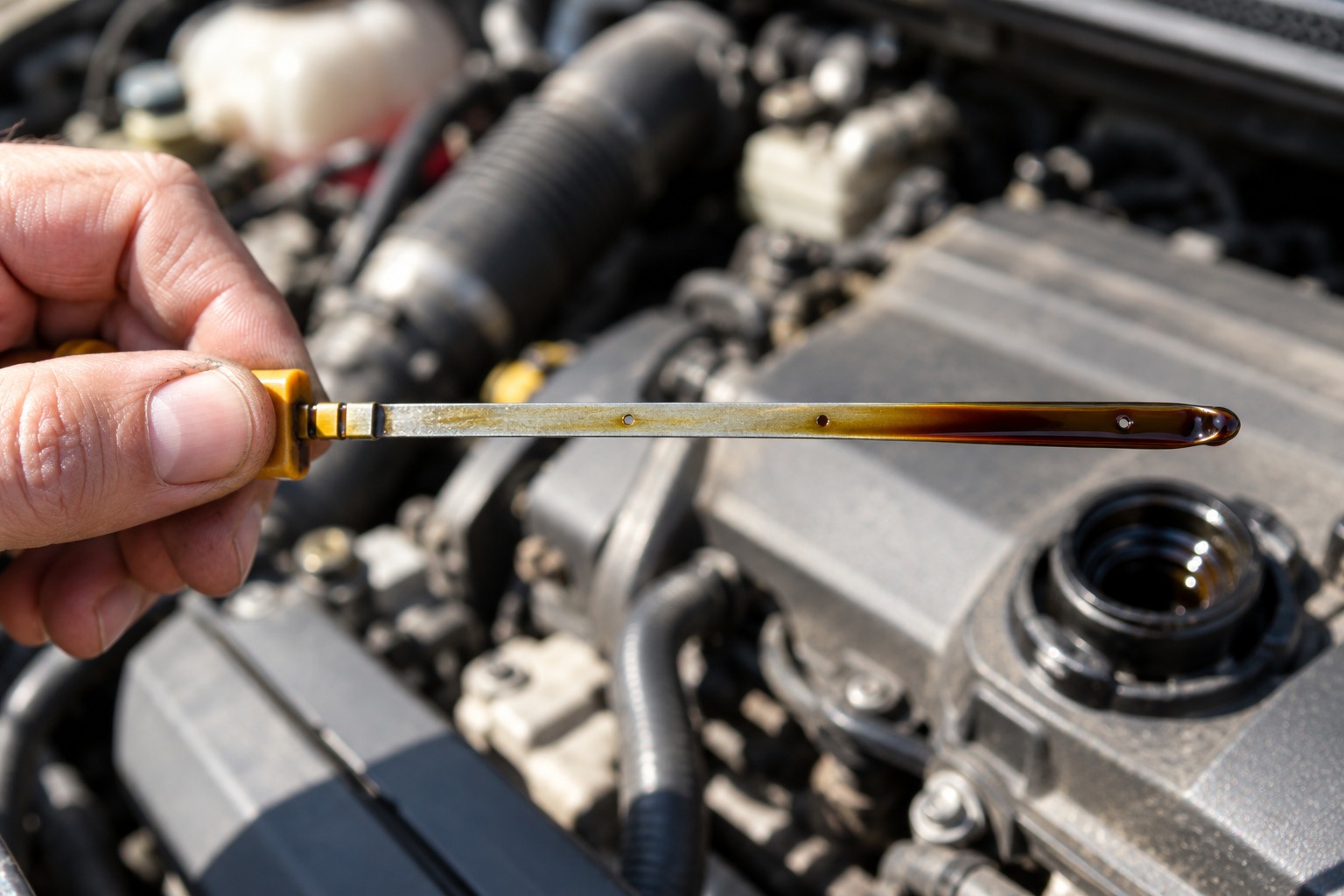
Engine Oil and Filter: The Lifeline of Your Engine
Picture your engine as a collection of metal parts moving at high speed, generating heat and rubbing against one another thousands of times every minute.
Without proper lubrication, that motion can cause friction, wear, and damage. Engine oil creates a protective film between moving surfaces, helping the engine operate smoothly while carrying heat and tiny contaminants away from sensitive areas.
But oil does not stay fresh forever. Each trip exposes it to heat, combustion byproducts, and microscopic particles. As the oil ages, its ability to protect the engine can decline.
Deposits may accumulate, oil passages can become restricted, and internal parts may suffer damage that requires expensive repairs.
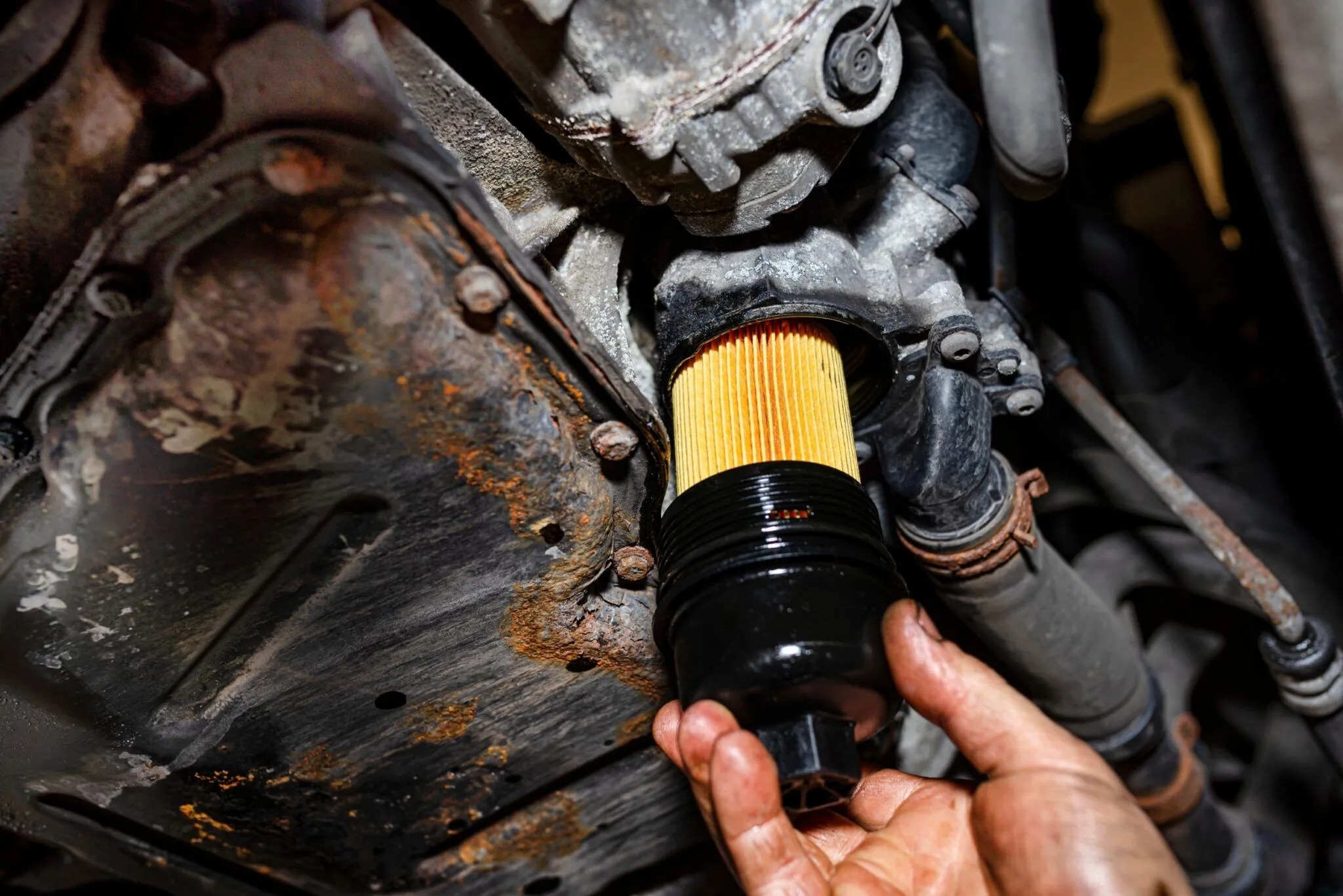
Changing the oil and filter at the right interval helps prevent these problems. Some vehicles need service more frequently than others, so check the owner’s manual before choosing a schedule.
Full synthetic oil can provide excellent protection when it meets the manufacturer’s specifications, but the correct oil grade matters just as much as the brand.
A common maintenance range is 3,000 to 5,000 miles for certain vehicles and driving conditions, while many modern cars allow longer intervals. Follow the manufacturer’s recommended schedule rather than assuming every engine needs the same treatment.
The filter deserves equal attention. It captures contaminants that would otherwise circulate through the lubrication system. Installing fresh oil while leaving an old, clogged filter in place defeats part of the purpose.
Think of every oil change as an inexpensive investment in the engine’s future. A few minutes of planning today may help prevent worn bearings, damaged camshafts, sludge buildup, and premature engine replacement years later.
Engine Air Filter: Small Part, Big Protection
A car engine needs more than fuel and a spark to generate power. It also relies on a steady flow of clean air. The engine air filter protects the engine by trapping dust, grit, pollen, and other airborne contaminants before they can enter and cause damage.
Why should drivers care about such an ordinary component? Because tiny particles can cause substantial wear when they reach internal engine surfaces.
Dust that enters through a damaged or poorly fitted filter may act like an abrasive, gradually wearing cylinder walls, piston rings, and other precision parts.
A clean filter also helps the engine draw in air without unnecessary restriction. When the filter becomes heavily clogged, airflow can suffer, and some vehicles may experience reduced performance or changes in fuel economy.
Modern engine computers can adjust fuel delivery to compensate for certain airflow changes, so a dirty filter does not produce the same symptoms in every car.
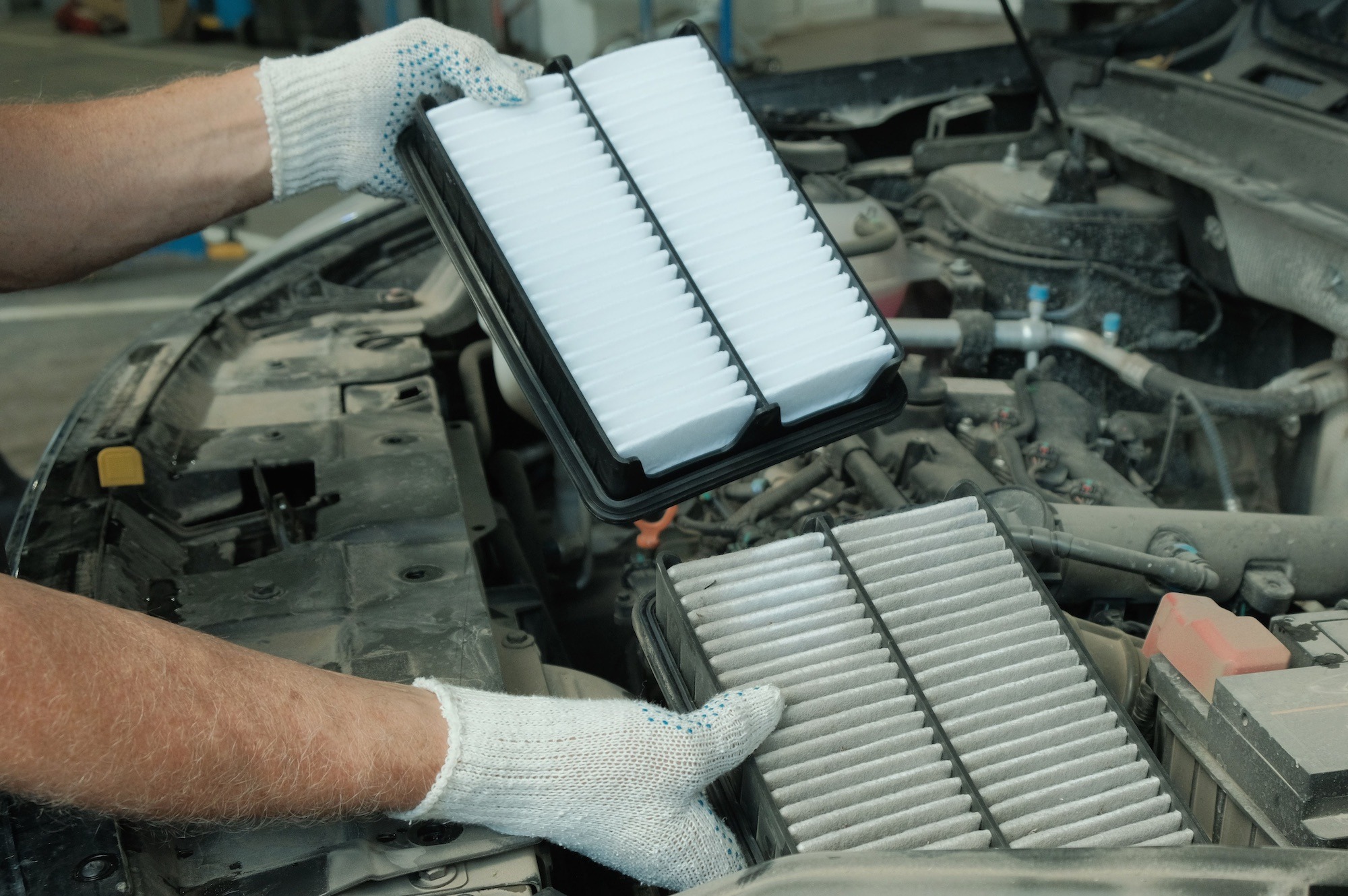
Fortunately, this is one of the easiest maintenance items to inspect. In many vehicles, the filter sits inside a plastic housing under the hood. Opening the housing may require only a few simple steps, although the procedure varies by model.
Hold the filter up to a light source and inspect it for heavy dirt, damage, or blocked areas. If it is badly contaminated or the manufacturer’s service interval has arrived, replace it with the correct part.
Avoid striking or blowing out a disposable filter with excessive compressed air, since this can damage the filtering material.
Driving conditions matter, too. A car regularly used on dusty roads or in areas with heavy airborne debris may need more frequent inspections than one driven mainly on clean, paved streets.
The price of a replacement filter is usually modest compared with the cost of repairing internal engine wear. Keeping this small component in good condition helps preserve clean airflow, reliable operation, and the engine’s ability to keep running for many miles.
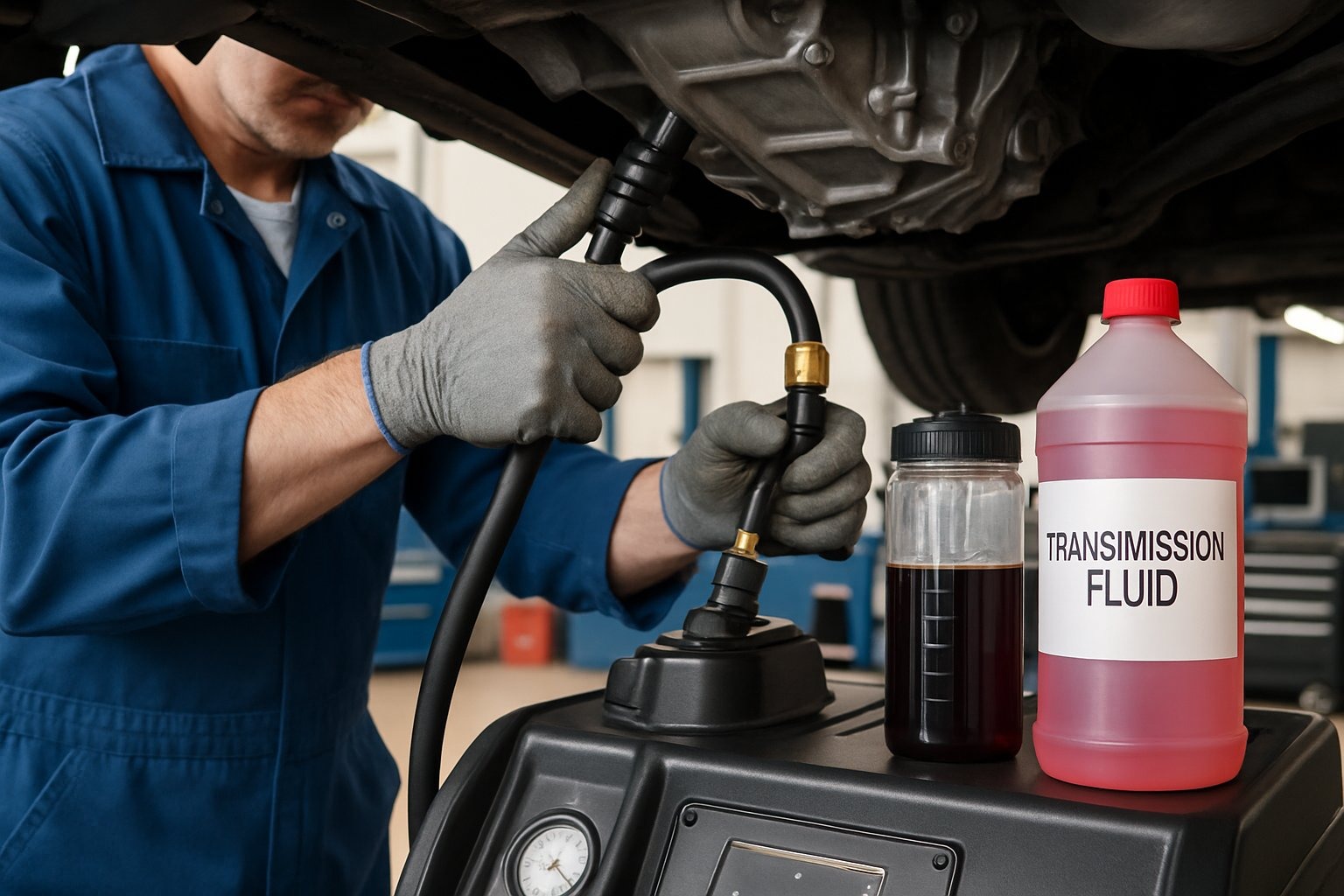
Transmission Fluid and Service: Protect the Powertrain
Imagine pressing the accelerator and feeling the car respond smoothly, with each gear change happening at just the right moment. Your transmission plays a major part in making that experience possible.
Depending on the design, it relies on transmission fluid for lubrication, cooling, hydraulic pressure, and the proper operation of internal components.
That fluid works under demanding conditions. Heat, friction, pressure, and repeated gear changes gradually affect its condition.
As the fluid ages, its protective and performance characteristics may deteriorate. Deposits can form, internal passages may become restricted, and shifting problems can develop.
The warning signs are not always dramatic at first. You might notice delayed engagement when selecting Drive, harsh gear changes, slipping, unusual noises, or a burning smell.
These symptoms can have several causes, and low or degraded fluid is only one possibility. Still, they deserve prompt attention because continued driving with a transmission problem can make repairs more expensive.
Some manufacturers describe transmission fluid as a lifetime fill. That wording does not always mean the fluid will remain effective for every mile the vehicle travels.
It may refer to a defined service life or a particular operating schedule. The owner’s manual and official maintenance information should guide your decision.
Service intervals vary widely by transmission design and driving conditions. Some vehicles require fluid replacement at specified mileage intervals, while others have different procedures or fluid requirements.
A range of 50,000 to 100,000 miles may apply to certain vehicles, but it should never be treated as a universal rule.
Check the manufacturer’s schedule, especially if you tow heavy loads, drive in mountainous areas, or frequently encounter stop-and-go traffic.
Fluid type is equally important. Automatic, manual, continuously variable, and dual-clutch transmissions can require different products and procedures. Using the wrong fluid may cause poor operation or internal damage.
A transmission service performed correctly can help preserve smooth shifting and protect costly internal parts.
Waiting until the transmission begins slipping is a risky maintenance strategy because worn clutches, damaged bearings, or other mechanical failures may already be present.
Why These Three Repairs Matter More Than You Think
A vehicle can survive scratches, faded paint, worn floor mats, and a few cosmetic dents without losing its ability to travel hundreds of thousands of miles.
Engine and transmission damage are different. These systems perform the work that makes the car move, and major failures can cost thousands of dollars to repair.
That is why the three maintenance jobs deserve attention before trouble appears. Engine oil protects moving metal parts.
The air filter limits the entry of abrasive debris. Transmission fluid supports the lubrication, cooling, and hydraulic functions needed for proper gear operation.
Consider two drivers with similar cars. The first follows the maintenance schedule, checks fluid levels, replaces dirty filters, and responds quickly to warning signs.
The second postpones routine service until the car develops obvious symptoms. Even if both vehicles start out in similar condition, the first driver’s habits give the engine and transmission a better chance of lasting.
Of course, maintenance is not a guarantee against mechanical failure. Manufacturing defects, previous damage, poor repairs, corrosion, age, and severe operating conditions can affect any vehicle.
A well-maintained car can still develop an expensive problem, just as a neglected car may continue running for years.
The difference is that preventive care reduces avoidable risks. It also gives owners a better chance of detecting developing faults before they cause extensive damage.
There is a financial benefit, too. Routine services are generally easier to budget for than an unexpected engine replacement or transmission rebuild.
Keeping service records can also help you identify recurring issues, track maintenance intervals, and demonstrate that the car has received proper care.
The takeaway is simple. Spending a little on routine maintenance can help prevent much larger repair bills later. Keeping these three systems in good condition can improve your vehicle’s chances of reaching 300,000 miles without a major powertrain failure.
How Often Should You Service These Components?
There is no single maintenance calendar that fits every vehicle. Engine design, transmission type, driving habits, climate, and manufacturer recommendations all influence service intervals.
Instead of following a schedule copied from another driver’s car, start with your owner’s manual and build a routine around the instructions for your specific model.
For engine oil and the oil filter, check both the recommended mileage interval and the time limit. Some vehicles use an oil-life monitoring system that estimates when service is due.
If your car has one, follow its instructions alongside the manufacturer’s guidance. Frequent short trips, heavy loads, extreme temperatures, and extensive idling may call for a more demanding service schedule.
For the engine air filter, follow the inspection and replacement intervals listed in the maintenance guide. Check it sooner if you regularly drive in dusty conditions or notice visible damage.
Do not assume a filter is fine simply because the car still accelerates normally. Transmission maintenance requires extra care because procedures vary.
Some transmissions have a dipstick, while others require a specific temperature, level surface, and filling procedure to check fluid correctly. Certain designs also use specialized fluids that cannot be substituted casually.
A practical starting point is to review the maintenance schedule when you buy a vehicle, then record each service date and odometer reading. Keep receipts, note the exact fluid specifications used, and set reminders before the next service is due.
If you buy a used car with an incomplete service history, have a qualified mechanic inspect it before deciding what work it needs.
Do not automatically assume that every fluid should be changed immediately without considering the vehicle’s condition and manufacturer guidance.
A consistent maintenance routine is more reliable than guesswork. You do not need to understand every mechanical detail, just know what your vehicle needs and ensure each service is completed at the recommended interval.
Warning Signs You Should Never Ignore
Cars often provide clues when something needs attention. Learning to recognize those clues can help you act before a minor problem develops into a major repair.
The trick is to treat unusual behavior as information rather than something to dismiss until your next oil change. Start with the engine. An oil-pressure warning light requires immediate attention.
Safely pull over, switch off the engine, and consult the owner’s manual or roadside assistance instructions. Continuing to drive with inadequate oil pressure can cause severe engine damage within a short time.
A rising engine temperature, unusual knocking, or sudden loss of power also calls for prompt investigation. Next, pay attention to airflow and engine performance.
A severely dirty air filter may be visible during inspection, but symptoms such as poor acceleration or unusual fuel consumption can have many causes.
Replacing the filter may help when it is clogged, yet persistent symptoms deserve a proper diagnosis instead of repeated parts replacement.
Transmission symptoms should receive similar attention. Slipping gears, delayed engagement, sudden harsh shifts, or fluid leaking beneath the vehicle are reasons to arrange an inspection.
A burning odor may indicate overheating or another fault. If the transmission warning light appears, follow the vehicle’s instructions and avoid placing unnecessary strain on the powertrain.
Shifts or fluid leaking beneath the vehicle are reasons to arrange an inspection. A burning odor may indicate overheating or another faultshifts, or fluid leaking beneath the
Do not rely on fluid color alone to determine whether a service is needed. Different fluids have different appearances, and color changes do not provide a complete assessment of condition.
A mechanic can check for leaks, confirm the correct fluid level, inspect relevant components, and use diagnostic equipment when necessary.
When a warning appears, take note of when it happens, whether the engine is cold or warm, and whether the car behaves differently under acceleration. These details can help a technician identify the cause.
Acting early does not guarantee a cheap repair, but it can prevent additional damage. A warning light or unusual sound is often your vehicle’s way of asking for attention before the bill grows.