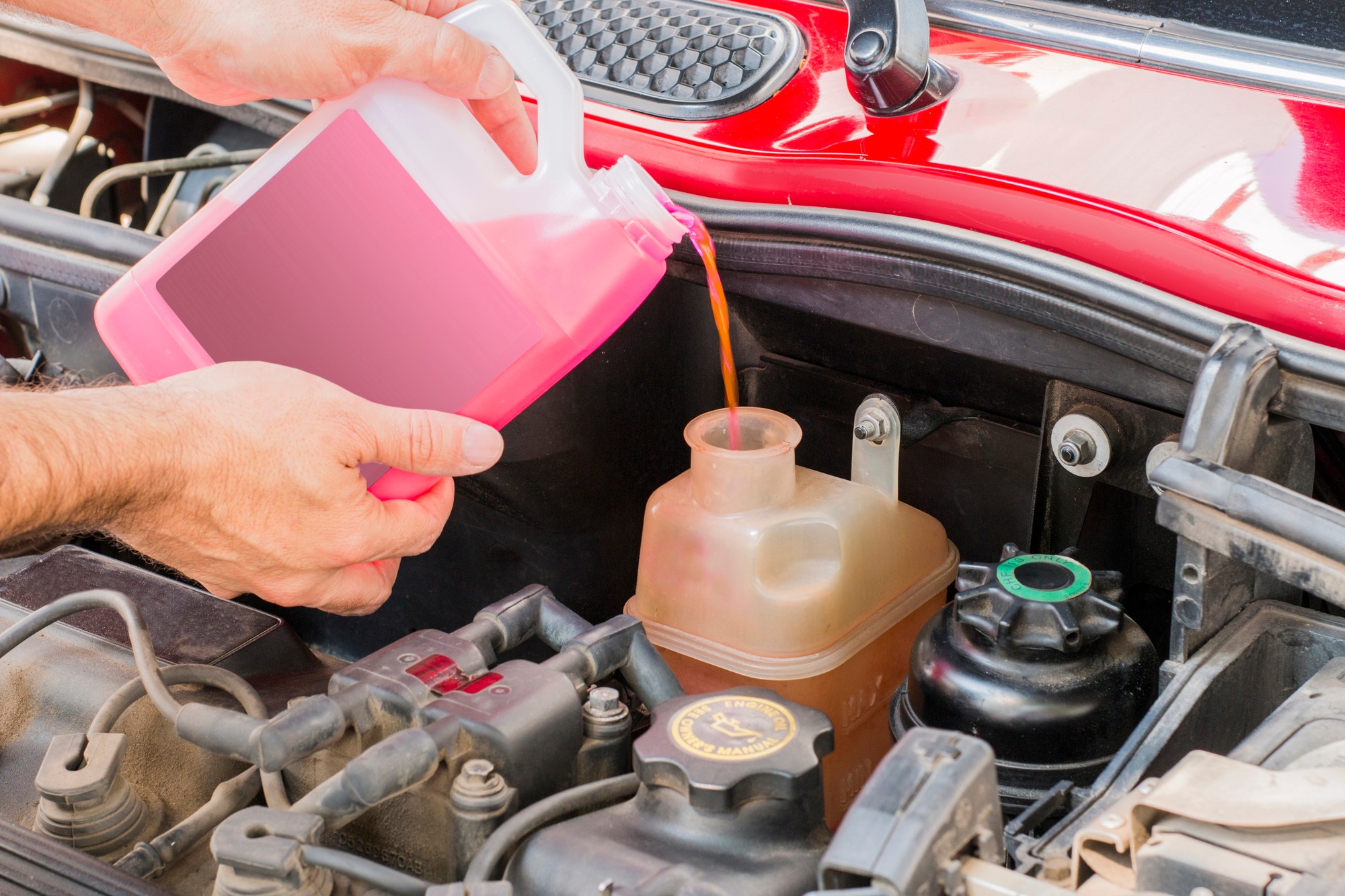
Once your car passes 100,000 miles, advice about maintenance starts coming from every direction, from spark plugs and belts to fluid changes. But is a coolant flush really necessary at this point, or is it just another upsell? The answer depends on your vehicle’s maintenance schedule and the condition of the coolant, which works hard to regulate engine temperature and protect the cooling system but eventually loses its effectiveness.
Skip it for too long, and a cheap service can turn into a repair bill with a lot of zeros. Do it at the right moment, and you protect the parts that keep your engine from cooking itself. Let’s sort out what a flush really does, when it pays off, and when you can safely keep your money in your wallet.
What a Coolant Flush Actually Does
Your car’s cooling system regulates engine temperature and helps protect components from corrosion. Coolant circulates through the engine, radiator, heater core, and water pump to prevent excessive heat.
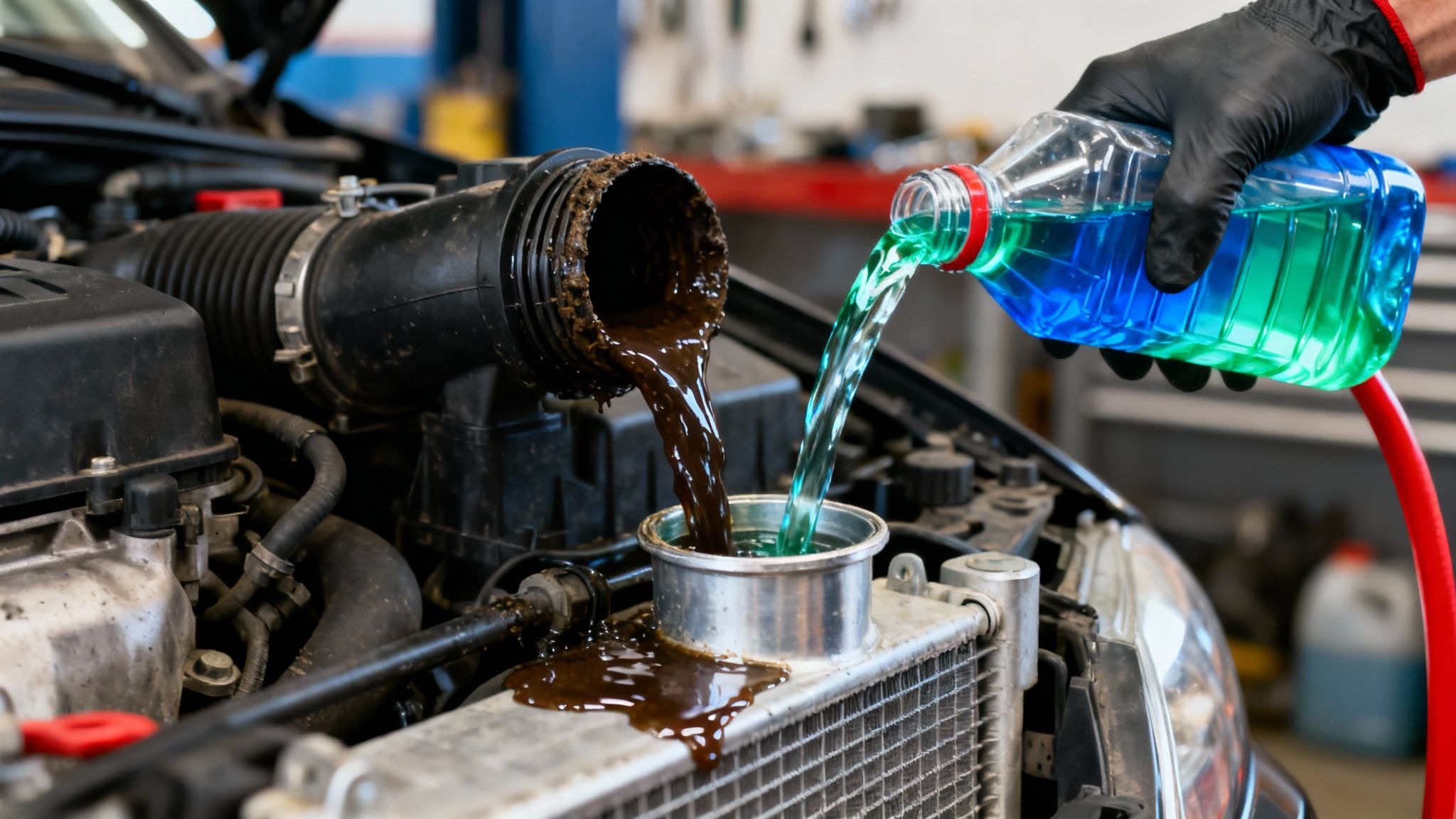
A coolant flush removes old antifreeze and helps clear rust, sediment, and deposits before fresh coolant is added. Unlike a basic drain-and-fill, a flush can remove more of the old fluid and accumulated debris.
Coolant contains protective additives that gradually lose effectiveness through repeated heating and cooling. Even fluid that looks clean may no longer provide adequate corrosion protection.
According to Bumper’s coolant flush guide, degraded coolant can contribute to wear and corrosion affecting the radiator, heater core, and water pump.
A properly performed coolant flush helps restore corrosion protection and keep the cooling system working reliably. Beyond refreshing the fluid, it helps reduce the risk of expensive repairs and keeps the engine operating within its proper temperature range.
Why 100,000 Miles Is an Important Milestone
Reaching 100,000 miles does not automatically mean your car needs a coolant flush. However, it is a good time to review maintenance records and check whether service is due.
Some vehicles require coolant replacement every 30,000 to 50,000 miles, while others use extended-life formulas that last 100,000 miles or longer. Actual intervals depend on the vehicle, coolant type, driving conditions, and manufacturer recommendations.
CarsBibles’ mileage guide also emphasizes following the maintenance schedule designed for your specific vehicle.
For example, a car with 102,000 miles and recently replaced coolant may not need another flush. However, a used vehicle with 125,000 miles and no service records may benefit from a cooling system inspection.
Check your owner’s manual for the correct coolant specification and replacement interval. Ask a qualified mechanic to assess the system if its history is uncertain.
Keep in mind that mileage is only a guideline. Your vehicle’s maintenance history and the condition of the coolant are key factors in determining whether a flush is needed.
Signs Your Car May Need a Coolant Flush
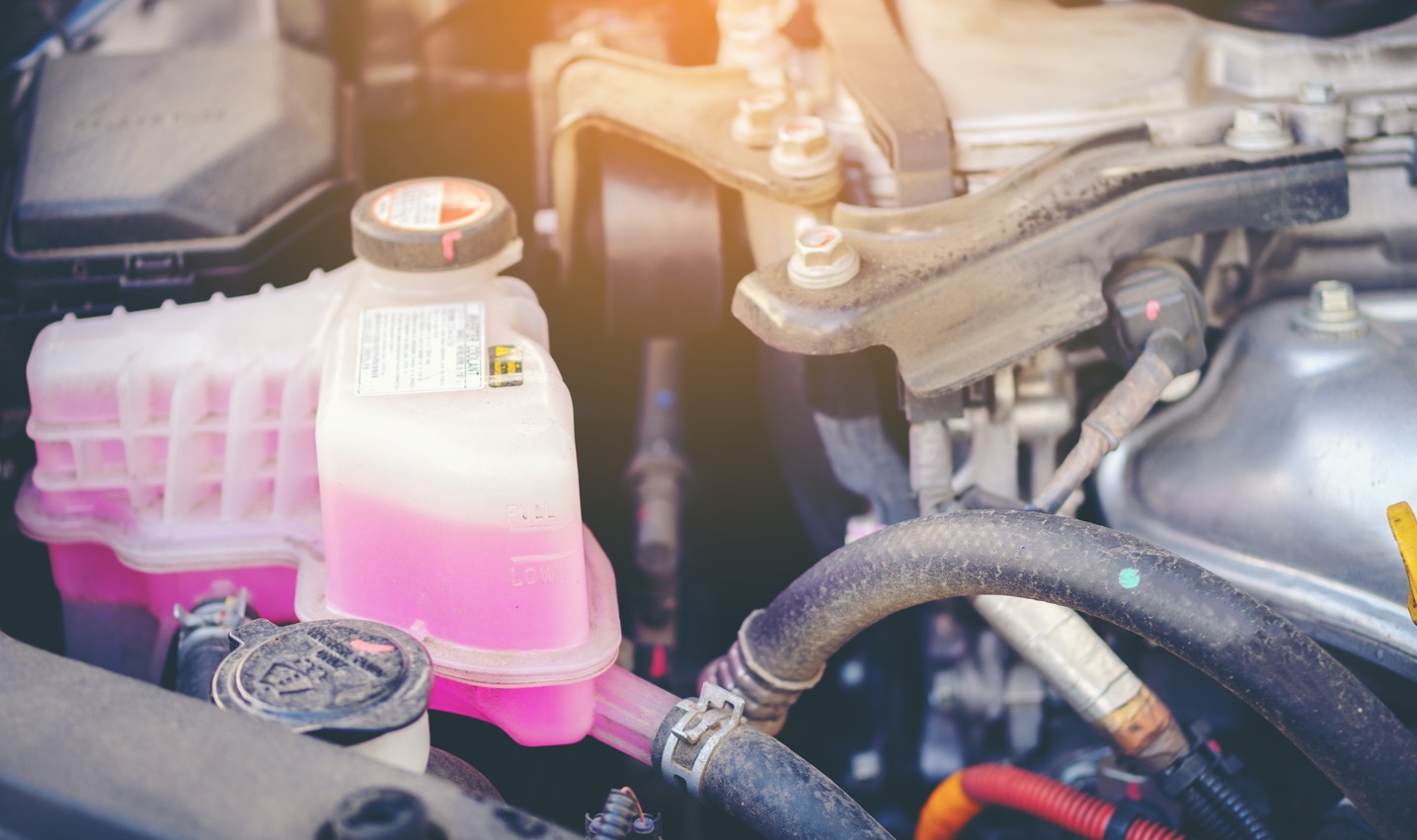
Your cooling system often provides clues when its fluid needs attention. Some signs are easy to spot during a routine inspection, while others require a mechanic to investigate.
Watch for these warning signs:
- Brown or cloudy coolant: Rust-colored fluid or visible sediment may indicate corrosion or contamination.
- Repeatedly low coolant levels: Falling levels may point to a leak or internal engine problem rather than simply old coolant.
- Engine temperature rising above normal: Restricted coolant flow or degraded fluid may contribute, but a faulty thermostat, radiator, fan, or water pump could also be responsible.
- A sweet smell near the engine: This may indicate leaking antifreeze.
- Deposits around hoses or the reservoir: Crusty residue can suggest a leak or dried coolant.
Kelley Blue Book’s coolant system flush guide recommends following the manufacturer’s service schedule and checking the system when unusual symptoms appear.
A coolant flush cannot fix a leaking hose, failing water pump, faulty thermostat, or blown head gasket. These issues require proper diagnosis and repair rather than a fluid change.
Never open a radiator cap while the engine is hot. Pressurized coolant can cause severe burns. Inspect the reservoir only when it is safe to do so, and arrange professional help if the engine overheats.
The Benefits of Flushing Coolant After 100,000 Miles
Fresh coolant does more than make your reservoir look clean. Replacing old fluid restores protective additives that help prevent corrosion and keep cooling system components working properly.
The radiator depends on clear passages to transfer heat efficiently. Rust and deposits can restrict coolant flow, making it harder to maintain safe engine temperatures. A suitable flush helps remove accumulated debris and supports proper circulation.
The water pump also benefits from well-maintained coolant, which helps protect its seals and reduce premature wear.
Preventive maintenance can save money, too. Routine coolant service generally costs less than repairing damage caused by severe overheating. Excessive heat can damage cylinder heads, compromise head gaskets, or even destroy an engine.
However, flushing is not always necessary. If your coolant is fresh, the system is clean, and the recommended service interval has not arrived, another flush may provide little benefit.
Kevin’s Auto Repairs explains that the value of a coolant flush depends on your vehicle’s condition, maintenance schedule, and driving habits.
The main benefit is protection, not extra horsepower or better fuel economy. When service is due, fresh coolant helps protect your engine and extend the cooling system’s useful life.
Coolant Flush vs. Drain-and-Fill: Which Is Better?
These two services are related, but they are not identical. Choosing the right one depends on the condition of your cooling system and the type of maintenance your vehicle requires.
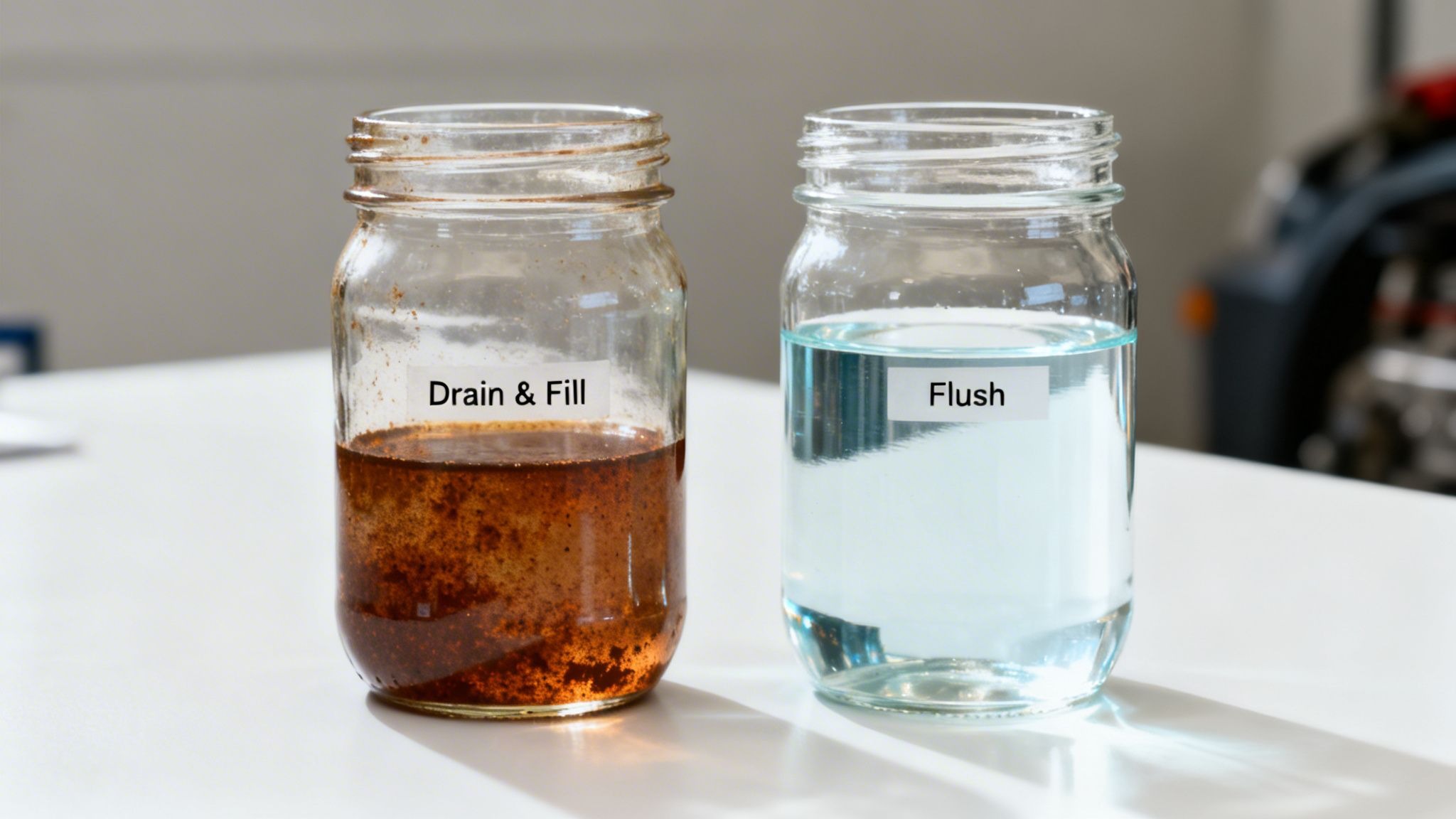
A drain-and-fill removes the coolant that can be drained from the system and replaces it with fresh fluid. Some old coolant remains in areas such as the engine block and heater core. For a regularly maintained vehicle with clean coolant, this procedure may be sufficient.
A full coolant flush goes further by circulating fresh water or an appropriate cleaning solution through the system to help remove remaining old fluid and accumulated deposits.
The system is then filled with the correct coolant mixture and properly bled to remove trapped air.
Which service makes sense after 100,000 miles?
- Choose a drain-and-fill when the coolant is in good condition, and the manufacturer’s maintenance procedure calls for fluid replacement without extensive cleaning.
- Consider a full flush when the fluid is heavily discolored, contains sediment, or the system requires more thorough cleaning.
- Seek a professional diagnosis if oil, heavy sludge, or other unusual contamination appears in the coolant.
The All About Vehicles cooling system guide explains why a flush may be useful when deposits have accumulated, while a simpler replacement may suffice for a clean system.
Do not assume the most extensive service is automatically the best choice. The correct procedure matters more than the name on the repair estimate.
How Much Does a Coolant Flush Cost?
A professional coolant flush typically costs between $100 and $300, depending on your vehicle, labor rates, coolant type, and service requirements.
Standard passenger cars may cost less to service than luxury vehicles or models requiring specialized equipment and additional labor.
Before approving the service, ask what the price includes. Confirm that it covers the correct coolant, labor, old-fluid disposal, and a leak inspection.
Also, ask whether your vehicle needs a full flush or whether a simple drain-and-fill will meet the manufacturer’s recommendations.
A qualified mechanic should explain why the recommended service suits your car’s condition and maintenance history.
Doing the job yourself may save labor costs, but you must use the correct coolant, follow the proper filling procedure, and remove trapped air when required. Coolant is toxic, so collect and dispose of it safely, keeping it away from children and pets.
Keep in mind that the cheapest service is not always the best choice. Using the wrong coolant, mixing fluids incorrectly, or leaving air trapped in the system can lead to cooling issues. Compare what each service includes and prioritize proper workmanship to protect your engine.
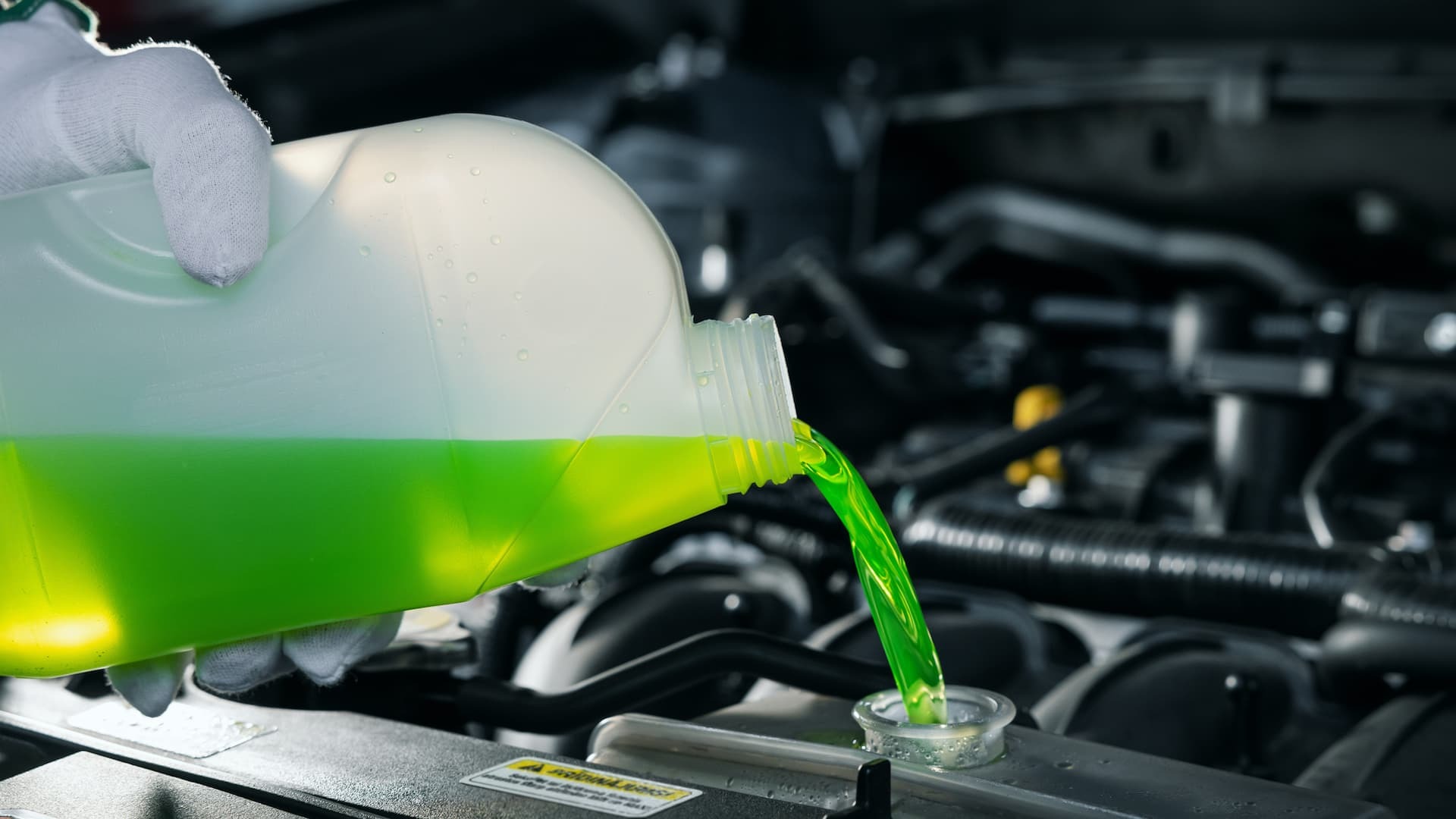
So, Is a Coolant Flush Worth It After 100,000 Miles?
Yes, a coolant flush can be worth the cost after 100,000 miles if your vehicle needs one. When coolant reaches its recommended replacement interval, loses its protective properties, or becomes contaminated, replacing it and cleaning the system can help protect the engine from corrosion and overheating.
However, mileage alone does not determine whether a flush is necessary. A well-maintained car with recently replaced coolant may not need another service yet, while a vehicle with unknown maintenance records may require an inspection.
Start by checking your owner’s manual for the correct coolant type and service interval. Review past maintenance records, and ask a qualified mechanic to inspect the system if its history is unclear.
Never ignore persistent coolant loss, unusual discoloration, leaks, or engine overheating. These symptoms may indicate problems that a flush cannot repair.
A coolant flush is worthwhile when service is due or deposits need removal. Using the correct coolant, following manufacturer recommendations, and repairing faults promptly can help protect your radiator, water pump, and engine for many more miles.