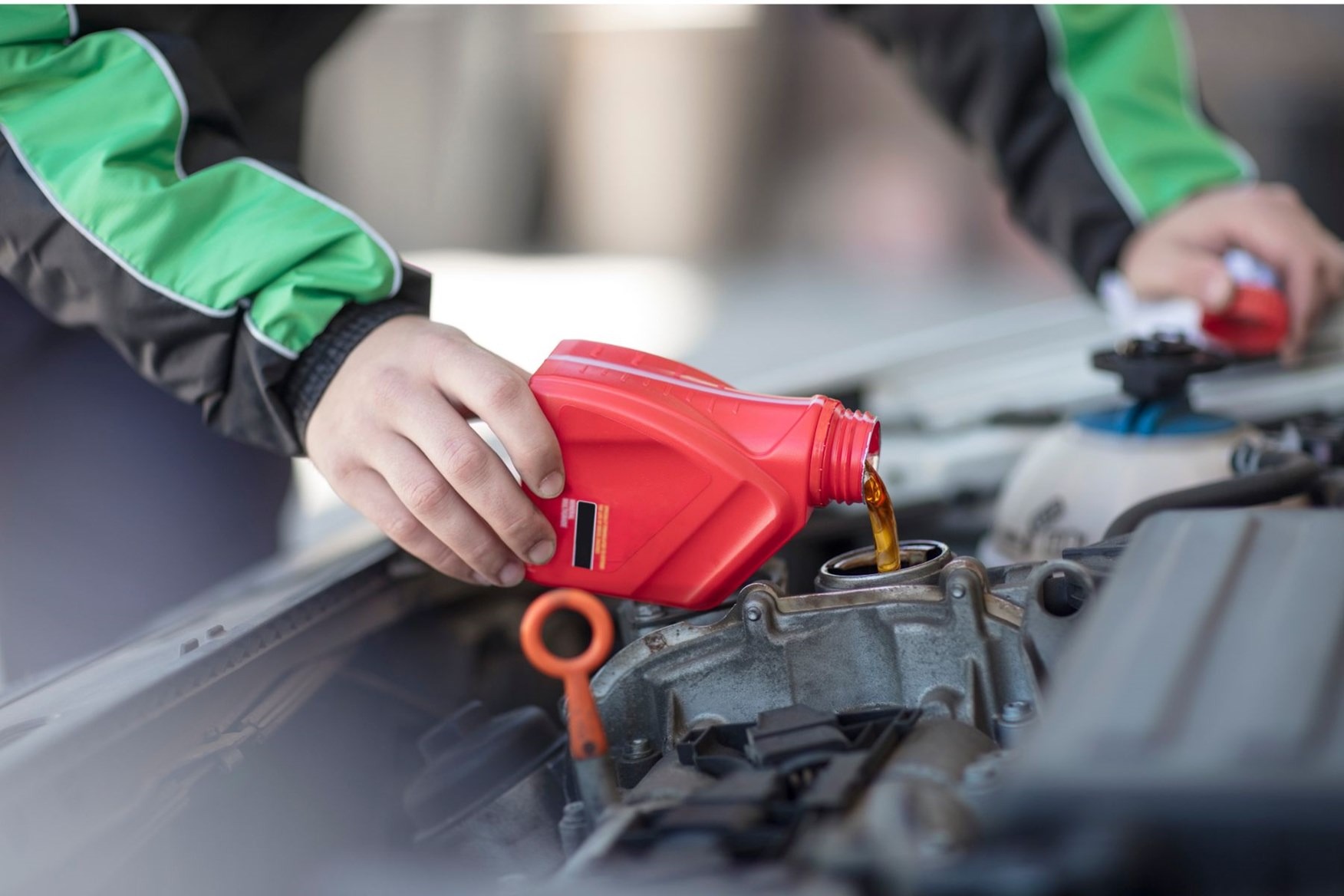
An engine flush may sound like an easy way to clean your car’s engine and extend its life, but is it worth the money? The answer depends on your vehicle’s condition, maintenance history, and manufacturer’s recommendations. This service uses cleaning chemicals to loosen sludge, varnish, and other deposits before draining the old oil.
Although it may benefit certain neglected engines, many well-maintained vehicles do not need it. Before agreeing to an engine flush, understand its potential benefits and risks. Regular oil changes using the correct oil and filter are often sufficient to keep your engine clean and properly lubricated.
What Is an Engine Flush, and How Does It Work?
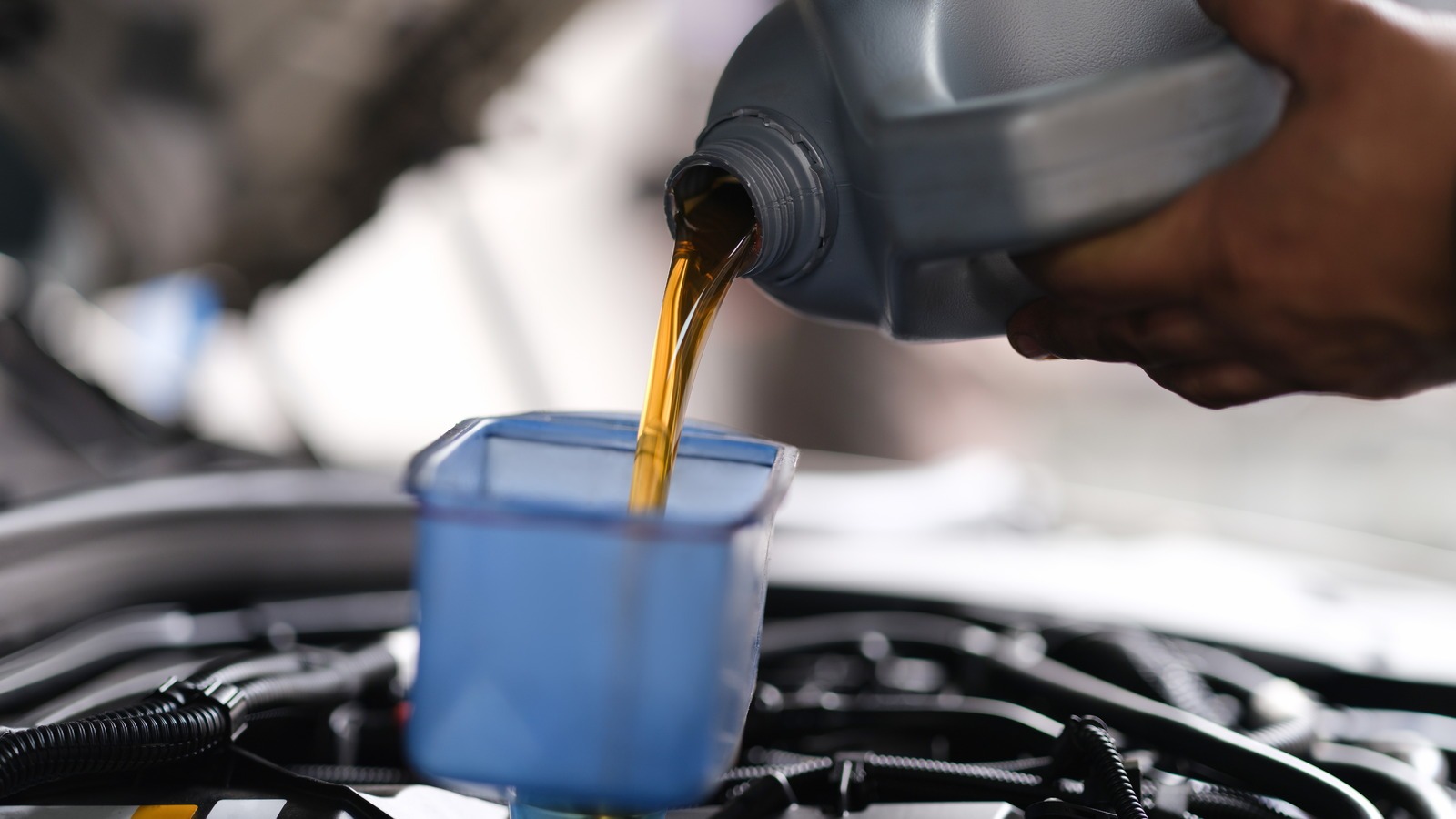
An engine flush is a cleaning treatment designed to remove sludge, varnish, and accumulated deposits from an engine’s internal lubrication system.
The product is usually added to the existing engine oil before an oil change, following the manufacturer’s instructions. Its purpose is to help loosen certain contaminants that may collect inside the engine during normal operation.
Once added, the cleaning chemicals circulate with the oil and help loosen deposits from internal surfaces and oil passages.
After the specified treatment period, the old oil and cleaning mixture are drained, and fresh engine oil and a new filter are installed. The exact procedure depends on the product and the vehicle.
Why might an engine need this treatment? Repeatedly missing oil changes, using unsuitable oil, or operating under demanding conditions can contribute to sludge formation. Short trips, frequent idling, and excessive engine heat may also encourage deposit buildup.
According to Engine Needs , engine flushing may help remove certain deposits, although it is not necessary for every vehicle.
An engine flush differs from a regular oil change because it introduces an additional cleaning step. Routine oil changes remove used oil and contaminants without requiring a separate chemical treatment.
For a well-maintained engine, an additional flush may offer little benefit. Before purchasing the service, check your owner’s manual and ask a qualified mechanic whether your engine actually needs cleaning.
When Is an Engine Flush Worth Doing?
Imagine buying a used car with 120,000 miles, incomplete maintenance records, and visible sludge beneath the oil filler cap. You may wonder whether an engine flush could help restore cleanliness and protect the motor. The sensible first step, however, is to establish the engine’s condition before choosing a treatment.
An engine flush may be worth considering when previous owners regularly missed oil changes, a mechanic identifies manageable deposits, or the manufacturer recommends an approved cleaning procedure.
In these situations, removing certain contaminants may help support proper lubrication, provided the treatment is suitable for the engine.
According to Collision Renew , the usefulness of engine flushing depends on the deposits present, the engine’s condition, and the cleaning method used.
Still, visible sludge does not automatically mean chemical cleaning is the right answer. Heavy deposits can indicate prolonged neglect and may require mechanical cleaning.
If oil passages are restricted or internal components are damaged, adding a cleaning product will not correct the underlying problem.
A mechanic should inspect the engine and explain why a flush is being recommended. Depending on the findings, a professional may suggest an inspection, an appropriate cleaning procedure, or more extensive repairs.
Mileage alone is not enough to justify this service. A carefully maintained engine with 150,000 miles may be cleaner than a neglected engine with half that mileage.
The Benefits of an Engine Flush
When an engine contains manageable deposits, an appropriate flush may help loosen residue that ordinary oil changes do not remove immediately.
This can help clean certain internal surfaces and oil passages when the treatment is compatible with the engine and performed correctly.
Cleaning products are formulated to loosen particular types of sludge and varnish. Removing these deposits may be useful in an engine with a history of poor maintenance, especially when a mechanic determines that cleaning is appropriate.
A suitable procedure may also support a return to regular oil changes using the manufacturer’s recommended oil.
According to Engine Oil Journal, the value of cleaning before an oil change depends on the engine’s condition and the reasons for performing the treatment.
However, an engine flush cannot repair worn bearings, restore damaged piston rings, or reverse internal mechanical wear. If a component has already suffered damage, chemical cleaning will not rebuild the metal surfaces or restore the part to its original condition.
There is also no guarantee that flushing will improve fuel economy, increase horsepower, reduce engine noise, or extend engine life. Those outcomes depend on the underlying problem, and a healthy engine may show no noticeable change after treatment.
For a clean, properly maintained vehicle, regular oil changes with the correct oil and filter generally provide the protection the engine needs.
An engine flush is best viewed as a possible remedy for certain deposit problems, not a mandatory step at every service visit.
The Risks of Flushing Your Engine
Cleaning chemicals can loosen deposits inside an engine, but dislodging large amounts of sludge from a neglected motor may create additional problems.
Debris can restrict narrow oil passages or obstruct the oil pickup screen, reducing the oil supply to important components.
Some cleaning products may also be incompatible with engine seals and other materials. These risks depend on the product, engine design, and condition of the vehicle.
Mechanics Diary discusses why unnecessary flushing can create risks, particularly when the engine’s condition has not been properly assessed.
Manufacturer guidance is essential. For example, General Motors has issued guidance against aftermarket crankcase flushing for certain gasoline engines because some chemicals may damage seals and bearings.
If your engine has low oil pressure, heavy sludge, unusual knocking, or existing leaks, seek a diagnosis before adding cleaning chemicals.
A professional inspection can help determine whether cleaning, routine maintenance, or mechanical repairs are the appropriate choice.
Do Well-Maintained Engines Need a Flush?
For most engines that receive regular oil changes using the correct oil, an engine flush is rarely necessary. Modern engine oils contain additives that help control deposits and keep contaminants suspended until the oil is replaced.
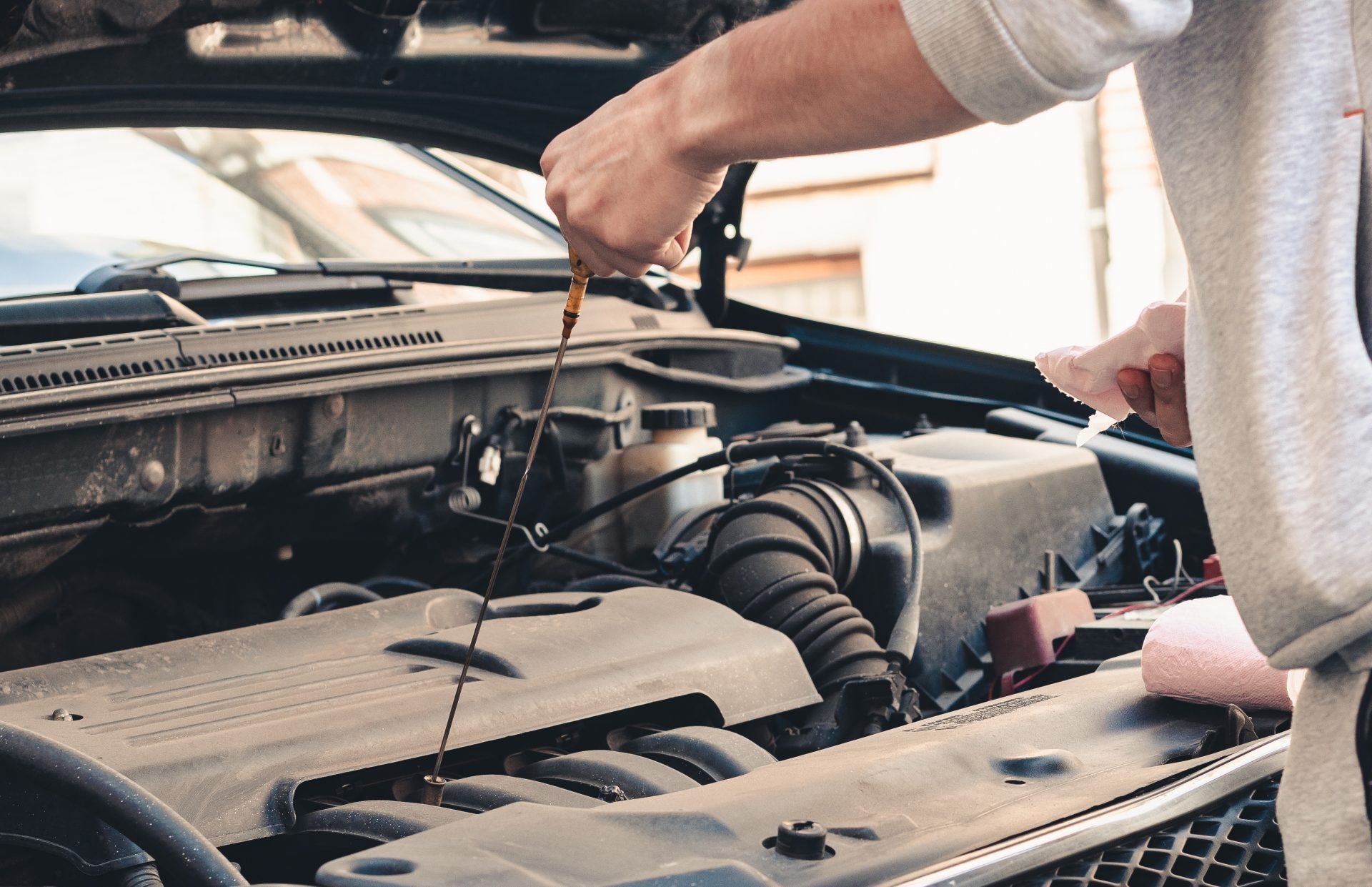
Follow your owner’s manual, check oil levels regularly, and replace the oil filter according to the recommended schedule. These habits help reduce sludge formation and maintain proper lubrication.
Consider a driver who changes the oil on schedule and uses oil that meets the manufacturer’s specifications. Even after 150,000 miles, that engine may not need a flush if inspections reveal no troublesome deposits.
A vehicle with an unknown service history requires a different approach. Its age and mileage alone cannot establish whether chemical cleaning is appropriate.
CarHQ discusses why engine flushing is not a universal maintenance requirement.
Do not assume that adding another service means providing better care. For a healthy engine, consistent oil changes and timely repairs are usually more useful than unnecessary chemical treatments.
Engine Flush vs. Regular Oil Change
Both services involve replacing old engine oil, but an engine flush adds a separate cleaning step.
A regular oil change drains used oil, replaces it with fresh oil, and usually includes a new filter. This removes much of the accumulated contamination while restoring the engine’s supply of lubricant.
An engine flush introduces a cleaning product before the oil is drained. The product helps loosen certain deposits, which are then removed with the old oil according to the product’s instructions.
For an engine maintained according to its manufacturer’s schedule, a regular oil change is generally sufficient. If a mechanic identifies deposits, a suitable flush may be worth discussing, provided the manufacturer permits the procedure.
Heavy sludge, restricted oil flow, or internal damage may require mechanical cleaning or repairs instead.
Before paying for additional treatment, ask what problem it is intended to solve. A clear diagnosis is more useful than a general recommendation based only on mileage or engine age.
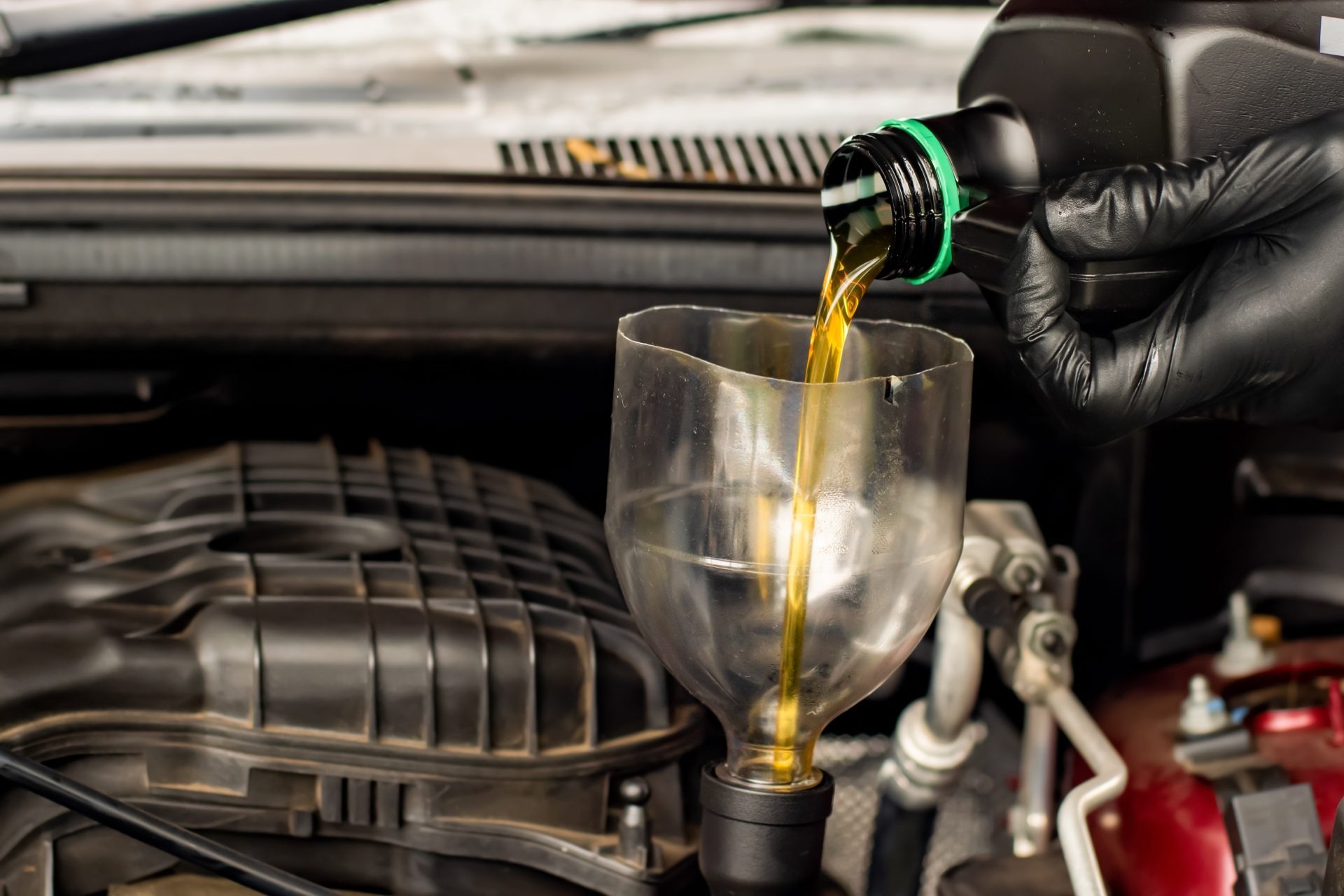
How to Decide If Your Engine Needs a Flush
Start by checking your owner’s manual for the correct oil specification and service interval. Review maintenance receipts to determine whether previous oil changes were performed regularly.
Next, pay attention to warning signs such as an oil pressure warning light, unusual engine noise, or visible sludge. These symptoms require investigation rather than an automatic flush.
If the oil pressure warning appears while driving, stop safely and switch off the engine as soon as possible.
If you suspect deposits, ask a qualified mechanic to inspect the engine and explain the available options. Confirm that any proposed cleaning product and procedure are compatible with your vehicle.
Avoid treating an engine flush as routine maintenance unless your manufacturer recommends an appropriate procedure.
So, is an engine flush ever worth doing? Yes, it may help in selected cases involving manageable deposits, provided the treatment is suitable and correctly performed. For most well-maintained vehicles, regular oil and filter changes are the more practical choice.
Spend your maintenance budget on services your engine actually needs. Consistent care and timely repairs offer a better path to dependable driving than adding cleaning chemicals without a clear reason.