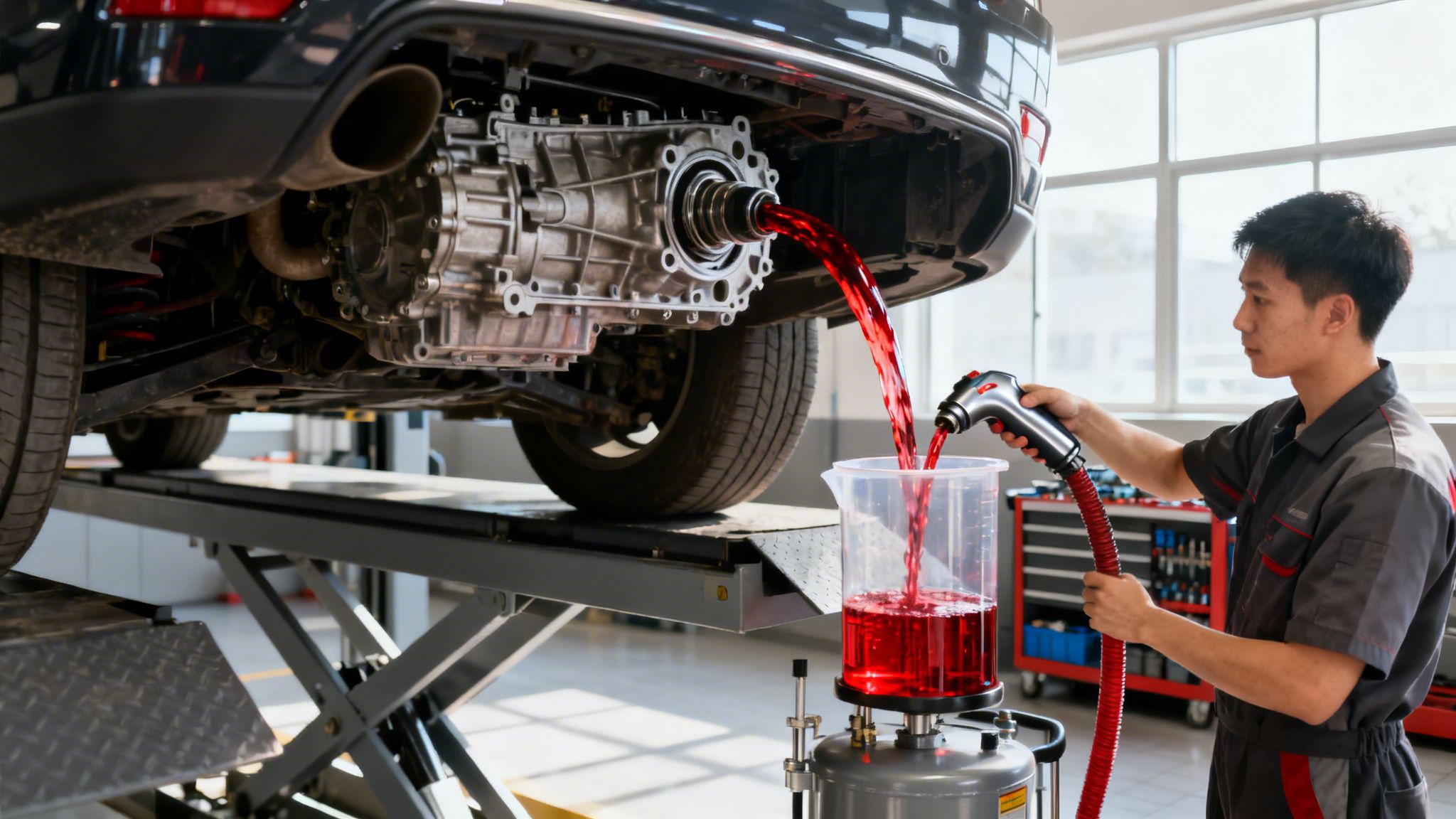
Automotive fluid maintenance is essential to keeping a vehicle dependable, but not every flush recommended by a repair shop deserves immediate approval. Certain procedures remove contaminated fluids, protect expensive mechanical components, and help prevent premature wear.
Others are frequently marketed as necessary despite offering little benefit to vehicles that are already properly maintained. Understanding the difference can save owners hundreds of dollars while ensuring important maintenance is not neglected.
From brake and coolant exchanges to questionable engine and fuel-system treatments, knowing which services genuinely matter helps drivers make informed decisions instead of paying for unnecessary workshop recommendations.
5 Flushes That Matter
1. Brake Fluid Flush
Brake fluid is easy to overlook because drivers rarely see it being consumed during normal operation. Nevertheless, it performs an essential function every time the brake pedal is pressed.
In hydraulic braking systems, pressure travels through the fluid to operate the brakes at each wheel. Maintaining the correct fluid condition is therefore important for predictable braking performance.
Most conventional passenger vehicles use glycol-based DOT 3, DOT 4, or DOT 5.1 brake fluid. These fluids are hygroscopic, meaning they absorb moisture over time. As moisture enters the system, the fluid’s boiling point can decrease.
Under repeated heavy braking, excessive heat may cause moisture-contaminated fluid to boil, potentially producing vapor that makes the pedal feel soft and reduces braking effectiveness.
A proper brake fluid exchange removes the old fluid from the hydraulic system and replaces it with the correct specification. The procedure should also account for the manufacturer’s bleeding requirements and any special procedures involving ABS components.
Owners should not assume that a brake fluid flush is required every time they replace their brake pads. These are separate maintenance operations. The replacement interval should come from the owner’s manual, a manufacturer service bulletin, or a reliable fluid-condition assessment where appropriate.
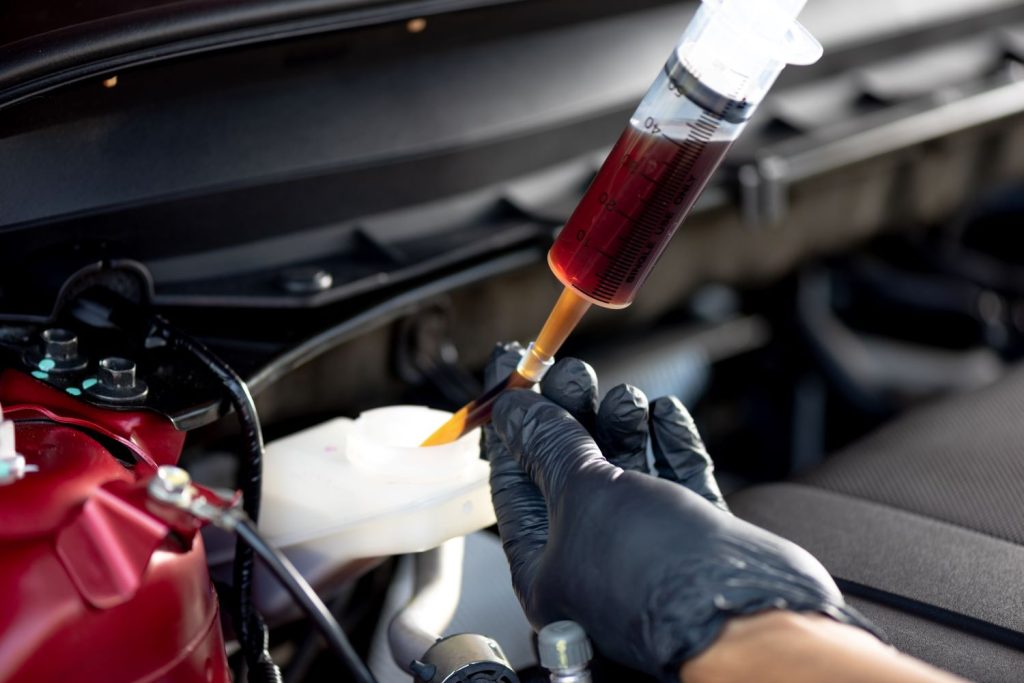
This service deserves attention because brake performance is directly connected to road safety. Fresh fluid can also help reduce moisture-related internal corrosion in brake components. However, it cannot repair damaged seals, leaking hoses, worn pads, or defective calipers.
Paying for a properly performed brake fluid exchange at the recommended interval is sensible maintenance, not an unnecessary workshop add-on.
2. Engine Coolant Flush and Replacement
Engine coolant does much more than prevent an engine from overheating. It circulates through the engine and radiator, helping regulate operating temperatures while protecting against freezing and internal corrosion.
Over time, coolant additives can deteriorate, reducing the protection available to metal surfaces, seals, and other cooling-system components.
A coolant service is particularly important because corrosion and contamination can develop gradually without producing obvious symptoms. Drivers may continue using a vehicle normally even while the coolant loses some of its protective properties.
Eventually, neglected maintenance can contribute to deposits, restricted coolant passages, or premature wear in components such as the water pump.
A proper service involves checking the existing coolant, inspecting hoses and connections, and replacing the fluid according to the manufacturer’s specified procedure.
Depending on the system and coolant condition, a simple drain-and-refill may be sufficient. More extensive flushing may be appropriate when contamination, incompatible coolant, or deposits are identified.
The correct coolant specification matters considerably. Different vehicles use different chemical formulations, and mixing incompatible products can reduce corrosion protection. Owners should check the manufacturer’s requirements rather than selecting coolant based only on its color.
It is also important to understand that a coolant flush is not a substitute for repairing leaks. If the radiator, thermostat housing, water pump, or a hose is losing fluid, that fault must be addressed.
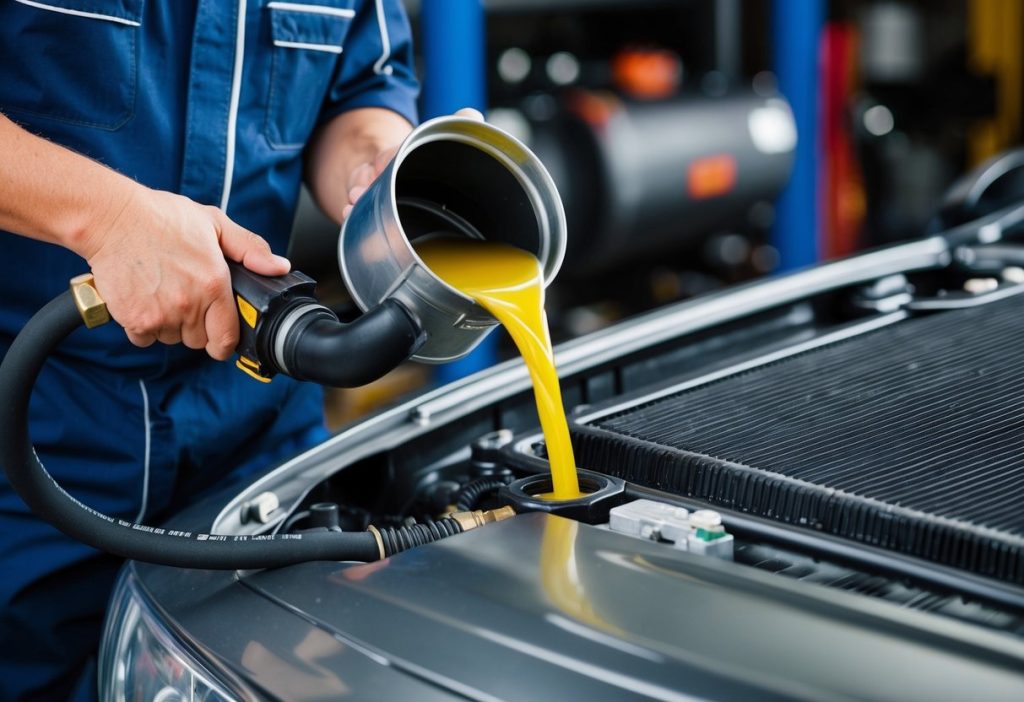
This service is worth paying for because cooling-system problems can become expensive when ignored. Overheating can damage engine components, including cylinder-head gaskets, cylinder heads, and other parts exposed to excessive temperatures.
The key is following the correct replacement schedule. A properly maintained vehicle does not necessarily need a chemical flush at every visit, but deteriorated or contaminated coolant should not be ignored.
3. Automatic Transmission Fluid Exchange
Automatic transmissions depend on specialized fluid to lubricate internal components, transfer hydraulic pressure, manage heat, and support smooth gear changes. Unlike engine oil, transmission fluid operates inside a complicated assembly containing clutches, valves, pumps, bearings, and other precision components.
When its condition deteriorates, the transmission may become more vulnerable to excessive heat, friction, and premature wear.
A scheduled transmission fluid exchange is worth paying for when the vehicle manufacturer specifies one. Depending on the transmission design, the service may involve draining the old fluid, replacing a filter or pan gasket where applicable, and refilling the system with the exact approved lubricant.
This is particularly important for vehicles regularly used in stop-and-go traffic, mountainous areas, towing, or other demanding conditions. Such driving can increase transmission temperatures and place additional demands on the fluid.
However, owners should understand the distinction between a scheduled fluid exchange and an aggressive machine flush. They are not interchangeable procedures. Some manufacturers specify particular drain-and-fill methods, while others have different requirements for their automatic, continuously variable, or dual-clutch transmissions.
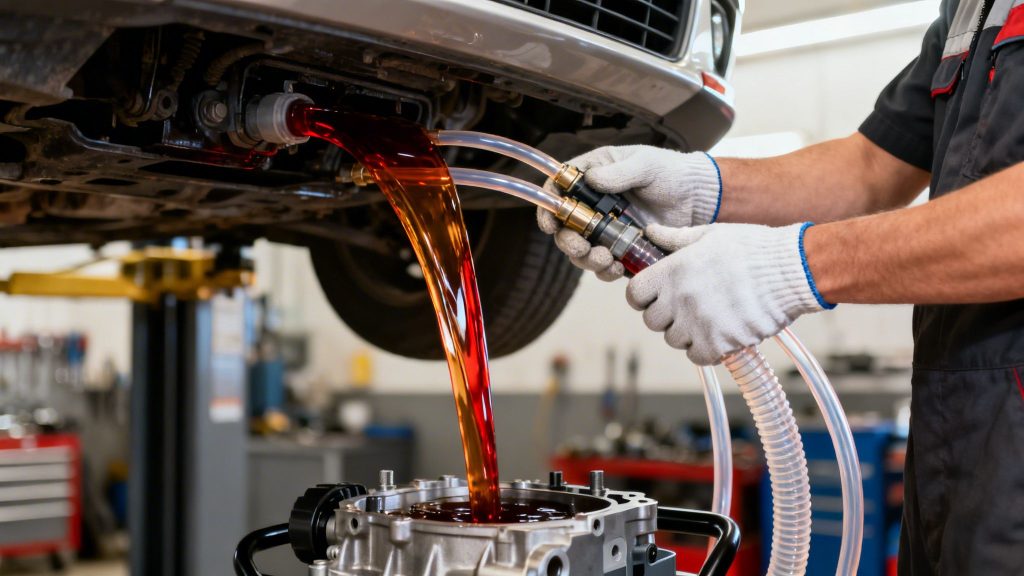
Hyundai and Kia maintenance schedules demonstrate why universal mileage recommendations are unreliable. Certain models specify transmission fluid replacement under particular driving conditions, while others list different inspection or service requirements.
This service deserves attention because transmission repairs can become extremely expensive. Following the correct fluid replacement procedure helps maintain the protection intended by the manufacturer.
Owners should not postpone scheduled maintenance simply because a dealership describes the transmission as sealed.
4. Differential and Transfer Case Fluid Exchange
Vehicles equipped with all-wheel drive or four-wheel drive contain additional mechanical components that require specialized lubrication.
The differential distributes power between wheels, while the transfer case manages power distribution between the front and rear axles in applicable drivetrains. Both systems depend on suitable lubricants to protect gears and bearings against friction and heat.
Differential fluid gradually experiences mechanical stress as gears operate under load. Towing, frequent acceleration, rough terrain, and sustained driving can place additional demands on these components. If the lubricant becomes contaminated or deteriorates beyond its intended service life, internal surfaces may receive less effective protection.
A scheduled differential fluid exchange removes the old lubricant and replaces it with the correct specification. Vehicles with multiple differentials may require separate services, depending on their drivetrain configuration.
Transfer cases also deserve attention, particularly in vehicles frequently driven on difficult roads or used for towing. Some manufacturers specify separate maintenance intervals for transfer case and rear differential lubricants.
Hyundai’s maintenance schedules, for example, identify rear differential and transfer case oil as separate maintenance items on applicable all-wheel-drive vehicles. Kia also specifies replacement intervals for these components under certain driving conditions.
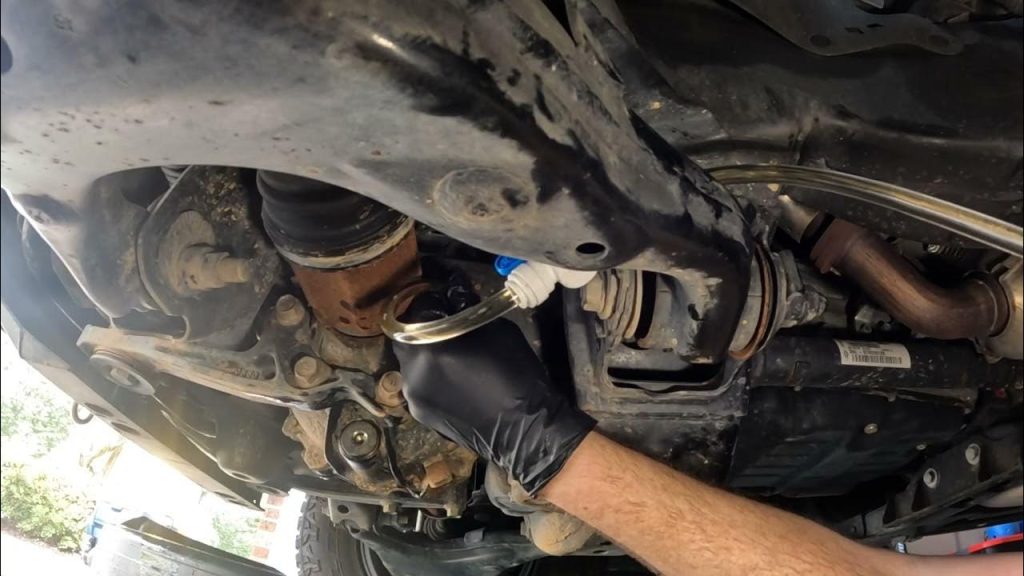
Water contamination is another situation that calls for immediate fluid replacement. If a differential or transfer case has been submerged, water can enter through seals or breathers. Continuing to operate the system with contaminated lubricant can speed up internal wear and lead to costly damage.
This service is worth paying for because replacing relatively inexpensive gear lubricant is considerably simpler than repairing damaged internal components. However, front-wheel-drive vehicles without separate serviceable differentials or transfer cases do not need these procedures.
Owners should ask for the correct lubricant specification and verify that the service applies to their particular drivetrain.
5. Hydraulic Power Steering Fluid Exchange
Hydraulic power steering systems use pressurized fluid to reduce the physical effort required to turn the steering wheel. A pump circulates the fluid through hoses and steering components, providing assistance when the driver changes direction.
Although many newer vehicles use electric power steering, millions of vehicles still have hydraulic or electro-hydraulic arrangements that depend on specialized fluid.
Like other automotive lubricants, power steering fluid can deteriorate with age and operating conditions. Contamination, excessive heat, and wear particles can affect the fluid and potentially contribute to problems involving the pump, seals, and steering rack.
A properly scheduled fluid exchange can help maintain the hydraulic system’s intended operation. It generally involves removing old fluid, introducing the specified replacement fluid, and following the manufacturer’s procedure for bleeding trapped air.
The type of fluid is especially important. Some vehicles require dedicated power steering fluid, while others specify particular automatic transmission fluids. Using an incompatible product can damage seals or affect system operation.
Drivers should pay attention to warning signs such as whining noises while turning, unusually heavy steering, fluid leaks, or inconsistent assistance. These symptoms require diagnosis rather than an automatic flush. A failing pump, damaged hose, or worn steering component will not be repaired by simply replacing the fluid.
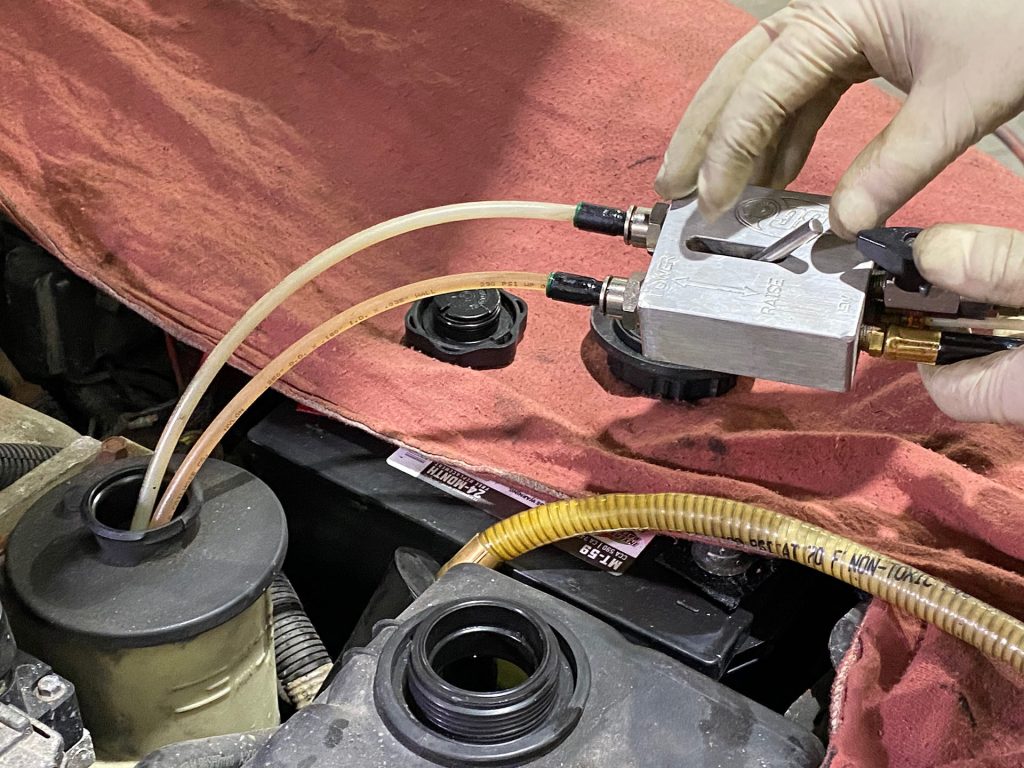
This service deserves a place on the list because hydraulic steering components can be expensive to repair, and maintaining the correct fluid condition helps protect them. Nevertheless, there is no reason to purchase it for a vehicle equipped with conventional electric power steering, which does not use hydraulic steering fluid.
Owners should follow the maintenance instructions for their particular system rather than accepting a universal power steering flush recommendation.
5 Flushes That Are Upsells
1. Engine Oil Flush and Crankcase Cleaning
Engine oil flushes are commonly advertised as treatments that remove sludge, varnish, and accumulated deposits from inside an engine. The procedure usually involves adding a chemical cleaning product to the existing oil, running the engine for a specified period, and draining the mixture before installing fresh oil and a new filter.
The promise is simple. Cleaner internal components can support better lubrication, smoother performance, and longer engine life. However, engines that receive regular maintenance do not necessarily need this treatment.
Modern engine oils contain detergent and dispersant additives that help control deposits and keep contaminants suspended until they are captured by the oil filter or removed during an oil change. Using the correct lubricant and replacing it at the recommended interval addresses the normal maintenance requirements of most engines.
An additional chemical treatment may offer little benefit when there is no evidence of significant sludge accumulation. It can also introduce unnecessary complications in an engine that has already experienced neglected maintenance.
Dislodged deposits may interfere with oil pickup screens or narrow oil passages, depending on the engine’s condition and the cleaning method used.
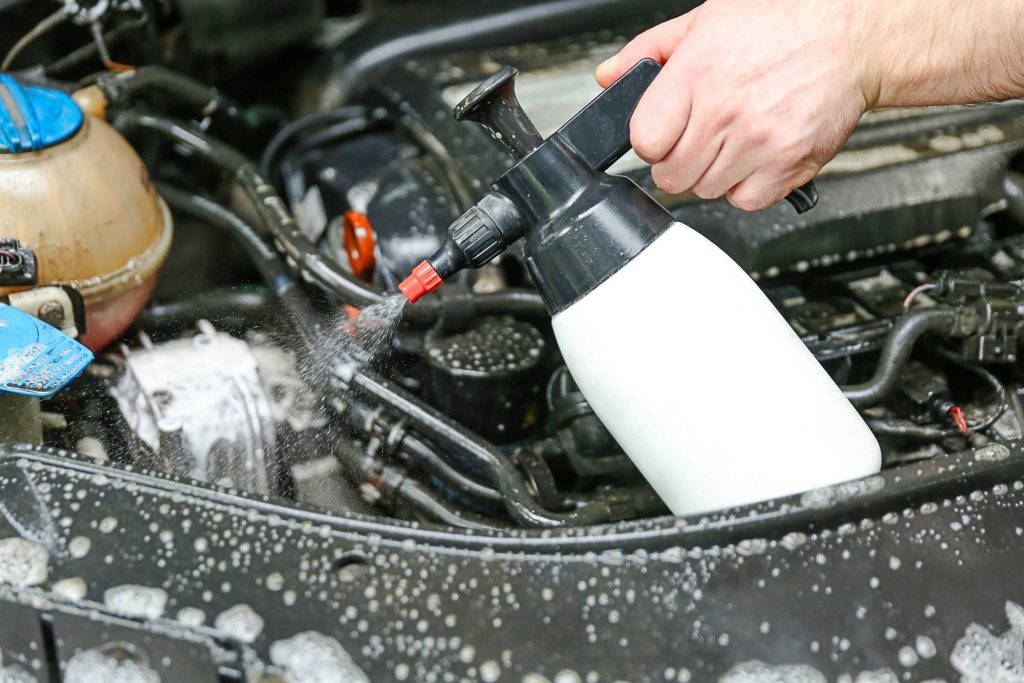
That does not mean every engine flush is harmful. A manufacturer-approved cleaning procedure may be appropriate when a specific problem has been diagnosed. Certain engines may also have known deposit-related concerns requiring specialised attention.
The important question is why the treatment is being recommended. A technician should be able to show evidence of contamination or explain the manufacturer’s service instruction.
For an engine receiving regular oil changes, spending additional money on a routine flush is generally difficult to justify. Fresh, specification-compliant oil and a suitable filter remain the essential maintenance priorities.
2. Fuel Injector and Fuel System Flush Packages
Fuel injector cleaning is one of the most frequently promoted additional services during routine vehicle maintenance. Workshops often describe it as a necessary procedure for restoring acceleration, improving fuel economy, removing carbon deposits, and maintaining engine smoothness.
There is a legitimate mechanical reason behind some of these claims. Fuel injectors operate with small, precisely controlled openings that deliver fuel into the engine. Deposits can interfere with their spray pattern and performance. However, this does not mean every vehicle needs a professional fuel-system flush after a fixed number of miles.
A properly functioning engine using suitable fuel does not automatically require additional injector cleaning. Modern fuel systems are designed around specific fuel requirements, and many vehicles operate for long periods without needing a specialised cleaning procedure.
The recommendation becomes more questionable when the workshop cannot identify a specific symptom. Rough idling, hesitation, poor acceleration, and reduced fuel economy can result from several problems, including faulty ignition coils, spark plugs, sensors, vacuum leaks, or fuel-pressure issues.
Cleaning the injectors without diagnosing the cause may simply add an unnecessary expense. There is also an important distinction between port-injection and direct-injection engines.
Direct-injection systems can develop carbon deposits on intake valves because fuel does not wash those surfaces in the same way as it does in conventional port-injection arrangements. A generic fuel-tank cleaning additive cannot automatically solve this issue.
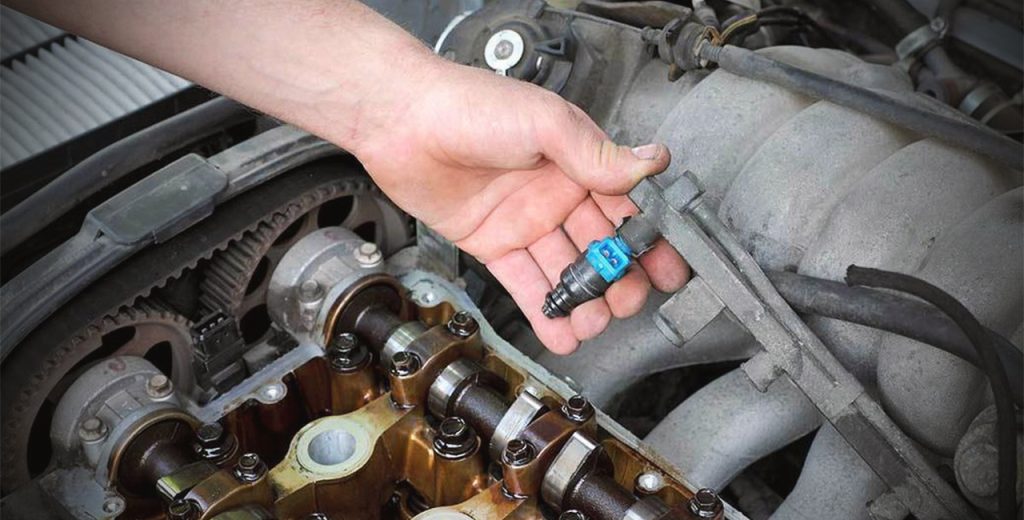
Owners should request diagnostic evidence before approving an expensive cleaning package. If injector deposits are confirmed, the technician can recommend a procedure appropriate for the specific fuel system.
This is worth questioning because preventive cleaning is not automatically beneficial. Spending money on an unneeded service does not make an engine healthier, particularly when the underlying problem has not been identified.
3. Aggressive Transmission Machine Flush Without Manufacturer Approval
Transmission fluid maintenance matters, but the word flush can make an ordinary maintenance service sound more comprehensive than it actually needs to be.
Some workshops promote machine-based transmission flushing as a universal solution, recommending it based on mileage alone rather than the vehicle’s service history and transmission design.
The problem is not that every machine-assisted fluid exchange is harmful. Certain manufacturers approve specific exchange procedures, and professional equipment can be used appropriately. The concern is recommending a generic high-pressure or chemical-assisted procedure without checking whether it is suitable for the particular transmission.
Modern automatic transmissions, CVTs, and dual-clutch units can have very different lubrication requirements. Their fluid specifications, operating temperatures, filtration arrangements, and service procedures are not interchangeable.
A vehicle with regular maintenance records may simply need the manufacturer’s prescribed fluid replacement. Another vehicle might require a different diagnostic approach because its fluid is contaminated, its transmission is slipping, or its service history is unknown.
An aggressive procedure cannot repair worn clutch packs, damaged bearings, failing valve bodies, or internal mechanical problems. In a badly neglected transmission, replacing fluid without assessing its condition and the manufacturer’s instructions can also lead to an inappropriate repair decision.
Owners should be especially careful when a workshop promises that a flush will cure shifting delays or transmission slipping. Those symptoms require proper diagnosis before any maintenance procedure is approved.
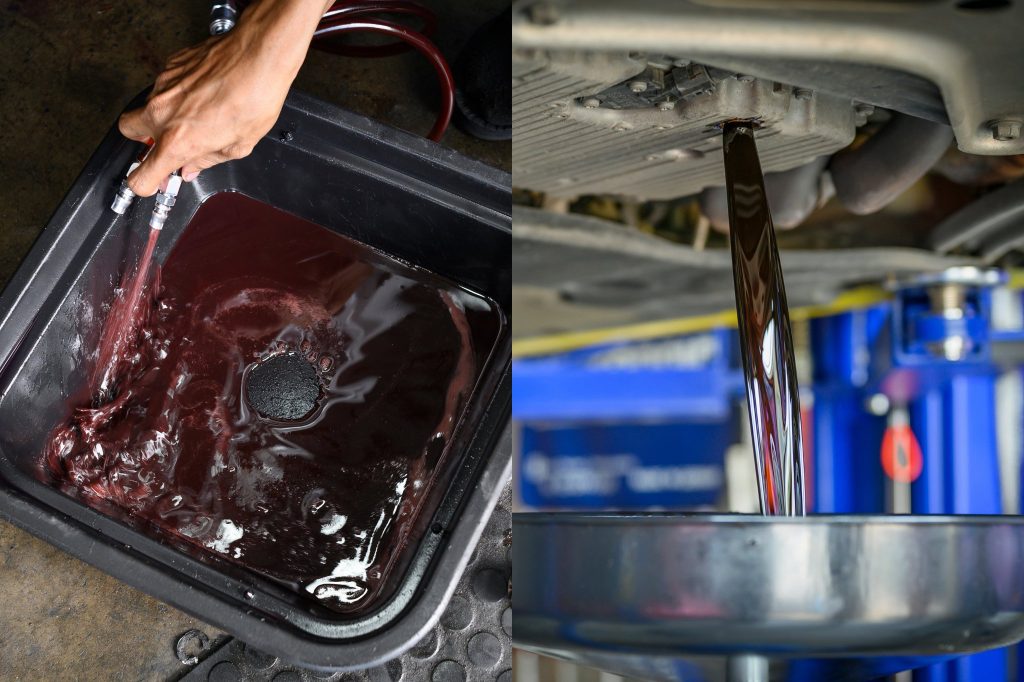
The sensible alternative is to ask whether the manufacturer specifies a drain-and-fill, filter replacement, fluid exchange, or another service method. Request the exact fluid specification and written procedure.
A scheduled transmission fluid service is worthwhile. Paying extra for an unapproved machine flush simply because a mileage threshold has been reached is not necessarily justified.
4. Air Conditioning System Flush as Routine Preventive Maintenance
Air conditioning repairs can become expensive, which makes preventive maintenance an attractive sales opportunity for repair shops. Some workshops recommend flushing the entire air conditioning system during ordinary servicing, even when the vehicle cools properly and there is no evidence of internal contamination.
An automotive air conditioning system circulates refrigerant through components such as the compressor, condenser, evaporator, and expansion device. Refrigerant and compressor oil must remain compatible with the system’s design.
Contamination can occur when components fail, moisture enters the system, or incompatible refrigerants are introduced during previous repairs.
In those circumstances, specialised cleaning or component replacement may be necessary. For example, compressor failure can distribute debris through parts of the refrigerant circuit, creating a legitimate reason for extensive cleaning where permitted by the manufacturer’s repair instructions.
However, a vehicle with normal cooling performance does not automatically need an air conditioning flush. There is no universal mileage interval that makes this procedure compulsory for every passenger vehicle.
The US Environmental Protection Agency explains that refrigerant recovery, recycling, and proper handling are important during air conditioning repairs. It also notes that evacuation and recharge are not automatically necessary simply because the refrigerant remains in a functioning system.
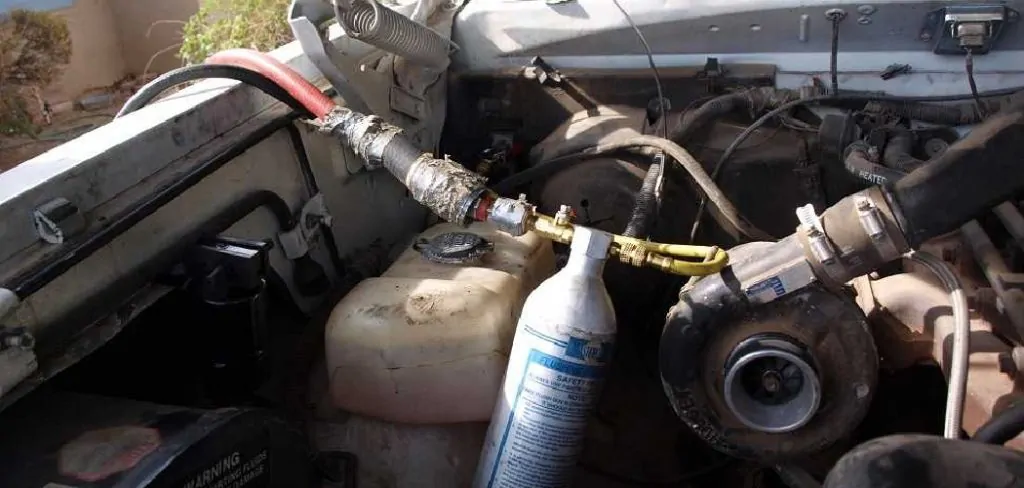
Owners should ask the workshop what contamination has been identified and which components require cleaning. A technician should be able to explain whether the compressor, condenser, evaporator, or connecting lines have been affected.
An air conditioning flush can be a legitimate repair procedure after certain failures, but presenting it as routine preventive maintenance is difficult to justify.
If the system operates correctly, there is no refrigerant leak, and no manufacturer-required service is due, spending money on an unnecessary internal cleaning procedure offers little practical value.
5. Power Steering Flush on a Vehicle That Does Not Need One
Power steering flush packages can appear on maintenance menus even when the vehicle has no manufacturer-specified requirement for routine fluid replacement. This recommendation deserves particular attention because automotive steering technology has changed considerably over the years.
Traditional hydraulic power steering systems use fluid circulated by a pump to provide steering assistance. These systems may require fluid inspections and replacement according to the manufacturer’s schedule or when contamination and deterioration are identified.
However, many modern vehicles use electric power steering. Instead of relying on a hydraulic pump and fluid reservoir, an electric motor provides steering assistance. Consequently, there is no hydraulic steering fluid to flush in a conventional electric power steering system.
This makes it important to identify the steering arrangement before approving the service. A generic workshop recommendation should never be applied without checking the vehicle’s actual equipment.
Even among hydraulic systems, a flush is not automatically necessary during every visit. Some manufacturers specify fluid inspection, while others provide particular replacement intervals or procedures. The type of fluid also varies, making the use of an unsuitable product a potential problem.
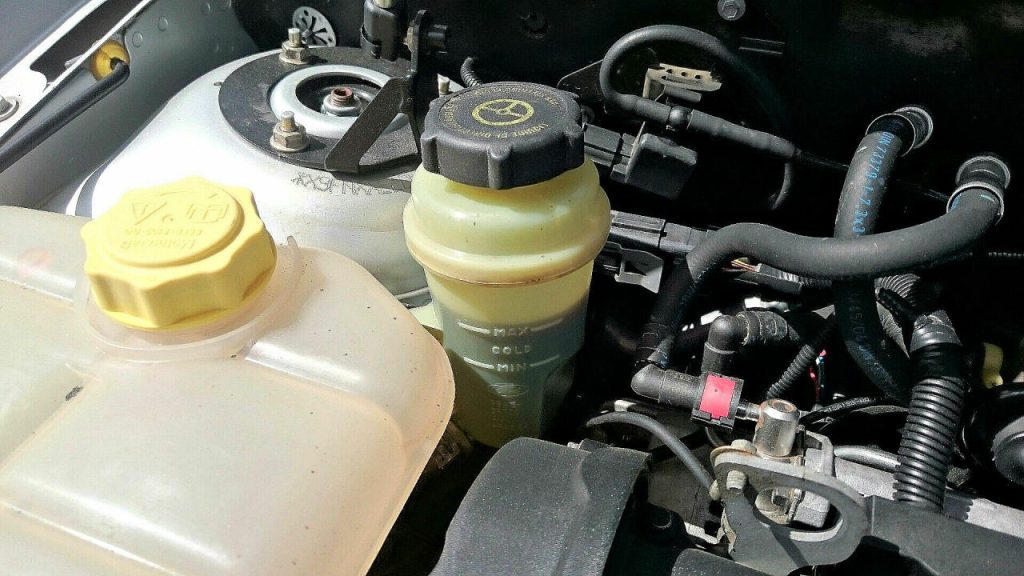
Drivers experiencing heavy steering, whining noises, or inconsistent assistance should request a proper diagnosis. The cause might be a leaking hose, failing pump, damaged belt, steering rack problem, or electrical fault. Simply replacing the fluid may not resolve the issue.
There is a clear difference between paying to maintain a hydraulic system that requires fresh fluid and purchasing an unnecessary service for a system that does not use it.
This is why owners should verify the steering technology and maintenance requirements before accepting the recommendation. A service advisor should explain what fluid is being replaced, why replacement is necessary, and which manufacturer instruction supports the work.
For an electric power steering vehicle, a conventional hydraulic power steering flush is simply irrelevant.