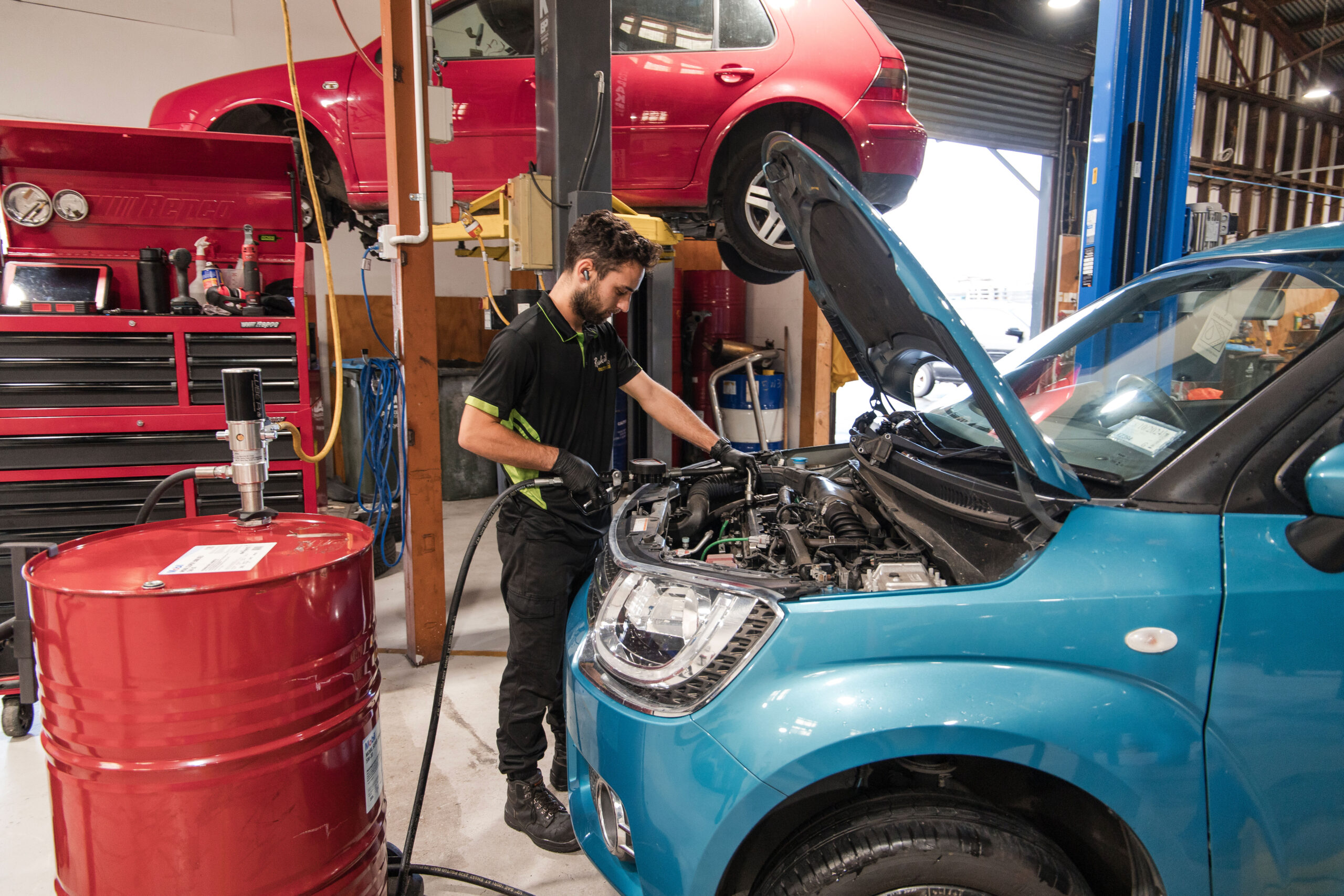
Keeping an older car running can be financially sensible, especially when it has been reliable for years and the replacement market is expensive. However, there comes a point when repeated repairs stop delivering meaningful value.
A vehicle that constantly needs attention, develops new mechanical problems, or becomes unsafe to drive can turn into a financial burden. The difficult part is recognizing when another repair is genuinely worthwhile and when it is simply postponing an inevitable replacement.
From escalating repair bills to structural damage and recurring breakdowns, these eight warning signs can help owners decide when it is time to stop fixing their car.
1. The Next Repair Costs More Than the Car Is Worth
One of the clearest signs that it may be time to stop repairing an older vehicle is when the estimated repair bill exceeds its actual market value. This situation commonly develops when a car needs a major engine replacement, transmission rebuild, or extensive structural repair after years of use.
Imagine owning a sedan worth approximately $3,500 in its current condition. A repair shop discovers severe internal engine damage and estimates that replacing the engine will cost $5,000.
Even if the repair restores the vehicle’s mechanical operation, spending that amount does not automatically make financial sense. You would be investing more than the car’s present market value without necessarily increasing its resale price by the same amount.
Consumer Reports identifies a major repair costing more than the vehicle’s value as an important indication that an owner should consider moving on. However, market value alone should not determine the decision.
A replacement vehicle also comes with purchase costs, taxes, registration, insurance adjustments, and the possibility of inherited mechanical problems.
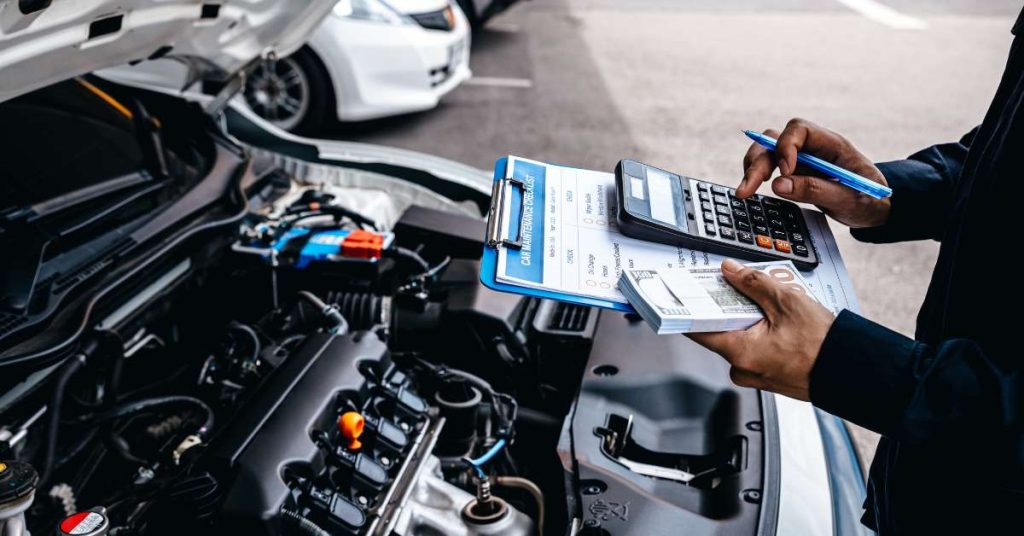
There is another important distinction between a vehicle’s trade-in value and its replacement cost. A car worth only $3,500 to a dealer might still provide dependable transportation that would cost considerably more to replace.
Before making a decision, obtain an independent valuation and compare it with the complete repair estimate. Include any additional maintenance likely to be required during the next year.
If the repair is more expensive than the vehicle and several other major components are deteriorating, replacing the car is often the more sensible choice. Spending more than the vehicle is worth is not automatically wrong, but it requires a convincing reason.
2. The Same Mechanical Problems Keep Returning After Repairs
A car that repeatedly returns to the repair shop for the same problem can become more expensive to own than a vehicle with one major, properly diagnosed failure. Recurring problems suggest that the original repair may not have addressed the underlying cause, or that several connected components are deteriorating together.
Consider a vehicle that repeatedly overheats despite receiving a new thermostat, radiator, and coolant hoses. The actual problem might involve a damaged cylinder head, combustion gases entering the cooling system, or another unresolved fault. Each repair adds to the owner’s expenses without necessarily providing a lasting solution.
Electrical problems can follow a similar pattern. A replacement battery might temporarily solve starting difficulties, only for the vehicle to develop another dead-battery incident because the alternator is not charging correctly or an electrical drain remains present.
Replacing individual components without identifying the root cause can quickly become an expensive cycle.
The Federal Trade Commission advises consumers to seek a second opinion when a repair is expensive or complicated, particularly when there are doubts about the diagnosis. It also recommends obtaining a written estimate that identifies the condition, required parts, and anticipated labor charges.
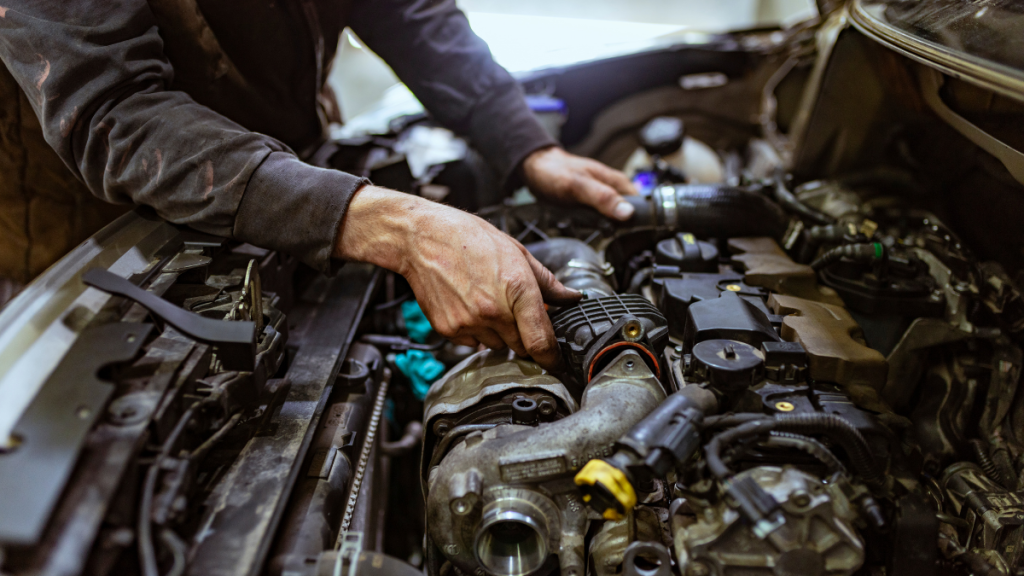
Before deciding to replace the vehicle, establish whether the repeated failures are connected. A qualified technician should review previous invoices, diagnostic findings, and replaced components. Sometimes one underlying problem is responsible for several apparently unrelated symptoms.
However, there is a point when recurring repairs become difficult to justify. If the same vehicle has required repeated engine, cooling, electrical, or transmission work within a short period, the accumulated expenses deserve serious consideration.
Do not keep approving another replacement component simply because it temporarily makes the warning light disappear. A car should provide dependable transportation, not require a new repair appointment every few weeks.
3. Structural Rust Has Started Compromising the Vehicle’s Safety
Cosmetic rust and structural corrosion are two very different problems. A small patch of surface rust on a door or fender might be inexpensive to address, but corrosion affecting the frame, suspension mounting points, floor structure, or other load-bearing sections can make an older vehicle unsafe.
This problem is particularly relevant in parts of the United States where roads are treated with salt during winter. Salt and moisture accelerate corrosion, especially underneath vehicles where protective coatings can become damaged by road debris. Over several years, rust can spread into areas that are difficult to inspect without lifting the vehicle.
The most concerning damage occurs when corrosion weakens structural components. Suspension mounting points, frame rails, rocker panels, and other reinforced sections contribute to the vehicle’s structural strength.
If these areas deteriorate significantly, repairs may require cutting out damaged metal, fabricating replacement sections, and performing extensive welding.
The expense can become disproportionate to the value of an older vehicle. Even after major bodywork, corrosion may remain in hidden sections that are difficult to access. Simply applying fresh undercoating or covering rust with filler does not restore lost structural strength.
Consumer Reports specifically identifies rust compromising structural integrity as a reason to consider replacing a vehicle rather than continuing to repair it.
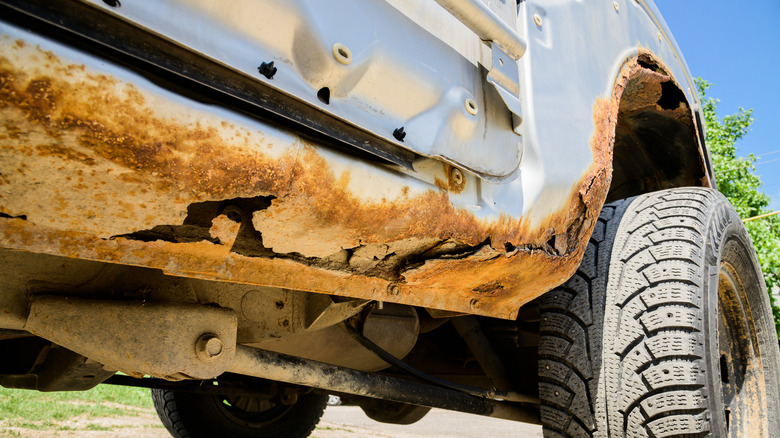
A professional inspection is essential before making this decision. Ask a qualified body repair specialist to examine the frame, floor, suspension attachment points, and underbody. Photographs of affected areas can help establish how extensive the damage really is.
If corrosion is limited to nonstructural panels, repairing the vehicle may still make sense. But when critical structural areas have become severely weakened, safety should take priority over repair costs.
An inexpensive older car is not a bargain if its underlying structure can no longer provide dependable protection.
4. Engine and Transmission Problems Are Appearing Together
An engine problem alone does not necessarily mean a vehicle should be replaced. The same applies to a transmission failure. Both components can sometimes be repaired or replaced economically, particularly when the rest of the vehicle is in good condition.
The situation changes when both systems begin showing serious problems around the same time.
An older vehicle might develop excessive engine oil consumption, low compression, overheating, and persistent misfires while also experiencing transmission slipping, delayed engagement, or harsh gear changes.
These are not minor maintenance concerns. They can indicate substantial mechanical deterioration involving two of the most expensive systems in the vehicle.
The financial challenge becomes clearer when separate estimates are combined. Suppose an engine replacement is quoted at $4,500 and transmission work at another $3,000. The combined $7,500 investment does not include potential suspension, brake, electrical, or cooling system repairs.
AAA identifies major engine and transmission failures among the most expensive vehicle problems, with some repairs requiring thousands of dollars.
However, an owner should not automatically approve two replacements or immediately abandon the car. A proper diagnosis might reveal that one problem has been mistaken for another. For example, transmission fluid leaks, electrical faults, or damaged mounts can sometimes produce symptoms that resemble internal transmission damage.
Ask the shop to perform separate diagnostic assessments and explain which components have actually failed. Obtain estimates for rebuilding, replacing, and repairing the affected systems where appropriate.
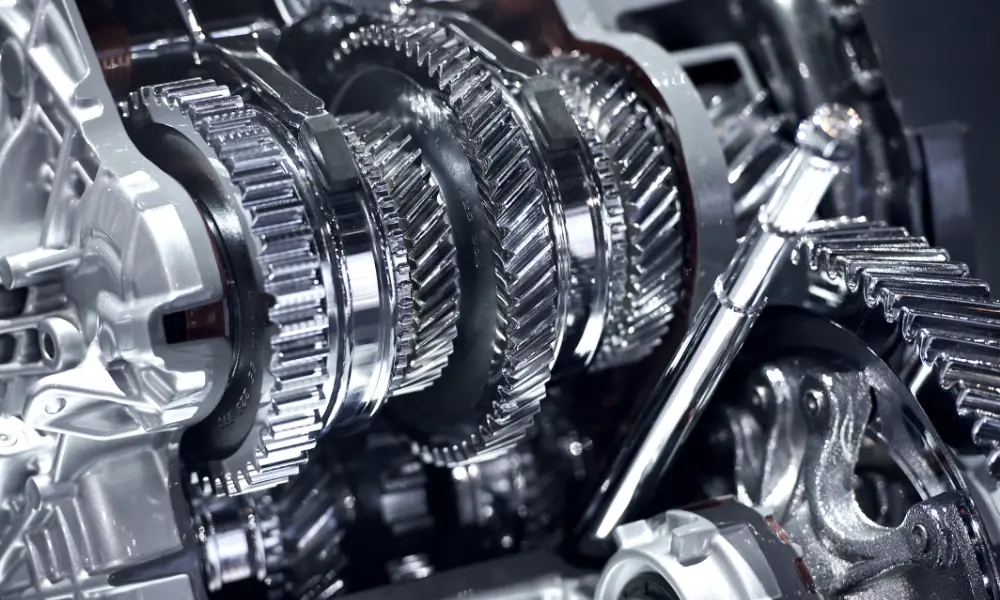
If the engine and transmission both require major work, while the vehicle also has high mileage and a history of repeated breakdowns, replacement deserves serious consideration.
The deciding factor is not simply the odometer reading. It is whether the money required to restore both major systems will provide enough additional dependable service to justify the investment.
5. You Are Spending More Time Without Your Car Than Driving It
A vehicle can become financially frustrating even when individual repairs are relatively inexpensive. Repeated breakdowns, unexpected warning lights, starting problems, and recurring visits to the workshop can gradually make an older car unreliable enough to interfere with everyday life.
Consider someone who depends on a vehicle to commute 30 miles to work each day. If the car repeatedly develops battery problems, cooling system leaks, electrical faults, or transmission issues, the inconvenience extends beyond the repair invoice.
The owner might need rental transportation, rides from family members, alternative commuting arrangements, or roadside assistance.
AAA’s roadside assistance analysis found that vehicles at least 10 years old were twice as likely to require roadside assistance as vehicles nine years old or younger.
Older vehicles were also four times as likely to experience a problem serious enough to require towing. Its analysis of 2017 roadside assistance requests highlighted how vehicle age can influence breakdown risk.
That does not mean every vehicle over 10 years old should be replaced. Maintenance history, driving conditions, and mechanical condition make a substantial difference. Plenty of older vehicles remain dependable when properly maintained.
The more important warning sign is a pattern of repeated failures despite reasonable repairs. If your car has required several emergency visits within six months, it may no longer be providing the reliability expected from everyday transportation.
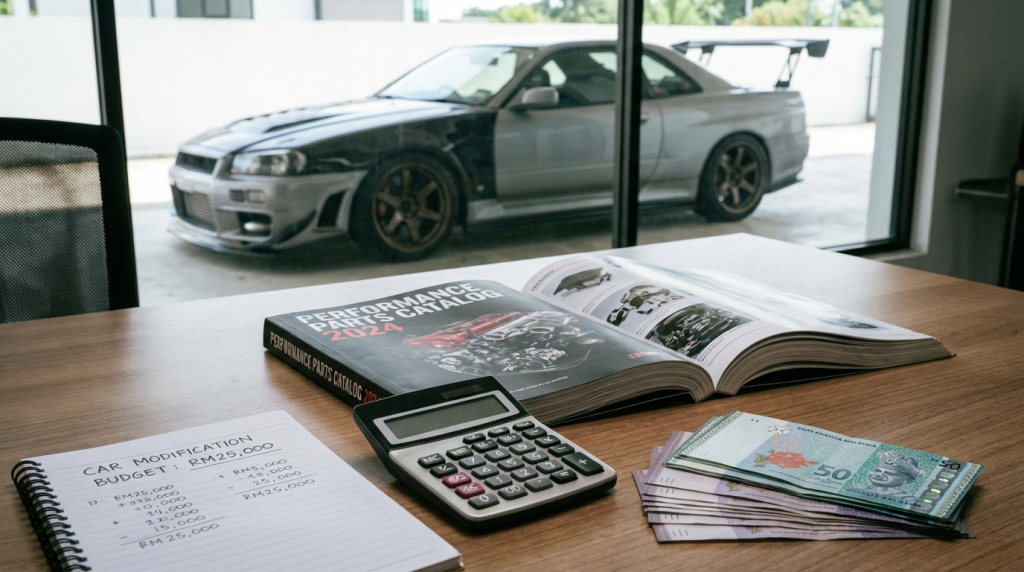
Calculate the cost of these incidents, including towing, rental vehicles, missed work, and repairs. These expenses can make an apparently inexpensive car much more costly to operate.
There is also a personal consideration. Someone who regularly travels with children, commutes long distances, or works unpredictable hours may place a higher value on dependable transportation than an occasional driver.
When breakdowns become routine rather than exceptional, replacing the vehicle can be a practical decision rather than an emotional one.
6. The Vehicle Has Failed a Safety Inspection or Has Multiple Safety-Critical Defects
There is a point when an older vehicle’s problems stop being primarily financial and become a direct safety concern. Defective brakes, damaged steering components, severely worn tires, compromised suspension mounting points, and structural corrosion can make continued driving dangerous.
The difficult part is that several relatively small problems can combine to create a vehicle that is no longer dependable in an emergency. For example, worn brake components might increase stopping distances, while loose suspension joints affect stability and damaged tires reduce available traction.
A car may still start, accelerate, and travel along a highway without displaying an obvious warning. That does not establish that its safety systems are functioning correctly.
The Federal Trade Commission identifies warning signs such as brake pedal problems, scraping or grinding during braking, steering-related symptoms, and engine issues that require professional diagnosis. It recommends addressing these problems instead of ignoring them.
State inspection requirements also matter. Some states require periodic safety inspections, while others do not. A vehicle passing an emissions test does not necessarily mean its brakes, suspension, or structural components have been thoroughly evaluated.
If a mechanic identifies several safety-critical defects, request a detailed inspection report. Separate repairs that can restore safe operation from cosmetic work or optional maintenance.
For example, replacing worn brake pads and repairing a damaged steering component may be entirely reasonable on an otherwise healthy vehicle. But if the car also has severe frame corrosion, compromised suspension attachment points, and extensive previous collision damage, continuing to invest in it may be inappropriate.
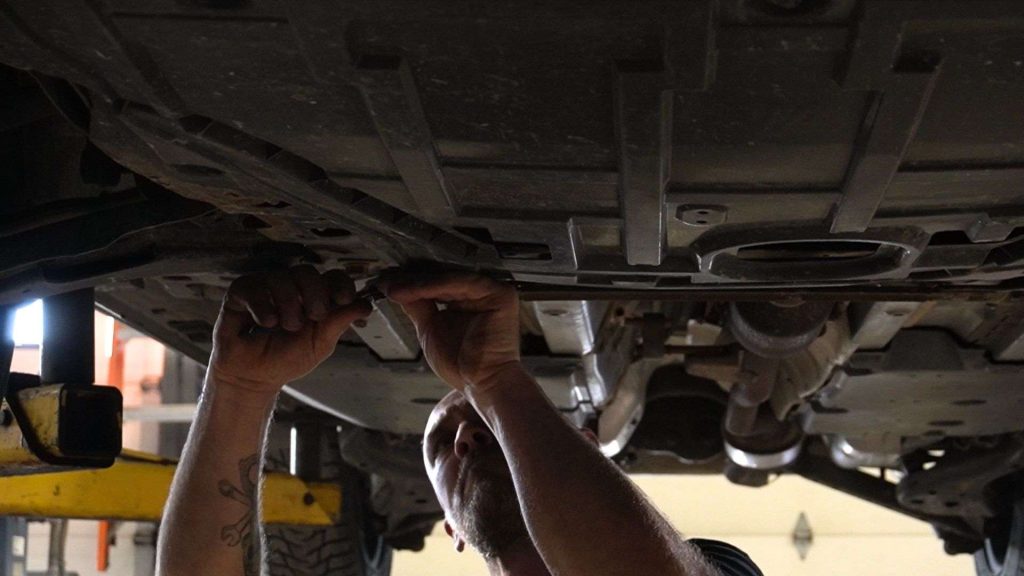
Never treat a failed safety inspection as an invitation to find the cheapest possible workaround. If the vehicle cannot be repaired safely and economically, stop driving it and consider replacement.
A car’s purpose is to provide transportation without putting its occupants or other road users at unnecessary risk. When that basic requirement can no longer be met, its remaining market value becomes secondary.
7. Repair Bills Are Consuming More Than Your Monthly Car Budget
One expensive repair might be manageable. The real warning sign appears when maintenance and unexpected repair bills repeatedly consume money that should be available for other household expenses.
Older vehicles can require several different repairs within a relatively short period. A cooling system repair might be followed by suspension work, a battery replacement, brake repairs, and an exhaust problem. Individually, each invoice might appear reasonable. Together, they can create a substantial financial burden.
AAA’s vehicle ownership guidance provides a useful way to think about maintenance costs. Its published ownership information uses mileage-based maintenance estimates, while also emphasizing that vehicle age, condition, and service history affect actual expenses.
For example, imagine spending $1,200 on repairs in January, another $900 in April, and $1,500 in August. That is $3,600 in repair expenses within eight months, before fuel, insurance, registration, or routine maintenance.
At that stage, owners should stop looking at each repair separately and calculate the vehicle’s annual ownership cost.
Include:
- Major repairs and routine maintenance.
- Towing and roadside assistance.
- Rental transportation during repairs.
- Additional fuel expenses caused by poor mechanical condition.
- Insurance, registration, and other ownership expenses.
- Then compare that amount with the cost of purchasing and operating a dependable replacement.
There is no universal dollar threshold at which an old vehicle becomes financially unreasonable. A $2,000 repair might be justified on a car that could provide another five years of service, while a $700 repair might be questionable on a vehicle with several major problems already identified.
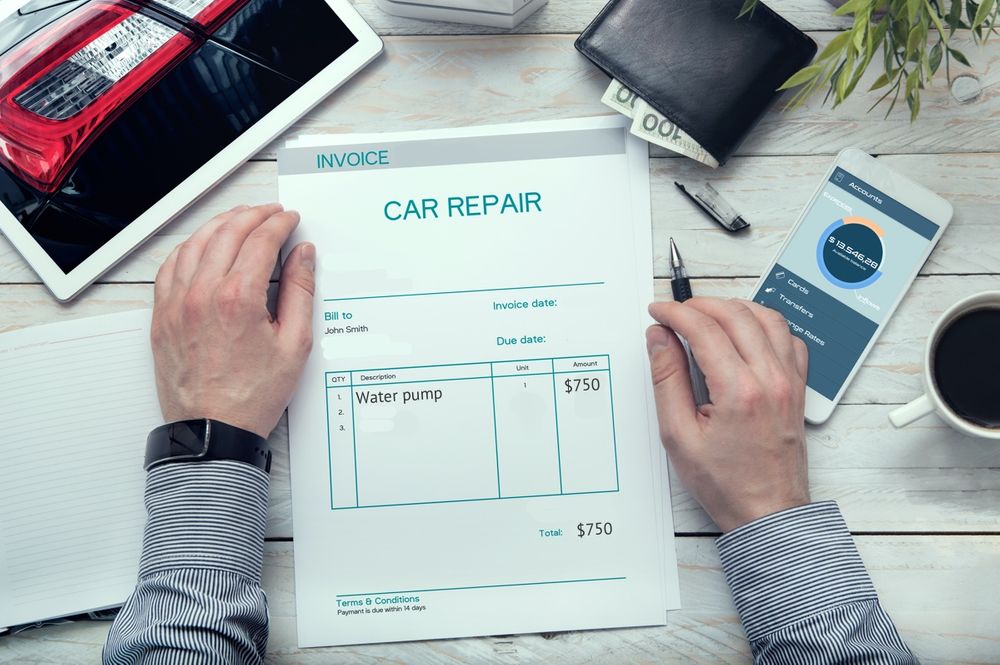
Consumer Reports advises considering the vehicle’s value, reliability, safety, and cost of future repairs when deciding whether to keep an older car.
If repairs repeatedly disrupt your budget and leave no financial room for future maintenance, replacement may offer better financial stability.
8. The Vehicle No Longer Meets Your Transportation and Safety Needs
Sometimes the decision to stop fixing an old car has very little to do with a specific mechanical failure. The vehicle might still run, pass its required inspections, and provide reasonably dependable transportation. However, your driving requirements may have changed considerably since you originally purchased it.
A compact two-door car that worked perfectly for commuting might become inconvenient after starting a family. A small sedan may no longer provide sufficient cargo capacity for work. Someone who regularly travels long distances might also find that an older vehicle lacks the comfort, safety equipment, or reliability they now require.
Safety technology is another important consideration. Modern vehicles increasingly offer automatic emergency braking, blind-spot monitoring, rear cross-traffic alerts, lane departure warnings, and improved crash protection.
These features are not present in every newer vehicle, and their availability varies by model and trim, but they can influence replacement decisions.
Consumer Reports specifically identifies changed transportation needs after 150,000 or more miles as one reason an owner might consider moving on from an existing vehicle. It also notes that newer vehicles can offer improvements in safety and connectivity.
However, replacing an older car simply because it lacks the latest technology is not necessarily financially sensible. Newer vehicles can carry higher purchase prices, insurance expenses, taxes, and depreciation. Some older vehicles also have excellent maintenance records and remain perfectly suitable for their owners.
The decision should come down to practicality. If the car no longer accommodates your family, regularly struggles with your commute, lacks equipment you genuinely need, or requires increasingly expensive modifications, replacement deserves consideration.
Think about how you actually use the vehicle rather than focusing only on its age. A dependable older car that meets every requirement may still be worth keeping.
But when its mechanical condition and your changing needs point in the same direction, continuing to repair it may simply delay a more suitable purchase.