Electric vehicles can be cheaper to maintain than gasoline cars in several areas, but that does not make every repair affordable. When a major EV component fails, the bill can reach thousands of dollars, sometimes approaching or exceeding the vehicle’s actual cash value.
Battery damage, high-voltage electrical faults, charging system failures, and collision repairs can be particularly expensive. Parts shortages and specialized labor can make matters worse. Here are 12 EV repairs that can turn an otherwise usable electric car into an insurance total loss or an uneconomical repair.
1. Complete High-Voltage Battery Pack Replacement
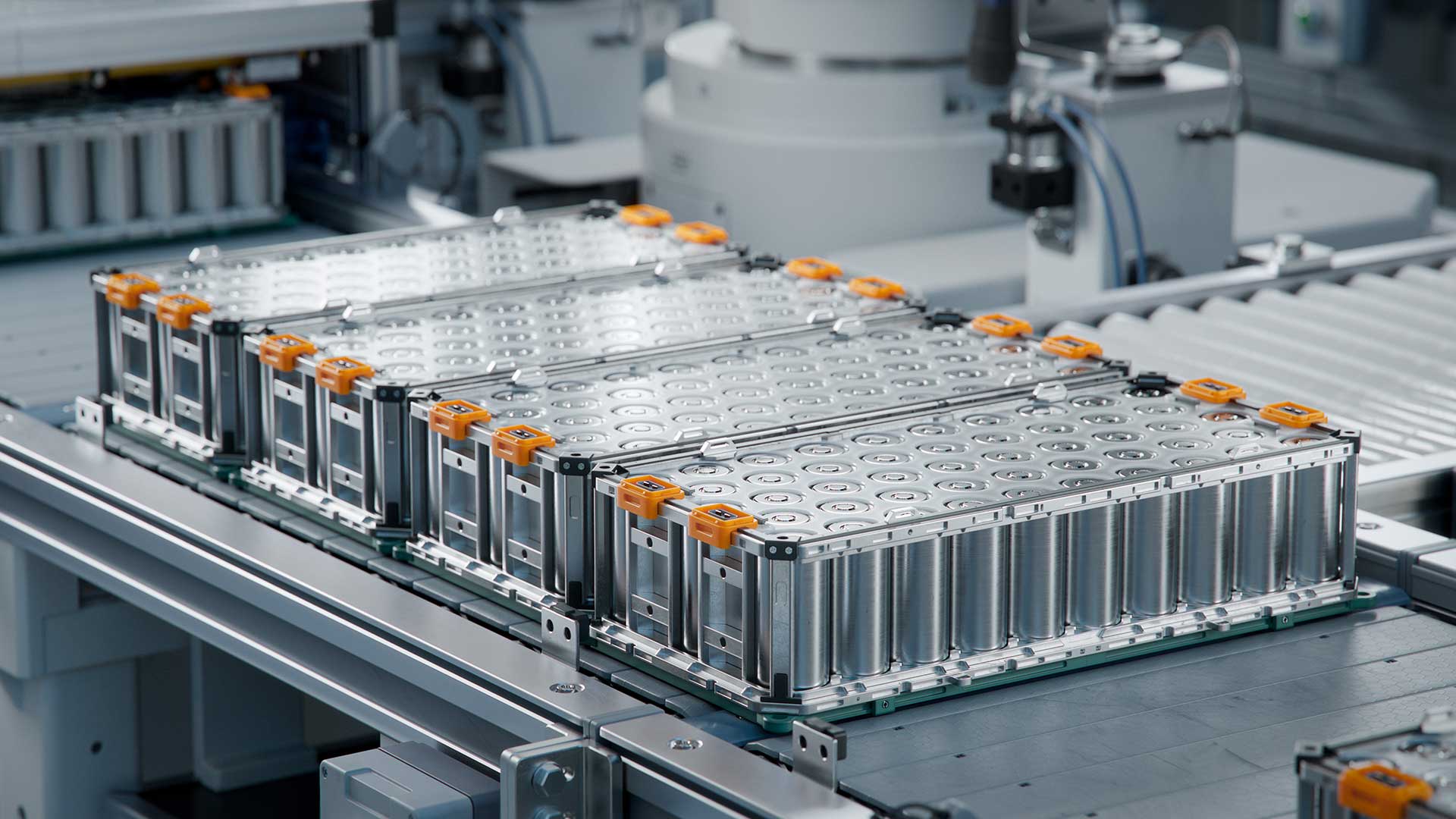
The traction battery is usually an electric vehicle’s most expensive component. Unlike a conventional 12-volt battery, the high-voltage pack contains interconnected modules, cooling components, electrical connections, and battery management systems. Replacing the entire assembly can require specialized equipment and extensive labor.
The cost depends heavily on battery capacity and vehicle design. AAA’s U.S. replacement estimates put small 20-30 kWh packs at approximately $4,000 to $9,000, midsize 40-60 kWh packs at $7,000 to $14,000, and larger 75-100 kWh packs at $10,000 to $18,000.
Packs exceeding 100 kWh can cost $15,000 to $25,000 or more. Labor may add another $1,000 to $3,000 or more.
For an older EV worth $12,000, a $16,000 battery replacement is difficult to justify. The battery alone could cost more than the vehicle’s market value.
However, reduced driving range does not automatically mean the entire pack needs replacement. Gradual capacity loss is different from a defective module or damaged battery.
Recurrent’s analysis found that only 2.5% of vehicles in its monitored EV community had undergone battery replacements, showing that complete pack failure is not an everyday occurrence.
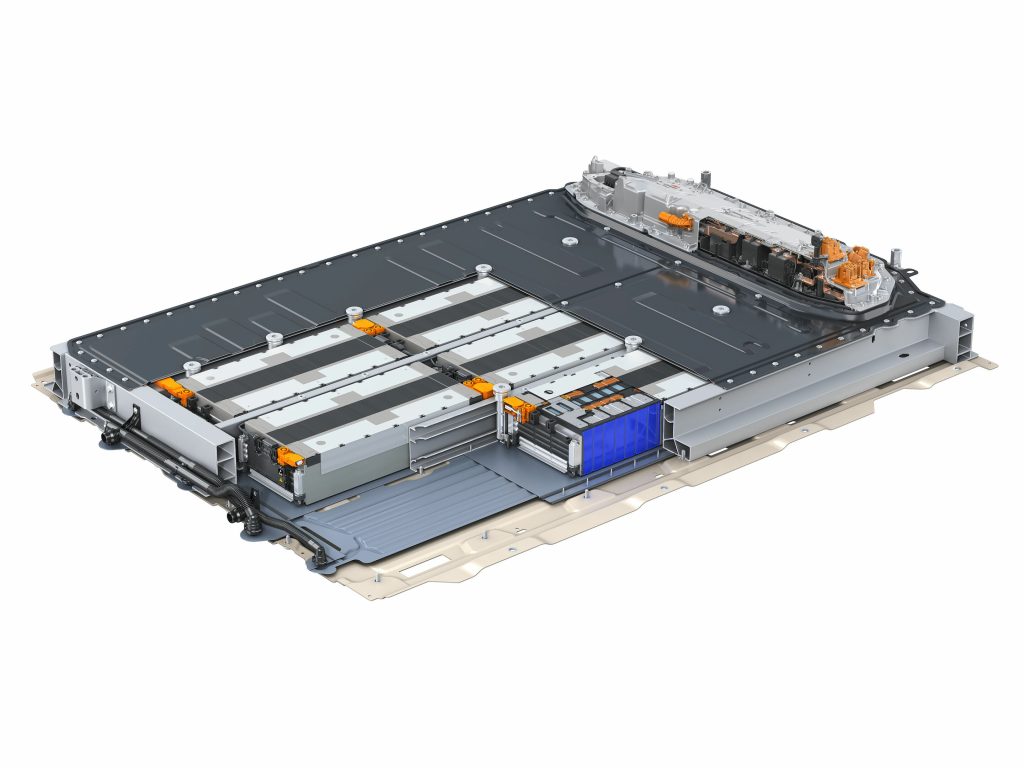
Before approving replacement, request a battery health assessment and ask whether the manufacturer offers module-level repairs or a suitable replacement pack. Check the remaining battery warranty as well.
A complete pack replacement can make an otherwise repairable EV an economic total loss, particularly after substantial depreciation.
2. Battery Enclosure Damage After an Underbody Collision
An electric vehicle’s battery pack is generally positioned beneath the passenger compartment, making its underside particularly vulnerable during certain accidents. A collision with road debris, a large pothole, a raised object, or another vehicle can damage the battery enclosure even when the exterior panels appear relatively undamaged.
The enclosure protects the battery from physical impacts and environmental exposure. Depending on the design, it may also incorporate cooling passages, mounting points, and structural elements.
If an impact bends the enclosure, damages its mounting points, or compromises its sealing, technicians must determine whether the battery itself has been affected. A damaged case does not automatically require a complete battery replacement, but manufacturers may restrict repairs to approved procedures.
The expense rises sharply when the enclosure and battery pack must be replaced together. An owner expecting a relatively minor underbody repair could discover that the impact has affected an expensive high-voltage assembly.
NHTSA warns that physical damage to an EV’s high-voltage battery can create electrical shock, fire, and chemical hazards. Battery damage can also release hazardous gases immediately or after a delay.
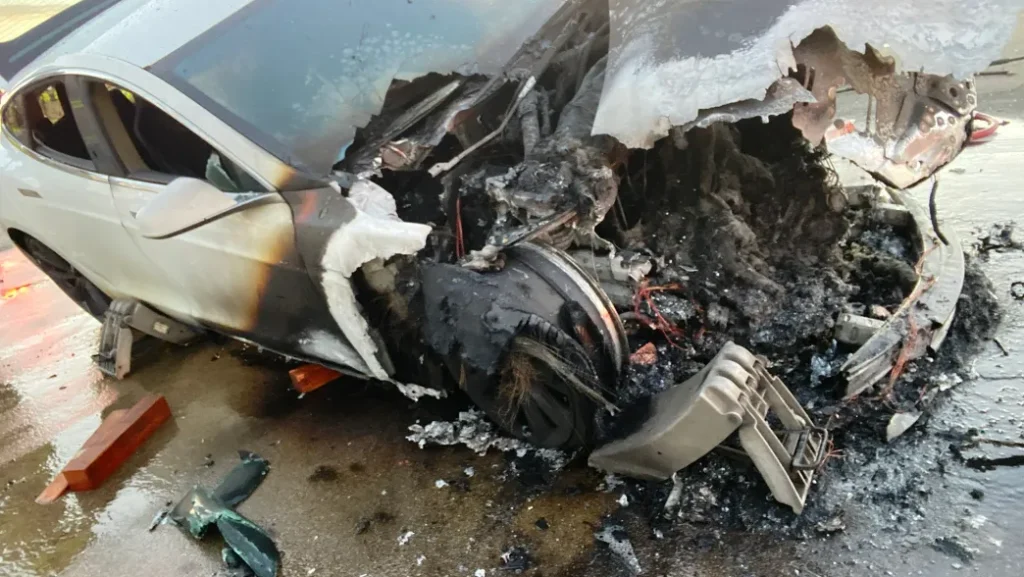
Insurers may require specialized battery diagnostics, isolation testing, and an enclosure inspection before finalizing the repair estimate.
Avoid driving a vehicle with suspected battery enclosure damage until qualified EV technicians have assessed it. Do not attempt to straighten, seal, or open the enclosure yourself.
If the battery assembly is compromised and replacement costs approach the vehicle’s actual cash value, an insurer may decide that repairing it is uneconomical.
3. Battery Fire and Thermal Runaway Damage
A battery fire is among the most financially destructive events an electric vehicle can experience. Lithium-ion packs contain numerous cells arranged into modules, and under certain failure conditions, one damaged cell can trigger a chain reaction known as thermal runaway.
Thermal runaway occurs when a battery cell experiences an uncontrolled temperature increase. It can release heat and flammable gases, potentially spreading to neighboring cells and creating a fire that is difficult to extinguish. Physical damage, internal defects, and certain electrical faults can contribute to the problem.
The financial consequences extend beyond replacing the battery. High temperatures can damage wiring, insulation, interior materials, electronic control units, underbody components, and nearby structural sections. Smoke and chemical contamination can also make other interior components unsuitable for continued use.
Even after firefighters extinguish the flames, the vehicle may require extensive inspection before its repairability can be established. NHTSA warns that damaged high-voltage batteries can present electrical, chemical, and fire hazards, including delayed risks.
For an older EV, replacing the battery, damaged wiring, and affected interior components can quickly produce a bill approaching its pre-incident market value. In severe cases, the vehicle may be declared a total loss.
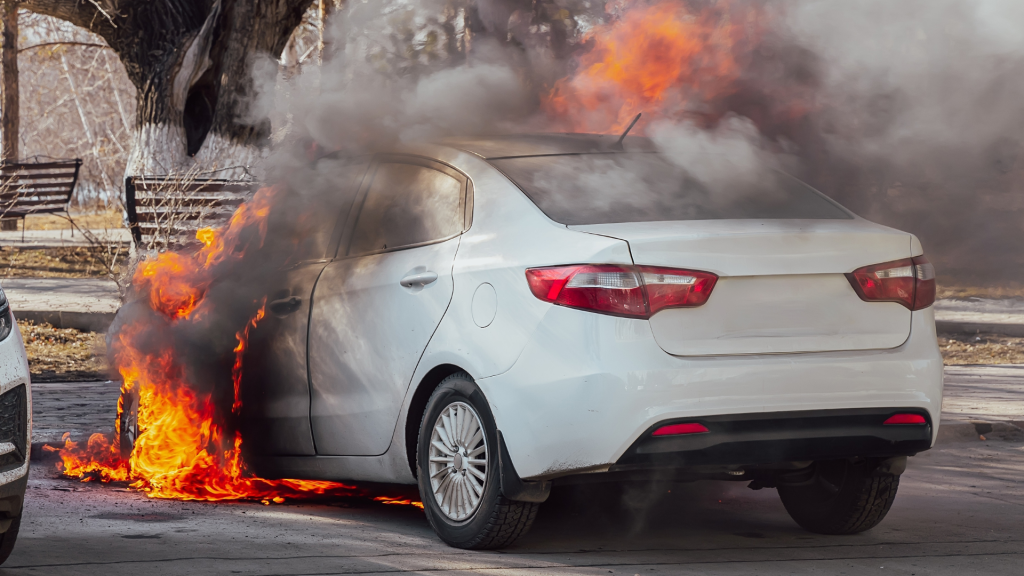
A battery fire should not be confused with an ordinary electrical warning. A dashboard fault or charging interruption does not mean thermal runaway is occurring. Owners should follow manufacturer instructions and seek professional assessment.
If smoke, unusual heat, or signs of a battery fire appear, move away and contact emergency services. Tell responders that an electric vehicle is involved.
When fire damages multiple systems, a complete reconstruction may cost more than replacing the vehicle.
4. Flood-Damaged High-Voltage Battery and Electrical Systems
Flood damage can be particularly complicated for electric vehicles because water may affect components that are not immediately visible. Although battery enclosures are designed to protect against environmental exposure, that does not mean every EV can safely withstand prolonged submersion or contaminated floodwater.
Water can potentially affect electrical connectors, control modules, wiring, charging equipment, and battery-related components. Saltwater creates additional corrosion concerns because dissolved salts can increase electrical conductivity and accelerate corrosion of metal connections.
Damage may not become obvious immediately. A vehicle might appear operational after exposure to floodwater, while moisture intrusion or corrosion develops into electrical problems later. A professional inspection is essential before the vehicle returns to regular use.
The battery pack is the biggest financial concern. If technicians identify compromised sealing, water intrusion, internal contamination, or high-voltage component damage, extensive replacement work may be necessary. Depending on the vehicle, this could involve the battery assembly, wiring, connectors, and electronic controllers.
NHTSA advises treating damaged high-voltage components as potentially energized and warns that battery damage can create shock, chemical, and fire hazards. It recommends avoiding do-it-yourself repairs on damaged electric and hybrid vehicles.
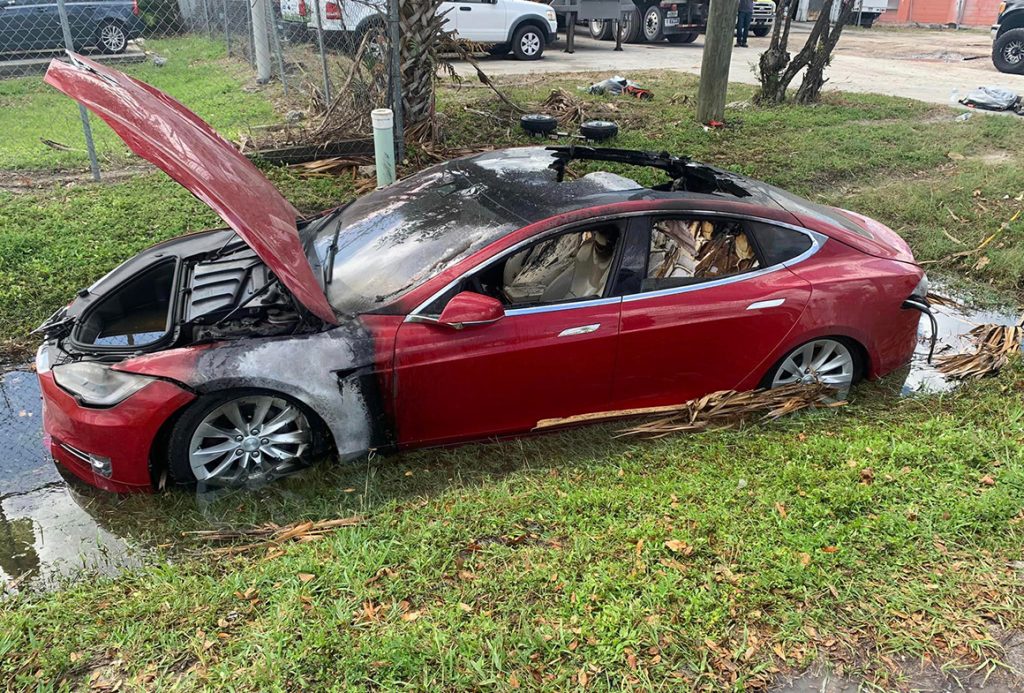
Collision and comprehensive insurance policies can cover certain sudden flood-related losses, subject to policy terms, deductibles, and exclusions. Ordinary battery degradation, however, is not the same as flood damage and is generally not covered as an insurance loss.
A flood-damaged EV should not be charged or driven until qualified technicians have assessed it. If the battery and electrical system require extensive replacement, the insurer may find that the repair cost exceeds the vehicle’s economic value.
5. Structural Damage Around the Battery Mounting Points
An EV battery is not simply placed beneath the floor as an independent component. Its mounting system is integrated into the vehicle’s structure, and the surrounding floor, rails, crossmembers, and attachment points must withstand substantial loads.
This can make certain collision repairs particularly expensive. A side impact or underbody collision might deform structural sections close to the battery mounting points. Even if the battery cells remain undamaged, extensive structural work may be necessary before the pack can be safely reinstalled.
The problem becomes more serious when the manufacturer does not authorize straightening or repairing a particular mounting section. Depending on the vehicle’s construction, technicians may need to replace larger structural assemblies or follow specialized body repair procedures.
This is not a cosmetic repair. The battery must remain correctly positioned and securely attached, while the vehicle’s structural integrity and crash protection must meet manufacturer specifications.
A repair estimate can include body disassembly, structural measurements, replacement metal sections, welding or bonding procedures, battery removal and installation, and electronic calibration.
Mitchell’s U.S. collision research reported an average repairable claim severity of $5,684 for battery-electric vehicles in the second quarter of 2026, compared with $4,955 for conventional gasoline vehicles.
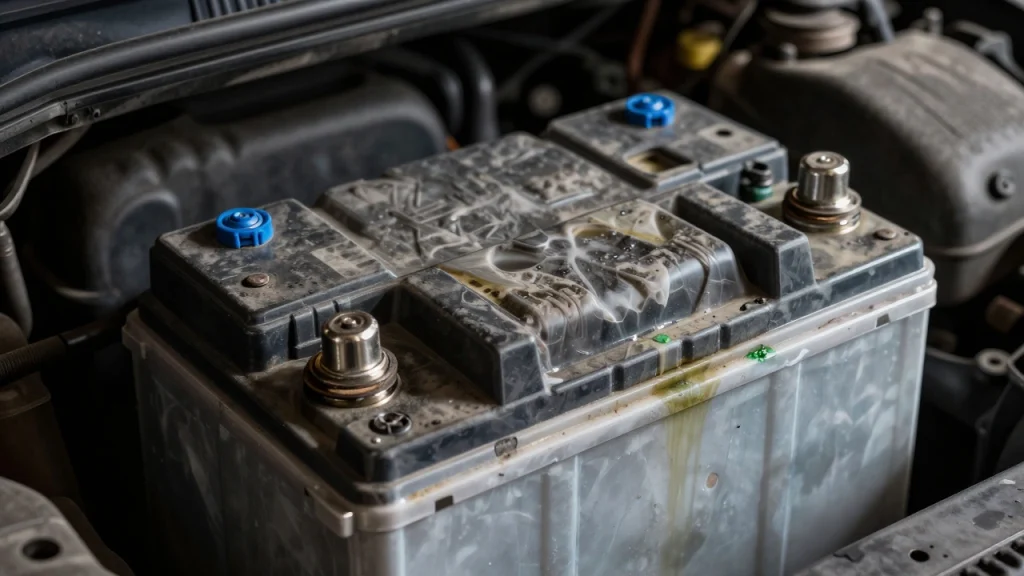
These figures cover average repairable claims rather than structural battery repairs, but they demonstrate the additional costs associated with EV collision work.
A qualified collision repair facility should determine whether the mounting structure can be restored using approved procedures. If structural replacement and battery work approach the vehicle’s actual cash value, an insurer may consider a total-loss settlement more economical.
6. Multiple Battery Modules Require Replacement
Not every battery problem requires replacing the complete pack, but costs can rise when several modules fail, or damage extends across multiple sections of the assembly.
EV battery packs contain groups of individual cells arranged into modules. The battery management system monitors information such as voltage, temperature, and state of charge. When a module develops an electrical or thermal problem, the system may restrict vehicle performance or prevent normal charging.
A single defective module might be repairable on certain vehicles. However, this depends on the manufacturer’s service procedures, battery construction, parts availability, and the condition of surrounding modules. Some manufacturers offer limited module-level replacement, while others require a larger battery assembly.
Edmunds’ June 2026 analysis reports that individual battery modules can cost approximately $1,000 to more than $5,000, depending on their size and design. A pack containing multiple damaged modules can therefore generate a substantial parts bill before labor and diagnostic expenses are included.
Installing a replacement module in an aging pack may also require additional testing and balancing to ensure that the assembly operates within manufacturer specifications. A repair shop must establish whether the remaining modules have suffered related damage.
If several modules are defective, the battery management system reports multiple faults, or the pack has experienced thermal damage, replacing individual sections may no longer be economical.
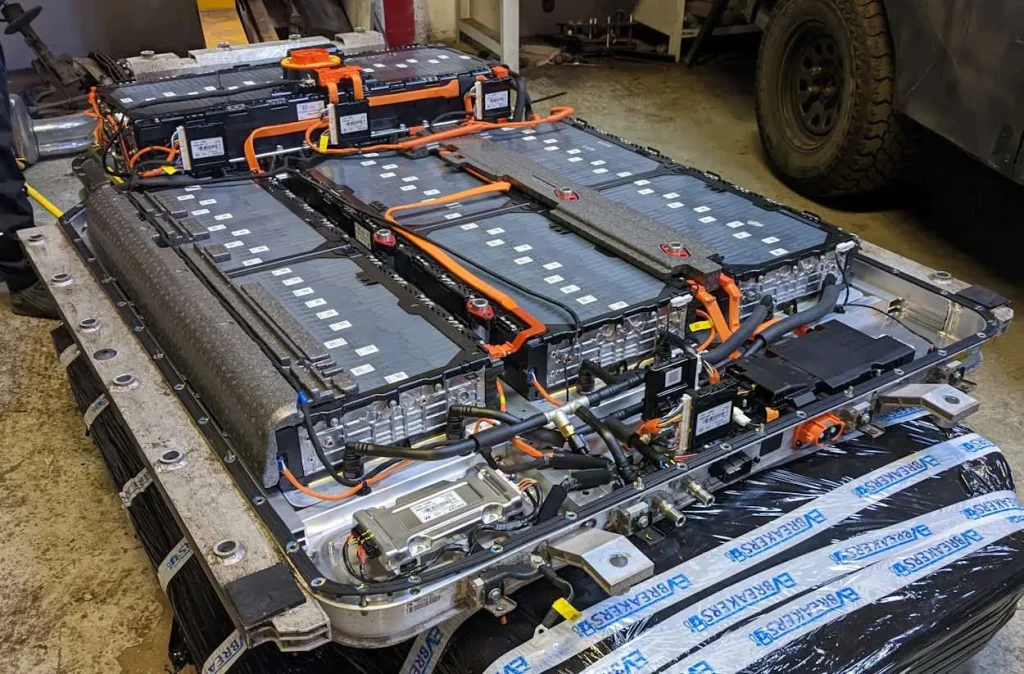
Ask whether the proposed repair includes new or remanufactured modules and what warranty applies. Request a battery health report rather than relying on a dashboard warning alone.
When multiple modules require replacement in an older EV, the combined expense can approach the cost of an entire battery assembly. That may be enough to push the insurance calculation toward a total loss.
7. Complete Electric Drive Motor or Drive Unit Replacement
Electric motors are mechanically simpler than many gasoline engines because they have fewer moving parts, but that does not make them inexpensive to replace. The drive unit converts electrical energy into the mechanical force that moves the vehicle.
Depending on the design, it can include the motor, reduction gearing, bearings, sensors, and other integrated components.
A serious internal failure can require replacing the complete drive unit rather than repairing an individual component. Problems can involve damaged windings, bearing failure, rotor damage, insulation breakdown, or mechanical damage following an accident.
Costs can become particularly concerning when the vehicle uses multiple motors. Some electric SUVs and performance models have separate front and rear drive units. If collision damage or an electrical fault affects more than one assembly, the repair estimate can rise substantially.
There is no reliable universal replacement price because manufacturers use different designs and service procedures. Parts availability, remanufactured options, and installation work all affect the final invoice.
A drive motor failure should not automatically be confused with an inverter or battery problem. These systems interact, and electrical faults can produce similar warning messages or reduced-power symptoms. A qualified technician should identify the actual failure before recommending a complete replacement.
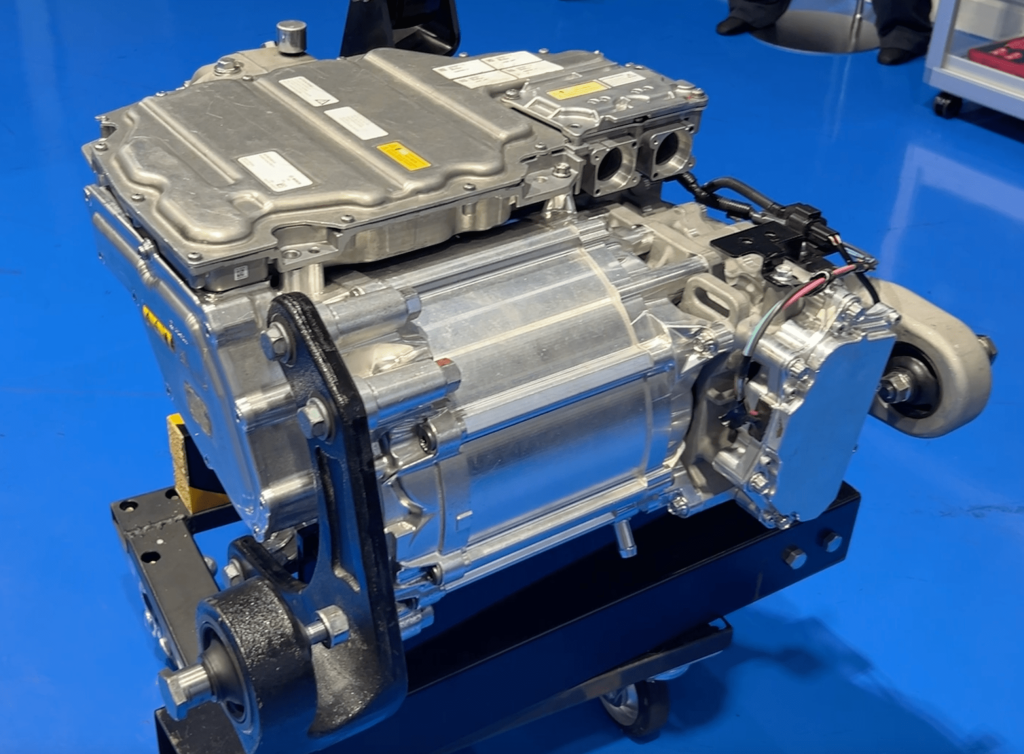
For an older EV worth $10,000, a major drive-unit replacement combined with battery or collision damage can make continued ownership difficult to justify.
However, a motor replacement alone does not necessarily total an EV. If the battery, body, and other systems remain healthy, the repair might still make financial sense.
Compare the combined repair estimate with the vehicle’s value, and ask about new, remanufactured, and manufacturer-approved replacement assemblies.
8. Inverter and High-Voltage Power Electronics Replacement
An inverter is one of the most important electronic components in an electric vehicle. The traction battery stores electricity as direct current, while the electric motor typically requires controlled alternating current. The inverter manages this conversion and helps regulate motor operation.
When the inverter develops a serious internal fault, the vehicle may experience reduced power, warning messages, propulsion problems, or complete immobilization. Depending on the failure, repairs may involve replacing the inverter assembly and performing additional programming or calibration.
Inverters contain sophisticated electronic components, including power semiconductors, control circuits, and cooling arrangements. Heat, electrical stress, manufacturing defects, and physical damage can contribute to failure.
Replacement is not always a straightforward component swap. Technicians may need to disconnect the high-voltage system, inspect related wiring, assess the cooling circuit, install the replacement assembly, and verify that the vehicle’s control systems communicate correctly.
A damaged inverter can also be accompanied by problems elsewhere in the electric drive system. An electrical fault might affect associated power electronics or trigger protective shutdowns.
Owners should avoid approving an entire inverter replacement based only on a generic warning message. A proper diagnostic assessment should establish whether the fault originates inside the inverter or from a sensor, connector, wiring problem, or another component.
There is no single verified U.S. replacement price that applies to every EV inverter. Costs vary by manufacturer and model, and public repair estimates are not consistent enough to provide a dependable universal figure.
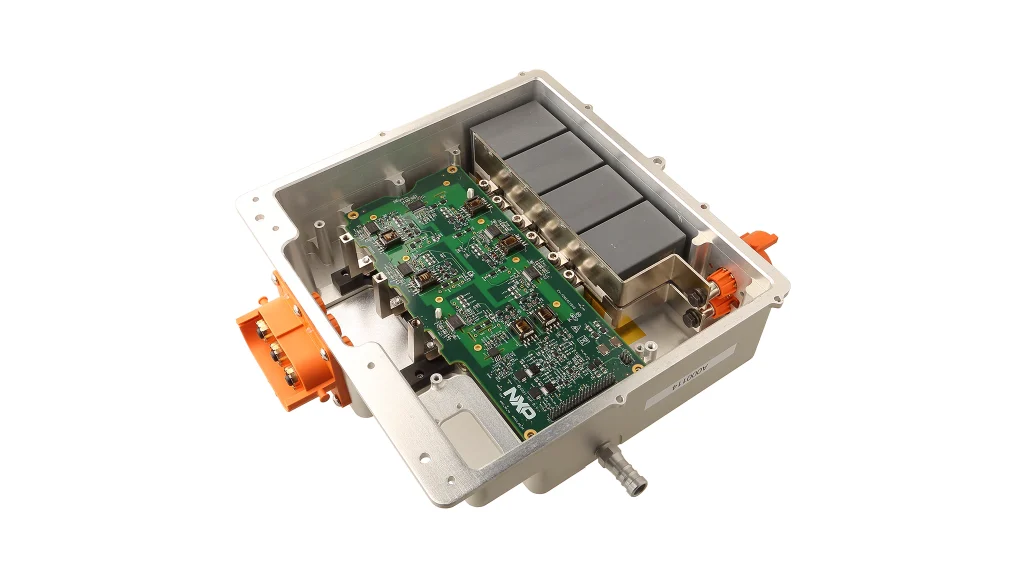
For an older vehicle with limited market value, a major inverter replacement combined with battery or motor damage can make the repair uneconomical.
Request a written estimate and ask whether the manufacturer or a qualified specialist offers an approved component-level repair instead of replacing the entire assembly.
9. Onboard Charger and Charging Electronics Replacement
An EV that cannot charge properly can become unusable even when its battery and drive motor remain healthy. One possible cause is a failure of the onboard charger, which converts incoming AC electricity into the DC electricity required to charge the traction battery.
This component is different from a public DC fast-charging station. During AC charging at home or work, the vehicle’s onboard charger performs the conversion. A defective unit can prevent normal charging, interrupt charging sessions, or trigger electrical fault messages.
Repairs can become expensive when the onboard charger is integrated with other power electronics. Some vehicle designs combine charging functions with DC-DC conversion or other electrical components, meaning a failure may require replacing a larger assembly.
The DC-DC converter also deserves attention. It reduces high-voltage battery power to the lower voltage needed by the vehicle’s auxiliary electrical system. If it fails, the 12-volt battery may not receive the charging support it needs, potentially creating electrical problems.
However, not every charging failure requires an expensive replacement. A defective cable, damaged connector, faulty charging port, software issue, or external power supply problem can produce similar symptoms.
A technician should test the charging equipment, communication signals, onboard charger, and relevant electrical circuits before recommending major work.
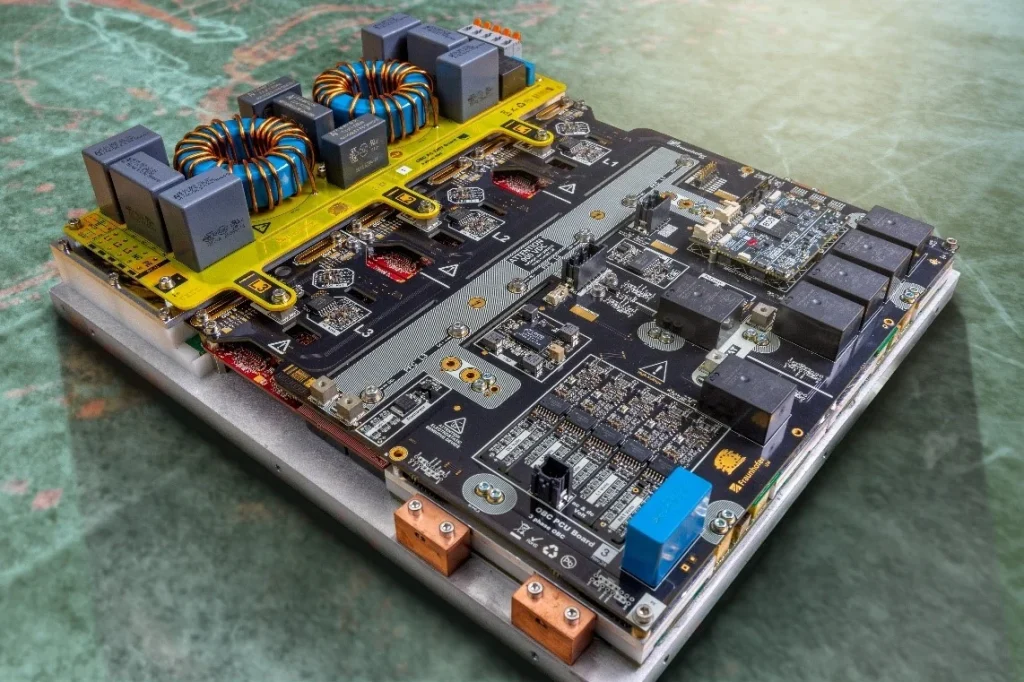
The financial concern is greatest when the charger and associated electronics are integrated into a costly assembly that is difficult to obtain. Parts delays can also leave an older vehicle at a repair facility for an extended period.
Owners should request an itemized diagnosis rather than accepting a complete electronics assembly replacement without evidence that the entire unit has failed.
10. Extensive High-Voltage Wiring Harness and Connector Damage
High-voltage wiring carries electricity between the battery, inverter, electric motor, and other major electrical components. These cables have specialized insulation designed to handle an EV’s electrical demands. Their bright orange covering also helps technicians identify high-voltage circuits during servicing.
Damage to one cable does not automatically require replacing the entire wiring system. However, a serious collision, fire, rodent damage, or electrical fault can affect several sections of the harness and their associated connectors.
The problem becomes particularly expensive when wiring runs through structural sections, beneath the floor, or behind interior components. Replacing a damaged harness may involve substantial disassembly, specialized testing, and careful reinstallation.
Connectors create additional complications. High-voltage connections must maintain secure electrical contact and proper insulation. Damage to connector housings, locking mechanisms, or seals can affect safety and reliability. A poorly repaired connection is not an acceptable substitute for manufacturer-approved procedures.
NHTSA’s high-voltage vehicle guidance warns that exposed electrical components and damaged battery connections can present serious shock hazards. It recommends avoiding direct contact with damaged components and leaving repairs to qualified professionals.
Costs increase when the damage extends beyond one accessible cable. An EV that has experienced a fire or substantial collision might require replacement of the battery harness, motor cables, charging connections, and other electrical assemblies.
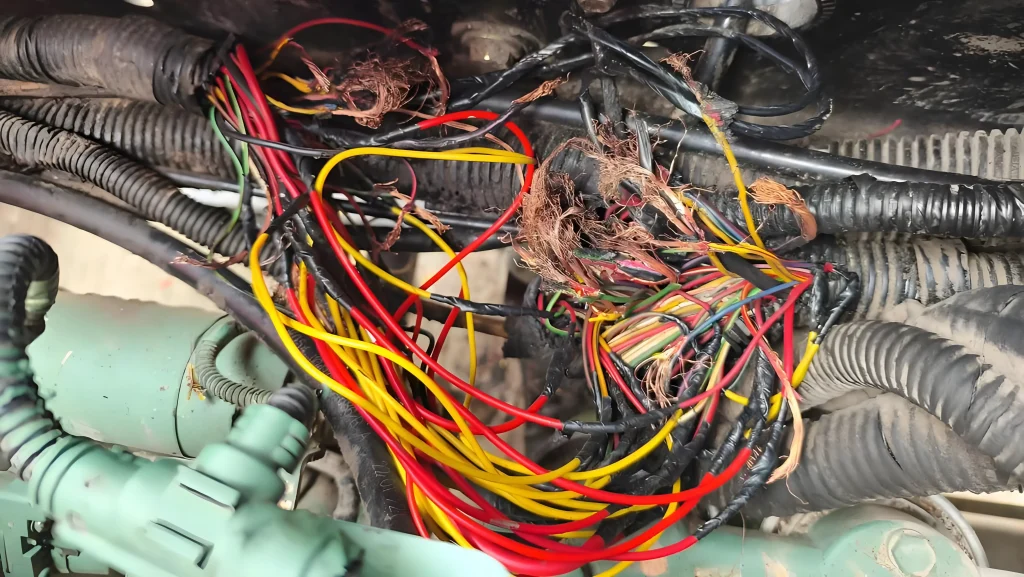
A qualified technician should identify the damaged circuits and establish whether individual sections can be safely replaced. Replacing an entire harness without confirming that it is necessary can make the repair unnecessarily expensive.
For an older electric vehicle, extensive harness replacement combined with other electrical faults can exceed its economic value.
Before authorizing the job, request an itemized estimate covering wiring, connectors, diagnostic labor, and required programming. If several major electrical assemblies are affected, compare the estimate with the vehicle’s actual cash value.
11. Battery Cooling System and Thermal Management Overhaul
Electric vehicle batteries operate within temperature limits established by their manufacturers. To maintain suitable conditions, many EVs use liquid cooling or heating systems involving pumps, valves, heat exchangers, coolant passages, and electronic controls.
When the thermal management system develops a serious fault, battery performance and charging capability can suffer. Depending on the vehicle, the system may reduce charging speed, restrict power, display temperature warnings, or prevent normal operation.
A relatively small failure, such as a leaking hose or defective coolant pump, might be inexpensive compared with replacing an entire battery. However, the situation changes when the cooling problem has already caused battery damage.
For instance, a malfunctioning cooling component could cause the battery to operate beyond its recommended temperature range. If this leads to internal damage, the owner may need to pay for both cooling system repairs and the repair or replacement of the affected battery assembly.
Some EVs use integrated thermal management systems that coordinate battery temperature, cabin heating, and power electronics cooling. A failure involving shared components can therefore affect several vehicle functions.
A technician should not recommend battery replacement simply because the vehicle displays a temperature-related warning. The original cause must be identified through diagnostic testing and inspection.
Manufacturer service procedures are particularly important because coolant specifications, bleeding methods, pressure requirements, and component arrangements differ between models.
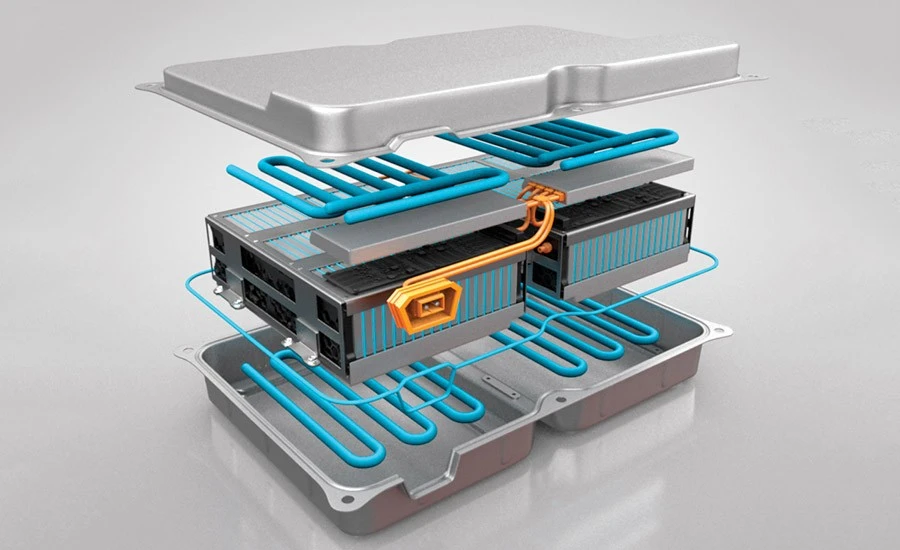
A cooling system repair alone is rarely enough to restore a healthy electric vehicle. The concern arises when overheating or coolant-related damage spreads into the battery or other expensive high-voltage components.
If the repair requires replacing a damaged battery pack, thermal management hardware, and associated electronics, the combined bill can become economically unreasonable. Owners should obtain a complete system assessment before deciding whether the vehicle is worth repairing.
12. Severe Collision Damage Requiring Battery Removal and Complete System Recalibration
The final scenario involves several expensive operations following a major collision. An electric vehicle might require extensive bodywork, battery removal, structural repairs, replacement of high-voltage components, and recalibration of electronic safety systems before it can return to the road.
A collision that damages the front or rear structure may affect sensors, wiring, cooling components, suspension mounting points, and other systems. If the battery must also be removed for inspection or replacement, the repair becomes considerably more involved.
Modern EVs rely on interconnected electronic systems. After structural or electrical repairs, technicians may need diagnostic checks, software procedures, sensor calibration, and manufacturer-required verification.
Advanced driver assistance systems can also require recalibration when their sensors or mounting locations are disturbed.
Mitchell’s Q2 2026 U.S. collision data reported an average repairable claim severity of $5,684 for battery-electric vehicles. The figure was higher than the $4,955 average for conventional gasoline vehicles, although the difference had narrowed compared with earlier periods. These figures represent average repairable claims, not the cost of a severe battery-related collision.
The biggest financial concern is the accumulation of repair operations. A vehicle might need $8,000 in body repairs, $12,000 in battery-related work, and several thousand dollars in electrical and calibration procedures. Whether that makes it a total loss depends on its actual cash value and applicable state rules.
An insurer may decide that paying the vehicle’s pre-loss market value is more economical than restoring it.
A detailed collision estimate should include hidden damage, battery inspection, structural measurements, replacement parts, labor, and required calibration.
This is one situation where exterior condition can be misleading. A car that looks repairable from the outside may have substantial damage beneath the passenger compartment.