A vehicle identification number is much more than a serial number stamped onto a car. In the United States, a VIN-based search can help buyers verify a vehicle’s identity, check for open safety recalls, review title brands, and uncover certain theft or salvage records.
More detailed vehicle-history reports may also show recorded mileage, previous damage events, ownership changes, and other history entries.
The information depends on the database being searched, so a clean result is never a guarantee that a car has a perfect past. Here are twelve useful details a VIN check can reveal before you buy.
1. The Vehicle’s Exact Identity
The first thing a VIN check establishes is which vehicle the number actually identifies. In the United States, most modern passenger vehicles use a 17-character VIN made up of letters and numbers. It is designed to identify an individual vehicle, rather than simply naming a model range.
Entering the number into the National Highway Traffic Safety Administration’s VIN decoder can return manufacturer-reported details such as make, model, model year, body class, and other vehicle specifications.
This matters because a used-car advertisement can describe a vehicle incorrectly, whether through an innocent listing mistake or deliberate misrepresentation.
A seller might advertise a higher trim, a different model year, or an engine configuration that the vehicle never had. Comparing the VIN-decoded information with the advertisement, registration documents, and physical vehicle helps identify inconsistencies before money changes hands.
The VIN is also useful when checking whether the vehicle’s paperwork belongs to the car being inspected. Buyers should compare the number displayed at the lower corner of the windshield with the VIN on the driver’s door-jamb label and the title or registration documents.
All should match. A mismatch deserves an explanation and independent verification, not a casual assurance from the seller.

A basic decoder has its limitations, as it may not reveal every optional package, specific trim level, or factory-installed accessory. Some details may also be missing or presented differently depending on the manufacturer. Buyers seeking a complete equipment breakdown may need to obtain the vehicle’s original window sticker or factory build record.
Think of this first check as an identity test. It helps establish what the vehicle is supposed to be before you investigate what has happened to it.
2. The Model Year and Manufacturing Plant
A VIN search can help establish the vehicle’s model year and where it was assembled. These details are useful because a car’s registration date, manufacturing date, and model year are not necessarily identical.
A vehicle first sold or registered in 2021, for example, could be a 2022 model-year vehicle manufactured during the previous calendar year. Checking the VIN helps prevent confusion when comparing advertisements, parts, warranties, and recall information.
NHTSA’s VIN decoder provides manufacturer-reported vehicle information, including the manufacturing plant and country. Its results include a plant-information section that identifies where the vehicle was built.
This can be particularly useful when two vehicles share a model name but come from different assembly locations or manufacturing facilities.
The manufacturing location can also help buyers verify a seller’s claims. If an advertisement describes a vehicle as being assembled in a particular country, the VIN decoder provides a way to check that statement against the manufacturer’s submitted data. This is more reliable than judging the origin from the badge on the grille or the brand’s headquarters.
However, the assembly location should not be confused with the origin of every component. A vehicle assembled in the United States may contain an engine, transmission, or other parts manufactured elsewhere. The VIN’s plant information identifies the vehicle’s assembly facility, not the complete supply chain behind it.
Model-year decoding also helps when ordering replacement components. A part advertised for a particular generation may not fit every production version, especially when manufacturers make mid-cycle changes. Confirming the VIN with a parts department can prevent an incorrect purchase.
This information is especially valuable when a seller’s paperwork, advertisement, and physical vehicle appear to describe slightly different versions. A decoder provides an independent starting point for resolving those differences.
3. Open Safety Recalls
One of the most important things a VIN check can reveal is whether a vehicle has an outstanding safety recall. This is particularly valuable when buying a used car because the current owner may not know that a manufacturer has issued a recall or may have received a notice without arranging the repair.
The National Highway Traffic Safety Administration (NHTSA) offers a free VIN lookup that identifies unrepaired safety recalls associated with a specific vehicle.
The result can include the recall campaign and information about the safety problem. Manufacturers generally provide recall repairs at no charge to the owner, although the remedy and process depend on the campaign.
A recall might involve a defective airbag inflator, a fuel-system leak, a faulty electrical connection, or a software problem affecting safety equipment.
The VIN search is more useful than simply searching the model name because not every vehicle of the same year and model is necessarily included in a particular campaign. Production dates, factories, equipment, and component suppliers can determine which vehicles are affected.
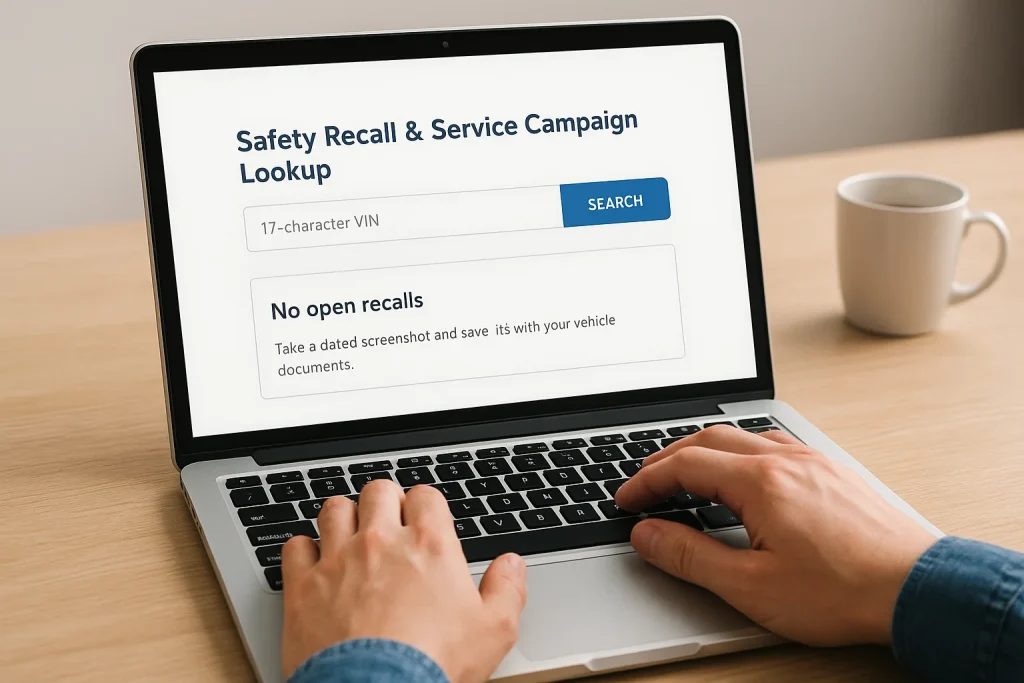
There is an important limitation. NHTSA says its VIN search does not display recalls that have already been repaired, some newly announced campaigns before all affected VINs are identified, recalls more than 15 years old in most cases, or certain manufacturer service campaigns that are not safety recalls.
A result showing no unrepaired recalls is reassuring, but it is not proof that the vehicle has never had a recall or that no new recall will be announced later.
Buyers should ask for repair documentation and check again before completing the purchase. An outstanding recall is not necessarily a reason to reject a car, but it should be resolved before regular use whenever possible.
4. Title Brands Such as Salvage or Flood
A VIN-based vehicle-history report can reveal whether a state has assigned the car a title brand. These labels describe important aspects of a vehicle’s legal or damage history. Common examples include salvage, rebuilt, flood, junk, and other state-defined designations.
The National Motor Vehicle Title Information System (NMVTIS), operated under the U.S. Department of Justice, collects title and brand information from state motor vehicle agencies.
Its consumer reports can show current and historical title brands, helping buyers identify vehicles that may have suffered serious damage or been declared a total loss.
A salvage brand generally indicates that a vehicle has been declared a total loss or otherwise meets the state’s salvage criteria. A rebuilt brand may indicate that a previously salvage-branded vehicle has been repaired and inspected under applicable state procedures.
A flood brand can identify water damage history, which deserves particular attention because moisture can affect wiring, control modules, connectors, and safety systems long after the vehicle appears dry.
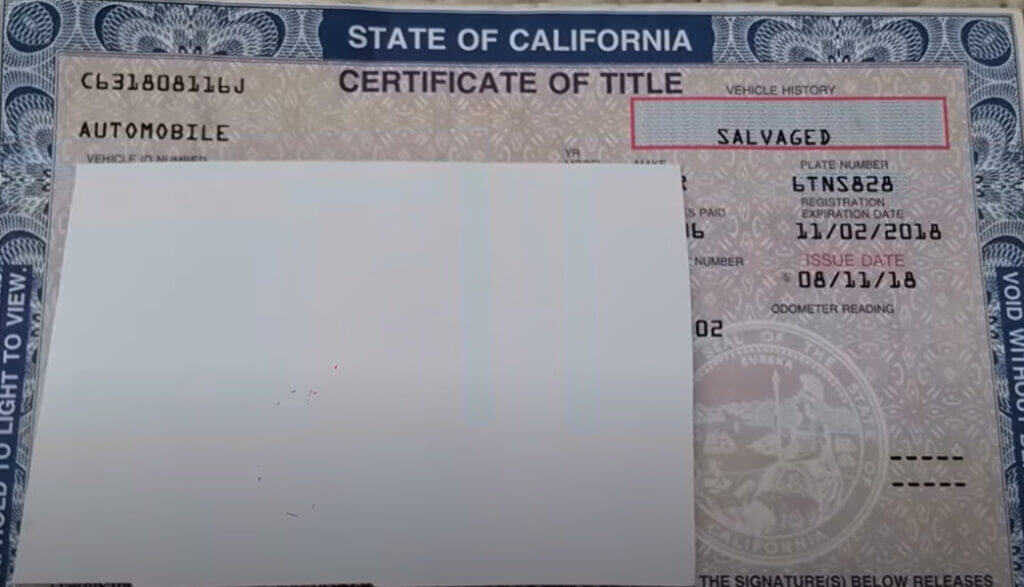
The distinction matters financially. A branded-title vehicle may be worth substantially less than a comparable car with a clean title, and some insurers or lenders may apply restrictions. A rebuilt vehicle is not automatically unsafe, but buyers need evidence of the quality of the repairs and should arrange an independent inspection.
NMVTIS is not a complete repair diary. It depends on records reported by participating entities, so damage that was never reported or never resulted in a title brand may not appear. A clean brand history should therefore be treated as one useful finding, not a guarantee of a damage-free vehicle.
5. Previous Odometer Readings
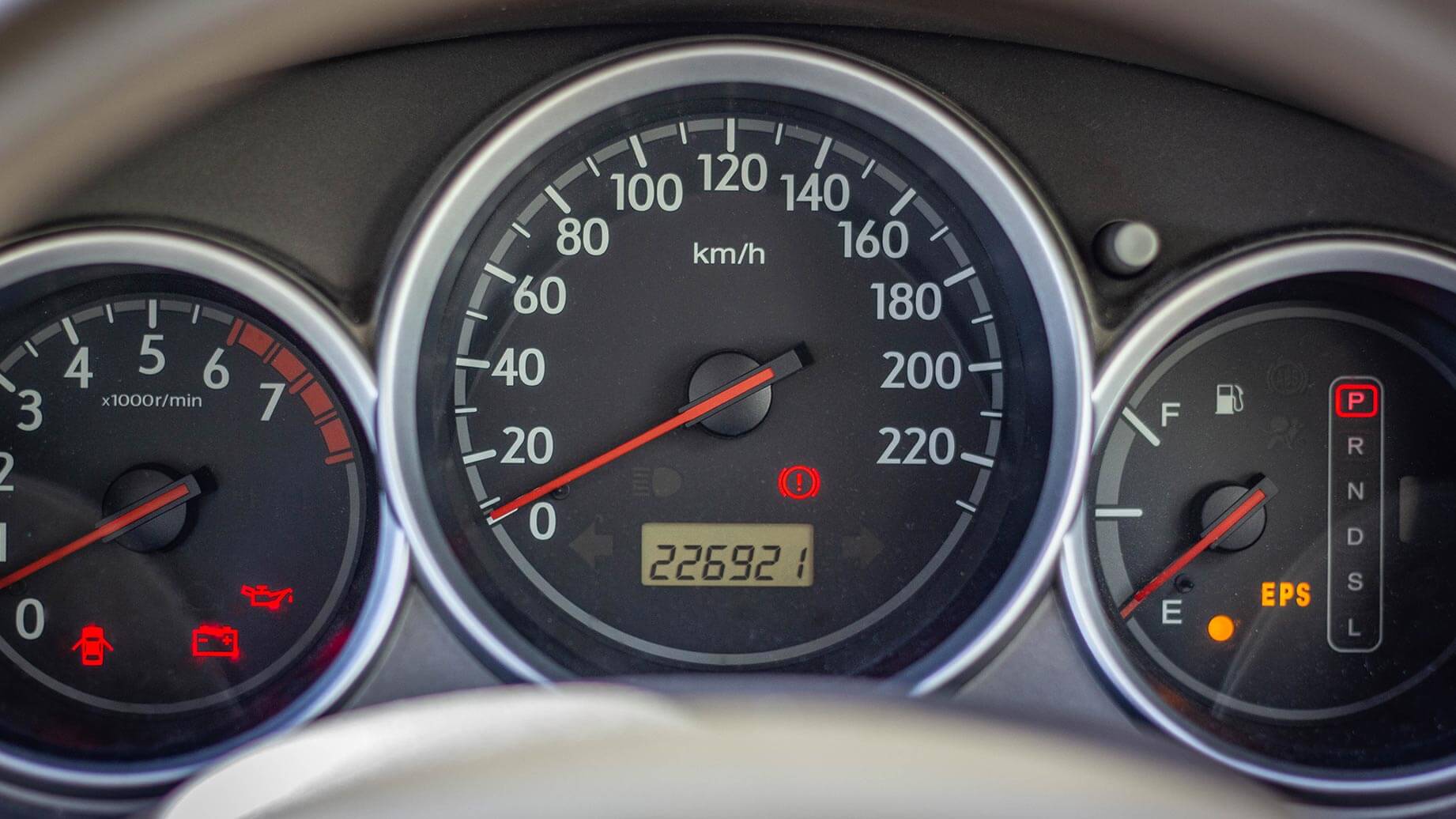
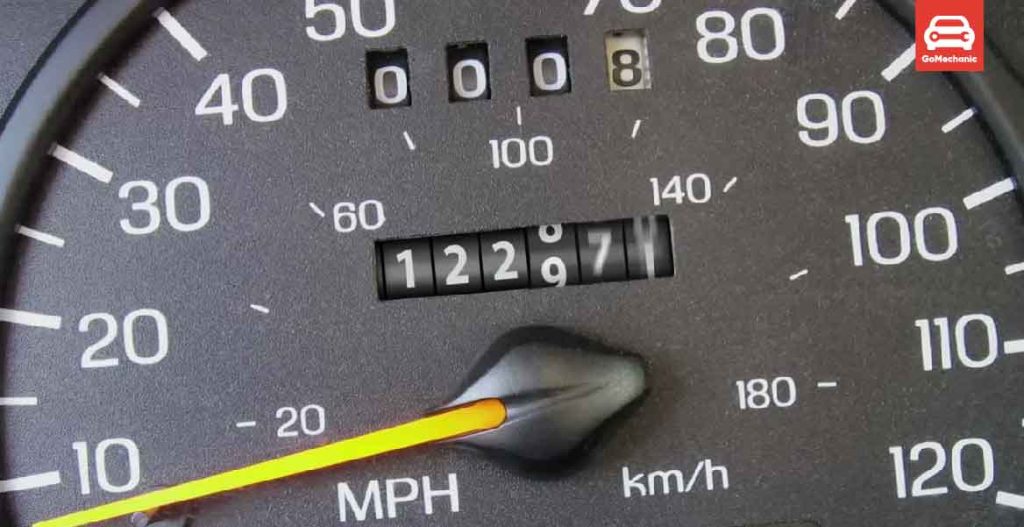
A VIN check can help you determine whether the mileage displayed on a used car is consistent with earlier records. This is one of the most valuable checks when a vehicle has changed hands several times.
An odometer reading of 62,000 miles may look attractive, but an earlier record showing 118,000 miles would immediately raise a serious question about possible mileage rollback.
NMVTIS reports can include the latest odometer reading reported by state titling agencies and other required sources.
Some commercial vehicle-history services provide additional mileage entries from inspections, registrations, auctions, and service records. The number and dates of available entries vary by vehicle and reporting source.
Look for a logical progression. If one record shows 34,000 miles in 2021, another shows 51,000 in 2023, and the dashboard now displays 67,000, the sequence appears plausible. A later record showing 29,000 miles would require investigation.
It might be a data-entry error, a replacement instrument cluster, or evidence of odometer tampering. The report alone cannot establish which explanation is correct.
NHTSA advises buyers to compare the odometer with title documents, maintenance records, inspection paperwork, and physical wear. Pedals, seats, steering wheels, and other frequently touched surfaces can provide additional clues, although wear is not conclusive proof of mileage.
Federal law requires odometer disclosures for most vehicle transfers, with exemptions applying to certain older vehicles. Buyers should still check the available records rather than relying entirely on a seller’s written statement.
A mileage inconsistency should never be dismissed simply because the car drives well. Ask the seller for an explanation and supporting paperwork. If the discrepancy cannot be resolved, treat it as a serious warning and consider walking away.
6. Previous Total-Loss Claims
A vehicle can look clean, drive normally, and still have a history of being declared a total loss by an insurance company. A VIN-based history report may reveal this event, giving buyers information that is difficult to establish through a quick visual inspection.
NMVTIS includes total-loss information reported by insurance carriers. A total-loss record generally means an insurer determined that the vehicle met its applicable criteria for being treated as a total loss.
The decision can depend on the vehicle’s value, estimated repair cost, state rules, and the circumstances of the claim. It does not automatically mean the car was destroyed.
This distinction matters because total-loss vehicles can have very different histories. One may have suffered major structural damage, while another may have been written off because repair costs exceeded its value after a collision.
Some vehicles are repaired and returned to the road under a rebuilt or similar title status, subject to state requirements.
The financial consequences can be significant. A car with a total-loss history may be harder to insure, finance, or resell. Its market value can be substantially lower than that of an equivalent vehicle with a clean history. Buyers should not compare prices without accounting for the damage record and quality of repairs.
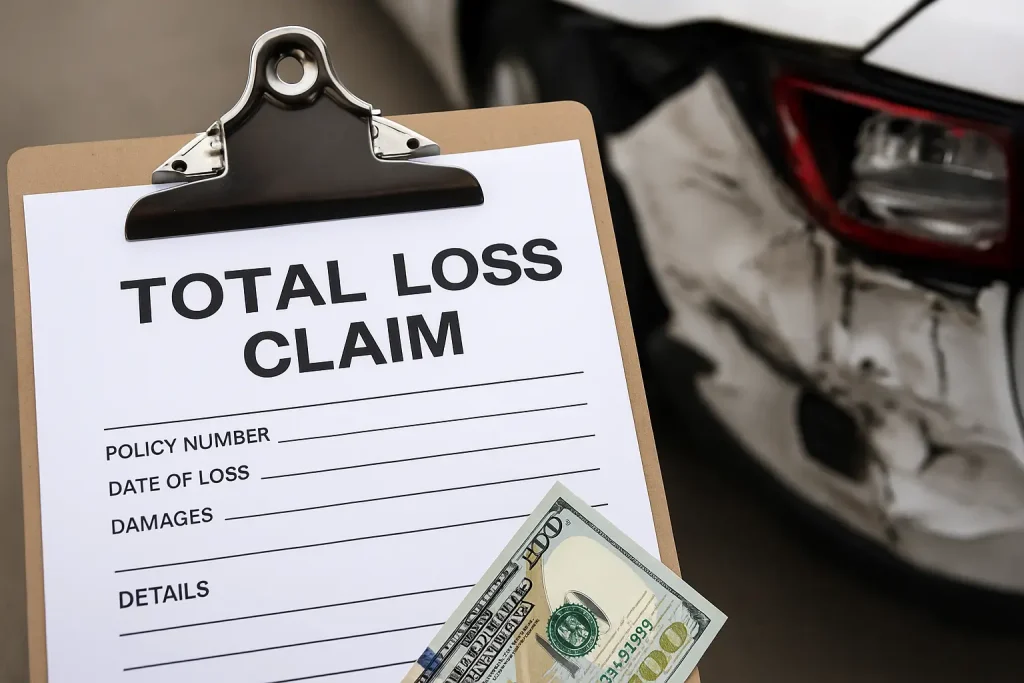
A total-loss entry is a reason to investigate, not an automatic verdict on the vehicle’s present condition. Ask for the insurance documentation, photographs from before repairs, invoices, and inspection records.
An independent body-shop inspection can help identify evidence of structural repairs, poor panel alignment, or replaced safety components.
Remember that a report may not contain every claim. If an incident was never reported to an insurer or reporting source, it may not appear. A clean result does not prove the vehicle has never been damaged.
7. Reported Theft History
A VIN search can help identify whether a vehicle has appeared in theft-related records. This is an important safeguard because a stolen vehicle can be offered for sale using fraudulent paperwork, altered identification numbers, or an apparently legitimate ownership history.
NMVTIS reports may include theft information in certain circumstances, while some vehicle-history services also obtain records from theft databases. The information and coverage depend on the provider and source.
AAMVA explains that NMVTIS can provide historical theft information in some cases, alongside title, odometer, and brand records.
The key concern is whether the vehicle is currently listed as stolen or has an unresolved theft record. A stolen vehicle may be subject to recovery by law enforcement, and a buyer who unknowingly purchases one can face a serious legal and financial problem.
Even if the vehicle has been recovered, a theft history may be relevant when assessing missing components, damage, or repairs.
Do not assume that every theft entry means the vehicle remains stolen. Records can be outdated, cancelled, or awaiting correction.
The Texas Department of Motor Vehicles’ NMVTIS guidance notes that theft information can remain visible even when a theft report has been closed or cancelled. The status should be independently verified with the relevant law enforcement agency.

Before paying, compare the VIN on the vehicle with its title and registration documents. If the numbers do not match, or if there are signs of tampering around identification labels, stop the transaction and seek official verification.
A theft-related entry deserves careful attention, but it should be interpreted in context. Confirm the record’s current status rather than relying on a single line in a report.
8. Previous State Registration
A VIN history can reveal the states in which a vehicle was previously titled or registered, depending on the information available from the reporting service. This can help buyers understand where a car has spent much of its life and identify changes in its ownership and title history.
NMVTIS maintains current and historical title information from state motor vehicle agencies. Its reports can show the current state of title, previous title states, and title issue dates. This is useful when a vehicle has moved between states because a title brand or other important record may have been recorded somewhere other than the state where it is now being sold.
Geography can provide useful context. A vehicle previously registered in a coastal region may deserve closer inspection for salt exposure, while one from an area prone to flooding may warrant a careful check for water damage.
Cars used in regions with heavy winter road-salt application can also develop corrosion underneath, especially around brake lines, suspension components, and structural seams.
However, registration location is not proof of damage. A car registered in Florida is not automatically flood-damaged, and a vehicle from a northern state is not necessarily rusty. These details should guide the inspection rather than determine the purchase decision.
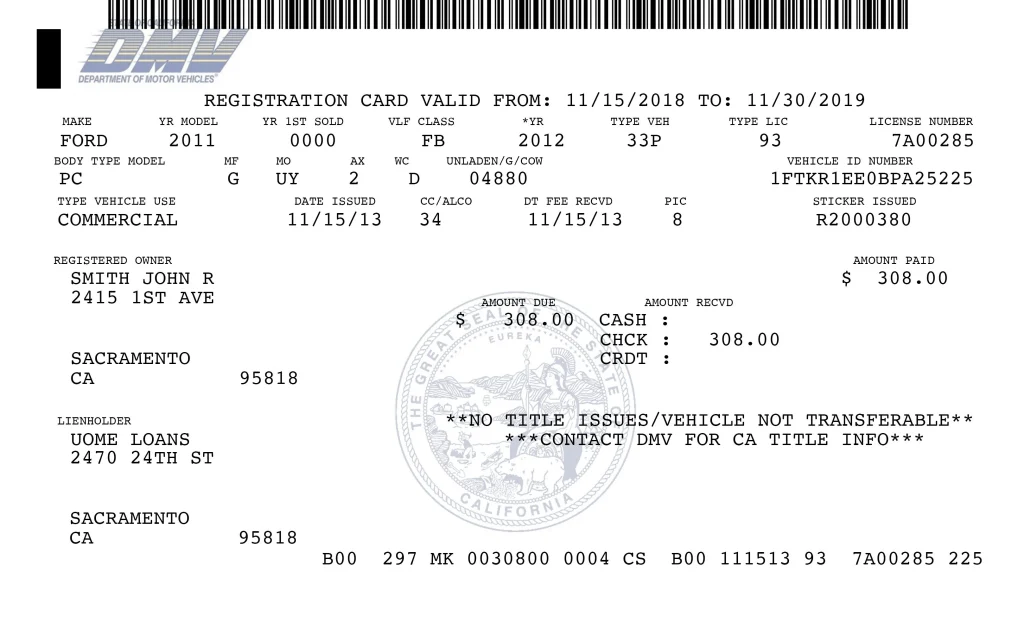
Pay attention to rapid state changes, too. Frequent transfers are not necessarily suspicious, but they can make the paper trail more complicated. Check whether the title documents, seller’s identification, and current registration details are consistent.
A history report provides a useful timeline, but it may not show every place a vehicle was driven. Use the state information to ask better questions and direct the physical inspection toward potential environmental damage.
9. Previous Use as a Rental, Taxi, or Fleet Vehicle
A VIN history report may identify whether a car was previously used as a rental, taxi, police vehicle, or commercial fleet vehicle. This matters because a vehicle’s working history can influence its mileage, wear, maintenance needs, and resale value.
Some commercial vehicle-history providers collect records from auctions, registration databases, fleet operators, and other sources. Depending on the provider, the report may identify a previous rental or commercial-use designation.
NMVTIS itself focuses on title, brand, odometer, total-loss, and salvage information, so buyers should not assume that every rental or fleet record will appear in an NMVTIS report.
A former rental car is not automatically a bad purchase. Large rental companies often follow scheduled maintenance programs, and some vehicles receive regular servicing because they are important business assets.
However, rentals can experience frequent driver changes, varied driving styles, and heavy use. A vehicle may have accumulated substantial mileage in a relatively short period.
Taxi and rideshare vehicles can have a different pattern of wear. Frequent stopping, idling, short trips, and extended daily operation may affect brakes, suspension, seats, door mechanisms, and interior trim. Police vehicles can also have specialized equipment or modifications, depending on their previous assignment.
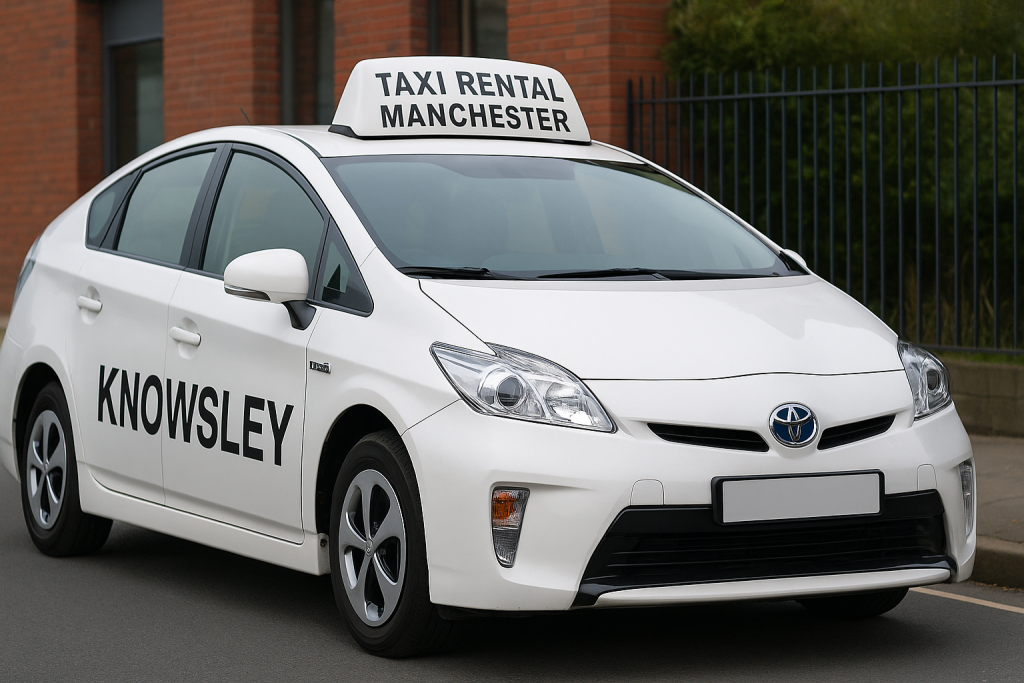
The important question is not simply whether the car had commercial use. It is whether its maintenance history and current condition justify the asking price. Ask for service invoices, inspect the cabin carefully, and check the suspension and brakes during an independent inspection.
If the seller advertises a vehicle as privately owned but the history indicates previous fleet use, request clarification. That discrepancy does not automatically prove dishonesty, but it should be resolved before you negotiate.
10. Previous Accident Records
A VIN check may reveal reported accident or damage events, giving buyers a reason to investigate a vehicle’s past before arranging a test drive. Some commercial history providers collect accident information from police reports, insurance records, repair facilities, auctions, and other reporting sources.
The detail available can vary considerably. One report might identify a collision date and location, while another may provide a damage description or estimated severity.
A basic NMVTIS report is not designed to provide a complete accident history, so buyers should distinguish between information from NMVTIS and additional records supplied by commercial services.
Not every accident makes a vehicle unsafe. A minor parking collision involving a replaceable bumper cover is very different from a high-speed impact that damages the frame rails, suspension mounting points, or airbag system. The report may not contain enough detail to establish the difference.
That is why the accident entry should lead to further questions. Ask whether the vehicle had structural repairs, whether airbags deployed, and whether the work was completed by a qualified repair facility.
Request photographs and invoices if they are available. An independent inspection should include panel gaps, paint thickness, welds, underbody condition, suspension alignment, and diagnostic checks for airbag faults.
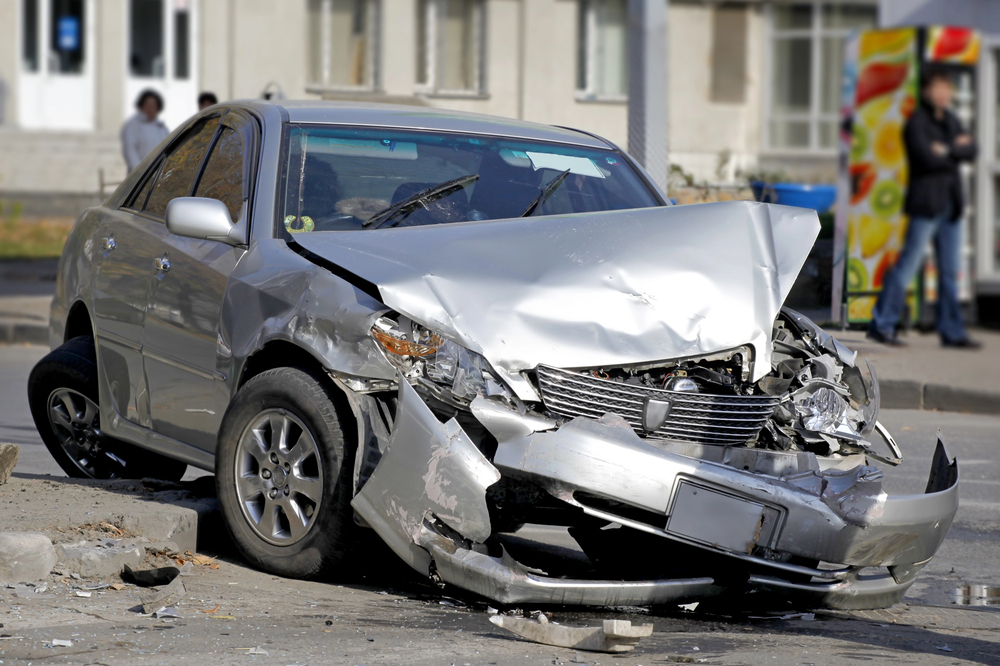
Another important drawback is that accidents repaired privately and not reported to any participating source may go undocumented. This means that even if a vehicle has a clean history report, it does not necessarily mean that it has never been involved in an accident.
Use the record as a starting point, not a final judgment. The quality of the repairs and the vehicle’s present condition matter more than the mere existence of an accident entry.
11. Reported Maintenance and Service Records
Some VIN-based commercial vehicle-history reports include maintenance entries that help buyers understand how a car was cared for. Depending on the provider, these records may come from participating dealerships, repair shops, inspection stations, or other service databases.
A report might show an oil change, tire replacement, brake service, battery replacement, or a scheduled inspection. When several dated entries are available, they can help establish whether the vehicle received regular attention. A consistent history is useful because it gives buyers more than the seller’s verbal description of the car’s maintenance.
However, service coverage is not universal. Independent mechanics may not submit records to vehicle-history databases, and work completed by an owner at home may never be recorded. NMVTIS is not a maintenance-history database. Its principal consumer information covers title, brand, odometer, total-loss, and salvage history.
This means an empty service section does not prove that the car was neglected. Equally, a report containing several maintenance entries does not guarantee that all important work was completed correctly.
Look for evidence of major scheduled services, especially on vehicles with timing belts, specialized transmission requirements, or manufacturer-prescribed maintenance intervals.
Ask the seller for original invoices and compare the recorded mileage with the odometer. A dealership service department may also be able to confirm work performed within its own network.
The most useful maintenance history is specific. An invoice showing the date, mileage, parts, and work performed is stronger evidence than a vague entry stating that the vehicle was serviced.
A VIN report can make maintenance easier to investigate, but original documentation and a mechanical inspection remain important.
12. Potential VIN Cloning or Identity Problems
The final check is not a conventional feature of every vehicle-history report, but comparing the VIN across multiple records can help reveal possible identity problems.
VIN cloning occurs when criminals use the identity of a legitimate vehicle on another vehicle, often one that has been stolen. The goal is to make the stolen car appear to have a legitimate ownership history.
Start by checking that the VIN displayed at the windshield, on the driver’s door-jamb label, and on the title documents matches exactly. Then compare the vehicle’s decoded make, model year, body style, and other identifying information with the physical car.
NHTSA’s VIN decoder and NMVTIS title information can help identify inconsistencies in the vehicle’s reported identity.
Watch for warning signs such as damaged labels, unusual rivets, altered plates, mismatched characters, or paperwork that describes a different vehicle.
A history report showing a different model or body style for the same VIN is another reason to stop and investigate. These signs do not independently prove cloning, but they justify verification through the state DMV or law enforcement.
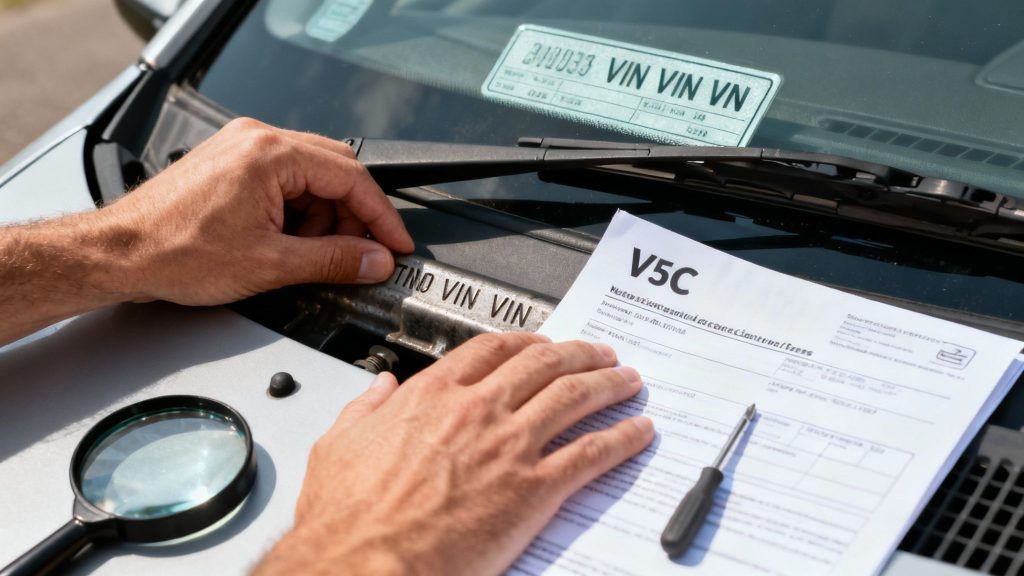
Be especially cautious if the seller refuses to allow an inspection, pressures you to pay immediately, or offers paperwork that cannot be independently checked. Do not rely on a photograph of a VIN plate supplied by the seller when you can inspect the actual vehicle.
If you suspect tampering or cloning, do not attempt to alter or repair the identification markings yourself. Contact the appropriate authorities and let them verify the vehicle’s identity.
A legitimate-looking report is not enough if the physical VIN does not match the documents. Confirming that the car and its paperwork belong together is essential before completing the purchase.