A vehicle safety recall can affect thousands or even millions of cars, yet not every owner receives a letter explaining the problem. You might hear about a dangerous defect affecting your vehicle’s model year and wonder why nothing has arrived.
The reasons range from outdated registration details and previous ownership to incomplete investigations and notification delays. In the United States, automakers must notify affected owners, but the process depends on accurate vehicle and contact records. Here are 11 reasons your recall letter may never have reached you.
1. Your Vehicle Registration Still Has Your Old Mailing Address
An outdated mailing address is one of the simplest reasons a recall letter might never reach you. When an automaker announces a safety recall, it must identify affected vehicles and make reasonable efforts to contact their registered owners.
State motor vehicle registration records help manufacturers locate those owners. If you moved without updating your vehicle registration, the letter could be sent to your previous address.
This can happen even if you have updated your details with your bank, insurance company, and employer. Those organizations do not necessarily share their customer information with vehicle manufacturers. Your car could be included in a recall while the official notification goes to an address where you no longer live.
The National Highway Traffic Safety Administration (NHTSA) explains that manufacturers use vehicle purchase information and state registration records to identify owners.
Federal law requires manufacturers to notify owners whose names and addresses are reasonably ascertainable through available records. However, that does not guarantee the letter reaches the person currently driving the vehicle.
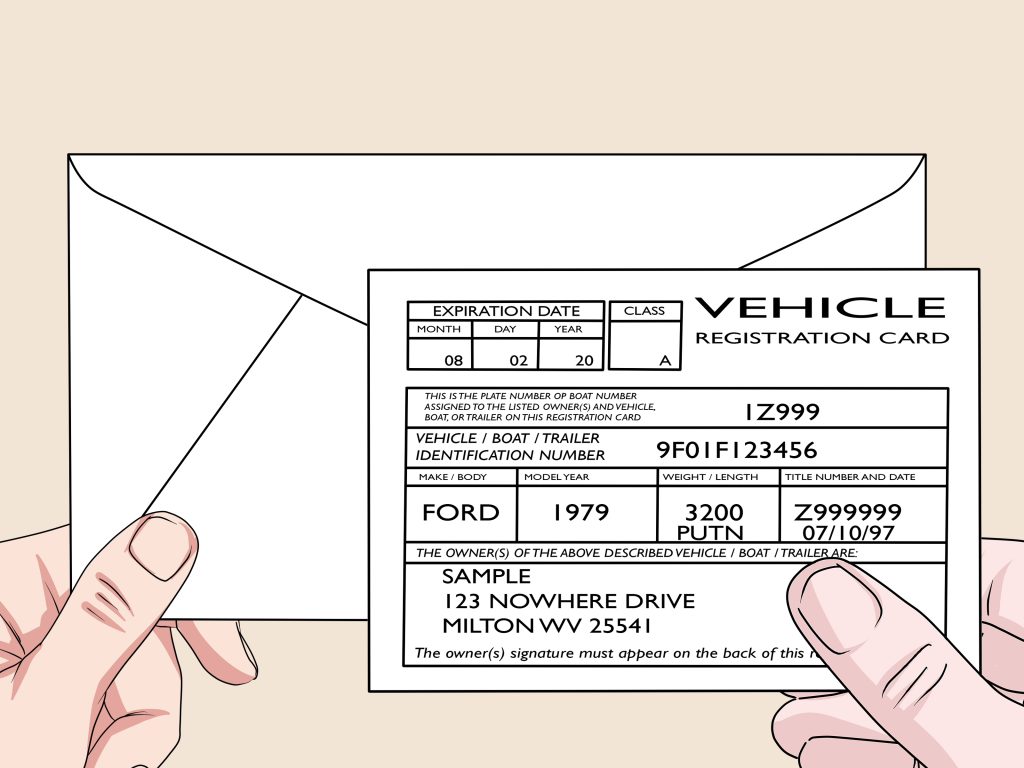
Update your mailing address with your state’s Department of Motor Vehicles whenever you move. Also verify that the address associated with your vehicle registration is correct. Do not assume changing your driver’s license address automatically updates every vehicle record.
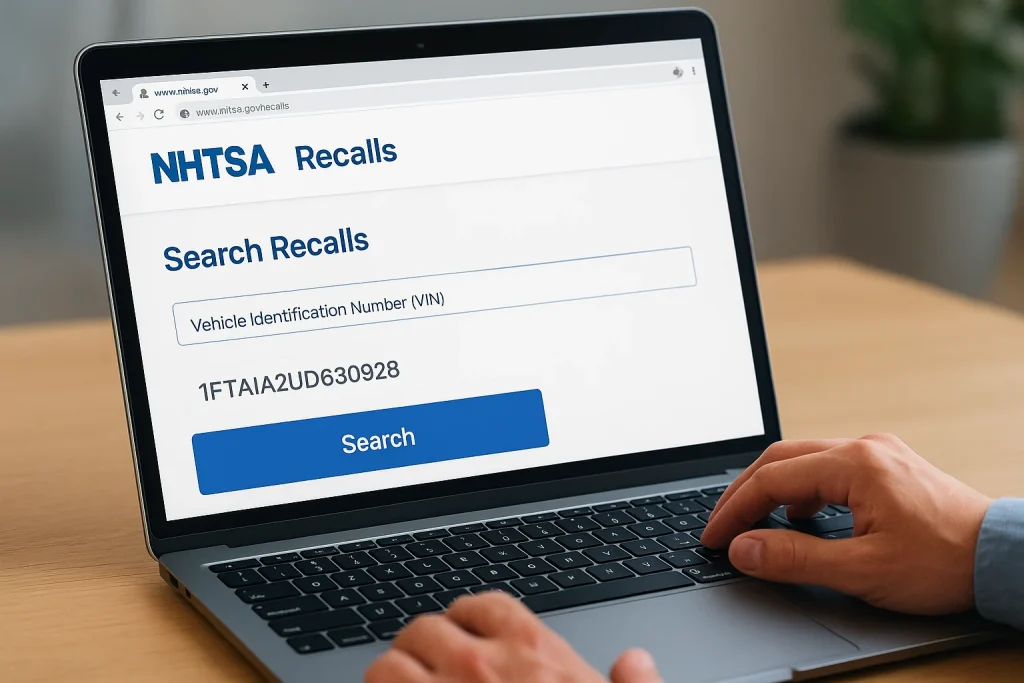
You should also check for outstanding recalls using your Vehicle Identification Number (VIN). Even if an outdated address prevented the letter from reaching you, an eligible safety recall can still be repaired without charge at an authorized dealership.
2. You Purchased the Vehicle From a Previous Owner
Buying a used vehicle can create another gap in recall communication. A car’s recall history does not disappear when ownership changes, but the manufacturer’s contact information might still identify the previous owner. This is particularly common with vehicles purchased through private sales, independent dealerships, auctions, or online marketplaces.
The previous owner may have received manufacturer communications for years, but that does not guarantee the new owner will receive future notices. If the title and registration transfer has not been completed properly, the manufacturer could continue relying on outdated ownership information.
NHTSA has highlighted this problem through research into recall notification effectiveness. During a door-to-door outreach initiative involving older vehicles affected by Takata airbag recalls in Houston and South Florida, nearly 50% of the registration information examined did not correctly identify the vehicle’s owner.
Among those inaccurate records, approximately 80% involved vehicles that had been sold, while 20% involved owners who had moved. These findings show how ownership changes can interfere with recall communication.

Purchasing a used car and updating its manufacturer’s ownership records are also separate steps. Some automakers allow owners to enter their VIN through an online account, while others provide customer assistance departments that can update contact information.
After buying a used vehicle, complete the title and registration transfer promptly, update the manufacturer’s records, and check the VIN for unrepaired recalls. Never assume the previous owner has already addressed every safety issue.
3. The Recall Has Been Announced, but Your VIN Has Not Been Identified Yet
Hearing that your vehicle’s model has been recalled does not necessarily mean your particular car is included. Recall announcements often identify specific model years, production periods, or groups of vehicles rather than every example sold under the same name.
Automakers examine manufacturing records, supplier information, production dates, and component batches to determine which vehicles contain the suspected defect. For example, a supplier might discover a manufacturing problem affecting one batch of fuel pumps.
Even if the same pump was used across several model years, only vehicles fitted with components from that batch may qualify.
Identifying every affected VIN can take time. Some recently announced recalls initially appear without complete vehicle identification information. Manufacturers may add eligible VINs as their investigations progress. As a result, checking immediately after a recall headline appears might produce a result that changes later.
A missing letter should therefore not automatically be interpreted as proof that your vehicle is unaffected. You might own the correct model and production year but still be waiting for the manufacturer to establish whether your individual vehicle falls within the affected group.
Check your VIN through NHTSA’s recall database rather than relying exclusively on the model name. If the announcement is recent, repeat the search later and contact the manufacturer’s customer service department for clarification.
The important distinction is between a model being associated with a recall and your specific VIN being confirmed as affected. Until that identification process is complete, your mailbox might remain empty.
4. Your Vehicle Was Already Repaired Under an Earlier Recall
Your vehicle might not need another notification because the required repair has already been completed. Manufacturers track recall repairs using vehicle identification numbers and dealership service records. When an authorized dealership performs a recall remedy, the work is generally recorded against the VIN.
This frequently occurs in the used-car market. You might buy a pre-owned sedan and discover that its model was included in an airbag recall several years earlier. However, the previous owner may already have taken it to a dealership, where the defective component was replaced.
A dealership might also have completed the repair before the vehicle was sold. Some recalled vehicles are repaired while sitting in dealership inventory, particularly when a manufacturer announces a campaign affecting unsold stock. The next buyer may never receive a notification because the necessary work has already been performed.
NHTSA’s VIN lookup is designed to display outstanding, unrepaired safety recalls. It does not display completed repairs in the same way. Therefore, a search showing no unrepaired recalls does not necessarily mean the vehicle was never recalled. It may simply mean the required work has been completed.
To confirm what happened, contact an authorized dealership or the manufacturer’s customer service department. Ask for the recall completion history associated with your VIN. A service invoice or repair order can help establish whether the work was performed.
Remember that an earlier repair does not automatically cover a different defect announced later. Check each recall campaign and its completion status separately.
5. The Manufacturer Has Not Finished Preparing the Recall Notification
A public recall announcement and a letter arriving at your home do not necessarily happen at the same time. A manufacturer might announce a safety recall and notify dealerships before individual owner letters reach customers. This creates a period when information is available online, but affected motorists have not received anything by mail.
Under federal recall requirements, manufacturers generally must provide owner notification within 60 days after filing the relevant defect or noncompliance report with NHTSA.
However, that does not mean every owner receives a letter immediately after a recall becomes public. Manufacturers must identify affected vehicles, prepare notifications, obtain mailing information, and arrange distribution.
The process can become more complicated when a permanent repair is not ready. A manufacturer might identify a dangerous component but still need additional engineering work, supplier production, testing, or dealership instructions before repairs can begin.
Federal regulations account for situations in which the remedy is unavailable. Owners may initially receive an interim notification explaining the defect, its potential risks, and any precautions they should follow. A later communication provides instructions once the repair becomes available.
An empty mailbox does not necessarily mean the manufacturer has forgotten your vehicle. The notification process may still be progressing, particularly during a large recall involving several production facilities or suppliers.
Do not rely exclusively on postal delivery. Check NHTSA’s recall information and the manufacturer’s official recall portal to establish whether your VIN is affected. If a recall has been announced, contact an authorized dealership for the latest information.
6. You Are Waiting for a Repair Remedy That Is Not Yet Available
A recall letter does not always mean an immediate repair appointment is possible. Sometimes a manufacturer identifies a safety defect but cannot yet provide dealerships with replacement components, updated software, or the technical instructions needed to correct it.
For example, a fuel system component might develop a leak, prompting a recall. The manufacturer may need to source replacement parts, test them, and distribute enough inventory to dealerships across the country. Until those arrangements are complete, a permanent repair might not be available.
Federal recall requirements account for this situation. When a remedy is not ready within the applicable notification period, manufacturers must issue an interim notification explaining the safety concern and relevant precautions. Once the repair becomes available, another notification provides instructions for arranging the work.
This matters because some owners assume that the absence of a repair appointment means their vehicle has not been included. In reality, the manufacturer might already have identified their VIN and issued an initial notice.
There may also be important safety instructions while owners wait. Depending on the defect, a recall could advise drivers to stop using the vehicle, park it outside, avoid charging it, or follow another precaution. These instructions are specific to each campaign, so never assume it is safe to continue driving.
If your vehicle appears in a recall announcement but you have not received a letter, contact an authorized dealership. Ask whether an interim notice has been issued, whether the permanent remedy is available, and whether the manufacturer has provided operating restrictions.
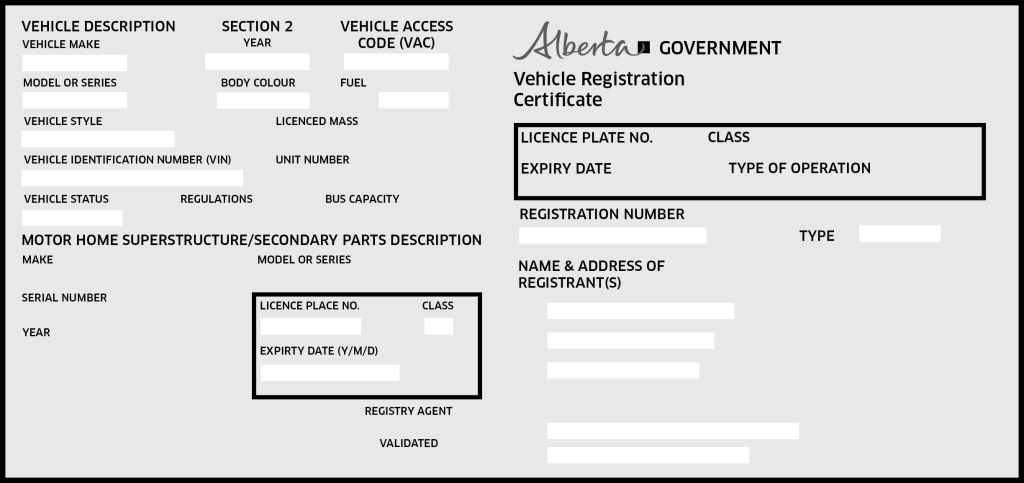
7. Your Vehicle Is Registered Under Someone Else’s Name
Not everyone who regularly drives a vehicle is its registered owner. In the United States, cars can be registered to spouses, family members, businesses, leasing companies, or fleet operators. When a recall occurs, this arrangement can affect who receives the official notification.
For instance, you might regularly drive a vehicle purchased and registered by your spouse. Even if you handle its maintenance and daily use, the manufacturer may identify your spouse as the registered owner. The letter could arrive in their name, leaving you unaware that an important safety notice has been delivered.
Company vehicles create another complication. Employees often use fleet cars without having any ownership connection to them. The manufacturer may communicate with the fleet operator or registered business rather than the individual employee. If the company does not distribute the information internally, the driver might never hear about the recall.
Leased vehicles can follow a similar pattern. Depending on the registration arrangement, the leasing company or another listed owner may receive the initial notification. The person making the monthly payments might assume the manufacturer will contact them directly.
NHTSA’s notification framework focuses on registered owners and purchasers whose details can reasonably be identified through available records. It does not guarantee that every additional driver receives a separate letter.
Check the VIN independently, regardless of whose name appears on the registration. If you use a company or leased vehicle, ask the fleet manager or leasing provider how recall notices are handled. Do not assume another person has already arranged the repair.
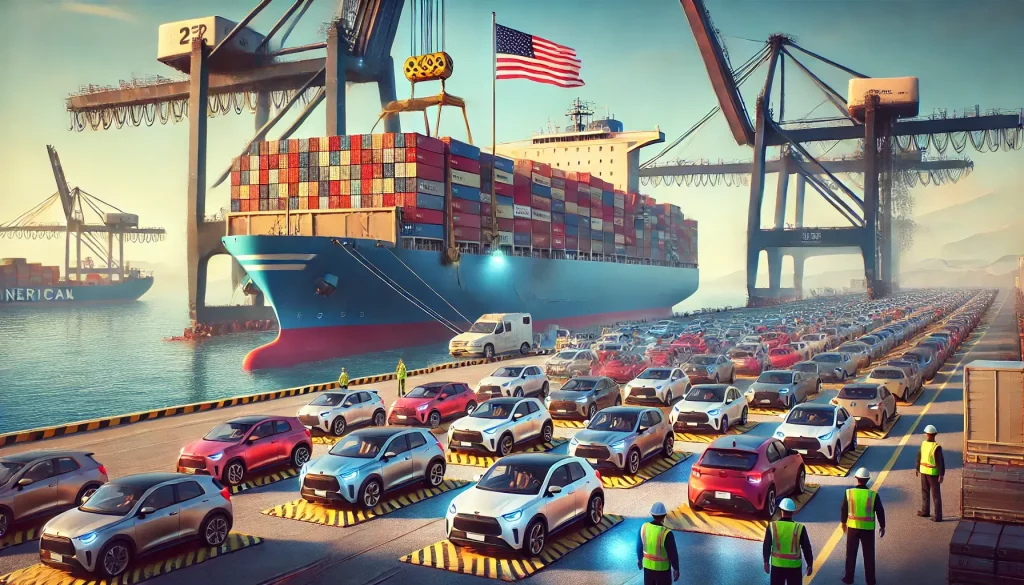
8. Your Vehicle Was Imported Into the United States
Imported vehicles can create complications when manufacturers identify owners and distribute recall notifications. A vehicle originally sold in another country may have a different ownership history, registration record, manufacturer database entry, or recall campaign from an equivalent model officially sold in the United States.
This is particularly relevant when someone imports a vehicle independently or purchases one that was previously registered overseas. Even if it shares its name, engine, and major components with a U.S.-market model, its VIN might not appear in the same recall database.
Manufacturers can use different components, suppliers, production specifications, and safety equipment for vehicles built for different markets. Consequently, a recall affecting an American-market configuration does not automatically apply to an identical-looking vehicle originally manufactured for another country.
NHTSA identifies international vehicles as an exclusion from its standard VIN and license plate recall search results. Its database also has limitations involving certain small manufacturers and older campaigns. A result showing no unrepaired recalls should therefore not be treated as definitive proof that an imported vehicle has never been subject to a safety campaign.
Vehicles originally sold by a U.S. dealership and subsequently exported can create additional complications. Their recall history and the availability of replacement components may depend on the manufacturer’s regional support arrangements.
If you own an imported vehicle, contact the manufacturer directly and provide its complete VIN. Ask whether any U.S. or foreign safety campaigns apply and whether an authorized American dealership can perform the necessary work.
Also distinguish between a genuine safety recall and a general service campaign. A manufacturer-issued technical update in one market is not automatically an equivalent U.S. safety recall.
9. You Are Checking the Wrong Recall Database
Another reason owners miss recall information is that they rely on an incomplete or unsuitable search source. Automotive websites, vehicle history services, dealership portals, and manufacturer applications may all provide recall-related information, but they do not necessarily display identical results or update at the same time.
NHTSA maintains the official federal database for American vehicle safety recalls. Its VIN search is useful because it identifies outstanding safety recalls associated with individual vehicles from participating manufacturers.
A general internet search using a model name and year can produce different results because it may include recalls affecting other production batches or international versions.
Even NHTSA’s database has limitations. It generally covers unrepaired safety recalls from the previous 15 calendar years, although older recalls may remain available when a manufacturer provides extended coverage.
It also excludes completed repairs, certain newly announced recalls whose affected VINs have not yet been identified, some small manufacturers, and non-safety customer service campaigns.
This explains why two websites can show different results without necessarily contradicting each other. One might display a historical recall announcement, while another focuses on outstanding repairs for a particular VIN.
It is also important to distinguish between safety recalls and technical service bulletins. These bulletins can describe known problems, recommended repairs, or software updates, but they are not automatically federal safety recalls. Seeing a technical bulletin does not mean you should expect an official recall letter.
For reliable information, use NHTSA’s recall search and verify the result through the vehicle manufacturer’s official recall department. If another website lists a recall that does not appear in the VIN search, ask the manufacturer whether the campaign applies to your vehicle.
10. Your Vehicle’s Recall Is More Than 15 Years Old
Vehicle age can affect whether an owner finds an old recall through an online search. This is particularly important for people buying older used vehicles who assume a clean recall search means the car has never been affected by a safety defect.
NHTSA’s standard VIN lookup generally covers unrepaired safety recalls from the previous 15 calendar years. Older recalls are not normally displayed, although manufacturers can continue providing coverage for certain older campaigns. A recall does not automatically expire simply because a vehicle becomes older.
Consider someone purchasing an 18-year-old pickup truck. It might have been subject to a recall involving its braking system, airbags, or steering components several years earlier. If the campaign falls outside the database’s standard coverage period, a routine VIN search might not reveal it.
There is also a difference between an old recall that was completed and one that remains unresolved. One vehicle may have received its repair years ago, while another example of the same model still requires attention. Without checking historical records, it can be difficult to establish which situation applies.
Older vehicles often have more ownership changes, making accurate notification records harder to maintain. Previous owners may have moved, sold the vehicle privately, or failed to update registration information. The current driver might therefore never have received the original communication.
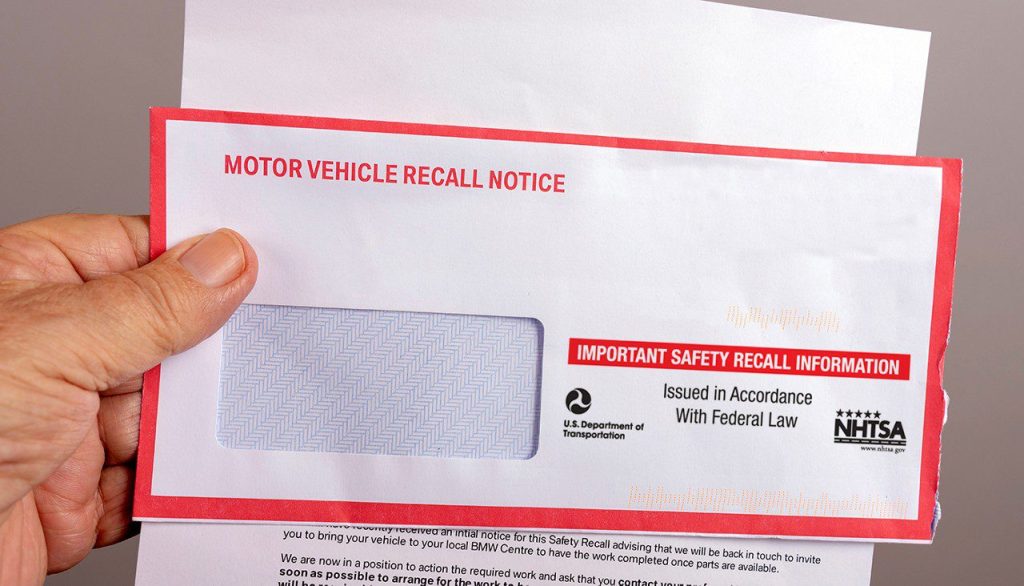
If you own an older vehicle, contact the manufacturer’s customer assistance department and request its historical recall information. Provide the complete VIN and ask for confirmation of outstanding campaigns.
Do not dismiss an older safety recall simply because the vehicle has high mileage or is outside its warranty period. Federal safety recall remedies generally remain available without charge, subject to applicable legal exceptions and campaign-specific conditions.
11. The Recall Affects a Different Version of Your Vehicle
The recall you heard about might not apply to your vehicle’s particular configuration. Automakers frequently sell several versions of the same model, with different engines, transmissions, trim levels, production batches, and manufacturing specifications. Although these vehicles may look identical, their components can differ.
For example, a manufacturer might recall an SUV because of a defective electrical connector fitted only to vehicles with a specific engine or optional equipment package. Owners of other versions might see the same headlines and assume their cars are included. However, vehicles using a different connector or supplier component may not qualify.
Production dates can make eligibility even more specific. A manufacturer might identify a problem affecting vehicles assembled between two particular dates. Cars produced before or after that period could use a revised component and remain outside the recall population.
A recall announcement naming a particular model does not establish that every vehicle carrying that badge needs repairs. Manufacturers determine eligibility using production records, component specifications, and individual VINs.
A recall might also affect a related vehicle from another model year or a mechanically similar model sold under a different brand. Shared platforms and components can create confusing headlines, but eligibility still depends on the vehicles identified in the official campaign.
Rather than relying on a headline or social media post, check your complete 17-character VIN through NHTSA and the manufacturer’s recall system. If the results remain unclear, ask a dealership to verify the campaign against your vehicle’s production information.
A missing letter might not indicate a notification failure. Your vehicle could simply be outside the specific group identified by the manufacturer.