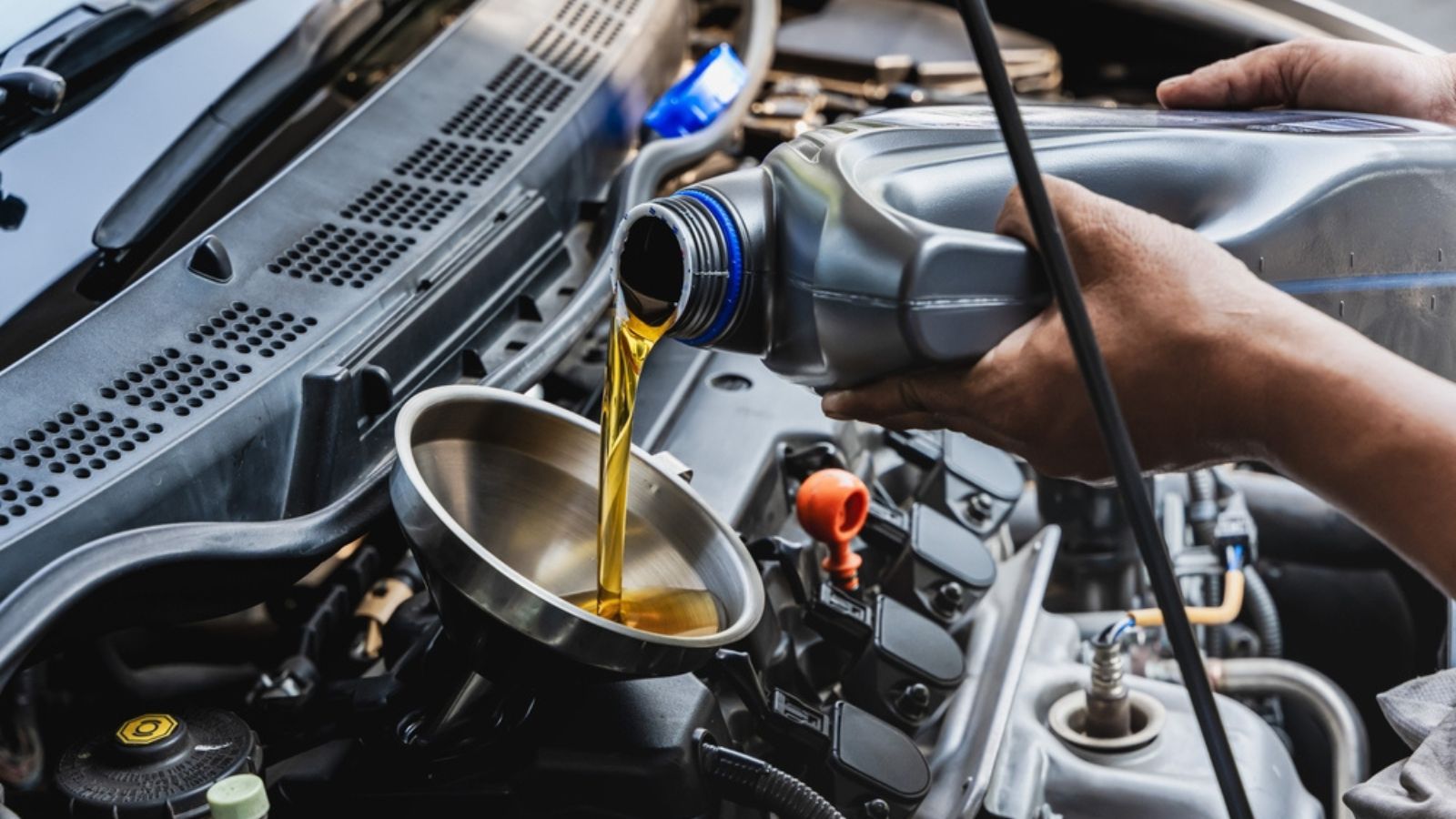
A high-mileage vehicle rarely develops every problem overnight. Instead, years of heat, vibration, friction, road salt, and repeated driving gradually wear down components that once worked perfectly.
The frustrating part is that several problems can begin appearing around the same period, turning an otherwise dependable car into an expensive ownership proposition.
Cooling systems, suspension parts, engine seals, electrical components, and transmission systems are particularly vulnerable as vehicles accumulate miles. However, high mileage does not automatically mean a car is ready for replacement.
Understanding which failures tend to appear together can help owners recognize warning signs and avoid unexpected repair bills.
1. Cooling System Leaks Begin Showing Up Together
A high-mileage engine relies on several cooling components working together, and problems rarely stay isolated once rubber hoses, plastic fittings, seals, and water pump components start to age.
One small coolant leak can expose weaknesses elsewhere in the system, especially after years of operating through extreme temperatures and repeated heating and cooling cycles.
The radiator is an obvious place to investigate, but it is not necessarily the source of the problem. Radiator hoses can become brittle, clamps can lose their grip, thermostat housings can develop leaks, and water pump seals can deteriorate.
A failing radiator cap can also prevent the cooling system from maintaining the correct pressure. These components perform different jobs, but their combined condition determines whether the engine maintains a safe operating temperature.
The warning signs are not difficult to recognize. Coolant levels that repeatedly drop, sweet-smelling vapor, visible fluid beneath the vehicle, and temperature gauge fluctuations all deserve attention.
An engine that overheats should not be driven repeatedly in the hope that the problem disappears. Excessive heat can damage cylinder head gaskets and potentially cause much more expensive internal engine repairs.
Mopar’s high-mileage maintenance guidance recommends checking coolant hoses regularly and inspecting the cooling system during routine maintenance.
Its guidance also identifies water pumps, hoses, and other cooling components as important inspection points. Replacement intervals depend on the specific vehicle rather than one universal mileage figure.
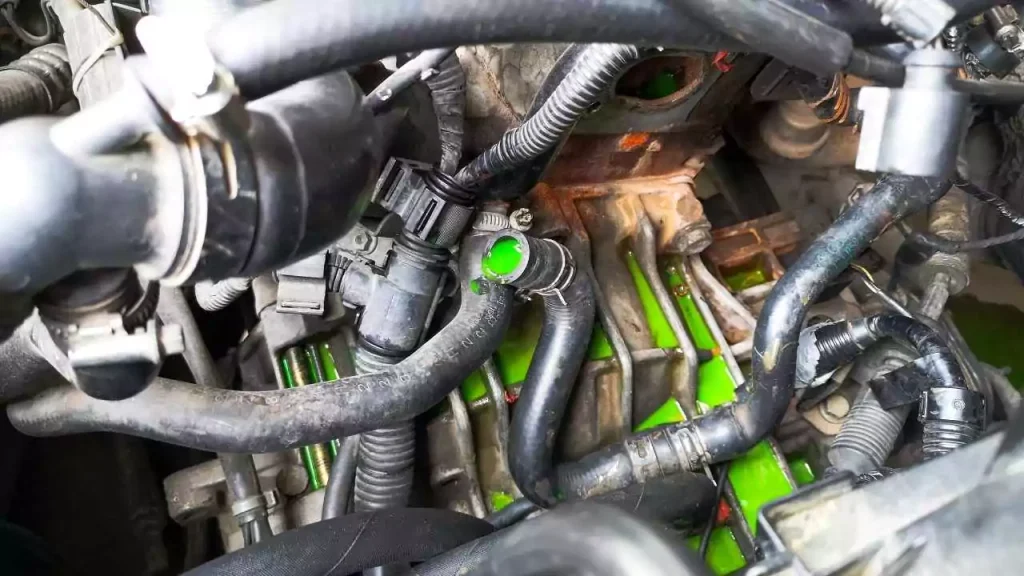
The sensible approach is to pressure-test the cooling system, inspect the radiator, hoses, thermostat housing, and water pump, and replace deteriorated parts before a small leak becomes an overheating incident.
2. Battery, Alternator, and Starter Problems Start Overlapping
Electrical problems can make an older vehicle feel considerably less dependable, particularly when the battery, alternator, and starter are approaching the end of their useful service lives. These components are connected, so a problem with one can produce symptoms that resemble a failure somewhere else.
A weak battery may cause slow engine cranking, dim headlights, flickering dashboard displays, and difficulty starting after the vehicle has been parked overnight. However, installing another battery does not solve the problem if the alternator is failing to recharge it.
Similarly, a starter motor drawing excessive current can create repeated starting difficulties that owners mistakenly attribute to battery age.
AAA identifies battery, alternator, and starter problems as closely related causes of electrical starting difficulties. It also explains that diagnosing them individually matters because their symptoms can overlap.
Age is another important factor. AAA estimates that conventional vehicle batteries commonly last approximately three to five years, although heat, vibration, charging conditions, and driving patterns can shorten that period.
Hot American climates can be particularly demanding on batteries because high temperatures accelerate internal deterioration.
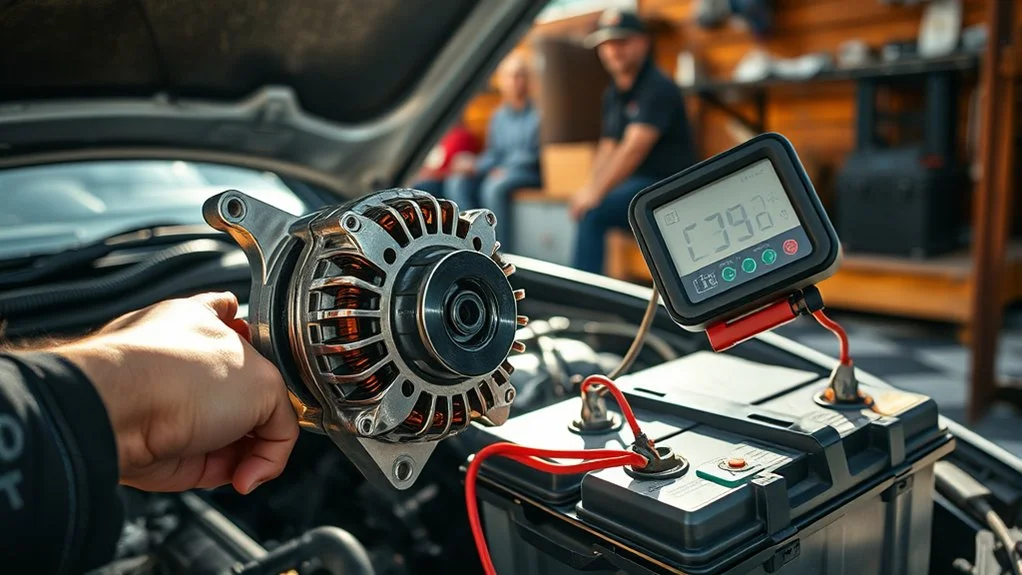
High mileage does not automatically mean all three components will fail together. However, an older vehicle may have accumulated enough starting cycles and underhood heat exposure for multiple electrical components to require attention around the same ownership period.
A proper inspection should include a battery load test, alternator charging assessment, starter current draw, and examination of battery cables and ground connections. Replacing the battery without checking the charging system can waste money and leave the original problem unresolved.
3. Suspension Bushings, Ball Joints, and Shocks Lose Their Effectiveness
Suspension deterioration is one of the more noticeable consequences of keeping a vehicle for many years. Unlike some engine problems, worn suspension components often announce themselves through changes in the way the vehicle feels on ordinary roads.
The difficulty is that suspension parts do not operate independently. Control arm bushings absorb movement and vibration, ball joints allow controlled movement between suspension components, and shocks or struts help control spring movement.
When several of these parts deteriorate, the vehicle can become noisy, uncomfortable, and less predictable during cornering or braking.
Rubber bushings gradually age through exposure to heat, moisture, road contaminants, and repeated movement. Ball joints experience wear at their moving contact surfaces, while shock absorbers can lose their ability to control suspension oscillations. Potholes, heavy loads, rough roads, and frequent towing can accelerate wear.
The symptoms frequently overlap. A driver might notice clunking over bumps, excessive bouncing, uneven tire wear, steering instability, or a vehicle that dips excessively during braking. However, these symptoms are not proof that every suspension component needs replacement. A technician must identify the actual source before recommending parts.
Mopar recommends inspecting shocks and struts annually or every 20,000 miles, with replacement decisions based on symptoms and vehicle-specific service requirements. AAA also includes shocks, struts, tie rods, control arms, and steering linkage in its recommended suspension inspections.
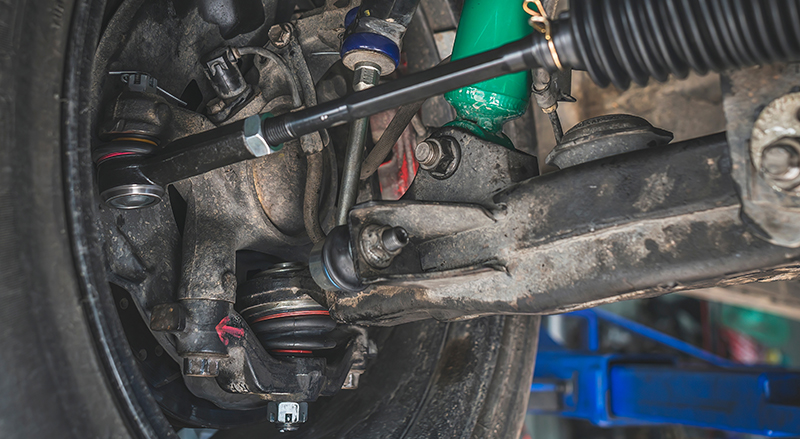
Ignoring several worn components can also create additional expenses. Poor suspension control may contribute to irregular tire wear, meaning an owner could end up paying for replacement tires alongside suspension repairs.
A comprehensive inspection is more useful than replacing whichever component makes the loudest noise. Ask the technician to examine bushings, ball joints, tie rods, shocks, struts, springs, and alignment together.
4. Engine Oil Leaks Appear Alongside Increased Oil Consumption
An older engine can develop several oil-related problems around the same period, especially when its seals, gaskets, and ventilation system have accumulated years of heat exposure. What begins as a small stain underneath the vehicle can eventually become a regular maintenance concern involving oil leaks, consumption, and reduced lubrication.
Common leak points include the valve cover gasket, oil pan gasket, crankshaft seals, camshaft seals, and oil filter housing. The exact locations depend on the engine design. Heat cycling and aging sealing materials can gradually reduce their ability to keep engine oil contained.
Oil consumption is a separate but related issue. Worn piston rings or valve stem seals can allow engine oil to enter the combustion chamber, where it burns during operation. Drivers might notice blue exhaust smoke, frequent oil top-ups, or an oil level that drops between scheduled services.
A malfunctioning positive crankcase ventilation system can complicate matters further. The PCV system regulates pressure inside the crankcase.
If its valve or passages become restricted, excess pressure can contribute to oil leakage and other engine problems. AAA’s maintenance guidance identifies PCV valve inspection as an important high-mileage service consideration.
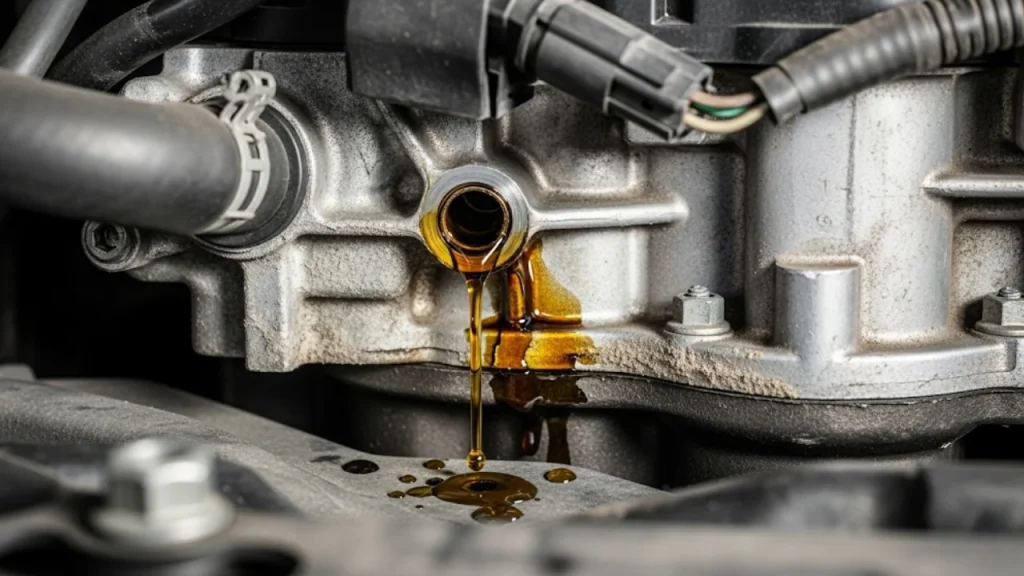
The mistake many owners make is treating every oil-related symptom as normal aging. A small amount of oil consumption might be acceptable within a manufacturer’s specified limits, but unexplained increases should be investigated.
Start by cleaning the affected area and identifying where the leak originates. A technician may use a UV dye test when the source is difficult to locate. Check the PCV system, inspect external seals, and monitor the oil level consistently.
Never allow the oil level to fall below the manufacturer’s specified operating range. Insufficient lubrication can cause serious internal engine damage, turning an otherwise manageable sealing repair into a much more expensive mechanical failure.
5. Transmission Shifting Problems Combine With Mount and Driveline Wear
Transmission trouble can become particularly expensive when an older vehicle also develops worn engine mounts, transmission mounts, CV joints, or other driveline components. Drivers sometimes interpret every vibration or clunk as an internal transmission failure, even though the actual problem may involve a much less expensive external component.
An aging transmission may develop delayed engagement, harsh shifts, slipping, unusual whining, or difficulty selecting certain gears. Fluid condition and leakage deserve attention because inadequate lubrication can increase internal wear. However, transmission servicing requirements differ considerably between manufacturers and transmission designs.
Mounts create another layer of difficulty. Their purpose is to support the engine and transmission while limiting unwanted movement. When rubber mount material deteriorates, drivers may experience excessive vibration at idle, clunks during acceleration, or noticeable movement when shifting between drive and reverse.
The driveline also deserves inspection. On front-wheel-drive vehicles, worn CV joints can produce clicking noises during tight turns, particularly when their protective rubber boots have torn and allowed grease to escape. A damaged joint left unattended can eventually require axle replacement.
Mopar’s high-mileage guidance identifies transmission leaks, unusual shifting, whining noises, damaged CV boots, and clicking during turns as symptoms worth investigating. It also emphasizes that transmission service intervals differ between older and newer vehicle designs.
This distinction is important because blindly flushing an ageing transmission is not a universal solution. Owners should follow the exact manufacturer’s maintenance procedure and have the fluid condition and mechanical symptoms evaluated.
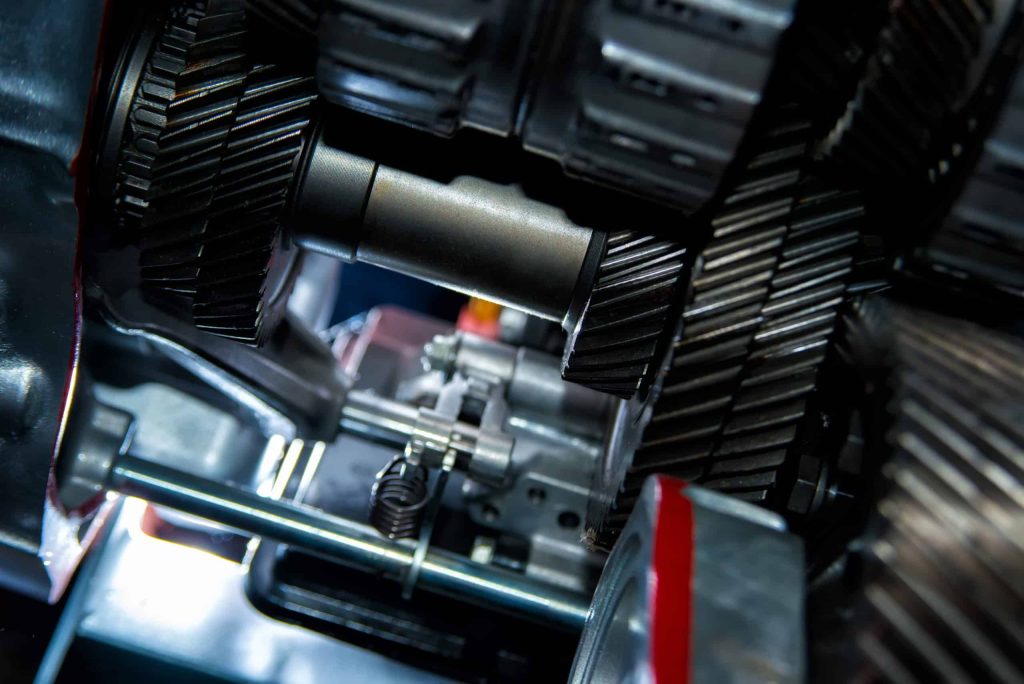
When diagnosing a high-mileage vehicle, request an inspection of transmission mounts, fluid leaks, axle boots, CV joints, and driveline connections before approving an expensive transmission replacement. Multiple ageing components can produce similar driving symptoms, and accurate diagnosis can prevent unnecessary spending.
6. Timing Components and Accessory Belts Become Maintenance Priorities
A high-mileage engine can develop problems involving its timing system and accessory drive around the same ownership period. Although these systems perform different jobs, both rely on components that experience repeated movement, friction, heat, and tension throughout the vehicle’s life.
The timing belt, where fitted, synchronizes the crankshaft and camshaft so that the engine’s valves operate at the correct time. Its failure can have serious consequences. In interference engines, a broken timing belt can allow pistons and valves to collide, potentially causing extensive internal engine damage.
Some engines use timing chains instead, which have different inspection and maintenance requirements.
The accessory drive belt presents another concern. It operates components such as the alternator, air conditioning compressor, and, depending on the design, the water pump or power steering pump.
A worn belt can produce squealing, chirping, or visible cracking. A tensioner or pulley bearing may also deteriorate, creating noise even when the belt itself looks acceptable.
Gates warns that timing belts must be replaced according to the intervals specified by the vehicle manufacturer and belt supplier. Delaying replacement beyond the prescribed interval can result in catastrophic engine damage.
The important point is that there is no universal 100,000-mile replacement rule. Some engines require earlier service, while others use timing chains or different belt arrangements. Vehicle age can matter just as much as odometer readings.
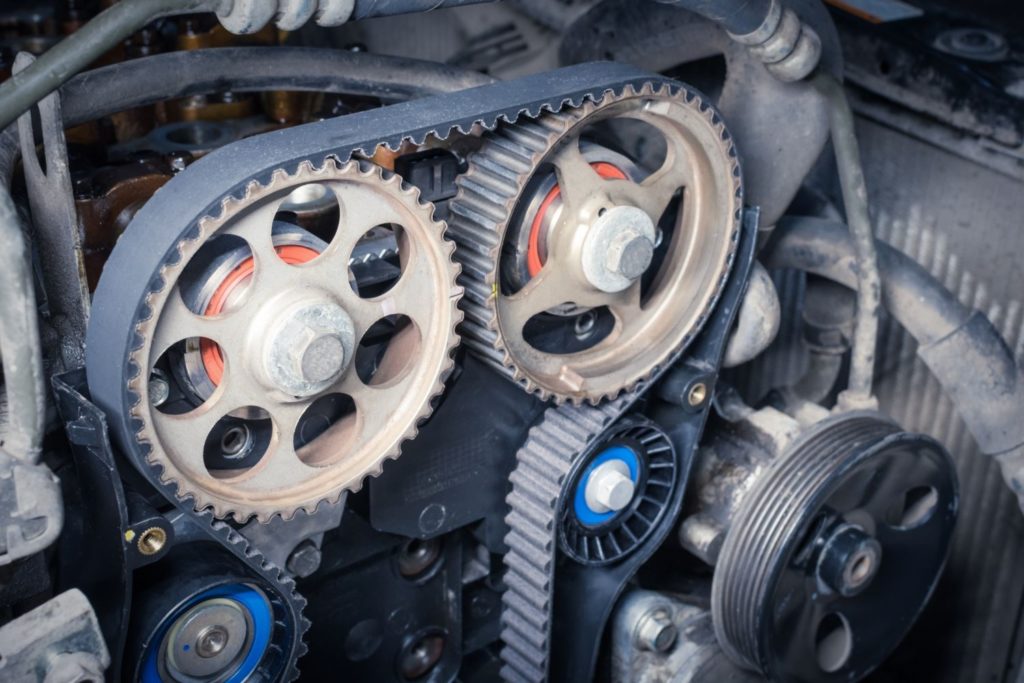
When a timing belt replacement is due, technicians commonly inspect or replace associated tensioners and idler pulleys. If the water pump is driven by the timing belt, replacing it during the same service may prevent duplicated labor later.
Gates specifically recommends replacing timing belt-driven water pumps alongside the timing system components.
For owners approaching a major mileage milestone, checking service records is essential. An undocumented timing belt replacement should never be assumed to have happened.
7. Brake Components Wear Out While Calipers and Hoses Begin Ageing
Braking problems are not restricted to worn pads. As vehicles accumulate miles, several parts of the braking system can require attention, including rotors, calipers, brake hoses, parking brake mechanisms, and fluid.
Brake pads are designed to wear down through friction. Their lifespan depends on vehicle weight, driving conditions, traffic, braking habits, and the materials used.
Frequent stop-and-go driving can consume pads faster than steady highway travel. Rotors also experience repeated heating and cooling, and excessive wear, corrosion, or damage can eventually make replacement necessary.
The more concerning situation develops when a vehicle has multiple ageing brake components. A sticking caliper can cause uneven pad wear and excessive heat at one wheel. Deteriorated flexible brake hoses can affect fluid flow, while old brake fluid can absorb moisture and contribute to corrosion inside the hydraulic system.
Drivers should pay attention to grinding noises, brake pedal vibration, pulling to one side, unusual smells, and changes in stopping performance. A soft or unusually low brake pedal deserves immediate professional attention because it can indicate a hydraulic problem.
AAA recommends inspecting braking components and identifies symptoms such as grinding noises, vibrations, longer stopping distances, and spongy pedal behaviour as reasons to investigate the system. It also recommends checking brake fluid according to the manufacturer’s service schedule.
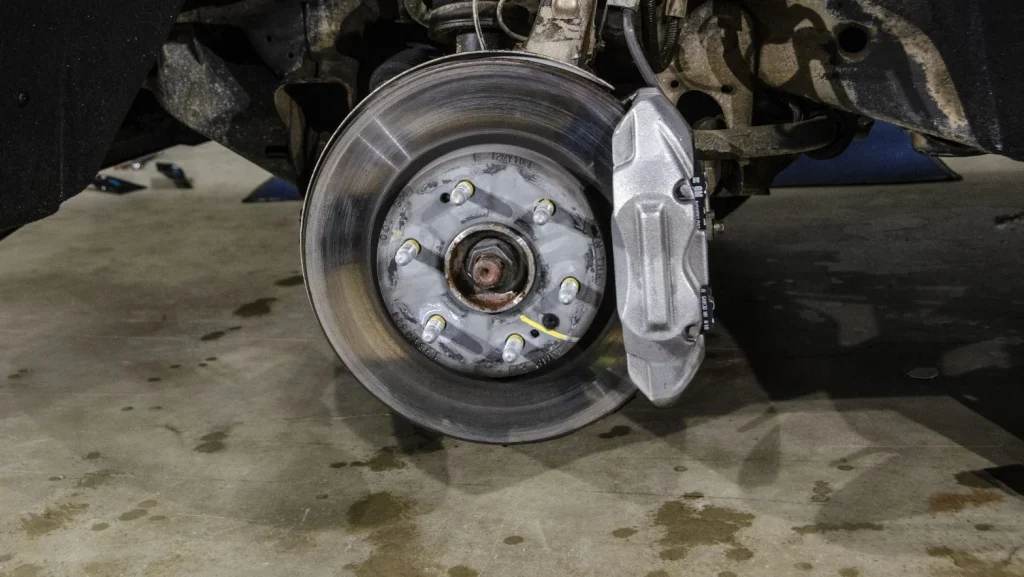
One common mistake is replacing the brake pads while ignoring a damaged rotor or sticking caliper. That can result in premature wear and another repair bill.
A proper inspection should examine pad thickness, rotor condition, caliper movement, hoses, parking brake operation, and fluid condition. Brake repairs should never be postponed simply because the vehicle still stops during ordinary driving. A healthy braking system is essential for safe control in an emergency.
8. Fuel Delivery and Ignition Problems Start Affecting Engine Performance
High-mileage engines can become increasingly sensitive to problems involving fuel delivery and ignition. These systems determine how efficiently fuel reaches the cylinders and how reliably the air-fuel mixture is ignited.
When several components begin deteriorating, the vehicle may develop rough running, poor acceleration, difficult starting, and reduced fuel economy.
Spark plugs are a particularly important maintenance item. Their electrodes gradually wear, and deposits can interfere with consistent ignition. Ignition coils can also fail, causing misfires that may trigger the check engine light.
Depending on the engine, replacing worn spark plugs may help restore smooth operation, but a misfire should never automatically be blamed on the plugs.
Fuel injectors present a different challenge. Deposits or mechanical wear can affect fuel delivery and spray patterns. A weak fuel pump or restricted fuel filter, where a serviceable filter is fitted, can also interfere with the supply reaching the engine.
AAA’s high-mileage maintenance guidance identifies spark plug replacement intervals that vary by vehicle, with examples ranging from approximately 60,000 to 120,000 miles for newer vehicles and different intervals for older designs. It also recommends inspecting fuel and ignition systems as mileage increases.
The warning signs often overlap. A vehicle may hesitate during acceleration, idle unevenly, consume more fuel, or struggle to start. However, these symptoms can also result from vacuum leaks, sensor faults, compression problems, or other mechanical issues.
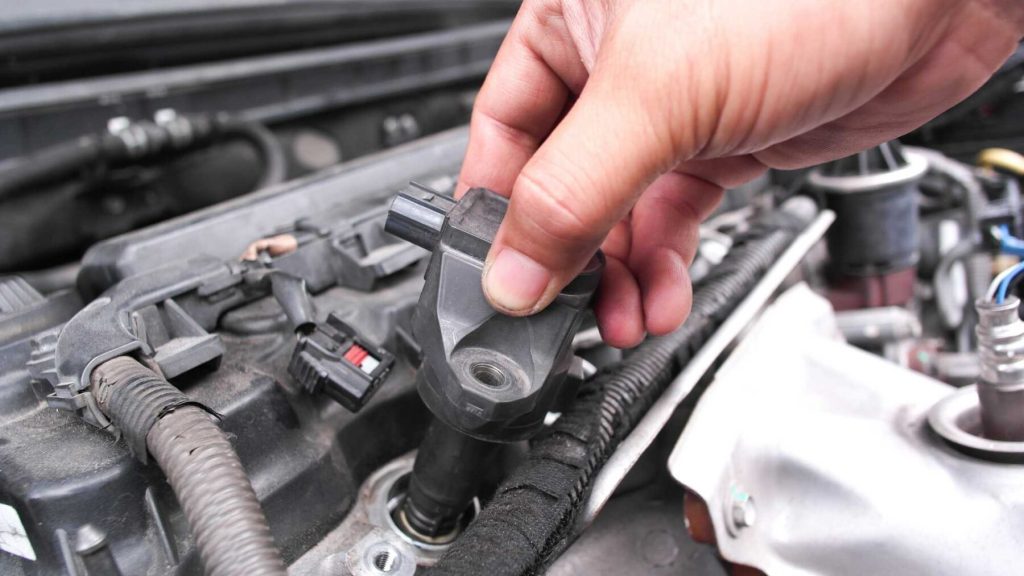
Replacing every ignition and fuel component simply because a vehicle has passed 100,000 miles is unnecessary. Diagnosis should begin with stored trouble codes, ignition performance, fuel pressure where appropriate, and a physical inspection.
Owners should also follow the manufacturer’s spark plug specifications. Incorrect plug types or gaps can create additional performance problems. Addressing small ignition and fuel delivery faults early can prevent prolonged misfires and unnecessary stress on the catalytic converter.
9. Exhaust Leaks, Oxygen Sensors, and Emissions Equipment Begin Causing Trouble
The exhaust system spends its entire working life exposed to high temperatures, moisture, vibration, and road debris. After years of operation, several components can begin showing signs of deterioration, particularly in vehicles driven through regions where road salt accelerates corrosion.
Exhaust pipes, joints, hangers, and mufflers can rust or develop leaks. A leak ahead of an oxygen sensor can interfere with the exhaust readings used by the engine management system. Damaged wiring or an ageing sensor can also produce incorrect readings and trigger a check engine warning.
The catalytic converter is another expensive component that may require attention on an older vehicle. It reduces harmful pollutants in the exhaust, but it can become damaged or contaminated. Persistent engine misfires, excessive oil consumption, or coolant entering the combustion chamber can contribute to catalytic converter deterioration.
This is why replacing a catalytic converter without diagnosing the original problem can become an expensive mistake. If an engine continues misfiring, the replacement component may also suffer damage.
Drivers should investigate rattling underneath the vehicle, unusual exhaust smells, increased noise, reduced engine performance, and persistent emissions-related warning lights. An exhaust leak near the passenger compartment also deserves immediate attention because exhaust gases can contain carbon monoxide, which is dangerous to breathe.
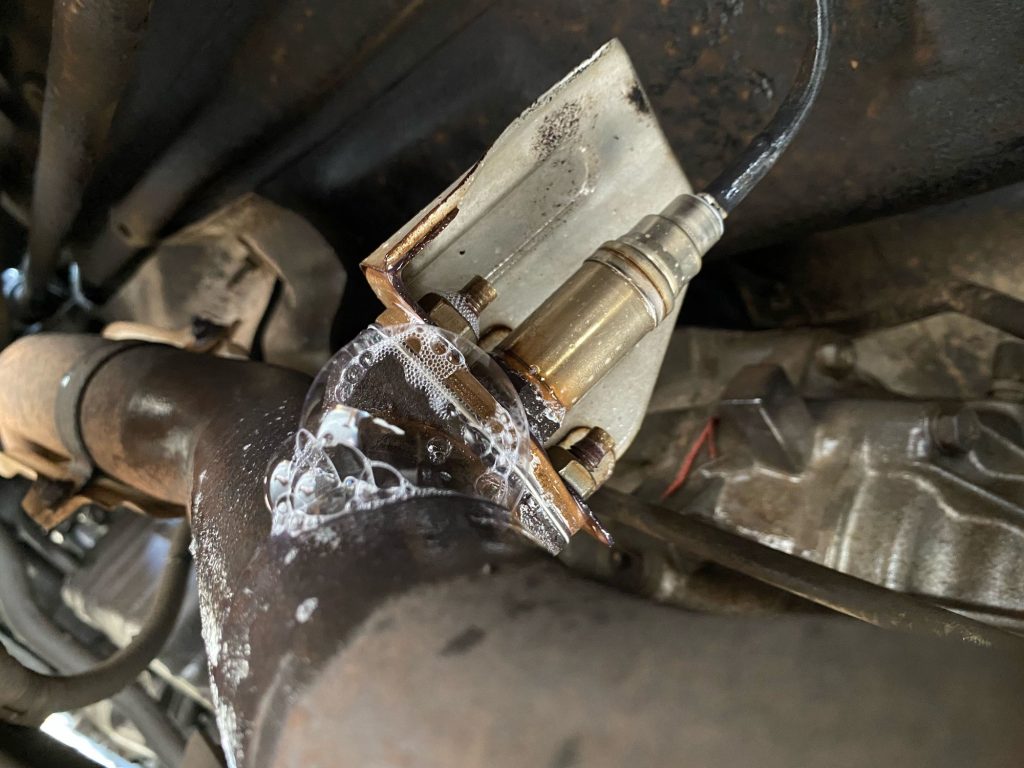
A proper inspection should include exhaust pipe condition, mounting hardware, oxygen sensor operation, wiring, catalytic converter performance, and relevant diagnostic trouble codes.
Mopar includes exhaust system inspection in its vehicle maintenance schedules, while AAA recommends addressing warning lights and unusual operating symptoms rather than allowing developing faults to continue.
High mileage alone does not mean an emissions component has failed. A vehicle with a healthy engine and regularly maintained exhaust system can continue operating reliably for many years. The key is to investigate warning signs instead of treating every check engine light as an automatic catalytic converter replacement.