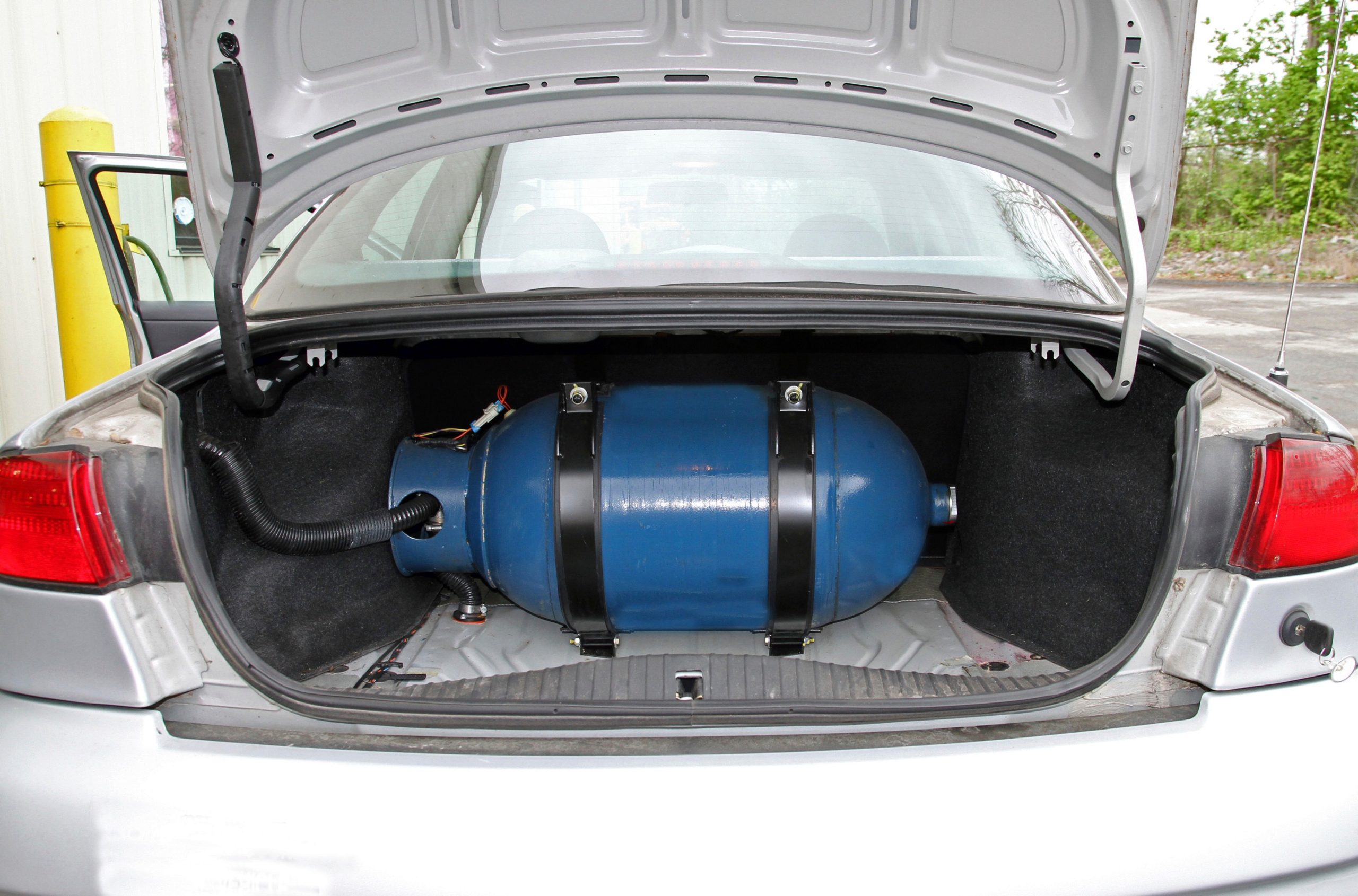
Running out of propane before a big cookout is annoying. Hauling a tank home the wrong way can be worse. A small cylinder or fuel container looks harmless sitting on a back seat, yet it can leak, tip, or build pressure faster than most people expect. The good news is that safe transport comes down to nine simple habits, and none of them take much time or money.
Follow them, and you can pick up a refill for the grill, the camper, or the patio heater without a worry. Skip them and a quick errand could turn into an emergency. Let’s walk through the rules one at a time, in plain language, so you can load up with confidence and get home safely.
1. Keep Cylinders Upright at All Times
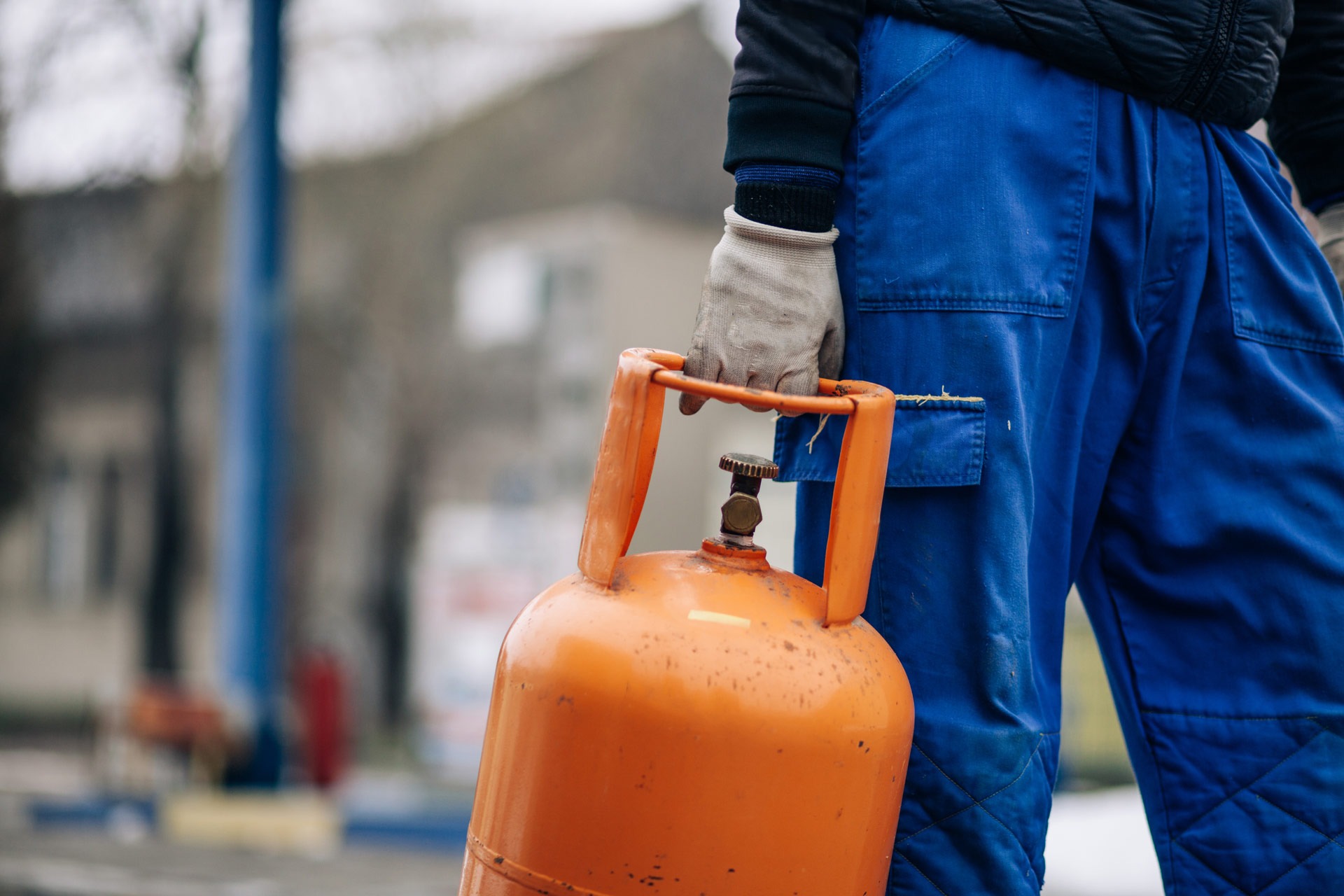
Safe propane or liquefied petroleum gas (LPG) cylinder transport begins with a simple rule. Keep the cylinder upright at all times. Its design relies on a vertical position to ensure the valve and pressure relief system function properly.
Placing one on its side may allow liquid propane to enter parts of the valve that are meant to handle gas vapor, increasing the risk of an accidental release.
You might wonder why this small detail matters so much. If propane escapes as a liquid, it quickly expands into gas, creating a larger amount of flammable vapor. In a poorly ventilated space, that gas can build up and create a serious fire or explosion hazard.
Before putting the cylinder in your vehicle, find a stable, suitable position where it can remain upright throughout the journey.
Make sure the valve faces upward and is protected from anything that could hit or damage it. Keep shopping bags, tools, luggage, and other loose items away from the cylinder.
Do not take shortcuts just because you are traveling a short distance. Sudden stops, sharp turns, potholes, and rough roads can easily cause an improperly positioned cylinder to fall over.
Remember, fitting a cylinder inside your vehicle does not automatically mean it is safe to transport. If you cannot keep it upright and properly secured, arrange a suitable alternative.
A little preparation before leaving can help prevent a dangerous situation on the road.
2. Secure the Tank Firmly
A propane cylinder should never be allowed to move freely inside a vehicle. Even when it is standing upright, sudden braking, acceleration, or a sharp turn can cause it to fall, roll, or strike another object.
What appears to be a harmless movement can damage the cylinder or its valve. Think about what happens when a driver suddenly stops.
An unsecured cylinder can slide across the floor, hit a passenger seat, or strike other items inside the vehicle. If the valve becomes damaged, gas may escape and create a serious fire or explosion hazard.
Use suitable straps, approved cylinder holders, or other secure restraints designed for the container.
A properly fitted holder can help keep the cylinder upright and prevent unnecessary movement. Where permitted by local safety guidance, an appropriate vehicle restraint may also be used.
Check the restraint before starting the engine. It should hold the cylinder firmly without placing pressure on the valve, hose connection, or other vulnerable parts. Make sure the cylinder cannot tip over during ordinary vehicle movement.
Avoid relying on loose bags, cardboard boxes, towels, or objects wedged around the cylinder. These items are not dependable restraints and may move when the vehicle accelerates or brakes.
Before departure, confirm that the cylinder remains stable and that its valve is protected. If you cannot secure it properly, do not begin the journey. Arrange a safer transportation option instead.
3. Never Carry Cylinders in the Boot or Trunk
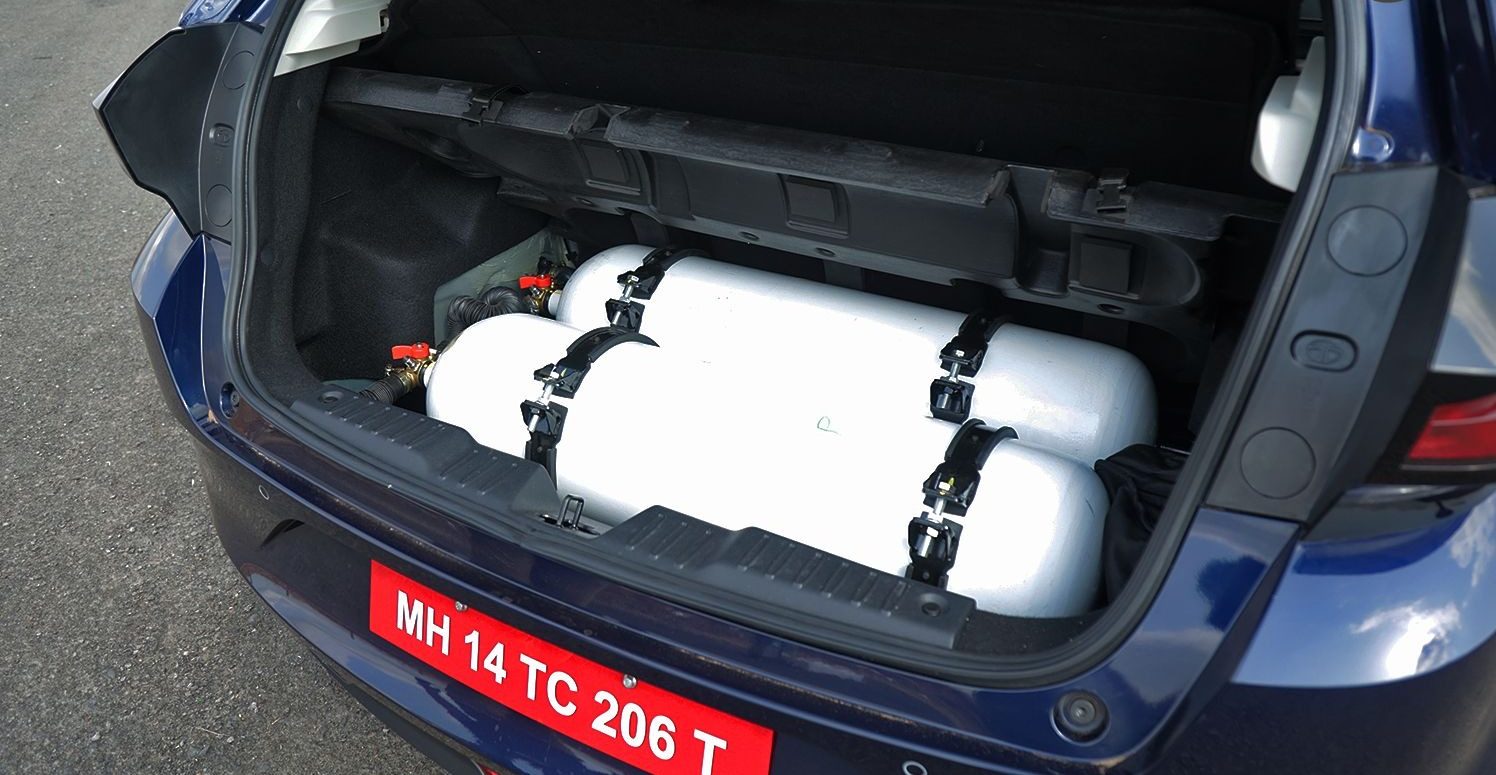
The trunk may appear to be a convenient storage space, especially when the passenger cabin is already occupied.
It offers room for groceries, luggage, and other household items, but carrying propane cylinders in an ordinary enclosed trunk can create a serious safety concern.
Propane is heavier than air. When released, it can collect in low areas, including enclosed vehicle compartments. Without adequate ventilation, leaking gas may build up until it reaches a concentration that can ignite.
A small leak that might otherwise disperse in a suitable open environment can become dangerous inside a poorly ventilated space.
This is why placing a propane cylinder in an ordinary passenger vehicle trunk is discouraged. A closed compartment may conceal a leak while allowing flammable gas to accumulate.
Drivers and passengers may not recognize the problem until the concentration becomes hazardous. For small consumer cylinders, follow local fire safety and transportation guidance regarding suitable vehicle placement.
Some guidance recommends a properly secured, ventilated transportation area or an appropriate open truck bed. However, an open truck bed must also provide proper restraint and protection from damage.
Never assume that placing a cylinder behind a seat automatically makes transportation safe. The vehicle must meet applicable requirements for ventilation, positioning, and secure handling.
If your vehicle cannot provide a suitable arrangement, consider using a professional gas delivery service or a vehicle designed for this purpose.
Remember, convenience should never determine where a propane cylinder goes. Safe transportation must always come first.
4. Maintain Maximum Weight and Quantity Limits
Bigger is not better here. For private passenger vehicles, limit transport to small consumer-sized tanks, typically one or two small cylinders, or up to a maximum of about 20 pounds (roughly 9 kilograms) per tank, depending on local regulations. Avoid overloading.
Why set a cap? More propane means more stored energy in a small space. A bigger tank also leaves less room to brace it properly, and a bigger leak is harder to handle in a closed cabin.
Overloading is the classic mistake. Maybe you are filling several cylinders for a long camping trip, and it feels efficient to do everything in one run. Resist that thought. Make two trips if you must, because a second drive is cheaper than a bad day.
Rules differ from place to place, so check what applies where you live. A quick call to your propane retailer or a look at local guidelines takes about five minutes and settles the question.
Remember that the numbers in this rule are typical figures, not universal ones. Some areas set tighter limits, and some vehicles, like commercial ones, follow different rules altogether.
When in doubt, pick the smaller tank. Small and secure beats large and risky every time. Your grill will not mind the extra refill trip.
5. Provide Continuous Ventilation
Fresh air is your friend. Keep windows cracked or turn on the airflow so air keeps circulating through the cabin.
The reason is simple. Even a well-kept cylinder can have a slow, accidental leak, and moving air disperses small amounts of gas safely before they can collect in one spot.
Weather can tempt you to skip this step. Cold days make people seal the car tight and crank the heat. Hot days push people toward air conditioning on recirculation. Both habits cut down fresh air. Choose the fresh-air setting instead, and crack a window an inch or two.
Keep the trip short and direct as well. Run your other errands first, pick up the tank last, and head straight home. A cylinder riding along on a three-hour detour has more time to cause trouble.
Make it automatic. Start the car, crack the window, and check the cylinder before you roll away. After a few trips, the sequence becomes second nature.
Passengers can help too. Ask whoever sits nearest the tank to speak up at the first hint of a strange smell.
Ventilation costs nothing, needs no special equipment, and works quietly in the background for the entire trip. Few safety habits are this easy.
6. Unload Immediately Upon Arrival
Home at last, and you are tired. Unload anyway. One of the most important safety habits when transporting propane is removing the cylinder from your vehicle immediately after reaching your destination.
Leaving it inside a parked car, even for a short period, can expose it to dangerous heat and pressure buildup. Think about a vehicle parked in direct sunlight on a warm afternoon.
The temperature inside can rise much higher than the outdoor temperature, turning the cabin into an extremely hot space.
As the propane cylinder absorbs heat, the pressure inside increases. If the pressure becomes too high, its safety relief valve may release gas, creating a fire hazard.
Build a simple routine. Make collecting or transporting propane the last stop on your shopping route whenever possible.
Once you arrive home, take the cylinder directly to an appropriate storage location that meets the manufacturer’s instructions and local safety requirements. Only then should you attend to groceries, luggage, or other household activities.
Not every trip goes according to plan. If you need to complete another errand after collecting propane, consider taking the cylinder home first and returning to your other activities afterward.
Make sure everyone traveling with you understands this arrangement. If another person is driving, remind them that the cylinder must be unloaded promptly.
Never leave propane inside a parked vehicle while sleeping, shopping, or attending an appointment. A few minutes of attention after arrival can help prevent a dangerous situation.
7. Inspect the Tank Before Loading
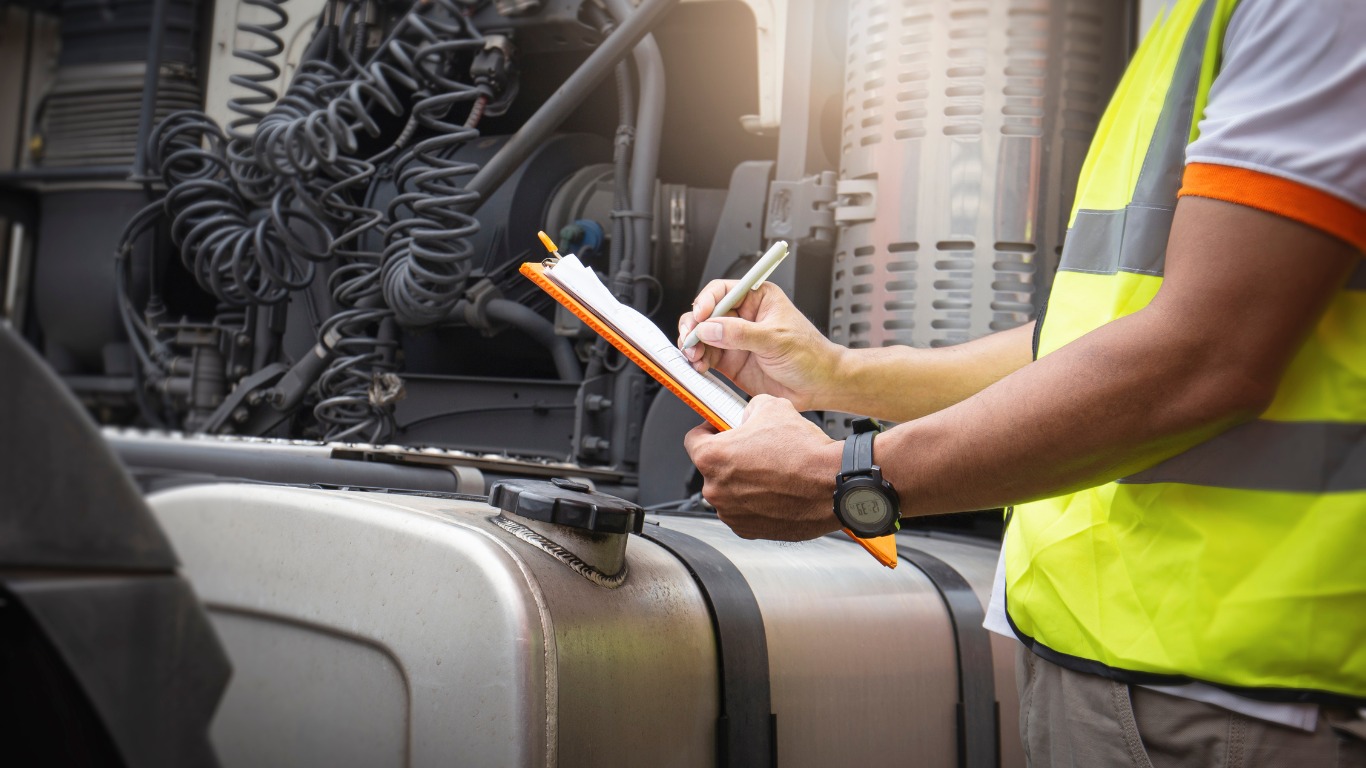
Treat the propane cylinder like something that deserves a careful safety inspection before every journey. A container may look perfectly acceptable from a distance, but hidden damage, worn fittings, or a faulty valve can create problems during transportation.
Taking a few minutes to examine it before loading can help protect everyone inside and around your vehicle. Start with the exterior. Look carefully for dents, deep scratches, heavy rust, cracks, or other signs of physical damage.
Pay particular attention to the areas around the valve and cylinder connection. Any visible defect that could affect the container’s integrity should be checked by a qualified professional before use.
Next, examine the identification label and inspection markings. Confirm that the cylinder has a valid test or certification date where required.
An expired cylinder may need professional inspection, recertification, or replacement before it can legally and safely be used.
Check that the valve is properly closed and that the appropriate safety plug or protective cap is fitted according to the manufacturer’s instructions. Never force a damaged valve or attempt to repair it yourself.
Your sense of smell also matters. Propane suppliers add an odorant that produces a distinctive smell, often compared to rotten eggs.
If you notice this odor, do not load the cylinder into your vehicle. Keep away from possible ignition sources and contact your gas supplier or a qualified professional.
Make inspection a regular habit rather than something you remember only occasionally. A damaged or leaking cylinder is never worth the risk.
When in doubt, leave it with the supplier for professional assessment before arranging transportation.
8. Strictly Prohibit Smoking and Open Flames
When transporting propane or fuel, keeping cigarettes, lighters, and anything that produces a spark away from your vehicle is a rule you should never take lightly.
Even a small flame can ignite escaping gas or fuel vapors, putting everyone nearby at risk. It may seem like common sense, but everyday habits can sometimes lead to careless mistakes.
For example, a driver who regularly smokes might reach for a cigarette without thinking. A passenger may also use a lighter to find something inside the vehicle.
These little actions can become dangerous when flammable gas is present. That is why everyone should understand the rules before the journey begins.
Make it clear that nobody is allowed to smoke, vape, light a cigarette, or use an open flame inside the vehicle or near the fuel container. This restriction should remain in place throughout loading, transportation, and unloading.
Pay attention to other possible ignition sources, too. Electrical equipment, damaged wiring, loose connections, and metal objects striking one another can produce sparks under certain conditions.
Keep the transportation area tidy, and avoid unnecessary handling of equipment near the container.
The same precautions apply when carrying gasoline or other flammable fuels. Keep approved fuel containers properly closed, upright, and secured, and never open them near flames or other ignition sources.
Wait until the container has been unloaded and everyone is safely away before smoking or using anything that produces a flame. A little patience is far better than risking a fire or explosion.
Safety should never be sacrificed for a cigarette or a moment of convenience.
9. Know What to Do If You Smell Gas
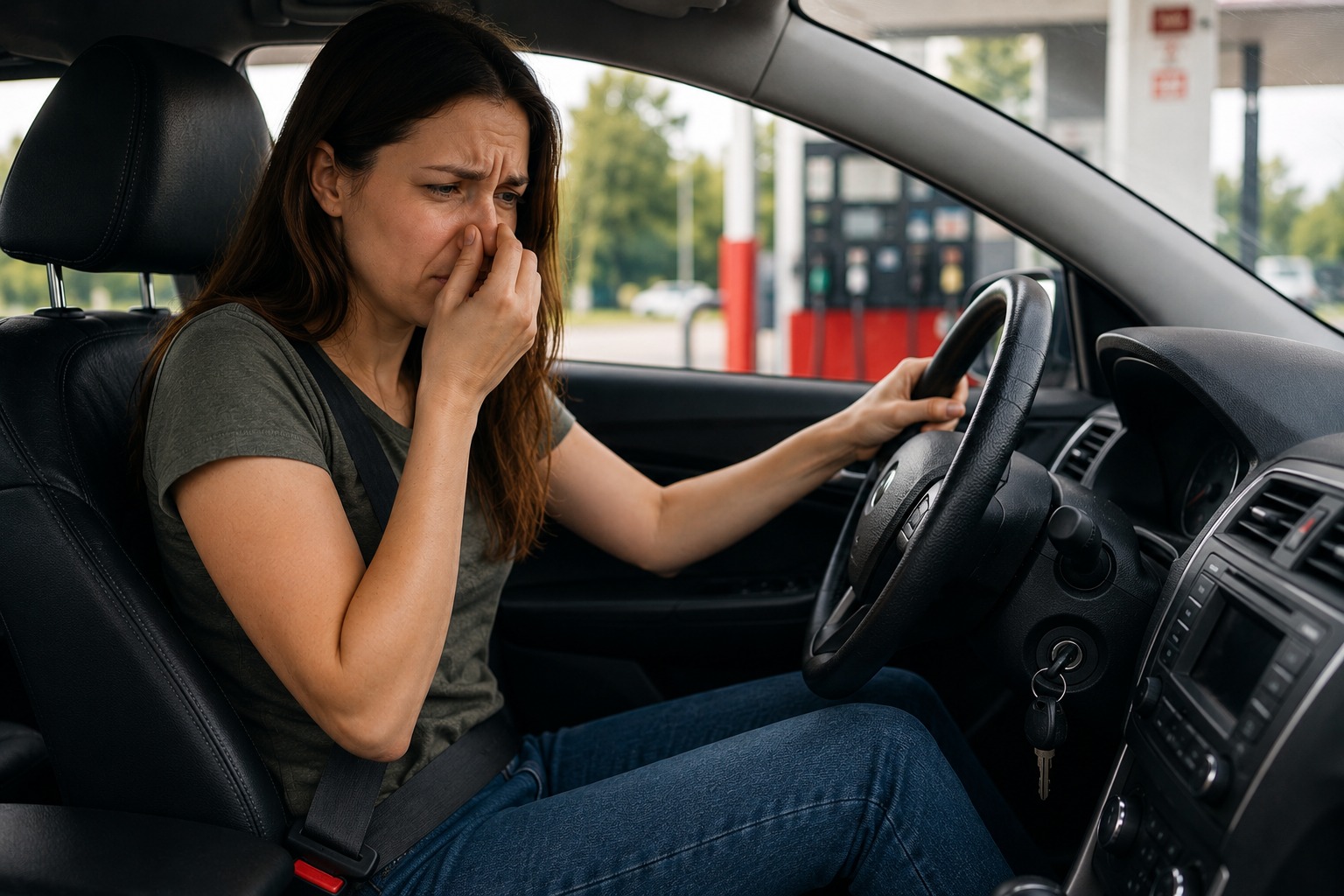
Stay calm and act fast. If you detect the odor of gas while driving, pull over immediately in a safe spot.
Then follow the steps in order. Shut off the engine, get all passengers out, move away from the vehicle, and contact emergency services or your gas supplier.
Why that order? The engine can be a source of ignition, so it goes off first. Everyone leaves the car because a cabin with gas in it is no place to wait. Distance protects you if something goes wrong.
Do not go back for belongings, and do not try to fix the leak yourself. Call from a safe distance and let the professionals handle it. Warn other people away from the area as well.
Rehearse these steps in your head before you ever need them. Knowing them by heart removes the panic, and panic is the enemy when seconds count.
Keep emergency numbers handy, including your gas supplier’s line, so you are not searching for them with a shaky hand.
Prevention still beats reaction. A smell often means something was missed earlier, such as a loose valve, a damaged tank, or poor ventilation. Once the danger has passed, have the cylinder and the vehicle checked before you use either again.
If you carry propane often, make it easy on yourself. Keep a strap or a sturdy crate in the car, stash a short checklist where you will see it, and save your gas supplier’s number in your phone.
Small preparations like these turn good intentions into habits, and habits are what protect you when you are tired, rushed, or distracted.
The next time you pick up a refill, run through the list in your head before you pull away from the store. Upright, secured, ventilated, no flames, and straight home.
It takes less than a minute, and it protects you, your passengers, and everyone else on the road. Thanks for reading, and safe travels.