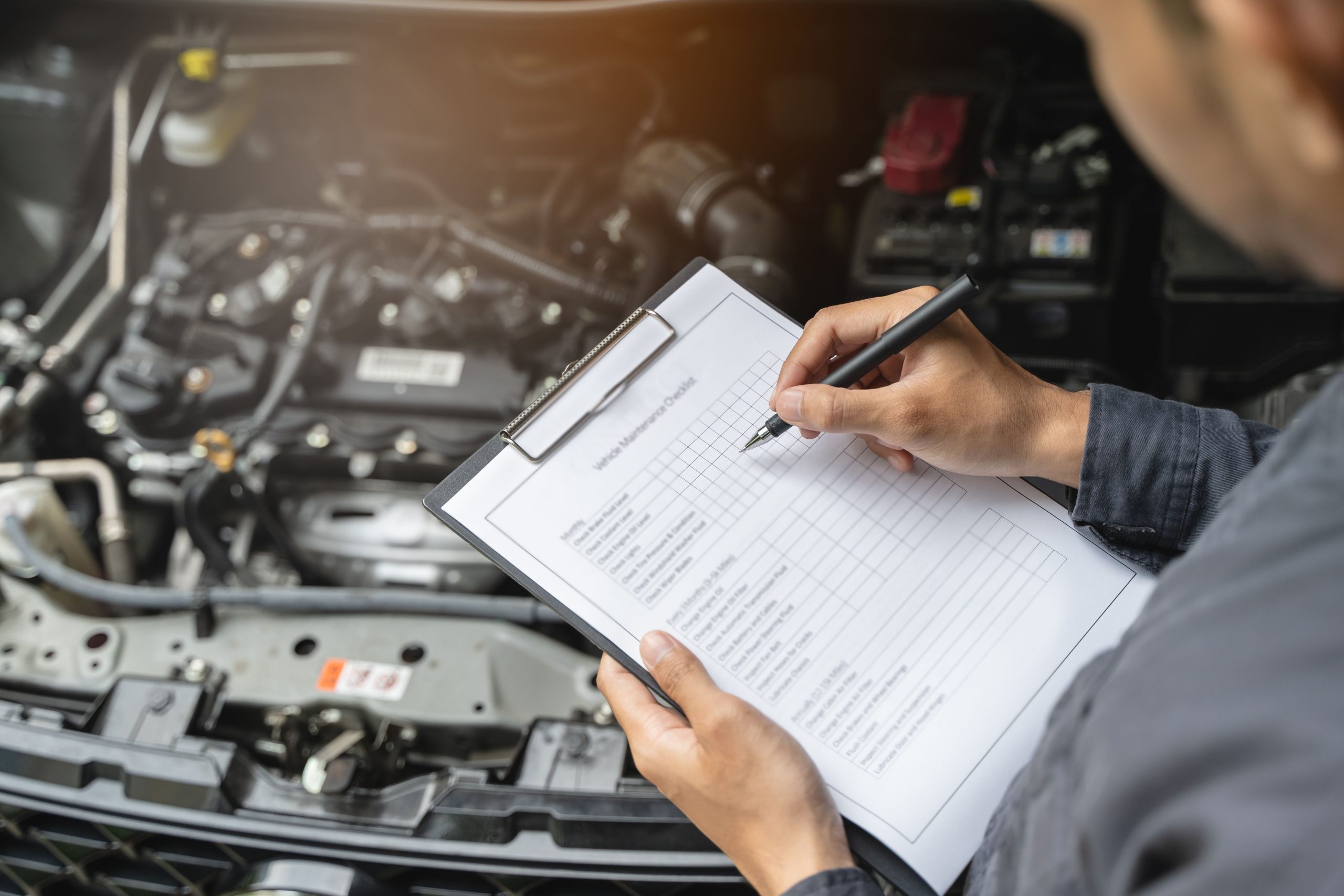
A vehicle warranty can protect owners from expensive mechanical failures, but approval is not automatic whenever something breaks. Manufacturers and service-contract providers examine the cause of the failure, maintenance history, coverage limits, and repair procedures before agreeing to pay.
In some cases, the exclusion is justified. In others, missing documentation or a preventable mistake can complicate a claim that would otherwise qualify for coverage. Knowing what can affect a claim helps drivers avoid unexpected expenses and dispute decisions that may not be warranted.
Here are seven ways a repair that initially appears covered can become the owner’s responsibility, along with the documentation and precautions that can make a difference.
1. Missing Maintenance Records
One of the easiest ways to complicate a warranty claim is to arrive at the dealership without proof that the vehicle received its required maintenance. An engine problem, for example, may lead the manufacturer to request oil-change records, particularly if the failure involves lubrication, sludge, or internal wear.
The important distinction is that a missing dealership service history does not automatically mean the warranty is void.
The Federal Trade Commission explains that owners can have routine maintenance performed by independent repair shops without losing factory warranty protection. However, manufacturers may request receipts and other records to establish that required maintenance was completed.
Imagine a Chevrolet Silverado develops an engine problem while still within its powertrain warranty. If the owner cannot produce any oil-change documentation, the manufacturer may investigate whether neglected maintenance contributed to the failure.
That does not automatically prove neglect, but the absence of records can make the claim harder to establish.
Keep invoices showing the service date, vehicle mileage, oil specification, filter used, and work performed. If you change the oil yourself, retain receipts for the oil and filter, along with a dated mileage record. Digital copies are useful because paper receipts can fade or disappear.
Also follow the maintenance schedule specified for your exact vehicle and driving conditions. Some manufacturers provide separate schedules for severe use, such as frequent short trips, towing, or dusty environments. If the vehicle requires more frequent service under those conditions, ignoring that requirement could create a genuine coverage dispute.
A simple folder containing maintenance receipts can become extremely valuable when an expensive repair is being evaluated.
2. An Aftermarket Part Is Blamed for the Failure
Installing an aftermarket part does not automatically cancel a vehicle’s factory warranty. This is one of the most misunderstood areas of automotive warranty coverage.
Under the federal Magnuson-Moss Warranty Act, a manufacturer generally cannot deny warranty coverage simply because an owner used an independently manufactured part. However, the situation changes if that part actually causes damage to a covered component.
Consider an owner who installs an aftermarket engine air intake. If the engine later develops a problem, the manufacturer cannot simply reject every warranty claim because the intake is not an original-equipment component.
It must establish a connection between the aftermarket part and the failure before denying coverage for the affected damage. The FTC specifically explains that manufacturers must demonstrate this causal relationship.
The same principle applies to replacement filters, electrical components, suspension parts, and other accessories. A poorly manufactured or incorrectly fitted component could create a legitimate reason to reject a claim for damage it caused. That does not automatically remove coverage for unrelated defects elsewhere in the vehicle.
Owners can reduce the risk by purchasing parts from established manufacturers and retaining receipts showing the brand, part number, and installation date. For modifications involving engine management, emissions equipment, or forced induction, check the manufacturer’s warranty terms and applicable emissions requirements before proceeding.
If a warranty claim is rejected, ask the manufacturer to identify the specific part it believes caused the failure and provide the technical basis for that conclusion. A blanket statement that aftermarket parts void the warranty is not an adequate explanation of the federal rule.
The key takeaway is simple. Aftermarket parts do not automatically void a warranty, but faulty components or improper installation can lead to costly repairs.
3. Incorrect Repairs or Improper Installation
A repair performed outside the dealership can create warranty trouble when the work itself contributes to a later failure. The issue is not simply who performed the service. It is whether the repair was completed incorrectly and whether that mistake caused the damage being claimed.
For example, imagine a timing belt is replaced at an independent shop. If the belt is installed incorrectly and the engine subsequently suffers valve damage, the manufacturer may have grounds to deny coverage for the damage caused by that installation error.
The FTC uses a similar example to explain why a manufacturer must establish that improper third-party work caused the failure rather than reject unrelated warranty coverage.
This distinction matters because owners are legally allowed to use independent repair facilities for routine maintenance and non-warranty work. A dealership cannot simply insist that every oil change, brake service, or belt replacement must be performed within its own network to preserve the factory warranty.
However, choosing a qualified technician remains important. Certain repairs require vehicle-specific procedures, torque specifications, programming, calibration, or specialized tools. Skipping those steps can create problems that are difficult to separate from an original manufacturing defect.
Keep the repair order, parts invoice, technician’s findings, and mileage at the time of service. If a later warranty investigation questions the work, these records can help establish what was done and which components were installed.
When a claim is rejected, request a written explanation identifying the alleged installation error and the evidence connecting it to the failure. Do not accept the assumption that an independent repair automatically makes you responsible for every subsequent mechanical problem.
4. Continuing to Drive After a Serious Warning
A dashboard warning can turn a manageable mechanical problem into a much more expensive failure, particularly when a driver ignores a warning that calls for stopping immediately.
This is also one situation where a warranty claim may be challenged because the manufacturer or service-contract provider can argue that continued driving contributed to the damage.
Consider an engine oil-pressure warning. If the light comes on because oil pressure has dropped dangerously, continuing to drive can cause severe internal engine damage.
The original problem might have been a leak or a failing oil pump, but operating the engine without adequate lubrication can create additional damage that would otherwise have been avoided.
The same concern applies to a severe overheating warning. A cooling-system fault may initially involve a leaking hose, thermostat, or water pump. Driving while the engine is overheating can cause further damage, potentially including a warped cylinder head or a failed head gasket.
California’s Department of Insurance specifically identifies continued operation after serious warning signs, including overheating or insufficient fluid, as a common reason vehicle service-contract claims may be denied.
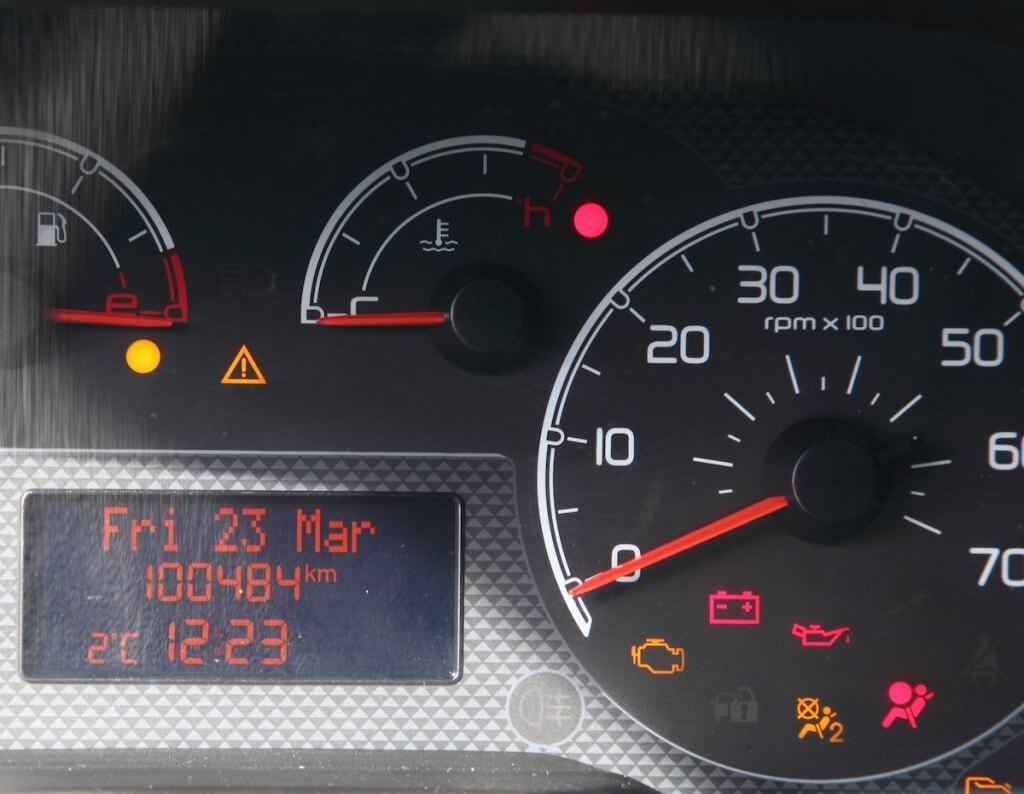
The important distinction is that a warning light does not automatically cancel a factory warranty. The claim depends on the cause of the original failure, the driver’s response, and the applicable warranty or service-contract terms. A manufacturer should not simply reject an unrelated defect because a warning appeared previously.
If a serious warning appears, follow the owner’s manual. Pull over safely, shut down the engine when instructed, and arrange appropriate assistance rather than continuing the journey. Photograph the warning, record the mileage, and keep towing and diagnostic records.
That documentation can help establish when the problem appeared and what action you took. Ignoring a critical warning is not worth the risk of turning a potentially covered repair into a much larger expense.
5. Normal Wear and Tear Is Mistaken for a Mechanical Defect
A vehicle warranty is generally designed to address defects in materials or workmanship, not to pay for every component that eventually wears out. This distinction can surprise owners who assume that any failure during the warranty period should qualify for free replacement.
Brake pads provide a straightforward example. They gradually become thinner through normal use, so replacing them after substantial mileage is usually considered routine maintenance rather than a manufacturing defect.
The same principle commonly applies to tires, wiper blades, clutch friction material, and other components that naturally wear during operation.
However, the situation changes if a component wears out unusually early because of a manufacturing or material defect. A brake component that fails prematurely because of defective construction may deserve warranty consideration, depending on the manufacturer’s coverage terms and the evidence available.
The Consumer Financial Protection Bureau explains that manufacturer warranties generally cover certain defects or failures but typically exclude routine maintenance and parts that wear through normal use.
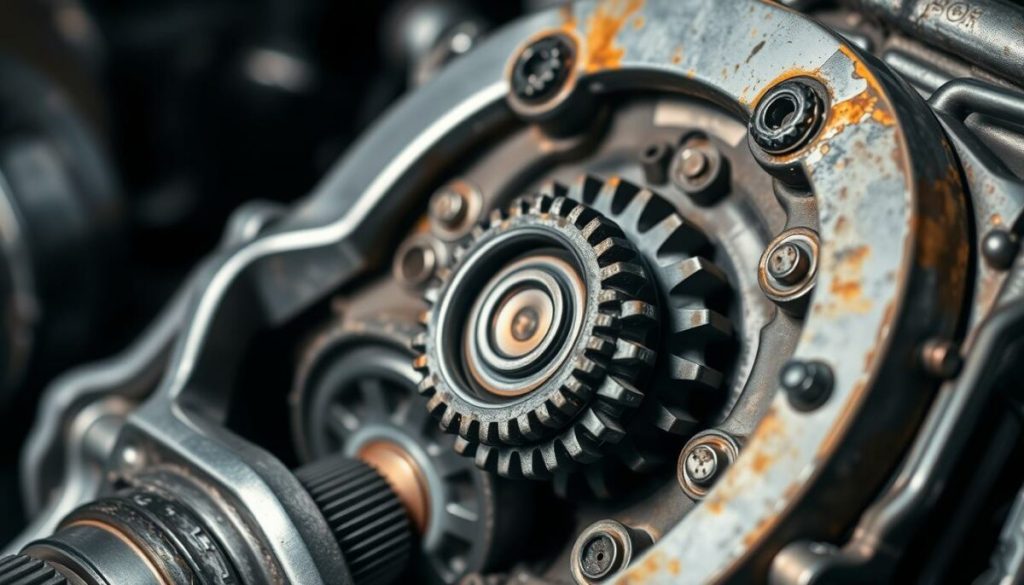
An optional vehicle service contract may have different wording. Some contracts cover particular mechanical breakdowns but exclude wear-related failures, while others offer limited wear-and-tear benefits. The California Department of Insurance warns that these exclusions can be important when evaluating a repair claim.
When a claim is rejected as normal wear, ask the provider to identify the relevant exclusion and explain how the inspection supports that decision. Request photographs, measurements, diagnostic findings, and the technician’s written report where available.
Do not assume that the word “wear” settles the issue. The real question is whether the failure resulted from expected use or an abnormal defect. A documented inspection can help distinguish the two and give you a stronger basis for challenging an incorrect denial.
6. Missing a Required Authorization or Using an Unapproved Repair Facility
Some warranty claims become paid repairs because the owner starts work before obtaining the approval required by the coverage agreement. This is especially common with optional vehicle service contracts, which may have specific procedures for reporting a breakdown, selecting a repair facility, and receiving authorization.
A driver might take a vehicle to an independent shop, approve a transmission replacement, and expect the service-contract company to reimburse the bill afterward. The administrator may refuse payment if the contract required the owner to report the problem and obtain authorization before repairs began.
This does not mean every factory warranty requires advance permission for every repair. Manufacturer warranty work is generally handled through the manufacturer’s authorized dealer network, while optional service contracts can impose their own repair-facility and claim procedures.
The distinction matters because a separately purchased service contract is governed by its written terms.
The FTC advises consumers to check whether a service contract requires pre-approval for repairs or towing and whether work must be performed at specified facilities. It also recommends checking how claims are submitted and who is responsible for authorizing payment.
Before agreeing to a major repair, call the administrator using the contact information in the contract. Record the claim number, the representative’s instructions, and any authorization amount. Ask whether diagnostic teardown is approved separately from the actual repair.
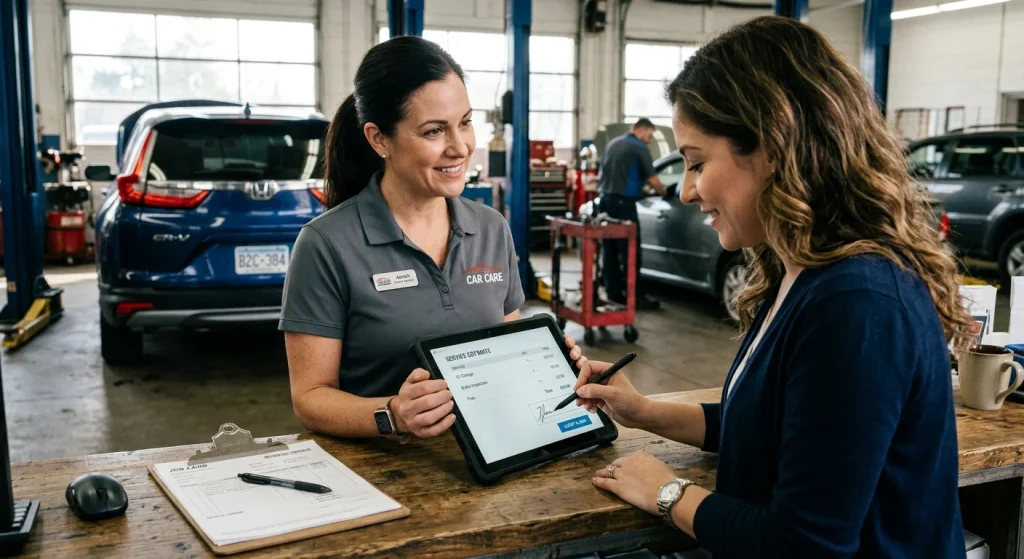
If the vehicle needs immediate attention, clarify whether towing is covered and where the vehicle should be taken. Do not rely on a repair shop’s assumption that the provider will pay.
A simple phone call before authorizing work can prevent a costly disagreement after the invoice has already been issued.
7. The Failure Falls Outside the Contract’s Coverage
Sometimes a repair is denied not because the owner neglected the vehicle or made a mistake, but because the failed component or the circumstances surrounding the breakdown are excluded from the agreement.
This is particularly important with optional vehicle service contracts, which are often advertised using broad phrases such as “comprehensive protection” or “bumper-to-bumper coverage.”
Those descriptions do not necessarily mean every component is covered. A contract may list engine and transmission components while excluding hoses, seals, gaskets, batteries, brake friction material, or other items.
It may also exclude damage caused by overheating, contaminated fluids, accidents, modifications, or pre-existing conditions.
For example, imagine a service contract covers internal engine damage but specifically excludes coolant hoses. If a cracked hose causes coolant loss and the engine overheats, the administrator may argue that the resulting engine damage falls under an exclusion.
The California Department of Insurance describes this type of situation as a potential basis for denying a claim when an uncovered component contributes to the failure.
This is why reading the exclusions section matters just as much as checking the list of covered components. Look for language about consequential damage, pre-existing conditions, maintenance requirements, fluid contamination, and unauthorized modifications.
If a claim is rejected, request the exact contract provision being applied and a written explanation of how the failure meets that exclusion. Ask for the inspection findings supporting the decision.
Remember that a factory warranty and an optional service contract are different products. Their coverage rules are not interchangeable. Understanding which agreement applies, and what it actually promises, is the best way to avoid treating an unexpected repair bill as an automatic warranty obligation.