
Two repair shops can inspect the same vehicle, recommend the same repair, and still quote very different labor hours. That does not automatically mean one shop is overcharging. Repair estimates depend on labor guides, manufacturer procedures, vehicle condition, equipment, and the exact work included.
One shop may quote only the component replacement, while another includes diagnosis, calibration, alignment, or additional removal work.
Understanding these differences helps drivers compare estimates fairly instead of choosing the lowest number without checking what it covers. Here are eleven reasons two shops can quote different hours for the same repair.
1. Different Labor-Time Guides
One of the biggest reasons repair estimates differ is that shops may use different labor-time databases. These guides provide estimated hours for common repairs, helping businesses calculate labor charges consistently.
Mitchell 1, for example, has published automotive labor estimates for the North American repair industry since 1946. Other providers and manufacturers also publish or supply labor information, and their figures do not always match.
A labor guide is not a stopwatch recording the exact time every technician must spend on a job. Mitchell 1 explains that its estimates are based on average conditions, trained technicians, standard equipment, and typical repair procedures. Actual time can vary depending on the vehicle, shop, and working conditions.
Imagine two shops quoting a water-pump replacement. One may use an aftermarket estimating database, while another relies on a manufacturer procedure or a different estimating system. Their base labor allowances could differ because the databases use different research methods, assumptions, or repair-operation definitions.

That does not automatically make either estimate incorrect. The important question is whether the quoted hours reflect a recognized procedure and the exact vehicle configuration. Ask which labor guide or reference the shop uses and whether the estimate is based on the correct engine, drivetrain, and model year.
A customer does not necessarily need to demand that every shop use the same database. Instead, compare the work descriptions and ask why the time allowances differ. A shop that can explain its labor calculation is easier to evaluate than one that simply provides a number without showing what it includes.
2. Different Repair Procedures
The same mechanical problem can sometimes be repaired through more than one documented procedure. This is particularly common when manufacturers revise service instructions or release technical service bulletins that change how a component should be removed or installed.
One procedure may require removing several surrounding parts, while an updated method may allow a technician to reach the component more directly.
Mitchell 1’s estimating guide documents this type of difference. Its example involving a 2003 Chevrolet TrailBlazer 4.2-liter engine shows two labor times for cylinder-head-gasket replacement.
The original procedure was listed at 23.1 hours, while a revised procedure using a special service tool was listed at 9.0 hours. The difference came from a documented change in the repair method, not simply a shop deciding to work faster.
This explains why asking both shops to quote the same repair is not always enough. One may be using an older procedure, while another has access to updated manufacturer information or the required special tool. The lower estimate may be perfectly reasonable if the revised method applies to the exact engine and vehicle configuration.

However, it is important to note that a technical service bulletin does not necessarily mean that a vehicle is covered by a recall or automatically eligible for the updated repair procedure. Eligibility must be confirmed by reviewing the bulletin’s specific requirements, including the vehicle model, engine type, production date, and reported condition.
Ask each shop whether it is following the current manufacturer procedure and whether a technical service bulletin applies. If one quote is dramatically lower, ask the shop to identify the procedure behind its estimate. A documented method is a stronger explanation than a general claim that its technicians can complete the job more quickly.
3. One Quote Includes More Work Than the Other
Two estimates may appear to cover the same repair while actually describing different amounts of work. A shop might quote the replacement of a failed component alone, while another includes related removal, installation, testing, and adjustment operations.
That difference can add several labor hours without either shop necessarily miscalculating the basic repair.
Consider a suspension repair. Replacing a control arm may require removing related hardware and separating components. Depending on the vehicle and manufacturer’s procedure, a wheel alignment may also be recommended or required after the work.
If one estimate lists the alignment separately and another includes it in the labor package, the quoted hours will not be directly comparable.
Mitchell 1 specifically explains that some labor operations exclude wheel alignment because including alignment time in every individual suspension-component replacement could inflate estimates when multiple components are being replaced together. Its estimating guidance uses separate notes to clarify when alignment is not included.
The same issue occurs with engine repairs, brake work, and cooling-system jobs. One estimate may include draining and refilling fluids, while another lists those operations separately. Some labor guides also include normal preparation, cleaning, tool setup, and verification within their published times.
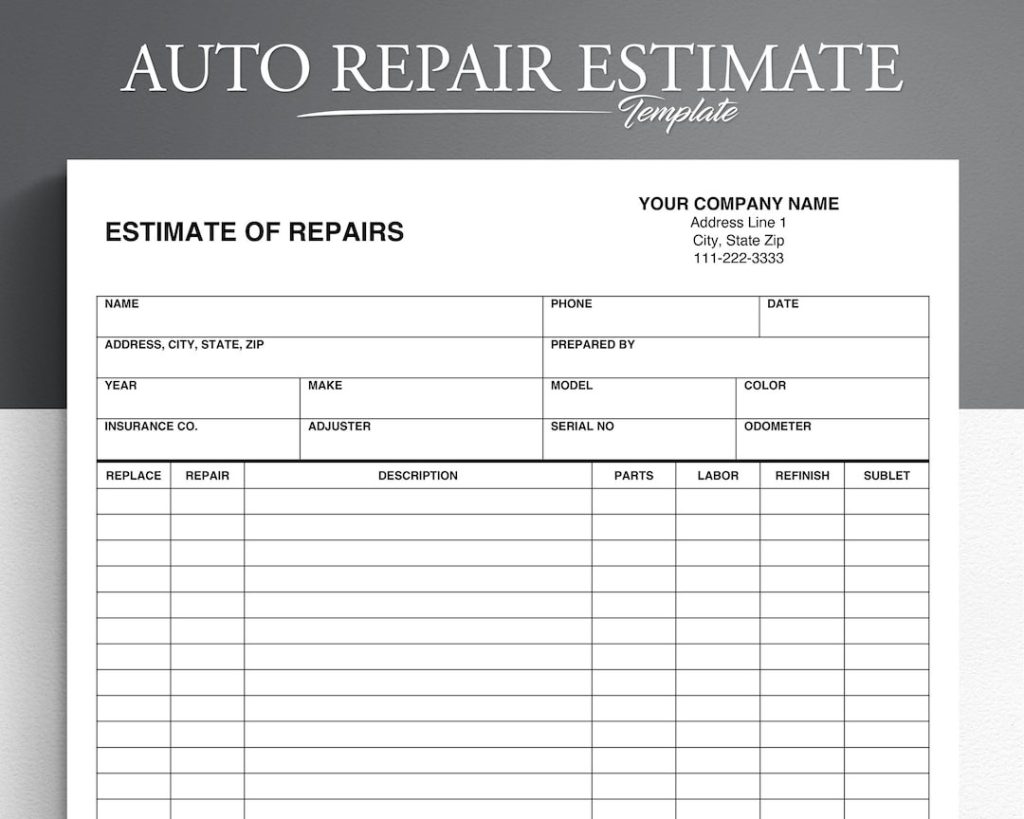
Before comparing the totals, place both estimates side by side and identify every operation. Check whether diagnosis, fluid replacement, alignment, programming, calibration, and post-repair testing are included. Ask the shop to separate the main repair from additional operations if the description is unclear.
A higher number of quoted hours does not necessarily mean the shop is charging more for the same task. It may simply be accounting for work that the other estimate has left out.
4. Rusted, Seized, or Broken Fasteners
A repair that takes three hours on a relatively new vehicle can become a much longer job on an older car exposed to years of road salt, moisture, and corrosion. The difference often comes down to fasteners. Bolts that should loosen with ordinary tools may be seized on suspension components, exhaust parts, brackets, or the vehicle’s frame.
Labor guides generally assume standard repair conditions. Mitchell 1 specifically states that its estimated times do not include the additional work needed to free parts frozen by rust or corrosion or deal with broken bolts and studs.
Its guidance identifies these as variable conditions that cannot be reliably built into every standard labor allowance.
MOTOR’s estimating guidance makes a similar distinction. Its published times are based on new, undamaged parts installed on new, undamaged vehicles. Rusted, frozen, broken, or corrosion-damaged components and fasteners are listed among the items not included in standard estimated work times.
This explains why a shop in a northern state may quote additional time for a suspension repair on a vehicle that has spent many winters exposed to road salt. A shop working on a similar vehicle from a dry region may expect the fasteners to come apart normally. Neither estimate should automatically be treated as dishonest.
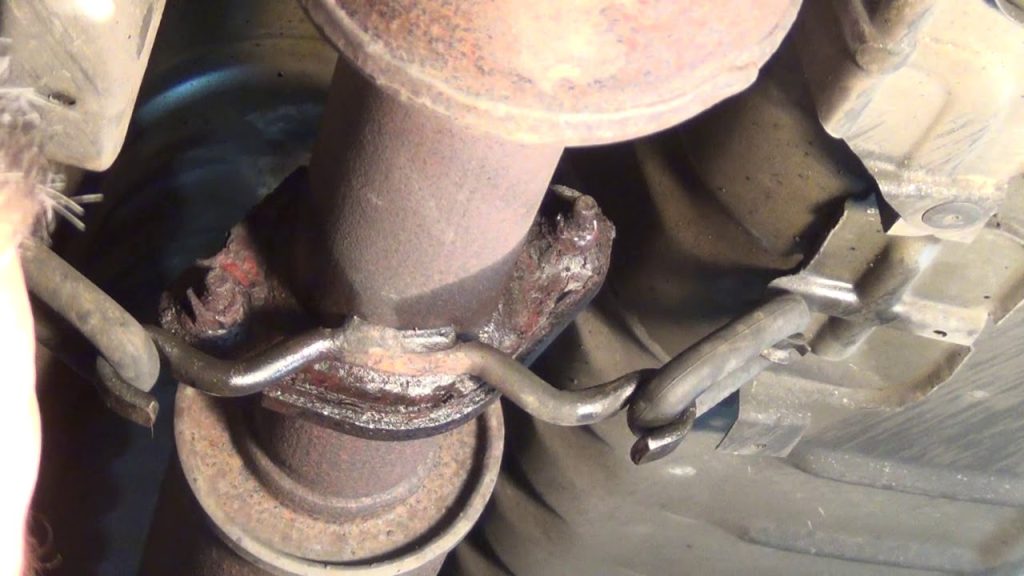
However, extra labor should be tied to an actual condition, not added simply because a vehicle is old. Ask the shop to identify the seized fastener, explain the additional operation, and obtain your approval before proceeding if the price will exceed the agreed estimate.
Photographs can make the explanation clearer. If a bolt breaks during removal or requires cutting and extraction, the shop should document the problem and explain how the additional work affects the repair.
5. Engine, Drivetrain, and Trim Differences
A vehicle’s model name alone is not enough to produce an accurate labor estimate. The same model can have several engine options, transmission types, drivetrain layouts, and equipment packages. These differences can change how easily a technician reaches a component and how much work is required to remove it.
Consider a midsize SUV sold with both a four-cylinder engine and a V6. A water pump on one version might be accessible from the front of the engine, while the other could require additional components to be removed.
An all-wheel-drive version may also have different access restrictions from a front-wheel-drive model. A quote based only on the vehicle’s name can therefore be misleading.
MOTOR’s estimating guidance states that its published times do not automatically apply to vehicles equipped with equipment other than standard or regular-production options. When additional equipment changes the repair conditions, the time may need to be adjusted.
Mitchell’s labor information also emphasizes that published times depend on the specific vehicle and repair operation. Its guides distinguish between base-model equipment and additional operations that may be required for particular configurations.
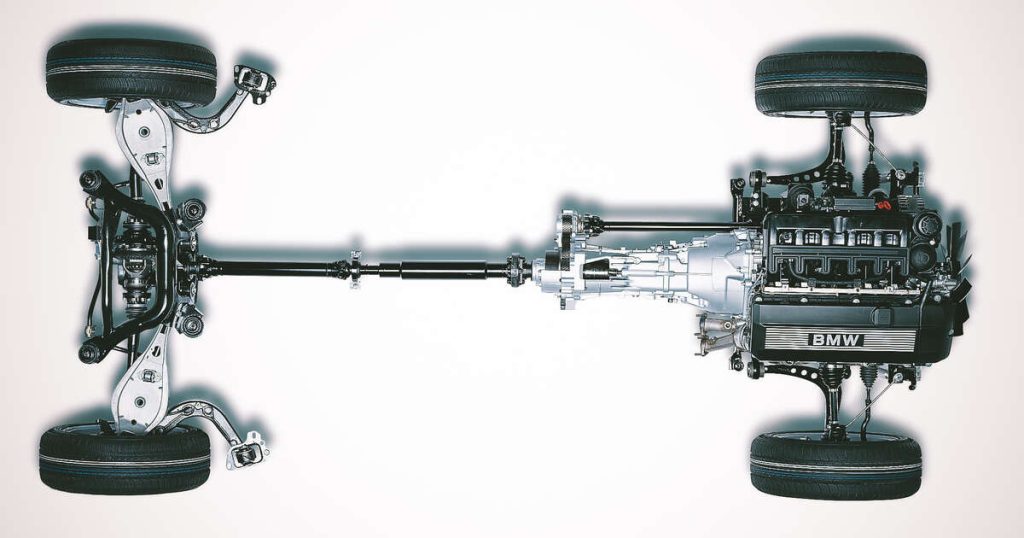
This is why a shop may ask for the VIN before giving a firm quote. The VIN helps identify the correct engine, model year, and configuration instead of relying on a broad model description.
When comparing estimates, check that both shops have the correct engine size, drivetrain, trim, and production details. If one shop has quoted the wrong configuration, its lower labor time may have little value. A properly matched estimate is more useful than an attractive number based on an almost identical vehicle.
6. Different Technician Experience and Shop Equipment
Two technicians can approach the same repair with different levels of experience, training, and equipment. A specialist who regularly works on a particular engine or transmission may know the removal sequence, common access problems, and manufacturer-specific procedures extremely well.
Another technician who rarely encounters that vehicle may need more time to complete the same operation correctly.
Equipment makes a difference, too. A shop with manufacturer-specific diagnostic tools, dedicated engine-support fixtures, transmission jacks, and specialized extraction equipment may be able to perform certain operations more efficiently.
A general repair facility may need to arrange additional equipment or use a different approved procedure.
This does not mean the fastest technician should automatically produce the cheapest estimate. The priority is completing the repair safely and following the manufacturer’s instructions.
MOTOR’s estimating guidance assumes that the repair facility has the necessary tools, equipment, and training to perform the listed operation. It also explains that estimated times are guides rather than guaranteed completion times.
Experience can be especially relevant when working on European luxury vehicles, older performance engines, or complex hybrid systems. A specialist may charge a higher hourly rate but quote fewer hours because the technician is familiar with the design. A general shop might quote more time because the job is less familiar or requires additional preparation.
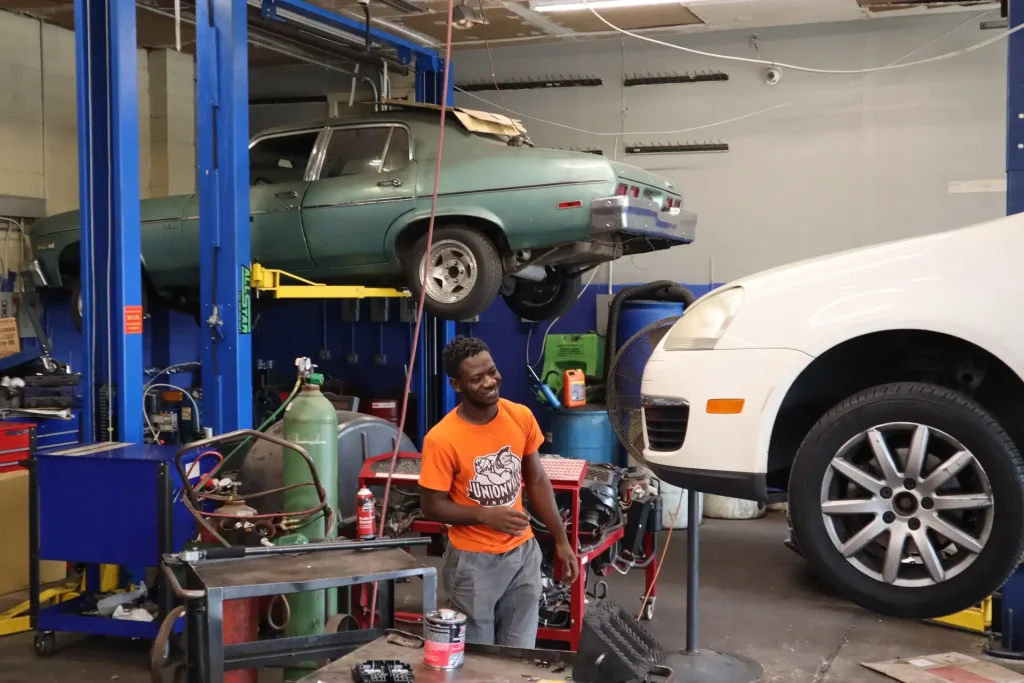
Ask whether the shop has experience with your particular vehicle and whether it has the necessary tools. If the repair involves a complex system, find out whether the work will be completed in-house or sent to another facility.
A longer estimate is not automatically a sign of poor workmanship. However, the shop should be able to explain whether its quoted time comes from a published procedure, additional equipment requirements, or the specific experience needed for the job.
7. Diagnostic Time Is Included in One Quote but Separate in Another
A repair estimate may include two separate labor activities, one for identifying the problem and another for fixing it. Some repair shops combine both tasks into a single charge, while others provide separate costs for diagnosis and repair. As a result, estimates may appear significantly different even when the actual services being offered are quite similar.
Imagine that a vehicle has an intermittent overheating problem. One shop might quote a single labor figure covering pressure testing, checking the cooling fans, locating a leak, and replacing a failed component. Another may charge a diagnostic amount first, then provide a separate repair estimate once the cause is confirmed.
The Federal Trade Commission advises consumers to ask whether diagnostic work is charged separately and to obtain a written estimate before authorizing repairs.
A diagnostic fee may be legitimate even if the customer decides not to proceed with the recommended repair, provided the charge was properly disclosed and authorized under applicable state law.
There is a practical reason for separating the stages. A warning light does not always identify the failed component. A diagnostic trouble code may point toward a system or circuit, but additional testing may be necessary to determine the actual cause. Replacing a part based only on a code can lead to unnecessary spending.

When comparing estimates, check whether both shops have performed the same diagnostic tests. If one quote is based on a confirmed failure and another is only an initial inspection, their repair hours cannot be compared fairly.
Ask for the diagnosis, testing performed, and remaining uncertainty to be written down. This helps prevent paying twice for the same diagnostic work and makes it easier to understand why the final repair estimate changed.
8. Additional Calibration, Programming, and Electronic Procedures
Modern repairs often involve more than removing a damaged part and installing another one. Cameras, radar sensors, electronic control modules, steering systems, and other components may require programming, resetting, or calibration after mechanical work.
If one shop includes these procedures in its quoted labor and another lists them separately, the totals will differ.
Windshield replacement is a straightforward example. A vehicle with a camera mounted near the windshield may require a manufacturer-approved camera calibration after the glass is replaced. The calibration procedure depends on the vehicle and may require specialized targets, diagnostic equipment, and specific workshop conditions.
The same issue can arise after suspension or collision repairs. Steering-angle sensors and driver-assistance systems may need calibration when related components are disturbed.
MOTOR’s estimating guidance specifically identifies diagnostic scans, electronic resets, and steering-angle sensor recalibration among operations that may not be included in standard labor times. It recommends evaluating the additional work according to the specific vehicle and repair.

This is not necessarily an attempt to inflate the bill. The additional procedure may be necessary to return the system to its intended operation. However, the shop should explain why it is required and whether the estimate includes the equipment and labor.
Ask whether programming, pre-repair scans, post-repair scans, and required calibrations are included. Also check whether the shop will perform the work itself or use a specialist. A quote that excludes calibration may initially look cheaper, but the final invoice could be higher once the required electronic work is added.
The best comparison is between two complete repair plans, not simply two labor-hour figures.
9. Previous Repairs and Aftermarket Modifications
A vehicle that has already been modified or repaired may take longer to service than one still in its original factory configuration. Aftermarket suspension components, oversized wheels, lift kits, nonstandard exhaust systems, alarm installations, and custom wiring can all change the access a technician has to a component.
Imagine two shops quoting a starter replacement on the same model of pickup. One vehicle is completely stock. The other has aftermarket equipment that obstructs access to the starter or requires additional components to be removed first.
A standard labor-guide figure may describe the first vehicle reasonably well but fail to account for the extra work on the modified example.
Previous repair quality matters as well. A technician might discover stripped threads, incorrect fasteners, damaged connectors, missing brackets, or wiring that has been routed differently from the factory design. These conditions can create additional work before the original repair can even begin.
Mitchell’s estimating guidance identifies non-original equipment, damaged access areas, and additional work involving related components as possible reasons why actual labor can differ from standard times. MOTOR also notes that its published estimates may not apply unchanged when vehicles have equipment beyond standard or regular production options.
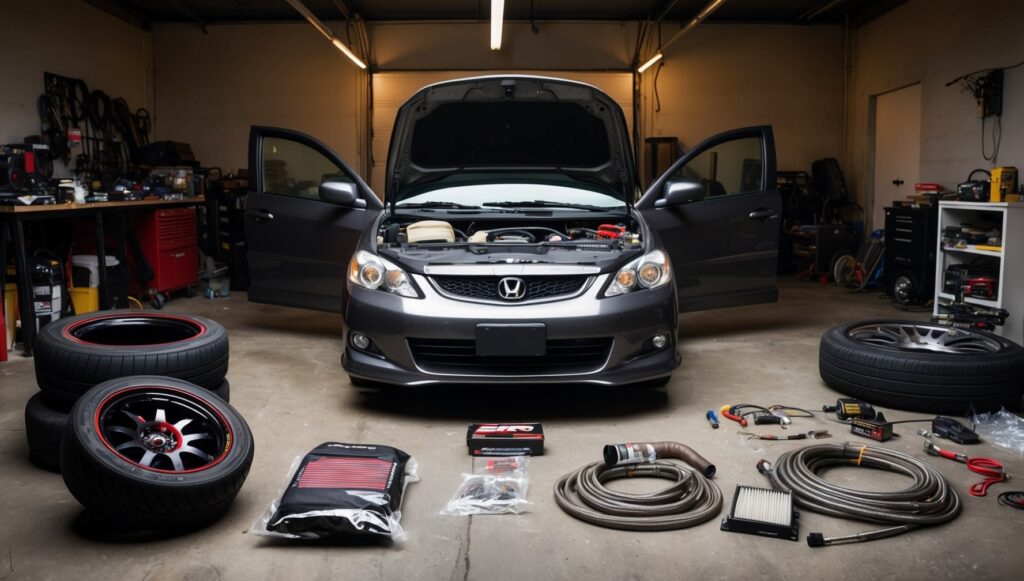
The shop should not automatically add hours simply because a vehicle has aftermarket parts. It should identify the specific modification that affects the job and explain what additional operation is necessary.
Tell the service adviser about previous repairs and modifications before requesting an estimate. If the shop discovers an unexpected problem after disassembly, ask for photographs and a revised estimate before approving the additional work.
A lower quote based on a factory-standard vehicle may not be realistic for a modified car. Accurate estimates depend on the vehicle sitting in the repair bay, not just the model description entered into an estimating system.
10. Parts Availability and the Condition of Replacement Components
The parts selected for a repair can influence the labor estimate. A new original-equipment component, an aftermarket replacement, a remanufactured assembly, and a used part may not arrive in exactly the same condition or require identical preparation. Their fit, included hardware, and compatibility can affect how much work is needed.
For example, a replacement suspension component might arrive with certain bushings and brackets already installed, while another supplier provides a more basic assembly that requires transferring additional hardware.
A used component may also need inspection or adjustment before installation. These differences can change the work involved even though the repair description looks identical.
MOTOR’s estimating guidance makes clear that standard times are based on specified assumptions about parts and vehicle condition. It notes that additional aligning or repair may need to be considered when the installed parts are used, remanufactured, aftermarket, or otherwise different from the new undamaged parts assumed by the guide.
Parts availability can also affect the repair plan. If a shop cannot obtain the correct assembly, it may need to source another approved component or arrange work with a specialist. That does not necessarily mean the installation itself takes more labor hours, but additional preparation or fitting may be required.
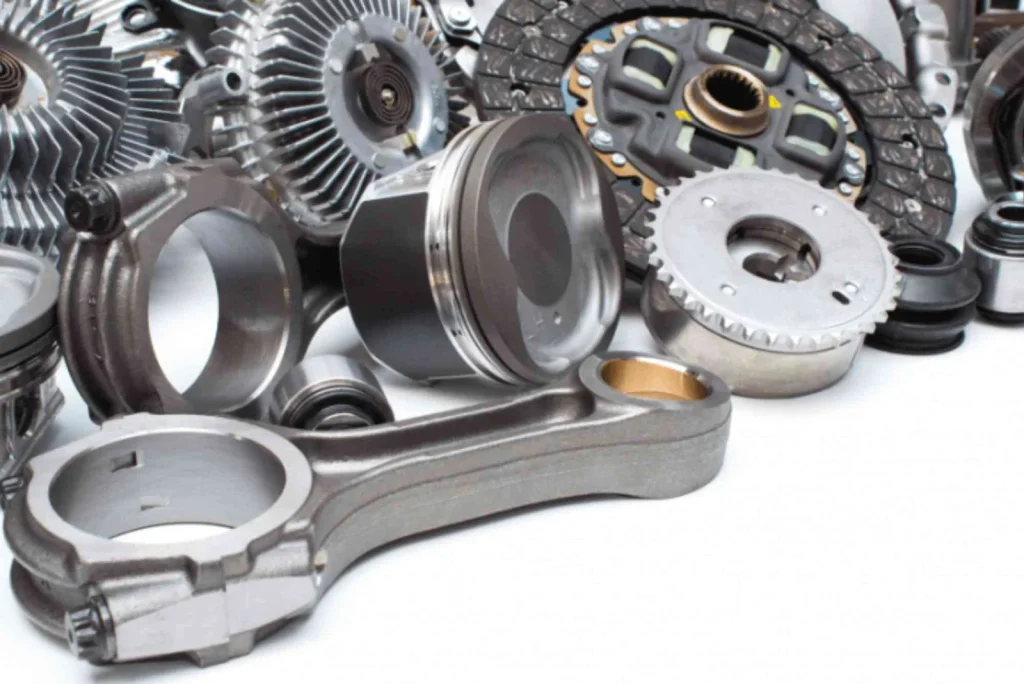
When comparing two quotes, check the part numbers, manufacturers, and condition of the components. Ask whether the replacement includes necessary brackets, seals, bolts, and other hardware. Find out whether the shop expects any additional fitting or adjustment work.
A cheaper component is not automatically a cheaper repair if it requires extra labor or creates compatibility problems. The fairest comparison uses the same type and quality of part, with the labor required to install it correctly.
11. Different Policies for Overlapping Labor Operations
Another factor to consider is how repair shops account for overlapping labor when multiple repairs are completed at the same time. Certain tasks may involve removing the same parts or accessing the same area of the vehicle. Charging the full labor cost for each repair separately could result in duplicate charges for work that only needs to be performed once.
Consider a vehicle that needs both a timing belt and a water pump. Depending on the engine design, reaching the water pump may already require removal of components that must also come off for the timing belt. Replacing both during the same visit can reduce the additional labor required compared with performing the jobs separately.
Mitchell 1 describes this as combination labor time. Its guidance explains that additional time may be used for tasks directly related to the original operation and conveniently performed at the same time.
It gives timing-belt replacement with related components as an example of work that may be combined rather than priced as completely separate operations.

This is why a shop might quote fewer combined hours than the total of two separate labor-guide entries. Another facility might list both jobs independently or use a different estimating method. Neither approach should be judged without examining the actual operations and any credits applied for shared access.
Ask whether the estimate accounts for overlapping work. If the same components are being removed for two repairs, request an explanation of how the shop calculated the combined labor. Also check whether the quoted price includes the additional seals, bolts, fluids, or other parts needed while the area is already accessible.
A clear estimate should show which operations are shared and which genuinely require additional time. That makes it easier to identify duplicated labor and compare the real cost of completing both repairs together.