Dealership maintenance can offer genuine advantages, including factory-trained technicians and access to manufacturer-specific procedures. However, that does not mean every routine service needs to be purchased at dealership prices.
Some maintenance tasks involve inexpensive parts and relatively straightforward labor, yet appear on service invoices at considerably higher prices than drivers might find elsewhere. The difference depends on the vehicle, location, labor rate, and parts used, so triple pricing is not universal.
These eleven examples highlight services worth comparing before approving an estimate, particularly when the owner’s manual allows qualified independent shops to perform the same maintenance.
1. Engine Oil and Filter Changes
An oil change is one of the most frequent maintenance expenses, which makes even a modest price difference noticeable over several years.
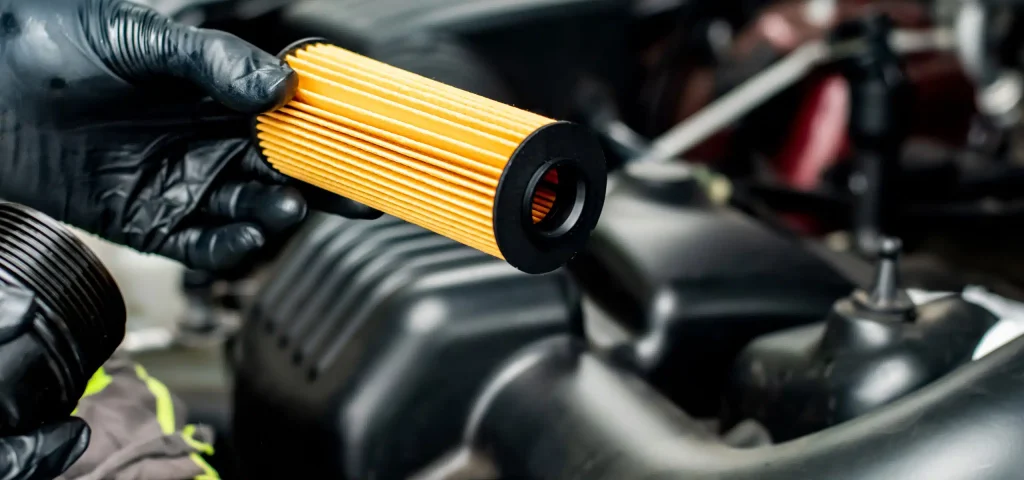
Dealerships may charge more because of their labor rates, facility costs, service packages, and the specific oil required by certain engines. However, a routine oil and filter change does not automatically require a dealership visit.
Consumer Reports lists a typical oil-change price range of $75 to $150 and notes that independent mechanics or quick-lube locations can cost less than a dealer. The actual price depends on oil capacity, viscosity, synthetic-oil requirements, filter selection, and local labor rates.
The important point is not to choose the cheapest oil service without checking what is included. A vehicle requiring full synthetic oil with a particular manufacturer specification should not receive a cheaper substitute that fails to meet that requirement.
Compare the oil specification, filter quality, quantity, disposal fee, and service interval rather than looking only at the advertised price.
There is also no universal need to change oil every 3,000 miles. Follow the maintenance schedule in the owner’s manual, including any separate instructions for severe driving conditions. Modern vehicles may have oil-life monitoring systems that help determine when service is due.
The Federal Trade Commission confirms that owners can use independent repair facilities for routine maintenance without automatically losing factory warranty protection. Keep dated receipts and mileage records to document the work.
2. Engine Air Filter Replacement
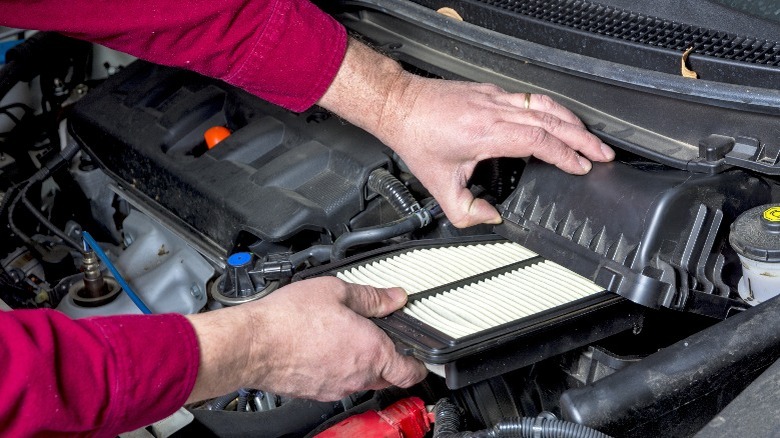
The engine air filter plays a vital role despite its small size. It traps dust, dirt, and other airborne contaminants before they can enter the engine’s intake system.
Unlike some complicated maintenance procedures, replacing a conventional engine air filter is relatively straightforward on many vehicles. Yet a dealership may charge a substantial labor and parts markup for a task that takes only a short time.
AAA lists typical air-filter part prices at approximately $40 to $45, although the actual cost varies by vehicle and filter design.
The dealership’s installed price can be higher because it includes labor and other charges, but owners should ask for an itemized quote before approving the replacement.
Some vehicles have easily accessible air-filter housings secured by clips or a few screws. Others require more disassembly, so it would be inaccurate to assume every replacement is a five-minute job. The owner’s manual usually identifies the filter’s inspection and replacement schedule.
A dirty filter should not be replaced solely because a service adviser recommends it at a particular mileage. Ask to see the existing filter and inspect its condition. Heavy dust exposure can shorten its useful life, while normal highway driving may allow it to last longer.
If you choose an independent shop or purchase the correct filter yourself, confirm the part number and filtration specification. An incorrectly sized or poorly fitting filter can allow unfiltered air to bypass the element. The aim is to avoid paying premium labor for a simple service without compromising the engine’s protection.
3. Cabin Air Filter Replacement
A cabin air filter is easy to overlook because it does not affect engine performance, but it plays an important role in the air entering the passenger compartment. It captures dust, pollen, and other airborne particles before they circulate through the heating and air conditioning system.
Replacing it is often a straightforward maintenance task, yet dealership pricing can make this inexpensive component surprisingly costly.
AAA reports that a basic cabin filter may cost around $15 at an auto parts store, while a premium original-equipment filter purchased from a dealership can cost $50 or more. The installed price can rise further when labor and shop charges are added.
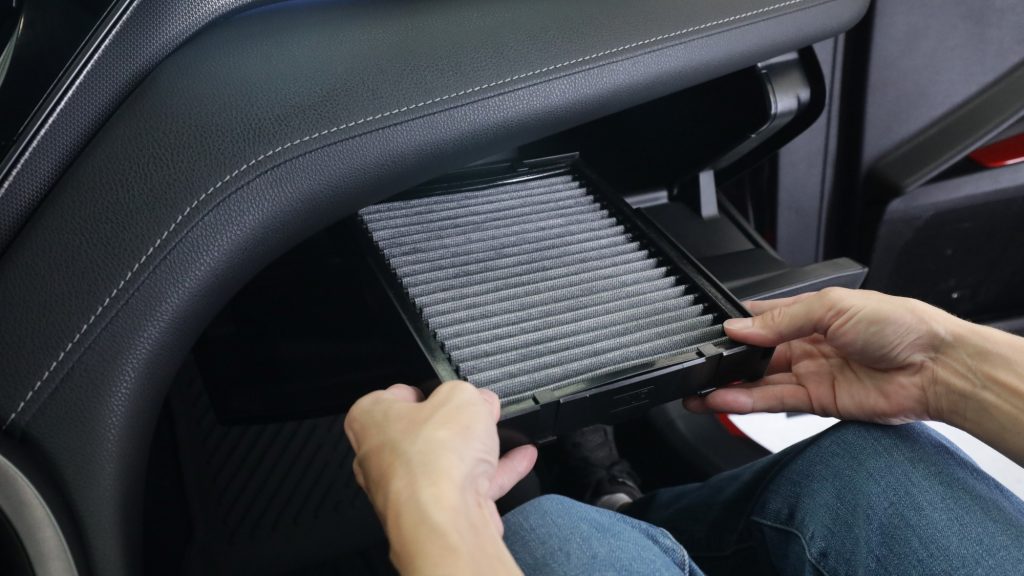
On many vehicles, the filter sits behind the glove compartment and can be accessed without specialized tools. However, its location varies.
Some models require removing trim panels or accessing the area beneath the dashboard, so replacement time is not identical across vehicles. Haynes notes that garage replacement can take approximately 10 to 45 minutes depending on the design.
Before approving the service, ask the adviser to show you the existing filter. If it is visibly dirty or airflow has weakened, replacement may be reasonable. Also check the owner’s manual for the recommended interval.
AAA says many vehicles call for replacement around every 15,000 to 30,000 miles, although driving conditions can change that schedule.
Compare the filter’s part number and filtration type before purchasing elsewhere. A cheaper filter is not a bargain if it fits poorly or provides inadequate filtration. You can save on labor without sacrificing quality.
4. Windshield Wiper Blade Replacement
Wiper blades are among the simplest maintenance items to compare before accepting a dealership estimate. They are exposed to sunlight, temperature changes, dirt, and repeated contact with the windshield.
Eventually, the rubber hardens, cracks, or loses its ability to clear water evenly. Streaking, skipping, and squeaking are common signs that replacement may be necessary.
AAA lists windshield wiper blades at approximately $10 to $40, depending on the type and vehicle application. That is a useful parts benchmark, not a guaranteed installed price.
Kelley Blue Book estimates professional replacement at roughly $53 to $64, including parts and labor, although local prices and vehicle requirements vary.
Why can the dealership quote seem so much higher? Some vehicles use specialized blade lengths, integrated adapters, or premium beam-style designs. A shop may also include installation labor and a parts warranty. Those costs can be legitimate, but they should be explained rather than hidden inside a vague maintenance package.
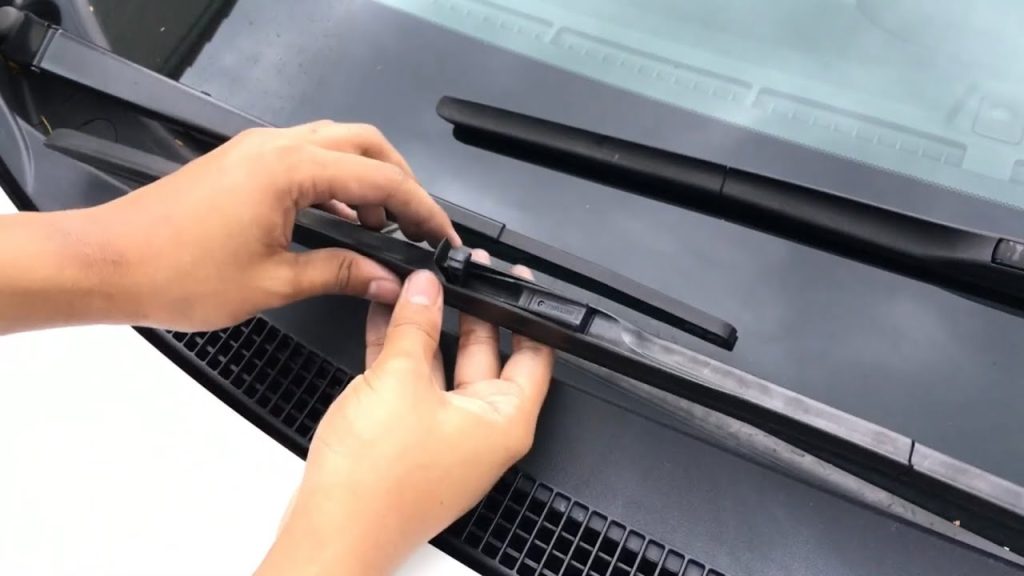
Check whether the estimate covers both front blades or includes the rear wiper as well. These are separate components, and the rear blade may use a different connector. Ask for the brand and exact part numbers so you can compare equivalent products.
AAA notes that wiper blades commonly need replacement every six to twelve months, though climate and use affect their lifespan.
If the blades are still clearing the windshield properly, there is no reason to replace them simply because a service package recommends it. This is a maintenance item worth pricing independently.
5. Tire Rotation
Tire rotation is a maintenance service that can easily become overpriced when it is bundled with a dealership’s inspection package. The procedure involves moving tires between approved wheel positions to encourage more even tread wear. It does not require replacing parts, and on many vehicles it is a relatively straightforward job.
Consumer Reports recommends tire rotation approximately every 5,000 to 7,500 miles, depending on the vehicle and tire requirements. Its maintenance guide lists an estimated price of $45 to $75 for the service. That provides a useful comparison when a dealership presents a significantly higher quote.
The exact procedure depends on the tire setup. Directional tires generally need to remain on the same side when rotated, while staggered wheel arrangements may prevent front-to-rear rotation altogether.
Some vehicles also have different tire sizes or approved rotation patterns. Therefore, a shop should follow the manufacturer’s instructions rather than applying one rotation pattern to every vehicle.
Before paying, check whether tire rotation is already included with a recent tire purchase. Some retailers offer free rotations for tires bought through their stores, although conditions and coverage periods vary. You should also ask whether the quoted service includes a tire-pressure check and inspection.
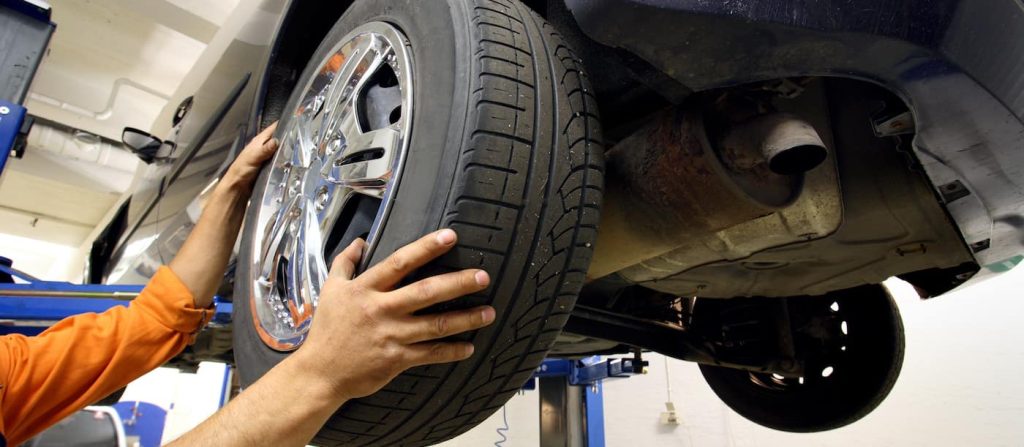
There is little reason to pay for an unnecessary rotation immediately before replacing the tires. Consumer Reports specifically advises against spending money on a rotation when replacement is already approaching.
A dealership may charge more because of its labor rates and service-package structure, but that does not make the procedure exclusive to dealerships. A reputable tire shop can perform it just as effectively when it follows the correct rotation pattern.
6. Wheel Alignment
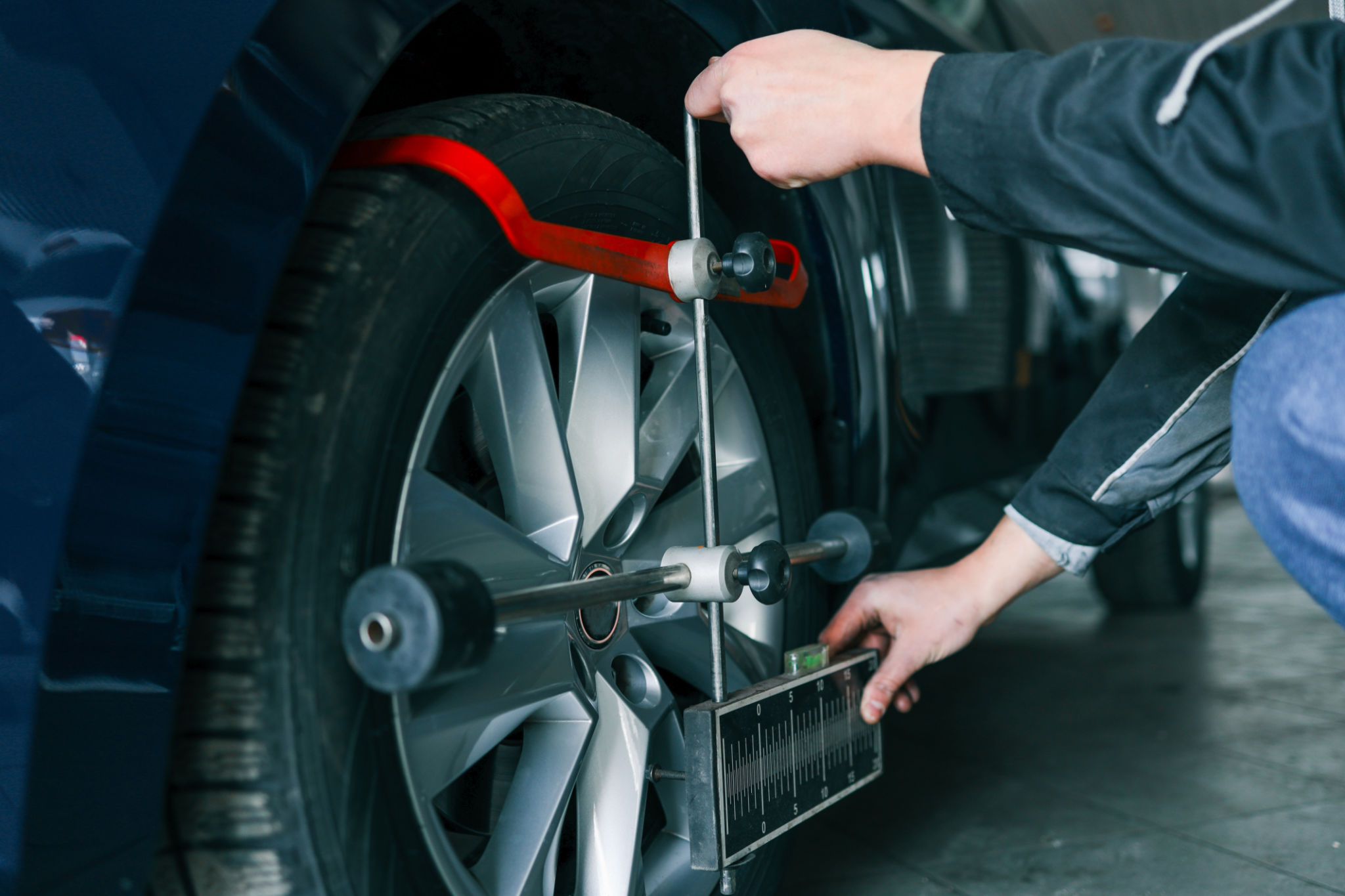
Wheel alignment is another service worth comparing because dealership estimates can be considerably higher than prices at independent tire and alignment shops. The procedure adjusts the wheel angles to the manufacturer’s specifications. Correct alignment helps maintain predictable handling and prevents unnecessary tire wear.
Consumer Reports recommends checking alignment when purchasing tires or replacing suspension components. It also identifies independent tire chains as practical places to have this work performed.
The price depends on the vehicle and the work required. A basic two-wheel alignment may cost less than a four-wheel alignment, while vehicles with adjustable rear suspension or advanced driver-assistance systems can require additional procedures.
A dealership quote should explain which alignment service is being performed rather than simply listing an unexplained package.
There is an important distinction between an alignment inspection and an actual adjustment. A shop may check the angles and find that they already meet specifications. In that situation, you should not automatically be charged for adjustments that were never needed. Ask for the before-and-after alignment readings so you can see what changed.
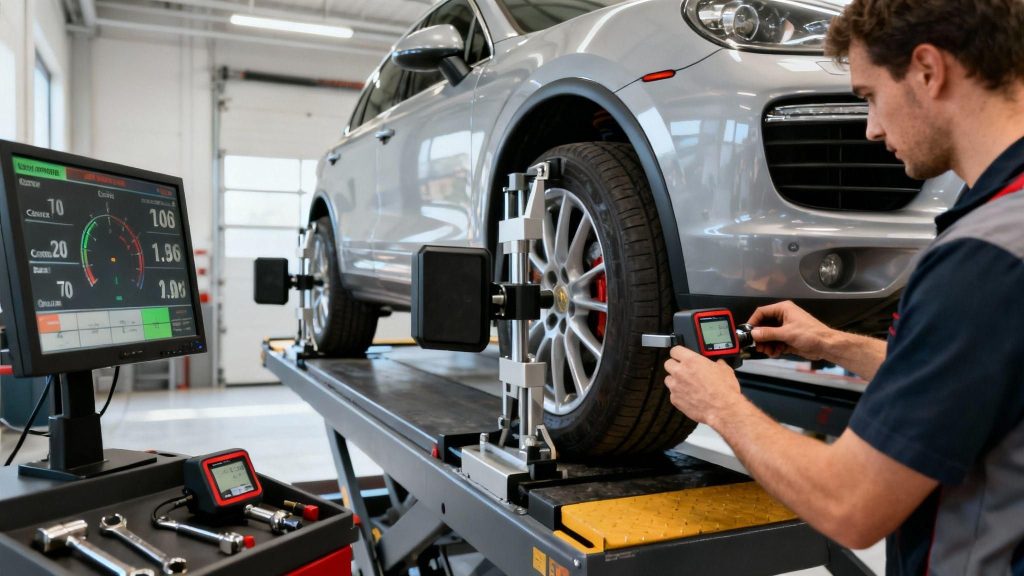
Also, alignment is not automatically necessary every time you rotate tires. It becomes more relevant when the steering wheel sits off-center, the vehicle pulls to one side, tires show uneven wear, or suspension work has altered the geometry. Tire pressure and road conditions can also influence how a vehicle feels, so pulling alone does not prove an alignment fault.
Get a comparison quote from a reputable alignment specialist before accepting a premium dealership price. The equipment and technician’s ability to follow the vehicle’s specifications matter more than the dealership sign above the service entrance.
7. Brake Fluid Flush
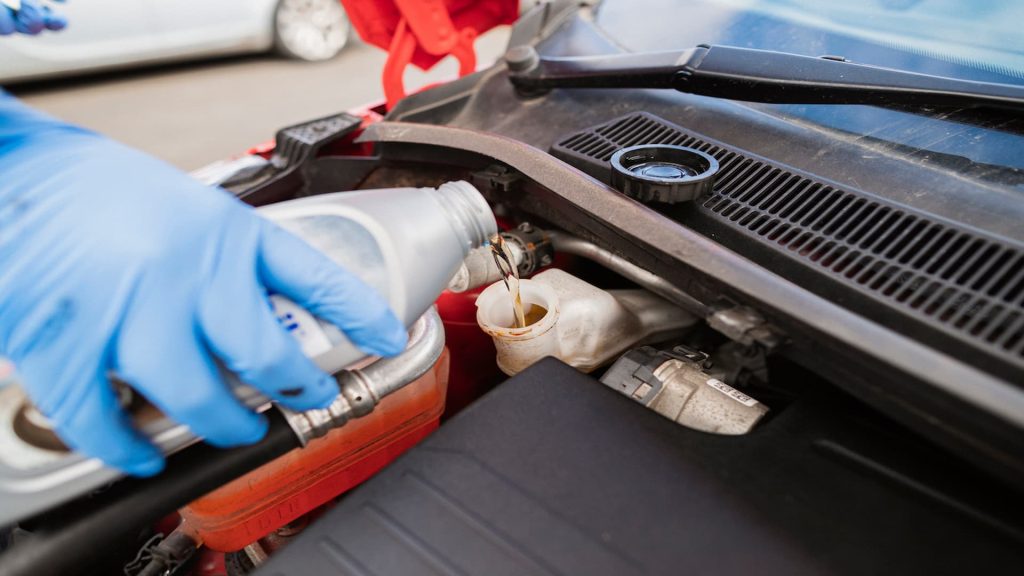
Brake fluid replacement is a maintenance service where dealership pricing deserves a closer look. The procedure involves removing old hydraulic fluid and replacing it with fresh fluid that meets the vehicle manufacturer’s specification.
Because the braking system depends on hydraulic pressure, using the correct fluid and following the proper bleeding procedure are essential.
Published U.S. dealership prices collected in October 2026 ranged from $99 to $249.95 across 22 franchise dealerships, with a median of $169.95. This is a sample of dealerships that publish prices, not a national average.
The service itself does not always require dealership equipment. Many independent repair facilities can perform a proper brake fluid exchange. However, certain vehicles require scan-tool procedures to operate the ABS hydraulic unit during bleeding, so the shop must have the appropriate equipment and follow the correct service procedure.
Before approving the quote, ask whether it includes a complete system flush or merely a reservoir refill. These are not equivalent services. A reservoir-only replacement leaves much of the old fluid inside the hydraulic system. Also confirm the specified DOT fluid type and whether the price includes bleeding all required circuits.
Do not follow a universal replacement interval without checking the owner’s manual. Manufacturers specify different schedules, and some vehicles use condition-based recommendations.
Compare two written quotes for the same procedure. A lower price is useful only if the shop performs the complete service with the correct fluid and equipment. Paying more for a dealership is reasonable when a vehicle-specific procedure genuinely requires its tools, but the name on the building alone does not justify a premium.
8. Coolant Flush and Replacement
Coolant service is another maintenance item that can carry a large dealership markup, particularly when it is presented as part of a larger mileage-based package.
The job involves removing or exchanging old engine coolant and refilling the system with the correct formulation. It protects the engine against overheating, freezing, and corrosion, but the required coolant varies significantly between vehicles.
U.S. maintenance pricing guides place a typical coolant flush and refill in a broad range of approximately $110 to $330. These figures are general estimates, not a guaranteed dealer-versus-independent comparison.
The biggest mistake is comparing prices without checking what the service includes. Some shops may quote a basic drain and refill, while others perform a more extensive exchange. The vehicle’s cooling-system design, coolant capacity, access requirements, and bleeding procedure also affect the price.
Ask the service adviser to identify the coolant specification and quantity. Modern vehicles may require specific long-life formulations, and mixing incompatible coolant types can create problems. A generic product should not be substituted simply because it costs less.
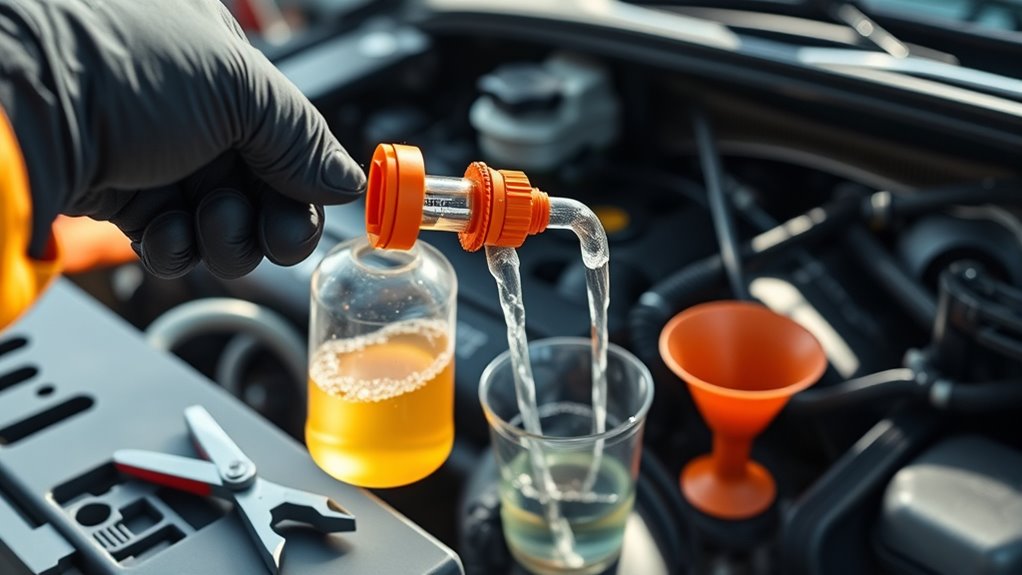
You should also ask why the service is due. Coolant replacement intervals vary by manufacturer and coolant chemistry. A vehicle should not receive a flush solely because a dealership has placed it in a generic mileage package.
An independent shop with the correct equipment and vehicle-specific information can often perform this maintenance. Request an itemized estimate showing coolant, labor, disposal, and any additional parts. If the system has a leak or a failing thermostat, that is a separate repair and should not be hidden inside the flush price.
9. Spark Plug Replacement
Spark plug replacement can become an expensive dealership visit, particularly on engines where the plugs are difficult to access. The plugs themselves are not necessarily expensive, but labor can increase when technicians must remove engine covers, intake components, or other equipment before reaching them.
Consumer Reports lists approximately $200 to $500 as a typical price for spark plug replacement and identifies around 100,000 miles as a common replacement point for many modern vehicles. Actual intervals depend on the engine and the manufacturer’s maintenance schedule.
A dealership may recommend replacing spark plugs during a major mileage service. That recommendation can be legitimate, but owners should check whether the work is actually due. Some engines use long-life iridium or platinum plugs, while others have different replacement requirements.
Ask the service adviser to provide the spark plug part number, quantity, labor charge, and reason for replacement. If the estimate includes ignition coils, request a separate explanation. Spark plugs and ignition coils perform different functions, and replacing every coil is not automatically necessary when plugs are due.
The vehicle’s engine layout also affects labor. A straightforward four-cylinder engine may offer relatively easy access, whereas certain V6 engines require considerably more disassembly. That is why a single national price cannot accurately represent every spark plug replacement.
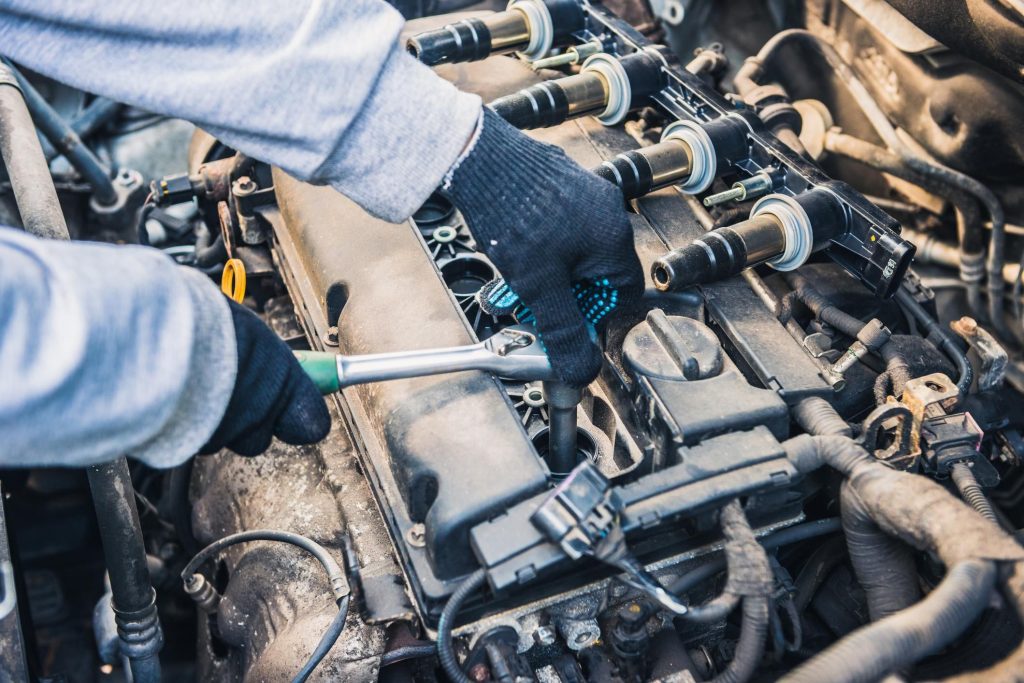
An independent repair shop familiar with your vehicle can often perform the same scheduled service. Consumer Reports notes that any qualified shop should be capable of replacing spark plugs, although the difficulty varies by vehicle.
Compare the complete job rather than just the cost of the plugs. A cheaper quote is worthwhile only if it includes the correct specification, installation procedure, and appropriate labor.
10. Transmission Fluid Service
Transmission fluid service is another maintenance item where dealership pricing can be substantially higher, particularly on vehicles requiring specialized fluids or procedures. The service may involve draining and refilling the transmission, replacing its filter, inspecting the pan, or performing a more extensive fluid exchange.
U.S. pricing estimates vary considerably. RepairPal placed the average transmission fluid change between $294 and $356 in September 2026, while published independent-shop prices collected by MechanicRank ranged from $125 to $370.
These figures reflect different vehicles and service requirements, so they should not be treated as direct dealer-versus-independent comparisons.
Why can a dealership quote be higher? Some transmissions require proprietary fluid, precise temperature checks, specialized filling equipment, or scan-tool procedures. Certain sealed transmissions do not have conventional dipsticks, making the correct filling process particularly important.
However, a premium quote does not automatically mean the service is more thorough. Ask whether the estimate covers a drain-and-fill, filter replacement, or machine-assisted exchange. These procedures are not identical, and the correct method depends on the transmission manufacturer’s instructions.
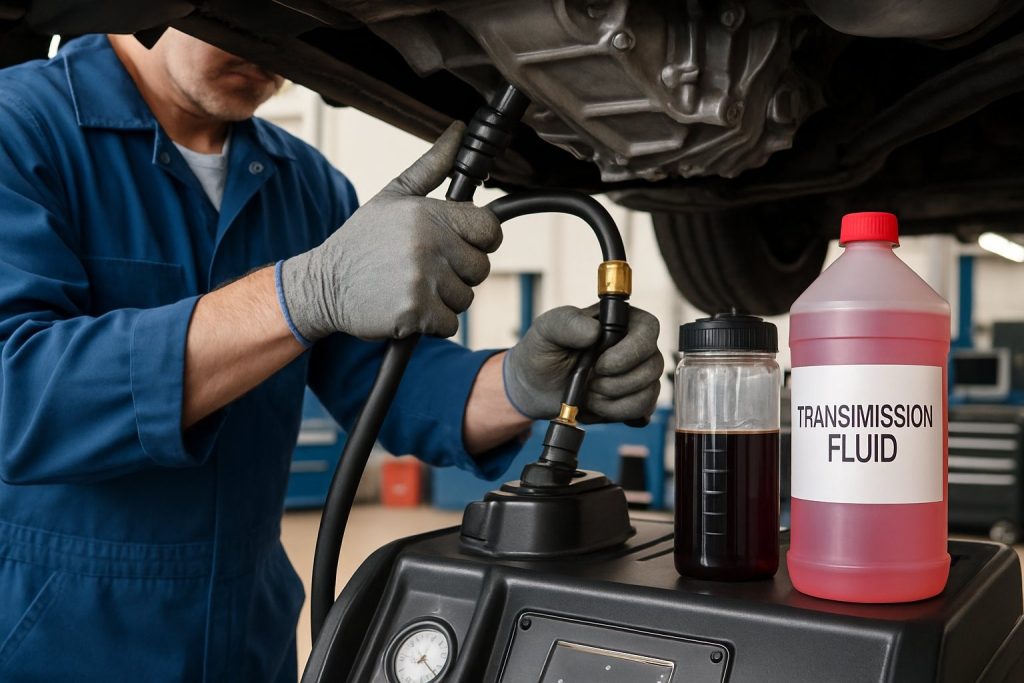
Never approve a fluid substitution simply because it is cheaper. RepairPal warns that transmission fluids are not generally interchangeable and that using the wrong specification can cause serious damage.
An independent transmission specialist can be a sensible alternative if the shop has experience with your particular transmission and uses the correct fluid and procedure. Request an itemized quote covering fluid quantity, filter, gasket, labor, and any diagnostic or temperature-setting procedure.
11. Car Battery Replacement
A dead battery often creates an urgent buying decision, and dealerships can benefit when owners assume the replacement must come directly from the manufacturer. In reality, many vehicles can use quality batteries from established aftermarket suppliers, provided the replacement meets the correct specifications.
AAA lists standard replacement batteries at approximately $45 to $150 and AGM batteries at $150 to $250 before installation. The difference matters because vehicles equipped with start-stop technology and certain electrical systems may require AGM batteries rather than conventional flooded designs.
Consumer Reports states that car batteries typically last three to five years, although climate has a considerable influence. Its research indicates that batteries in the southern United States can average less than 41 months, compared with 58 months or more in the farthest northern regions.
A dealership quote may include more than the battery itself. Some modern vehicles require battery registration or a battery-management-system reset after installation.
Others have batteries located in difficult-to-access areas, increasing labor time. AAA specifically identifies battery registration and difficult installation as potential additional requirements in its replacement service.
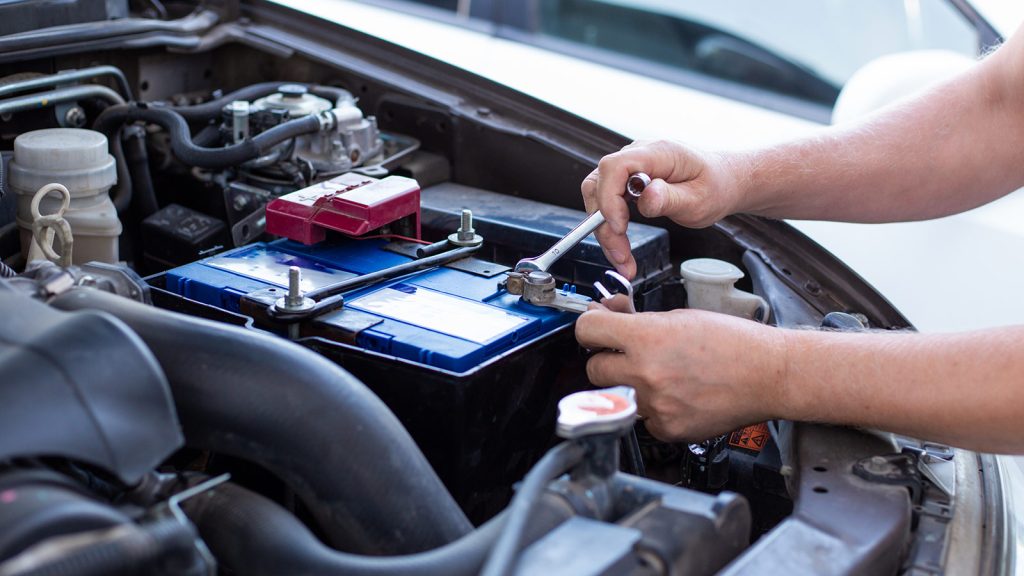
Before accepting a quote, ask for the battery brand, technology, group size, cold-cranking amps, warranty, and installation charge. Then compare the same specifications through an independent repair shop or reputable parts retailer.
Do not downgrade from AGM to a conventional battery simply to save money. AAA explains that standard and AGM batteries have different applications and pricing.
A dealership may be worth the additional expense when specialized programming or difficult access is involved. But for a conventional battery replacement, comparing alternatives can prevent unnecessary spending.