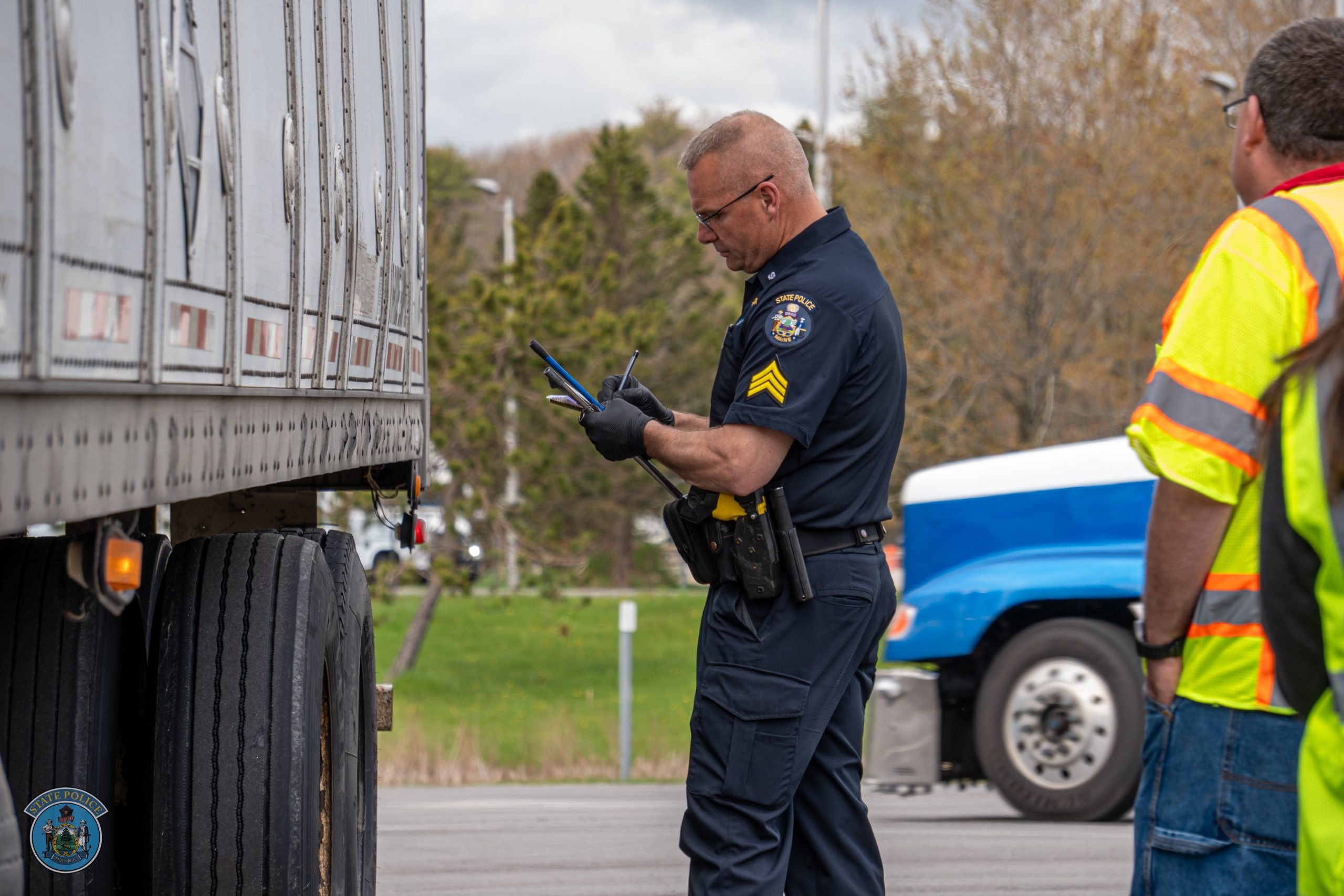
Towing a trailer comes with extra responsibilities that go beyond simply getting from one destination to another. Whether you’re hauling furniture, transporting equipment, carrying recreational vehicles, or moving supplies, your driving habits and trailer condition matter. A minor mistake that might go unnoticed in an ordinary car can attract attention from law enforcement when you’re towing.
Police officers and roadside safety inspectors look for issues that could put other motorists, passengers, and pedestrians at risk. From driving too fast to carrying an unsecured load, several mistakes can lead to a traffic stop. Understanding why these stops happen can help you prepare before every trip, avoid unnecessary delays, and keep your trailer roadworthy. Here are eight common reasons a trailer gets pulled over and what you can do to prevent each one.
1. Speeding
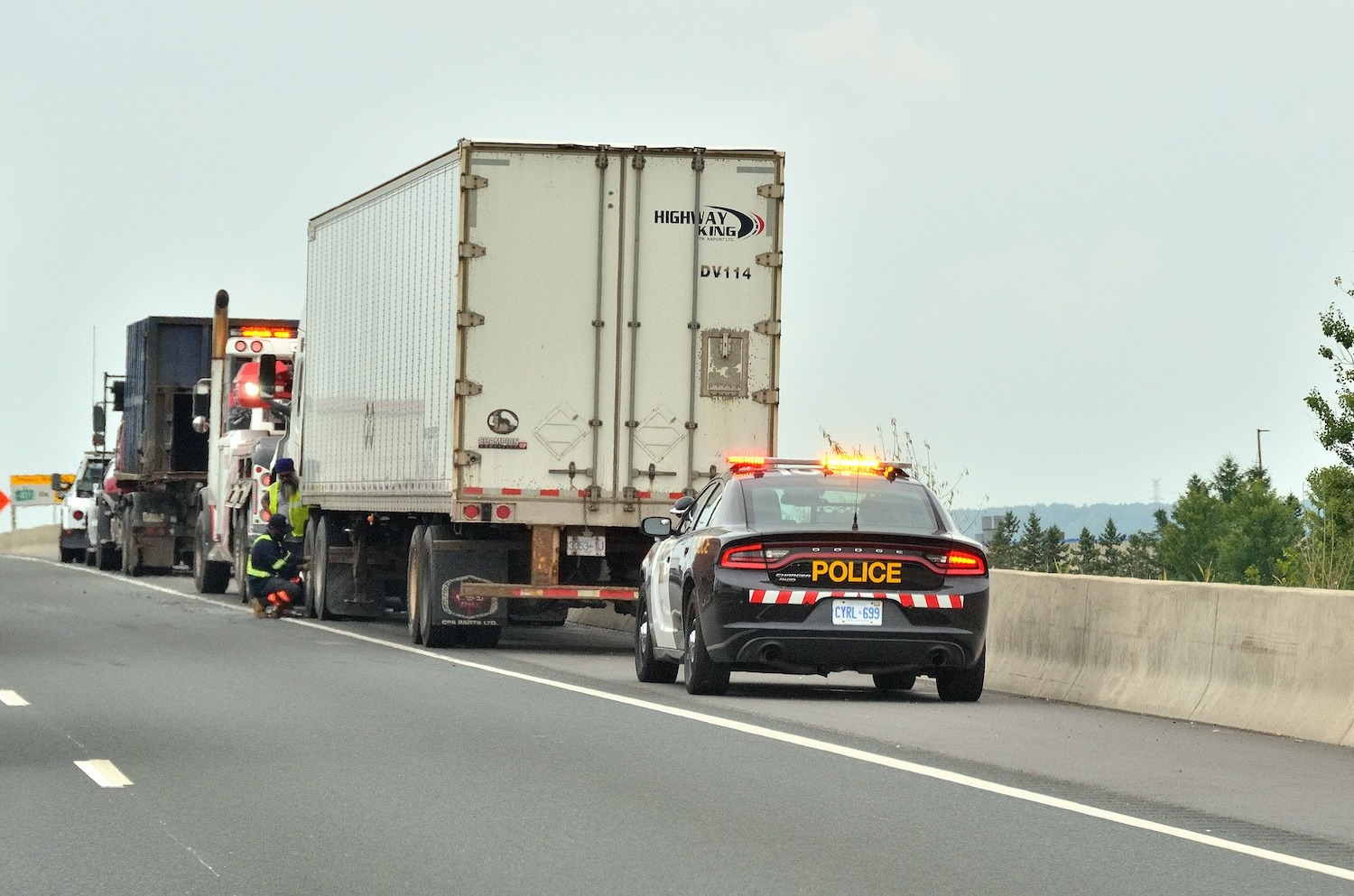
Speeding is one of the most common reasons a vehicle towing a trailer gets pulled over. Attaching a trailer to your vehicle adds extra weight, which affects acceleration, braking, steering, and general handling.
This means you cannot always drive at the same speed you would maintain when traveling without a trailer.
Driving too fast while towing creates unnecessary risks, particularly on busy highways, steep roads, sharp curves, and roads with changing traffic conditions. A loaded trailer requires more distance to come to a complete stop.
If traffic suddenly slows down or another driver moves into your lane, excessive speed can leave you with very little time to respond safely.
High speeds can also increase trailer sway, making it harder to keep the towing vehicle and trailer moving steadily. This becomes particularly concerning when carrying heavy cargo or traveling through areas with strong crosswinds.
Police officers regularly monitor speeding, and towing a trailer does not exempt drivers from posted speed limits. In some jurisdictions, additional speed restrictions may apply to certain towing combinations.
To prevent unnecessary traffic stops, maintain a speed that suits your trailer’s weight, road conditions, and manufacturer’s recommendations. Slow down when approaching curves, entering construction zones, driving downhill, or traveling in poor weather.
Remember that reaching your destination safely matters more than saving a few minutes. Responsible speed management protects your cargo, reduces the risk of accidents, and helps you avoid speeding tickets.
2. Following Too Close (Tailgating)
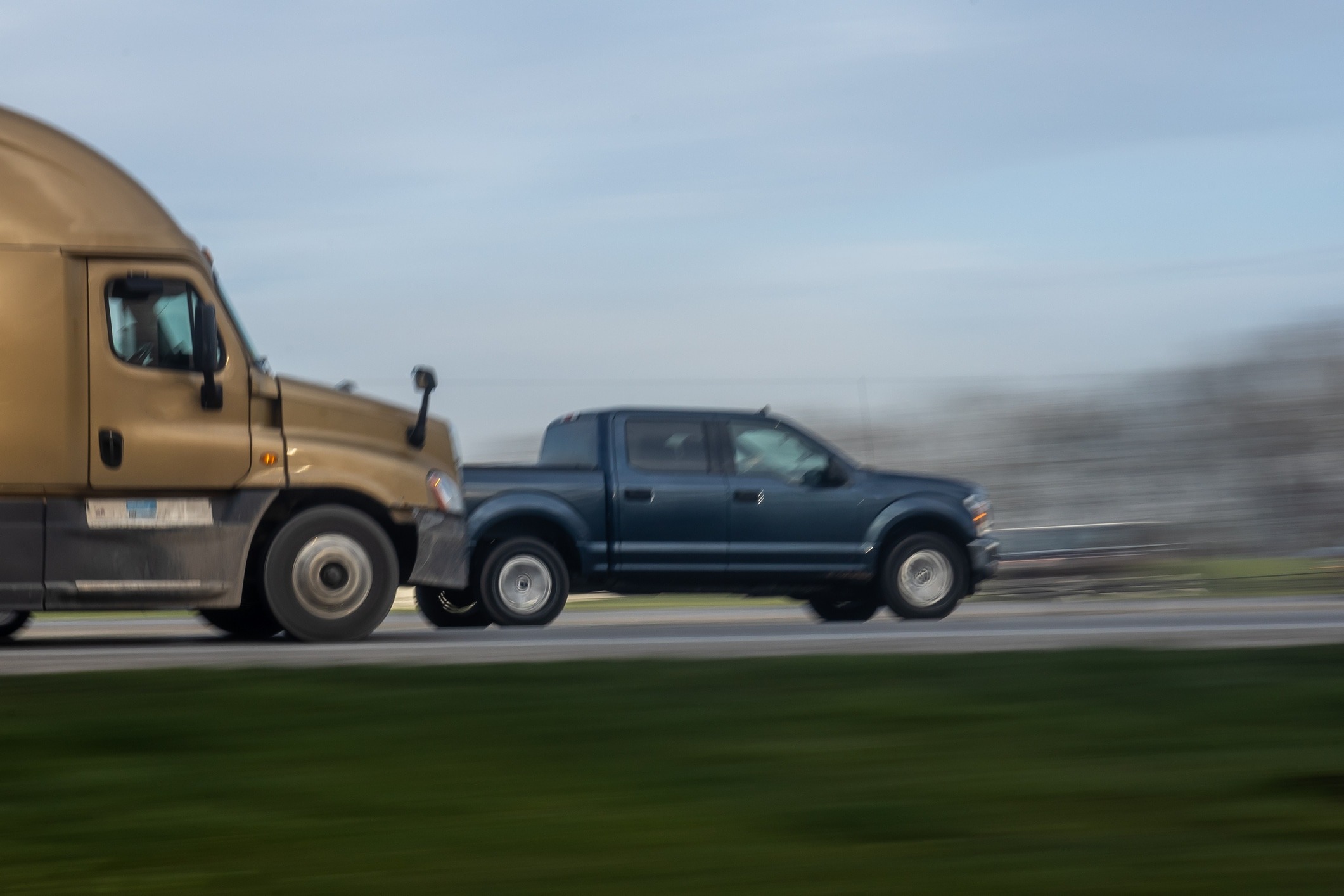
Leaving enough space between your vehicle and the one ahead is essential when towing a trailer. Unfortunately, some drivers underestimate the additional stopping distance required and continue following other vehicles as closely as they would when driving without a trailer.
This behavior is known as tailgating, and it can quickly attract the attention of police officers. A trailer adds considerable weight to your towing combination, meaning your braking system must work harder to bring everything to a complete stop.
When the vehicle ahead suddenly slows down, a driver following too closely may not have enough time or distance to react. The trailer’s momentum can also place additional pressure on the towing vehicle, making emergency braking more difficult.
Consider driving along a busy highway during rush hour. Traffic may slow down unexpectedly as vehicles approach an intersection, road construction, or an accident.
If you are traveling too close to the vehicle ahead, even a quick braking response might not prevent a collision.
Tailgating also makes other motorists uncomfortable and can lead to aggressive driving situations. Police officers may interpret this behavior as careless or unsafe driving, depending on local traffic regulations.
The safest solution is to maintain a generous following distance and increase it when carrying heavy cargo, traveling downhill, or driving in rain. Avoid rushing toward vehicles ahead, and allow enough room for smooth braking.
A little extra space gives you more time to react, keeps your trailer under better control, and makes the journey safer for everyone on the road.
3. Lighting and Electrical Violations
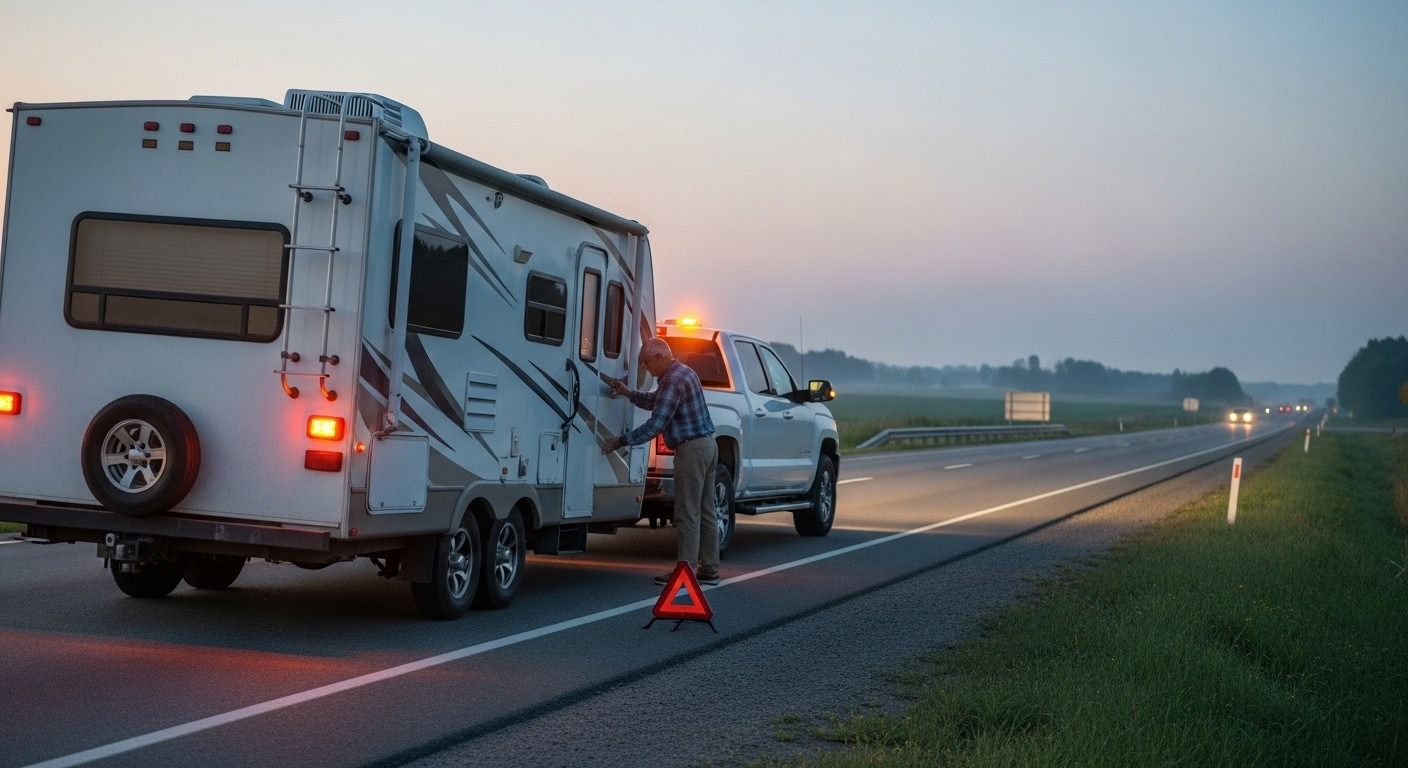
A trailer’s lighting system plays an important role in road safety, particularly at night, during bad weather, and in areas with limited visibility.
When any part of the lighting system fails, other motorists may struggle to understand your intentions or recognize your trailer’s position.
Police officers can easily spot several lighting problems while monitoring traffic. These include burned-out taillights, malfunctioning brake lights, broken turn signals, missing reflectors, and trailer lights that fail to operate when the towing vehicle’s lights are switched on.
Electrical connection problems are another common cause of trouble. A loose plug, damaged wiring, or an improperly connected trailer harness can prevent essential lights from working correctly.
Imagine signaling to change lanes while towing, only to discover that your trailer’s turn signal is not functioning. Drivers behind you may have no warning about your intended movement.
Make lighting checks part of your pre-trip routine. Test the brake lights, indicators, taillights, and hazard lights before leaving.
Inspect the wiring and electrical connectors for damage, corrosion, or loose connections. Replace faulty bulbs promptly and address wiring problems before continuing your journey.
4. Improper Load Securement
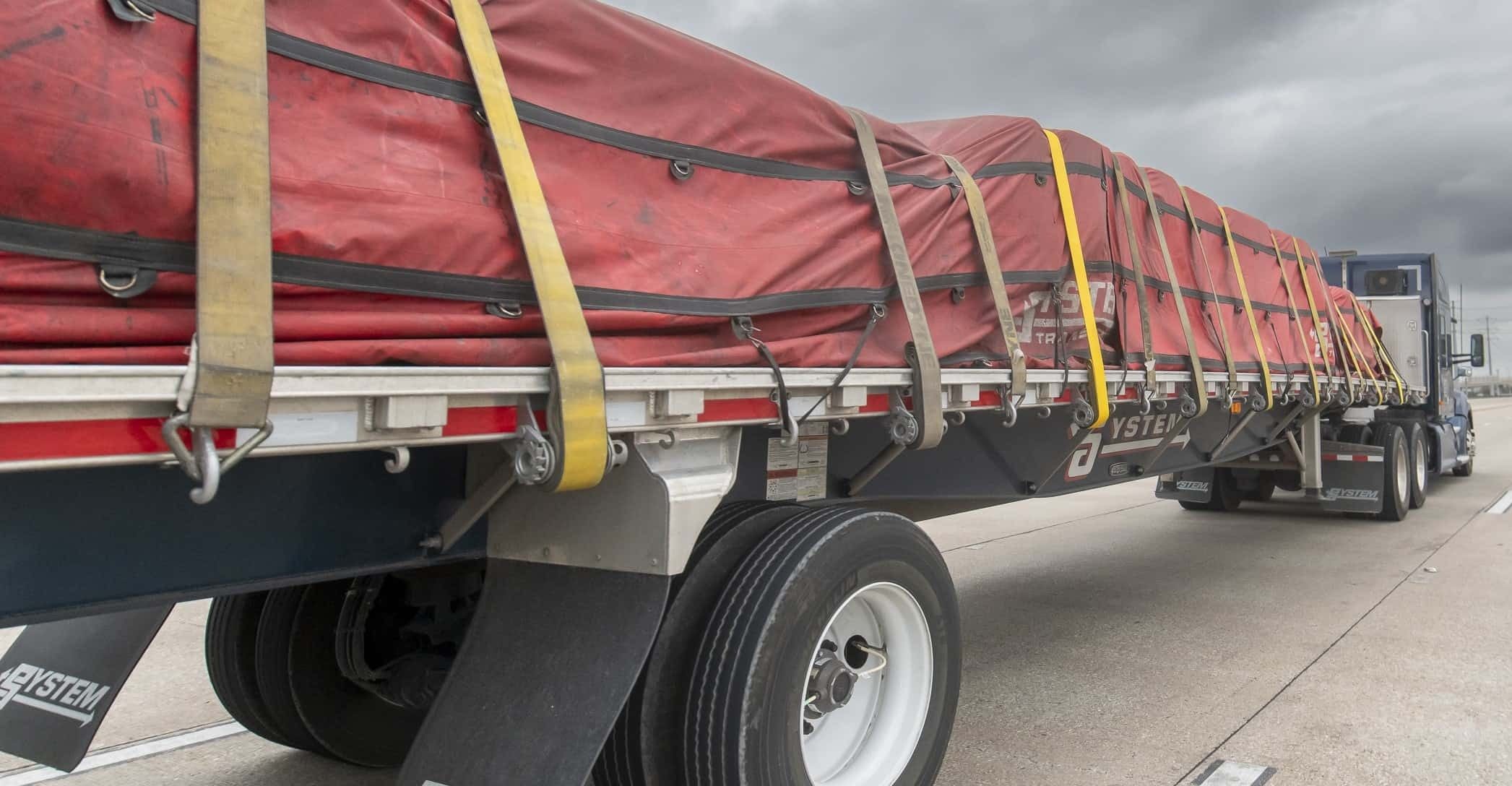
Cargo that is not properly secured can turn an ordinary towing trip into a dangerous situation. Loose furniture, unsecured machinery, uncovered materials, and improperly fastened equipment can attract the attention of police officers and roadside safety inspectors.
The main concern is that cargo may move, fall, or spill onto the road while the vehicle is traveling. Even a small object falling from a trailer can cause another driver to swerve, brake suddenly, or lose control.
Flatbed trailers require particular attention because their loads are exposed. Drivers must use suitable tie-down straps, chains, and other approved restraints to keep equipment firmly in place. The cargo should also be arranged so its weight is distributed properly across the trailer.
For example, carrying heavy items on one side can affect balance and make the trailer harder to control. Leaving loose materials uncovered can also create hazards for vehicles traveling behind you.
Before setting off, inspect every strap, chain, fastening point, and cargo cover. Check that nothing can slide, bounce, or fall during normal driving. Recheck the load after traveling a short distance, especially when transporting heavy or irregularly shaped items.
5. Weight Compliance and Overloading
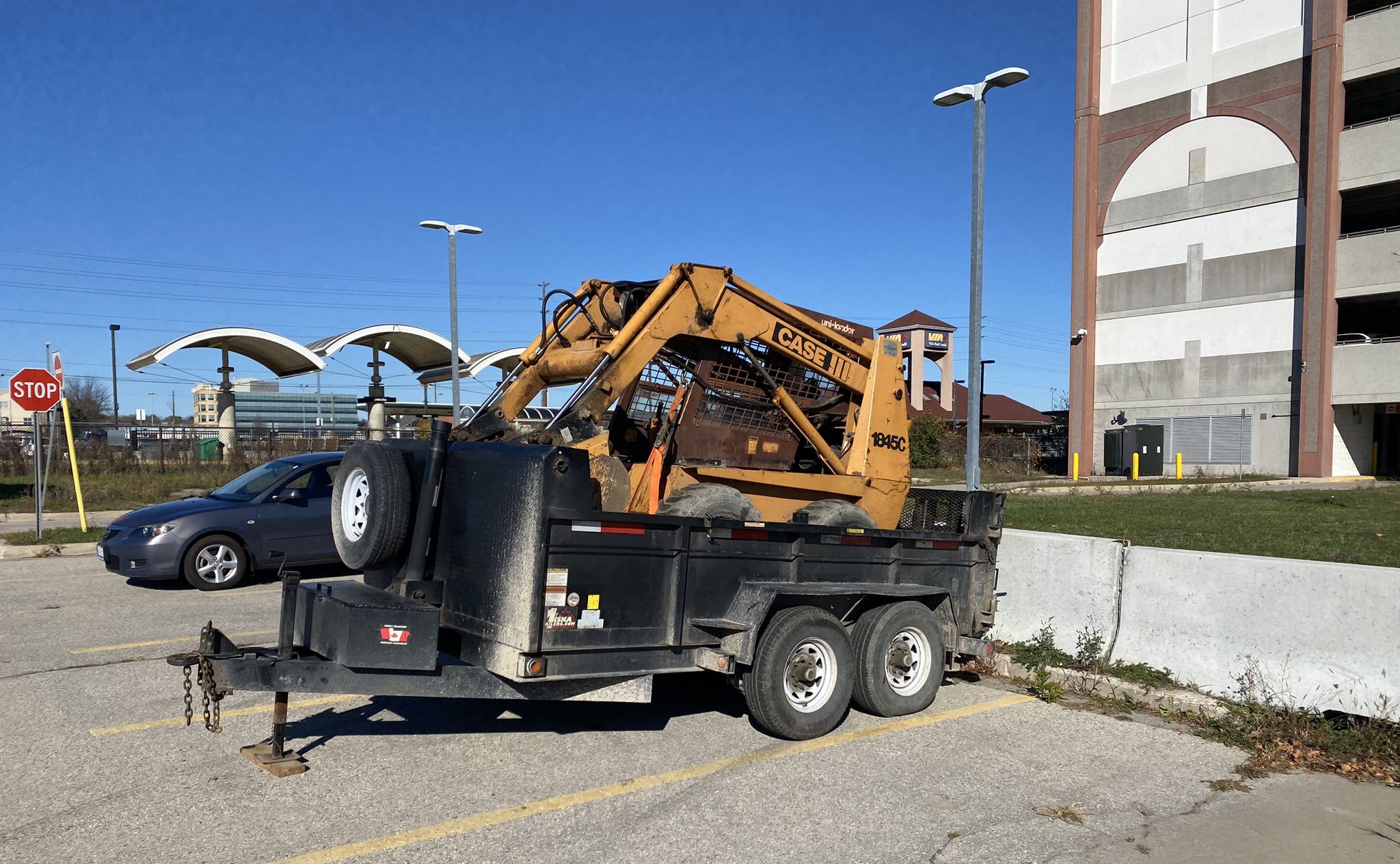
Every trailer and towing vehicle has specific weight limits that drivers must follow. Exceeding these limits can create serious road safety concerns and may give police officers or transportation inspectors a reason to pull over the vehicle for further inspection.
In some locations, overloaded trailers may also be directed to a designated weighing station to verify whether they meet applicable weight requirements.
Two important terms every trailer owner should understand are Gross Vehicle Weight Rating (GVWR) and axle weight limits.
GVWR refers to the maximum loaded weight a vehicle or trailer is designed to carry, according to its manufacturer’s specifications. Axle weight limits indicate how much weight each axle can safely support.
Carrying more cargo than your trailer is designed to handle places unnecessary pressure on its tires, suspension, braking system, and frame.
These components may wear out faster or fail under excessive strain. An overloaded trailer can also make the towing vehicle harder to control, especially when braking, turning, or traveling downhill.
Another concern is exceeding your vehicle’s towing capacity. Even when a trailer can accommodate the cargo, your towing vehicle may not be equipped to pull the combined weight safely.
Before loading, check the manufacturer’s weight ratings and calculate the trailer’s total loaded weight. Include cargo, equipment, accessories, and other items. Pay attention to tongue weight and distribute the load evenly.
Respecting weight limits helps protect your vehicle, prevents unnecessary mechanical damage, and reduces the likelihood of roadside inspections, fines, or towing-related accidents.
6. Lane Deviations and Swerving
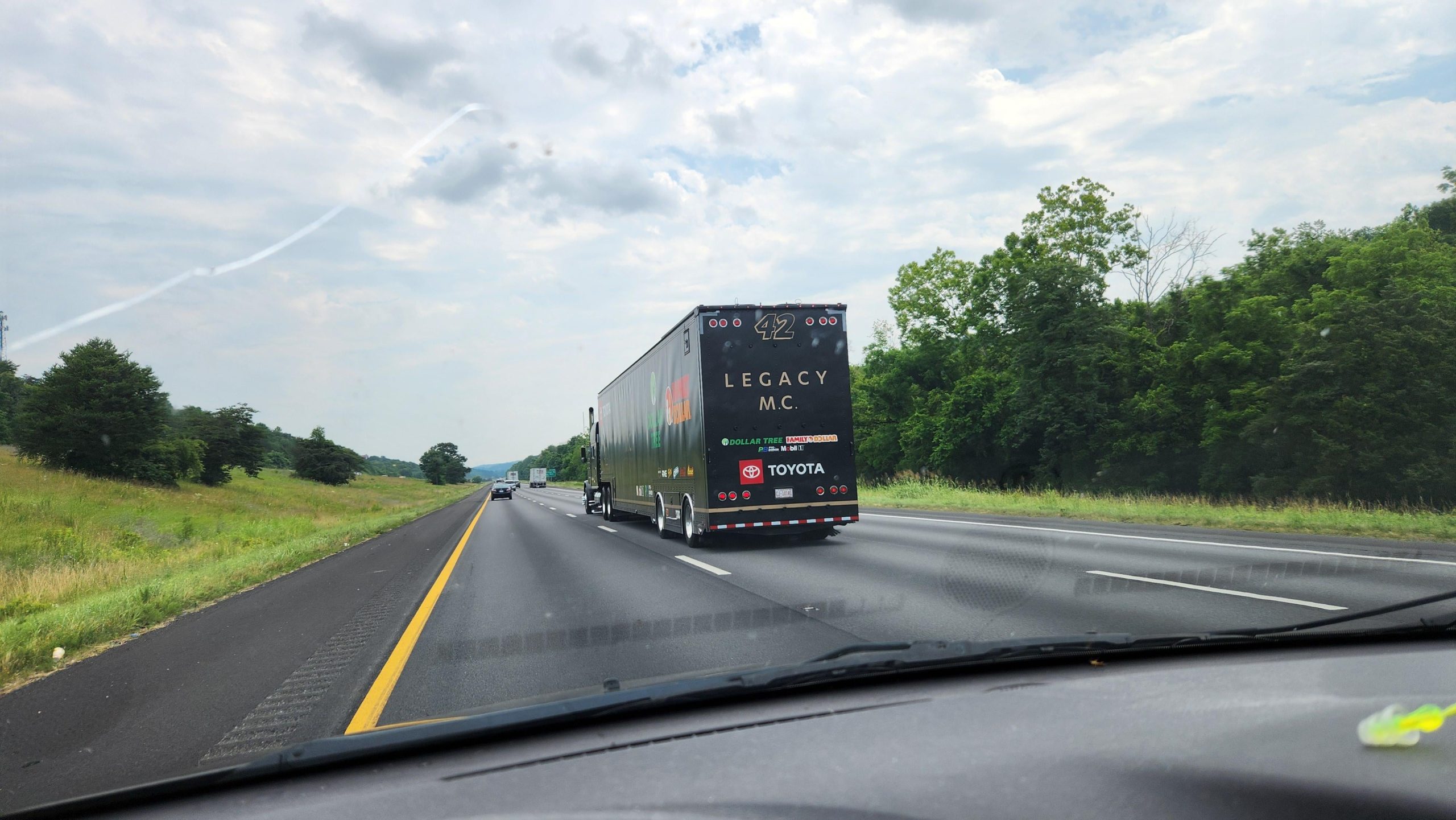
Maintaining a steady position within your lane is an important part of safe towing. When a vehicle pulling a trailer begins drifting across lane markings, swaying from side to side, or struggling to track properly behind the towing vehicle, it can quickly attract the attention of police officers.
These movements may indicate that something is wrong with the trailer, its load, or the driver’s handling. Several factors can cause a trailer to move unpredictably while traveling.
Poor weight distribution, an improperly installed hitch, excessive speed, strong crosswinds, underinflated tires, and driver fatigue are common examples.
Any of these issues can affect the stability of the towing combination and make it harder to maintain control. Trailer sway deserves particular attention because it can become dangerous when left unaddressed.
As the trailer moves from side to side, an inexperienced driver may respond with sudden steering movements or aggressive braking. Unfortunately, these reactions can make the situation worse and increase the risk of losing control.
A loose or incorrectly fitted hitch can also affect how the trailer follows the towing vehicle. If the connection is not secure, the trailer may move unpredictably, particularly when traveling at highway speeds or passing large vehicles.
Pay attention to unusual movements instead of assuming that occasional swaying is normal. If your trailer begins behaving erratically, ease off the accelerator, avoid sudden steering corrections, and find a safe location to stop.
Before continuing, inspect the hitch, tires, suspension, and cargo distribution. Also, reduce your speed when driving through areas with strong winds or poor road conditions.
A stable trailer makes every journey safer and reduces the likelihood of attracting unwanted attention from law enforcement.
7. Outdated Registration or Credentials
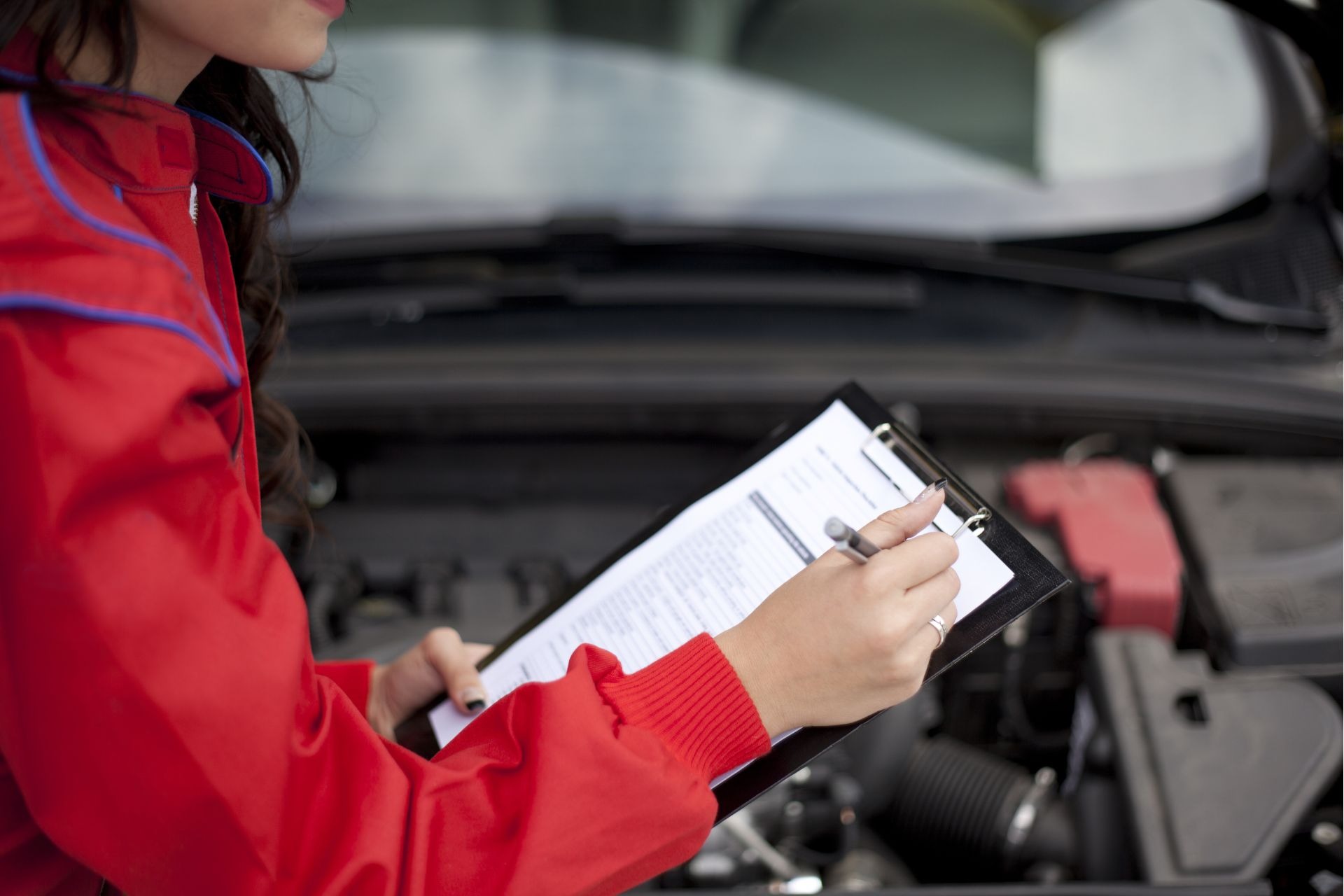
A trailer may be mechanically sound and properly loaded, yet still attract a traffic stop because its registration or required documentation is not current.
Registration requirements vary by state and jurisdiction, but many places require trailers to display valid license plates or registration tags. Depending on the trailer type and its intended use, additional documents or inspections may also be required.
An expired registration sticker, missing plate, improperly displayed temporary tag, or incorrect identification number can give an officer a reason to investigate.
Commercial operators may face additional requirements involving business identification, Department of Transportation (DOT) numbers, operating authority, and inspection records.
These requirements can vary according to the vehicle’s weight, intended use, operating area, and applicable transportation regulations.
Not every privately owned trailer needs commercial credentials, so it is important to understand which rules apply to your particular setup.
Keep your registration documents accessible and check their expiration dates before planning a trip. Confirm that your license plate is securely attached, clean, and easy to read.
If you operate a commercial trailer, review applicable inspection and documentation requirements regularly. Keeping your paperwork current can save time during roadside checks and help you avoid preventable penalties.

8. Inattentiveness or Distracted Driving
Driving requires constant attention, and towing a trailer demands even more awareness than operating a vehicle alone.
Drivers must monitor traffic, maintain a safe following distance, watch for road hazards, and remain aware of how the trailer responds to steering and braking.
Distractions can interfere with these responsibilities. Using a handheld phone, reading messages, adjusting complicated dashboard controls, or paying attention to something outside the road can reduce a driver’s ability to react quickly.
Police officers may notice distracted driving through visible phone use, inconsistent lane positioning, sudden braking, or erratic steering corrections. These behaviors can raise concerns, particularly when a vehicle is towing a heavy or oversized load.
Even a brief distraction can have serious consequences. For instance, looking down to check a message may cause you to miss a vehicle slowing ahead or drift toward another lane. With a trailer attached, correcting that mistake may require more time and care.
Keep your phone out of reach while driving, use hands-free features where legally permitted, and avoid unnecessary adjustments while the vehicle is moving.
If you need to respond to a message, check directions, or attend to something that requires your attention, find a safe place to park first.
Staying focused helps you maintain control, protect other road users, and reduce the likelihood of a traffic stop.