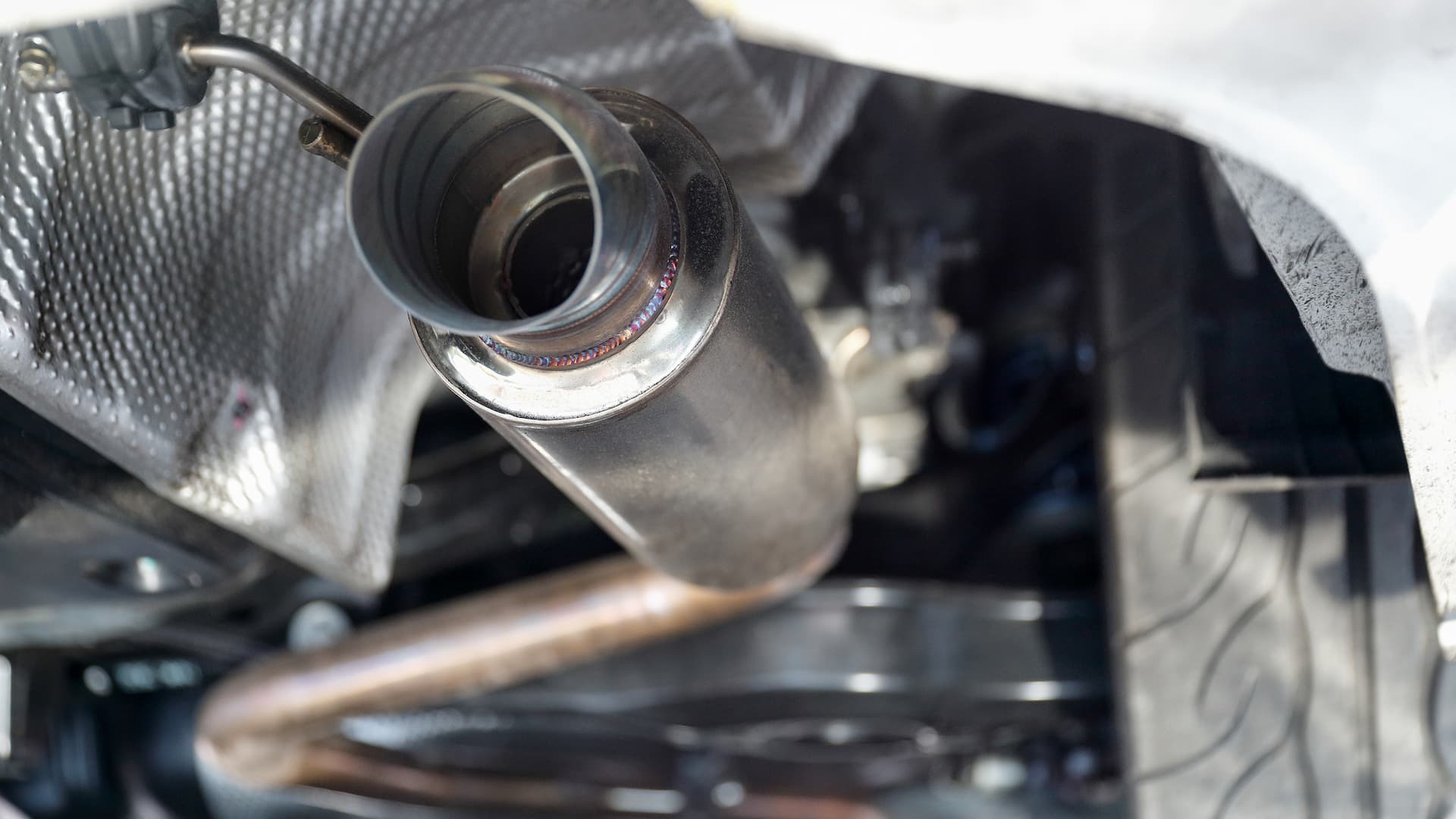
Few sounds announce a car quite like its exhaust. For some drivers, a deeper note is half the fun of ownership. But the fun can end fast at inspection time, when a technician measures your noise level or checks whether your sound-damping parts are still in place. Seven common exhaust changes tend to fail a noise test, and most of them seem harmless in the garage.
Some are simple deletions, some are slow damage you never noticed, and some are parts built for the track that never belonged on the street. Whether you love a loud car or just want to pass inspection on the first try, this list will show you where trouble hides. Let’s start with the loudest offender.
1. Straight-Pipe Conversions
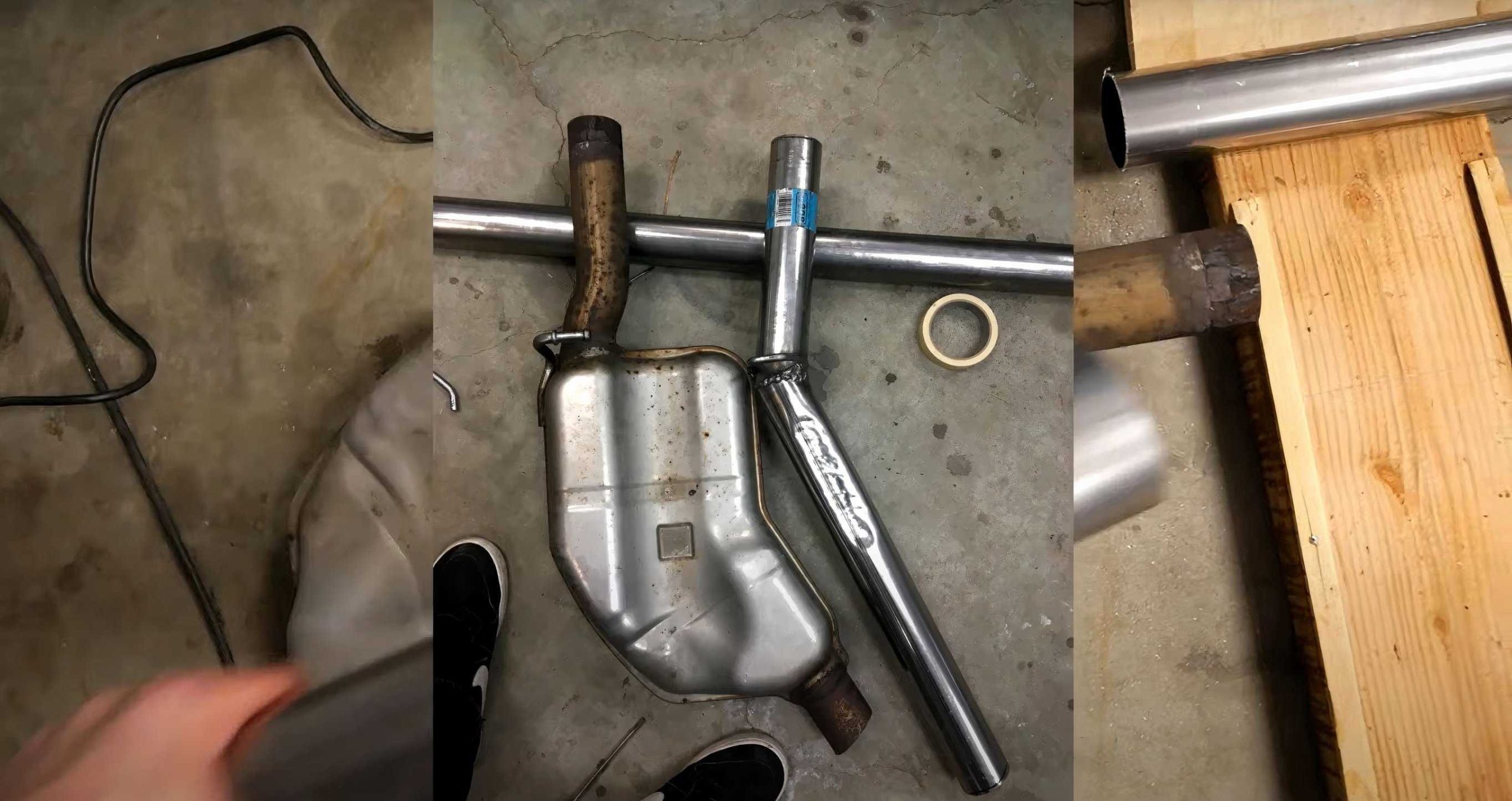
A straight-pipe conversion removes the muffler and resonators entirely and replaces those sound-absorbing chambers with a plain, open pipe. Nothing is left to slow down or soften the pulses leaving the engine.
The result is loud. Not a little louder, but drastically louder, far above legal thresholds. Think of a muffler as a volume knob built from metal chambers.
Take it away, and every combustion pulse reaches the open air at full strength. Inspectors know this, and they can usually spot the missing parts with a quick look under the car.
If you are tempted, remember that rules differ by city, state, and country, and many places set a firm decibel limit. A noise meter will settle the matter faster than any argument.
Cars that fail this way usually need a full system rebuilt, which costs far more than keeping the original parts. Keep your muffler and resonators, or replace them with a street-legal set designed to stay quiet enough for inspection.
A loud car may feel exciting for a weekend, yet a failed test can follow you for months. Choose the sound you enjoy and the sound you can legally keep.
2. Hollowed-Out or “Gutted” Mufflers
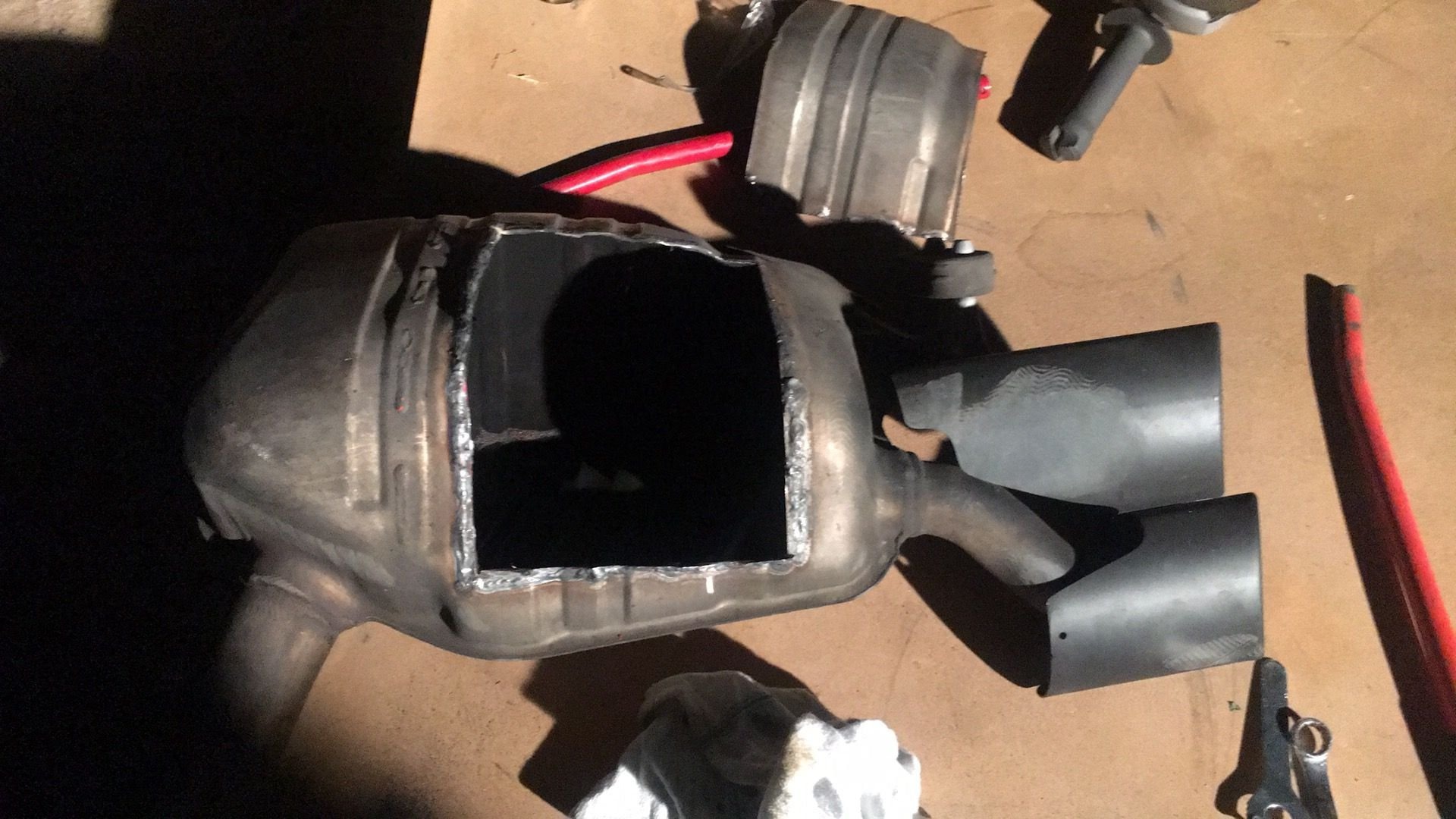
A muffler can look perfectly fine from the outside and still be empty on the inside. Removing or destroying the internal baffles, steel wool, or fiberglass packing creates a deep, hollow roar that fails decibel checks.
Why does this happen? Those parts do the real work. Baffles redirect and slow exhaust gases, and the packing absorbs sound waves like a thick blanket. Without them, the shell is just a metal can that echoes.
Some owners gut a muffler to save money on a new part, and others do it to get a louder tone. Either way, the car pays at the test station. Inspectors may measure the sound level, and some also look for signs of tampering.
Here is an honest tip. If your muffler suddenly sounds deeper and rougher without any modification, the packing may have burned out or broken loose after years of heat. Have a shop look inside before the test date.
Replacing a worn muffler is far cheaper than failing, retesting, and losing days without your car.
And if a seller calls a gutted muffler a feature on a used car, treat it as a bargain-killer. Budget for a replacement and verify the exhaust before you buy.
3. Aftermarket “Race-Only” or Competition Exhausts
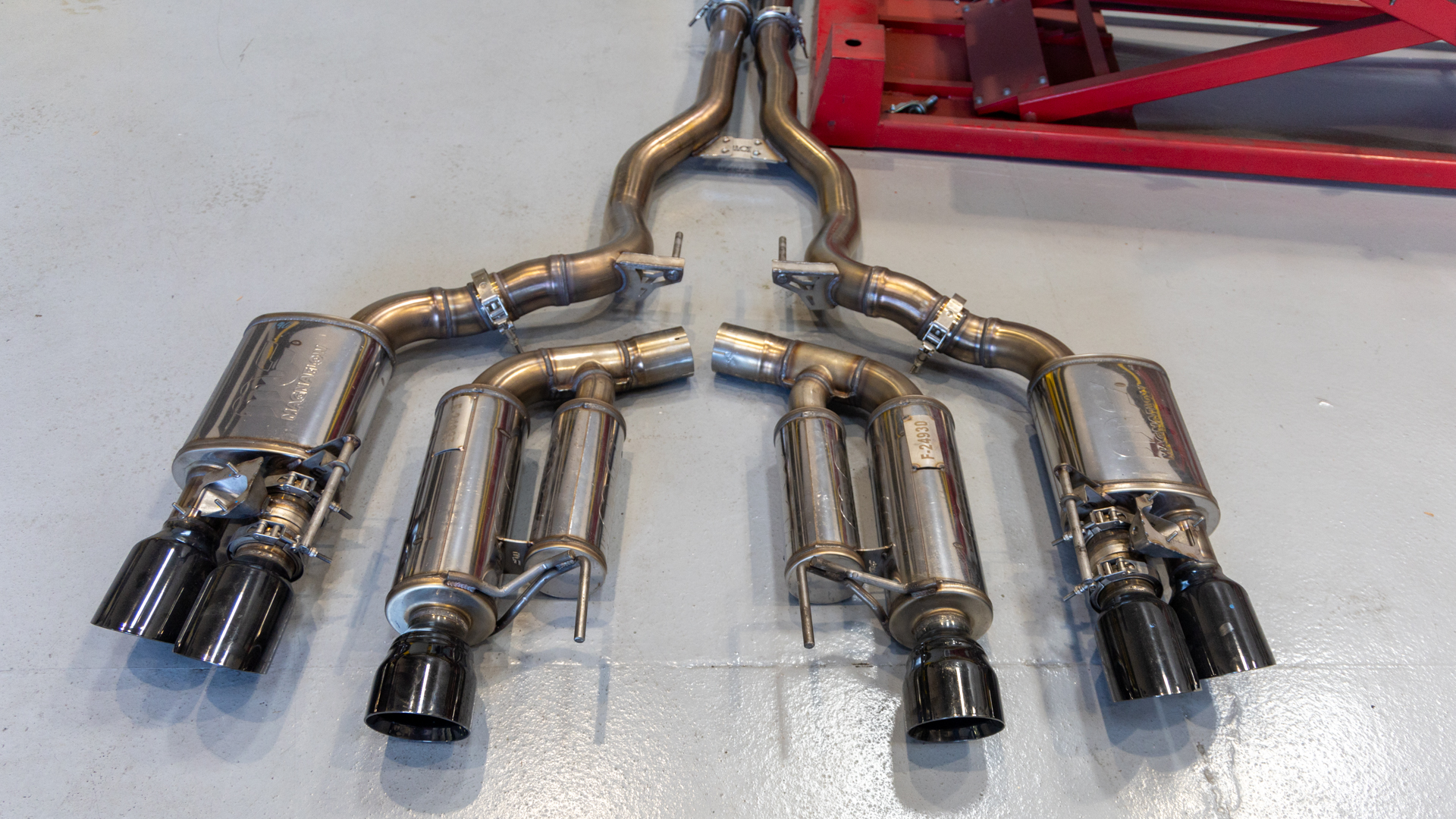
Track-only exhaust systems are built for one thing, and quiet is not on the list. Installing ultra-aggressive or competition exhausts that lack street-legal dB-killer inserts or proper sound suppression is a fast route to a failed noise test.
Racing events often use different rules, and drivers there accept loud cars as part of the sport. Public roads are another matter. A neighbor, a pedestrian, and an inspector all share the same pavement, and the law expects your car to stay under the limit.
This is where shoppers get caught. A product page might say a system is for off-road or competition use only, and that wording is a warning label, not a suggestion. If a part is not made for street use, expect trouble at inspection.
A db-killer is a removable insert that reduces noise inside the tailpipe. Some performance exhausts include one so the car can pass a test. Leave it out and the system may fail.
Before buying any aftermarket exhaust, ask the seller whether it is street legal where you live, and keep the paperwork. Choose a system with proper sound suppression, and you can enjoy a better tone without the failed test.
4. Cutouts and Bypass Valves
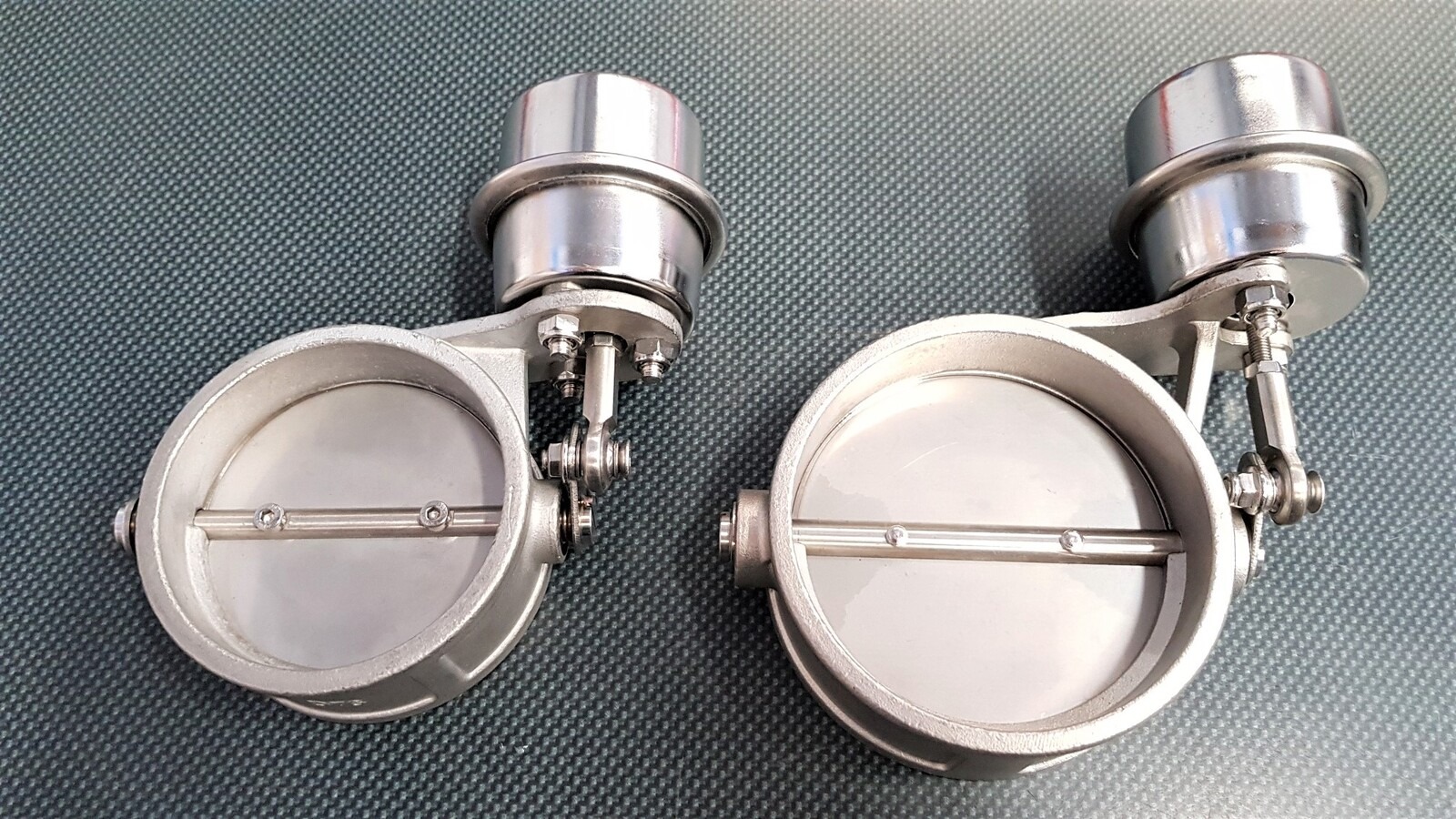
Flip a switch and the car roars. That is the promise of cutouts and bypass valves, electronic or mechanical devices that let exhaust gases skip the muffler on demand.
Sounds fun, and sometimes it is. The trouble starts at inspection. If a cutout is stuck open, or if it is activated during the test, the car fails immediately. No second chances, no debate.
Even a quiet-looking setup can cause headaches. Valves can stick from soot and rust, wiring can fail, and a mechanical lever can slip. A system that worked fine last month may refuse to close this month.
Think of it as a trapdoor in your sound control. When the door is closed, everything is normal. When it is open, the muffler is bypassed completely. Inspectors know to check for exactly this, and some will ask you to show that the valve closes properly.
If you own a car with a valve, test it before the inspection. Make sure it closes fully, holds steady, and stays closed with the engine running. Keep records of the installation too.
Better still, ask yourself whether the switch is worth the risk. A failed noise test can turn a fun hobby into a major hassle.
5. Damaged, Rusted-Out, or Perforated Silencers
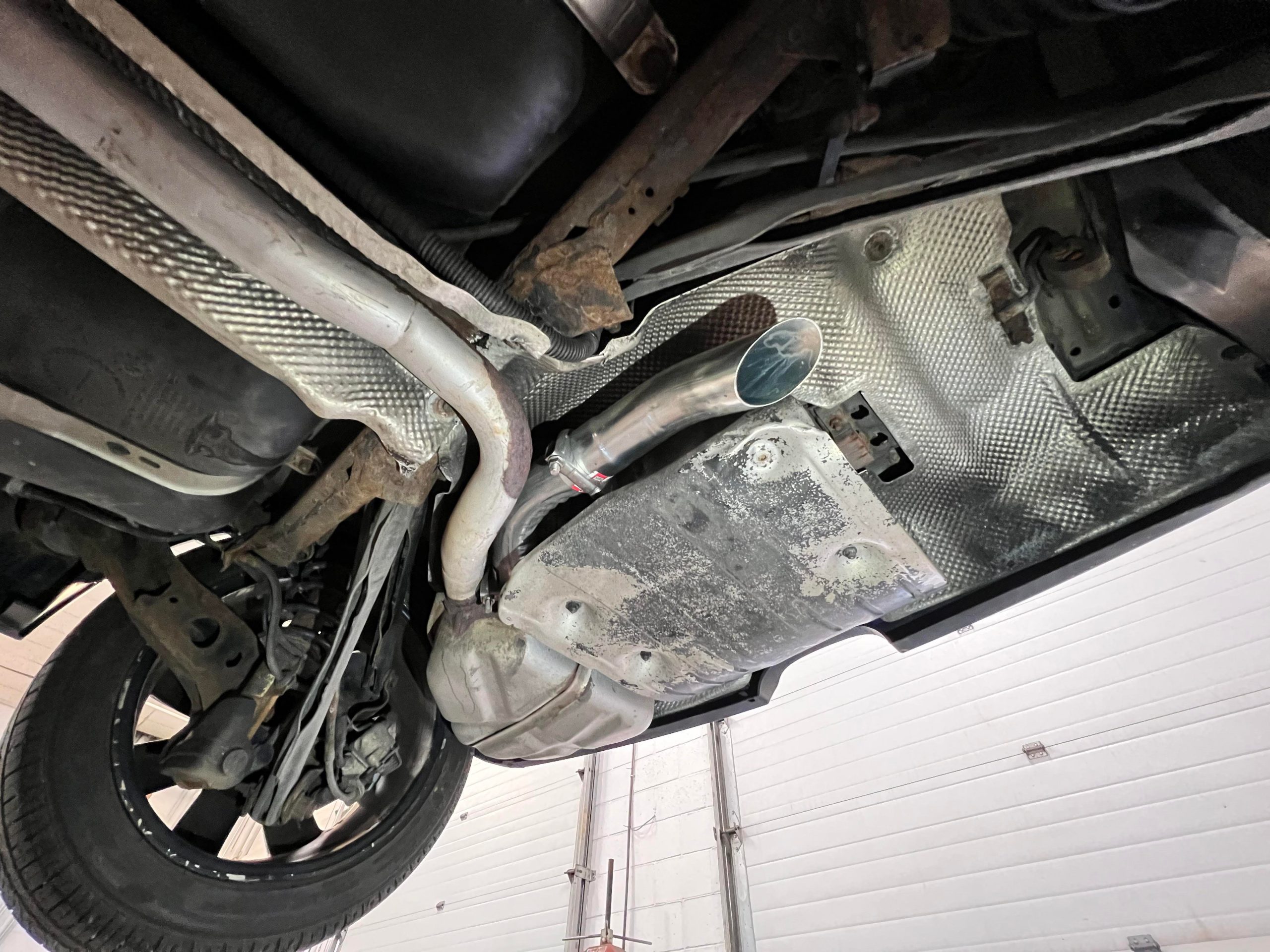
Not every failed noise test comes from a modification. Sometimes age does the damage. Internal baffles can rust through, and severe corrosion can create holes in the center or rear silencer box, turning a normal exhaust into a blown, noisy system.
The change usually creeps in. One month your car sounds a little rougher. A few weeks later, it rumbles at idle. Eventually, a neighbor asks if something is wrong. Most owners adjust to the sound slowly and never notice how loud it has become.
Road salt, short trips, and moisture all speed up rust, since a cool exhaust collects water inside that never fully burns off. Potholes and speed bumps can also crack aging parts.
A quick check helps. Look under the car for flaking metal, dark streaks, or visible holes. Listen for a sound that changes when you press the throttle. If you hear a hiss, rattle, or loud rumble, schedule an inspection of the system.
Replacing a rusted silencer is usually far less expensive than waiting until it fails completely. Fixing it early also protects other parts, since exhaust leaks can point toward bigger problems. Treat a growing noise as a warning, not a personality trait.
6. Leaking Manifolds or Pre-Converter Joints
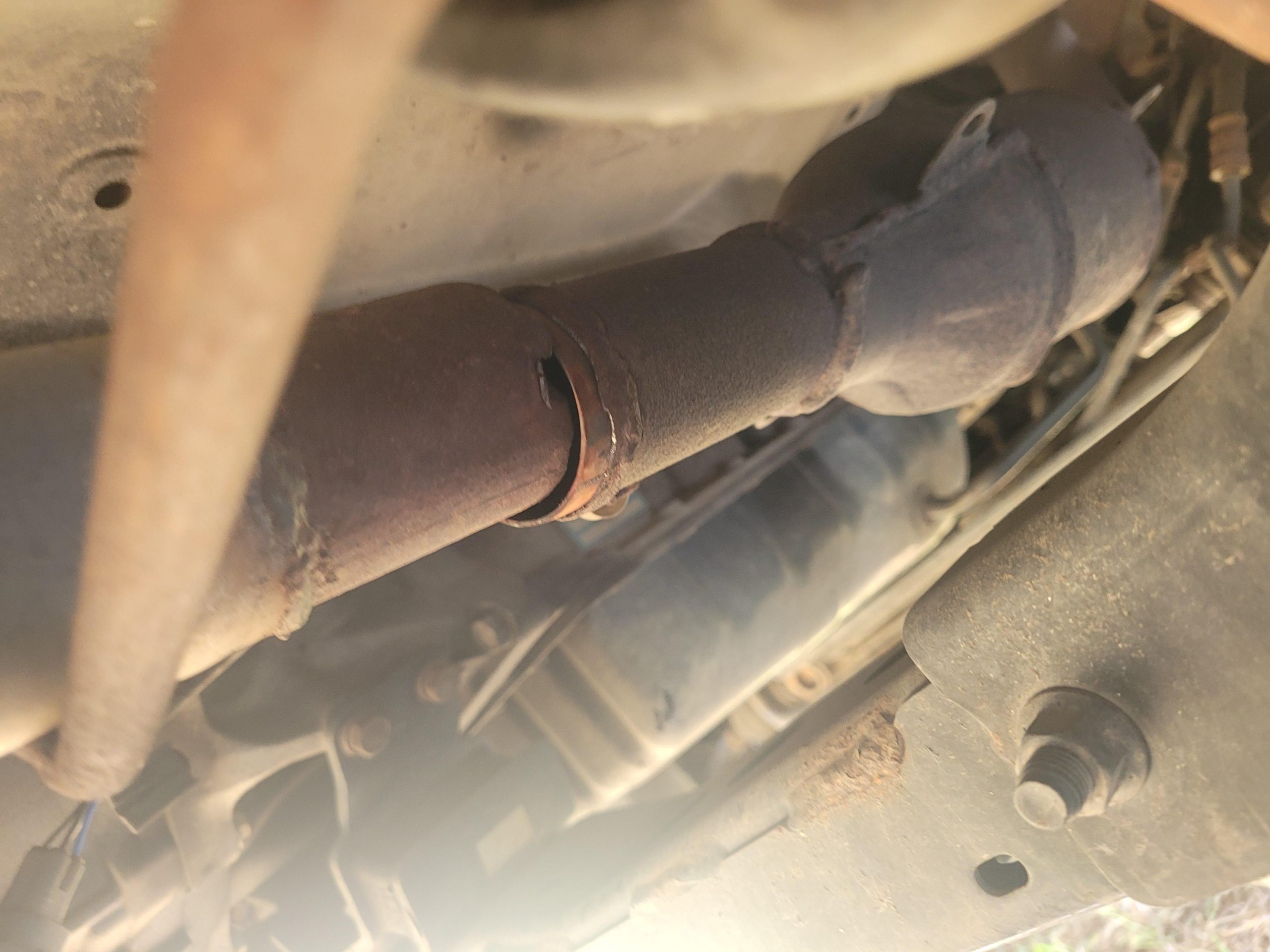
Some noises come from deep in the engine bay. Cracks in the exhaust manifold or blown gaskets near the engine produce sharp ticking, hissing, or popping sounds on startup, and they can fail both acoustic and emission inspections.
Listen closely on a cold morning. A leaking joint often sounds loudest right after the engine starts, then quiets as the metal warms and expands. That is why many drivers dismiss it as normal. It is not.
Here is the technical bit made simple. The manifold collects exhaust from each cylinder and sends it down the pipe.
A crack or a bad gasket lets hot gas escape before it reaches the muffler, so the sound skips the quiet parts of the system. Leaks ahead of the converter can also upset emission readings.
If you hear ticking that fades as the engine warms, have a technician check the manifold and gaskets. Repairs range from a simple gasket swap to a part replacement.
Ignoring it can make things worse. Cracks tend to grow, and leaking exhaust may bring fumes near the cabin or trigger warning lights. A small repair now is easier than a failed test later, and far kinder to your wallet.
7. Removal or Deletion of Resonators
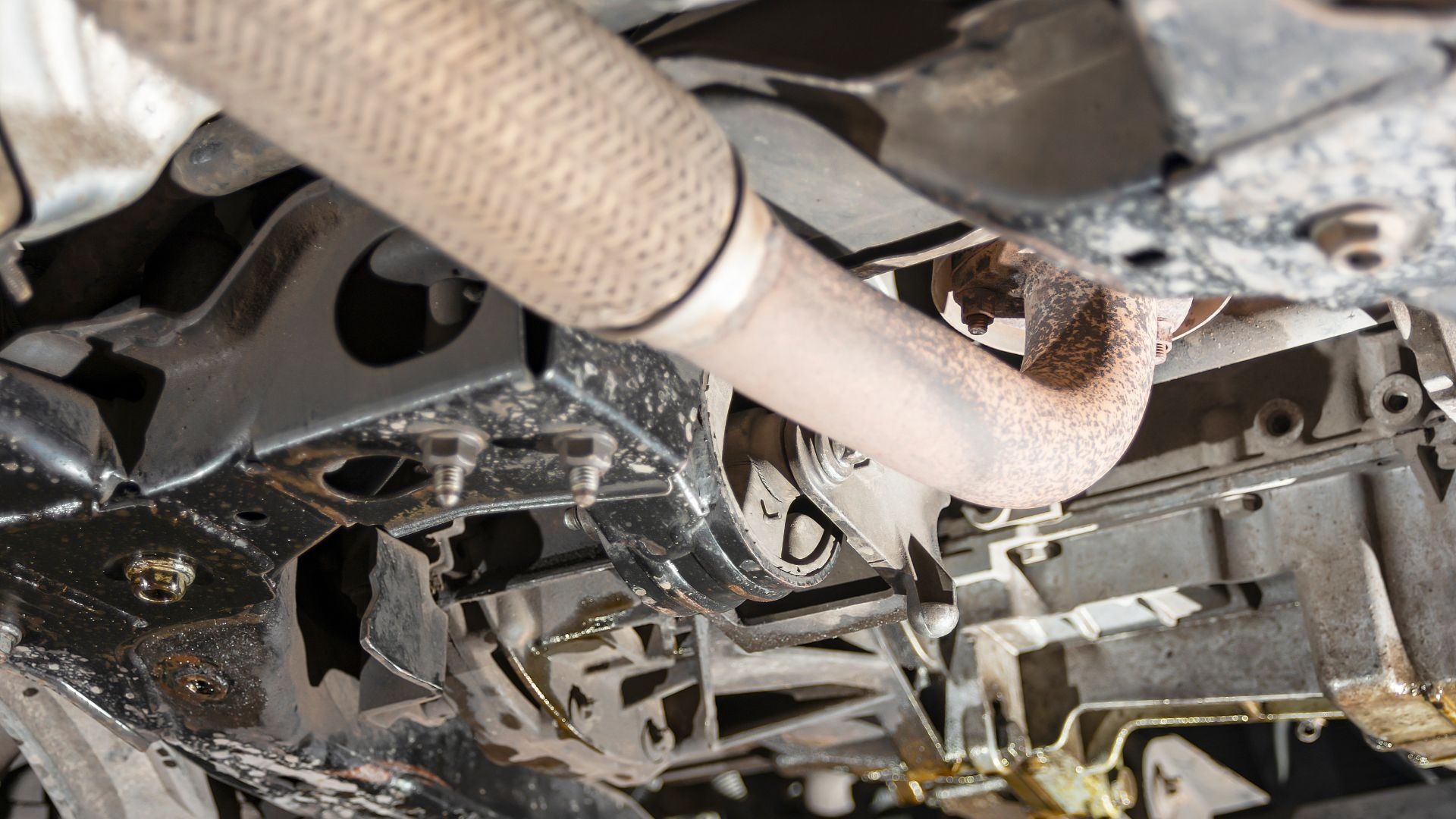
Resonators are the small, quiet heroes of an exhaust system. Swapping out factory resonators for straight pipe sections changes the acoustic frequency and volume, frequently pushing the vehicle past legal noise limits.
What does a resonator do? Think of it as a tuner. The muffler reduces overall volume, while the resonator targets specific frequencies, such as the droning or buzzing that can fill a cabin on the highway. Take it out, and those frequencies come roaring back.
Many owners call this a resonator delete, and it is popular because it is cheap and easy. A shop can cut out the part and weld in a pipe in under an hour. The catch is the inspection.
Even if the muffler is intact, a missing resonator can raise the noise level enough to fail. The safer move is to keep the factory part or replace it with a quality street-legal equivalent.
If you want a deeper tone, ask a reputable exhaust shop how to get it while staying under the limit. Many shops can tune a system for a pleasing sound without breaking the rules.
Small parts matter. Leave the resonator in place, and your car stays quieter, calmer, and ready for the test.