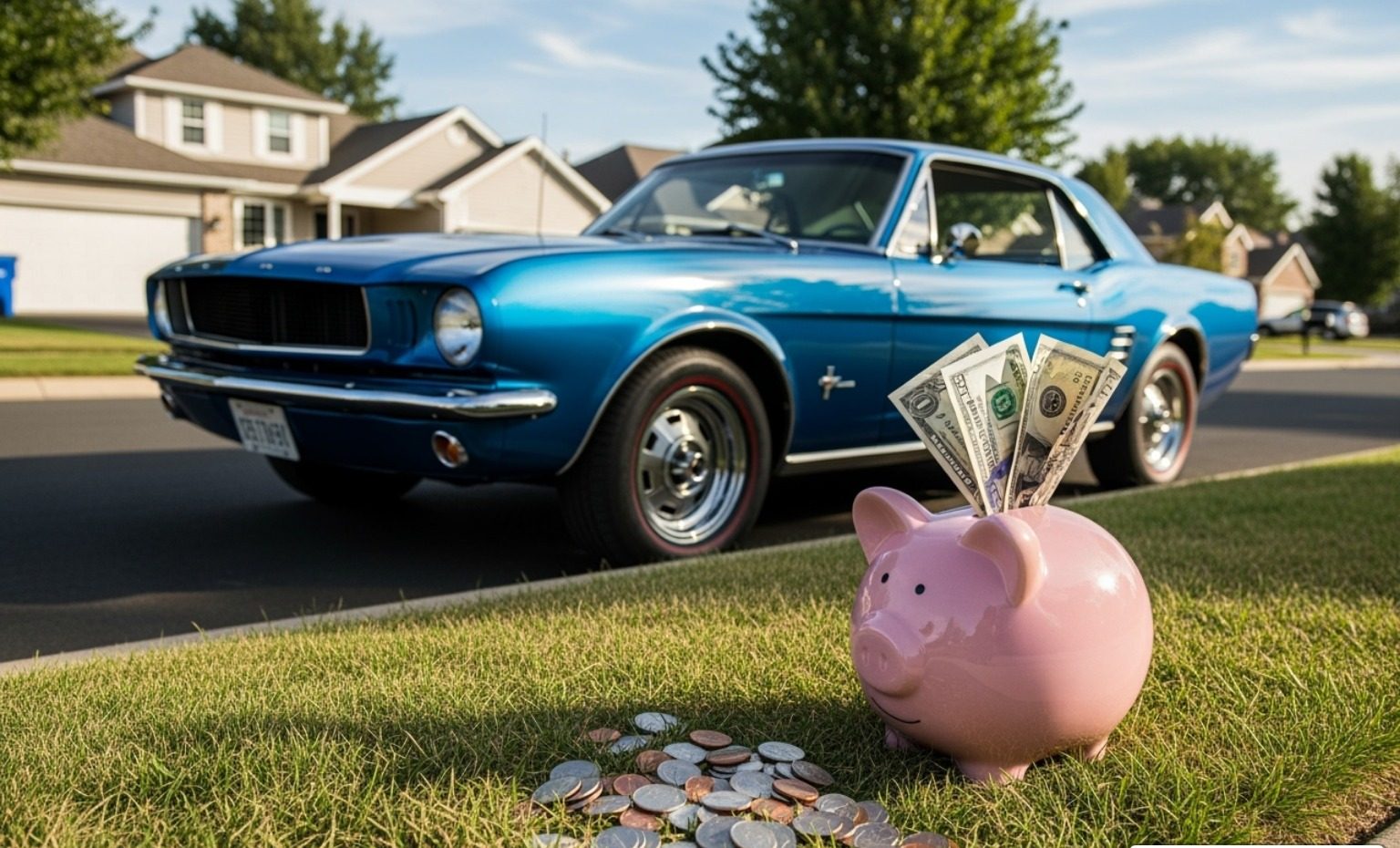
There is something satisfying about driving a car that you completely own. No monthly loan payments, no lender calling for money, and no pressure to replace it simply because a newer model has arrived. Yet many drivers rush into purchasing another vehicle without considering how much their current car could still save them.
If your paid-off vehicle is reliable, safe, and reasonably affordable to maintain, keeping it for another year could be a smart financial decision. The money you would have spent on a new car payment can go toward savings, household expenses, debt repayment, or future investments. Before visiting a dealership, consider these seven reasons why holding on to your current vehicle may be worth it.

1. Eliminate Monthly Car Payments
One of the biggest advantages of keeping a paid-off car is avoiding another monthly loan payment. New vehicles can come with substantial financing costs, and even used cars can require hundreds of dollars each month.
According to the figures provided, the average new-car payment is around $735, while a used-car payment averages approximately $523.
Consider what those numbers mean for your budget. Keeping your current vehicle for another 12 months could save you roughly $6,276 to $8,820 in loan payments alone, depending on the type of replacement you would otherwise purchase.
That is money you can keep instead of sending it to a lender. You could use it for groceries, household bills, travel, savings, or other expenses that matter to your family.
Of course, an older vehicle may require occasional repairs, so it is sensible to set aside some money for maintenance. However, paying for a reasonable repair is not necessarily worse than committing to another long-term loan.
If your current car starts reliably, performs well, and meets your transportation needs, there is little reason to rush into another purchase. Enjoying another year without monthly car payments can give your finances some much-needed breathing room.
2. Lower Your Debt-to-Income Ratio (DTI)
Your monthly car payment affects more than your checking account. It also influences how lenders assess your financial position when you apply for other types of credit.
Debt-to-income ratio, commonly called DTI, measures how much of your monthly income goes toward debt payments. Lenders often use this figure when reviewing applications for mortgages, personal loans, and other financing arrangements.
Here is where owning your car outright can help. When you eliminate a monthly auto loan payment, your total monthly debt obligations decrease. If your income remains unchanged, your DTI ratio may improve.
For example, someone earning $6,000 per month and paying $700 toward a car loan has less room in their budget for additional debt than someone with the same income and no car payment.
A lower DTI can make your financial profile more attractive to lenders, although approval also depends on credit history, income stability, savings, and other requirements.
Planning to purchase a home within the next year? Keeping your paid-off vehicle could help you avoid taking on another financial obligation before applying for a mortgage.
Instead of replacing a perfectly functional car, consider maintaining it and keeping your monthly commitments low. That decision may leave you better prepared for a larger financial goal.
3. Free Up Cash for Emergency Funds & Savings
Unexpected expenses rarely arrive at convenient times. A medical bill, home repair, temporary loss of income, or urgent family expense can put pressure on even a carefully planned budget. Having money readily available can make these situations easier to handle.
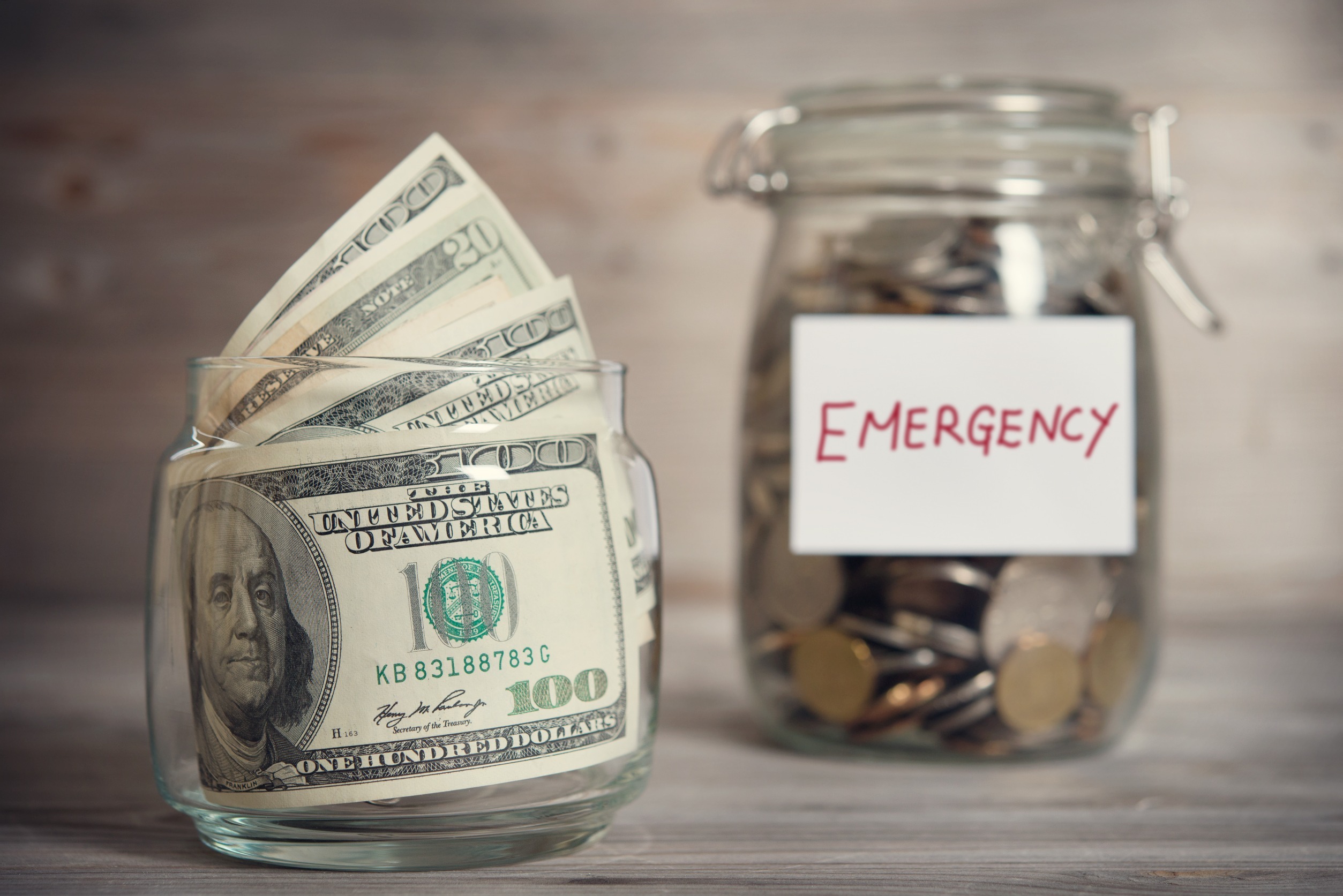
A paid-off car gives you an opportunity to build that financial cushion. Without a monthly loan payment, you can direct the money you would have spent on financing into a dedicated savings account.
Start with a manageable target. Many financial planners recommend building an emergency fund that covers three to six months of essential living expenses. You do not have to reach that amount immediately. Consistent monthly contributions can gradually get you there.
For instance, saving $500 each month would put $6,000 aside after one year, before interest. That could help cover unexpected expenses without relying on high-interest credit cards or personal loans.
There is also a psychological benefit. Knowing you have accessible savings can make everyday financial decisions less stressful. You may feel more comfortable handling an unexpected repair or taking time to address an important household expense.
Of course, an older car still needs maintenance. Set aside a separate amount for oil changes, tires, brakes, and occasional mechanical repairs.
Rather than spending your available cash on another vehicle, use the extra breathing room to strengthen your emergency savings. A dependable paid-off car can help you build financial security while still providing the transportation you need.
4. Option to Drop Full-Coverage Insurance
Insurance is another expense worth reviewing when you own your vehicle outright. If you financed your car, your lender likely required comprehensive and collision coverage as part of the loan agreement.
Once the loan is fully paid, you generally have more flexibility in choosing your coverage. For an older vehicle with a relatively low market value, paying for full coverage may no longer make financial sense.
Comprehensive insurance typically covers certain events such as theft, vandalism, and weather-related damage, while collision coverage helps pay for damage resulting from covered accidents.
Liability insurance serves a different purpose. It helps cover injuries or property damage you cause to others, subject to your policy limits.
Suppose your older car is worth $4,500. If comprehensive and collision coverage cost several hundred dollars annually, you may want to compare those premiums with the vehicle’s current value and your ability to pay for repairs or replacement yourself.
However, dropping coverage is not automatically the right decision. Your state may have minimum insurance requirements, and you should consider your financial ability to replace the vehicle if it is stolen or totaled.
Contact your insurance provider and request quotes for different coverage arrangements. Compare deductibles, exclusions, and potential savings before making changes.
Having a paid-off car gives you the freedom to make this decision based on your circumstances rather than a lender’s requirements.

5. Lower Annual Cost of Ownership
Cars lose most of their value early, and that drop is the real price of ownership. Spread the original purchase cost across more years, and the yearly number shrinks fast.
If you paid $30,000 for the car and kept it for five years, your annual cost would be $6,000. Extending ownership to six years brings that figure down to $5,000 per year.
Seven years brings it to about $4,300. Each extra year makes the whole purchase look smarter. Sure, older cars may need new tires, brakes, or a battery.
Even so, those bills are usually far smaller than a monthly loan payment plus the steep depreciation a new vehicle suffers the moment it leaves the lot.
Keep up with routine maintenance, and your reliable car can serve you well for many more miles. The math favors patience, and your wallet will quietly agree with every added year.
6. Gain Full Freedom and Clear Title
There is something satisfying about opening your mailbox and finding a clean title with your name on it. Once the loan is settled, your lender releases the title, and you become the full legal owner.
No more liens. No more asking permission. That freedom comes with real benefits. You can sell the car whenever you wish, trade it in at the moment that suits you, or give it a few personal upgrades without a lender looking over your shoulder.
Want better speakers, new wheels, or a roof rack for weekend adventures? Go for it. Need to sell fast because life changed? You hold all the paperwork you need.
Ownership means you call the shots, and that is a rare feeling in a world full of monthly obligations. Store your title somewhere safe, and enjoy being the boss of your own vehicle.

7. Redirect Money Toward Wealth-Building
Now for the exciting part. Every dollar you used to send toward a rapidly depreciating asset can start working for you instead. Instead of paying loan interest, you could invest in a retirement account, buy into an index fund, or knock out high-interest debt such as credit cards.
Even modest monthly amounts grow impressively when they have years to compound. Imagine investing $500 each month for just one year, then letting that money keep growing while you drive the same dependable car.
That is how ordinary savers build real wealth. A new car loses value every day, but an investment portfolio can climb. Choosing the second path takes discipline, yet the reward is lasting.
Your paid-off car is more than a way to get around town. It is the starting point for a stronger financial future, and you already own it.