
Selling a car may seem like a straightforward process that involves advertising the vehicle, meeting a potential buyer, and exchanging the keys for payment. However, some sellers unknowingly violate legal requirements, which can lead to serious consequences such as lawsuits, financial penalties, or even criminal charges. Fortunately, these issues can be avoided by understanding the rules and knowing which common mistakes to watch out for.
This guide covers eight situations that make a car illegal or fraudulent to sell, from missing paperwork to hidden damage. Whether you’re a first-time seller, a dealer, or just cleaning out the garage, these rules protect you and the person on the other side of the deal. Read on, double-check your paperwork, and sell with total confidence.

1. Lacking Legal Proof of Ownership / Title
Having possession of a vehicle does not automatically give someone the legal right to sell it. Before a car can be transferred to another person, the seller must have legitimate proof of ownership or proper authorization from the actual owner.
Depending on the jurisdiction, acceptable documents may include a vehicle title, certificate of ownership, registration documents, or other officially recognized ownership records. These documents help establish who has the legal right to transfer the vehicle.
Problems arise when someone attempts to sell a car registered under another person’s name without written permission. Even if the seller has been using the vehicle for years, possession alone may not establish ownership.
Forged documents create an even more serious situation. Presenting false ownership records to convince a buyer that a vehicle belongs to you can constitute fraud and may lead to criminal prosecution.
Before completing a purchase, buyers should compare the seller’s identification with the ownership documents and verify the vehicle’s registration details through the appropriate authorities.
If documents are missing, the seller should resolve the ownership issue before advertising the vehicle for sale. A legitimate transaction requires more than handing over the keys and accepting payment. The seller must have the legal authority to transfer ownership.
2. Unpaid or Forged Customs Duty (for Imported Vehicles)
Imported vehicles can attract buyers because they provide access to different models, specifications, and price ranges. However, an imported car must meet the applicable customs and import requirements before it can be legally sold or registered.
A major problem occurs when the required import duties, taxes, and levies have not been paid. A seller who knowingly offers such a vehicle without disclosing its customs status may expose the transaction to legal complications.
Documentation matters here. Buyers should request verifiable evidence showing that the vehicle entered the country through the appropriate procedures and that applicable customs obligations were settled.
Forged customs receipts are particularly dangerous. A document may appear official, carry stamps, or contain reference numbers, but that does not guarantee authenticity.
Verification should be obtained directly from the relevant customs authority rather than relying exclusively on paperwork supplied by the seller.
Vehicles with unresolved import obligations may face seizure, registration difficulties, financial penalties, or other enforcement action, depending on local law.
Sellers should resolve outstanding customs issues before advertising an imported vehicle as fully cleared. Buyers should also avoid paying the full purchase price until the vehicle’s import status has been independently confirmed.
A seemingly attractive deal can become an expensive problem when customs documentation is incomplete or fraudulent.
3. An Undisclosed Lien or Active Loan
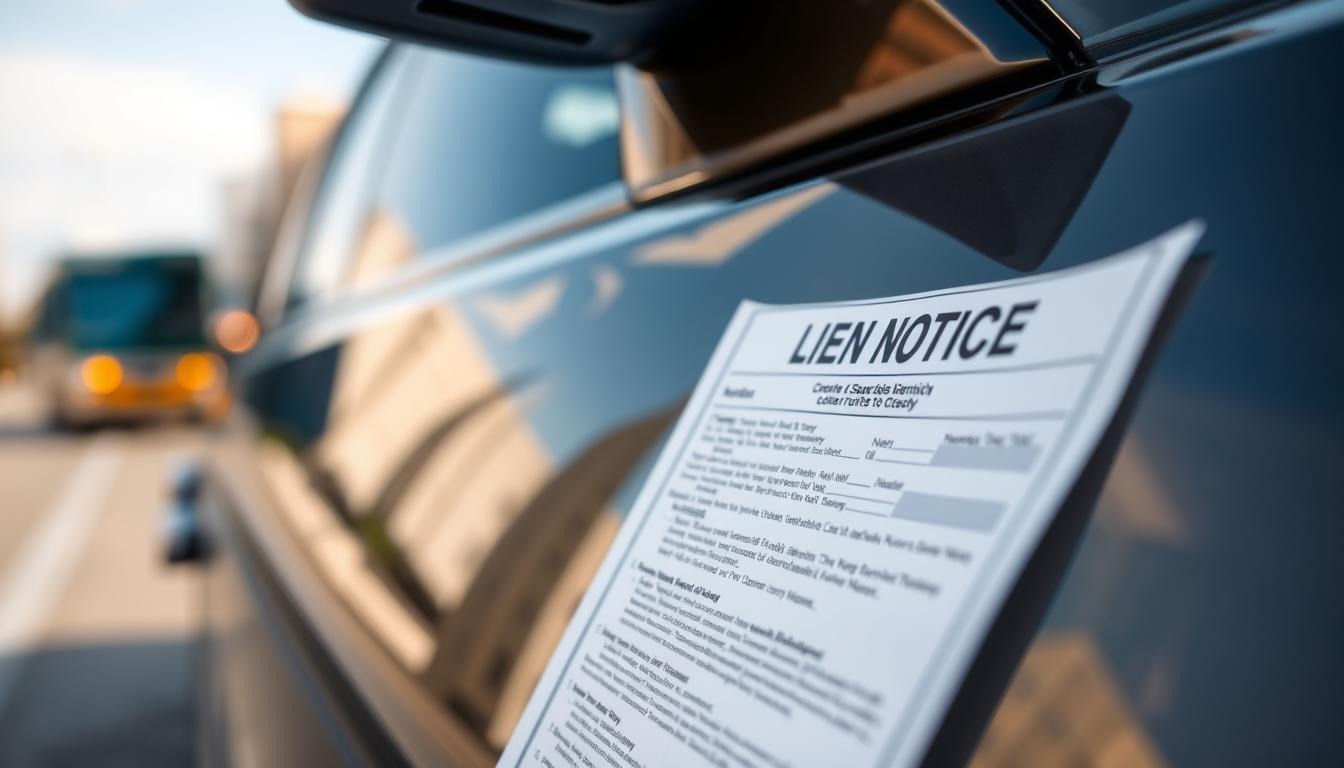
Surprisingly, selling a vehicle with an outstanding loan is perfectly legal, and many car owners do so. However, problems can arise when the existing lien is not disclosed to the buyer.
A lien means the lender has a legal claim on the vehicle until the debt is paid, so the car is not fully yours to hand over. If you hide that fact, pocket the buyer’s cash without paying off the lender, or forge release documents, the law calls it fraud and theft by deception.
The buyer ends up with a car the bank can still take back, and you end up facing criminal charges. It is a bad outcome for everyone. The honest route is simple. Tell the buyer about the loan upfront.
Contact your lender for a payoff amount, then arrange the sale so the money goes to the lender first, ideally at the bank or through a written agreement all parties sign.
Once the loan is cleared, the lender issues a lien release, and the title can pass to the buyer cleanly. Buyers, please do your part. Ask for the title, look for lienholder information, and run a vehicle history report before handing over funds.
If the seller dodges questions or pushes you to pay in cash right now, treat that as a red flag. A short delay costs nothing, while an unpaid loan can cost thousands. Protect yourself, protect your savings, and always insist on proper paperwork.
4. Odometer Fraud (Rolling Back Mileage)
Rolling back an odometer is a crime. Period. Artificially altering, disconnecting, or rolling back the mileage reading to show fewer miles than the car has truly driven counts as odometer tampering, and it is a direct federal and state offense carrying severe civil and criminal penalties.
Fines can be steep, and prison time is possible. Civil lawsuits can add damages on top. Why do people do it? Mileage drives price. A lower number makes a car look newer, healthier, and worth more, so a dishonest seller can pocket thousands in extra cash.
The buyer pays for a car that is more worn than advertised, and expensive repairs often follow. Even a seller who did not personally alter the reading can land in trouble by knowingly passing along a false number.
Honesty is the only safe path. Record the actual mileage on the sales paperwork, and if the odometer is broken or replaced, disclose that clearly in writing. Buyers can protect themselves too.
Compare the displayed mileage to service records, inspection reports, and vehicle history data. Look at wear on the pedals, seats, and steering wheel, since a pristine interior on a car with a tiny mileage figure may not add up.
Ask a trusted mechanic for an inspection. If the numbers do not match the story, walk away. A few hundred miles of doubt is not worth the risk of a ruined purchase, a lawsuit, or worse. Trust evidence first.
5. Title Washing or Concealing Salvage / Total Loss Status
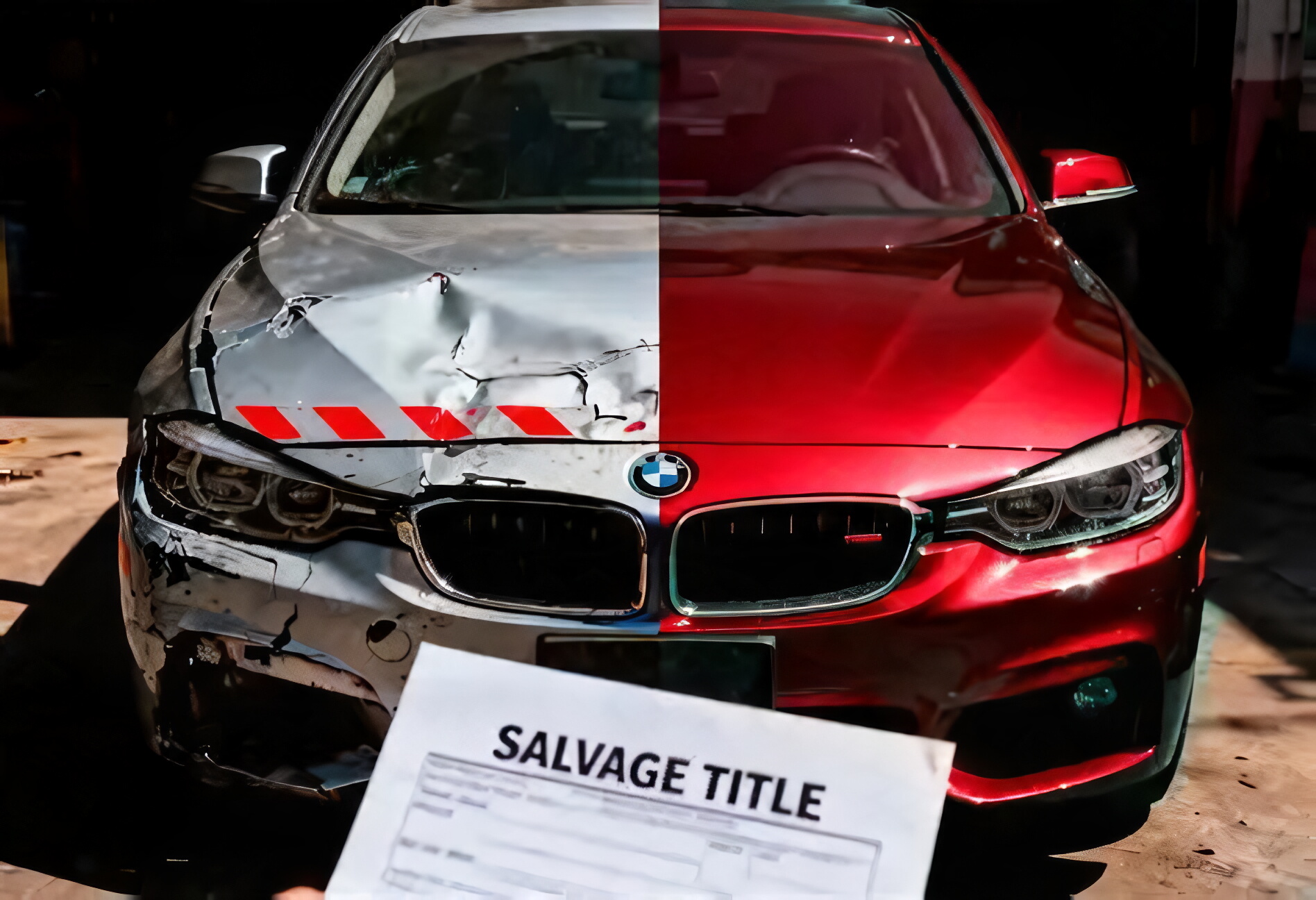
Some cars carry a painful past, and a title is supposed to tell that story honestly. When an insurance company declares a vehicle a total loss, its title gets a brand such as salvage, flood, fire, or frame damage.
Title washing is the shady trick of hiding that brand, usually by altering paperwork or re-registering the car in another place so the record looks clean.
Selling a car this way, or simply advertising a branded vehicle as clean, is fraud for private sellers and dealers alike. Think of it like selling a house with hidden structural damage. The outside may look fine, but problems lurk underneath.
A flood car, for instance, may develop electrical failures and rust months after purchase, and a car with frame damage may not protect passengers in a crash. That makes this offense about safety as well as money.
Sellers should always disclose a branded title and price the car accordingly. Plenty of buyers will happily purchase a rebuilt vehicle when they know the truth and receive a fair discount.
Buyers, meanwhile, should run a vehicle history report using the identification number, check title records with the state or regional agency, and pay for an independent inspection.
Look for mismatched paint, new carpet in an older car, silt in odd places, and uneven panel gaps. A price that seems too good to be true usually hides a story somebody does not want you to read.
6. Altering or Forging Identification Numbers (VIN Tampering)
Every road vehicle has a Vehicle Identification Number, commonly known as a VIN. This unique identification code helps authorities, insurers, manufacturers, and buyers establish a vehicle’s identity.
VIN tampering occurs when someone deliberately removes, alters, replaces, or falsifies the identification number to conceal a vehicle’s history or identity.
Why would someone do this? In many cases, the intention is to disguise a stolen vehicle, hide serious accident damage, or make a car appear to have a different registration history.
A vehicle with a tampered VIN can create major legal problems during a sale. Authorities may seize it for investigation, and the seller could face criminal charges depending on the circumstances and applicable law.
Even an innocent buyer can become involved in a lengthy ownership dispute after discovering that the identification details do not match official records.
Buyers should compare the VIN displayed on the vehicle with the number recorded on its title, registration documents, and other official paperwork. Any unexplained mismatch should stop the transaction until the issue is resolved.
If a VIN plate appears damaged, missing, or inconsistent with the vehicle’s documentation, contact the appropriate motor vehicle authority or law enforcement agency for guidance. Do not attempt to repair or replace identification markings independently.
A legitimate vehicle must have a verifiable identity. Selling one with deliberately falsified identification details can carry serious legal consequences.

7. Selling a Stolen Vehicle (“Nemo Dat”)
A person cannot legally transfer ownership of property they do not own or have the authority to sell. This principle is commonly expressed through the legal doctrine known as nemo dat quod non habet, meaning that no one can give what they do not have.
Applied to vehicle sales, the principle means someone who steals a car cannot pass valid ownership to an innocent buyer simply by producing keys or preparing a sales agreement.
A stolen vehicle remains subject to the rightful owner’s legal claim. Authorities may seize it and return it to its owner, leaving the purchaser to pursue financial recovery from the fraudulent seller.
The person attempting to sell the vehicle may face serious criminal charges, including theft, fraud, or possession of stolen property, depending on the applicable laws and evidence.
Buyers should be particularly careful when a seller offers a vehicle at an unusually low price, refuses to provide ownership documents, or insists on completing the transaction quickly.
Checking the VIN against available stolen-vehicle databases and confirming registration details with the relevant authorities can help identify potential problems.
A legitimate seller should be willing to establish ownership and provide verifiable documentation. If someone cannot explain how they acquired the vehicle or refuses reasonable verification, walking away is the safer decision.
A signed receipt does not automatically protect a buyer when the underlying vehicle was stolen.

8. Missing Mandatory Safety / Roadworthiness Clearances
Last but not least, think about whether the car is actually fit for the road. In regions that require pre-sale inspections, such as a valid roadworthiness certificate from a vehicle inspection office, or proof of emissions and safety compliance, selling or operating a car that fails those baseline standards can violate transport and motor vehicle laws.
Rules vary by location, so check yours before you list the car. Illegal modifications create trouble too. Unauthorized nitrous oxide systems, banned lighting setups, and noisy exhaust changes may break local codes, depending on where you live.
A seller who advertises a car with those parts may be advertising a violation. Start with the basics, always. Visit your local motor vehicle or inspection office and ask which certificates a seller needs.
Book an inspection early, because repairs can take days or weeks. Fix worn brakes, bald tires, faulty lights, leaking fluids, and warning lights that stay on.
If a modification is not street legal, restore the original part or sell the car clearly marked as not road legal where the law allows. Buyers should ask to see current certificates and verify their dates.
A passed inspection is a snapshot, not a lifetime guarantee, yet it shows the car met standards on that day. Taking care of these details makes your listing more trustworthy and often helps you sell faster.
Do the homework now, and the handover will be smooth, legal, and totally stress-free.