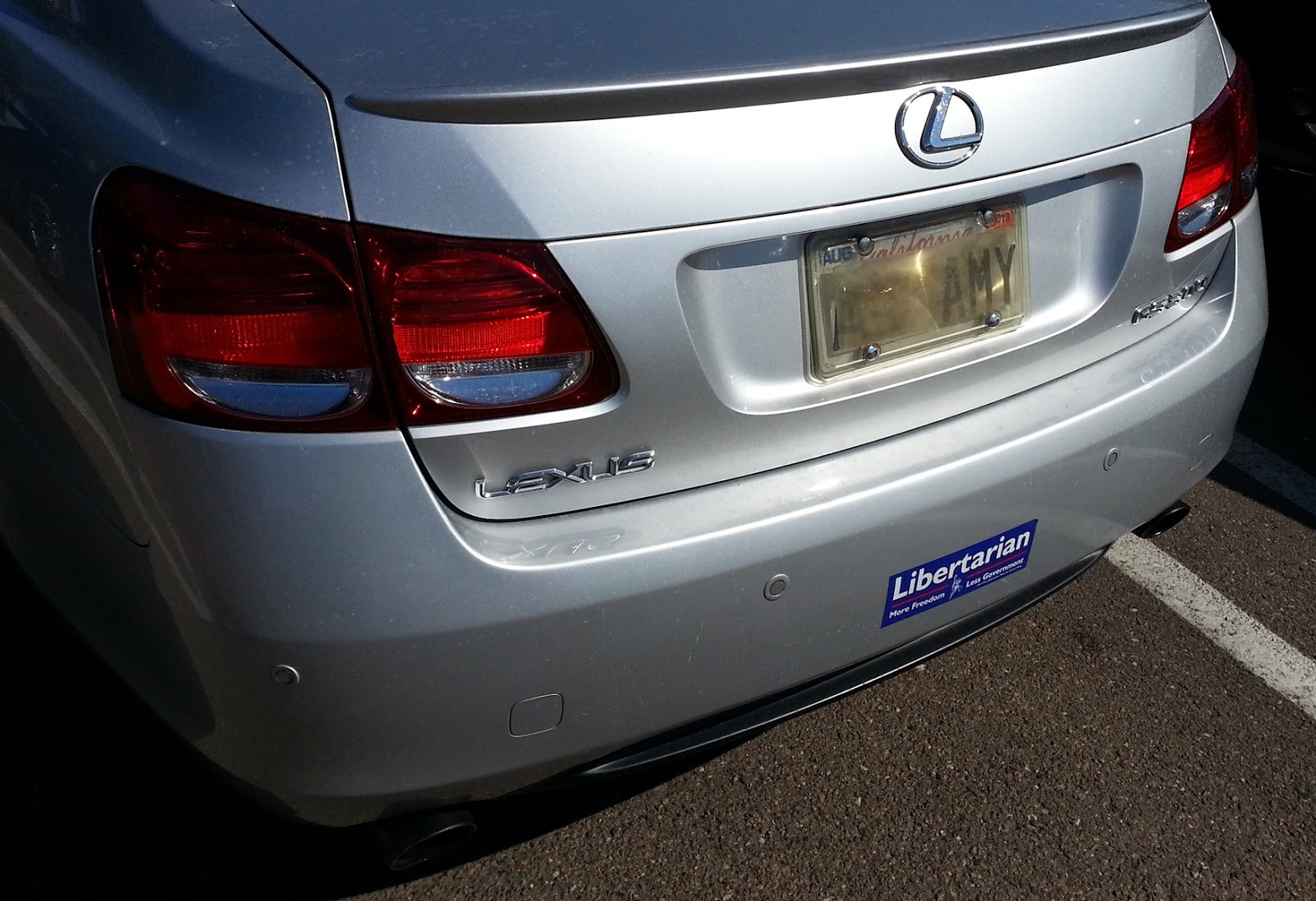
License plate covers may seem like a simple way to protect a vehicle’s registration plate from dirt, scratches, and weather damage. However, a tinted cover can create legal problems when it makes the plate difficult to read.
Law enforcement officers, toll systems, traffic cameras, and other monitoring equipment rely on clear plate visibility to identify vehicles. Even a cover that looks nearly transparent to the driver may reduce the visibility of letters, numbers, or reflective markings.
Across several US jurisdictions, laws restrict or prohibit license plate covers that obscure important plate details. Some rules prohibit covers entirely, while others focus on whether the material interferes with readability. Understanding these restrictions can help motorists avoid unnecessary traffic stops, fines, and registration-related problems.
1. California
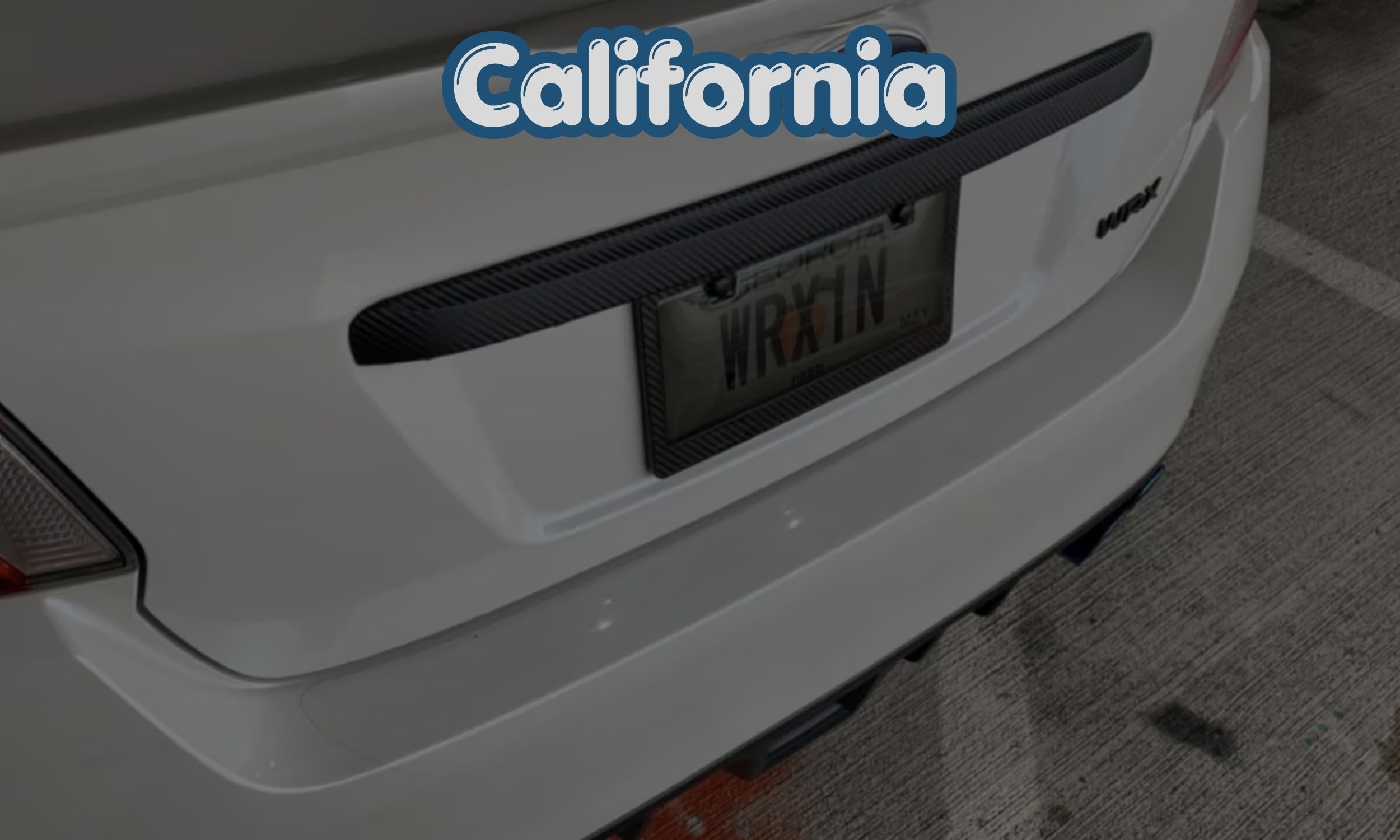
California takes a strict approach to license plate visibility. State law prohibits covering a license plate in a manner that prevents its identifying features from being clearly visible.
This restriction also applies to clear covers, meaning motorists cannot assume that a transparent shield is automatically acceptable.
Tinted plate covers create an additional concern because they can darken the characters, reduce visibility, and interfere with the plate’s reflective surface.
Even when a driver can read the registration number easily, an officer or traffic camera may experience difficulty identifying it from another angle.
For California motorists, keeping the entire license plate exposed is the safest approach. Drivers should avoid smoked plastic shields, colored acrylic covers, and other materials placed over the plate.
A decorative frame should also stay clear of letters, numbers, registration stickers, and other required information.
The key takeaway for California drivers is to keep license plates fully exposed and clearly readable instead of depending on covers that only appear transparent in daylight. Plates should remain legible in all lighting conditions and from different viewing angles.

2. Arkansas
Arkansas law focuses on maintaining the readability and reflective properties of vehicle registration plates. A cover that makes the plate harder to read or reduces its required visibility can create a legal problem for the vehicle owner.
Tinted covers are particularly concerning because their dark appearance can interfere with the plate’s reflective qualities. These materials may appear harmless in a parking lot but become difficult to read under headlights, streetlights, or other lighting conditions.
Motorists should also understand that a cover does not need to completely hide a registration number to create a problem. Even partial interference with the visibility of letters, numbers, or other required markings may be enough to attract attention during a traffic stop.
Anyone driving in Arkansas should examine their plate accessories before using public roads. A plain, uncovered plate is a sensible option for avoiding unnecessary questions about visibility.
Drivers should also check that dirt, scratches, decorative borders, and protective materials do not interfere with the registration information.
Protecting a plate is reasonable, but that protection should never come at the expense of clear identification.
3. Florida
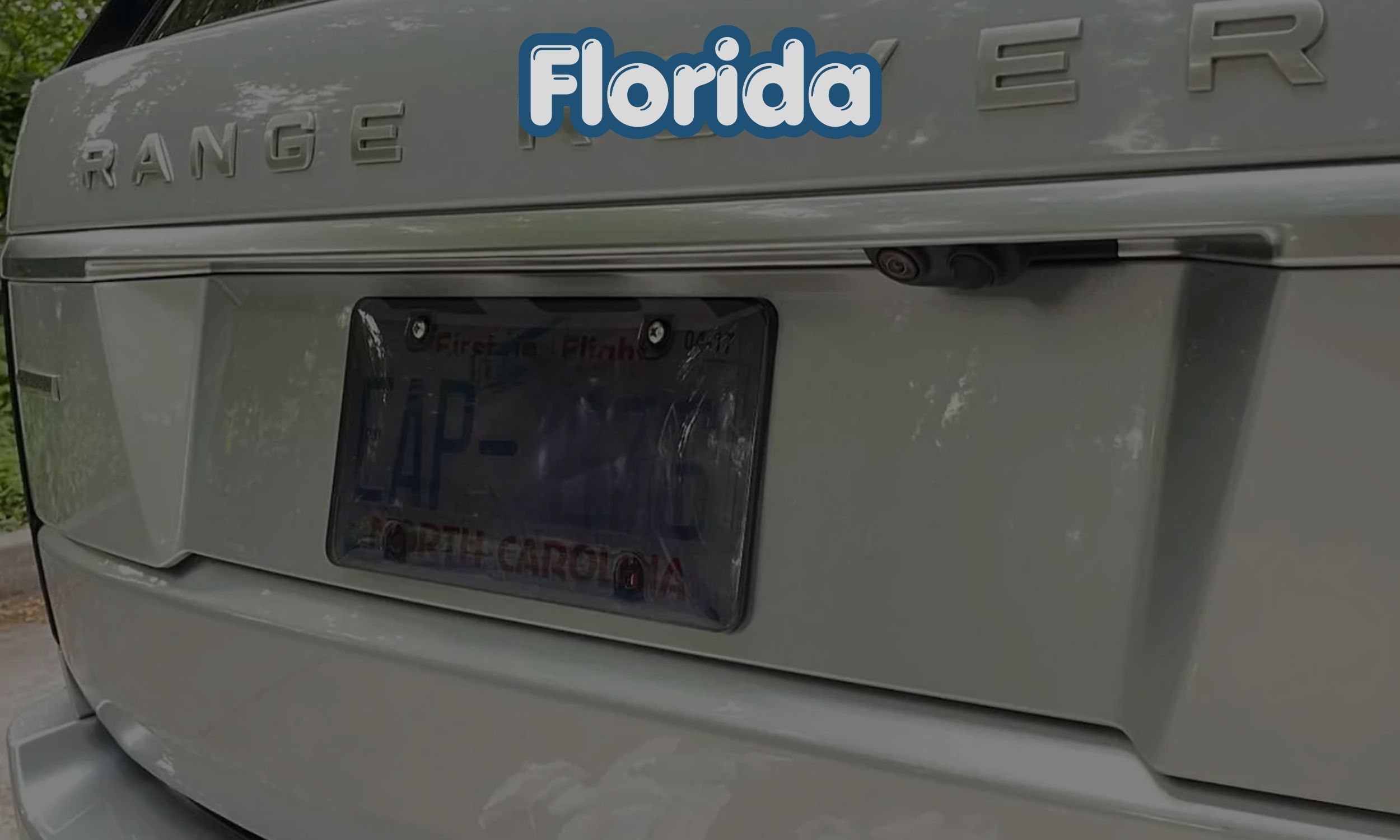
Florida has strict rules concerning anything that covers, obscures, or interferes with the legibility or detectability of a vehicle’s license plate.
These restrictions are intended to ensure that registration information remains available to law enforcement and other authorized monitoring systems.
A tinted plate cover can violate these requirements when its material makes identifying details harder to see.
Dark plastic, smoked acrylic, reflective coatings, and colored shields may all raise concerns depending on how they affect plate visibility.
The problem is not limited to human eyesight. Some covers can interfere with the ability of electronic systems to capture registration details.
This matters on roads where automated toll collection, traffic enforcement, and other vehicle identification systems are used.
Florida motorists should be especially careful when purchasing aftermarket plate accessories. A product advertised as camera-resistant or designed to make a registration number less visible is a poor choice.
Even an accessory marketed as protective may create legal trouble if it interferes with required plate information.
Keeping the original plate exposed is the simplest way to reduce these risks. Drivers should also inspect their plates regularly to ensure that all identifying details remain easy to see.
4. District of Columbia
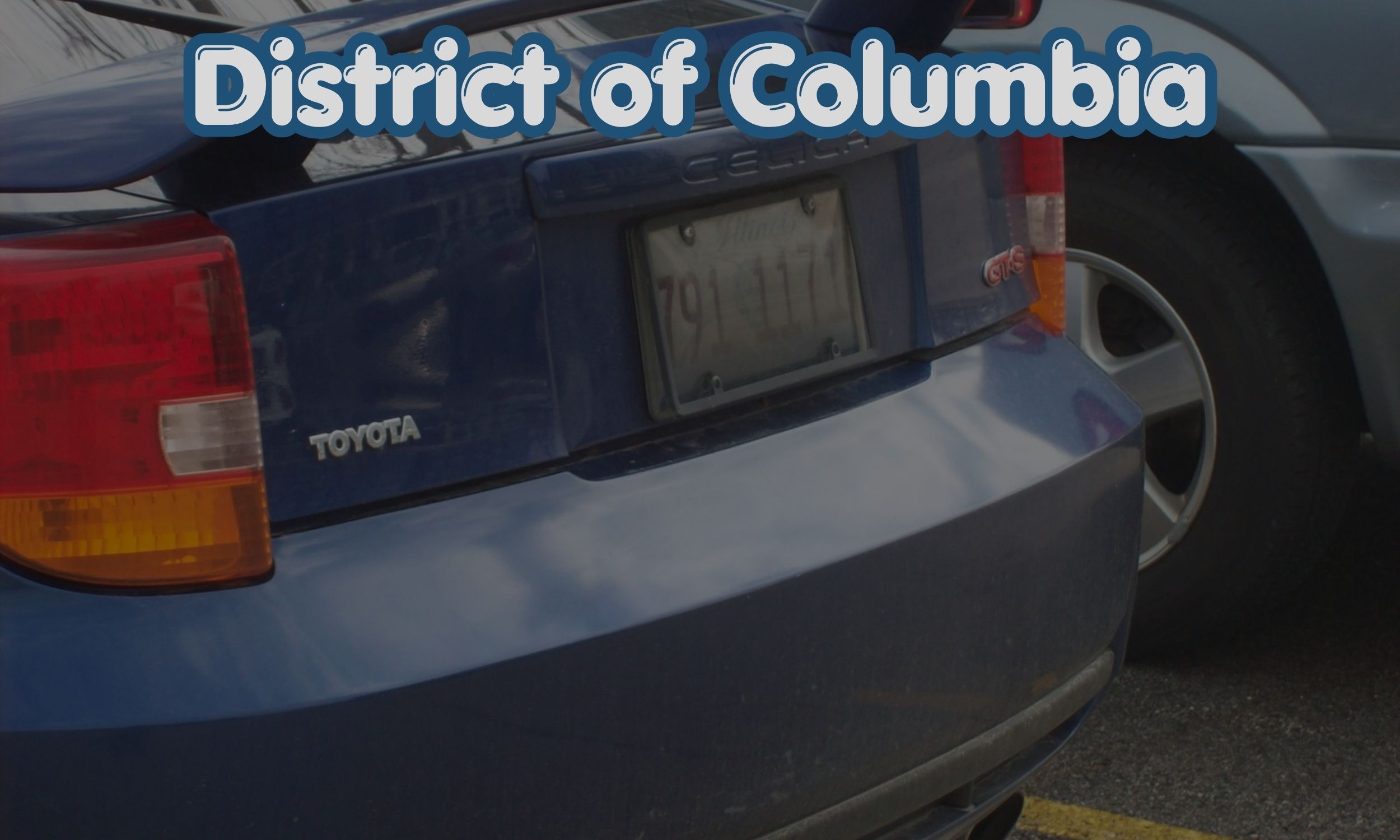
The District of Columbia has restrictions on license plate shields, requiring registration plates to remain clearly legible. Although Washington, DC, is not a state, its rules deserve attention because motorists regularly travel between the district and neighboring jurisdictions.
Tinted plate covers can interfere with the visibility of registration characters and other required markings. A shield that darkens the plate may make it harder for an officer to identify a vehicle, particularly when viewing it from a distance or under poor lighting conditions.
Drivers should not assume that a cover permitted in another jurisdiction will automatically be acceptable in the District of Columbia. Local vehicle equipment requirements still apply when driving within district boundaries.
Decorative frames can also create problems if they cover any part of the registration information. Motorists should check the placement of their accessories and ensure that the plate remains fully exposed.
For anyone who regularly drives through Washington, DC, avoiding plate shields is a practical precaution. An uncovered registration plate removes uncertainty about whether an accessory violates local visibility requirements.

5. Colorado
Colorado requires vehicle registration plates to remain readable, and covers that obstruct identifying information can violate applicable state requirements.
This restriction is particularly relevant to tinted covers because their appearance and material can reduce the clarity of registration characters.
A plate may look perfectly readable when viewed from directly behind the vehicle in bright sunlight. However, the same plate might become difficult to identify at night, during rain, or when viewed from an angle.
That difference matters because registration plates must serve their identification purpose in ordinary driving conditions.
Colorado motorists should pay attention to aftermarket accessories that claim to offer privacy, glare reduction, or additional protection.
A product’s marketing description does not determine whether it complies with state vehicle equipment rules.
The safest approach is to leave the plate uncovered and ensure that its letters, numbers, stickers, and reflective areas remain visible. Drivers who prefer decorative frames should select designs that do not overlap any required information.
Before installing a plate accessory, motorists should review current Colorado requirements rather than relying on assumptions or advice from an online seller. A small accessory is not worth the potential inconvenience of a traffic citation.
6. Arizona
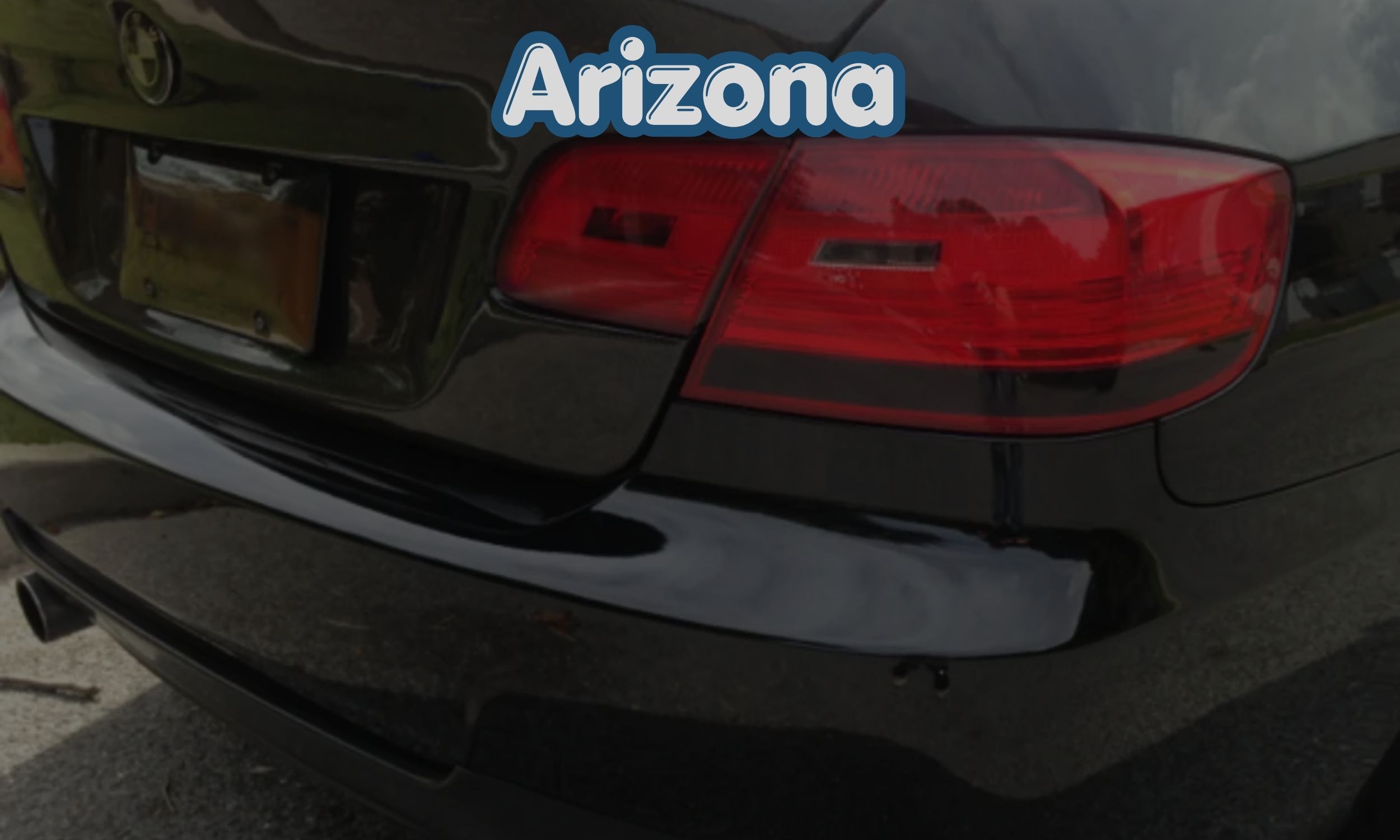
Arizona’s intense sunlight and heat can cause license plates to fade, prompting some drivers to consider protective covers. However, state requirements remain strict. License plates must be easy to read, and any cover or accessory must not block the state name or interfere with the plate’s visibility.
That second requirement catches many people by surprise. A frame or cover with a wide border may hide the state name at the top without anyone noticing, and that alone can cause a problem.
A tinted cover adds a second issue, since it can dim the whole plate. Think of the state name as part of the plate’s identity. Officers and cameras use it to confirm where a vehicle is registered, so hiding even a portion can create confusion.
Desert sunlight is also harsh on plates, and it can bleach them over the years. If yours looks faded, contact the motor vehicle agency about replacement instead of trying to protect it with a shield.
Replacement is usually inexpensive and easy to arrange. When picking a frame, choose a slim design that leaves every letter and number untouched. Check the edges after installing it.
Run your eyes along the top, bottom, and sides to make sure nothing is blocked. A clean, visible plate keeps you legal, and it makes your car easier to identify if anything ever goes wrong.

7. Alaska
Short and sweet. Alaska’s statute states that the plate must not be obscured. That’s the whole idea. There’s no long list of materials, no special exceptions, just a plain requirement that your plate stay visible.
Tinted covers obscure by design, so they don’t fit. Alaska’s weather makes the rule especially sensible. Snow, slush, and long dark winters already reduce visibility, and a darkened cover only pushes the plate further into the shadows.
Road crews, officers, and other drivers all benefit when plates stay easy to read. If you live there, or you’re traveling through, keep your plate clear and clean. Brush off snow when it piles up, and wipe away road grime that can build up after a storm.
Don’t forget the rear plate, which is the one most people see from behind. Frames should leave the edges open, and stickers should sit where they’re supposed to.
It may seem like a small thing, but a readable plate helps in emergencies, too. If your car is ever reported or needs roadside help, an easy-to-read plate makes the process faster. Keep it simple, skip the tint, and let the metal speak for itself.
Fewer accessories mean fewer chances for trouble.

8. Alabama
Frames are fine, but only with conditions. Alabama permits frames as long as the characters on the plate are not covered. That puts the responsibility on you, the driver, to make sure nothing blocks the letters and numbers.
A tinted cover would obscure those characters, so it doesn’t pass. Consider how a typical frame works. It sits around the edge of the plate, holding it in place and adding a bit of style. A good one leaves everything visible, from the top banner to the registration sticker. A bad one hides part of a letter or the state name.
Tinted covers go even further by dimming the entire surface. Alabama’s approach gives you flexibility if you like customizing your car, but you still need to follow the main rule. Before buying any frame, check the dimensions and look for a slim design.
Hold it up against the plate in the store if possible. After installation, step back and read each character aloud, as though you were an officer. If anything feels hard to see, adjust it or remove it.
Remember that stickers and numbers should remain clear for inspectors and cameras alike. A little care while shopping can keep style and legality working together instead of fighting each other.

9. Connecticut
Connecticut allows consideration of license plate accessories only when they do not obscure the registration plate or interfere with its readability. This requirement makes tinted covers a potential source of legal trouble for motorists.
A cover may be advertised as transparent, lightly shaded, or protective, but those descriptions do not guarantee compliance. If the material makes the registration characters harder to identify, it can create a problem under the state’s plate visibility requirements.
Drivers should pay attention to both the color and placement of aftermarket accessories. A dark shield may reduce visibility across the entire plate, while a poorly fitted frame might hide part of a letter, number, or registration sticker.
Connecticut motorists should also remember that a plate must remain readable in different conditions.
Daylight visibility alone does not establish that an accessory is suitable for regular road use. Rain, darkness, glare, and viewing angles can all affect how clearly registration information appears.
Before purchasing a plate cover, vehicle owners should check the applicable Connecticut rules. Choosing an uncovered plate avoids questions about whether a particular shield interferes with identification.
The main objective is to ensure that a vehicle’s registration information remains clearly visible and readable to anyone who needs to verify its identity.

10. Delaware
Delaware requires vehicle registration plates to remain unobscured so that their identifying information can be seen clearly. This requirement creates concerns for drivers who install tinted covers over their plates.
A smoked or darkened shield may make letters and numbers harder to recognize, especially when light reflects from the plastic surface.
Even if the cover does not completely hide the registration number, any interference with visibility may attract attention from law enforcement.
Motorists should not rely solely on the appearance of a cover while standing close to their vehicles.
Registration plates are viewed from different distances and angles during normal road use. A product that looks clear up close may not provide the same visibility from behind another vehicle.
Delaware drivers should also inspect decorative frames and protective accessories for anything that overlaps the plate’s identifying information. Keeping the entire plate exposed is a sensible way to avoid disputes about whether an accessory obstructs it.
Anyone planning to install an aftermarket product should review current state requirements first. A seller’s assurance that a particular cover is legal is not a substitute for checking the applicable law.
An uncovered plate remains a simple choice for motorists who want to avoid unnecessary compliance concerns.
11. Georgia
Georgia requires vehicle registration plates to remain clearly visible and legible. State law prohibits motorists from using materials or accessories that obscure identifying information on their license plates.
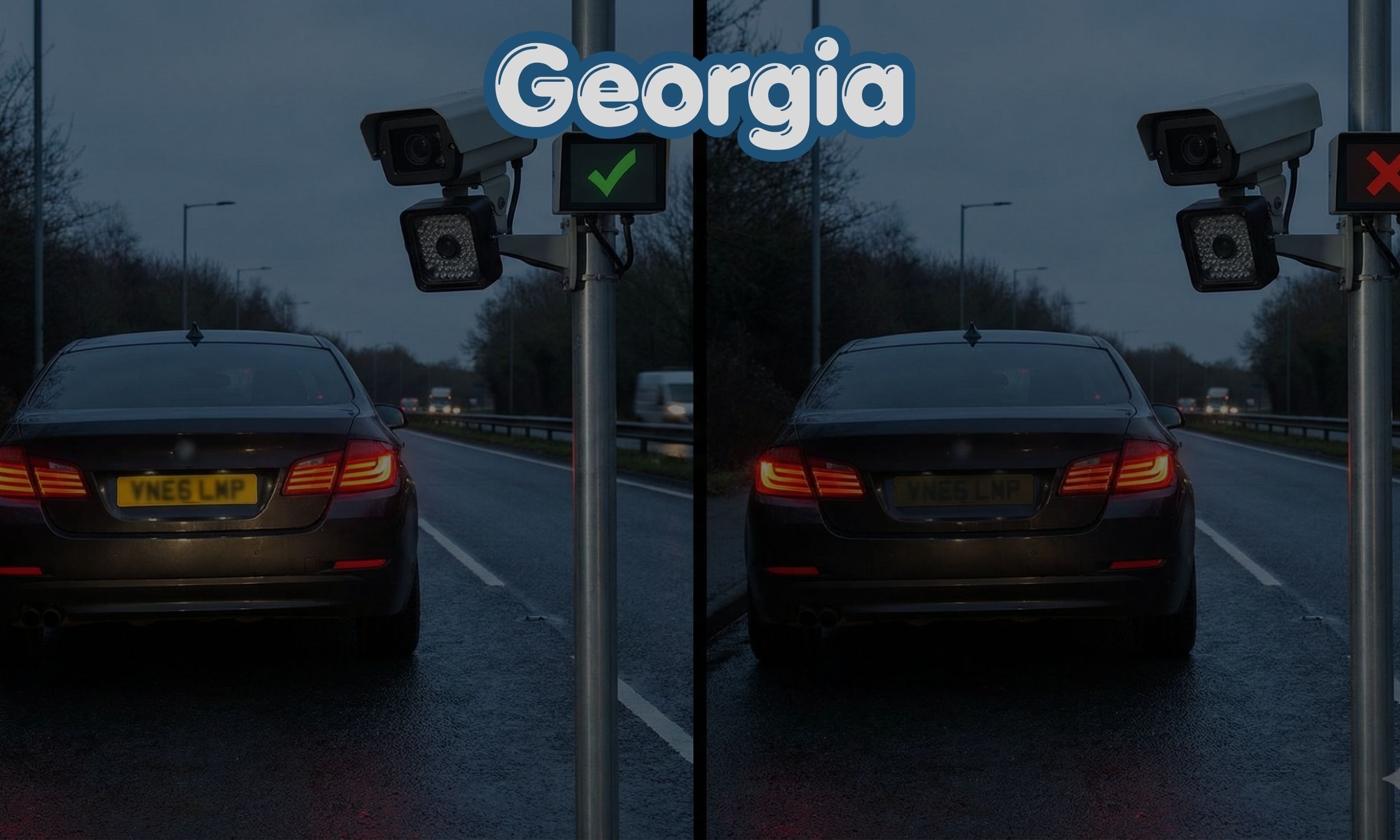
Tinted covers can create problems because they may darken registration characters, interfere with reflective surfaces, or make the plate difficult to identify under certain lighting conditions.
Even a lightly tinted shield can become a concern if it reduces visibility from a distance or affects the ability of law enforcement officers and electronic monitoring systems to capture registration details.
Georgia motorists should also pay attention to decorative frames. Although some frames may be acceptable, they should never cover letters, numbers, registration decals, or other required identifying information.
Drivers should not assume that a product advertised as transparent or protective automatically meets state requirements. Its actual effect on plate visibility is what matters.
The safest approach is to avoid tinted license plate covers altogether. Keep the plate clean, uncovered, and easy to read in daylight and at night.
This simple precaution can help Georgia motorists avoid unnecessary traffic stops and potential penalties while ensuring their vehicles remain properly identifiable.

12. Hawaii
Hawaii requires vehicle registration plates to remain visible and legible. Motorists should avoid using tinted covers or other accessories that interfere with the identification of their registration plates.
A darkened shield can reduce the visibility of letters and numbers, particularly at night or when headlights reflect off the cover. Even a product that appears transparent during the day may affect how clearly the plate can be identified under different lighting conditions.
Hawaii drivers should also be careful when choosing decorative plate frames. A frame that covers registration characters, stickers, or other required identifying information can create compliance problems.
The state’s weather conditions make plate maintenance important, too. Exposure to sunlight, rain, and salty coastal air can gradually affect the condition of registration plates.
Rather than installing a tinted shield, motorists should keep their plates clean and replace damaged or faded plates when necessary.
Before purchasing aftermarket accessories, drivers should review Hawaii’s current vehicle equipment requirements. Keeping the registration plate uncovered and fully readable is the simplest way to avoid unnecessary legal trouble.