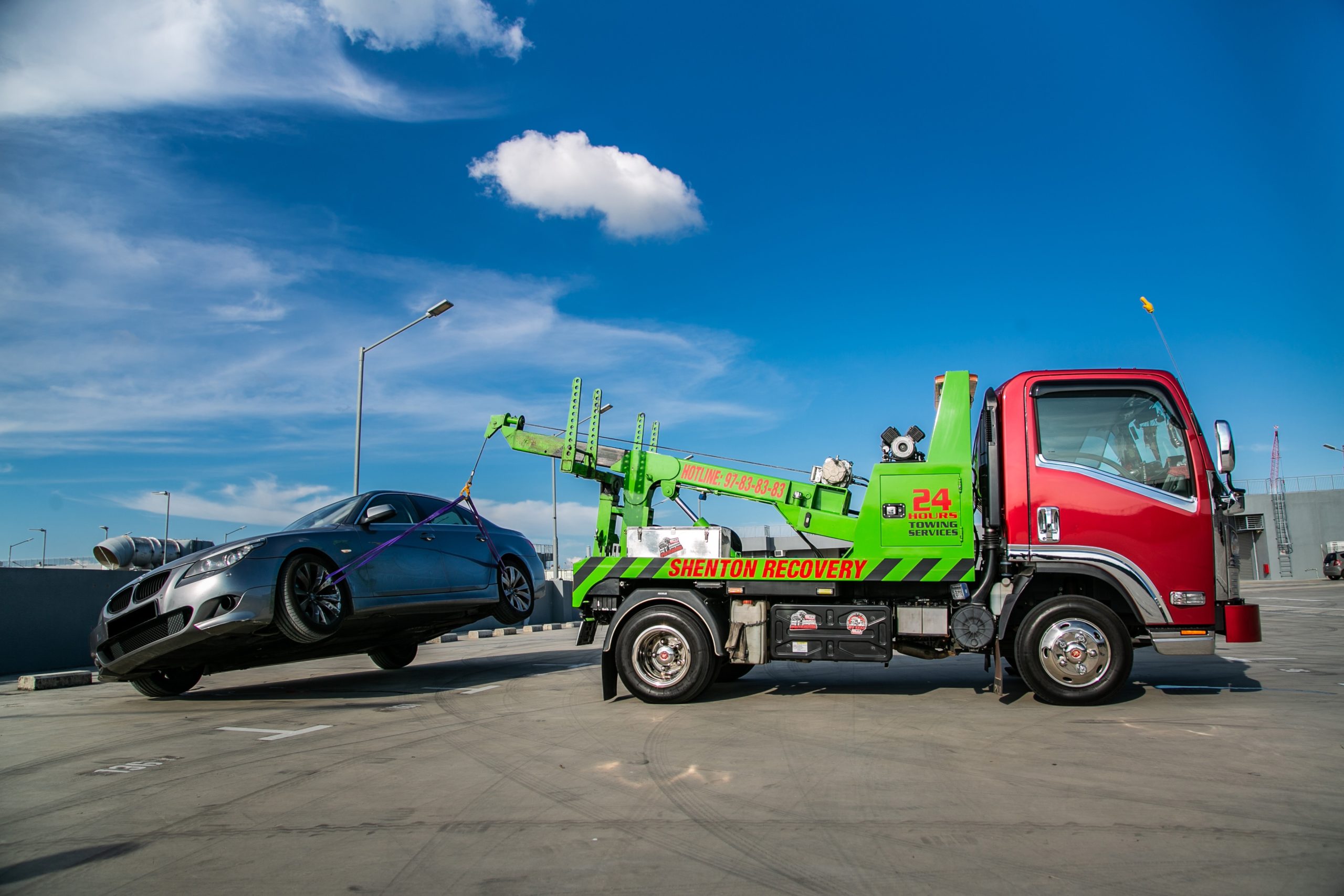
When police order a vehicle to be impounded, the towing company can earn money from more than simply moving the car. The initial tow charge is usually the first source of revenue, but storage fees, special equipment, and additional recovery work can increase the total bill.
That does not mean the entire amount goes straight into the company’s pocket. Drivers, fuel, truck maintenance, insurance, storage yard operations, and contract requirements all reduce what remains.
The economics also depend heavily on local regulations because police-authorized towing rates are often controlled by municipal contracts or state fee limits. A single impound can generate a few hundred dollars in revenue, but the actual profit is a different calculation.
How Much Revenue Does One Police Impound Generate?
The first payment comes from the actual towing service. When police request a tow, the company receives an assignment through a municipal contract, police rotation list, or approved dispatch system. The amount it can charge depends on the jurisdiction, vehicle class, distance, equipment required, and circumstances of the removal.
Seattle provides a useful example because the city publishes its police-authorized towing rates. For 2026, the contracted company can charge $297 for a standard Class A impound in the north zone and $263 in the south zone.
These rates include the applicable dolly fee and the first half-hour of winch service. The city’s contract also sets separate charges for larger vehicles and specialized equipment.
Other locations have different fee structures. Travis County, Texas, lists an initial Class A tow charge of $275 for vehicles weighing 10,000 pounds or less. Its schedule also allows $20 per day for storage and $75 for winching when required.
Massachusetts uses a different approach for state police tows, with a maximum standard towing charge of $132 that includes five miles and one hour of service or waiting time.
These examples show why there is no single national price for a police impound. A company operating in one city might receive less than $150 for a straightforward removal, while a contractor in another market could collect more than $250 for a similar vehicle. Difficult recoveries, additional mileage, and specialized equipment can increase the amount.
For a typical light-duty vehicle, it is reasonable to use an illustrative initial tow revenue range of $150 to $300 when examining the business model. This is not a national average or a guaranteed payout. The actual amount must be checked against the local contract or approved fee schedule.
Storage Fees Can Increase the Revenue
The initial tow is only part of the potential earnings. Once a vehicle reaches the impound yard, the company may collect storage fees for keeping it secure until the owner, insurer, or another authorized party retrieves it.
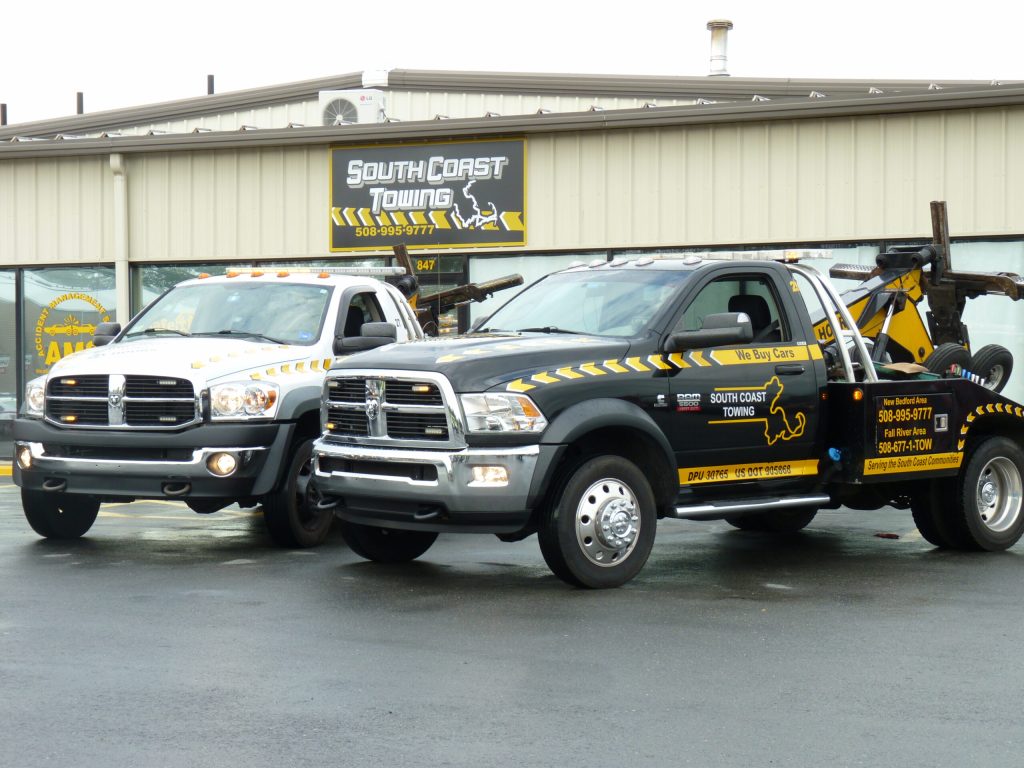
Storage can make a significant difference because charges accumulate with time. However, the rates and billing increments are controlled by local rules, and some jurisdictions provide an initial period without storage charges.
In Seattle, the 2026 schedule allows $22 for each 12-hour storage increment in the north zone and $19 in the south zone for standard vehicles measuring 20 feet or less. The first 12 hours carry no storage charge.
In Los Angeles, the published 2026 standard-vehicle storage rate is $68 per day when paying by credit card, with a lower listed rate for other payment methods.
Consider a hypothetical Seattle impound in the north zone that remains in the yard for 48 hours. The company receives $297 for the initial tow. After the first 12 hours, three additional 12-hour storage increments would produce another $66.
| Revenue source | Amount |
|---|---|
| Initial police-authorized tow | $297 |
| Storage for three 12-hour increments | $66 |
| Total company revenue | $363 |
The $35 regular city administrative fee listed in Seattle’s schedule is separate and should not be counted as towing-company revenue. This distinction matters because the total amount a vehicle owner pays can include charges collected for the municipality as well as charges belonging to the towing operator.
Longer storage periods can produce higher bills, but companies cannot assume every vehicle will remain in the yard for weeks. Some owners retrieve their vehicles quickly, while others may be unable or unwilling to pay the accumulated charges. Unclaimed vehicles can eventually enter a legal lien or auction process, depending on state law.
There is also a business cost to keeping a vehicle in storage. Every occupied space is unavailable for another impound. The company must maintain security, manage paperwork, handle customer inquiries, and provide vehicle-release services.
A vehicle generating $200 in storage revenue over several days is not necessarily more profitable than one that is collected quickly and frees up valuable yard space.
How Much Profit Remains After Expenses?
Revenue becomes profit only after the towing company pays the expenses associated with the job. The highest costs generally include the driver, fuel, truck maintenance, insurance, and the operation of the impound facility.
A tow truck is expensive equipment to operate. Tires, hydraulic systems, winches, transmissions, and other components require regular maintenance. A truck that breaks down can also prevent the company from accepting additional assignments. Commercial vehicle insurance, liability coverage, and workers’ compensation add further costs.
The company also needs a driver available when police call. Police rotation arrangements can involve overnight shifts, weekends, and unpredictable demand. Even if a particular assignment takes only 30 minutes, the business must account for the driver’s compensation and the time spent travelling to the scene, securing the vehicle, and returning to the yard.
Using the $363 Seattle example, a simplified cost model might look like this:
| Item | Illustrative amount |
|---|---|
| Tow and storage revenue | $363 |
| Driver compensation | $55 |
| Fuel and vehicle operating cost | $30 |
| Truck maintenance allocation | $20 |
| Yard and security allocation | $25 |
| Dispatch, administration, and other costs | $18 |
| Estimated operating contribution | $215 |
These are hypothetical expense allocations, not published Seattle contractor costs or verified profit figures. They illustrate how a $363 customer bill can leave a much smaller amount after the company pays to perform the job and store the vehicle.
Actual costs could be higher or lower depending on the distance, driver pay, equipment, facility expenses, and how many assignments the company completes.
There may also be payments owed under the police towing agreement. Some contracts include franchise, dispatch, or administrative charges.
A San Diego performance audit, for example, documented fees that impound providers had to pay the city for dispatch, franchise, and towing-related costs. Those payments applied even when an impounded vehicle was eventually sold through a lien process.
The financial risk becomes greater when an owner never retrieves the vehicle. The towing company may have to store it, send legally required notices, complete lien procedures, and arrange an auction.
The money recovered from selling an abandoned vehicle is not automatically a windfall. The vehicle may be worth very little, and accrued towing, storage, and administrative costs can exceed the eventual sale proceeds.
San Diego’s audit found that average accrued fees exceeded average lien-sale prices across the impounds it examined for fiscal years 2017 through 2022.
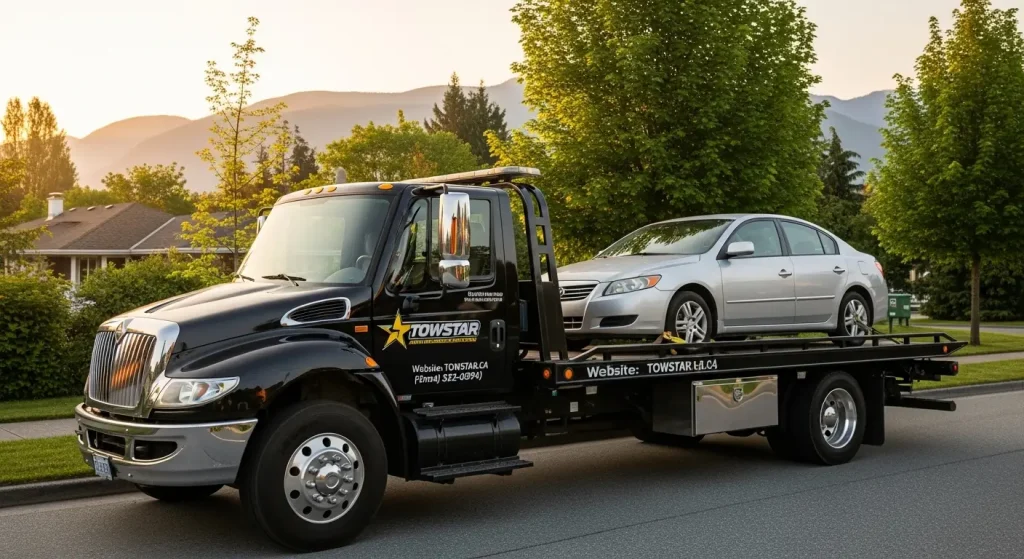
The number of assignments also matters. A company receiving frequent police calls can spread its fixed expenses across more jobs and keep its trucks and yard productive.
An operator receiving only a few impounds each week may struggle to cover insurance, equipment payments, and facility expenses, even if individual towing charges appear attractive.
For a straightforward police impound, a company might collect approximately $150 to $300 for the initial tow, with storage and additional services potentially increasing revenue.
A job that produces a $300 to $400 bill could leave a meaningful contribution after direct expenses, but that is not the same as net business profit. Difficult recoveries can generate higher charges while also requiring more labor, equipment, and time.
The real earning opportunity is in operating a consistent, efficient towing business, not simply collecting a large impound fee. A police-authorized tow can be a profitable assignment, but its financial value depends on local fee limits, operating costs, storage duration, and how efficiently the company handles each vehicle.