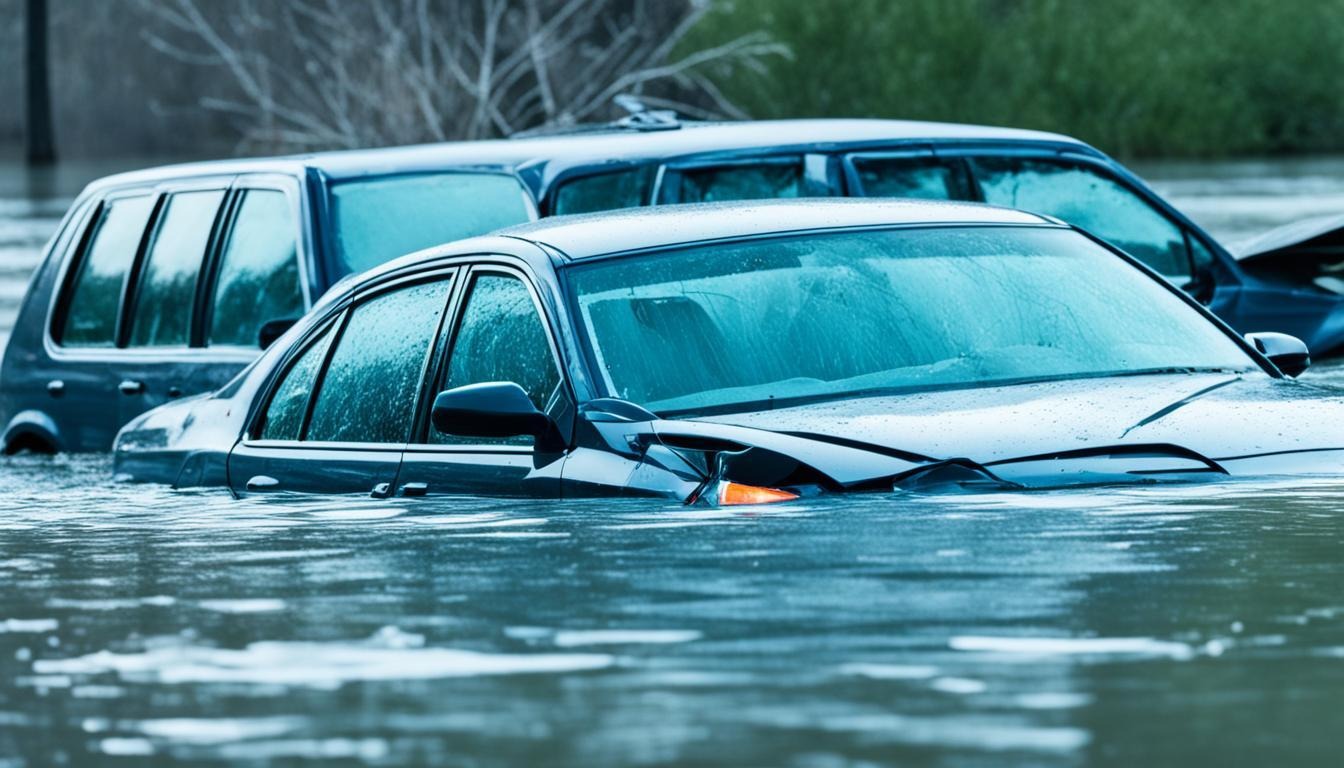
A used car can look spotless, drive smoothly, and still hide serious water damage. Flood-damaged vehicles are particularly dangerous because problems do not always appear immediately.
Water can damage electrical wiring, weaken mechanical components, cause hidden rust, and leave behind mold that is difficult to remove. Some sellers clean these vehicles thoroughly, replace damaged carpets, and use strong fragrances to hide evidence of previous flooding.
That makes a careful inspection essential before handing over your money. Fortunately, you do not need to be an automotive expert to start asking the right questions. A seller’s answers, combined with a few simple checks, can reveal warning signs worth investigating. Here are 11 important questions to ask before purchasing a used car that may have been exposed to floodwater.
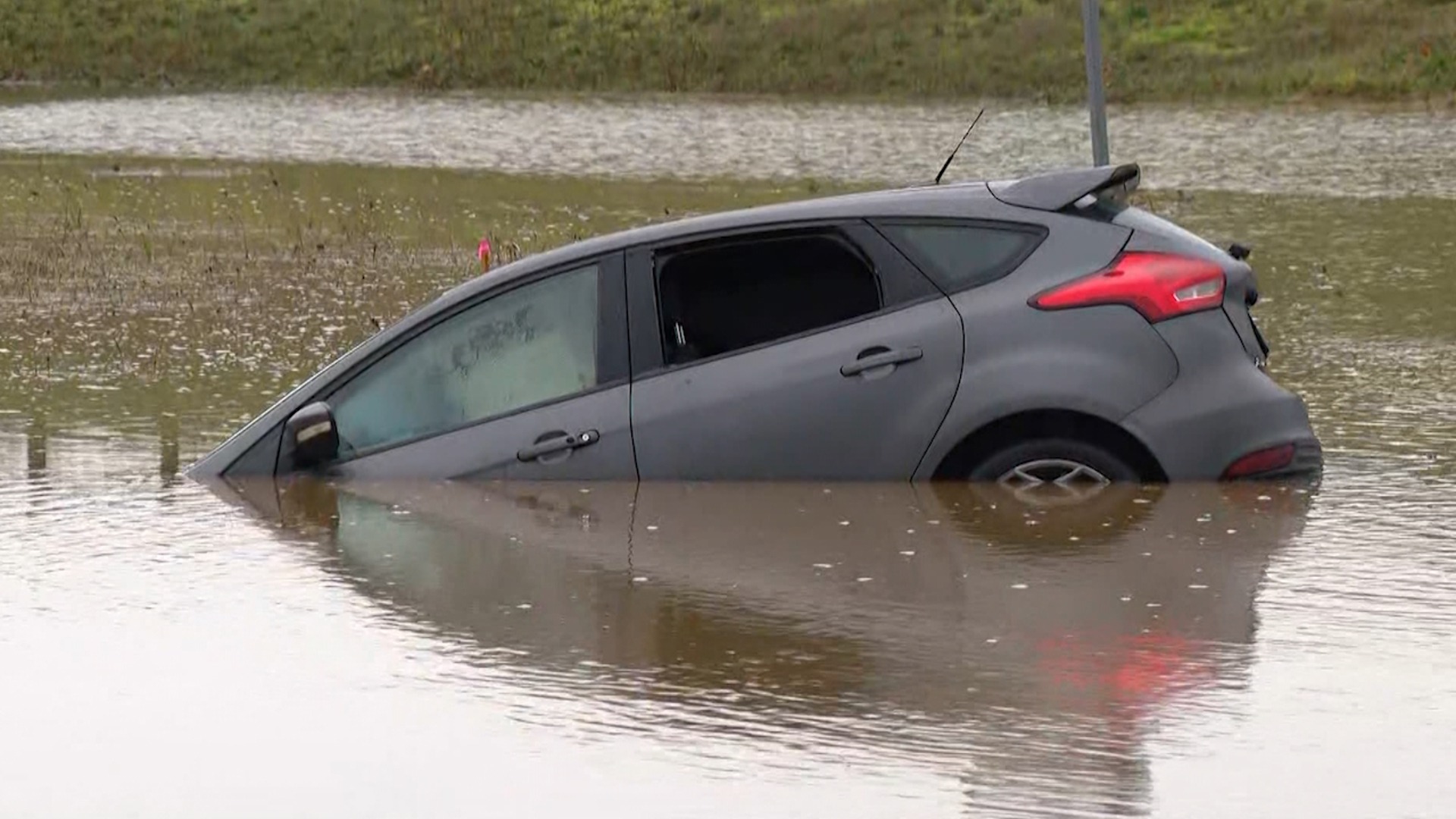
1. Can you provide a clean, unbranded title, and does the VIN history show any insurance total-loss or salvage brands?
Start with the paperwork before getting distracted by the car’s appearance. Ask the seller to provide the title and the vehicle identification number (VIN).
These details can help you determine whether the car has previously been declared a total loss or received a salvage or flood-related title designation.
Insurance companies may declare a vehicle a total loss after extensive water damage, particularly when repair costs approach or exceed its market value.
Depending on local regulations, the vehicle may receive a salvage title or another brand indicating its history. Some repaired vehicles can later receive rebuilt titles, but that does not erase their previous damage.
You should also obtain a vehicle history report from a reputable provider. Look for insurance claims, auction records, title changes, and previous damage reports. Pay particular attention to sudden changes in registration records after major flooding events.
Be careful with a seller who refuses to provide the VIN or offers excuses about missing paperwork. A clean title alone does not guarantee that a vehicle has never experienced flooding.
Title washing, where a vehicle’s branded history is obscured through transfers between jurisdictions, can make the problem harder to detect.
Verify the documents independently rather than relying entirely on the seller’s explanation. A little paperwork research can prevent an expensive mistake.
2. Has this car ever been registered in a known flood-risk or recent disaster zone?
Location can tell you something important about a used car’s past. Ask the seller where the vehicle has been registered, where it was regularly driven, and whether it was present during any major storms or flooding events.
A car does not need to be completely submerged to suffer water damage. Floodwater can rise high enough to enter the cabin, soak electrical connections, damage carpeting, and affect mechanical components.
Even shallow water can create problems when it reaches sensitive systems underneath the vehicle.
Pay attention to vehicles previously registered in areas that experienced hurricanes, coastal flooding, severe thunderstorms, or prolonged heavy rainfall. This does not automatically mean the car has been damaged, but it gives you a reason to investigate its history more carefully.
You can compare the registration information with publicly available disaster records and insurance history reports. If the seller claims the vehicle has always been kept in a dry area, ask whether they have documentation supporting that statement.
A vague answer deserves further attention, particularly when the vehicle has recently moved from a flood-affected location. Registration history, previous ownership records, and service documents can help establish where the car has spent its life.
Remember that location is only one clue. A car registered in a flood-prone region may be perfectly sound, while a vehicle from somewhere else may have experienced water damage during transportation or storage. Use this question as a starting point for a closer inspection.

3. Why are you selling the vehicle, and how long have you owned it?
This one sounds casual, and that’s the point. People relax when a question feels friendly, and relaxed people tend to share real details. Listen to both the answer and the way it’s delivered.
A seller who has owned the car for years and has a clear reason for parting with it, like a growing family or a job change, sounds believable. A seller who bought it recently and wants out fast is a different story.
Quick flips right after a major regional flood are a massive red flag, because that timing often means someone picked up damaged cars cheaply and is trying to resell them before problems show.
Watch for vague answers, shifting stories, or pressure to close the deal today. Ask follow-up questions, such as where they bought it and whether they have the original purchase paperwork.
A genuine owner usually remembers these details without effort. Someone making it up will often stumble.
4. Is there a musty or damp smell inside the cabin or trunk, or has the interior been heavily treated with air fresheners?
Trust your nose. A strong mildew odor is one of the hardest things to remove after a flood, because moisture soaks into foam, padding, and carpet backing where cleaning products can’t reach.
Open the doors, sit inside, and breathe in. Check the trunk too. Now flip the scenario. What if the car smells wonderful? An overwhelming blast of air freshener or carpet shampoo can be an intentional cover-up.
A car that’s been lived in normally carries a lived-in smell, so a perfume cloud should make you curious, not comforted. Run the heater and air conditioning on full for a few minutes, since damp odors often surface once air starts moving through the vents.
Ask the seller directly whether they’ve used fresheners or deep-cleaned the interior recently, and notice how they respond.
If you smell something sour or earthy beneath the fragrance, walk away. That smell never fully leaves, and neither does the mold behind it.
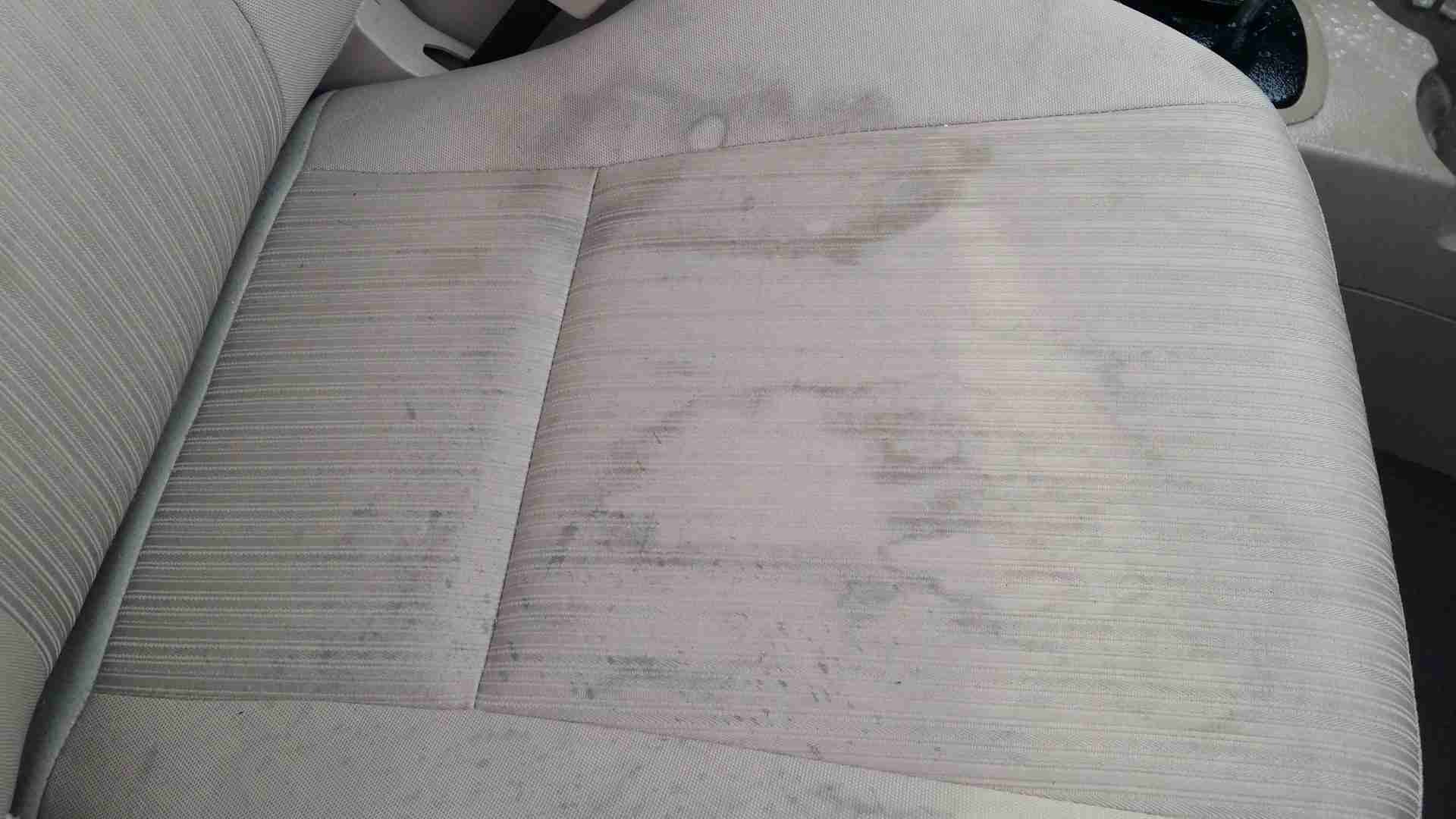
5. Are there any water stains, mismatched fabrics, or brand-new carpeting in an older vehicle?
Fresh carpeting in an older vehicle might look like a welcome improvement, but it deserves a closer look. Ask the seller whether the interior has been replaced, repaired, or professionally restored. If new materials have been installed, find out why.
Water can damage carpeting, floor insulation, seat padding, and door upholstery. Replacing these materials may be necessary after flooding, but the work can also conceal evidence of previous water exposure.
Check whether the carpet matches the vehicle’s age and condition. For example, an older car with faded seats, worn door panels, and a perfectly new carpet should prompt a few questions.
There may be a perfectly reasonable explanation, such as a previous renovation, but you should verify it. Look closely at the lower sections of the doors, seat bases, and surrounding trim.
Water stains may appear as discoloration, uneven patches, or tide marks. Upholstery that looks different from the rest of the cabin could indicate that certain sections have been replaced.
Do not forget the trunk. Lift the floor covering and examine the spare tire compartment, where moisture can remain trapped.
Ask for receipts if the seller claims the interior was replaced for cosmetic reasons. Professional cleaning and restoration records can help explain the work.
A tidy interior is not proof of a healthy vehicle. What matters is whether the materials were replaced for ordinary wear or because water had damaged the original cabin.
6. Is there any sign of rust or corrosion on the seat springs, under-dash brackets, or door hinges?
Rust is one of those warning signs that deserves more attention when inspecting a used vehicle. Ask the seller whether any interior metal components have been repaired, replaced, or treated for corrosion. Then inspect accessible areas yourself.
Most car interiors contain metal components that are not normally exposed to large amounts of moisture. These include seat frames, seat springs, brackets beneath the dashboard, door hinges, and certain mounting points.
When floodwater enters the cabin, it can reach these parts and leave moisture behind. Even after the interior dries, corrosion may continue developing in areas that are difficult to clean.
Look beneath the front seats, around the seat mounting bolts, and along exposed metal brackets. Check door hinges and other accessible hardware for unusual rust. Pay attention to areas where several metal components show similar corrosion.
Of course, rust does not automatically prove flooding. Vehicles driven in snowy regions may develop corrosion because of road salt, while older cars can experience ordinary age-related deterioration.
The location and pattern of the rust matter. Interior corrosion in places that should normally remain dry is more concerning than surface rust on exposed exterior components.
If you notice fresh paint or unusual coatings covering rusty areas, ask why the treatment was necessary. A professional mechanic can help determine whether the corrosion is consistent with ordinary wear or possible water exposure.
Do not ignore small patches of rust simply because the vehicle looks attractive from the outside.

7. Do all the electronic components, including the dashboard lights, power windows, seat adjusters, and infotainment system, work perfectly?
A vehicle’s electrical system can reveal problems that its exterior and upholstery cannot. Ask the seller whether every electronic feature works properly, then test the equipment yourself before discussing payment.
Start with the dashboard. When you turn on the ignition, the warning lights should illuminate as part of the normal system check. After starting the engine, check whether they go out as expected. Persistent airbag, ABS, or other warning lights deserve professional attention.
Move on to the power windows, door locks, mirrors, seat adjusters, interior lighting, and infotainment system. Test each function rather than assuming that a working dashboard means everything is fine.
Floodwater can damage wiring insulation, electrical connectors, control modules, and sensors. Moisture may also cause corrosion inside connectors, leading to intermittent faults that are difficult to diagnose.
For example, a power window may work during one inspection but stop responding later. A dashboard warning may appear only occasionally, while an electrical connector gradually deteriorates.
Ask whether the vehicle has undergone electrical repairs or had its wiring harness replaced. Request invoices and diagnostic reports if the seller says everything has been fixed.
Remember that an electronic fault does not automatically indicate flood damage. Ordinary mechanical wear, battery problems, and previous repairs can also cause electrical issues.
However, several unrelated electronic failures appearing together should raise concern, particularly when accompanied by damp odors, interior corrosion, or suspicious carpeting. A professional diagnostic scan can help identify stored fault codes before you make a decision.
8. Have you checked the oil and transmission fluid recently, and do they look milky or cloudy?
Pop the hood and pull the dipstick. Healthy engine oil looks amber or dark brown and fairly smooth. If it looks milky, foamy, or like a chocolate milkshake, water has mixed in, and that’s a definitive sign of water intrusion.
Do the same with the transmission dipstick if the car has one, where fluid should be reddish or clear rather than cloudy or pale. Ask the seller when they last checked these fluids and whether they changed them recently.
A fresh oil change right before a sale isn’t always suspicious, yet it can hide evidence, so ask for service receipts. Look for water droplets on the dipstick and check the underside of the oil cap for a creamy residue.
Wipe the stick with a clean white paper towel to see the color better. Milky fluid means expensive repairs, since water can wreck bearings and internal parts. If you spot it, thank the seller for their time and go home. No bargain price covers that bill.
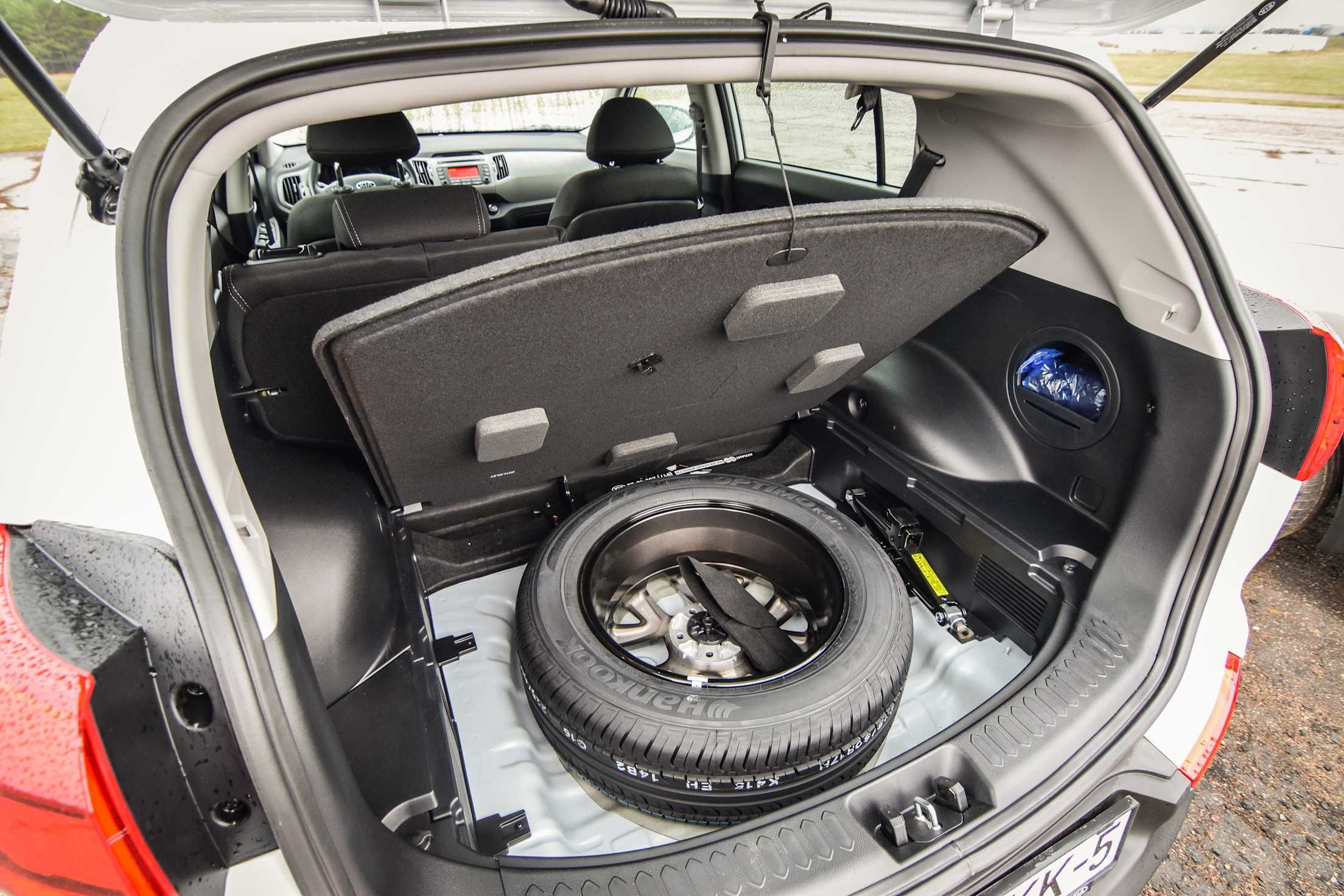
9. Is there any silt, sand, or debris hidden inside the glovebox, under the spare tire, or inside the engine air filter housing?
Floodwater carries mud, sand, and silt, and those particles settle into places no cloth can reach. A seller can vacuum the seats and detail the dashboard, yet it’s nearly impossible to get every grain out.
So go looking. Open the glovebox and run a finger along the corners. Lift the trunk floor and check around the spare tire. Unclip the engine air filter housing and look for dirt, grit, or a waterline.
Shine your flashlight into door sills, seat tracks, and the bottom of the center console. Fine, dried silt looks like a pale or grayish crust. You might also check inside the headlights and taillights for condensation or fogging, since sealed lenses can trap moisture after a dunk.
Each spot you check gives you another chance to catch what a quick cleanup missed. Sellers who’ve hidden a flood history tend to focus on what’s easy to see. Your edge is looking where they didn’t think to.
10. Are you comfortable with me taking this car to an independent mechanic of my choice for a pre-purchase inspection?
Say this sentence out loud, then watch the seller’s face. A reputable seller will have no issue with an inspection, and many will welcome it because it builds trust.
If they push back, make excuses, or insist on using their own mechanic, you’ve learned something important. Choose a shop you pick yourself, with no ties to the seller.
A good mechanic can raise the car on a lift and look for mud packed into the chassis, rusted brake lines, and water-damaged electrical connectors.
They know where moisture hides and can spot repairs that look fine to untrained eyes. The inspection usually costs somewhere around $100 to $200, which is a tiny price compared with the cost of a ruined engine or a car that won’t pass safety checks.
Think of it as cheap insurance. If a seller refuses outright, don’t argue. Walk away politely. Plenty of other cars are out there, and most of them come with honest sellers.
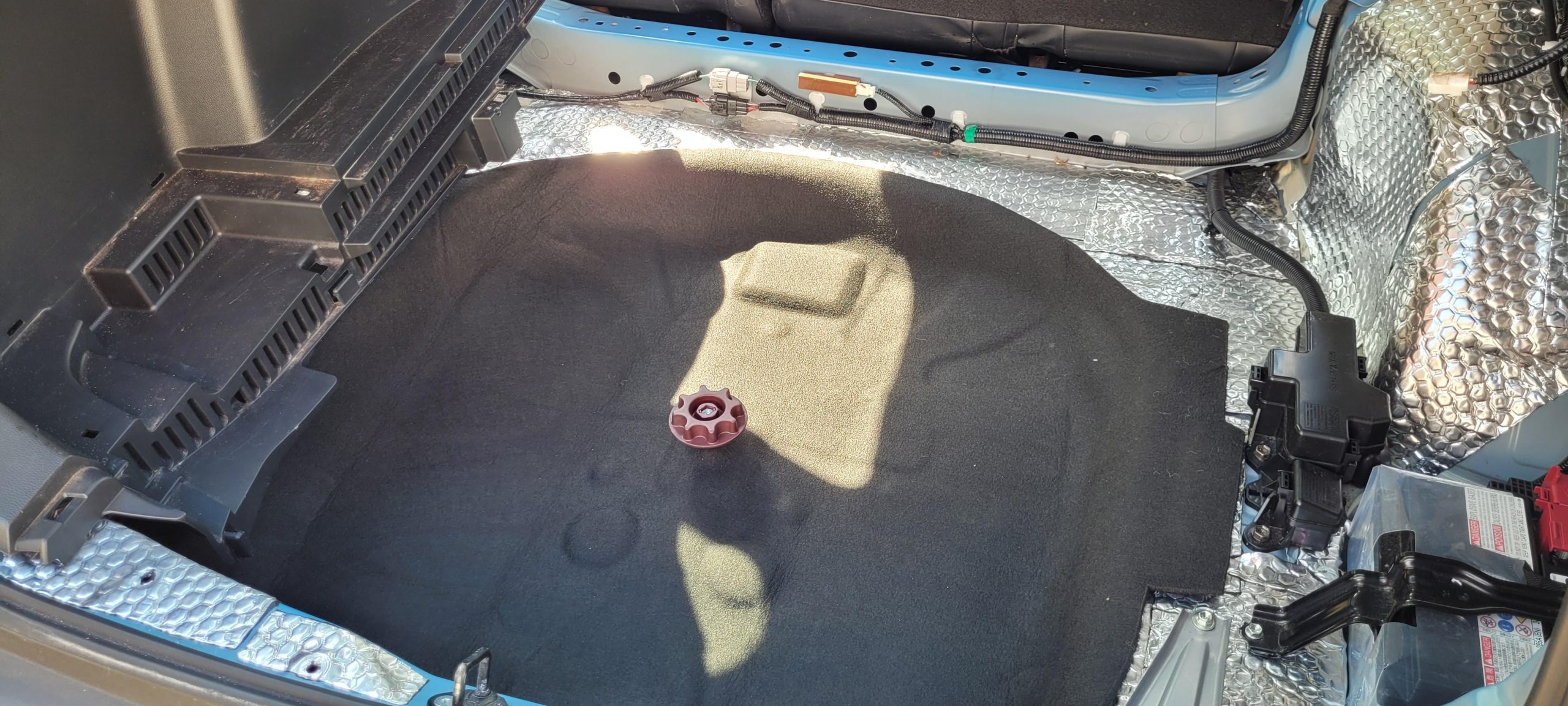
11. Can I pull back the carpet or look under the spare tire well to check for dampness or trapped water?
Finish with the lowest points of the car, since water always settles at the bottom. Ask permission to peel back a corner of the carpet near the doors and under the seats.
Feel the padding underneath. Is it wet, gritty, or stained? Then lift the trunk floor and check the spare tire well, a spot where water can pool and sit unnoticed for weeks.
Look for standing moisture, rust on the metal, or a rotten smell. This quick check takes about five minutes, and it can expose the hidden rust or pooled water that a cosmetic detail missed.
A confident seller will say yes without hesitation. A nervous one might say the carpet is “glued down” or that there’s no time. Pay attention to that reaction, because it often says more than words.
You’re about to make one of the larger purchases of your year, and a few minutes of digging is a fair request. If anything feels off, trust your gut and keep shopping.