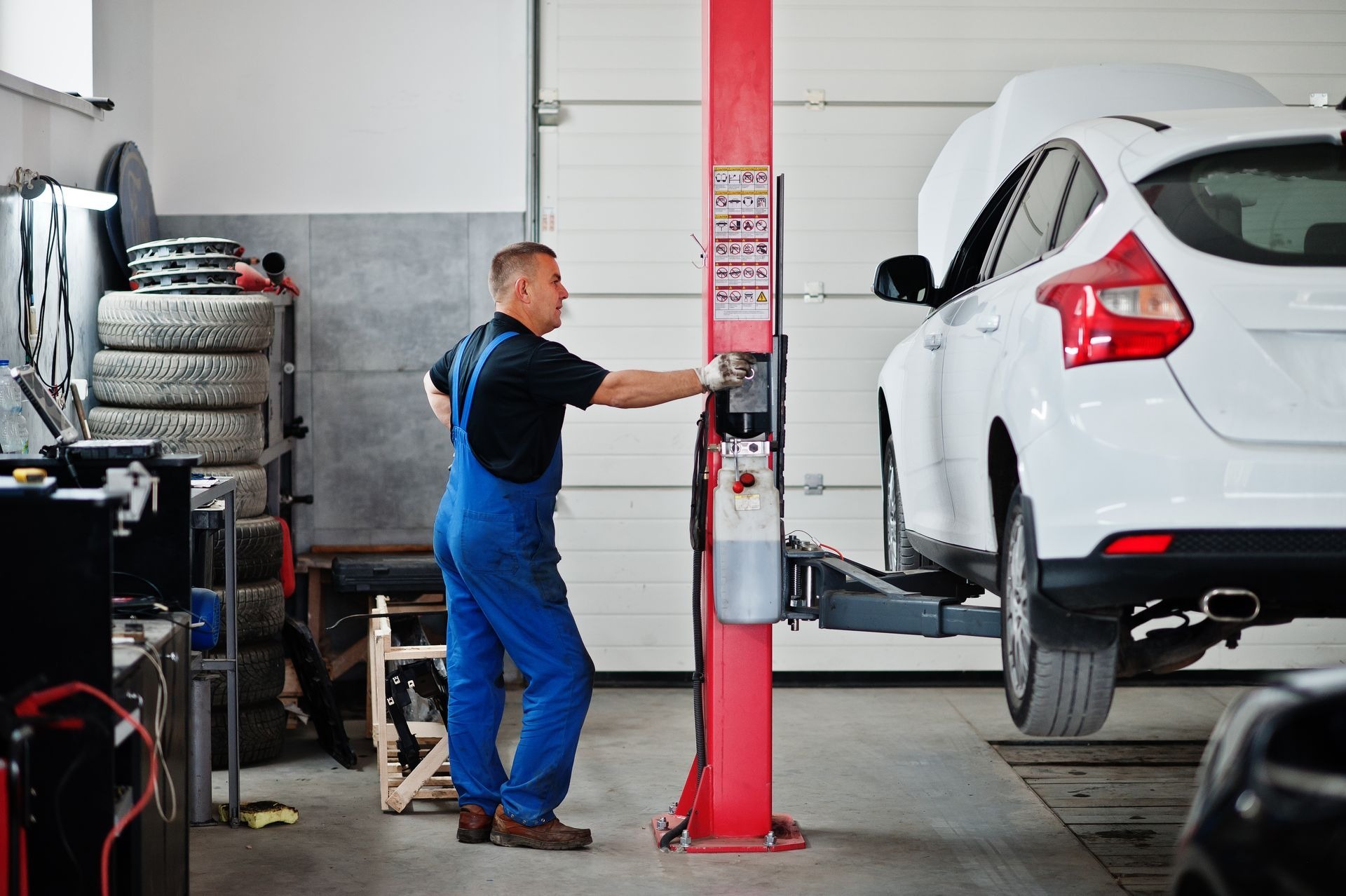
Taking your car to a repair shop should not mean giving up control over your vehicle or your money. Whether you visit an independent mechanic, a specialist, or an authorized dealership, you have certain rights that help protect you from unnecessary repairs, unexpected charges, and poor service. Unfortunately, many vehicle owners are unaware of these protections and end up paying for work they never approved or struggling to understand confusing repair bills.
Knowing what you can request before, during, and after a repair can make the experience much easier. From choosing your preferred mechanic to requesting replaced parts, understanding these six rights can help you make informed decisions and hold a repair shop accountable. Keep these protections in mind the next time your vehicle needs professional attention.
1. Choose Your Repair Shop
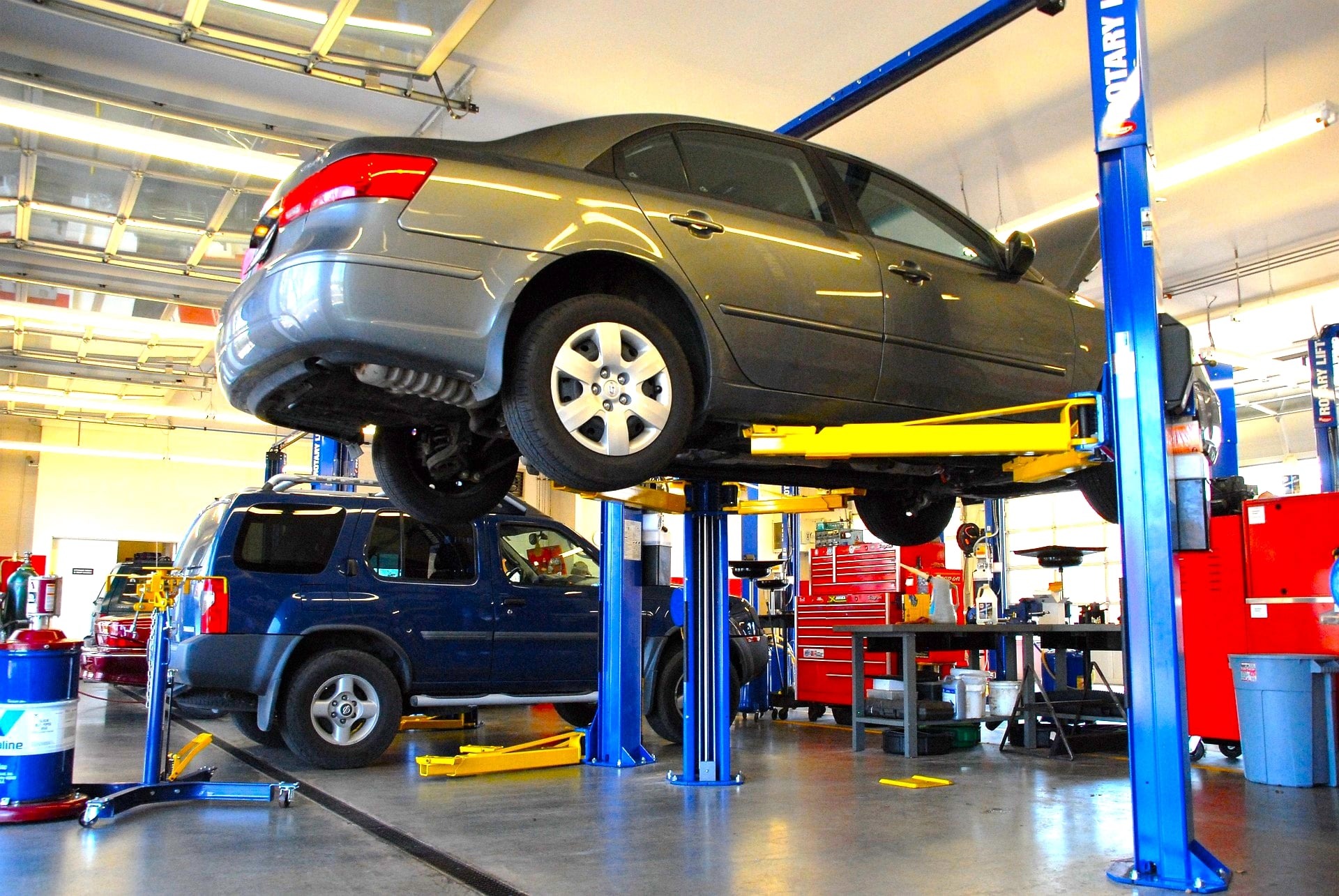
You do not have to take your car to a particular repair shop simply because an insurance company, vehicle manufacturer, or another party recommends it.
As a vehicle owner, you generally have the right to choose where your car receives maintenance and repairs, subject to applicable laws and the terms of your insurance policy or warranty.
For instance, after an accident, your insurance provider may suggest a repair facility within its approved network. While these recommendations can be helpful, you can generally request repairs from an independent mechanic, a specialist, or a dealership you trust.
The insurer may have specific procedures for approving costs, but that does not automatically mean you must use its preferred facility.
Choosing your own repair shop gives you an opportunity to compare prices, check customer reviews, and find technicians with experience working on your particular vehicle.
A specialist may be a better option when dealing with an unusual engine problem, transmission fault, or advanced electrical issue.
Before making your decision, check the shop’s certifications, warranty policies, and reputation. You should also confirm whether your insurance company will cover the proposed repairs and whether any additional costs will be your responsibility.
Being able to select your mechanic gives you greater control over the repair process. Do not feel pressured into choosing a facility without first understanding your options and the conditions attached to your coverage.
2. Receive a Written Estimate
Imagine dropping your car off for a simple repair and receiving a bill that is hundreds of dollars higher than expected. Without a written estimate, it can become difficult to determine what the shop originally promised to do or how the final charges increased.
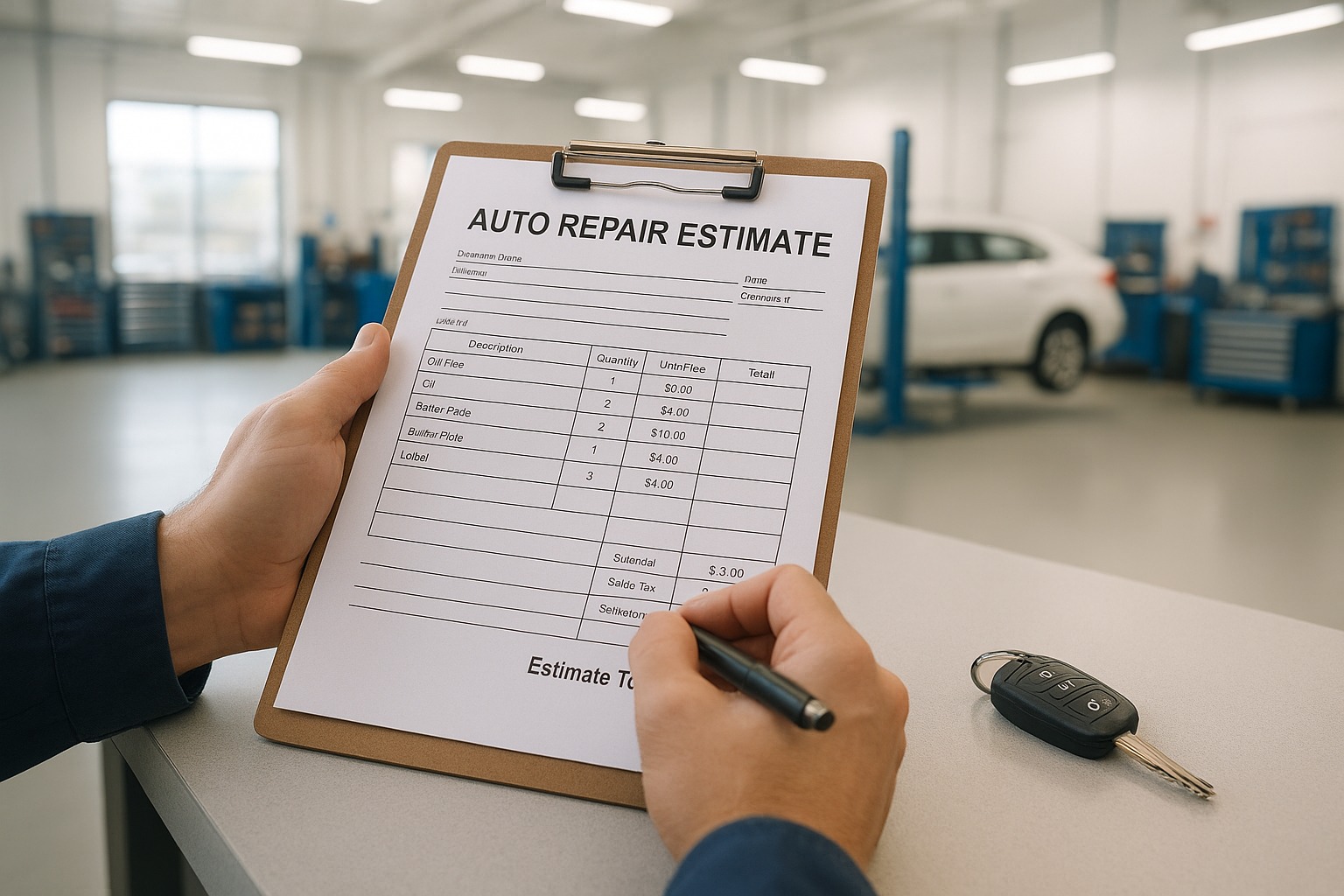
You generally have the right to request a written repair estimate before work begins. Depending on your location, consumer protection laws may require repair facilities to provide an estimate when the expected cost exceeds a specified amount.
The rules and monetary limits vary by state or jurisdiction. A proper estimate should explain the work the mechanic intends to perform and provide a breakdown of the expected expenses.
This may include diagnostic charges, labor costs, replacement parts, and applicable fees. Having these details in writing helps you understand what you are agreeing to before handing over your vehicle.
For example, if your mechanic recommends replacing a water pump, the estimate should identify the proposed replacement and the expected labor charge. You can then compare the price with estimates from other qualified repair shops before making a decision.
Do not rely entirely on verbal promises, especially when the repair involves expensive components. Ask for a printed or electronic copy of the estimate and keep it somewhere accessible.
A written estimate also gives you something to refer to if the final invoice contains charges you were not expecting. It is a simple precaution that can help prevent misunderstandings and make it easier to challenge questionable billing practices.
3. Approve Extra Work and Costs
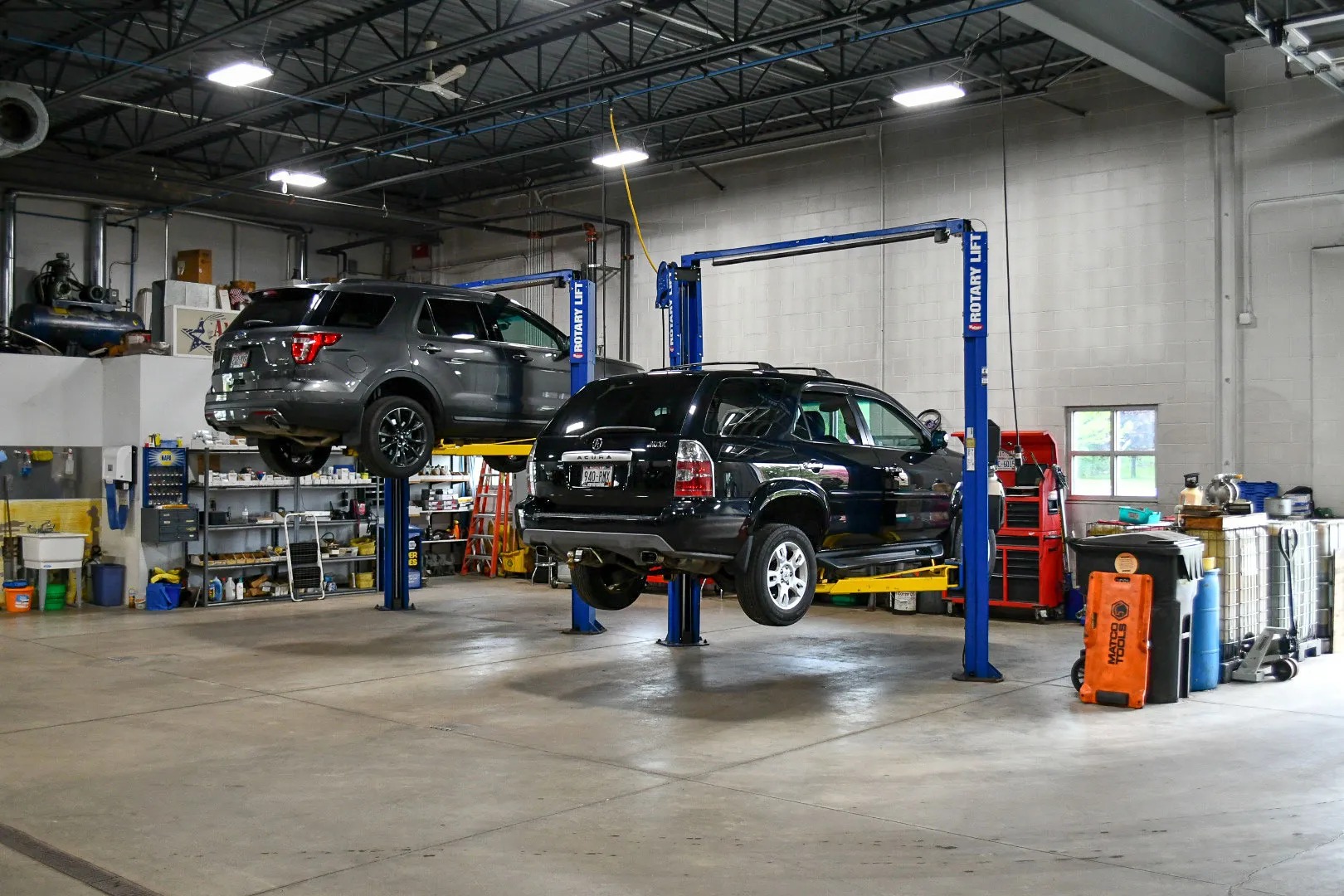
Imagine you agree to a brake job, and the final bill includes a new alternator you never discussed. That shouldn’t happen. A shop can’t perform or charge you for unauthorized repairs.
If the mechanic finds additional problems or the cost will climb beyond the original estimate, they must contact you for approval first. Make sure the shop has your correct phone number, and keep your phone nearby while the car is in the bay.
When they call, ask questions. Is the repair urgent for safety, or can it wait? What does it cost with parts and labor? Can you see the problem for yourself?
You’re free to say yes, no, or “let me think about it.” If you approve something over the phone, ask them to send a revised estimate by text or email. That small step keeps everyone honest and creates a record of what you actually agreed to.

4. Inspect Your Vehicle
Handing your car over to a repair shop does not mean you lose your right to examine it. You generally have the right to inspect your vehicle before settling the final bill, although the shop may have reasonable safety procedures governing access to its service areas.
This right can be particularly useful when the repair involves visible components, bodywork, or replacement parts. You can check whether the reported work appears to have been completed and whether the vehicle has any new damage that was not present when you dropped it off.
For instance, if a repair shop replaces a damaged headlight, you can inspect the new unit to confirm that it is properly fitted and functioning. If the mechanic repairs a door or bumper, you can examine the finished area for obvious defects.
You should also take the vehicle for a test drive when appropriate and when the shop permits it. This can help you determine whether the original problem has been resolved. However, do not attempt to operate a vehicle that the mechanic has identified as unsafe.
If you notice something wrong during your inspection, raise the issue before completing payment. Explain what concerns you and ask the shop to investigate.
Keep in mind that inspection rights do not automatically give you permission to remove the vehicle without paying a legally valid bill. Payment disputes and vehicle release rules depend on local law.
Taking a few minutes to inspect your car can help you identify unfinished work, poor workmanship, or damage while the repair facility still has an opportunity to address your concerns.
5. Request Your Old Parts
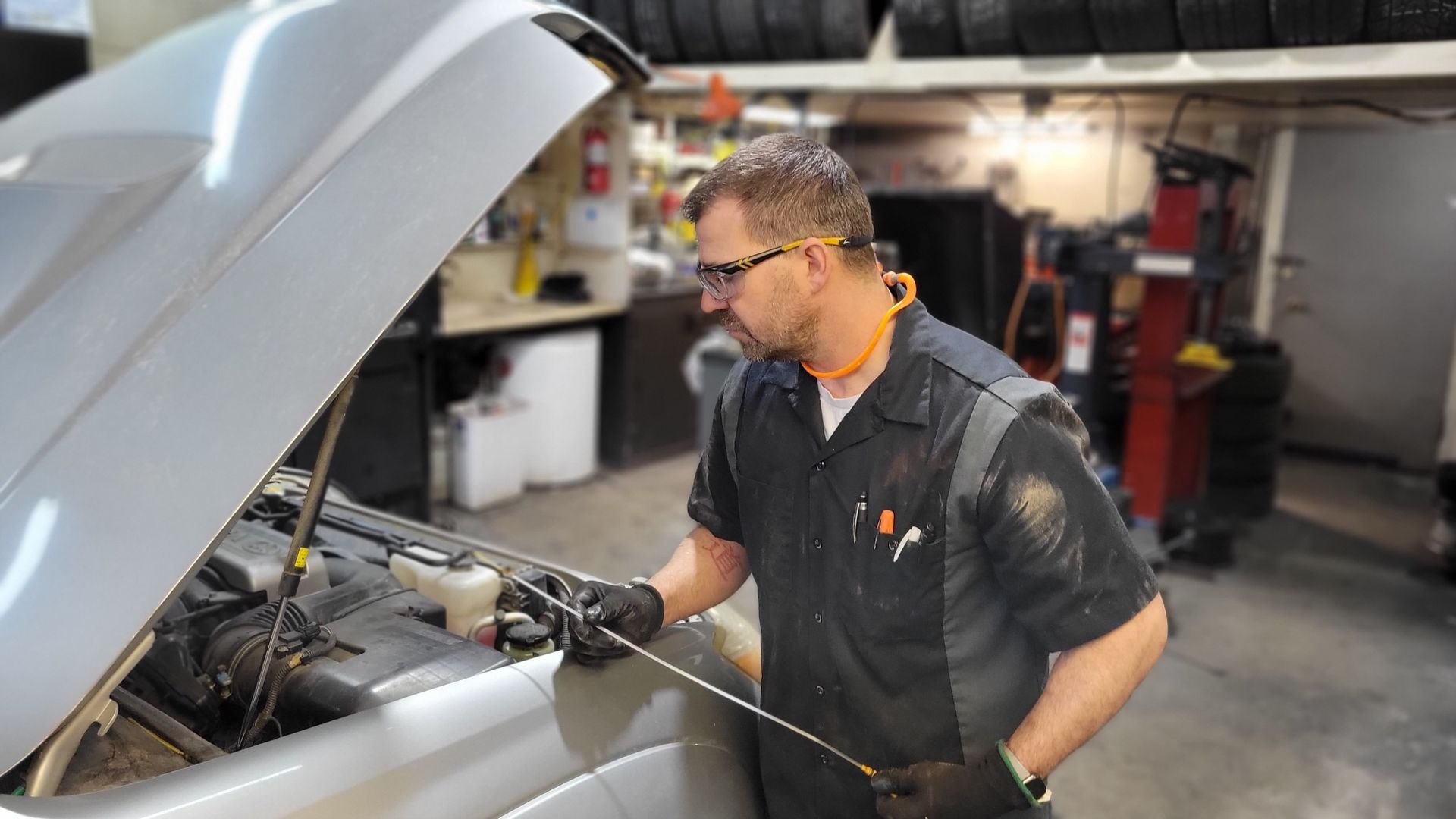
Many drivers are unaware that they can request the old parts removed from their vehicles during repairs. Unless they choose to leave them behind, customers are generally entitled to take home the replaced components.
It’s a simple way to confirm the work was really performed. A worn brake pad, a cracked belt, or a leaking hose can tell its own story, and a good mechanic will happily explain what went wrong.
Make the request when you drop off the car, not after the work is done, because shops often discard parts quickly. Write it on the work order if you can. Some parts, such as batteries or tires, may carry disposal rules or return credits, so ask how those are handled.
You don’t have to keep the parts forever, and you can always throw them away later. But having the option keeps everyone accountable, and honest shops rarely mind the request at all.
6. Receive an Itemized Final Invoice
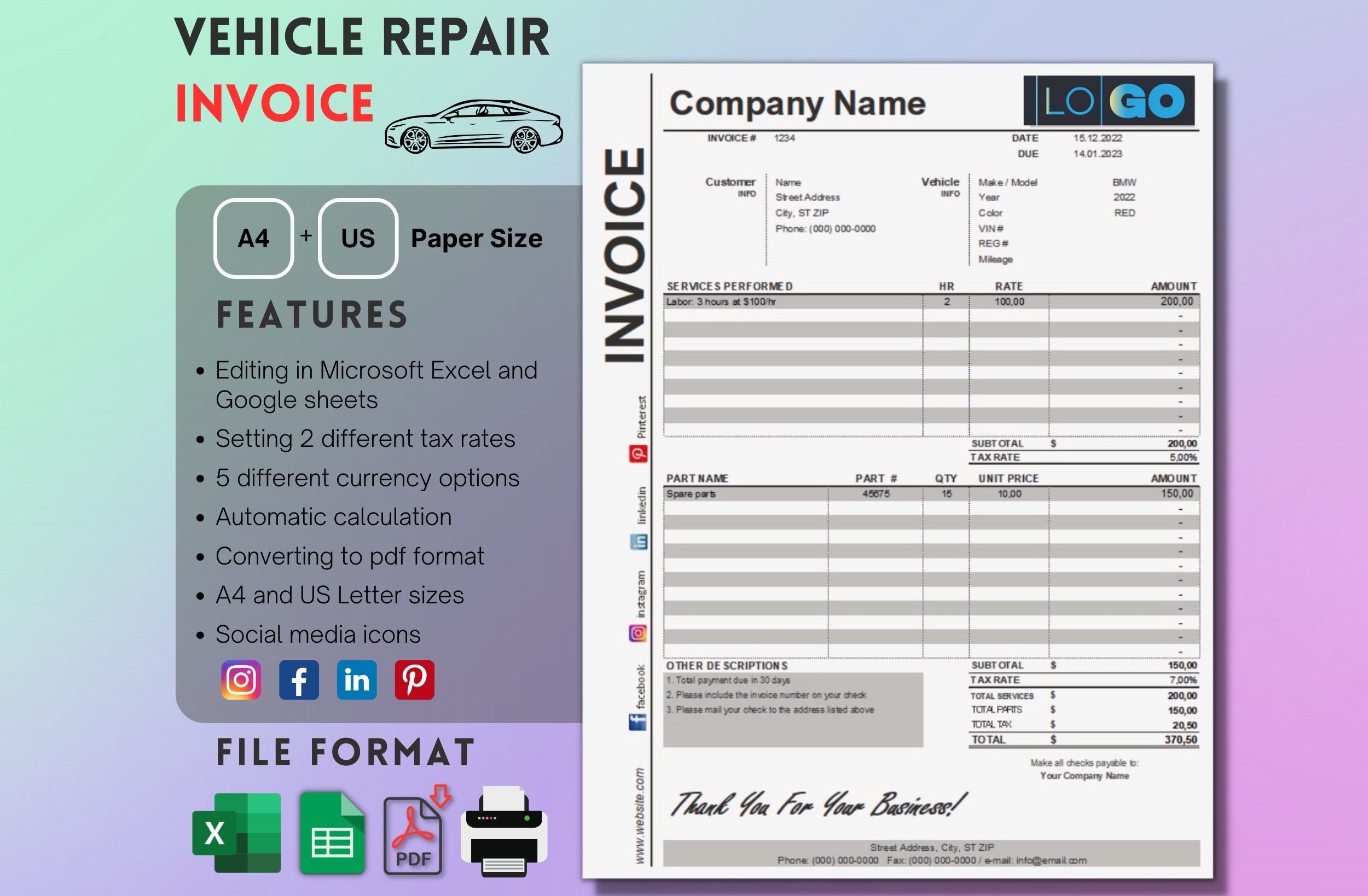
Think of the final invoice as your receipt, your proof, and your warranty paperwork rolled into one. You have the right to a detailed document that lists the odometer reading, the labor calculations, and a clear breakdown of whether parts are new, used, or reconditioned.
Check each line against your original estimate and any approvals you gave along the way. Do the totals match? Are the hours billed reasonable for the job? Did they charge for a part that was supposed to be reused?
Keep the invoice in a safe place, since it can support warranty claims, help with resale value, and settle disagreements later. Store a digital copy as well, in case the paper copy fades or gets lost.
If anything looks off, ask the shop to explain it before you pay. A reputable business will gladly walk you through each charge and fix any honest mistake.
Knowing your rights at a car repair shop can make a major difference in how you handle vehicle maintenance and unexpected repairs. You can generally choose your preferred repair facility, request written estimates, approve additional work, inspect your vehicle, ask for replaced parts, and receive a detailed final invoice.
Keep in mind that the exact protections and procedures vary depending on your state or country. Before authorizing expensive work, ask questions, read the paperwork, and keep copies of every agreement.
A trustworthy repair shop should be willing to explain its recommendations and charges clearly. Being informed helps you protect your vehicle, your finances, and your peace of mind.