
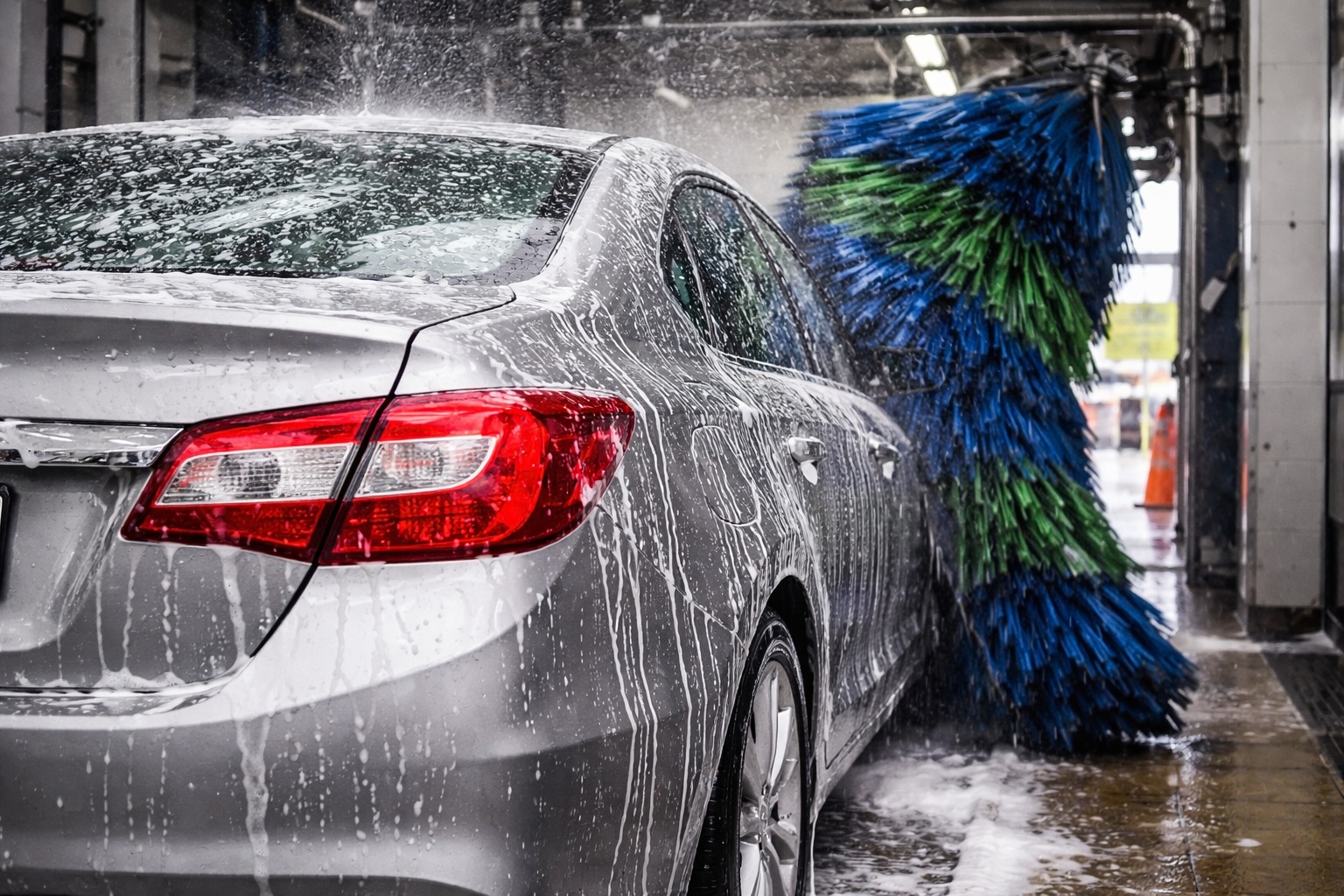
A clean, shiny car always makes a great impression, but keeping your vehicle looking its best takes more than soap, water, and a little scrubbing. Surprisingly, some common car washing habits can cause more harm than good. You might think you’re protecting your vehicle by giving it a regular wash, yet the products, tools, and techniques you use could be slowly damaging its finish.
From removing protective wax to creating tiny scratches across the clear coat, seemingly harmless mistakes can leave your paint looking dull and worn. The good news? These problems are easy to prevent once you know what to watch out for. Here are six car wash mistakes that could be ruining your paint and what you can do differently to keep your vehicle looking fresh, glossy, and well-maintained.
1. Washing Your Car With Dish Soap
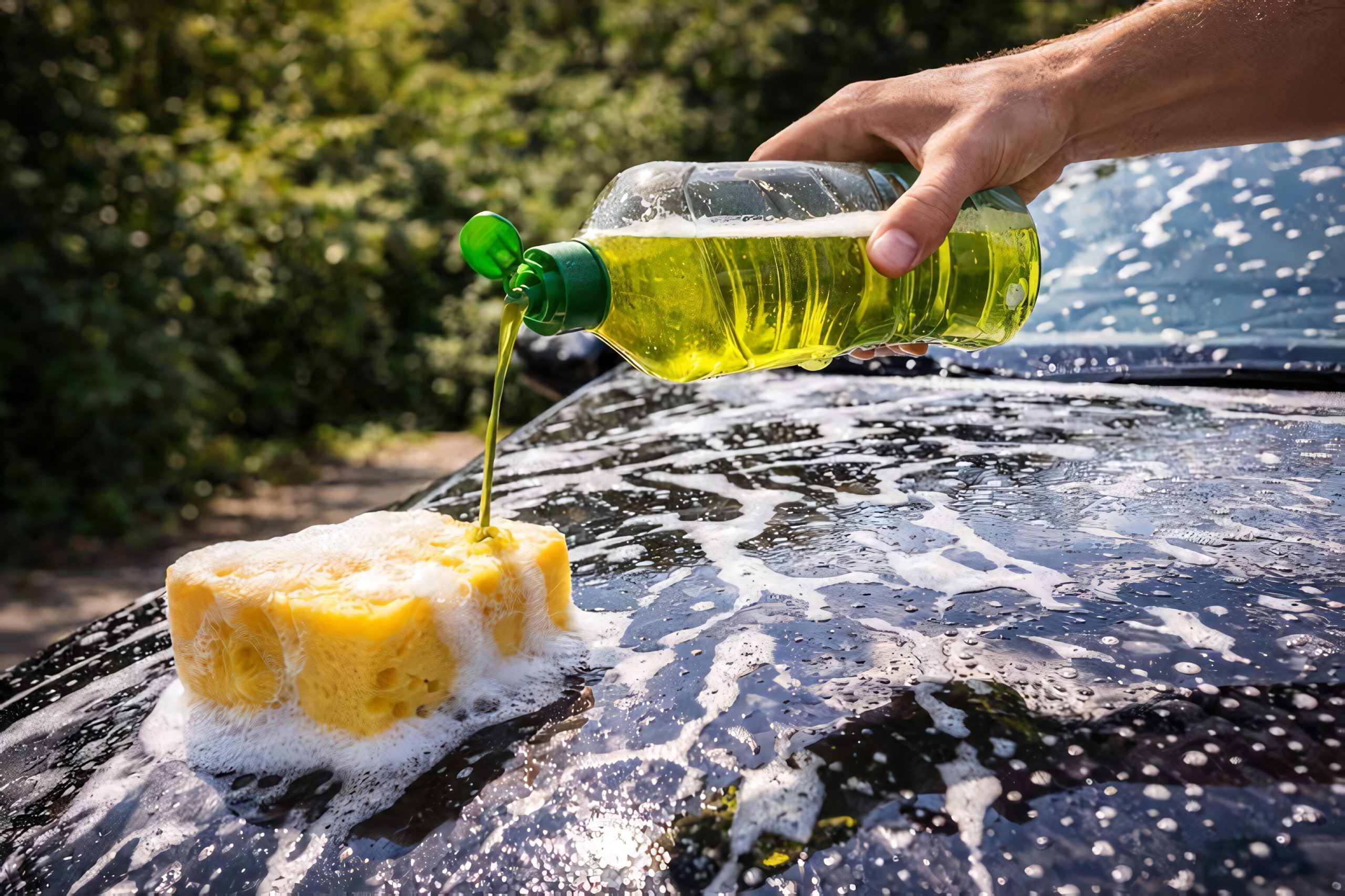
That bottle of dish soap sitting beside your kitchen sink might seem like a convenient solution when your car needs cleaning. After all, it cuts through grease and removes stubborn food stains from dishes.
However, those same cleaning properties make it unsuitable for regular car washing. Dish soaps are designed to break down grease, which means they can also strip away protective wax and sealants on your vehicle’s paint.
Without these protective layers, the finish becomes more exposed to environmental contaminants, moisture, and oxidation. Some household detergents may also contain ingredients that leave the surface looking dry and dull.
Imagine spending time washing your vehicle only to remove the very protection that helps preserve its shine. That’s exactly why using the wrong cleaning product can become an expensive habit.
A dedicated automotive shampoo is a much safer choice. These products are formulated to remove dirt without unnecessarily stripping away existing paint protection. Choose a pH-balanced car wash soap and follow the manufacturer’s dilution instructions.
Your vehicle needs proper cleaning, not aggressive degreasing. Keeping household dish soap away from your car’s exterior is a simple way to protect its finish and maintain its appearance.
2. Using Abrasive Automatic Car Washes
Automatic car washes are popular because they save time and require very little effort. You simply drive into the facility, follow the instructions, and let the equipment handle the cleaning.
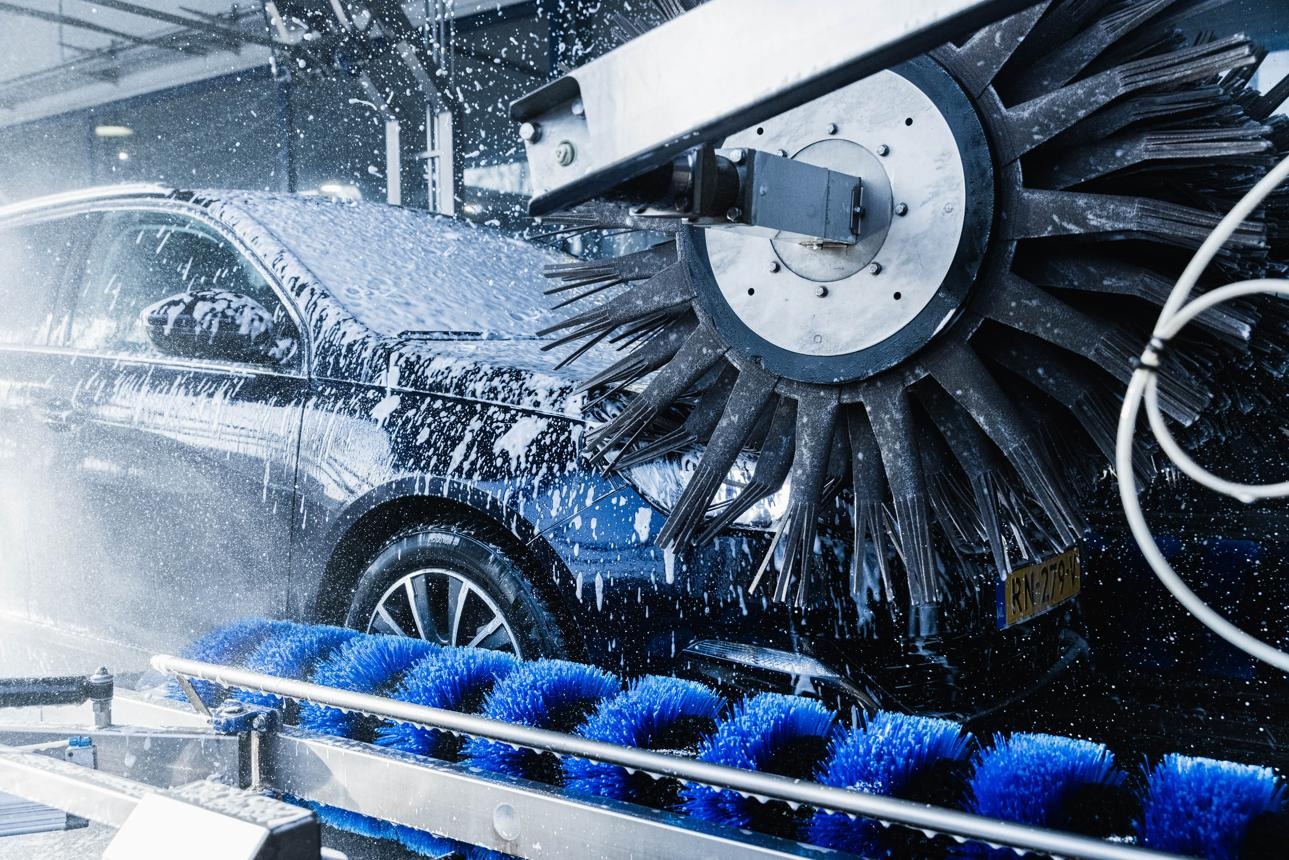
While this sounds convenient, certain automatic car washes can be surprisingly rough on your vehicle’s paint. The main concern is the traditional drive-through system that uses large spinning brushes or heavy bristles.
These brushes come into contact with numerous vehicles throughout the day, picking up dirt, sand, and other abrasive particles along the way.
When contaminated brushes touch your car, those particles can be dragged across the clear coat. Repeated contact may create fine scratches and circular swirl marks that become especially visible under direct sunlight or bright garage lighting.
You may notice your vehicle losing its smooth, glossy appearance even though you wash it regularly. Those tiny marks can make the paint look tired and poorly maintained.
Touchless automatic car washes are generally a better option because they clean without making direct contact with the paint. However, their cleaning chemicals should still be considered when choosing a facility.
For anyone who prefers automatic washing, selecting a well-maintained touchless system can help reduce unnecessary contact with the finish.
3. Using the One-Bucket Washing Method
One common car-washing mistake that many owners overlook is relying on a single bucket throughout the entire process. While this may seem convenient and help reduce the number of cleaning supplies needed, it can actually transfer dirt and debris back onto the vehicle, potentially causing scratches and damaging the paint.
Think about what happens when you wash a dirty section of your car. Your wash mitt collects dust, road grime, sand, and tiny particles from the surface. When you dip that same mitt into your soapy water, some of the dirt comes off and settles inside the bucket.
The problem begins when you reuse that water and mitt without properly separating the contaminants. Instead of removing dirt, you may end up rubbing those particles against the paint again.
This repeated contact can produce fine scratches, swirl marks, and a cloudy appearance. Even particles too small to notice immediately can cause damage when rubbed against the clear coat.
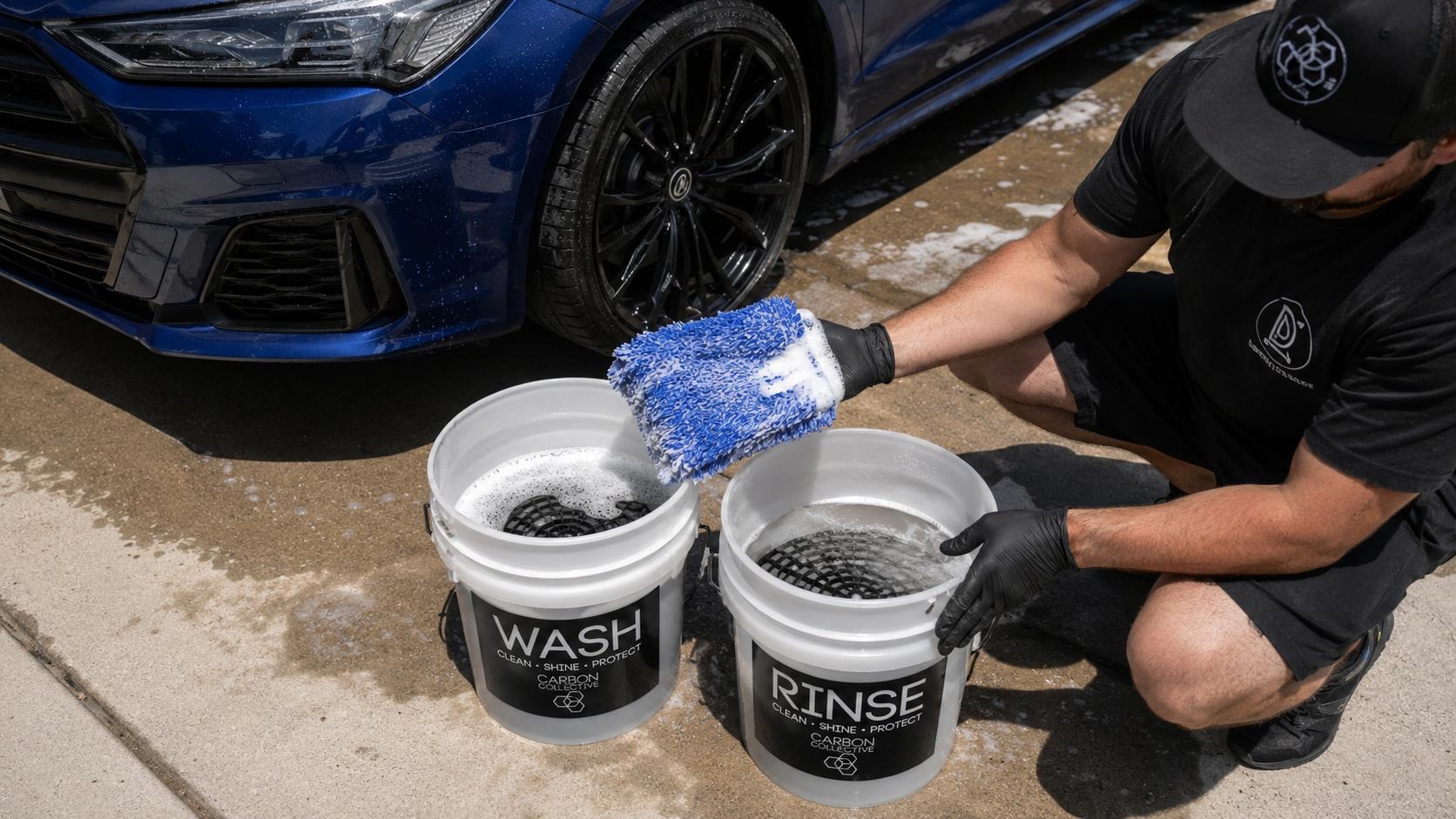
A two-bucket washing method offers a simple solution. Keep one bucket filled with your car wash solution and another with clean rinse water. After cleaning a section, rinse your mitt in the second bucket before collecting fresh soap.
A grit guard placed at the bottom of each bucket can also help keep loose dirt away from your washing mitt. This small adjustment makes hand washing much safer for your vehicle’s finish.
4. Washing Your Car in Direct Sunlight
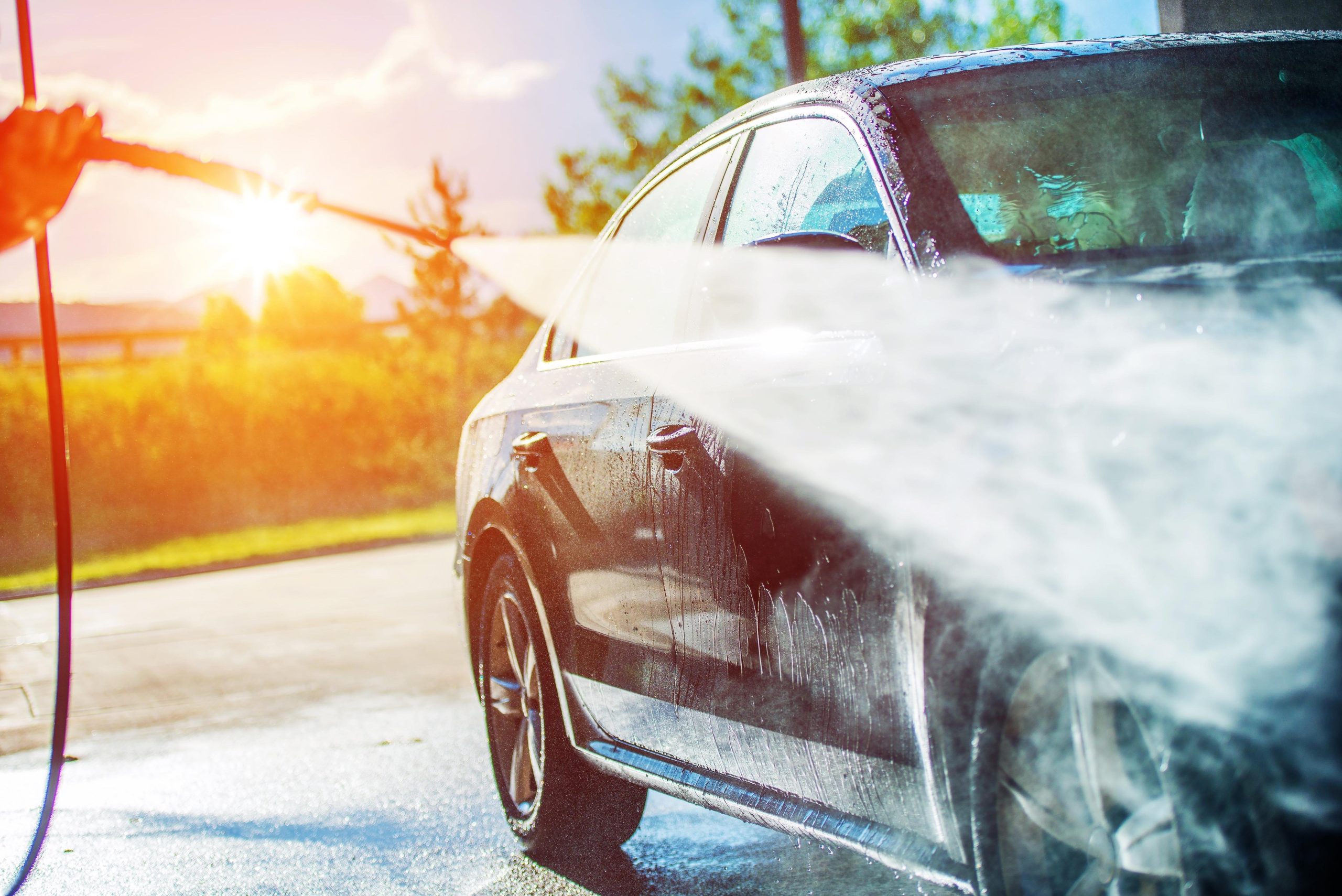
Have you ever finished washing your car only to discover ugly spots scattered across the hood, windows, and doors? The problem might not be your cleaning products or washing technique. It could simply be the time of day you chose to clean your vehicle.
Direct sunlight heats the body panels, causing water and soap to evaporate much faster than they would in a shaded area. As the moisture disappears, minerals from the water can remain behind, creating visible water spots.
These marks are more than an appearance issue. When mineral deposits or cleaning chemicals remain on hot paint, they can sometimes contribute to stubborn staining or chemical etching. Removing these imperfections may require polishing or professional paint correction.
The situation becomes even more frustrating when you are washing a large vehicle. By the time you finish one section, another area may already have dried, leaving marks that require additional cleaning.
The better approach is to wash your vehicle in a shaded location, preferably during the early morning or late afternoon when temperatures are lower.
Work on one section at a time, rinse thoroughly, and dry the surface using a clean microfiber drying towel. If possible, use filtered or deionized water to reduce mineral deposits.
A little attention to timing can help prevent unnecessary spots and preserve your car’s glossy finish.
5. Using Old Sponges, Household Towels, or Dirty Cloths
Your choice of washing equipment matters just as much as the soap you use. A product may be advertised as safe for automotive paint, but that does not guarantee a scratch-free wash if you’re applying it with the wrong materials.
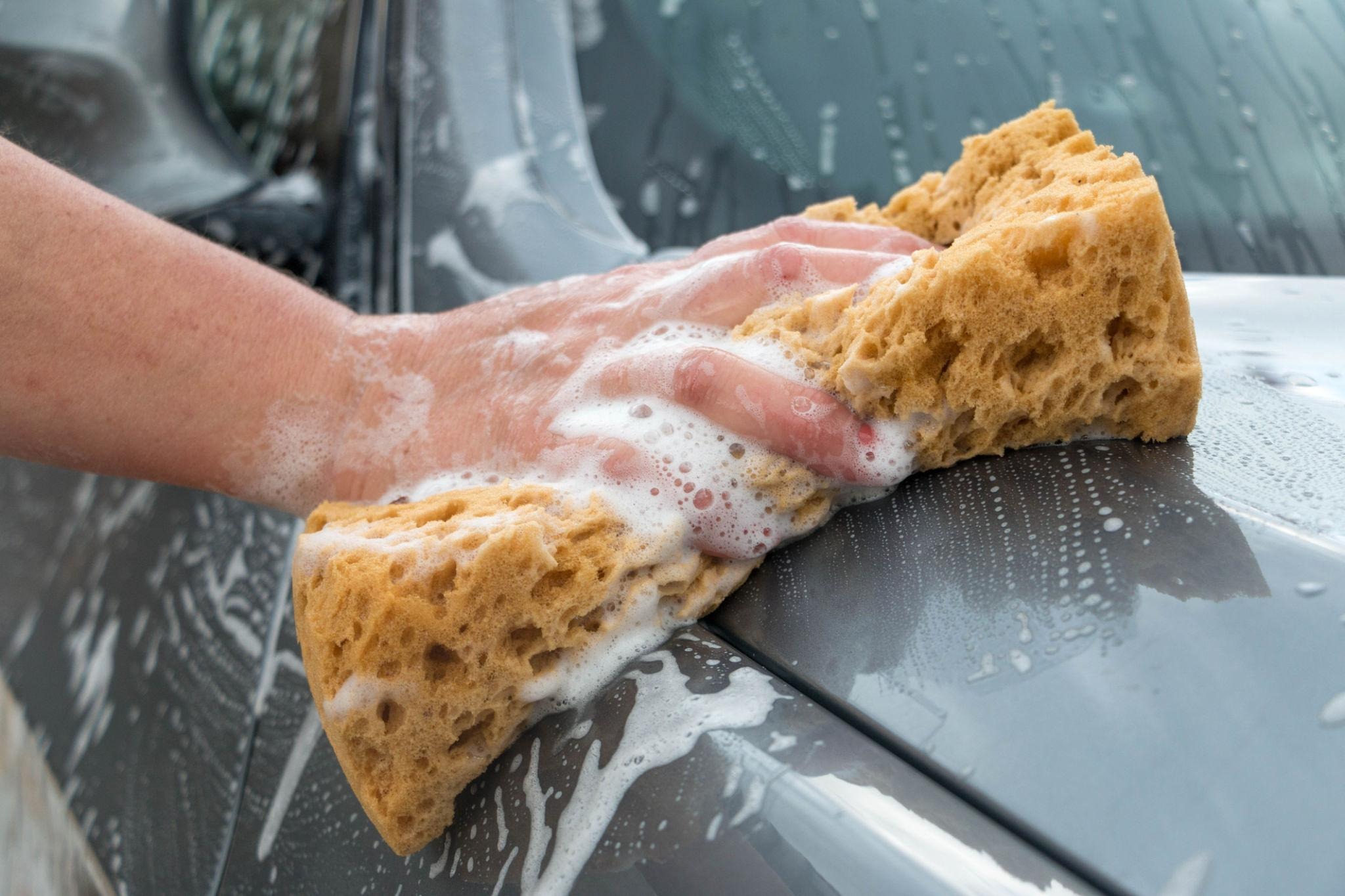
Old household sponges, stiff cleaning rags, and worn bathroom towels are common examples of items that should stay away from your vehicle’s exterior. Their surfaces can hold onto dirt and abrasive particles, especially after repeated use.
Traditional yellow sponges are particularly problematic when used without proper care. Their flat surfaces can trap grit against the paint, allowing particles to rub across the clear coat during washing.
Household towels may also contain rough fibers, loose stitching, or accumulated debris that can leave fine scratches behind. Even a microfiber cloth can become unsafe when it is dirty, damaged, or used for multiple cleaning tasks.
Instead, invest in quality automotive microfiber wash mitts and drying towels. Their soft fibers are designed to collect dirt while reducing friction against painted surfaces.
Keep separate microfiber towels for washing, drying, windows, and wheels. Wash them regularly with a suitable detergent, avoid fabric softeners, and inspect them before each use.
If a towel falls onto the ground, do not immediately return it to your car. Pick up a clean replacement instead.
Good washing equipment helps protect your paint while making the entire cleaning process easier and more effective.
6. Not Cleaning Wheels and Tires Separately
Wheels collect the nastiest grime on your car. Brake dust, road tar, and tiny metallic particles bake onto the surface, and they’re far rougher than ordinary dirt.
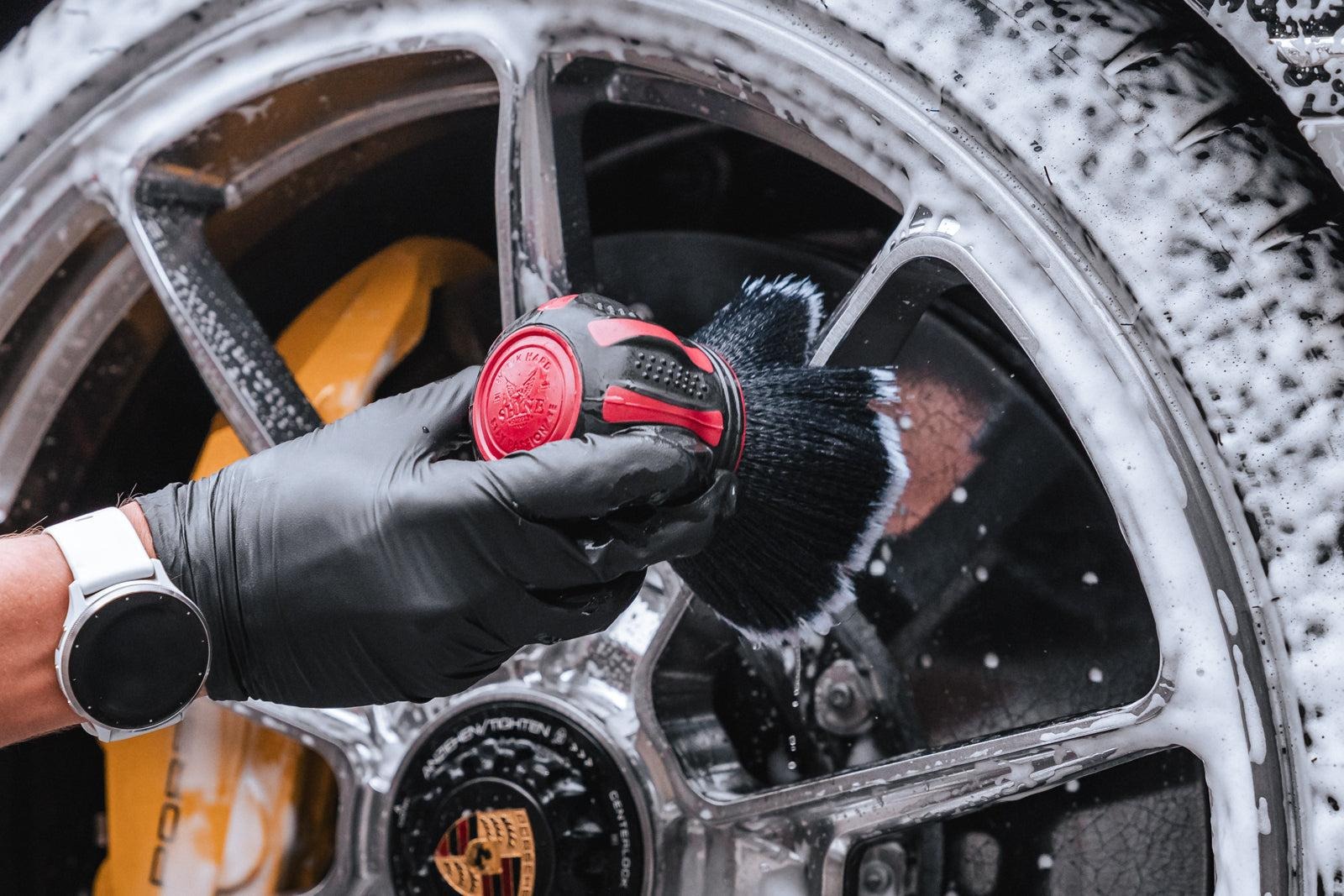
When you use the same bucket, sponge, or brush for your wheels and your body, you carry that heavy contamination straight onto your paint. The metallic bits can embed in the finish, and the scratches follow.
Keep a dedicated set of tools for the wheels, including a separate bucket, brushes, and mitts, and label them if that helps. Clean the wheels first, before you touch the paint, so splashes don’t land on freshly washed panels.
Use a wheel cleaner that’s safe for your wheel finish, and rinse everything well. A cheap set of wheel brushes keeps your expensive paint safe. Treat the wheels as a separate job, and your car will stay glossy far longer.
Choose a wheel cleaner that is compatible with your wheel’s finish, and follow the product instructions carefully. Clean the wheels before washing the body so that any splashes or loosened dirt can be removed during the main wash.
Afterward, keep your wheel-cleaning tools away from your paint-care supplies. This simple separation helps prevent brake dust and road contaminants from damaging your vehicle’s exterior while keeping your cleaning routine more hygienic and organized.
