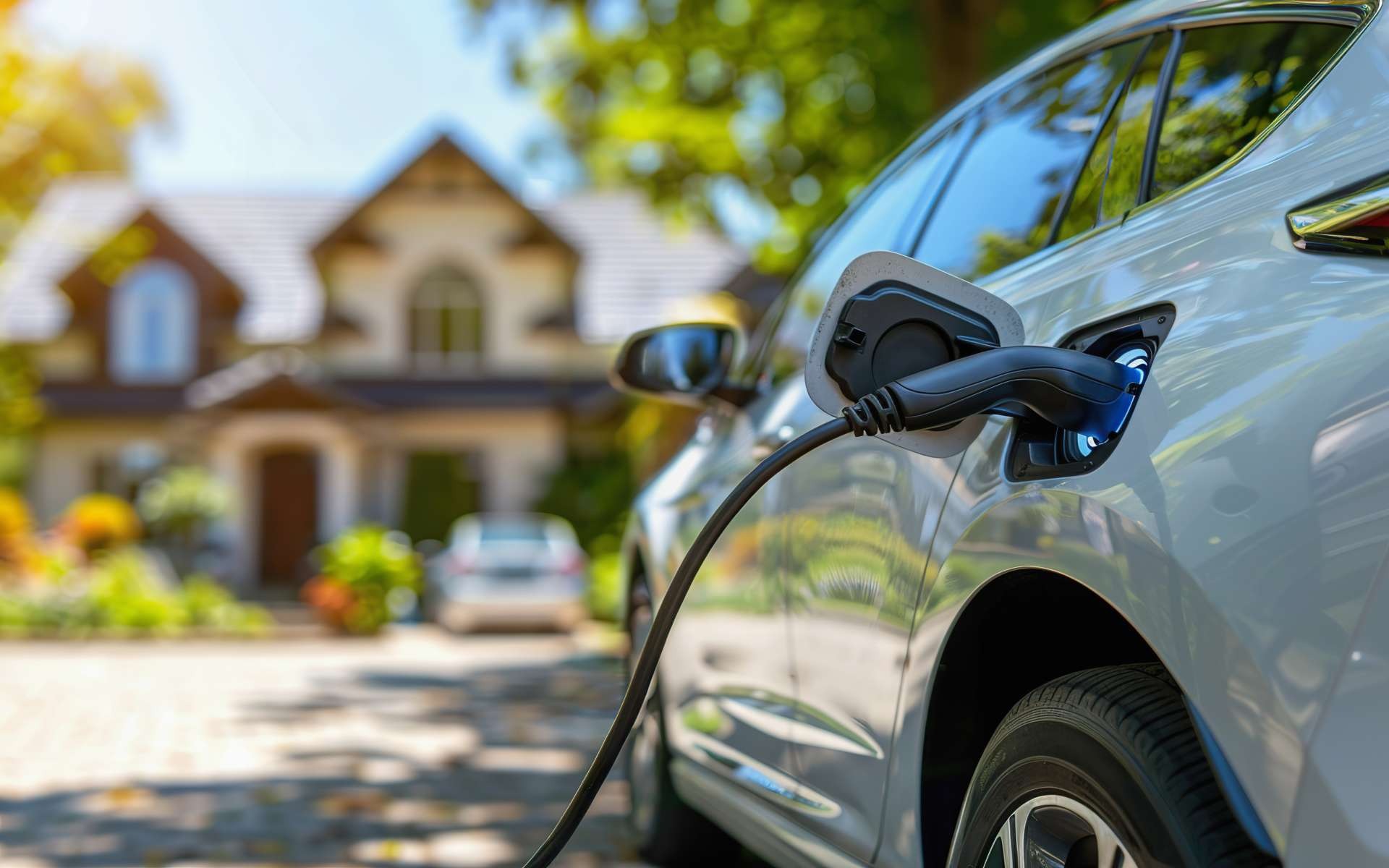
Charging an electric vehicle at home sounds like an easy way to save money, and in many cases, it is. You can plug in overnight, wake up to a charged battery, and avoid regular trips to public charging stations. However, the electricity bill is only one part of the expense. Equipment purchases, installation work, charging habits, and battery care can all affect what you spend.
Some costs appear immediately, while others show up gradually as you use your vehicle. Understanding these expenses before setting up a home charging station can help you plan your budget, choose suitable equipment, and avoid unpleasant surprises. Here are seven real costs worth considering before making home EV charging part of your daily routine.
1. Electricity Tariff / Per-kWh Rate
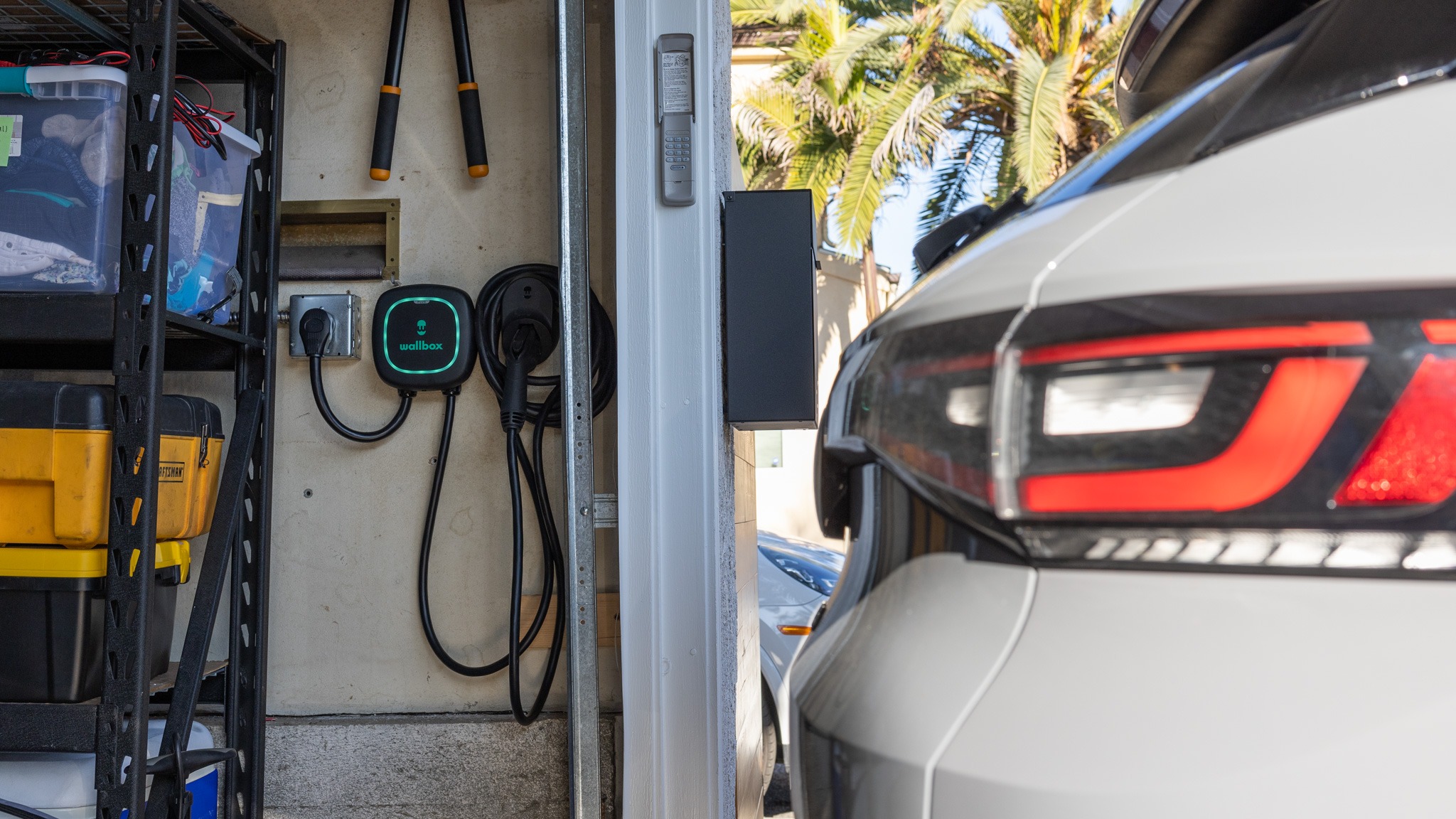
The electricity you use to charge your EV is the most obvious expense, but the amount you pay depends on your utility provider and electricity plan. Your cost is based on the number of kilowatt-hours (kWh) your vehicle consumes and the price charged for each unit.
For example, if your EV needs 50 kWh of electricity and your rate is $0.15 per kWh, the charging session costs $7.50 before accounting for charging losses. At a rate of $0.25 per kWh, that same session costs $12.50. The difference can add up when you charge several times each week.
Your utility may offer a flat electricity rate or a time-of-use (TOU) plan. With a flat rate, electricity costs the same amount regardless of when you plug in. TOU plans charge different rates depending on demand throughout the day.
Checking your electricity bill is a good starting point. Understanding your per-kWh rate allows you to estimate monthly charging expenses and decide whether your current electricity plan makes financial sense for your driving habits.
2. Charging Inefficiency Losses
Many new electric vehicle owners are unaware that not all the electricity drawn from a wall outlet actually makes it into the battery. Some energy is lost during the charging process, meaning the amount of electricity consumed can be greater than what the battery ultimately stores.
During charging, some energy is lost as heat and through the conversion of alternating current (AC) into direct current (DC). Your vehicle’s onboard charger handles this conversion, but the process is not perfectly efficient.
These losses generally add around 5% to 10% to the electricity required for charging, depending on the vehicle, charging equipment, temperature, and operating conditions.
Consider a battery that needs 40 kWh of usable energy. If charging efficiency is 90%, the electricity drawn from your home could be approximately 44.4 kWh. You pay for the electricity consumed at the meter, not just the energy that reaches the battery.
This difference may seem small during a single charging session. Yet, repeated charging throughout the month can increase your electricity expenses.
When estimating your home charging costs, don’t rely solely on your EV’s battery capacity. Remember to account for energy lost during charging as well. Including these additional costs will give you a more accurate idea of how much charging your vehicle could add to your monthly electricity bill.
3. Level 2 Home Charger Unit Purchase
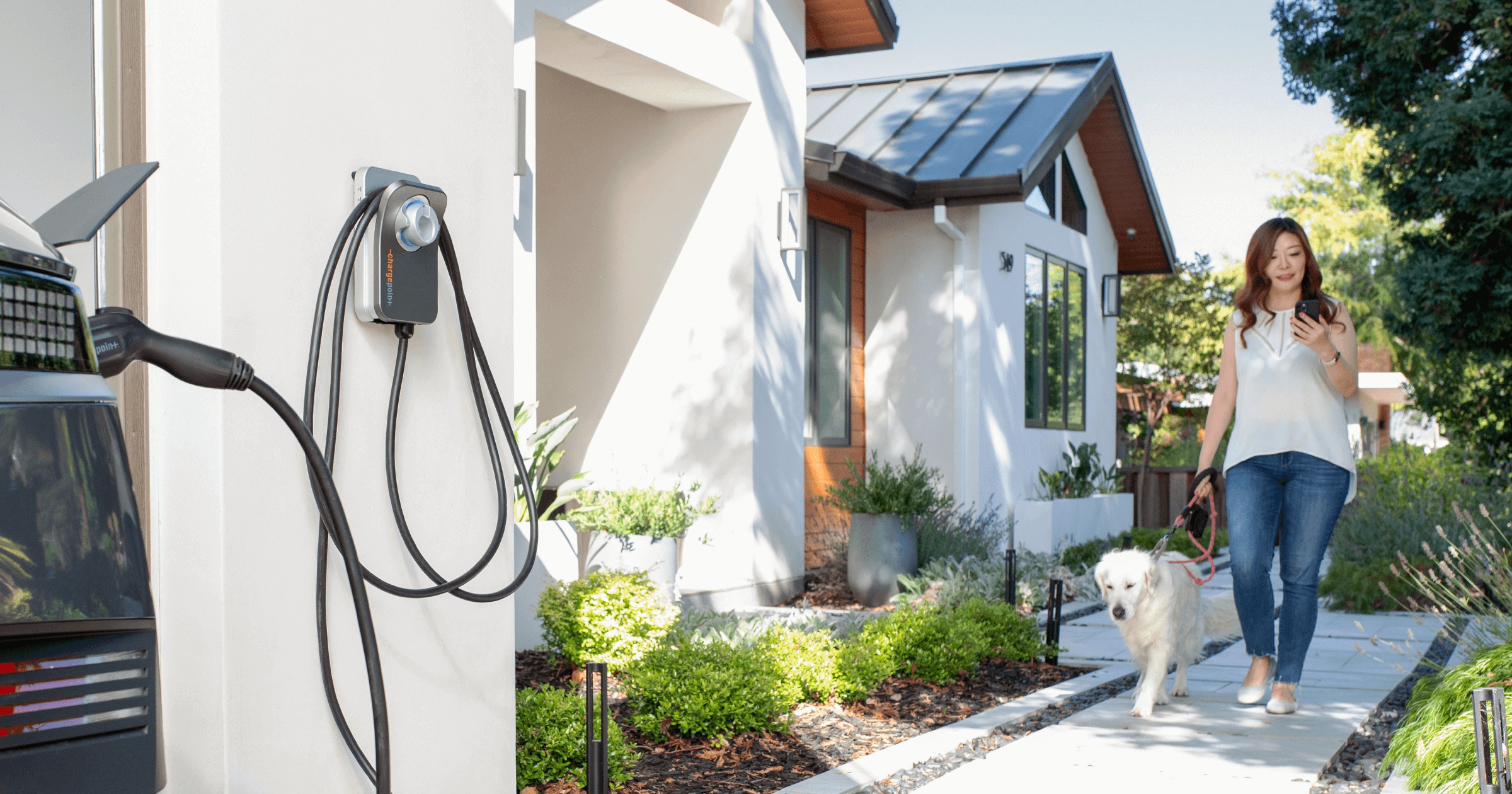
A basic Level 1 cord plugs into a standard wall socket, and it comes with many cars. It works, yet it’s slow, sometimes adding only a few miles of range per hour. Plenty of owners decide to buy a dedicated Level 2 wall connector for faster, more convenient charging.
Prices run from about $450 to $1,000 or more, depending on the brand and features. Options include the Tesla Wall Connector and a range of third-party units.
Before you buy, check which plug type your car uses and how much power it can accept, because a stronger charger won’t help if your vehicle can’t use it.
Compare warranty length, cable length, and weather resistance. Look for rebates, since some utilities and local governments offer discounts on qualifying units. If your daily driving is short, the free cord may be enough, and that choice could save you hundreds.
4. Electrical Panel and Wiring Upgrades
Your home may need electrical improvements before it can safely support a Level 2 EV charger. This is where installation expenses can become more expensive than expected.
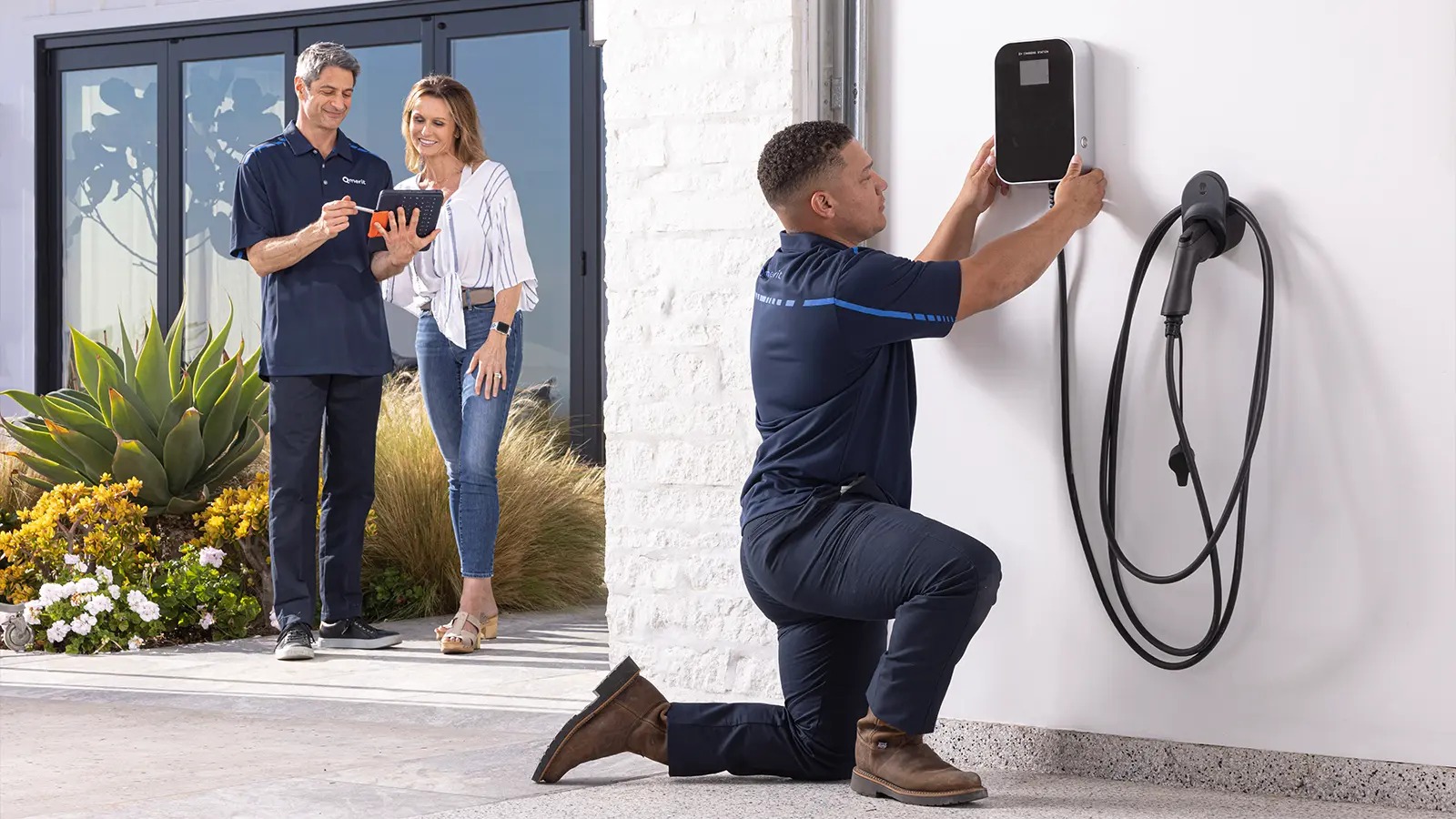
A Level 2 charging station generally requires a dedicated 240-volt circuit. Depending on your home’s existing electrical setup, an electrician may need to install new wiring, add a breaker, upgrade the electrical panel, or run conduit between the panel and charging location.
Typical electrical installation and upgrade costs can range from $400 to $1,200 or more. However, the final amount depends on several practical details.
For instance, a garage with an electrical panel nearby may require relatively little work. A charger installed in a detached garage or at the opposite end of a large property may need longer wiring runs, additional materials, and more labor.
Older homes can also present challenges if their electrical panels lack sufficient capacity to support another high-power appliance.
Before purchasing a charger, arrange an assessment with a qualified electrician. Ask for a written estimate that separates labor, wiring, permits, equipment, and any required panel improvements.
This step helps prevent unexpected expenses and ensures that your charging setup meets applicable electrical safety requirements.
5. Demand or Peak-Hour Surcharges
The time you choose to charge your EV can affect how much electricity costs. Some utility providers charge higher rates during periods when household and commercial electricity demand is greatest.
These periods are commonly called peak hours. They often occur during the late afternoon and early evening, when people return home, switch on appliances, cook meals, and use heating or cooling systems.
If your electricity plan uses time-based pricing, charging during these hours could cost more than charging overnight.
For example, imagine your utility charges $0.30 per kWh during peak hours and $0.12 per kWh overnight. A 40 kWh charging session would cost $12 during peak hours but just $4.80 overnight, excluding charging losses.
That is a difference of $7.20 for one session.
Fortunately, many EVs and smart home chargers include scheduling features. You can set a preferred charging window so your vehicle begins charging when cheaper electricity rates become available.
However, not every utility uses peak-hour pricing, and some plans include additional demand-related charges. Check your provider’s pricing structure before assuming that overnight charging will always be cheaper.
6. Smart Management or Wi-Fi Hardware/Subscriptions
Smart charging technology can make home EV charging easier to manage, but some of its features come with additional expenses.
Many modern chargers include Wi-Fi connectivity, smartphone controls, charging schedules, and energy consumption reports. These tools allow owners to monitor electricity usage without constantly checking their utility meters.
Some systems also support solar integration, allowing compatible equipment to coordinate vehicle charging with electricity generated by rooftop solar panels.
However, accessing these features may require additional hardware. Depending on your setup, you might need a compatible smart meter, energy monitor, communication device, or home energy management system.
Certain services may also involve subscription fees for advanced monitoring, cloud-based reports, or specialized energy management features. Not every manufacturer charges for these services, so checking the terms before purchasing is worthwhile.
There is also a small amount of electricity consumed while connected equipment remains on standby. Wi-Fi communication, internal electronics, and monitoring functions can draw power even when the vehicle is not actively charging.
These costs are usually modest, but they belong in a realistic household energy budget.
A basic charger may be sufficient if you simply want reliable charging. Smart features become more useful when you need detailed energy tracking, automated schedules, or coordination with a home solar system.
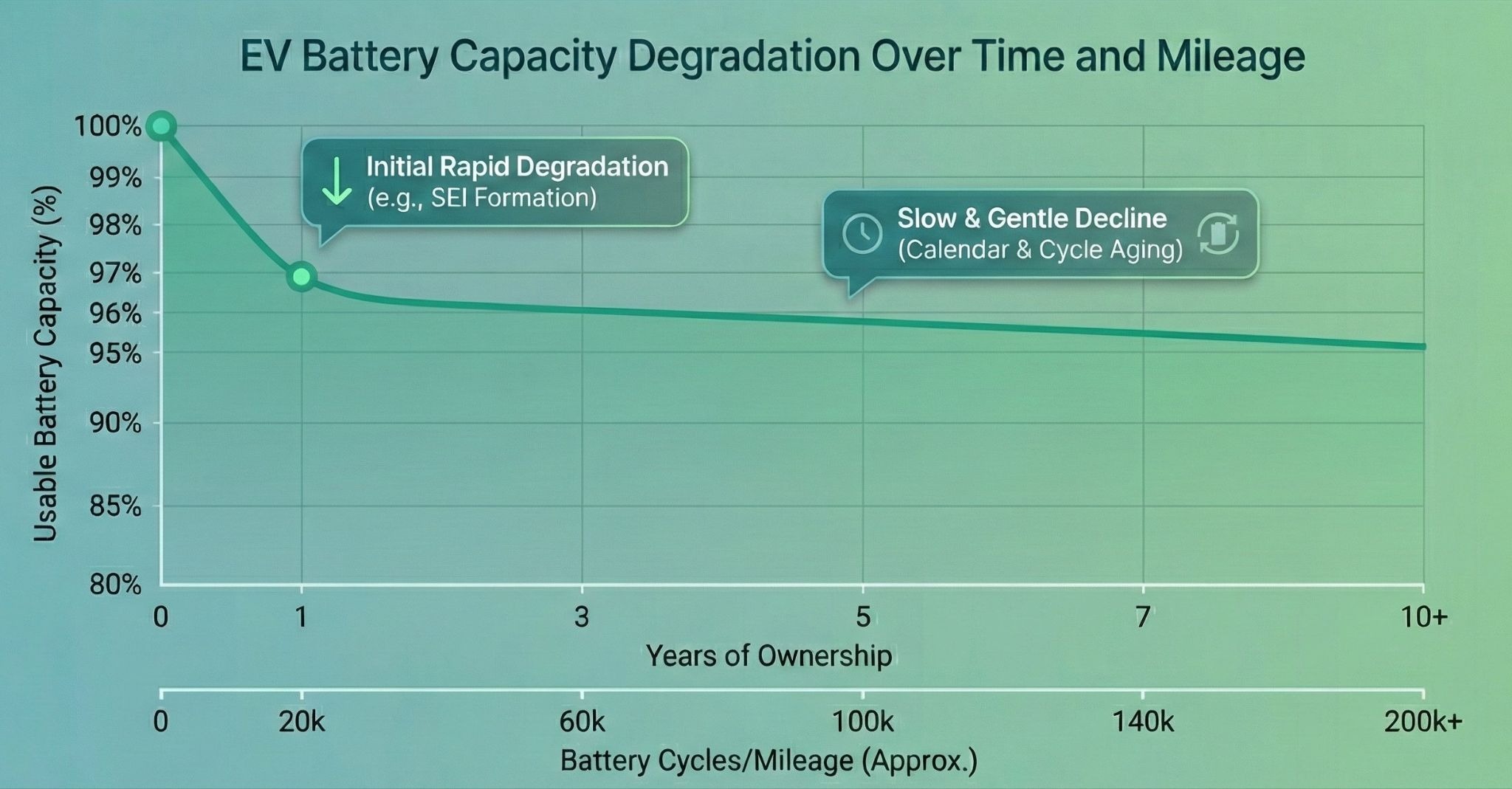
7. Long-Term Battery Degradation Costs (Micro-wear)
An EV battery gradually loses some of its original capacity through normal use. This process is known as battery degradation, and it can affect how far your vehicle travels on a full charge as it ages.
Although home charging is generally convenient and can be gentle on the battery, certain charging habits may contribute to faster capacity loss.
For example, regularly charging to 100% and leaving the battery at that level for extended periods can place additional stress on some battery chemistries. Frequent exposure to high temperatures can also affect battery health.
High-power DC fast charging is generally more demanding than ordinary home AC charging, although the actual effects depend on the vehicle’s battery design and thermal management system.
It is important to understand that normal Level 1 and Level 2 home charging does not automatically damage an EV battery. Most modern vehicles include battery management systems designed to control charging conditions and protect battery health.
Still, battery degradation has a financial side. Reduced capacity may affect driving range, convenience, resale value, and the point at which an owner decides to replace a vehicle.
To help preserve battery health, follow the manufacturer’s charging recommendations. Use daily charging limits suited to your battery type, avoid leaving the battery fully charged for long periods when unnecessary, and pay attention to temperature-related guidance.
A little attention to charging habits can help protect the value and usefulness of your vehicle for years to come.