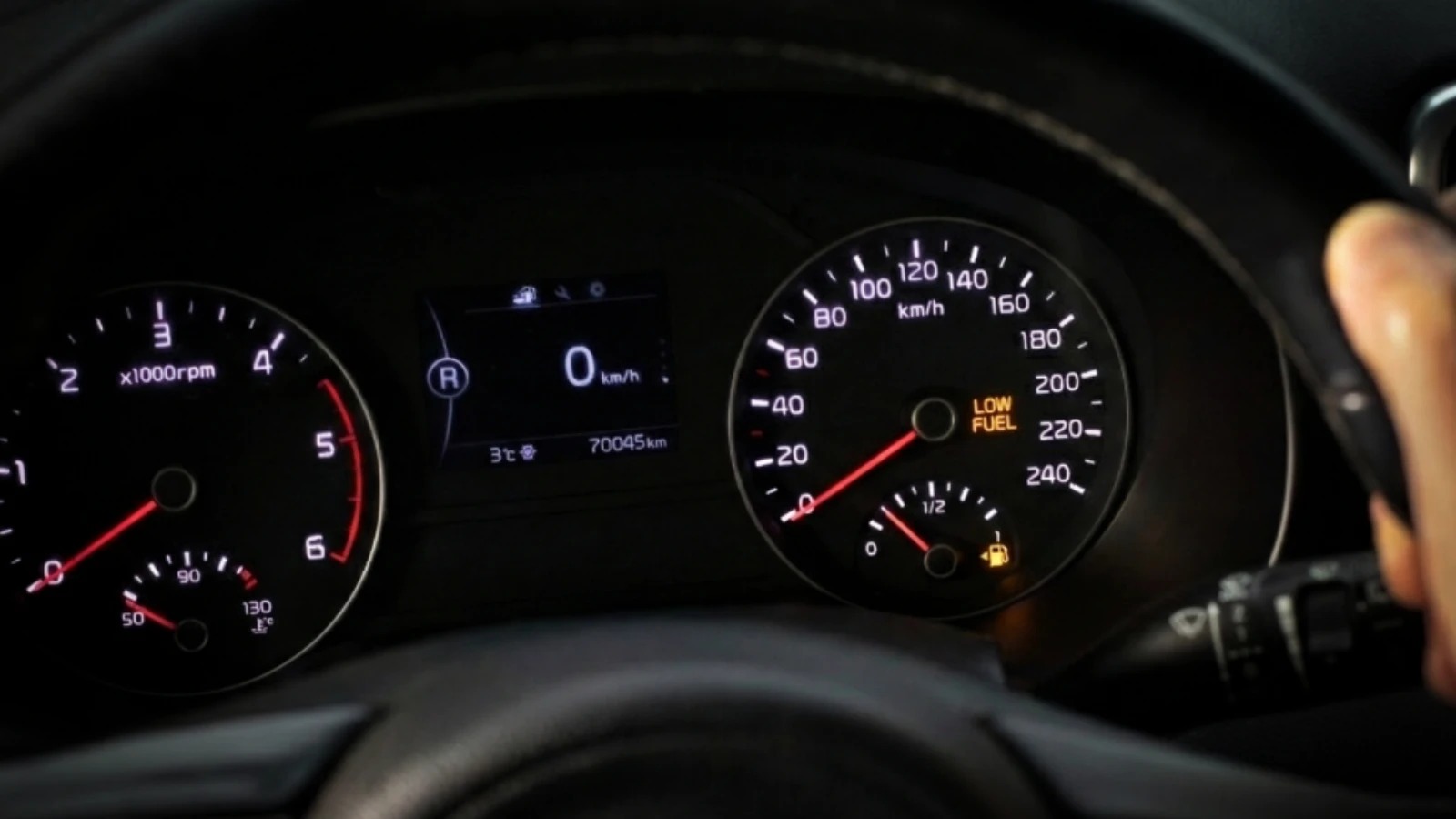
Few things are more frustrating than noticing that your car needs fuel more frequently than usual. Perhaps you used to drive several days before visiting a gas station, but now your fuel gauge seems to drop much faster.
A sudden decline in gas mileage can be confusing, especially when your driving routine has not changed. The good news is that there are several possible explanations, and many are related to problems that can be diagnosed and repaired.
From faulty engine sensors to underinflated tires, small issues can make your vehicle consume more fuel than necessary. Understanding what causes these changes can help you recognize warning signs, avoid unnecessary fuel expenses, and know when your car needs professional attention. Here are eight common reasons your gas mileage may have suddenly dropped.
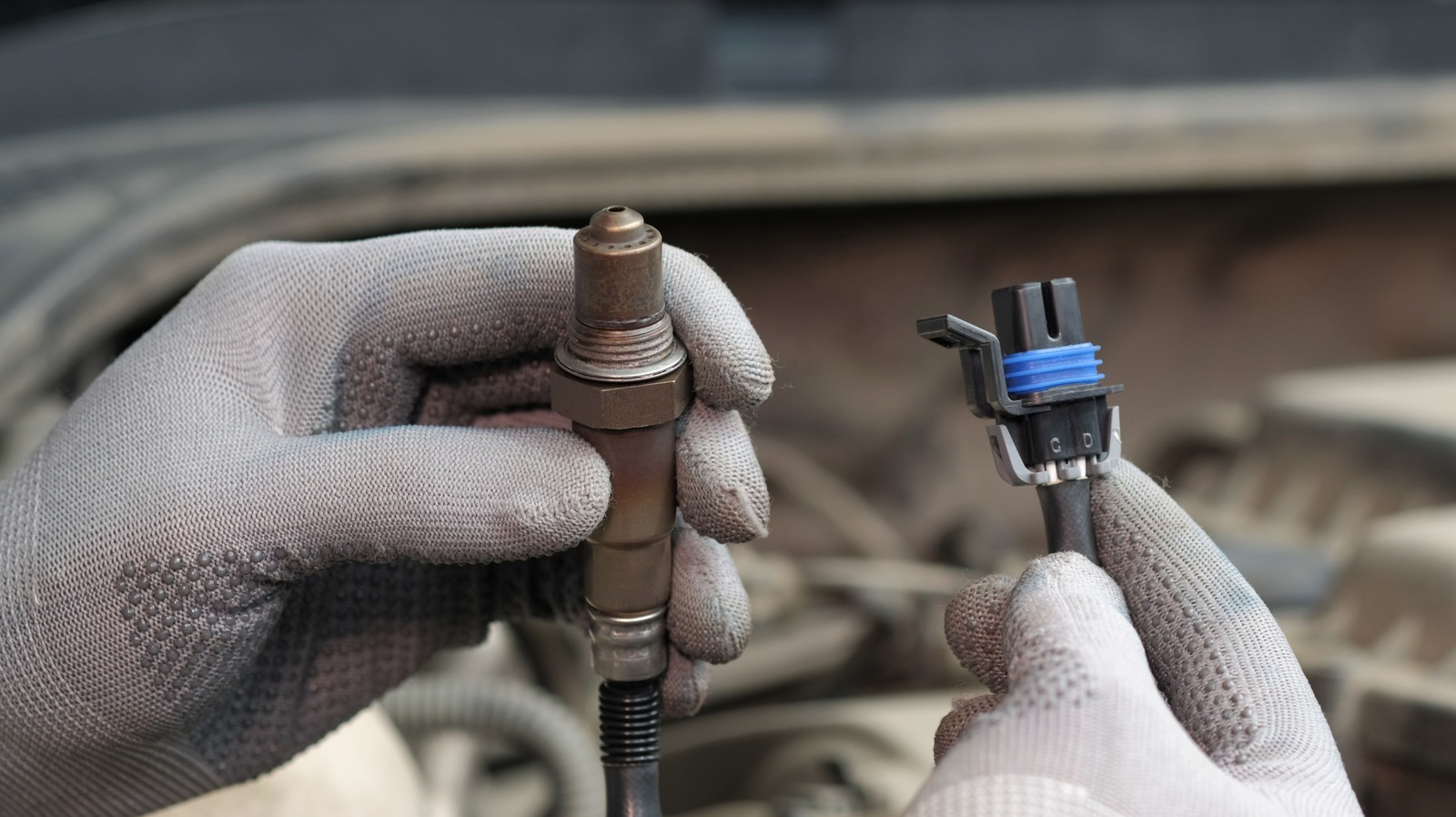
1. Faulty Oxygen (O₂) Sensor
Your vehicle’s oxygen sensor plays an important role in controlling fuel consumption. It monitors the amount of oxygen in the exhaust gases and sends this information to the engine control computer. The computer uses these readings to determine whether the engine needs more or less fuel.
When the sensor starts failing, it may send inaccurate information. This can cause the engine computer to supply more fuel than necessary, creating a rich air-fuel mixture. The result may be poor gas mileage, rough idling, increased emissions, and unusual exhaust smells.
In some cases, a faulty oxygen sensor can contribute to a fuel economy reduction of up to 40%, depending on the vehicle and the nature of the problem.
A check engine light may appear when the computer detects an issue with the sensor or its circuit. However, the warning light does not always identify the exact faulty component.
If your fuel consumption has increased without an obvious explanation, have the vehicle scanned for diagnostic trouble codes. A mechanic can test the sensor and its wiring before recommending a replacement.
Replacing a confirmed faulty oxygen sensor can help restore proper fuel control and improve engine performance.
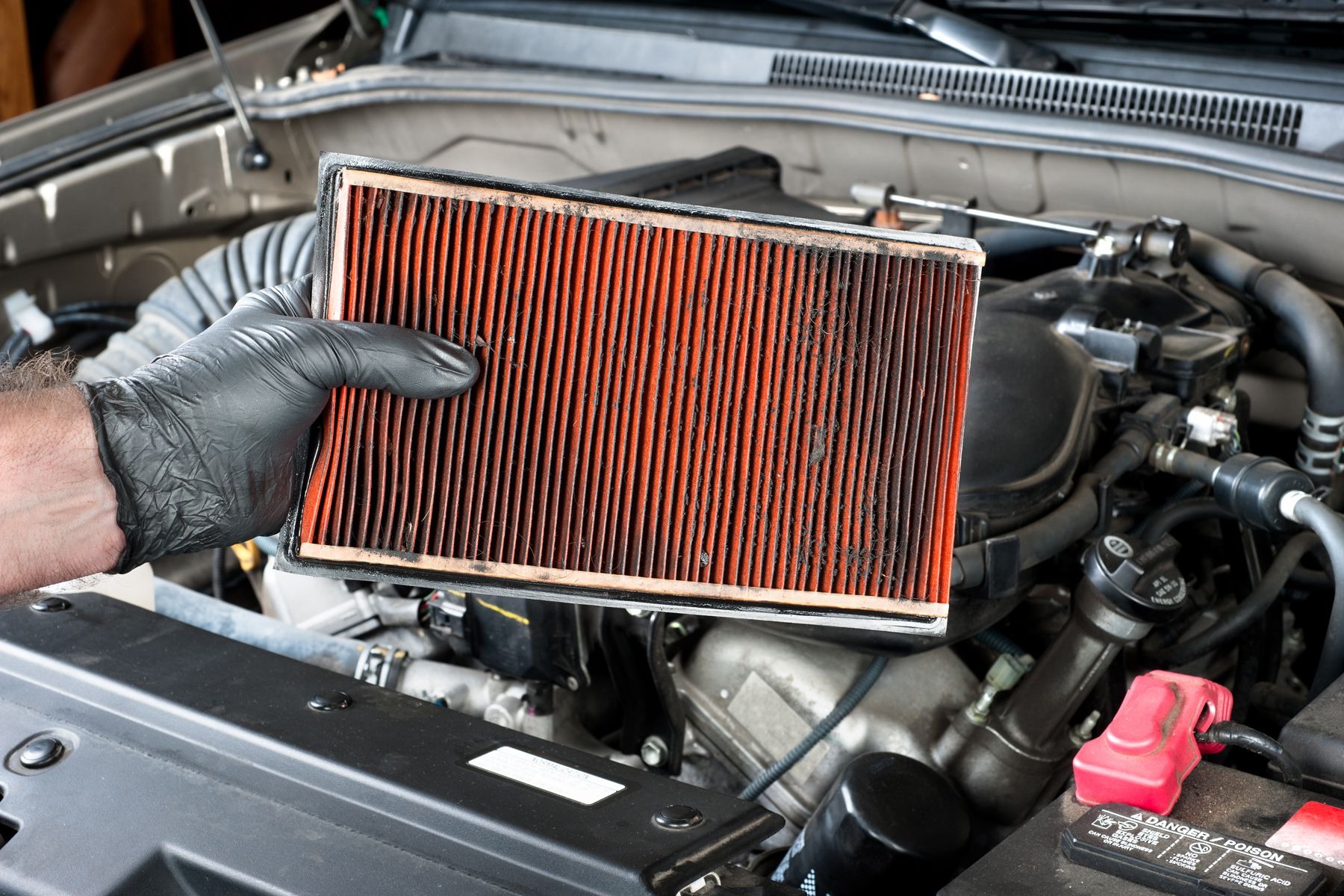
2. Clogged Engine Air Filter
Think of your engine air filter as the vehicle’s first line of defense against airborne dirt. Its job is to prevent dust, leaves, insects, and other debris from entering the engine while allowing enough clean air through for combustion.
As the filter collects contaminants, airflow can become restricted. This can affect engine performance, particularly in vehicles with airflow-sensitive engine management systems. A heavily contaminated filter may contribute to sluggish acceleration and reduced efficiency.
You might notice that your car feels less responsive when accelerating, especially when climbing hills or carrying extra passengers. In some vehicles, a severely restricted filter can also contribute to increased fuel consumption.
Fortunately, checking the air filter is usually straightforward. Many vehicles have an accessible air filter housing that can be opened during routine maintenance. If the filter looks heavily covered in dirt or has reached its recommended service interval, replacing it may be necessary.
However, do not assume that every dirty air filter causes a dramatic MPG drop. Modern fuel-injected engines can compensate for certain airflow changes, so the effect varies by vehicle.
Check your owner’s manual for the recommended replacement schedule. A clean air filter supports proper engine operation and helps prevent unnecessary contaminants from reaching sensitive components.
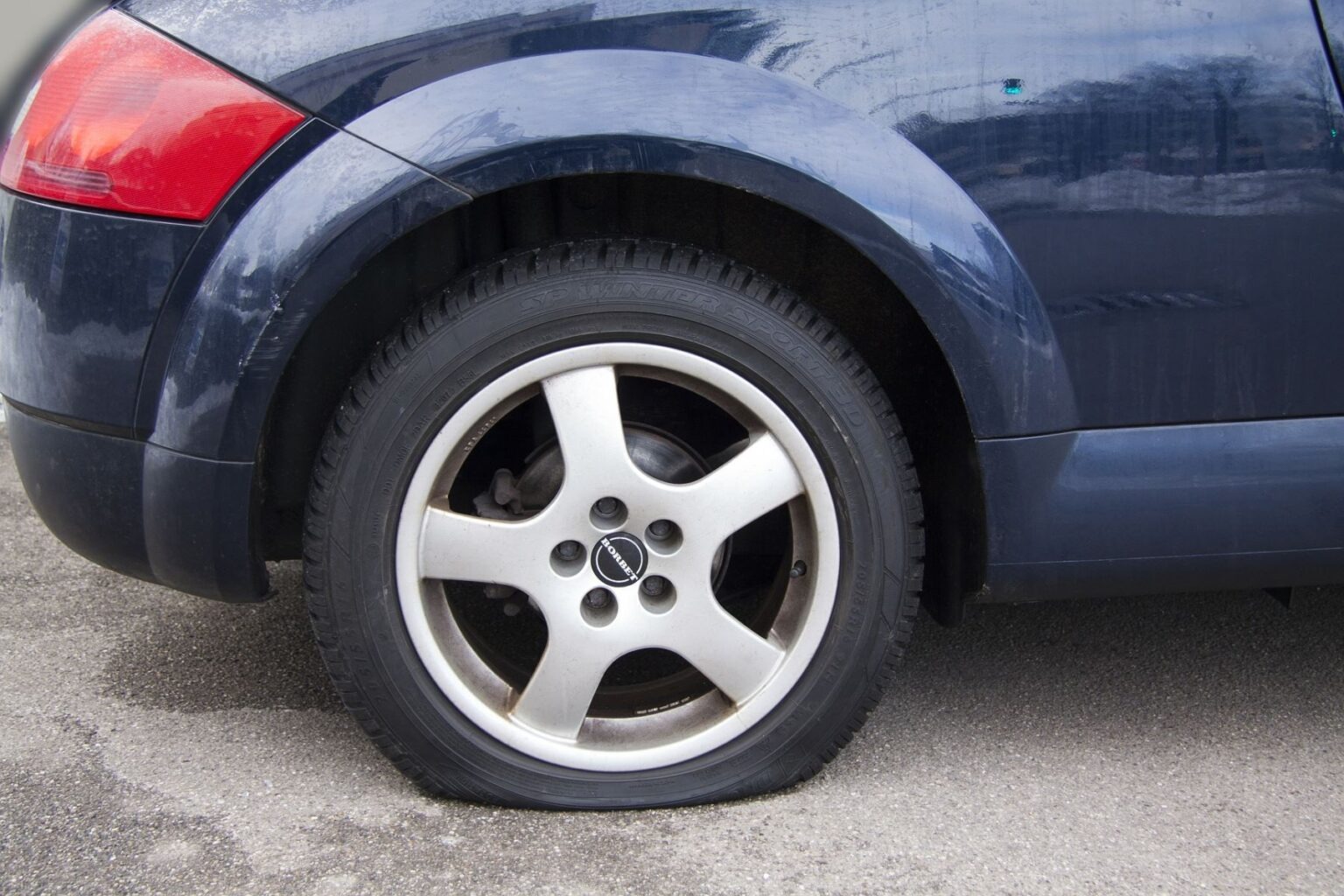
3. Underinflated Tires
Your tires might not be the first thing you suspect when fuel economy drops, but their condition and inflation pressure can make a real difference.
When tires do not contain enough air, more of their surface can deform as they roll along the road. This increases rolling resistance, meaning the engine must use additional energy to keep the vehicle moving.
Consider how much work your engine already performs during a normal drive. It must overcome vehicle weight, road resistance, wind resistance, and other forces. Underinflated tires add another demand, which can lead to higher fuel consumption.
Low tire pressure may also affect handling, braking performance, and tire wear. You might notice that the steering feels heavier or that the vehicle does not respond as smoothly as usual.
Checking tire pressure takes only a few minutes. Use a reliable pressure gauge and compare the readings with the recommended PSI listed on the driver’s door-jamb sticker or in your owner’s manual.
Do not rely on the maximum pressure printed on the tire sidewall as your normal inflation target. That figure serves a different purpose.
Make tire pressure checks part of your regular maintenance routine, particularly before long journeys and when outdoor temperatures change. Keeping all four tires properly inflated can help your vehicle use fuel more efficiently.
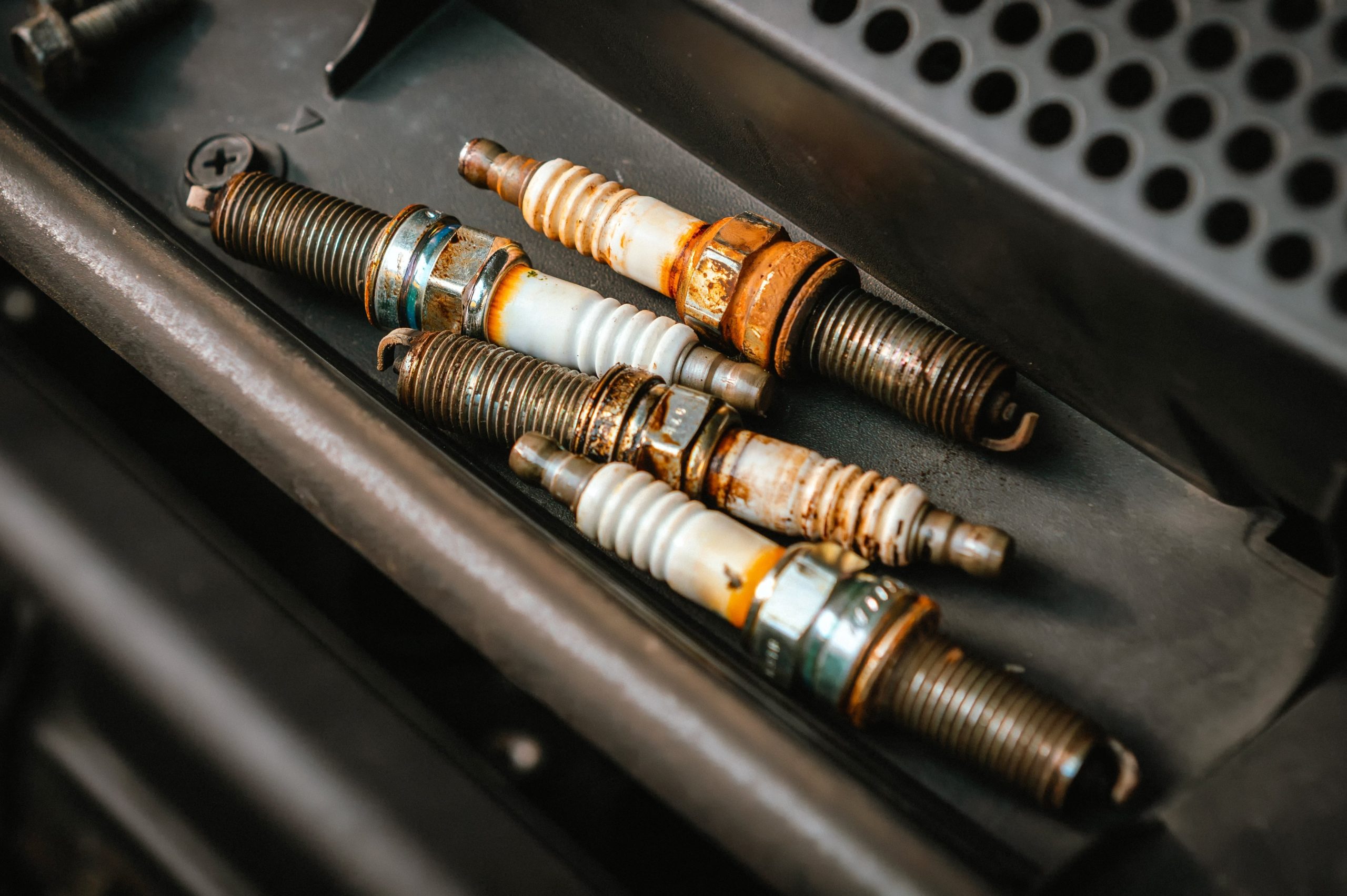
4. Worn or Misfiring Spark Plugs
Spark plugs may be small engine components, but their condition has a direct effect on how efficiently your vehicle uses fuel. Their job is to create the electrical spark needed to ignite the air-fuel mixture inside each engine cylinder.
When the plugs become worn, dirty, or damaged, they may struggle to produce a strong, consistent spark. This can result in incomplete combustion, meaning some of the fuel does not burn properly.
Instead of producing the power your engine needs, that fuel may go to waste, reducing your gas mileage. There are several warning signs to watch for.
Your vehicle might hesitate when you press the accelerator, shake while idling, or struggle to start in the morning. You may also notice reduced engine power, rough acceleration, or an illuminated check engine light.
Spark plugs gradually wear out through normal use, although their replacement intervals depend on the material and vehicle specifications. Some conventional plugs need replacement after 30,000 miles, while certain platinum and iridium models can last beyond 100,000 miles.
Check your owner’s manual to find the recommended service interval. If your fuel economy suddenly drops alongside rough engine performance, ask a mechanic to inspect the spark plugs and ignition system.
Do not ignore persistent misfires. Unburned fuel can overheat and damage the catalytic converter, turning a relatively simple maintenance job into a much more expensive repair. Replacing faulty spark plugs can restore smoother combustion and help improve fuel efficiency.
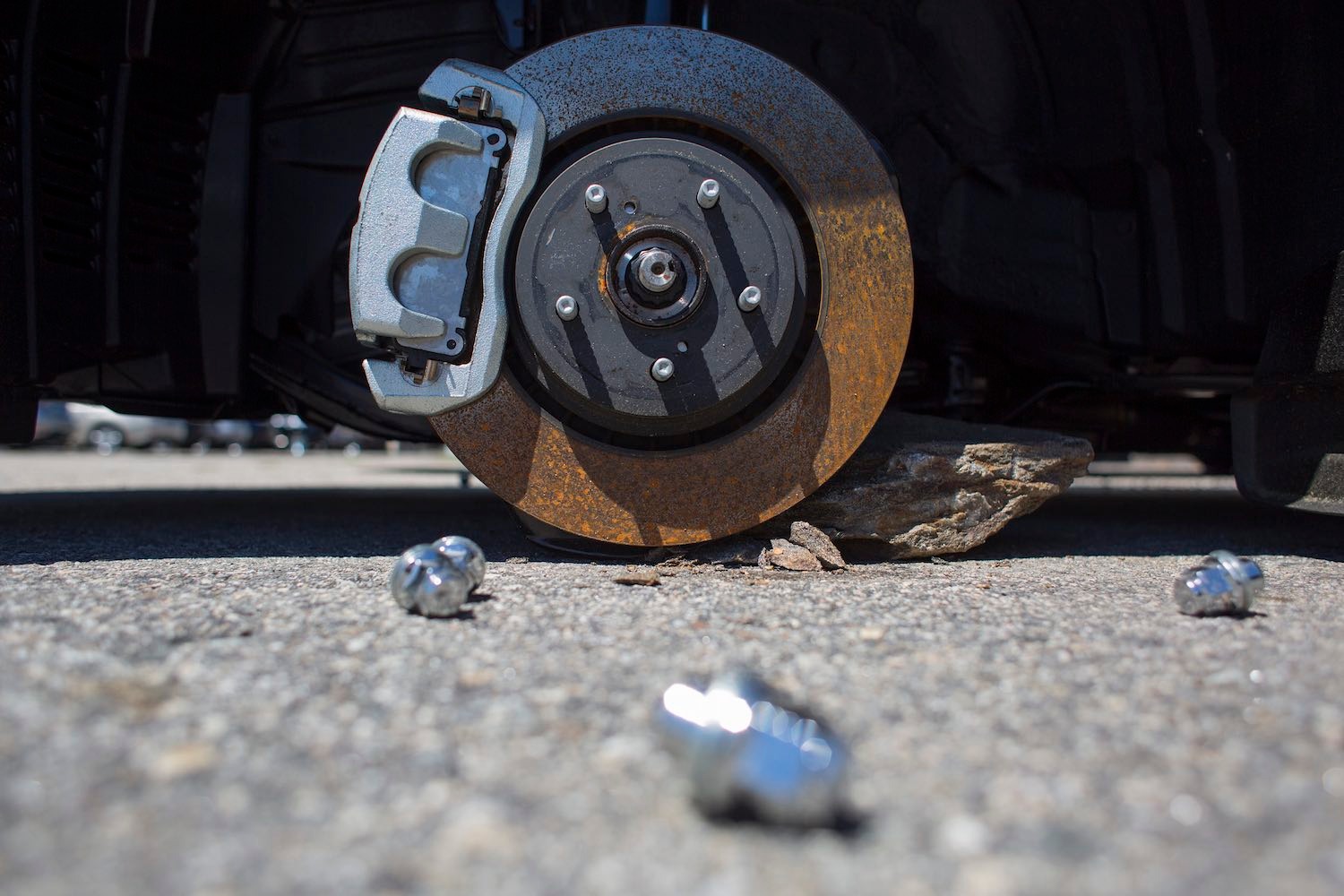
5. Stuck or Dragging Brakes
Your engine should not have to fight against your braking system while you drive. However, that is exactly what happens when one or more brakes fail to release properly.
A dragging brake creates continuous friction between the brake pad and rotor, forcing the engine to work harder to keep the vehicle moving. This extra resistance wastes energy and can cause your gas mileage to drop unexpectedly.
The problem often develops because of a seized brake caliper, a sticking brake pad, a damaged brake hose, or another faulty braking component.
When the affected part remains partially engaged, the wheel cannot rotate as freely as it should. Fortunately, your vehicle may give you several clues.
You might notice that it feels unusually sluggish, pulls toward one side, or takes more effort to accelerate. A burning smell near one of the wheels can also indicate excessive brake heat. In some cases, you may hear persistent squealing or grinding sounds while driving.
After a short journey, one wheel may feel much hotter than the others. Never touch the wheel, rotor, or brake components to check their temperature because they can cause serious burns. A mechanic can safely inspect them.
Dragging brakes should never be treated as a minor fuel economy issue. Excessive friction can wear out brake pads, damage rotors, and create dangerous heat buildup.
Arrange a professional inspection promptly if you suspect this problem. Repairing the faulty component can reduce unnecessary fuel consumption, protect your braking system, and help keep your vehicle safe on the road.
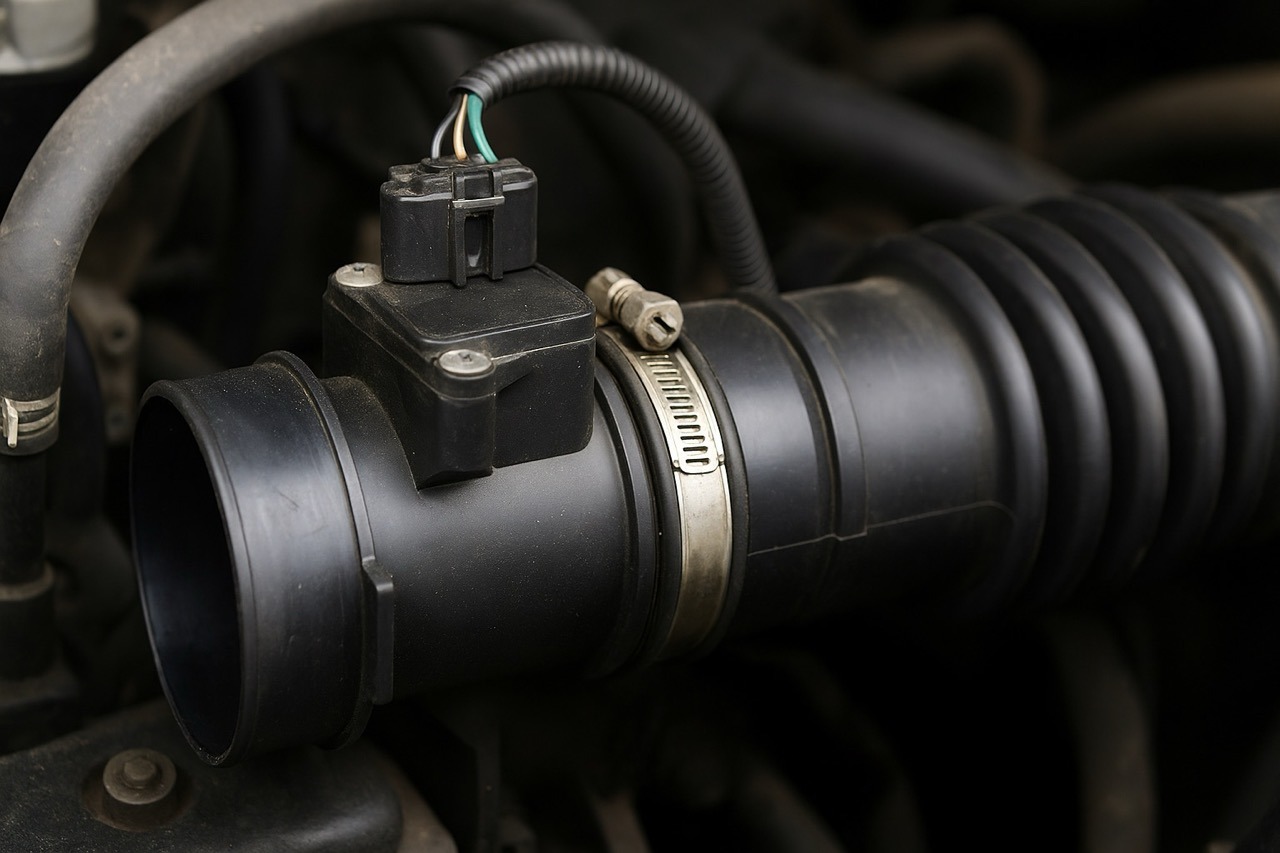
6. Dirty Mass Air Flow (MAF) Sensor
A dirty mass air flow (MAF) sensor can cause your vehicle to consume more gasoline without producing any obvious warning signs at first.
This small but important component measures the amount of air entering the engine and sends the information to the engine control computer. Using those readings, the computer calculates how much fuel the engine needs for proper combustion.
When dirt, dust, or oil residue builds up on the sensor, its measurements may become inaccurate. The computer may then supply more fuel than necessary, creating an overly rich air-fuel mixture. This wastes gasoline and can make your vehicle feel less responsive when accelerating.
You might notice additional symptoms, including rough idling, hesitation, poor engine performance, or unexpected stalling. Some vehicles may also display a check engine light when the computer detects an airflow measurement problem.
The good news is that contamination does not always mean you need an expensive replacement. In some cases, carefully cleaning the MAF sensor with a dedicated MAF sensor cleaner can restore accurate readings.
These products are available at many automotive parts stores and are designed for the component’s sensitive measuring elements.
However, proper handling is essential. Switch off the engine, follow the vehicle manufacturer’s instructions, and avoid touching the delicate wires or sensing elements.
Never use ordinary household cleaners, brake cleaner, or other unsuitable sprays because they can damage the sensor. Allow the cleaner to dry completely before reinstalling the component.
If cleaning does not resolve the symptoms, have a mechanic test the sensor and its electrical connections. A faulty MAF sensor may need replacement to restore proper fuel delivery, smoother acceleration, and better gas mileage.
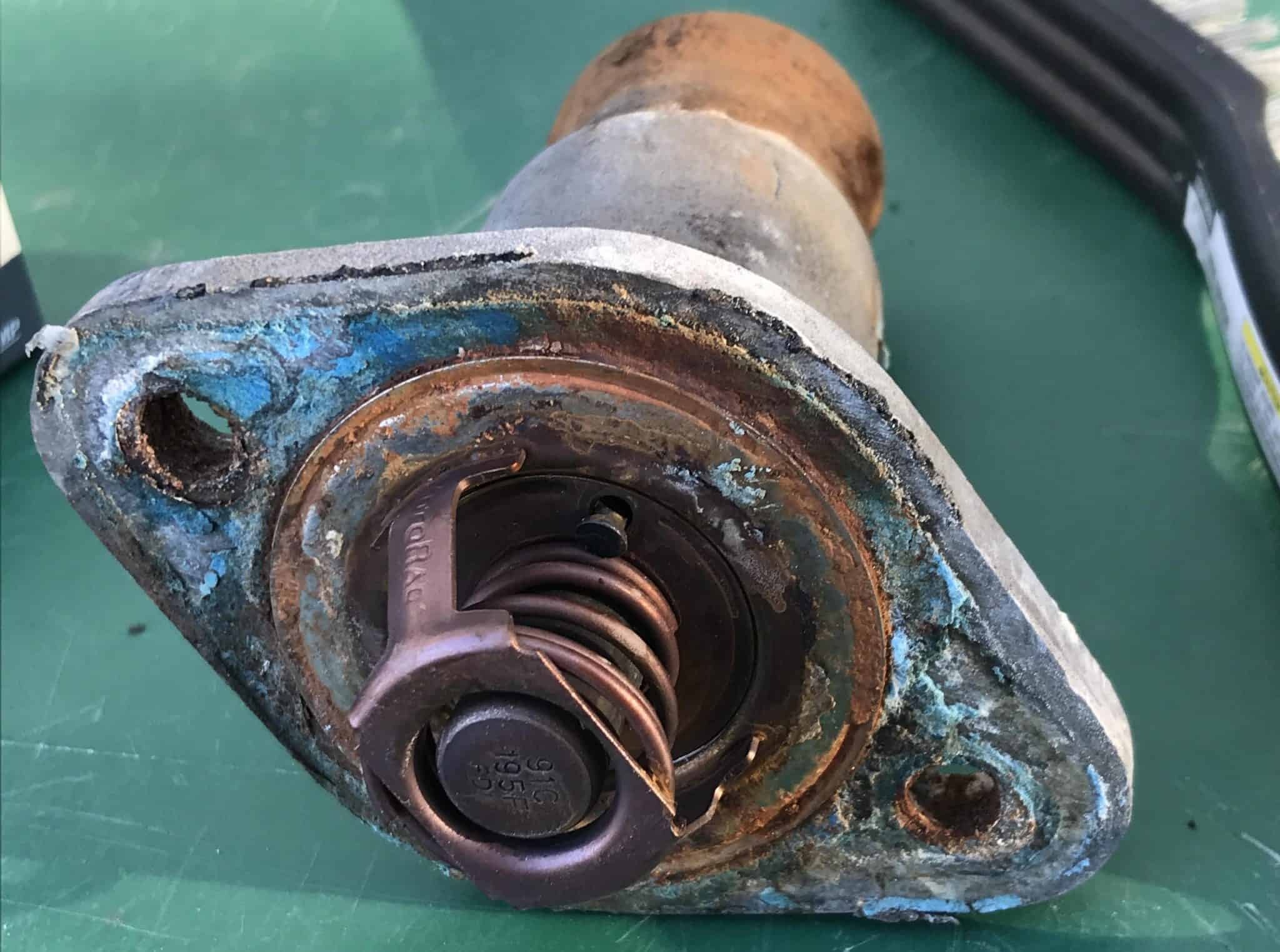
7. Coolant Thermostat Stuck Open
Your engine is designed to operate within a specific temperature range. Reaching that temperature allows the engine oil, cooling system, and fuel management system to function as intended.
The thermostat helps regulate this process by controlling the flow of coolant between the engine and radiator.
When the thermostat becomes stuck open, coolant may circulate through the radiator continuously, even when the engine is still warming up. This can prevent the engine from reaching its normal operating temperature quickly.
Why does that affect gas mileage?
When the engine remains too cold, its computer may continue using a richer fuel mixture to support stable operation. Depending on the vehicle, this can increase fuel consumption and cause other performance issues.
You might notice that the temperature gauge takes unusually long to reach its normal position or remains lower than expected during regular driving. The cabin heater may also produce less warmth than usual.
A thermostat stuck open can sometimes trigger a check engine light, including a code related to engine temperature being below the expected range.
A mechanic can inspect the thermostat and cooling system to confirm the cause. Replacing a faulty thermostat is generally more affordable than allowing related problems to continue unchecked.
Pay attention to unusual temperature readings, even when the engine does not appear to be overheating. An engine that runs too cold can also have trouble maintaining proper fuel efficiency.
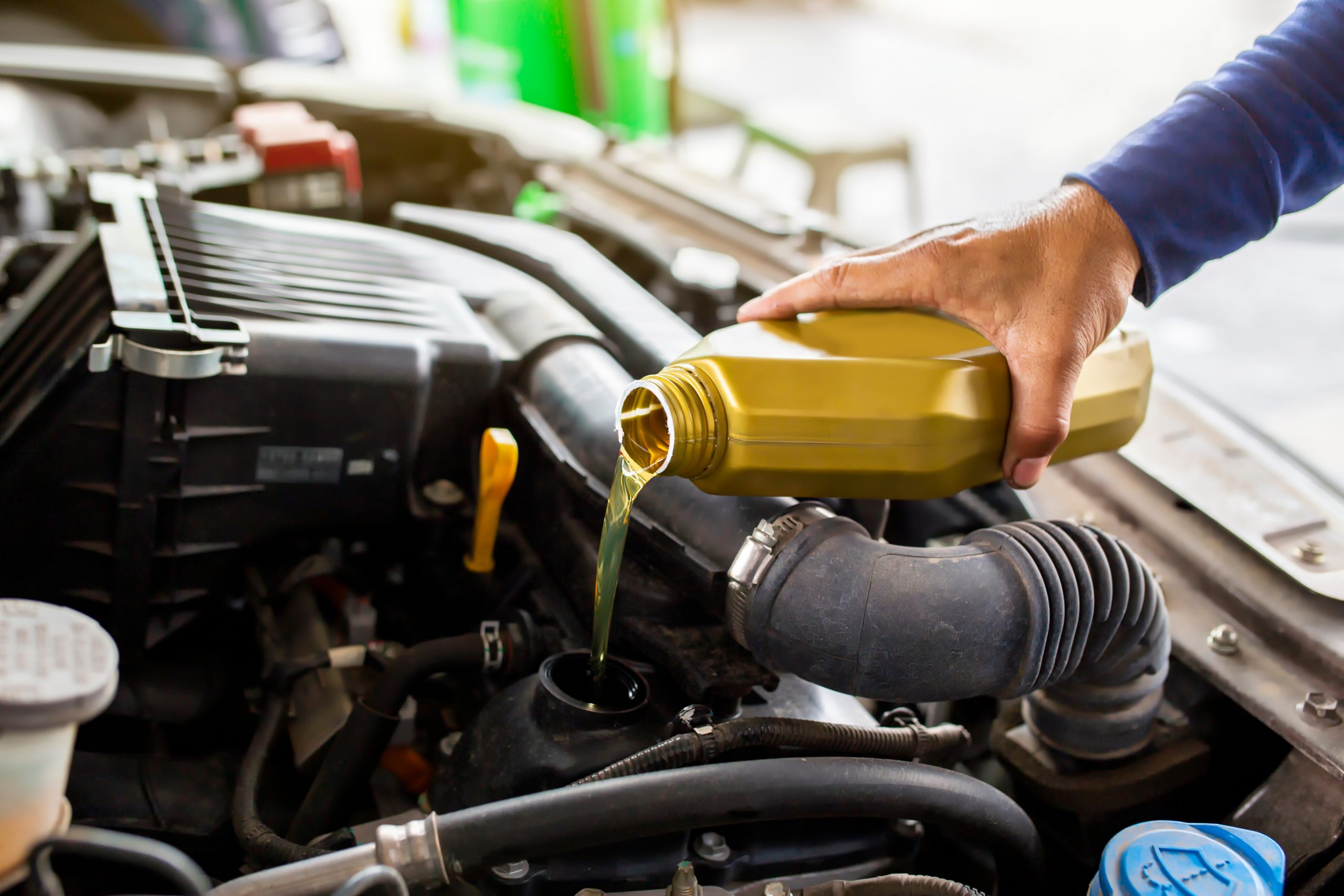
8. Incorrect Motor Oil Viscosity
The motor oil in your engine does more than keep moving metal parts lubricated. It also helps reduce friction, manage heat, and protect internal components from premature wear.
However, using the wrong oil viscosity can affect how efficiently your engine operates.
Viscosity describes how easily oil flows at different temperatures. If the oil is too thick for your particular engine, it may create additional resistance as internal components move. This means the engine has to use more energy to overcome friction.
That extra workload can contribute to reduced fuel economy, particularly during cold starts when thicker oil takes longer to circulate.
For example, if your vehicle requires a specific low-viscosity oil but receives a much thicker grade, the engine may not operate as efficiently as intended.
Using oil that is too thin is not a suitable solution either. It may fail to provide the protection required by the engine, potentially increasing wear and creating expensive mechanical problems.
Always check your owner’s manual or manufacturer’s recommendations before selecting motor oil. Pay attention to the specified viscosity grade and required performance standards.
If your gas mileage dropped shortly after an oil change, check the service receipt to confirm which oil was installed. A mechanic can verify whether the correct product was used and assess any related concerns.
Choosing the right motor oil helps your engine operate smoothly, reduces unnecessary friction, and supports reliable fuel economy.