Getting a new car often comes with the comfort of knowing that a manufacturer’s warranty can help pay for certain repairs. However, that protection does not mean every problem your vehicle develops will be fixed for free.
Most standard car warranties cover defects in factory materials and workmanship, along with certain unexpected mechanical failures. Routine servicing, accidental damage, and problems caused by improper use are usually treated differently.
This can catch car owners off guard, especially when an expensive repair bill arrives unexpectedly. Before assuming your warranty will cover a particular problem, it helps to understand its limitations. Knowing what is excluded can help you budget for maintenance, avoid unnecessary disputes, and make better decisions about additional protection. Here are seven common things your car warranty generally does not cover.

1. Routine Maintenance Services
Your car warranty may cover certain mechanical and electrical problems, but it generally will not pay for the regular maintenance needed to keep your vehicle running properly.
These services are considered part of normal vehicle ownership, meaning the responsibility for paying for them belongs to you.
Routine maintenance includes oil changes, engine air filter replacements, cabin filter changes, fluid top-offs, tire rotations, and scheduled tune-ups where applicable. These services help prevent premature wear and keep important vehicle systems operating as intended.
For example, your engine needs clean oil to lubricate moving components and control heat. As the oil collects contaminants and loses some of its protective properties, it must be replaced according to the manufacturer’s recommended schedule.
Your warranty will not normally cover the cost of this service simply because it is necessary for engine health. The same applies to replacing filters, checking fluid levels, and performing other scheduled maintenance tasks
. Some manufacturers offer complimentary maintenance programs, but these are separate benefits and should not be confused with the basic warranty.
Check your owner’s manual to understand the recommended service intervals. Keep receipts and maintenance records because they can help demonstrate that you have cared for the vehicle properly if a warranty claim arises.
2. Normal Wear-and-Tear Items
Every vehicle contains components that gradually wear out through regular driving. Even when you maintain your car correctly, certain parts will eventually need replacement. Unfortunately, standard factory warranties generally do not cover these ordinary wear-and-tear expenses.
Common examples include brake pads, brake rotors, windshield wiper blades, spark plugs, light bulbs, and certain belts. These components perform specific jobs, but their useful life is limited by friction, heat, weather exposure, and regular use.
Consider your brake pads. Each time you press the brake pedal, the pads create friction against the rotors to slow the vehicle.
This process gradually reduces their thickness until replacement becomes necessary. Since this is an expected part of normal operation, the manufacturer generally will not pay for new pads under a standard warranty.
However, there is an important distinction between normal wear and a defective component. If a covered part fails prematurely because of a manufacturing defect, the manufacturer may approve a warranty repair depending on the circumstances.
Your driving habits can also influence how frequently certain parts need replacement. Frequent stop-and-go driving, heavy braking, rough roads, and demanding operating conditions may accelerate wear.
Follow the maintenance recommendations in your owner’s manual and ask your mechanic to inspect wear-related components during scheduled services. Setting aside money for these replacements can help prevent routine maintenance expenses from becoming financial surprises.

3. Tires
Many new car owners are surprised to learn that their vehicle’s manufacturer typically does not cover tire-related problems under the standard warranty. Issues such as flat tires, punctures, blowouts, and normal tread wear are generally excluded from warranty coverage.
The reason is straightforward. Tires come with their own limited warranty from the tire maker, so any claim goes through them instead. Dig out the paperwork that came with your tires, or ask the dealer where to find it.
Those tire warranties often cover manufacturing flaws or a set mileage for tread life, but they rarely cover road hazards like nails or potholes. Some retailers sell a separate road hazard plan for an extra fee, which might be worth a look if you drive on rough roads.
Whatever you choose, protect your investment. Check the pressure monthly, rotate the tires on schedule, and keep alignment in good shape. Healthy tires last longer, ride better, and keep you safer on the road.
4. Environmental and Weather Damage
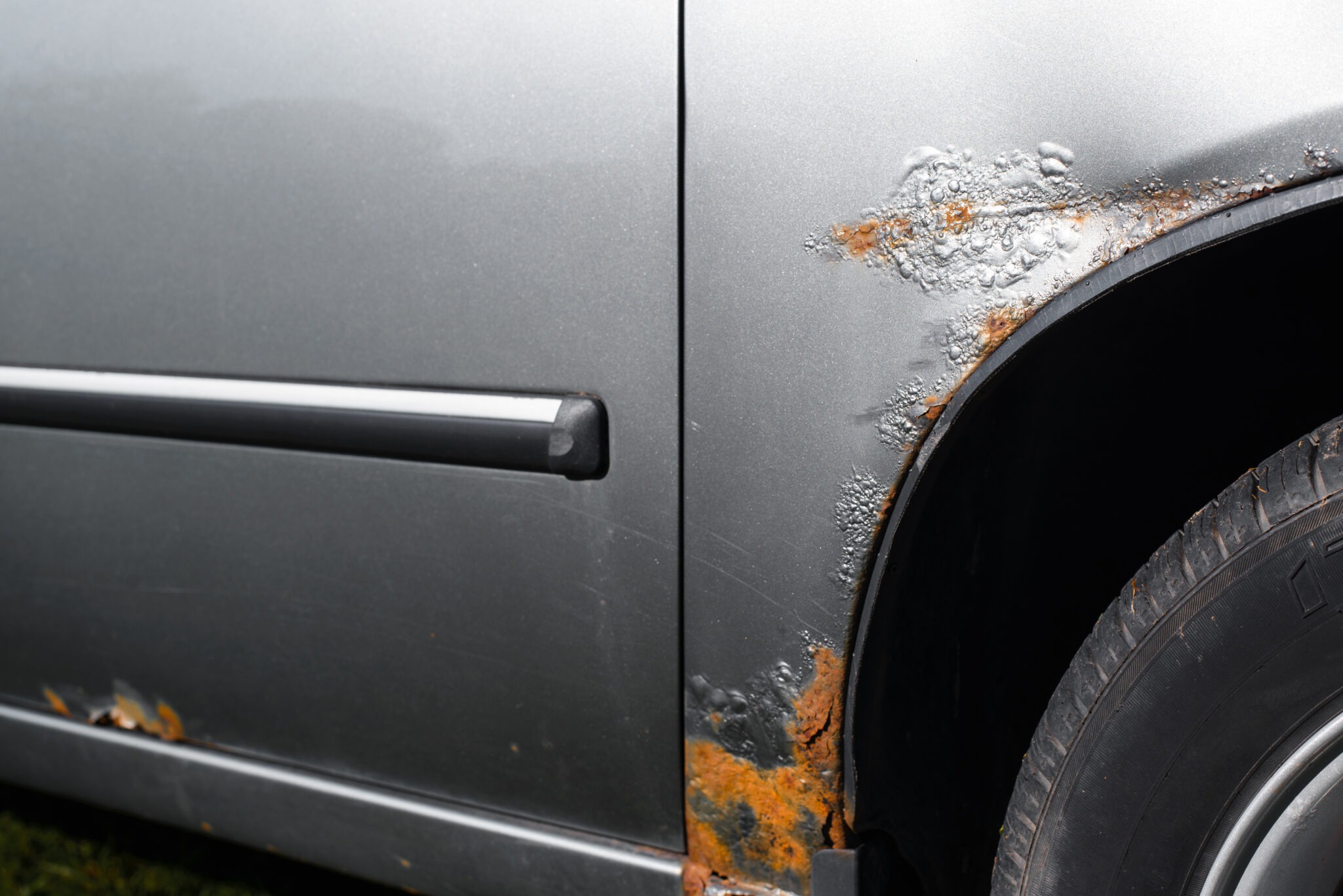
Mother Nature does not read warranties. Rust from road salt, sticky tree sap, hail dents, flood water, fire, windstorms, and stone chips all fall under the “not our fault” category. Automakers cannot control the sky or the street, so they leave those risks off the list.
Does that leave you stuck? Not necessarily. Many of these problems are covered by comprehensive auto insurance, which is worth reviewing if you live somewhere with harsh winters, heavy storms, or lots of trees.
You can also fight back with simple habits. Wash your car regularly, especially after driving on salted roads. Apply wax a couple of times a year. Park in a garage or under cover when you can, and keep a close eye on small paint chips before they turn into rust spots.
Prevention is cheap, while repairs are not. A few minutes with a hose and a bucket might be the best money-saving trick you ever learn.

5. Vehicle Misuse and Abuse
Treat your car like a race car, and the warranty will treat you like a stranger. Street racing, aggressive off-roading, hauling more weight than the car can handle, and towing beyond its rated capacity can all void coverage for related failures.
Manufacturers build each vehicle with specific limits in mind. When you push past them, any damage becomes your responsibility, and the dealer may spot the signs during an inspection. Worn components, stressed frames, and overheated parts tell a clear story.
The best way to avoid this problem is to check your owner’s manual. Look up your vehicle’s maximum payload and towing capacities, and make sure you stay within those limits. Before carrying heavy equipment or towing a trailer, always verify the weight ratings to avoid overloading your vehicle and causing unnecessary damage.
Need more capability than your car offers? Consider a vehicle built for the job instead of stretching the one you have. Staying inside the lines keeps your warranty intact and your repair bills away.
6. Neglected Maintenance or Bad Fluids
Skipping scheduled maintenance may seem like an easy way to save money temporarily, but it can create expensive problems that your car warranty may not cover.
Manufacturers specify maintenance schedules to help protect the engine, transmission, cooling system, and other important components. When these requirements are ignored, parts may experience excessive friction, heat buildup, contamination, or premature wear.
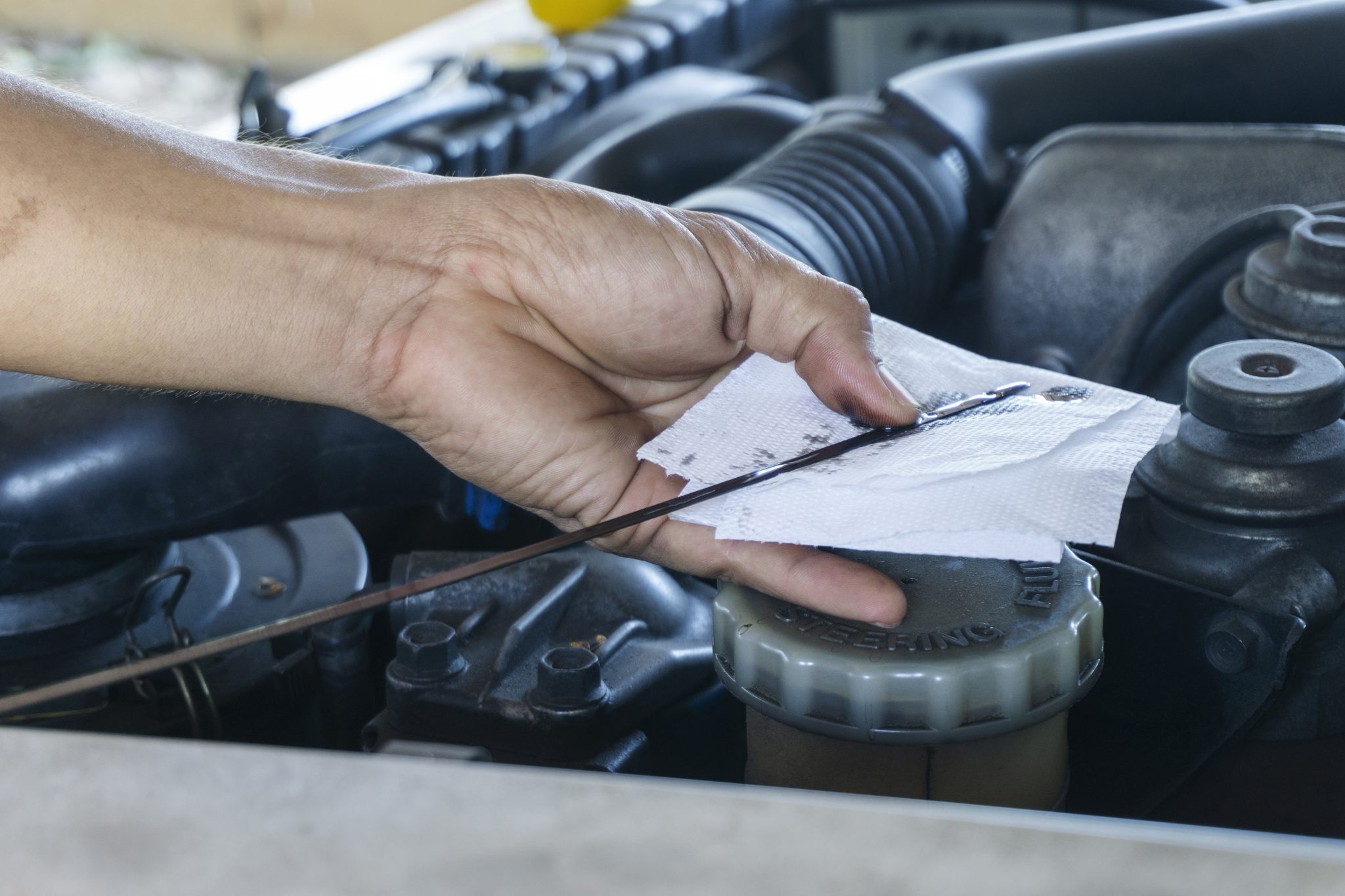
Consider what happens when you repeatedly delay engine oil changes. Old oil gradually collects dirt and combustion byproducts, which can reduce its ability to lubricate internal engine components effectively. Continued neglect may contribute to serious engine damage.
Using the wrong fluids can create similar problems. Your vehicle requires specific oil grades, coolant types, transmission fluids, and brake fluids. Substituting an unsuitable product can interfere with how a system operates and may cause component failure.
For example, using an incorrect transmission fluid can affect shifting performance and internal lubrication. If the transmission develops damage directly related to that mistake, the manufacturer may refuse to cover the repair.
Maintenance records matter, too. Keep invoices, service receipts, and records showing the dates and mileage of completed maintenance. These documents can help establish that you followed the required service schedule.
If you perform maintenance yourself, retain receipts for the correct parts and fluids and document the work carefully.
Remember that a manufacturer generally cannot reject a legitimate warranty claim simply because you used an independent repair shop or performed permitted maintenance yourself. However, damage caused by improper servicing or neglected maintenance may be excluded.

7. Accidents, Collisions, and Vandalism
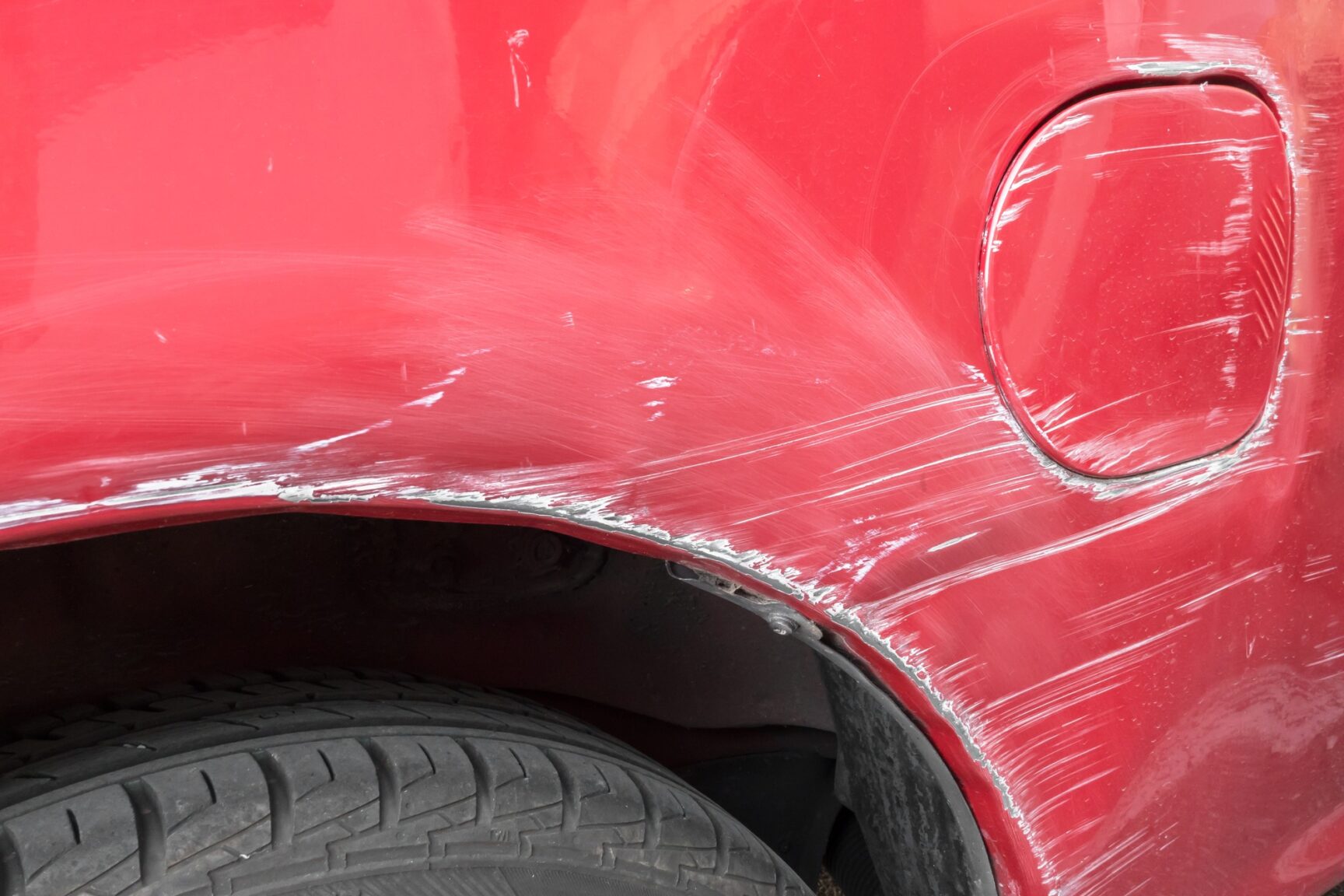
A warranty fixes defects, not damage from the outside world. Dents, smashed glass, frame damage, and total loss from a crash, theft, or deliberate vandalism are all excluded. Those situations belong to your auto insurance policy.
That distinction trips up many drivers. A sudden mechanical failure might be covered, but a cracked windshield from a rock or a keyed door from a stranger will not be. Make sure your insurance matches the risks you actually face.
Review your policy at least once a year. Confirm that you have collision and comprehensive coverage if your car is worth protecting, and check your deductible so you know what you would pay out of pocket. Ask about glass coverage, since windshield repairs are common.
Smart parking helps too. Choose well-lit spots and lock the doors every time. Pairing a solid warranty with the right insurance gives you protection on both sides, and that peace of mind is worth every minute you spend reading the details.