Trading in a vehicle can make buying your next car easier, but a rushed decision can leave hundreds or even thousands of dollars on the table. Dealerships evaluate vehicles based on condition, mileage, demand, auction values, and expected reconditioning costs.
Many owners unknowingly weaken their negotiating position by accepting the first offer, overlooking vehicle preparation, or discussing their trade-in before negotiating the purchase price.
Understanding how dealerships calculate trade-in values can help you make better decisions. From outstanding loan balances to missing maintenance records, these seven common mistakes can reduce your vehicle’s value and cost you money.
1. Accepting the First Trade-In Offer Without Researching Your Car’s Value
Walking into a dealership without knowing your vehicle’s market value puts you at a disadvantage. The salesperson may present an offer that sounds reasonable, but you have no reliable way to judge it without researching comparable vehicles beforehand.
Trade-in prices depend on several factors, including age, mileage, mechanical condition, accident history, equipment, local demand, and current used-vehicle market conditions.
Before visiting a dealership, check valuation estimates from Kelley Blue Book, Edmunds, and the National Automobile Dealers Association’s J.D. Power valuation resources.
Enter accurate details about your vehicle, including its trim level, mileage, installed options, and condition. These details matter because two otherwise similar vehicles can receive noticeably different valuations.
Kelley Blue Book explains that its trade-in estimates consider vehicle age, mileage, equipment, condition, and ZIP code. Its trade-in value also differs from private-party value because dealerships must account for reconditioning, inspections, advertising, and other resale expenses.
Do not treat an online estimate as a guaranteed dealership offer. It is a negotiating reference, not a promise of payment. Instead, use it to establish a realistic price range and request written appraisals from multiple dealerships.
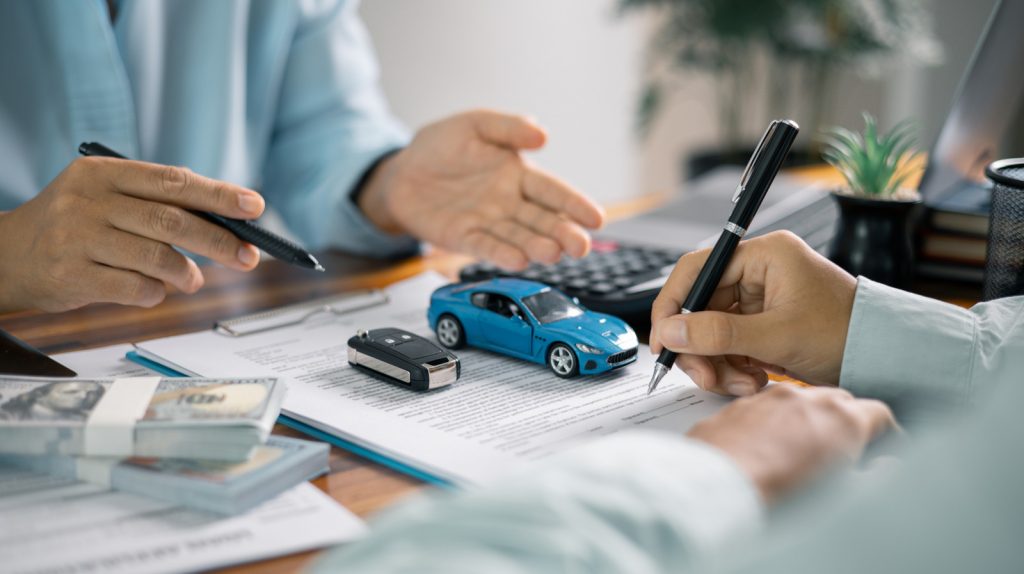
For example, if one dealership offers $11,500 while another offers $13,000 for the same vehicle, ask what explains the difference. Check whether either offer includes conditions, deductions, or expiration dates.
The biggest mistake is assuming that the first number presented is the best available deal. Researching your vehicle before negotiations gives you evidence to challenge an unusually low offer and helps prevent you from surrendering valuable equity simply because you are unfamiliar with the market.
2. Negotiating the Trade-In and New Vehicle Price Together
One common dealership mistake happens when buyers discuss their trade-in value and the price of their next vehicle as a single monthly payment or combined deal.
This makes it harder to understand how much the dealership is actually offering for the old vehicle and whether the purchase price has been adjusted to compensate for a generous-looking trade-in allowance.
Consider a situation in which a dealership offers $15,000 for your trade-in but also increases the selling price of the replacement vehicle by $2,000. The trade-in figure might look attractive, yet the combined transaction is less favorable than it initially appears. Without separating the negotiations, identifying this difference becomes more difficult.
The Federal Trade Commission specifically recommends negotiating the price of the vehicle you intend to purchase before discussing the trade-in. Its consumer guidance explains that dealers could adjust the new vehicle’s selling price to make up for a seemingly generous trade-in offer.
A better approach is to obtain the purchase price in writing first. Once that figure is settled, negotiate the trade-in separately using your research and independent appraisal offers. Ask the dealership to show the selling price, trade-in allowance, taxes, fees, and final amount due as separate figures.

Remember that some US states offer sales-tax treatment that makes trading in a vehicle financially advantageous. The exact rules differ by state, so compare the net transaction rather than looking only at the trade-in offer.
Do not let a salesperson redirect every discussion toward an affordable monthly payment. A longer loan term can make payments appear smaller while increasing the total financing cost. Focus on the actual purchase price, trade-in credit, interest rate, and amount financed before signing.
3. Spending Too Much on Repairs Before Trading In
Discovering a mechanical problem shortly before trading in your vehicle can create a difficult decision. You might assume that repairing everything will increase the dealership’s offer, but that is not always financially sensible. Some repairs improve a vehicle’s resale appeal, while others cost more than the additional trade-in value they generate.
Start by distinguishing inexpensive cosmetic or maintenance issues from major mechanical problems. Replacing a burnt-out headlight, installing functioning wiper blades, or fixing a minor interior issue may be worthwhile.
However, spending several thousand dollars on an aging transmission or major engine repair solely to prepare for a trade-in may not make financial sense.
Dealerships have access to repair facilities, wholesale parts suppliers, and established reconditioning processes. They may be able to address certain mechanical problems for less than an individual owner would pay at retail prices.
Kelley Blue Book also explains that trade-in values account for reconditioning, inspections, and other dealership expenses. This means you should not automatically expect to recover every dollar spent on repairs.
AAA’s March 2026 guidance on preparing vehicles for trade-in recommends addressing minor issues while leaving major repairs for the dealer to evaluate. This is a useful distinction when deciding where to spend your money.
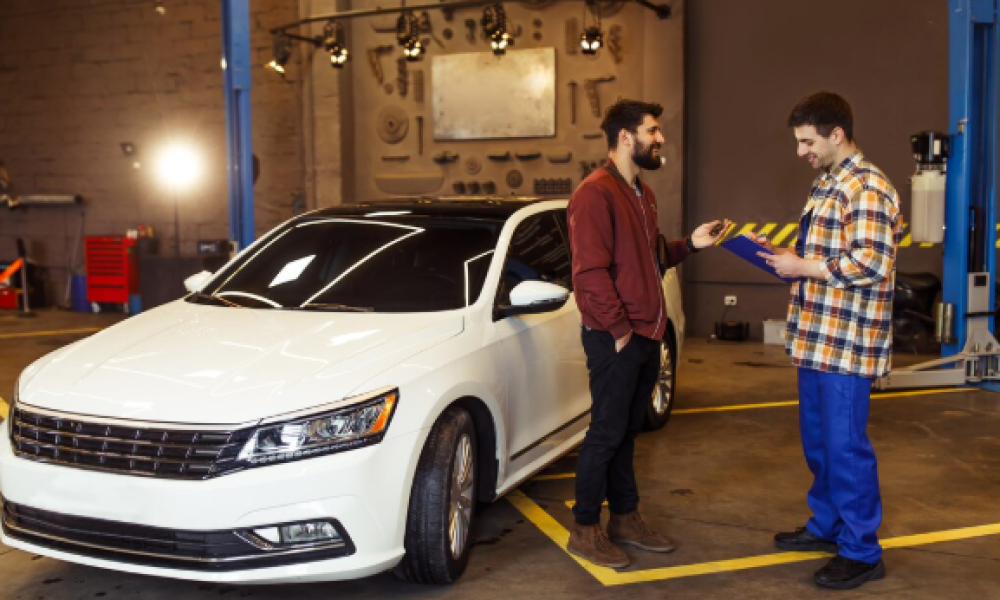
Before authorizing expensive work, obtain a repair estimate and ask dealerships how much the existing problem affects their offers. Compare the expected improvement in trade-in value against the complete repair expense. If a $2,000 repair only increases an offer by $800, paying for it before trading may leave you financially worse off.
Honesty matters, too. Do not conceal known mechanical problems or warning lights. Get the vehicle evaluated in its current condition and compare the available options before spending money unnecessarily.
4. Trading In a Dirty or Poorly Presented Vehicle
A dealership evaluates more than the odometer reading and mechanical condition when inspecting a trade-in. The vehicle’s interior, exterior, odors, visible damage, and general presentation can influence how an appraiser views its condition.
Arriving with a car full of trash, dirty upholstery, accumulated dust, or unpleasant smells creates an unnecessarily poor first impression.
You do not need an expensive professional detailing package to prepare your vehicle. Start with a thorough wash, clean the wheels, remove personal belongings, vacuum the carpets, and wipe down the dashboard and interior surfaces.
Pay particular attention to the seats, door panels, cup holders, and trunk because these areas often collect dirt during everyday ownership.
Also remove personal accessories that you intend to keep, including phone mounts, removable organizers, toll transponders, and aftermarket equipment. However, retain original equipment that belongs with the vehicle, such as factory floor mats, charging cables, and removable accessories supplied at purchase.
AAA’s March 2026 trade-in preparation guidance recommends cleaning both the interior and exterior, addressing minor presentation issues, and checking tire pressure before visiting a dealership. These relatively inexpensive steps can make the vehicle easier to inspect and demonstrate that it has received reasonable care.
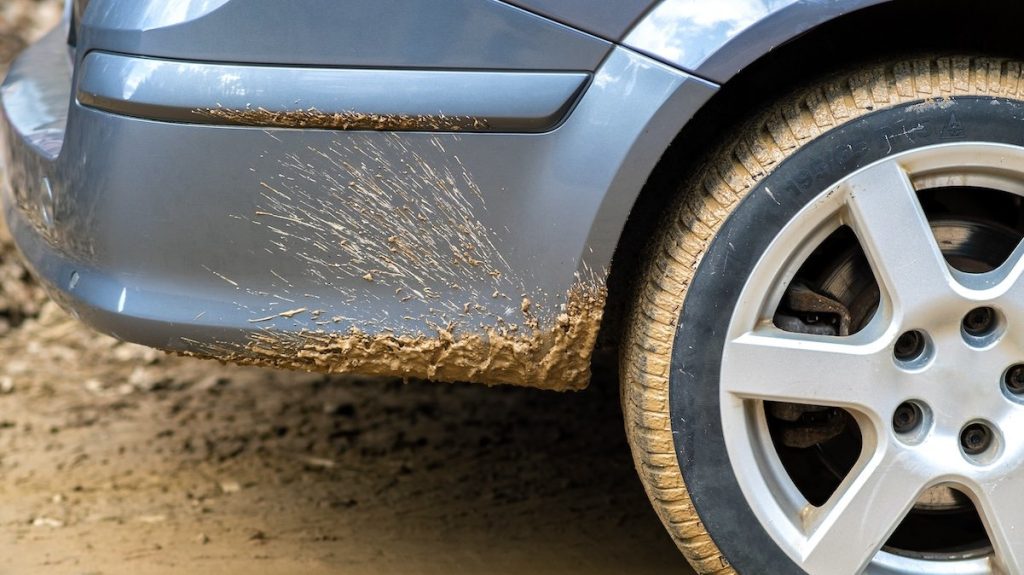
Do not assume that a detailed vehicle automatically qualifies for a higher appraisal. Cleaning cannot erase accident history, excessive mileage, worn mechanical components, or serious cosmetic damage. Kelley Blue Book’s valuation methodology considers actual vehicle condition alongside mileage, equipment, age, and regional market conditions.
Avoid spending hundreds of dollars on detailing in the expectation of receiving the same amount back. A basic, careful cleaning is generally the more sensible approach. The objective is to present your vehicle honestly and make it easier for the dealership to assess, rather than attempting to disguise existing problems.
5. Forgetting to Bring Maintenance Records and Original Accessories
A vehicle’s condition matters during a trade-in appraisal, but documentation can also influence how confidently a dealership evaluates it. Arriving without maintenance receipts, ownership documents, spare keys, or original accessories can make the transaction more complicated and leave you with fewer opportunities to support your asking price.
Service records are particularly useful because they provide evidence of how the vehicle has been maintained. If you have regularly replaced engine oil, serviced the brakes, rotated the tires, or followed scheduled maintenance, receipts can help demonstrate that these jobs were completed.
Without documentation, the dealership may have to rely more heavily on its inspection and available vehicle-history information.
Kelley Blue Book includes service records among the characteristics associated with excellent vehicle condition. Its condition descriptions also consider mechanical performance, cosmetic appearance, tires, and title history.
This does not mean a complete service history guarantees a higher offer, but it gives an appraiser additional information when assessing the vehicle.
AAA’s March 2026 trade-in preparation guidance recommends bringing relevant paperwork, including service records, ownership documents, spare keys, the owner’s manual, and original accessories. These items can make the appraisal and transfer process smoother.
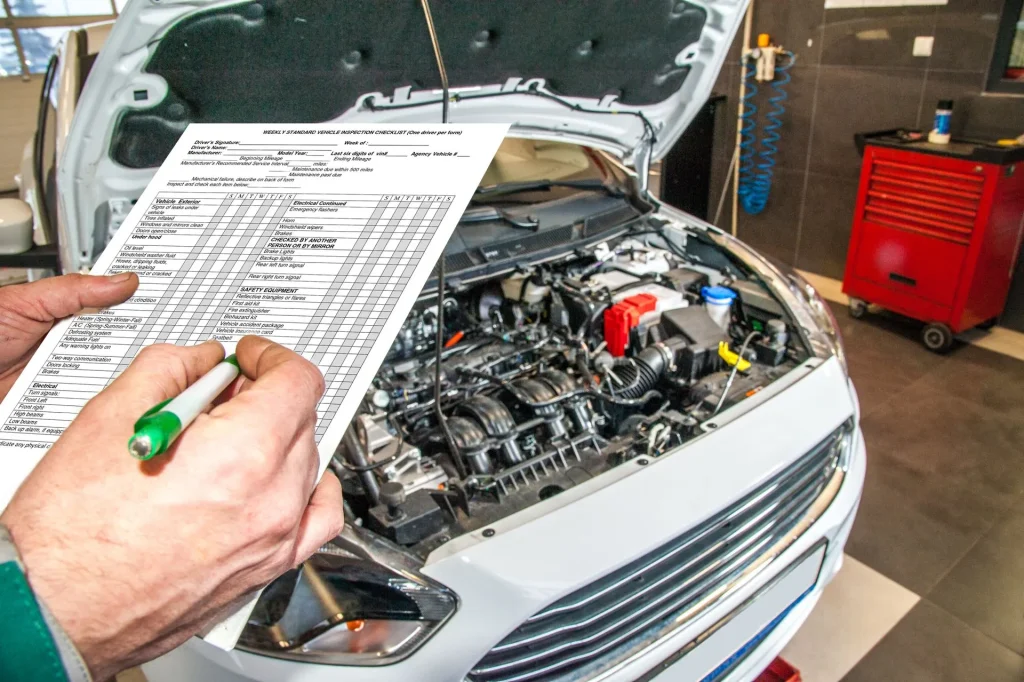
Before leaving home, gather the title if you have it, registration information, loan details if applicable, maintenance receipts, and all available keys. If the vehicle is still financed, ask your lender about the documents and payoff information the dealership will need. State title-transfer requirements differ, so check your local motor vehicle agency’s instructions.
Do not spend substantial money purchasing replacement accessories just to complete a trade-in package. Instead, locate the original items you already have, such as factory floor mats, cargo covers, and removable equipment.
Good documentation cannot erase mechanical problems, but it can help establish a more complete picture of your vehicle’s ownership history.
6. Ignoring Negative Equity on Your Existing Car Loan
One of the most expensive trade-in mistakes is failing to calculate how much you still owe on your vehicle before visiting a dealership. If your outstanding loan payoff is higher than the vehicle’s trade-in value, you have negative equity.
This situation can make replacing your vehicle considerably more expensive, even when a dealership advertises that it will pay off your existing loan.
Consider a simple example provided by the Federal Trade Commission. If your vehicle is worth $15,000 but your loan payoff is $18,000, you have $3,000 in negative equity. That difference does not disappear when you hand over the keys.
A dealership may add it to your next auto loan, use part of your down payment to cover it, or require you to pay the difference separately.
The Consumer Financial Protection Bureau warns that rolling an existing loan balance into new financing increases the amount borrowed and the interest paid over the life of the loan. You could also begin ownership of your replacement vehicle owing more than it is worth.
Before negotiating, contact your current lender and request an official payoff amount. Do not rely exclusively on the remaining principal displayed on your monthly statement because accrued interest and other charges can affect the actual payoff figure. Compare that amount with realistic trade-in offers from multiple dealerships.
If the negative equity is substantial, delaying the purchase until you have paid down more of the loan may be financially sensible. Selling privately could also produce a higher price, although you must arrange the existing loan payoff and title transfer correctly.
If you proceed with a trade-in, inspect the new financing contract carefully. Make sure the old loan’s payoff and any negative equity are clearly accounted for. Never assume a dealer’s promise to pay off your vehicle means the remaining debt has been erased.
7. Overlooking the Sales Tax Benefits of a Trade-In
A trade-in can offer a financial advantage beyond the amount the dealership pays for your old vehicle. In certain US states, trading in a vehicle when purchasing another one reduces the taxable purchase price of the replacement vehicle.
If you overlook this benefit, you might incorrectly conclude that accepting a private-party offer is always the better financial decision.
The rules vary considerably by state. For example, Minnesota allows a qualifying vehicle trade-in allowance to be deducted from the purchase price before calculating motor vehicle sales tax. New York also permits a qualifying trade-in credit when the dealer intends to resell the vehicle and applies the allowance directly toward the replacement purchase.
Consider a simplified example. Suppose you purchase a vehicle for $30,000 and receive a $10,000 qualifying trade-in allowance.
In a state with a 6% sales tax rate and a full trade-in deduction, the taxable purchase amount becomes $20,000. You would pay $1,200 in sales tax instead of $1,800, saving $600. This is an illustration, not a universal US tax calculation.
Some states impose restrictions, limits, or eligibility conditions, while others do not provide the same trade-in deduction. Local taxes, vehicle registration requirements, and the type of transaction can also affect the final amount.
Before choosing between a dealership trade-in and a private sale, check your state’s department of revenue guidance. Ask the dealership to show how the trade-in allowance affects the taxable purchase price and request an itemized transaction breakdown.
A private buyer might offer more money for your existing vehicle, but that does not automatically make the private sale financially superior. Compare the actual cash received, tax treatment, transaction expenses, and convenience before deciding. Understanding your state’s trade-in tax rules can help you avoid overlooking a legitimate financial benefit.