
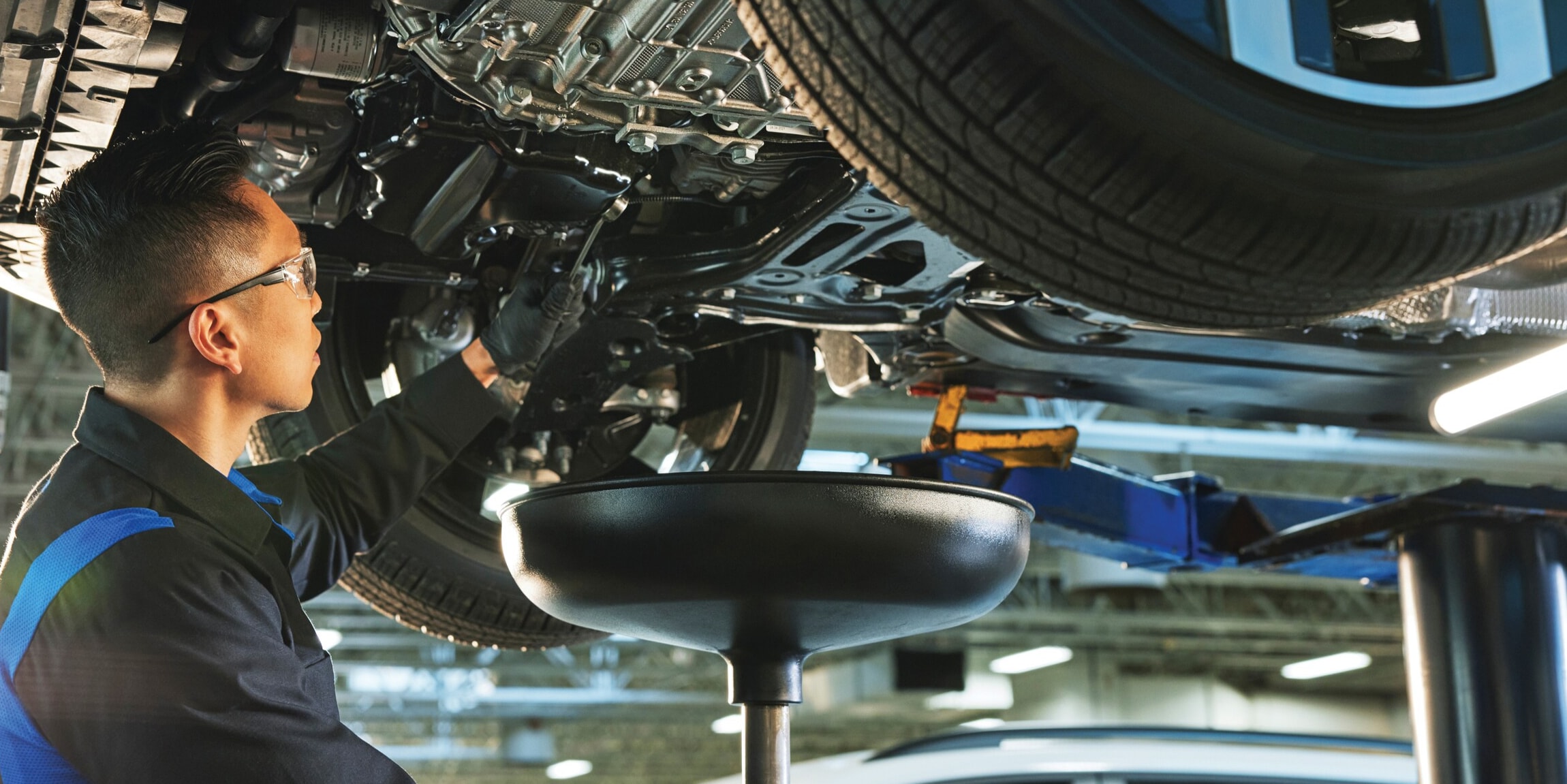
Dealership service departments often recommend additional maintenance when you bring your vehicle in for an oil change or scheduled inspection. Some recommendations protect important components, but others may be unnecessary expenses that do little for your vehicle.
The challenge is knowing which services deserve your money and which are optional extras. From unnecessary engine treatments to premature fluid replacements, understanding your manufacturer’s maintenance schedule can help you avoid paying for work your car does not need.
Skipping a genuinely necessary service can be costly, so the goal is not to neglect maintenance but to separate essential care from avoidable dealership upselling.
1. Preventive Fuel Injector Cleaning
Fuel injector cleaning is one of the services worth questioning when a dealership recommends it during an ordinary maintenance visit. Modern gasoline engines use precisely controlled fuel injection systems, and many are designed to operate for extended periods without requiring routine professional injector-cleaning treatments.
Paying for this service simply because it appears on a dealership’s maintenance menu does not necessarily provide additional benefits.
General Motors provides a particularly useful example. In its August 2023 service bulletin, updated to cover 2024 and earlier passenger cars and trucks, GM stated that it does not endorse or recognize fuel injector cleaning as a preventive maintenance procedure.
The company approves injector cleaning only when directed by a published diagnostic procedure addressing a specific drivability concern or diagnostic trouble code.
This does not mean fuel injectors never need cleaning. Deposits, contaminated fuel, or mechanical problems can affect their operation. Symptoms such as rough idling, poor acceleration, misfires, and reduced engine performance may justify proper diagnosis.
However, these symptoms can also have other causes, including ignition problems, air leaks, and sensor faults. A cleaning service should not be treated as an automatic solution.
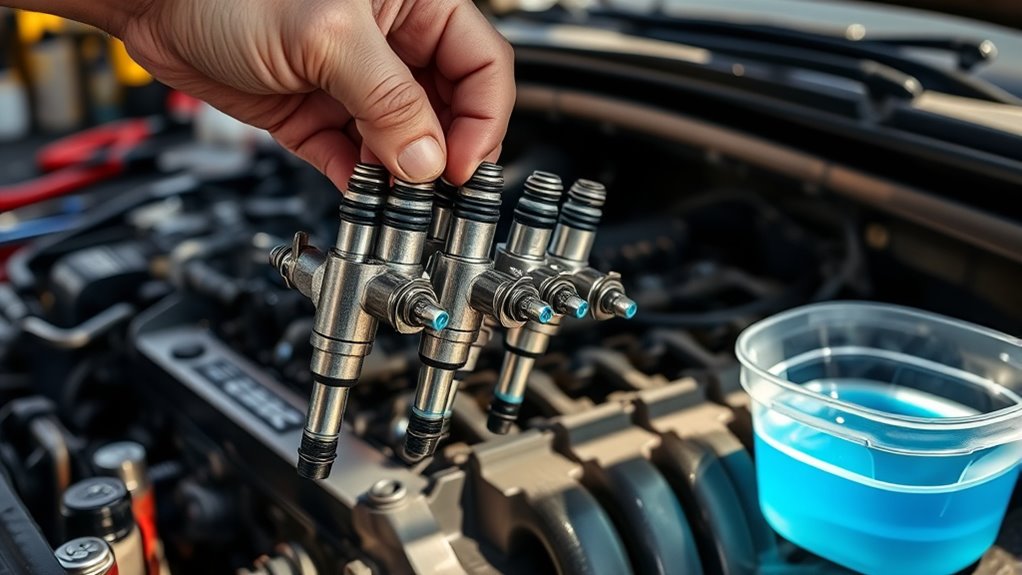
Before approving the charge, ask the service adviser what evidence indicates that your injectors need attention. Request diagnostic results and an explanation of the proposed procedure. Also check your owner’s manual because certain manufacturers have specific fuel-additive recommendations.
For example, GM recommends using TOP TIER gasoline detergent to help prevent deposit buildup. That is different from paying for an expensive dealership cleaning treatment at every service appointment.
If your engine runs normally and the manufacturer does not specify preventive cleaning, you may be able to skip the additional expense.
2. Engine Oil Additives and Unnecessary Engine Treatments
When you visit a dealership for an oil change, you might be offered additional products advertised as engine protectants, friction reducers, oil conditioners, or internal cleaning treatments.
These products often promise smoother operation, reduced engine wear, or improved longevity. However, adding an aftermarket treatment to an engine that already uses the correct manufacturer-approved oil is not automatically beneficial.
Modern engine oils contain carefully formulated additive packages designed to provide lubrication, control deposits, reduce oxidation, and protect internal components.
Automakers specify oil viscosity and performance standards to ensure compatibility with their engines. Introducing another chemical product can change the properties of the finished lubricant, potentially creating problems rather than improving protection.
Hyundai provides a particularly clear warning in its published US owner-maintenance documentation. Its maintenance instructions state that engine oil additives should never be used because they can change oil properties and potentially cause serious engine failure.
This is an important reminder that aftermarket treatments are not universally compatible with modern engines.
That does not mean every cleaning procedure is unnecessary. If an engine has documented sludge buildup, contamination, or another specific mechanical problem, a technician may recommend an appropriate repair procedure.
The important distinction is between treating an identified problem and purchasing a preventive chemical treatment without evidence that it is needed.
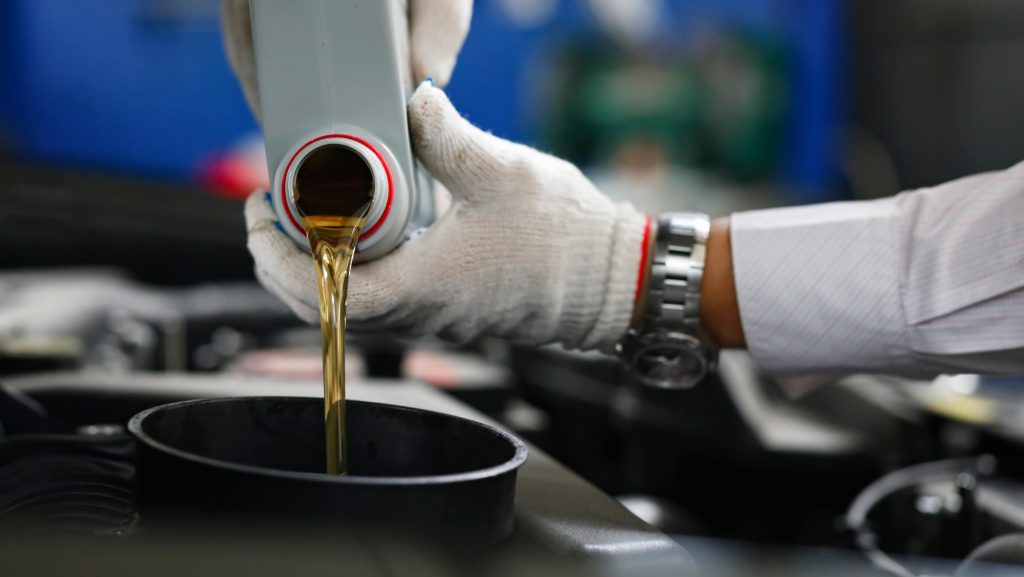
Before accepting an engine treatment, check your owner’s manual for the required oil specification, including its viscosity and performance classification.
Ask the dealership whether the proposed product is specifically approved by the manufacturer. If the recommendation is simply an optional upgrade with no documented mechanical need, you can generally decline it.
Spending money on the correct engine oil and timely oil changes is a much more important priority than purchasing additional treatments that your manufacturer does not recommend.
3. Nitrogen Tire Inflation
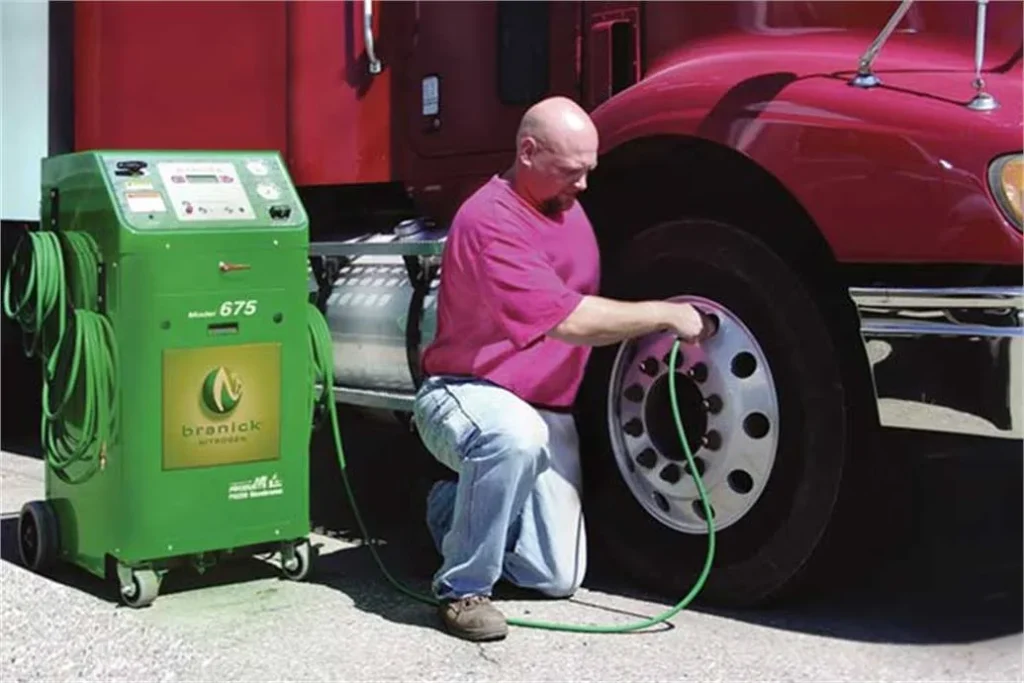
Some dealerships offer nitrogen tire inflation as a premium service, claiming it helps maintain pressure longer, improves fuel economy, and extends tire life. Nitrogen does have certain technical advantages, but most everyday drivers do not need to pay extra for it.
Regular compressed air is already suitable for normal passenger-vehicle tire inflation when maintained at the manufacturer’s recommended pressure.
Ordinary atmospheric air contains approximately 78% nitrogen, along with oxygen and other gases. Specialized nitrogen inflation systems increase the nitrogen concentration and reduce moisture. This can slightly slow natural pressure loss under certain conditions, but it does not eliminate the need for regular tire-pressure checks.
The U.S. Tire Manufacturers Association addresses this issue directly in its tire care and safety guidance. It states that nitrogen inflation is not necessary for normal tire service applications.
The organization also explains that nitrogen may offer minor reductions in pressure loss, but punctures, leaking valves, damaged wheels, and other problems can eliminate those potential benefits.
This distinction is important because some dealership presentations make nitrogen sound like a requirement for protecting expensive tires. It is not. Maintaining correct inflation pressure is considerably more important than whether the tire contains ordinary compressed air or nitrogen.
The National Highway Traffic Safety Administration recommends checking tire pressure monthly and before long journeys. Drivers should follow the PSI listed on the vehicle’s tire information placard, usually located on the driver’s-side doorjamb, rather than the maximum pressure printed on the tire itself.
If your dealership charges an additional fee for nitrogen, you can generally decline it without sacrificing essential tire maintenance. If your tires already contain nitrogen, ordinary compressed air can also be added when necessary. Keeping the correct pressure matters far more than purchasing a premium inflation service.
4. Oil Changes More Frequently Than Your Owner’s Manual Requires
Frequent oil changes are often presented as an easy way to protect an engine, but changing oil earlier than necessary can increase maintenance expenses without providing a meaningful advantage.
Some dealerships recommend shorter intervals than the automaker specifies, particularly when customers purchase service packages or visit for routine maintenance.
Modern engines and motor oils have advanced considerably. Many vehicles use oil-life monitoring systems that calculate service requirements based on operating conditions, engine temperature, mileage, and driving patterns. Other manufacturers provide specific mileage and time intervals for normal and severe driving conditions.
For example, Hyundai’s published US maintenance schedule for certain 2026 models specifies oil and filter replacement at intervals of 8,000 miles or 12 months, whichever comes first. This is a model-specific example, not a universal recommendation. Other vehicles may require service at different intervals, depending on engine design and oil specifications.
Consumer Reports advises motorists to question maintenance schedules that recommend more frequent oil changes than the manufacturer’s instructions require.
The Federal Trade Commission makes a similar recommendation, explaining that repair facilities sometimes establish schedules calling for more frequent servicing than the vehicle manufacturer recommends.
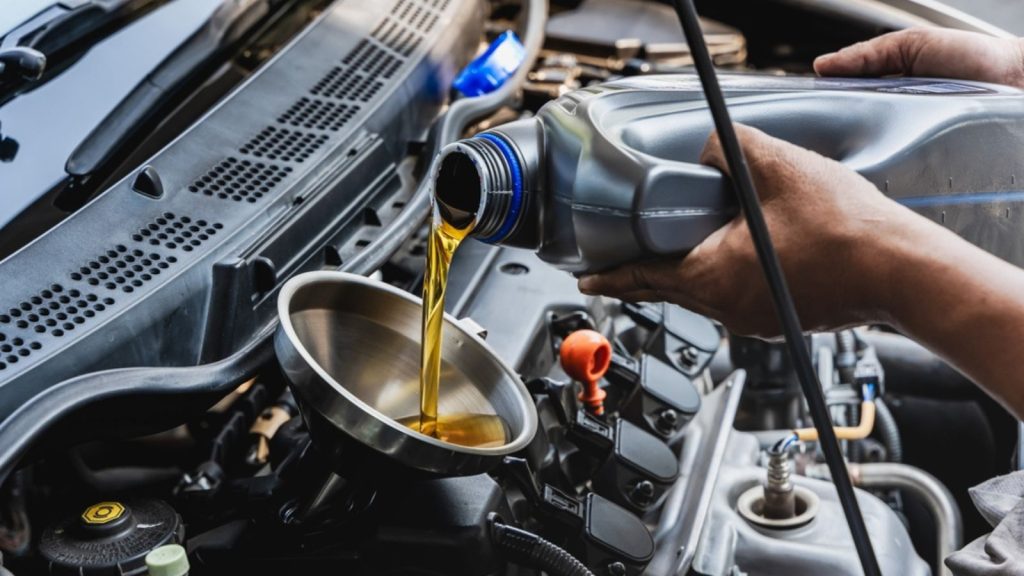
There are exceptions. Frequent short trips, extended idling, dusty environments, towing, and extreme temperatures can qualify as severe operating conditions under certain manufacturers’ guidelines. In those circumstances, a shorter interval may genuinely be necessary.
Before agreeing to another oil change, check your maintenance records, owner’s manual, and oil-life monitor if equipped. Ask the dealership to explain why its recommended interval differs from the manufacturer’s schedule.
Fresh oil is essential, but replacing it prematurely simply because a service adviser suggests it can make vehicle ownership more expensive without delivering additional protection.
5. Automatic Transmission Flushes Before They Are Due
Transmission maintenance is important, but that does not mean every vehicle needs an expensive transmission flush whenever a dealership recommends one.
Some service departments promote transmission cleaning or fluid replacement at mileage intervals that are not specified by the manufacturer. Before approving the expense, check whether your particular transmission actually requires the service.
Automatic transmissions use specialized fluids to lubricate internal components, manage operating temperatures, and support hydraulic functions.
Over time, fluid condition can deteriorate, but replacement requirements vary according to transmission design, vehicle usage, and manufacturer recommendations. Some vehicles have scheduled fluid changes, while others specify inspection procedures or different service requirements.
Kia provides an interesting example in its published US maintenance documentation. Its 2027 maintenance schedule for certain vehicles equipped with the Smartstream 2.5-liter gasoline engine lists automatic transmission fluid as requiring no scheduled service under normal operating conditions.
That does not apply to every Kia or every transmission, but it demonstrates why a universal transmission-flush recommendation can be misleading.
There is also a difference between a fluid drain-and-fill and a transmission flush. These procedures are not interchangeable, and the appropriate method depends on the manufacturer’s service instructions.
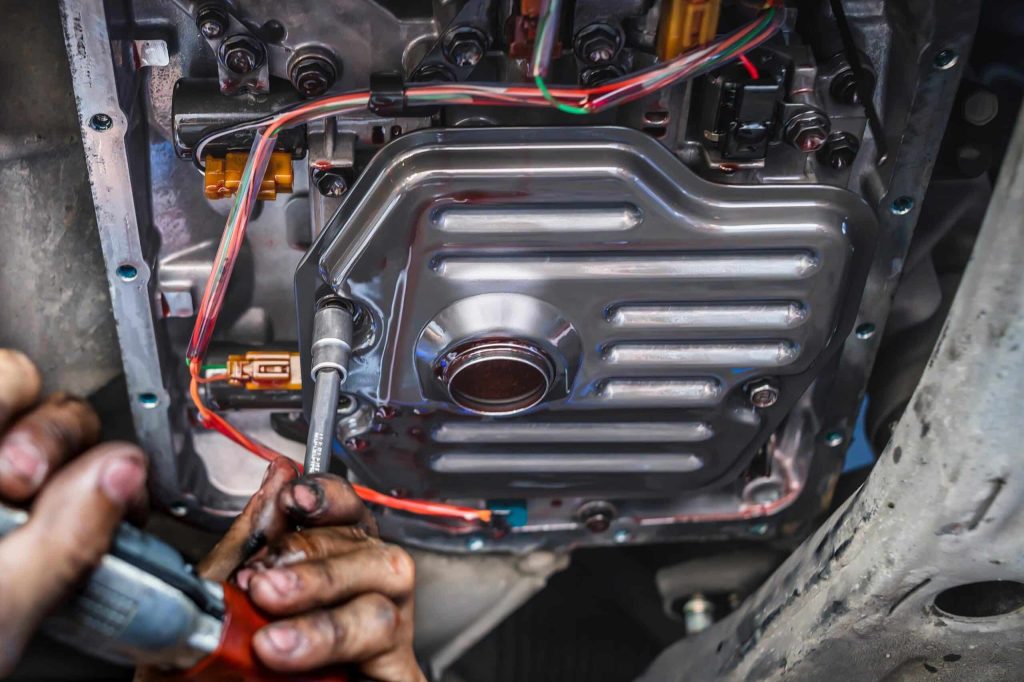
If your vehicle has shifting problems, slipping gears, unusual noises, or fluid leaks, simply purchasing a flush is not a substitute for proper diagnosis.
Ask the dealership to identify the exact maintenance requirement in your owner’s manual. If the service is not due and there is no diagnosed transmission problem, you may be able to decline it.
However, never interpret this advice as permission to ignore scheduled transmission maintenance. If your manufacturer specifies a fluid replacement interval, follow it. The sensible approach is to pay for the correct procedure at the appropriate time rather than approving an expensive service based on a generic dealership recommendation.
6. Premature Coolant Flushes
Coolant protects your engine against excessive temperatures and freezing conditions while helping prevent corrosion inside the cooling system. It is an essential fluid, but replacing it too frequently can create unnecessary maintenance expenses.
If a dealership recommends a coolant flush during a routine visit, check the manufacturer’s specified replacement interval before agreeing to the work.
Different vehicles use different coolant formulations and cooling-system designs. Consequently, there is no single replacement interval that applies to every car.
Some manufacturers specify coolant replacement after several years or a substantial number of miles, while others provide different schedules depending on the engine and operating conditions.
For example, Hyundai’s published 2027 maintenance schedule for certain hybrid models specifies an initial engine and inverter coolant replacement at 120,000 miles or 120 months, followed by subsequent replacements every 24,000 miles or 24 months.
These figures apply to the specified models and should not be used as a maintenance schedule for unrelated vehicles.
Consumer Reports also advises motorists to avoid unnecessary fluid services and follow the manufacturer’s recommended maintenance intervals. Its maintenance guidance identifies coolant replacement as a legitimate service, but emphasizes that performing it earlier than necessary can mean paying for maintenance without a clear benefit.
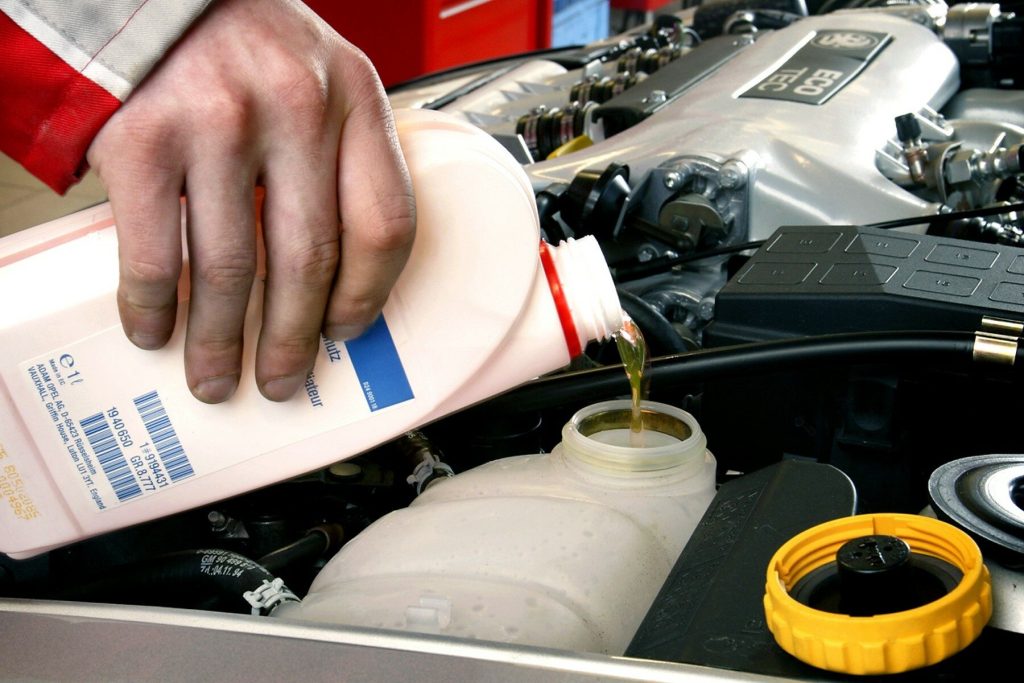
There are situations when an earlier coolant service is justified. Contaminated fluid, incorrect coolant mixtures, cooling-system repairs, leaks, and certain operating conditions can require attention before the normal interval.
A technician should explain the reason rather than simply recommending a flush as part of a standard package.
Ask which coolant specification your vehicle requires, when it was last replaced, and whether testing has identified a problem.
If the fluid is functioning correctly and the manufacturer does not call for replacement yet, you can generally postpone the service. Just remember that overheating, coolant leaks, or warning lights require prompt investigation.
