
Car repair bills can put serious pressure on a household budget, especially when several maintenance needs appear at once. From expensive replacement parts to rising labor charges, keeping a vehicle on the road is becoming an important expense for American drivers.
However, reducing repair costs does not necessarily mean choosing cheaper mechanics or postponing necessary work. A smarter approach involves preventing avoidable damage, understanding maintenance schedules, comparing repair estimates, and knowing when a replacement is actually necessary.
With a little preparation and informed decision-making, drivers can avoid unnecessary spending, extend the useful life of vehicle components, and make their repair budgets go further.
1. Follow the Manufacturer’s Maintenance Schedule Instead of Paying for Unnecessary Services
One of the easiest ways to control car maintenance expenses is to know exactly what your vehicle needs and when it needs it. Many drivers rely entirely on repair shop recommendations, sometimes approving additional services without checking whether they are actually due.
This can lead to unnecessary oil changes, premature fluid replacements, and maintenance packages that add little value.
Your owner’s manual should be the starting point. Manufacturers establish maintenance intervals according to the engine, transmission, vehicle design, and expected operating conditions.
These schedules may include oil and filter changes, tire rotations, brake inspections, spark plug replacements, and fluid services. Following the correct schedule helps prevent neglect without paying for procedures earlier than necessary.
The Federal Trade Commission specifically advises consumers to compare a repair shop’s maintenance recommendations with the manufacturer’s schedule. Some facilities recommend more frequent servicing, so ask for a technical explanation whenever a shop suggests additional work.
There may be a legitimate reason, particularly if you regularly tow heavy loads, drive on dusty roads, spend considerable time in stop-and-go traffic, or make frequent short journeys.
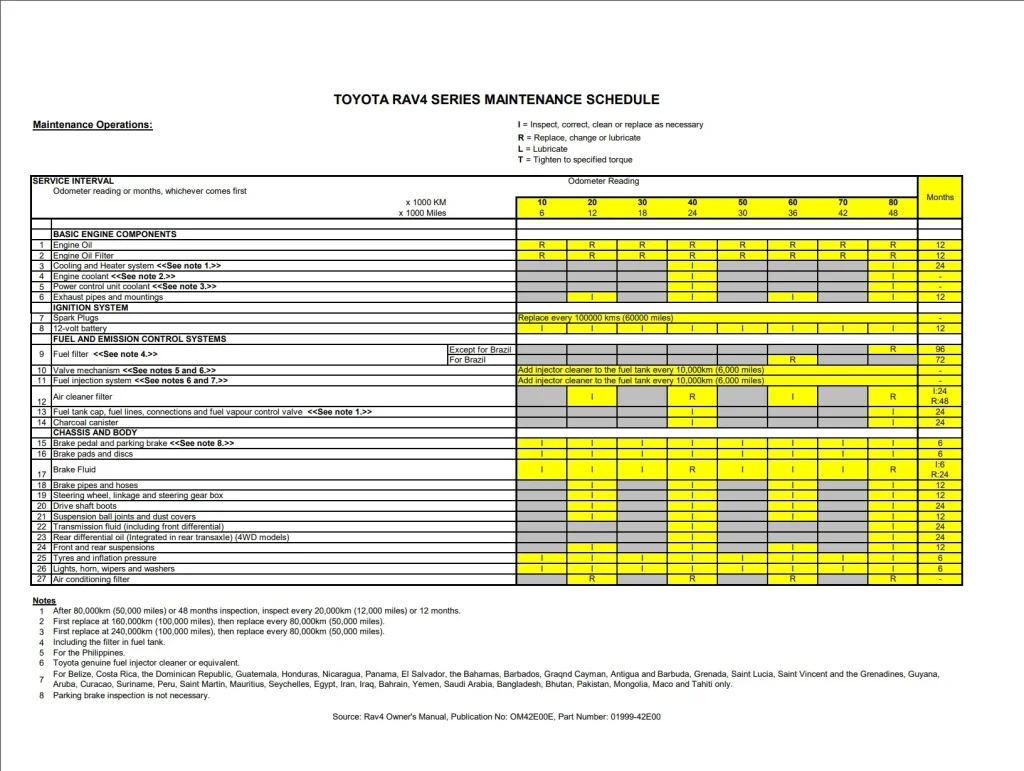
Keep a record of completed maintenance, including dates, mileage, receipts, and replaced components. This prevents duplicate services and makes it easier to identify upcoming expenses. Digital maintenance records or a simple spreadsheet can work equally well.
Remember that saving money does not mean stretching service intervals beyond what the manufacturer recommends. Neglecting essential maintenance can contribute to component failures and expensive breakdowns.
The objective is to pay for necessary maintenance at the appropriate time, rather than spending money on services that your vehicle does not yet require.
2. Address Small Problems Before They Develop Into Expensive Repairs
A strange noise, dashboard warning, minor fluid leak, or unusual vibration might seem harmless when your vehicle continues running normally. However, ignoring early warning signs can allow a relatively manageable problem to develop into a much more expensive repair.
One of the most effective ways to control ownership expenses is to arrange an inspection when something changes rather than waiting for a complete breakdown.
Consider a cooling-system leak. A deteriorating hose or loose connection may initially cause a small coolant loss. If the problem is ignored and the engine overheats, the consequences can become considerably more serious, potentially involving damage to the cylinder head or other engine components.
Similarly, unusual brake noises should not automatically be dismissed as ordinary wear. Worn friction material, damaged rotors, or other brake problems deserve professional inspection.
The Federal Trade Commission identifies warning signs such as unusual smells, noises, fluid leaks, poor handling, and dashboard warning lights as symptoms drivers should investigate. It also explains that apparently minor issues can sometimes indicate more serious mechanical faults.
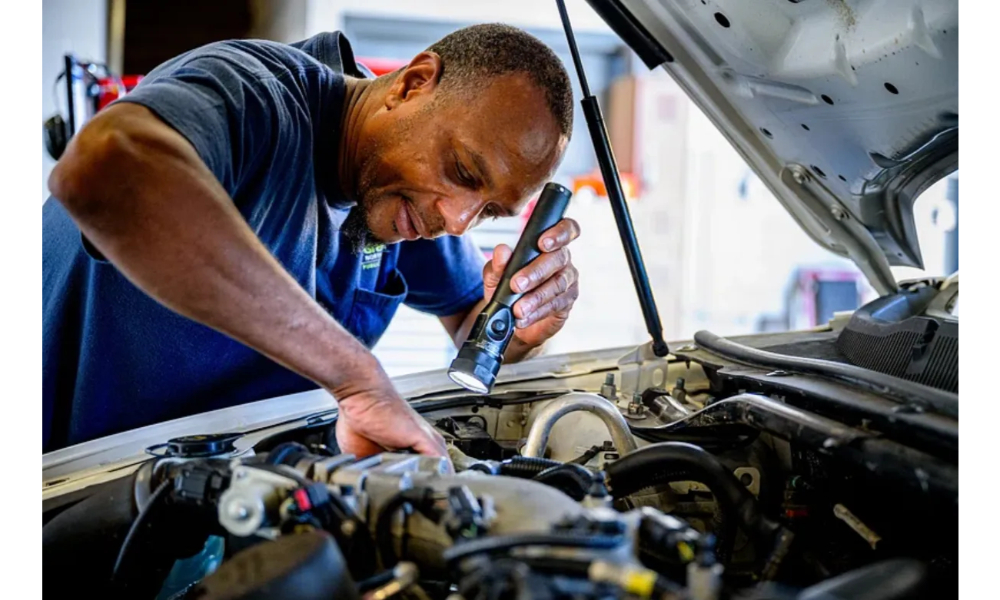
You can make early detection part of your routine. Check beneath your parked vehicle for new fluid spots, pay attention to changes in engine sounds, monitor temperature warnings, and investigate persistent warning lights.
Check tire condition and pressure regularly as well. These observations do not replace professional diagnostics, but they can help you describe a problem accurately when visiting a repair facility.
There is an important distinction between acting promptly and authorizing every suggested repair immediately. Ask the technician to identify the underlying fault and explain the consequences of delaying it.
If the vehicle shows signs of overheating, brake failure, or another potentially dangerous problem, stop driving when necessary and arrange appropriate assistance.
3. Compare Written Estimates From Multiple Repair Shops
Accepting the first repair quotation can cost you more than necessary, particularly when the job involves expensive components or several hours of labor. Prices for the same repair can differ between dealerships, independent garages, and specialist facilities.
Getting another estimate gives you a better understanding of the market price and helps identify charges that deserve further investigation.
The Federal Trade Commission recommends obtaining written estimates before authorizing repairs. A useful estimate should identify the problem, list the required parts, and show anticipated labor charges.
When comparing quotations, make sure each shop is addressing the same mechanical issue and including the same work. Otherwise, a lower price might simply reflect missing services or a different repair approach.
For example, replacing a catalytic converter can be an expensive job because the component itself can cost hundreds or even thousands of dollars, depending on the vehicle. AAA’s published parts pricing guide lists catalytic converter prices ranging from approximately $300 to $2,500 for parts alone.
That is a broad reference range, not a guaranteed installed price. Labor, vehicle configuration, emissions requirements, and the correct replacement component all influence the final bill.
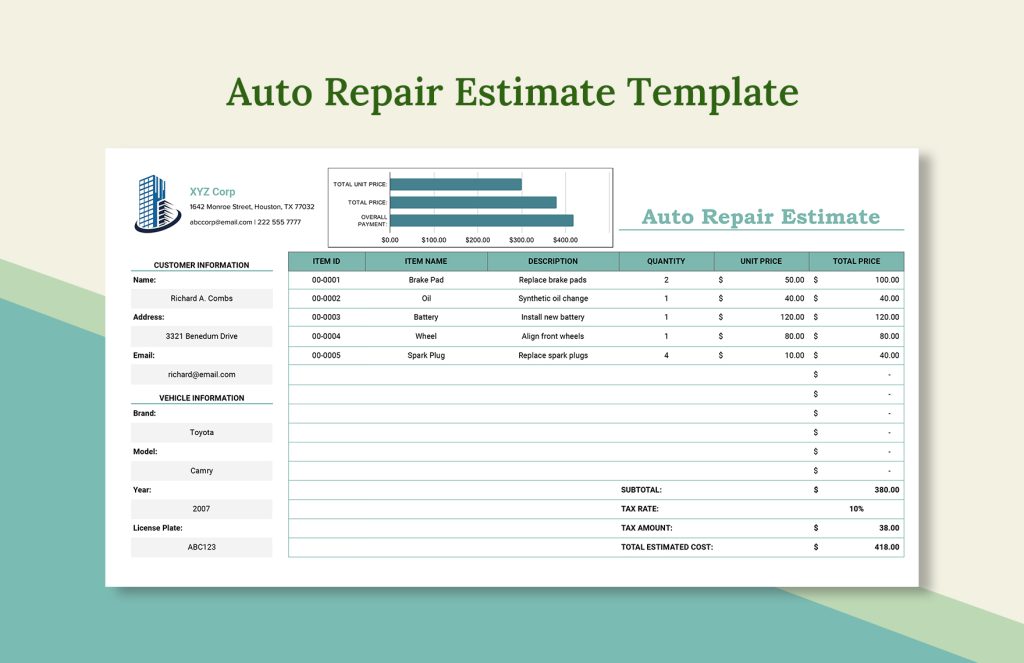
Do not automatically choose the lowest quotation. Check whether the shop is using new, remanufactured, or salvage components, and ask about parts and labor warranties. A facility with experienced technicians and appropriate diagnostic equipment may reasonably charge more for certain jobs.
For major repairs, obtaining two or three comparable estimates can be worthwhile. Ask whether diagnostic fees apply and whether the inspection charge will be deducted if you approve the work.
Taking time to compare the details can prevent rushed decisions and help you avoid paying a premium without receiving additional value.
4. Choose Quality Aftermarket Parts When They Make Financial Sense
Not every replacement component needs to carry the vehicle manufacturer’s branding. Original equipment manufacturer parts can be an appropriate choice, but reputable aftermarket alternatives may provide the required fit, performance, and durability at a lower purchase price.
Understanding the difference can help reduce repair expenses without compromising the quality of the work.
Aftermarket parts are manufactured by companies independent of the vehicle manufacturer. Their quality varies, so choosing a recognized supplier and checking the exact part specification are important.
Some independent manufacturers also supply components to automakers, meaning a different brand on the packaging does not automatically indicate inferior engineering.
AAA explains that replacement components are available at different price and quality levels. For common items such as filters, belts, hoses, wiper blades, and light bulbs, comparing established brands can offer worthwhile savings.
More specialized components may require greater care, particularly when electronic compatibility, emissions compliance, safety systems, or manufacturer-specific calibration is involved.
Before approving a replacement, ask the repair facility to provide the part number, manufacturer, warranty, and price. You can then compare the proposed component with equivalent products from reputable suppliers.
The Certified Automotive Parts Association, known as CAPA, also operates a certification program for certain aftermarket automotive parts, offering another way to evaluate qualifying products.
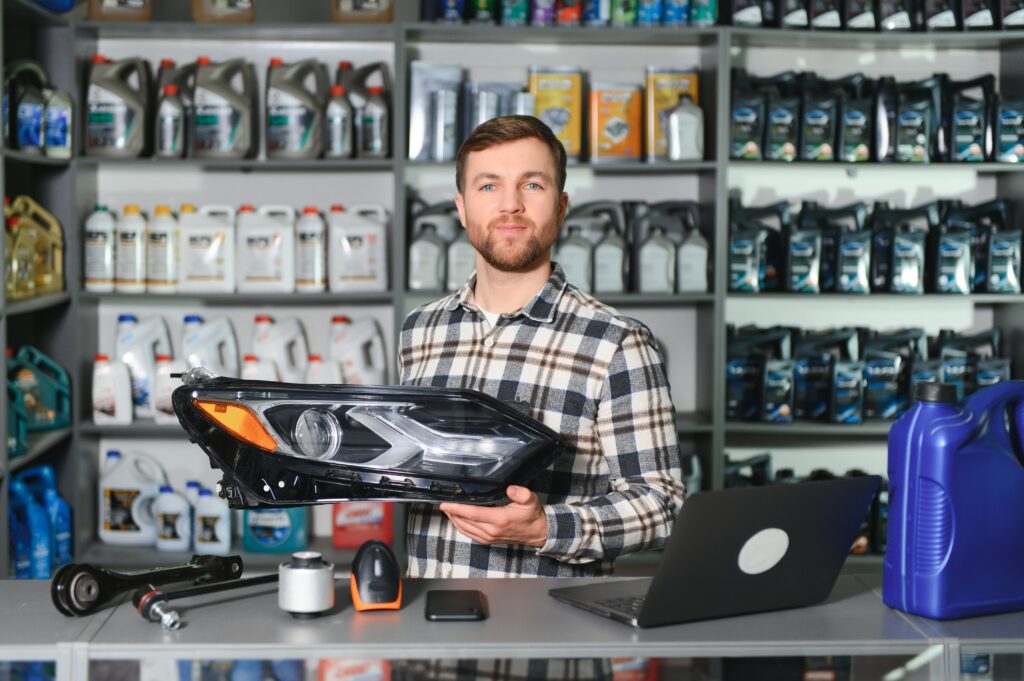
Buying your own components is not automatically cheaper. Some repair shops refuse customer-supplied parts, while others may charge different labor rates or decline to cover the supplied component under their warranty. The shop might also have better access to trade pricing and supplier support.
The smarter strategy is to compare complete repair costs rather than focusing exclusively on the sticker price. A dependable aftermarket component with suitable coverage can reduce your bill, but saving a few dollars on an unsuitable or poorly manufactured part can create another repair expense later.
5. Maintain Your Tires Properly to Avoid Premature Replacement
Tires are among the recurring expenses that vehicle owners cannot avoid, but replacing them earlier than necessary can put an unnecessary dent in your budget. Poor inflation, neglected rotations, improper alignment, and uneven tread wear can shorten tire life.
Fortunately, several simple maintenance habits can help you get more miles from the set already fitted to your vehicle.
Start by checking tire pressure at least once a month and before long road trips. Use a reliable pressure gauge when the tires are cold, ideally after the vehicle has been parked for at least three hours. Follow the recommended PSI listed on the driver’s doorjamb or in the owner’s manual, rather than the maximum pressure printed on the tire sidewall.
The National Highway Traffic Safety Administration reports that properly inflated tires can extend average tire life by approximately 4,700 miles.
That is a meaningful difference when replacement tires can cost hundreds of dollars, particularly for SUVs and pickup trucks. NHTSA also warns that underinflated tires can negatively affect handling, fuel economy, and durability.
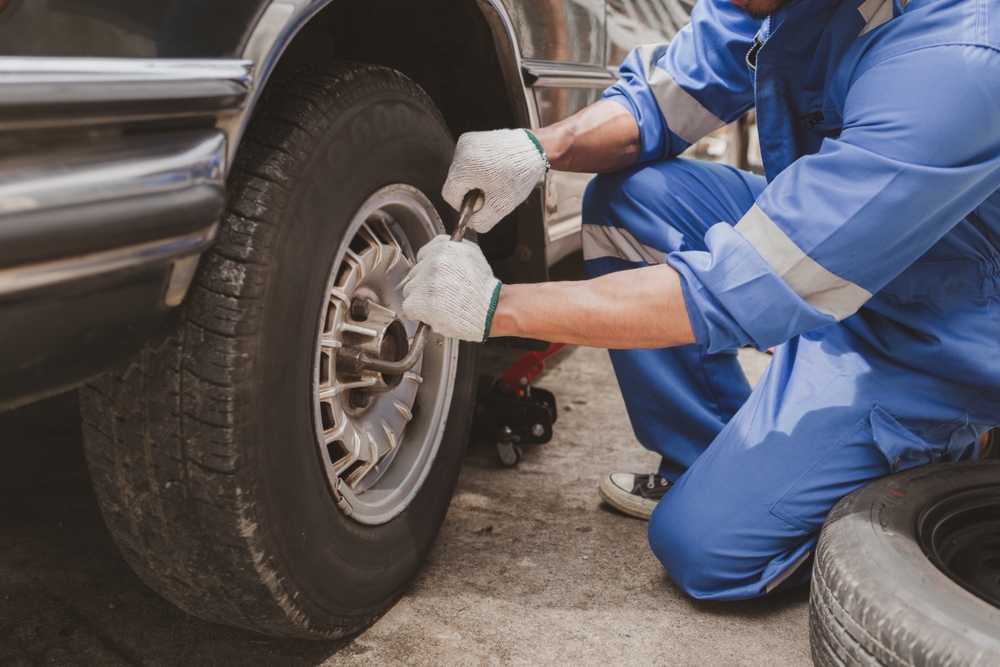
Rotation is another important consideration. Moving tires between approved positions helps distribute wear more evenly, although the correct pattern depends on whether your vehicle uses directional tires, staggered wheel sizes, or other specialized configurations.
Follow the vehicle manufacturer’s recommendations rather than assuming every tire can be rotated in the same way.
Inspect tread depth and sidewalls regularly. NHTSA identifies 2/32 of an inch as the minimum tread depth at which tires should be replaced. Do not delay replacement when tires show dangerous damage, even if tread remains. Proper tire care cannot eliminate replacement costs, but it can help prevent premature spending.
6. Handle Simple Maintenance Tasks Yourself When It Is Safe
Not every maintenance task requires an appointment at a dealership or independent repair facility. Some basic checks can be completed at home with inexpensive equipment, allowing you to reduce minor service expenses while becoming more familiar with your vehicle.
The key is understanding which jobs are suitable for a beginner and which should remain with a qualified technician.
Checking tire pressure is a good starting point. A basic tire pressure gauge is inexpensive, and many gas stations provide air compressors. You can also inspect windshield wipers, replace worn wiper blades, refill windshield washer fluid, and check certain accessible fluid levels by following the owner’s manual.
These tasks generally require little equipment and can prevent you from paying shop labor for straightforward maintenance.
Battery-terminal inspection is another useful habit. Corrosion around the terminals can interfere with electrical connections. However, cleaning battery terminals requires appropriate precautions, particularly with conventional lead-acid batteries.
If you are unfamiliar with the procedure, have a technician handle it rather than risking an electrical injury or damaging the vehicle’s electronics.
The AAA recommends several beginner-friendly maintenance activities, including checking tire inflation, examining tread condition, and monitoring engine oil levels. Its guidance also makes clear that more complicated mechanical work requires appropriate tools and technical ability.
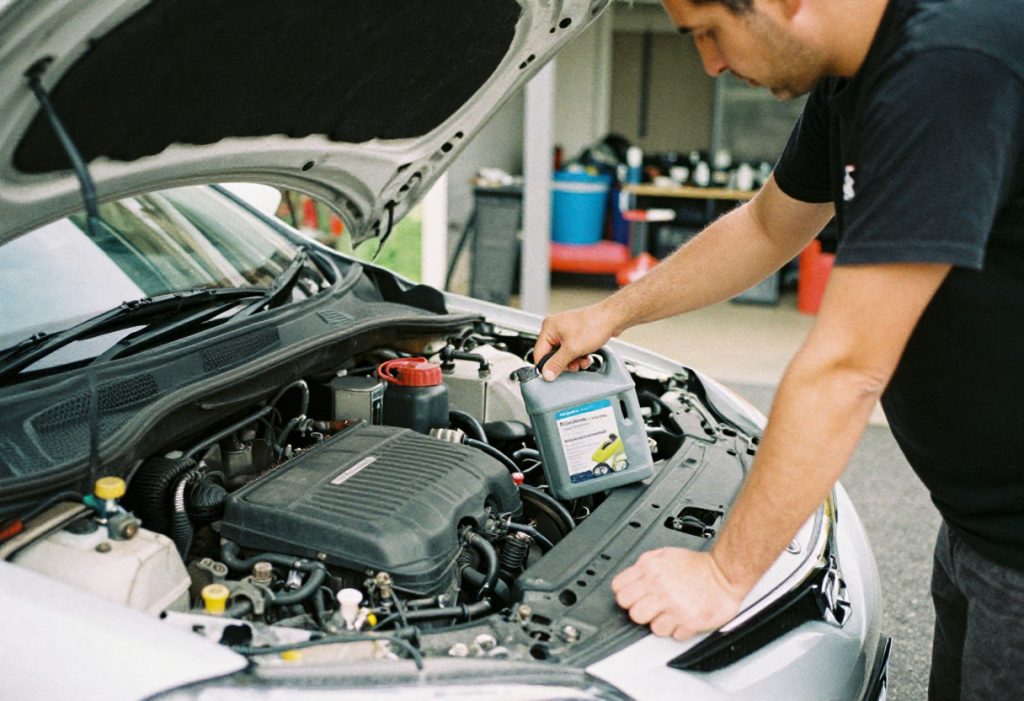
Avoid attempting brake repairs, airbag work, high-voltage hybrid or electric vehicle repairs, or jobs requiring you to work beneath an inadequately supported vehicle. Mistakes in these areas can create serious safety risks and expensive consequences.
Before buying tools or attempting a repair, compare the equipment cost with the shop’s labor charge. If a task requires specialized tools, extensive disassembly, or electronic programming, professional assistance may be the more economical choice. DIY maintenance works best when it saves money without creating additional repair problems.
7. Check for Recalls and Use Warranty Coverage Before Paying
One expense many vehicle owners overlook is paying for a repair that might already be covered by a manufacturer’s warranty, an extended service contract, or a safety recall. Before approving a costly replacement, check whether the vehicle has an outstanding recall or whether the affected component remains covered by existing protection.
The National Highway Traffic Safety Administration provides a free VIN lookup tool that allows US drivers to check for unrepaired safety recalls. Entering your vehicle identification number can reveal applicable recalls, including those involving mechanical components, electrical systems, airbags, and other safety-related equipment.
Certain recall repairs are performed free of charge by authorized dealerships, so paying an independent shop for the same covered repair could be an avoidable expense.
Warranty coverage deserves similar attention. New vehicles generally come with manufacturer warranties, but coverage varies by automaker, model, component, and time or mileage limits. Some replacement parts also carry their own warranties.
If a component fails, check the original purchase paperwork and warranty documentation before paying for another replacement.
Extended warranties and vehicle service contracts require closer examination. They may exclude particular components, impose deductibles, or require authorization before repairs begin. Never assume that every mechanical problem is covered simply because you purchased additional protection.
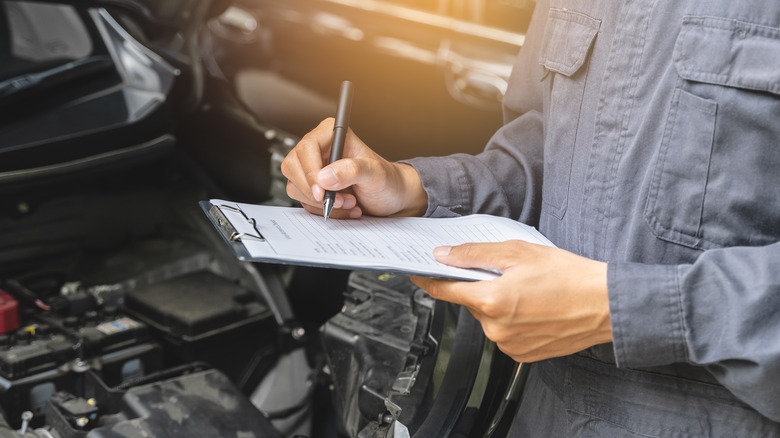
Keep service records, invoices, and warranty documents organized. If a repair facility identifies a failed component, ask whether the manufacturer has issued a relevant recall, technical service bulletin, or warranty extension.
A technical service bulletin is not the same as a safety recall and does not automatically entitle every owner to a free repair, but it may provide useful information about a known problem.
Checking these protections before authorizing expensive work takes only a little time and could save hundreds or even thousands of dollars when coverage applies.
