Taking your vehicle to an auto repair shop should solve a problem, not create a bigger financial headache. Unfortunately, some drivers end up paying more than necessary because they do not recognize inflated labor charges, unnecessary replacements, misleading estimates, or questionable repair recommendations.
Not every expensive repair is dishonest, and complicated automotive work can genuinely cost hundreds or even thousands of dollars.
However, knowing what a reasonable repair process looks like can help you spot warning signs before approving a bill. From vague invoices to unnecessary services, these eight signs can help you protect your money.
1. The Shop Gives You a Vague or Incomplete Estimate
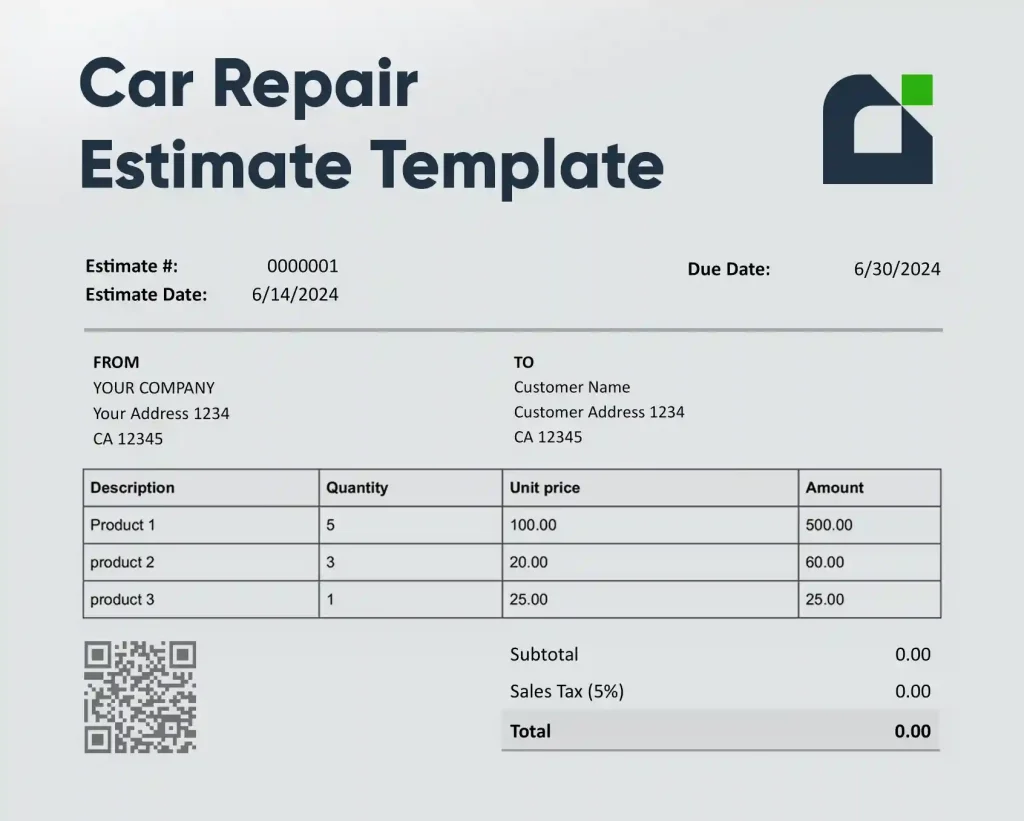
A repair estimate should tell you what the shop plans to fix, which parts it expects to use, and how much the work is likely to cost. If the service adviser gives you only a single total, describes the job as “general repairs,” or refuses to separate parts from labor, you cannot judge whether the bill is reasonable.
The Federal Trade Commission recommends getting a written estimate that identifies the problem, needed parts, and anticipated labor charge. AAA also advises customers to question vague descriptions and request clarification before signing a repair order.
This matters because two shops can quote different prices for the same concern, and the difference may come from labor time, parts selection, diagnostic work, or additional operations.
A detailed estimate lets you compare like with like rather than choosing a shop based on a total. Ask whether the quote includes diagnostic fees, taxes, shop charges, and any likely additional work.
If the technician cannot confirm the final repair until the vehicle is inspected or partly disassembled, ask what that inspection will cost and whether you will receive a revised estimate before repairs continue.
A vague estimate does not automatically prove dishonesty. Some faults are difficult to diagnose until testing begins. The warning sign is a shop that will not explain what it is charging for or document the proposed work.
Before authorizing anything, request an itemized written estimate and keep a copy. If the shop will not provide enough detail to understand the job, pause and obtain another quote.
California’s Bureau of Automotive Repair, for example, requires estimates to identify the specific job and estimated parts and labor prices, although exact consumer protections vary by state.
2. The Final Bill Includes Repairs You Never Approved
An initial estimate is not a blank cheque. If a shop discovers another problem after beginning the approved work, it should explain the finding, provide the revised cost, and get your permission before proceeding.
A warning sign is being told at pickup that the bill has increased substantially because the mechanic “had to” replace extra parts, even though nobody contacted you beforehand.
The Federal Trade Commission advises customers to make sure a written estimate requires the shop to seek approval before work exceeds an agreed amount. AAA similarly recommends putting a clear contact threshold on the repair order.
State rules differ, so the exact legal requirement depends on where the repair takes place. California provides a clear example: its Bureau of Automotive Repair says shops must prepare a revised work order describing additional parts and labor, state the new total, and obtain customer authorization before performing the added work or accruing the extra charges.
That is a California rule, not a nationwide legal standard, but it illustrates why documented approval matters.

Protect yourself by writing a maximum spending limit on the repair authorization and specifying how the shop should contact you. Text or email approval can create a useful record. If the shop cannot reach you, tell it not to proceed beyond the originally approved work unless you have agreed to an emergency exception.
When collecting the vehicle, compare the final invoice with the estimate and any messages approving changes. Ask for an explanation of every difference.
A legitimate additional repair may be necessary, but you should have the opportunity to understand its purpose and decide whether to approve the expense before the work is done.
3. The Mechanic Recommends Replacing Parts Without Showing Evidence
Hearing that your vehicle needs several expensive replacement parts can be alarming, particularly when you originally visited the shop for a relatively minor issue. A mechanic might recommend a new alternator, battery, starter, water pump, or suspension component, but a recommendation alone does not establish that the part has failed.
Before agreeing to an expensive replacement, ask the technician to demonstrate the problem through a test result, visible damage, excessive wear, or another measurable finding.
Consider an alternator replacement as an example. A vehicle that struggles to start does not automatically have a faulty alternator. A weak battery, corroded terminals, loose wiring, or a poor electrical connection can produce similar symptoms.
The Federal Trade Commission specifically advises technicians to check wiring connections and perform an alternator output test before replacing the component. Its auto repair guidance also explains that battery problems can sometimes result from dirty or loose terminals rather than a failed battery.
The same principle applies to suspension repairs and cooling-system components. If a shop recommends replacing several parts together, ask which individual components have failed and whether each replacement is necessary immediately.

Request photographs or a demonstration whenever possible. You can also ask to receive the removed components after the repair, although some parts may need to be returned under a warranty or core-charge arrangement.
Be particularly cautious when the mechanic refuses to explain the diagnosis or becomes defensive about reasonable questions. Professional technicians should be able to communicate their findings in understandable language.
If the proposed work involves expensive components and the evidence remains unclear, obtain an independent second opinion before authorizing the replacement.
4. You Are Being Charged for More Labor Hours Than the Job Justifies
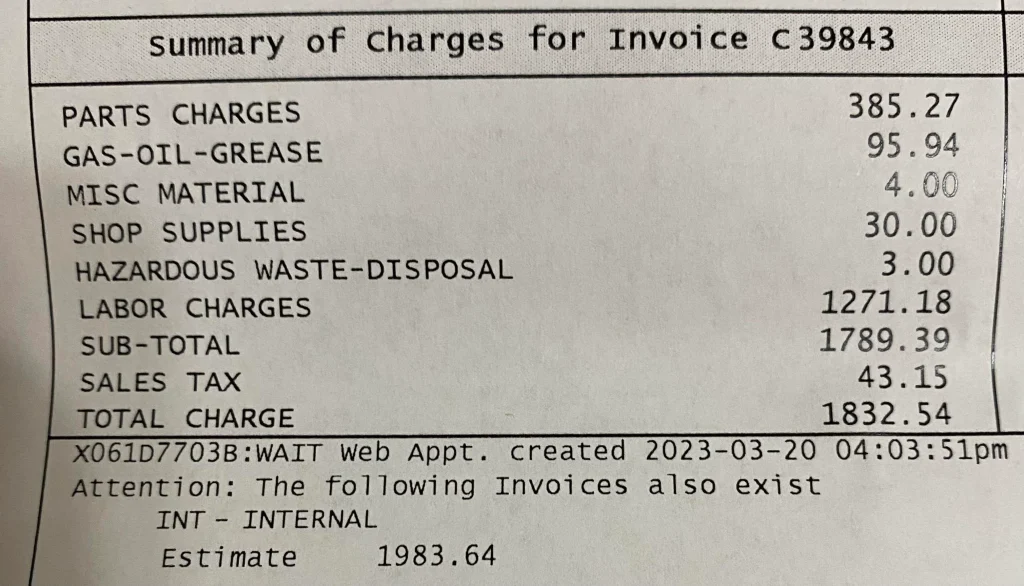
Labor charges can account for a substantial portion of an automotive repair bill, but understanding how shops calculate them is essential. Some facilities charge according to standardized labor guides, while others bill using the actual time a technician spends working on the vehicle.
These approaches are different, and the number of hours appearing on your invoice does not necessarily represent the time the mechanic physically spent beside your car.
For example, suppose a repair estimate lists four labor hours for replacing a particular component. The technician might complete the physical installation in three hours because of experience, specialized equipment, or an efficient workflow. Under a flat-rate arrangement, the shop may still charge the quoted four hours.
That alone does not establish overcharging. The important questions are whether the labor calculation is reasonable, whether the quoted rate was disclosed, and whether additional labor operations have been added without justification.
The Federal Trade Commission explains these two common billing methods and recommends asking the shop how it calculates labor before authorizing work. You should request the hourly labor rate, estimated labor hours, and a description of the operations included.
Also check whether diagnostic time, vehicle disassembly, reassembly, or related procedures are being charged separately. Some operations overlap, so ask the service adviser to explain any potentially duplicated charges.
Comparing estimates from independent repair facilities can reveal substantial differences, especially for major engine, transmission, or suspension work. However, make sure the quotes cover the same procedure and parts quality.
A cheaper estimate may exclude important operations or use different components. If the shop cannot explain its labor calculation or repeatedly adds unexplained hours, request clarification before paying. A transparent invoice should make it possible to understand exactly what you purchased.
5. The Shop Recommends Maintenance Before Your Manufacturer’s Schedule
A repair facility may recommend an engine air filter, transmission fluid service, fuel system cleaning, coolant replacement, or spark plugs during a routine oil change. Some of these services may genuinely be necessary, but the timing matters.
If the shop recommends several maintenance procedures without checking your vehicle manufacturer’s service schedule, you could end up paying for work that your car does not need yet.
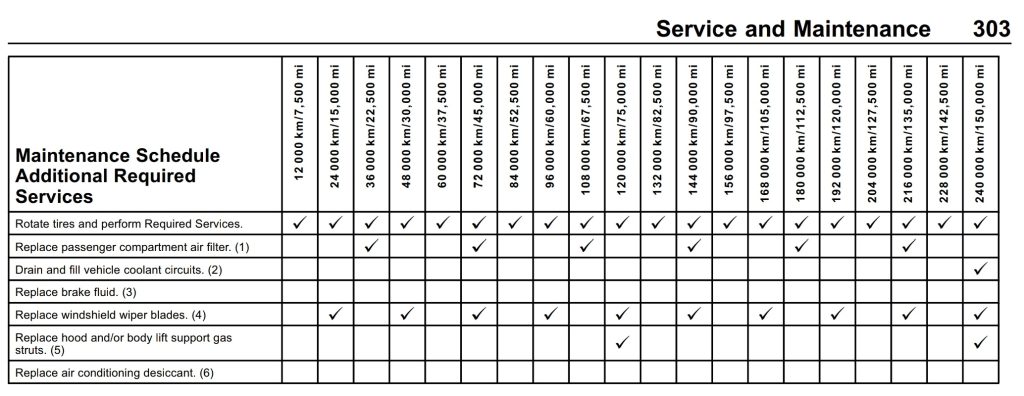
Your owner’s manual is one of the most useful tools for avoiding unnecessary maintenance expenses. Automakers establish service intervals based on the vehicle’s engine, transmission, components, and operating conditions.
These recommendations can differ considerably between models, even when two vehicles belong to the same manufacturer. For example, a transmission fluid service interval on one vehicle should not automatically be applied to another simply because both use automatic transmissions.
The Federal Trade Commission specifically advises motorists to compare a repair shop’s suggested maintenance schedule with the manufacturer’s recommendations. It also recommends asking why a service beyond the factory schedule is necessary.
This is particularly important when a shop advertises bundled maintenance packages containing multiple services.
There are legitimate reasons to perform maintenance earlier than the normal interval. Frequent towing, extensive idling, dusty roads, repeated short trips, and extreme temperatures can qualify as severe operating conditions under certain manufacturers’ guidelines.
However, the shop should explain which condition applies and provide evidence supporting the recommendation.
Before approving an additional service, ask the technician to show you the relevant maintenance interval and explain whether the procedure is overdue, condition-based, or simply preventive.
Check your service records as well, since you might have already paid for the same work recently. Paying for maintenance is sensible when it protects your vehicle, but repeatedly purchasing premature services can quietly increase your ownership costs.
6. The Shop Charges Premium Prices for Parts Without Explaining the Alternatives
Replacement parts can vary significantly in price, and choosing the cheapest available component is not always the smartest decision.
However, you should be concerned when a repair shop automatically quotes expensive original equipment manufacturer parts without explaining whether suitable aftermarket, remanufactured, or recycled alternatives are available.
The distinction matters because these categories have different characteristics. OEM parts are produced by or for the vehicle manufacturer and are designed to meet its specifications. Aftermarket components come from independent manufacturers, with quality and pricing varying between brands.
Remanufactured parts have been restored to working condition, while recycled components are previously used parts removed from other vehicles.
For certain repairs, paying extra for an OEM component can make sense, particularly when precise compatibility, manufacturer specifications, or warranty considerations matter. However, other repairs may offer reliable alternatives from established aftermarket manufacturers.
A shop should be willing to explain the differences rather than presenting its most expensive option as the only acceptable choice.
Ask for the manufacturer’s name, part number, warranty coverage, and price before approving the replacement. You can compare that information with other reputable suppliers to determine whether the markup is reasonable. Also ask whether the quoted price includes installation, shipping, and any required programming.

The Federal Trade Commission explains that parts quality and prices vary, and that new, rebuilt, and salvage components have different characteristics.
It also clarifies that using aftermarket or recycled parts does not automatically void a vehicle’s manufacturer warranty. However, damage caused by a defective replacement component or improper installation may affect coverage for the damaged component.
If a shop refuses to identify the parts being installed or explain why a premium component is necessary, request another estimate. Paying for quality is reasonable; paying extra without understanding what makes the component worth the price is not.
7. The Invoice Contains Duplicate or Unexplained Charges
An invoice should provide a clear record of the work performed, but some repair bills contain charges that deserve closer examination.
You might see separate labor entries for procedures that appear to overlap, multiple diagnostic fees, repeated shop supply charges, or parts listed twice under slightly different descriptions. These items do not automatically indicate fraud, but they are worth questioning before you pay.
For instance, imagine taking your vehicle in for a brake repair. The invoice includes a charge for replacing brake pads, another labor charge for removing and installing the same brake components, and an additional unexplained service fee.
Certain operations genuinely require separate procedures, but the shop should explain why each charge applies. Some labor operations may also overlap, depending on the repair and the labor guide used.
Pay particular attention to diagnostic charges. A repair facility can legitimately charge for troubleshooting, even if the problem is not immediately repaired. Modern vehicles may require electrical testing, computer diagnostics, road testing, or specialist equipment to identify an intermittent fault.
However, you should know whether the diagnostic fee is separate from the repair labor and whether any portion is credited toward the completed work.
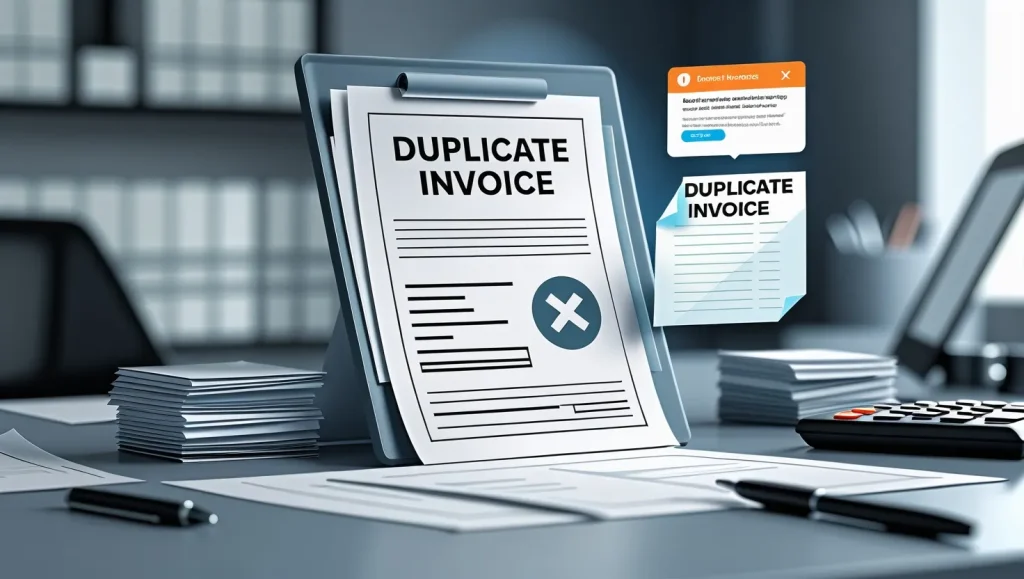
The Federal Trade Commission recommends obtaining a completed repair order that identifies the work performed, individual parts, parts prices, and labor charges. This makes it easier to identify discrepancies between the original estimate and the final invoice.
If something looks questionable, ask the service adviser to explain each line individually. Request a corrected invoice if the same work has genuinely been charged twice.
Keep your original estimate, receipts, and payment records in case you need to dispute the charges later. A professional repair facility should have no difficulty explaining what every fee represents.
8. The Shop Refuses to Provide Old Parts or Explain Its Repair Warranty
One of the simplest ways to question a repair recommendation is to ask what happened to the component that was removed from your vehicle.
If a shop replaces an alternator, starter, water pump, or another expensive component, you can request to inspect the old part or have it returned, subject to applicable state rules and exceptions. A refusal to explain why the part cannot be returned deserves clarification.
There are legitimate reasons why a repair facility might not be able to hand over a replaced component. For example, some remanufactured parts carry a core charge. The supplier expects the old component back so it can be rebuilt, and the shop may have already included the core exchange in the replacement price.
Warranty-related parts may also need to be returned to the manufacturer for inspection. Therefore, not receiving an old part is not automatically evidence of overcharging.
Warranty coverage is another area where customers can lose money without realizing it. Before approving a repair, ask how long the replacement part and installation labor are covered.
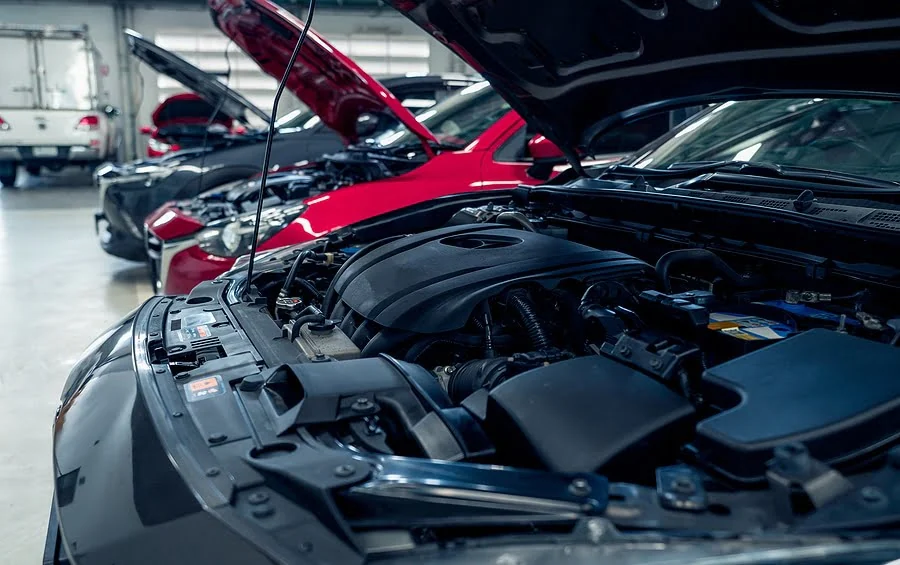
Some parts carry manufacturer warranties, while the shop may offer separate coverage for its workmanship. These protections are not necessarily identical.
The FTC advises consumers to obtain repair warranty terms in writing because there is no single standard warranty covering every automotive repair. Check whether coverage includes parts, labor, mileage limits, and any conditions that could affect a claim.
A particularly concerning situation is paying for an expensive replacement only to discover that the shop will not explain its warranty or provide documentation. Ask for the old part’s disposition, the replacement part’s details, and written warranty information before closing the repair order. Transparency should not end when the payment is collected.