
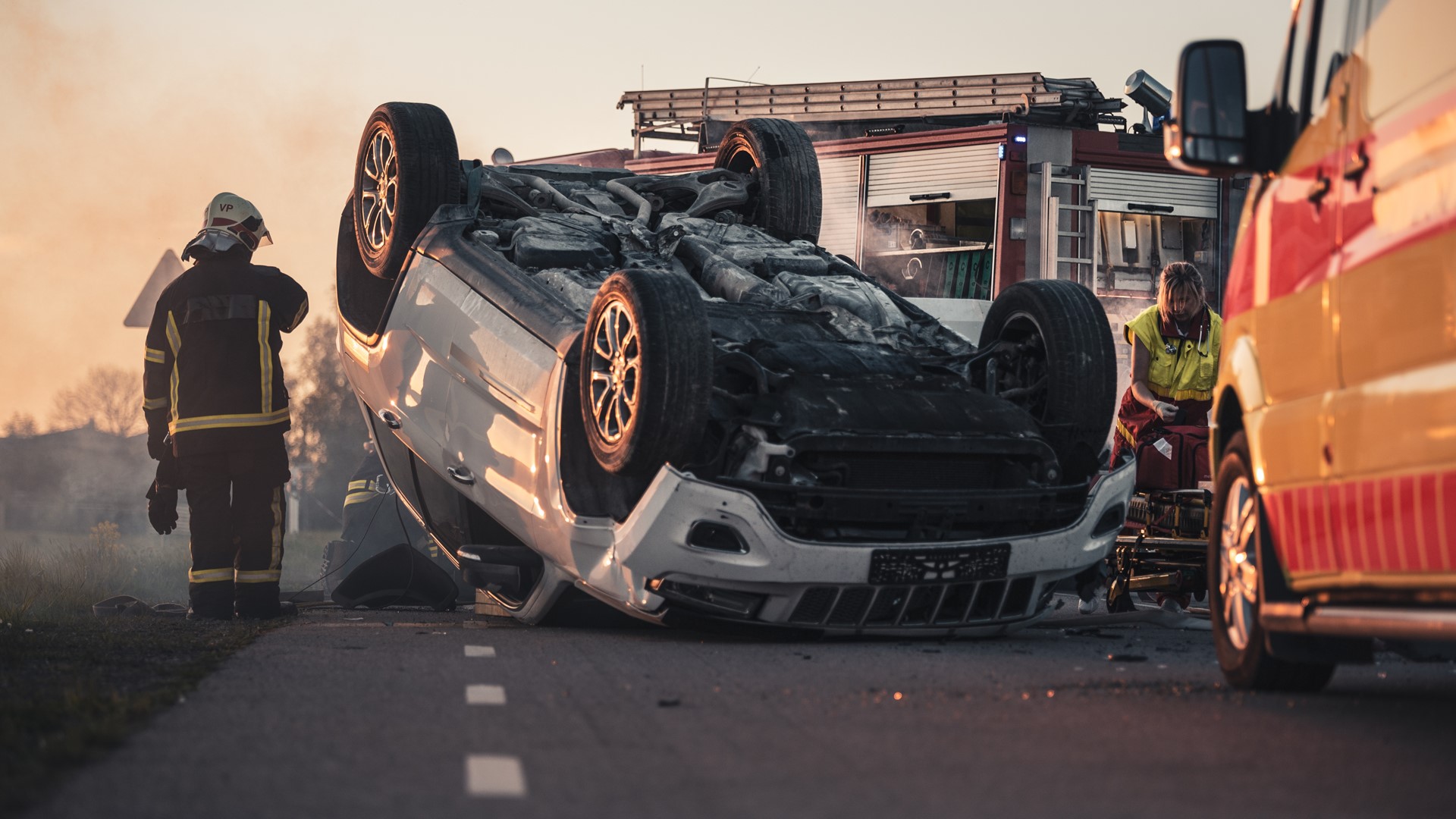
A car accident can leave even an experienced driver confused about what to do next. Whether it is a minor parking-lot collision or a serious highway crash, the decisions you make immediately afterward can affect your safety, insurance claim, and potential legal responsibilities.
Staying calm and following the correct steps can help prevent further injuries, preserve important evidence, and make the claims process easier.
From checking for injuries to contacting law enforcement and documenting vehicle damage, knowing what to do matters. These six steps explain how American drivers should respond after an accident while protecting themselves and others.
1. Check Everyone for Injuries and Call 911 When Necessary
Your first responsibility after a collision is checking whether anyone needs medical attention. Vehicle damage, insurance paperwork, and determining who caused the accident can wait. Even a relatively minor collision can result in injuries that are not immediately obvious, particularly when occupants experience shock or adrenaline after the impact.
Start by checking yourself and your passengers. If you can do so safely, check on the occupants of the other vehicles as well. Look for visible injuries, difficulty breathing, bleeding, confusion, or complaints of pain.
If anyone is injured, trapped, unconscious, or experiencing a medical emergency, call 911 immediately. Give the dispatcher your location, the number of vehicles involved, and any known injuries.
Do not move an injured person unless there is an immediate danger, such as fire or another serious threat. Moving someone with a potential neck, back, or spinal injury could make the situation worse. Follow the emergency dispatcher’s instructions and provide first aid only if you are trained and it is safe.
Remember that symptoms such as neck pain, headaches, dizziness, and back discomfort may appear hours after a collision. Do not dismiss unusual symptoms simply because everyone initially appears fine. Seek medical evaluation when necessary and keep records of examinations and treatment.
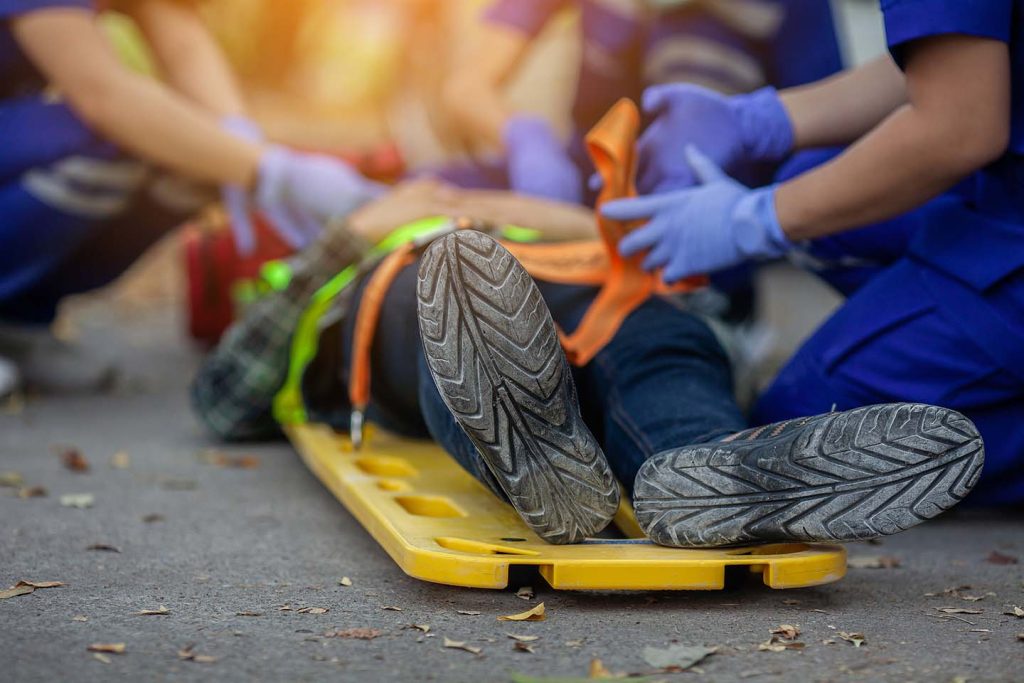
AAA recommends prioritizing injured people and contacting emergency services whenever medical attention is needed. The National Highway Traffic Safety Administration also emphasizes calling 911 when a crash involves injuries or an immediate safety concern.
If you are unable to make the call yourself, ask a passenger or nearby witness to contact emergency services. Never let an argument about responsibility or vehicle damage delay medical assistance.
2. Move to a Safe Location and Protect the Accident Scene
After confirming that nobody requires immediate medical attention, your next priority is preventing another collision. A damaged vehicle stopped in an active traffic lane can create a serious hazard, particularly on highways, busy intersections, and roads with limited visibility.
If the collision is minor, nobody is injured, and the vehicles remain safe to operate, move them out of the flow of traffic when it is safe and legally appropriate. Find a nearby shoulder, parking area, or other secure location.
Turn on your hazard lights to warn approaching drivers. Do not continue driving a vehicle with damaged steering, leaking fluids, compromised tires, or other conditions that could make it unsafe.
If the vehicles cannot be moved, or moving them could create additional danger, leave them where they are if it is safe to do so and contact emergency services. Avoid standing between damaged vehicles or walking into active traffic to inspect the damage.
If exiting your vehicle would expose you to passing traffic, remain inside with your seat belt fastened when appropriate and follow emergency dispatch instructions.
AAA recommends moving operable vehicles away from traffic after a collision when there are no injuries and it is safe to do so. Missouri’s Department of Transportation also promotes its Steer It and Clear It approach for minor crashes to reduce secondary collisions and traffic disruption.
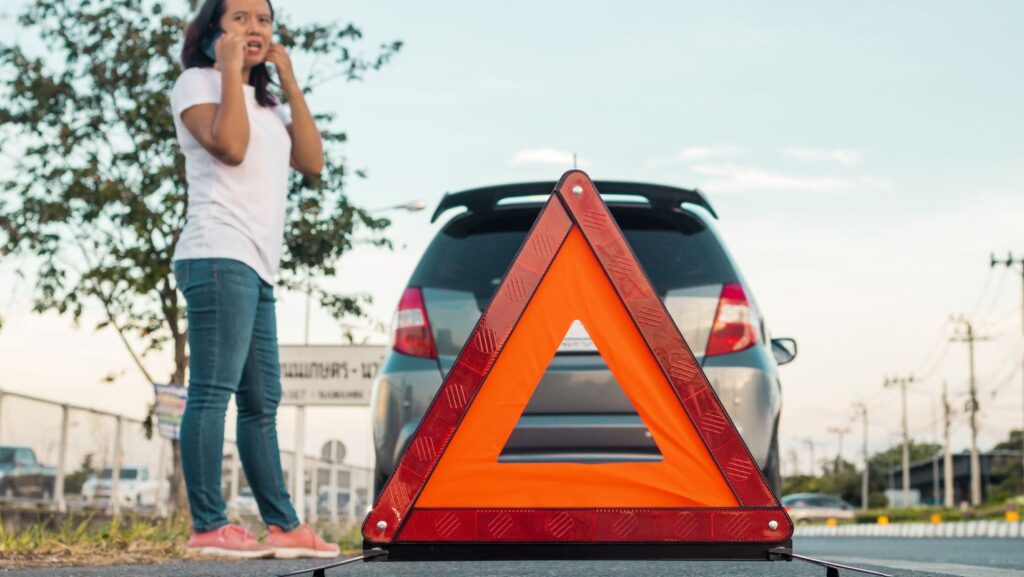
State requirements differ, so check local instructions rather than assuming every accident must be handled identically. Some states specifically require drivers involved in certain minor collisions to move vehicles from the roadway.
Once you are in a safe location, remain at the scene and wait for the appropriate authorities or exchange information as required. Never leave simply because the damage appears minor.
3. Contact the Police and Obtain an Accident Report
Even when a collision appears relatively minor, contacting law enforcement can be an important step. A police report creates an official record of the incident and may help insurance companies understand what happened.
It can also document information about the drivers, vehicles, witnesses, road conditions, and any statements made at the scene.
Call 911 when the collision involves injuries, suspected impaired driving, significant damage, an unsafe roadway, or a vehicle that cannot be moved.
For a minor crash without injuries, some jurisdictions may direct drivers to use a non-emergency police number or submit an accident report themselves. Follow the instructions provided by local authorities.
Do not assume that police must attend every minor accident. Reporting requirements vary by state, and some states require drivers to submit a separate report to the Department of Motor Vehicles when certain damage or injury thresholds are reached.
For example, California generally requires a driver to report a crash to the DMV within 10 days when someone is injured or killed, or property damage exceeds $1,000. Other states have different thresholds and deadlines.
When officers arrive, provide accurate information about what happened. Describe the direction of travel, road conditions, traffic signals, and the sequence of events. Avoid guessing about details you cannot remember. If you disagree with something recorded in the report, ask how you can provide additional information or request a correction.
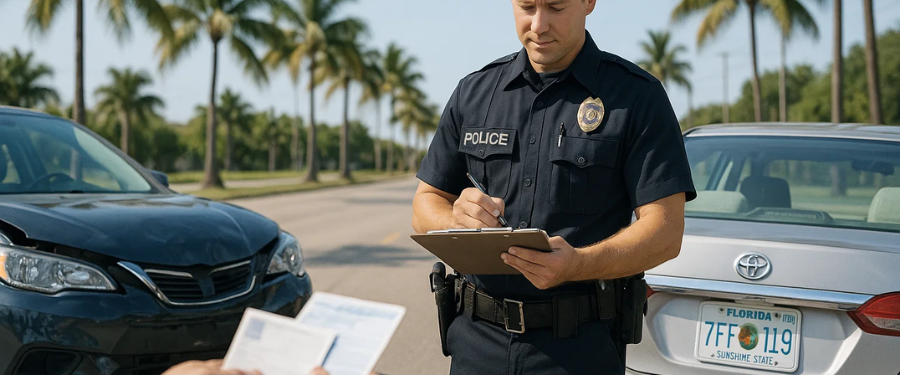
Before leaving, obtain the responding officer’s name, badge number, department, and report or incident number. Ask how and when you can obtain a copy of the report. Your insurance company may request it during the claims process.
AAA and several state insurance departments recommend obtaining a police report when appropriate. Although a report does not automatically determine legal fault, it can provide valuable supporting documentation when questions arise later.
4. Exchange Driver, Vehicle, and Insurance Information
Once everyone is safe and the immediate situation is under control, exchange information with the other drivers involved. This step is essential because your insurance company will need accurate details to identify the vehicles, verify coverage, and communicate with the other parties during the claims process.
Start by collecting each driver’s full name, address, phone number, driver’s license number, and state of issuance. Record the vehicle’s make, model, year, color, and license plate number. You should also obtain the insurance company’s name and policy number.
Photographing the other driver’s insurance card and license, with their cooperation, can help prevent mistakes when recording the information.
If the vehicle belongs to someone other than the person driving it, note the owner’s details as well. For collisions involving several vehicles, collect information from every driver rather than assuming the first driver’s details cover the entire incident.
Witness information can be equally valuable. Ask people who saw the collision for their names, phone numbers, and permission to contact them later if necessary. Do not pressure anyone to support a particular version of events. Their independent observations may help clarify disputed details.
The North Carolina Department of Insurance specifically recommends collecting driver identification, vehicle information, insurance details, and witness contact information after an accident. The Texas Department of Insurance also advises motorists to photograph insurance cards and driver’s licenses when possible.

Keep the conversation factual and polite. Avoid arguing about who caused the accident, making promises about payment, or agreeing to settle everything informally without understanding the damage. You should provide the information legally required of you, but do not feel pressured to speculate about fault.
Before leaving, double-check that names, policy numbers, and license plate details are readable and accurate. A small recording mistake can create unnecessary delays when filing your claim.
5. Photograph the Damage and Record What Happened
Your memory of an accident can become less reliable as time passes, especially when you are dealing with stress, multiple drivers, and insurance questions. Taking photographs and recording important details immediately can help preserve evidence that might otherwise be forgotten or disputed.
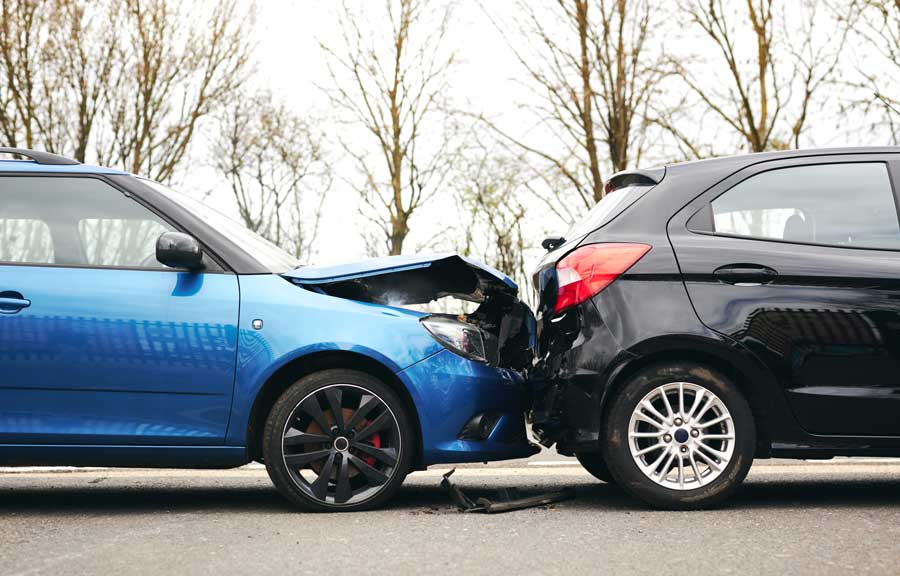
Start by photographing all vehicles involved, including their license plates and visible damage. Capture close-up images of dents, scratches, broken lights, damaged bumpers, and other affected areas. Then take wider photographs showing the vehicles’ positions, nearby intersections, traffic signals, road markings, and surrounding conditions.
If it is safe, document skid marks, debris, damaged roadside property, and any visible obstacles that may have contributed to the collision. Record the date, approximate time, exact location, weather, lighting, and road conditions. These details may help explain the circumstances surrounding the incident.
The Texas Department of Insurance recommends taking photographs of vehicle damage, license plates, street signs, and road angles. California’s Department of Insurance also advises motorists to photograph the accident scene, including traffic controls and potential visual obstructions.
Witnesses can provide additional information, so record their contact details before they leave, if possible. If you have a passenger who witnessed the incident, ask them to write down what they remember independently.
Avoid putting yourself in danger to obtain photographs. Never stand in an active traffic lane, approach unstable vehicles, or enter a hazardous area simply to capture another angle. Safety takes priority over collecting evidence.
Keep the original photographs and videos rather than relying only on edited or cropped versions. Back them up securely so they remain available if your phone is damaged or lost. Good documentation cannot guarantee a successful insurance claim, but it can make it easier to establish what happened and support your account of the collision.
6. Notify Your Insurance Company and Follow Up on Injuries
Once the immediate accident scene is under control, contact your insurance company as soon as reasonably possible. Even if the collision appears minor or the other driver promises to cover the damage, notifying your insurer can protect you from complications that arise later.
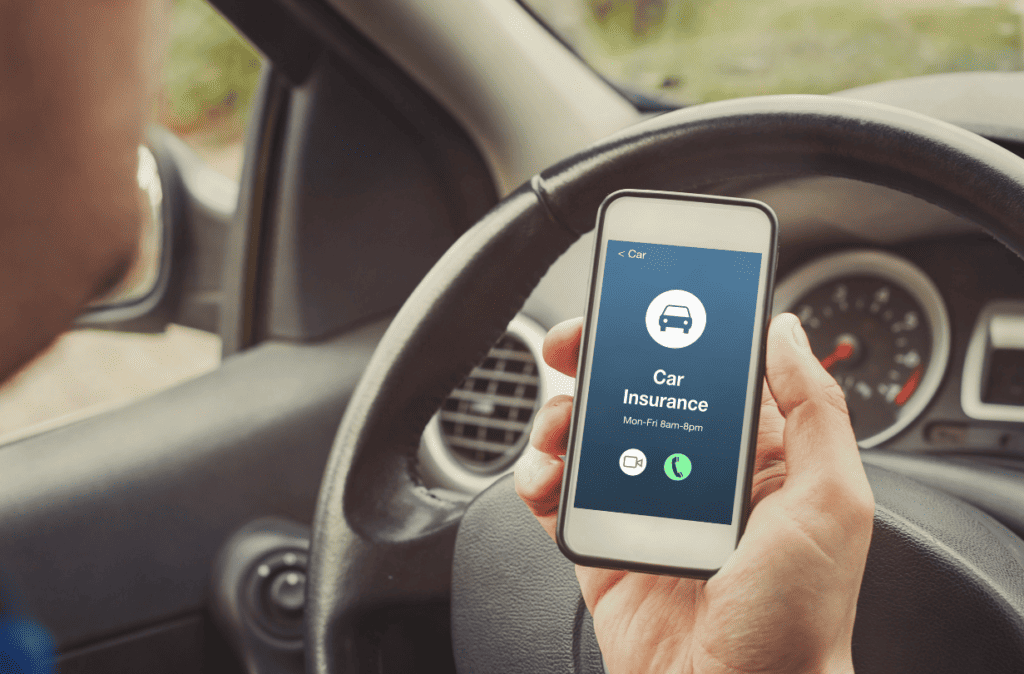
Start by calling the claims number on your insurance card or using your insurer’s official mobile application. Provide the date, location, approximate time, vehicles involved, and a factual description of the collision. Share the other driver’s insurance information, photographs, witness details, and police report number if available.
Ask your insurer about the next steps, including vehicle inspection, repair estimates, towing, rental-car coverage, and applicable deductibles. Do not authorize expensive repairs before understanding your policy’s claim procedures and any inspection requirements. Keep copies of estimates, receipts, correspondence, and claim reference numbers.
The Texas Department of Insurance recommends reporting an accident promptly and keeping relevant documentation. New York’s Department of Financial Services also emphasizes meeting policy reporting requirements. In some states, separate accident-reporting deadlines apply even after an insurance claim has been opened.
Medical follow-up matters just as much as the vehicle claim. Some injuries, including whiplash and certain soft-tissue injuries, may not become noticeable immediately. If you develop pain, dizziness, headaches, or other symptoms after the collision, seek medical evaluation. Keep records of appointments, treatment recommendations, and related expenses.
Be careful when discussing recorded statements, signing settlement documents, or accepting payments that may resolve injury claims. Understand what you are agreeing to before signing anything, and consider qualified legal advice when injuries or substantial disputes are involved.
A collision does not end when the vehicles leave the road. Prompt insurance notification, organized documentation, and appropriate medical attention can help prevent a stressful situation from becoming a prolonged financial problem.
