
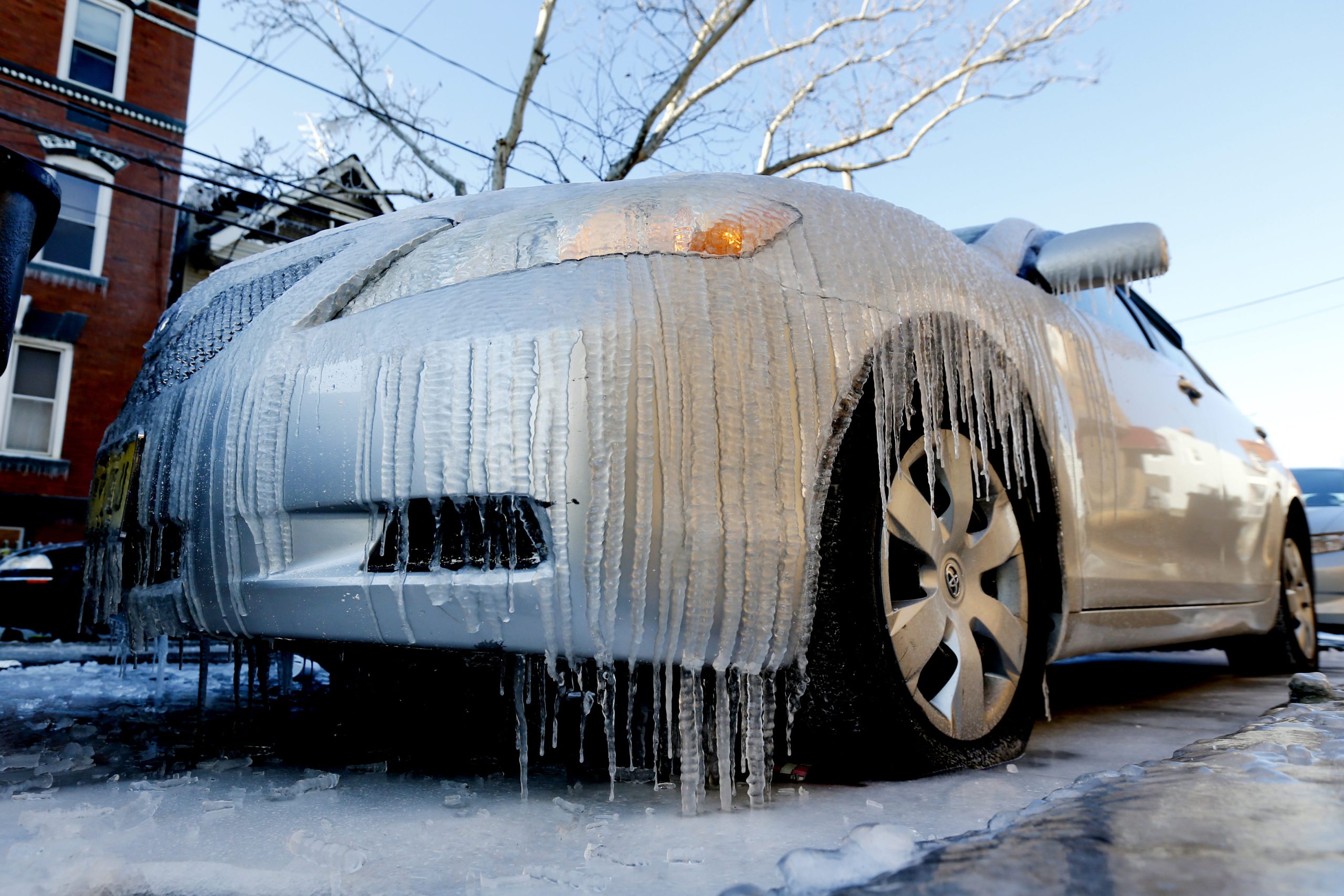
Leaving your vehicle parked outside during winter might seem harmless, but freezing temperatures can damage certain belongings and create unexpected safety problems. Items that appear perfectly ordinary inside your home can behave very differently when exposed to prolonged cold, especially when temperatures drop below 32°F.
From electronic devices with lithium-ion batteries to canned beverages and medications, some everyday products should never be forgotten inside a freezing vehicle.
Understanding how cold weather affects these belongings can help you avoid expensive replacements, prevent potential hazards, and protect items you may need during an emergency. A few minutes of preparation can save considerable trouble.
1. Smartphones, Tablets, and Other Electronic Devices
Leaving your smartphone, tablet, laptop, or portable gaming device inside a freezing vehicle can affect its battery performance and temporarily prevent it from working properly.
Although modern electronics are designed to handle a range of environmental conditions, prolonged exposure to extreme cold can push them outside their recommended operating temperatures.
Apple, for example, specifies an operating temperature range of 32°F to 95°F for iPhones and iPads. Their recommended storage range is wider, from -4°F to 113°F. When an iPhone becomes excessively cold, its battery life may temporarily decrease, the device may shut down unexpectedly, and charging may stop until it returns to a suitable temperature.
Other manufacturers publish their own temperature limits, so the exact figures depend on the device.
The problem becomes particularly inconvenient when you need your phone for navigation, emergency communication, or roadside assistance. A device that suddenly switches off might leave you without access to important information when you need it most.

There is also a precaution to remember when bringing electronics back inside. Avoid immediately charging a very cold device. Allow it to gradually reach the manufacturer’s recommended temperature first. This helps prevent problems associated with temperature differences and possible condensation.
To protect your electronic devices during winter, make sure to bring valuable items such as laptops, tablets, and portable chargers with you when leaving your vehicle for a long time. Taking a moment to remove these devices can help avoid battery damage and prevent unexpected issues later on.
2. Prescription Medications and Insulin
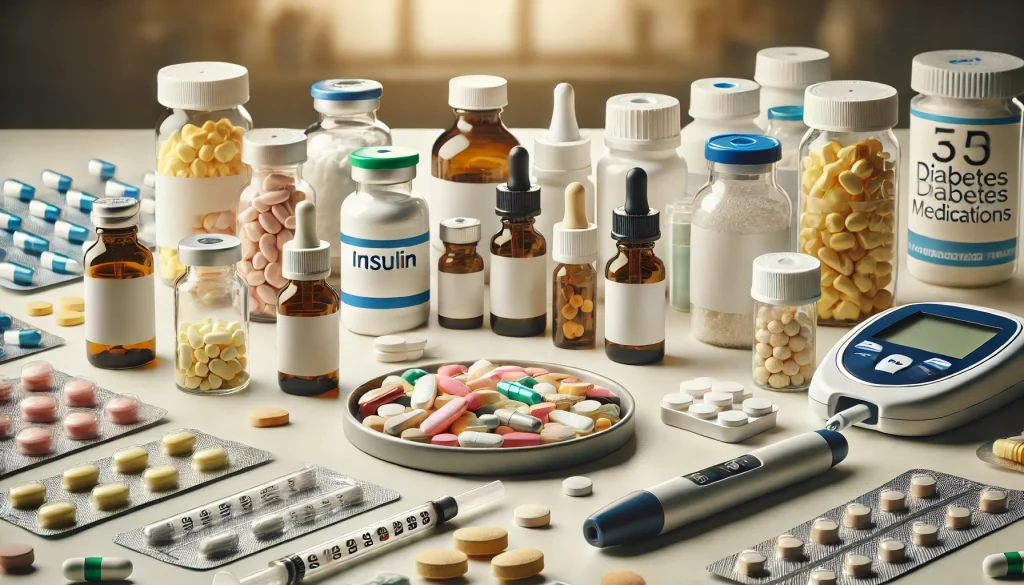
Your car’s interior is not a reliable storage location for prescription medications during freezing weather. Many medicines have specific temperature requirements, and exposing them to temperatures outside those limits can affect their stability, effectiveness, or physical condition.
This is particularly important for temperature-sensitive products such as insulin, certain injectable medications, and some liquid prescriptions.
Insulin provides a clear example of why cold-weather storage matters. The US Food and Drug Administration explains that insulin intended for refrigeration should generally be stored between 36°F and 46°F.
Certain opened insulin products can be kept at room temperature within manufacturer-specified limits, but insulin must not be frozen. If it freezes, its effectiveness may be compromised, and it should not be used.
This is not simply a matter of whether the medication looks normal. A product can experience temperature-related damage without showing an obvious change in appearance. That makes leaving medicine inside a parked vehicle particularly risky during overnight freezes.
Other prescriptions also have individual storage requirements. Some medicines can tolerate ordinary room-temperature conditions, while others require refrigeration or protection from extreme temperatures. Check the packaging instructions and consult a pharmacist if a medication has been exposed to freezing conditions.
If you need to transport medicine during winter, carry it in an insulated bag when appropriate, following the product’s storage instructions. Avoid placing it directly against ice packs because excessive cooling can create another problem. Insulation helps reduce temperature fluctuations, but it does not guarantee protection during prolonged exposure.
Never leave essential medication in your car overnight. If insulin or another temperature-sensitive prescription has frozen, contact the pharmacist or manufacturer before using it.
3. Canned Drinks, Soda, and Other Beverages
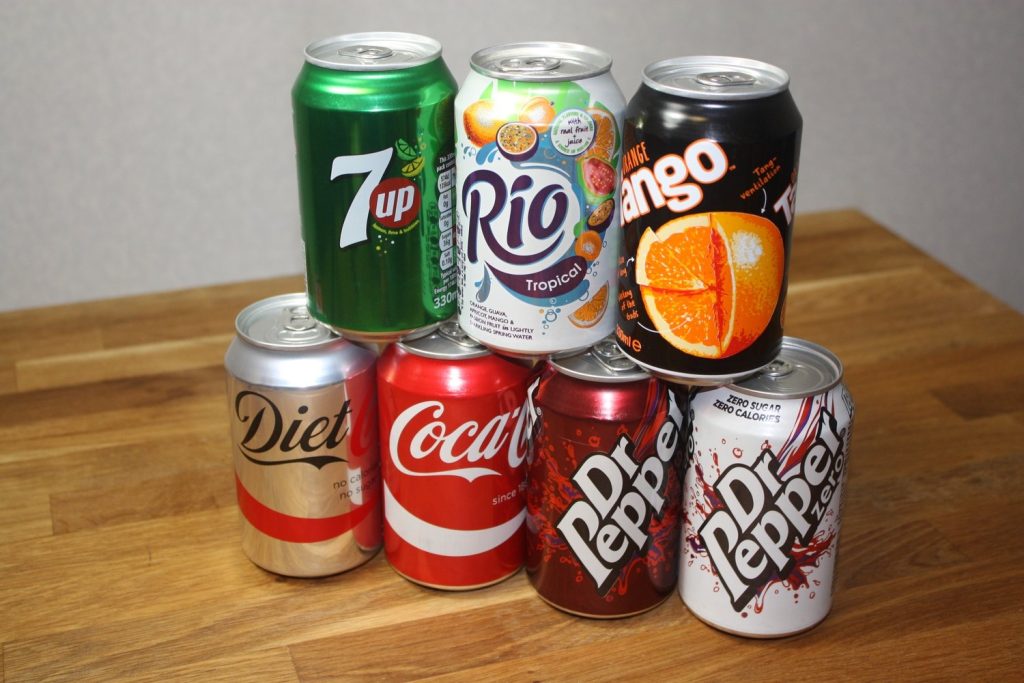
Leaving canned soda, energy drinks, bottled water, or other beverages inside a freezing vehicle can create an unexpected mess. Liquids expand when they freeze, and sealed containers have limited room to accommodate that expansion.
Depending on the container material, its design, and how much liquid it contains, freezing can cause deformation, leakage, or even rupture.
Carbonated drinks deserve particular attention because they already contain dissolved carbon dioxide under pressure. When the liquid freezes, expansion can place additional stress on the can or bottle. A damaged container may leak or burst, leaving sticky residue across your seats, carpets, and door pockets.
Glass beverage bottles are especially problematic because freezing liquids can crack or break the glass. Even if the container appears intact initially, a damaged seal or hairline crack can create problems as the contents thaw.
The USDA’s Food Safety and Inspection Service advises storing commercially canned foods in a cool, dry place away from extreme temperatures. Oregon State University Extension also explains that frozen canned food may remain safe under certain conditions, but container integrity must be checked carefully.
It is important to understand that freezing does not necessarily mean all canned foods are unsafe to eat. However, if the packaging becomes damaged, the contents may no longer be safe for consumption.
If you discover that a canned beverage has frozen, inspect it before handling or opening. Discard containers that are leaking, bulging, or visibly damaged. Never open a badly swollen container simply to release the pressure.
The easiest precaution is to remove beverages from your vehicle whenever freezing weather is expected. If you must transport drinks, avoid leaving them overnight in a parked car, particularly when temperatures are forecast to fall well below 32°F.
4. Aerosol Cans and Pressurized Spray Products
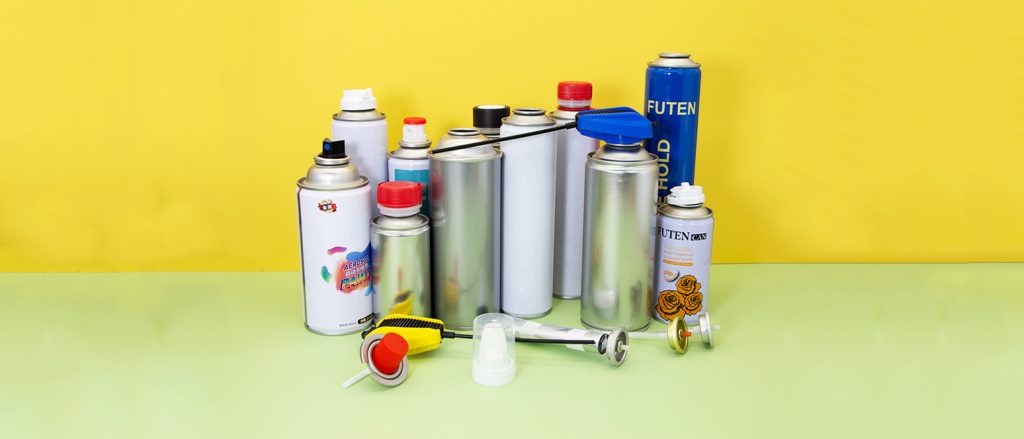
Aerosol products such as deodorants, spray paint, household cleaners, lubricants, and automotive maintenance sprays should not be forgotten inside a vehicle during extreme weather. These containers are pressurized and contain specific chemical formulations that may have storage and temperature restrictions printed on their labels.
The most important distinction is that heat is generally the greater pressure-related danger for aerosol cans. Freezing temperatures do not automatically cause an aerosol container to explode.
However, extreme cold can affect the product’s dispensing performance, viscosity, and ability to spray properly. Some formulations may separate or become less effective until they return to their recommended storage temperature.
Automotive products are not all designed alike. For example, certain spray lubricants and paints have minimum application temperatures. Using them when they are too cold can affect how they dispense, spread, or cure. Leaving these products in a vehicle overnight can therefore make them unreliable when you need them.
The US Consumer Product Safety Commission and product manufacturers emphasize following container-specific storage and handling instructions for pressurized products. Check the label for permitted temperature ranges, warnings, and restrictions.
Never assume that an aerosol can is suitable for storage in an unheated vehicle simply because it is designed for outdoor use.
If a can has developed visible damage, corrosion, leakage, or deformation, do not puncture, heat, or attempt to repair it. Follow the manufacturer’s disposal instructions and keep leaking products away from ignition sources.
A simple solution is to carry aerosol products indoors rather than treating your vehicle as a permanent storage cabinet. This protects the contents from unnecessary temperature fluctuations and ensures the product is more likely to work as intended when you need it.
5. Paints, Adhesives, and Other Temperature-Sensitive Household Products
If you have recently purchased paint, wood glue, water-based adhesives, or other household repair products, avoid leaving them inside your vehicle during freezing weather.
Many of these products contain water or other ingredients that can be affected by extremely low temperatures. Once frozen, their chemical composition or consistency may change, making them difficult or impossible to use properly.
Latex and water-based paints are particularly sensitive. Freezing can damage the emulsion that keeps the paint ingredients mixed.
After thawing, the product may develop a lumpy texture, separate permanently, or lose its ability to spread evenly across a surface. Simply bringing the container back indoors does not guarantee that the original consistency and performance will return.
Adhesives can have similar problems. Certain water-based glues may lose bonding performance after freezing, while other products have specific minimum storage temperatures established by their manufacturers.
The correct limits depend on the formulation, so always read the product label rather than assuming every paint or adhesive behaves identically.
This matters because a damaged product may not reveal its condition immediately. You might open a container days later, only to discover that the material no longer mixes properly or produces the expected finish. Using compromised paint can also result in poor coverage and an uneven surface.
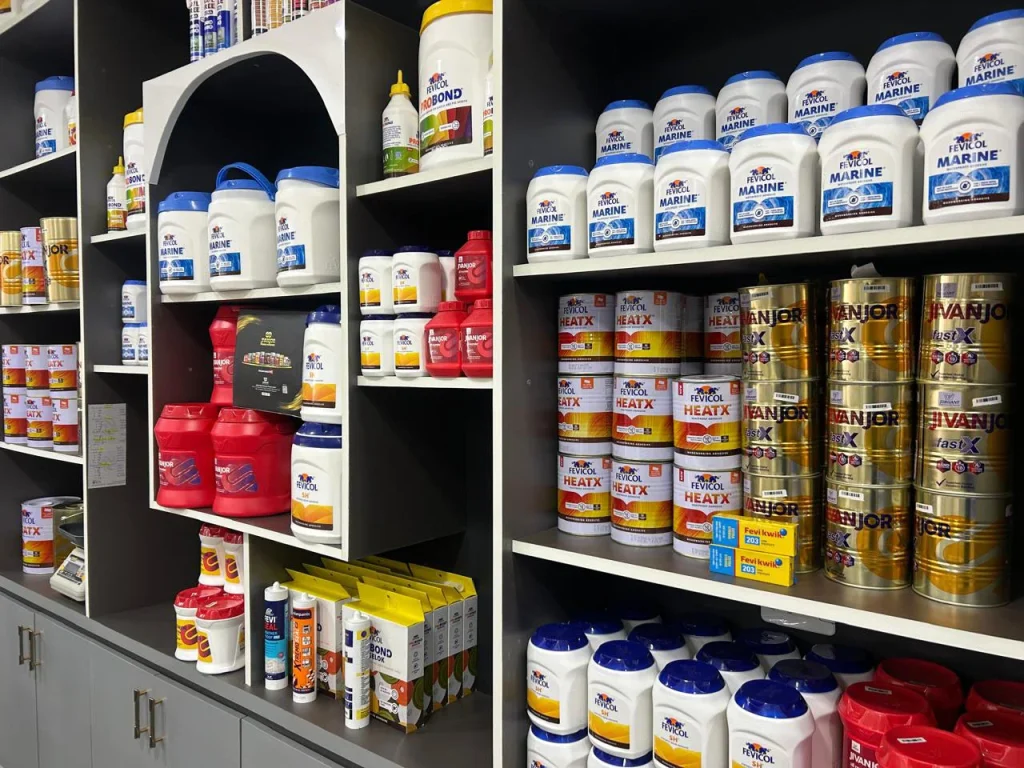
If you purchase these products during winter, transport them directly home and store them according to the manufacturer’s instructions. Do not rely on a cardboard box or ordinary shopping bag to protect them during an overnight freeze.
Also remember that certain solvent-based products have separate fire and ventilation precautions. Keep them away from ignition sources and follow their specific storage instructions. Protecting temperature-sensitive supplies is easier than replacing an entire batch after improper storage.
6. Pets and Animals Traveling With You
Perhaps the most important thing you should never leave inside a freezing vehicle is a living animal. Some people associate dangerous car temperatures mainly with summer heat, but winter conditions can be equally threatening.
Once the engine is switched off, the heating system stops providing warmth, and the cabin can gradually become dangerously cold.
The American Society for the Prevention of Cruelty to Animals (ASPCA) warns that cars can act like refrigerators during winter, exposing unattended animals to potentially life-threatening cold.
Dogs and cats can develop hypothermia when their body temperature drops excessively. Frostbite is another concern, particularly around exposed areas such as ears, paws, and tails.
Not every animal responds to cold in the same way. Small breeds, short-haired dogs, senior pets, young animals, and those with existing medical conditions may be particularly vulnerable. Even animals with thick coats should not be assumed to be safe inside an unattended freezing vehicle.
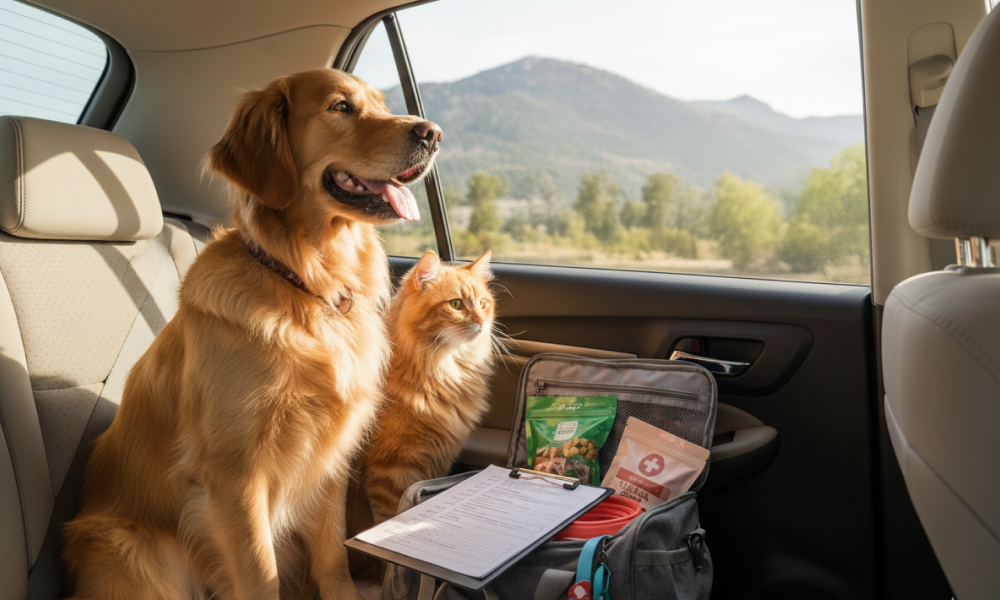
Watch for warning signs such as persistent shivering, weakness, unusual lethargy, pale skin, or slow breathing. If you suspect hypothermia, move the animal into a warm environment, wrap it in blankets, and contact a veterinarian promptly. Avoid applying intense direct heat.
If you are traveling with a pet during winter, plan stops carefully. Take your animal with you whenever possible rather than leaving it alone while running errands. If a destination does not permit animals, arrange suitable supervision instead of leaving your pet inside the vehicle.
This is not simply about protecting expensive belongings. It is about preventing an emergency that can have permanent consequences. A parked car is not a safe substitute for a warm, protected environment, regardless of how briefly you intend to leave your pet unattended.
