
Your daily commute does more than determine how much time you spend getting to work. It can also influence how much you pay for car insurance. Insurance companies consider several details about your driving habits when calculating premiums, including how far you travel, when you drive, the roads you use, and where you park.
Someone who drives a few miles to work each morning may pay a different rate from someone who spends an hour on busy highways every weekday.
Even small changes to your commuting routine can affect your insurance risk profile. Understanding these factors can help you make smarter driving decisions, provide accurate information to your insurer, and find opportunities to reduce your premium. Here are seven ways your daily commute can affect your car insurance rate.
1. Total Annual Mileage
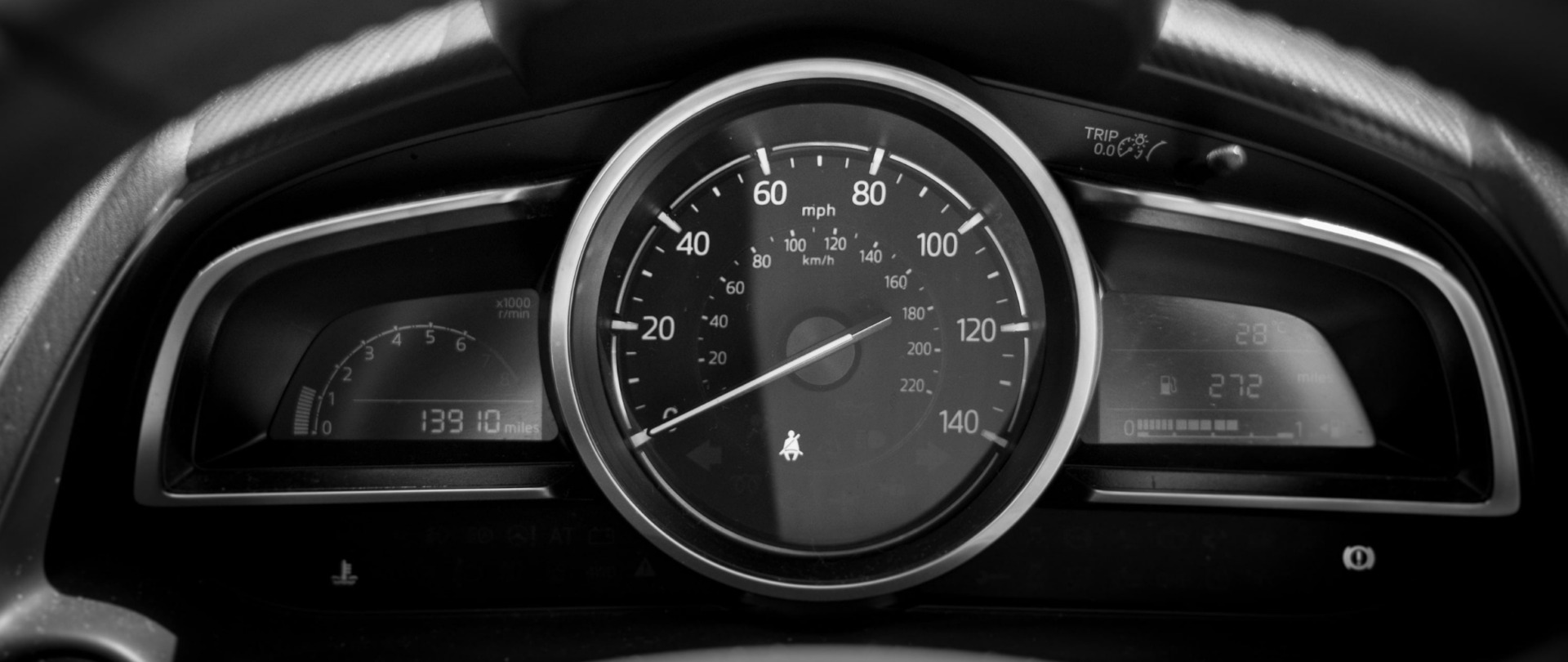
The distance you travel each year can affect how much you pay for car insurance. Drivers who spend more time on the road are generally exposed to a higher risk of accidents, which insurance companies may take into account when determining their premiums.
Think about two drivers with similar vehicles and driving records. One travels 5,000 miles annually, while the other drives 18,000 miles.
The second driver spends considerably more time exposed to traffic, road hazards, and other motorists. This additional exposure may result in a higher insurance premium.
Drivers who cover approximately 15,000 miles or more annually may face higher rates than those with lower mileage, although pricing thresholds vary between insurers.
Your annual mileage usually includes more than your daily trip to work. Weekend outings, vacations, shopping trips, and other personal journeys also contribute to the total.
If you work several days a week remotely or have recently changed jobs, your yearly mileage may have decreased. Inform your insurance provider and ask whether your updated driving estimate qualifies you for a lower rate.
Some companies also offer low-mileage discounts or pay-per-mile insurance programs. These options can be worth considering if you rarely drive. Keeping an accurate mileage record helps ensure that your policy reflects how much you actually use your vehicle.
2. One-Way Distance
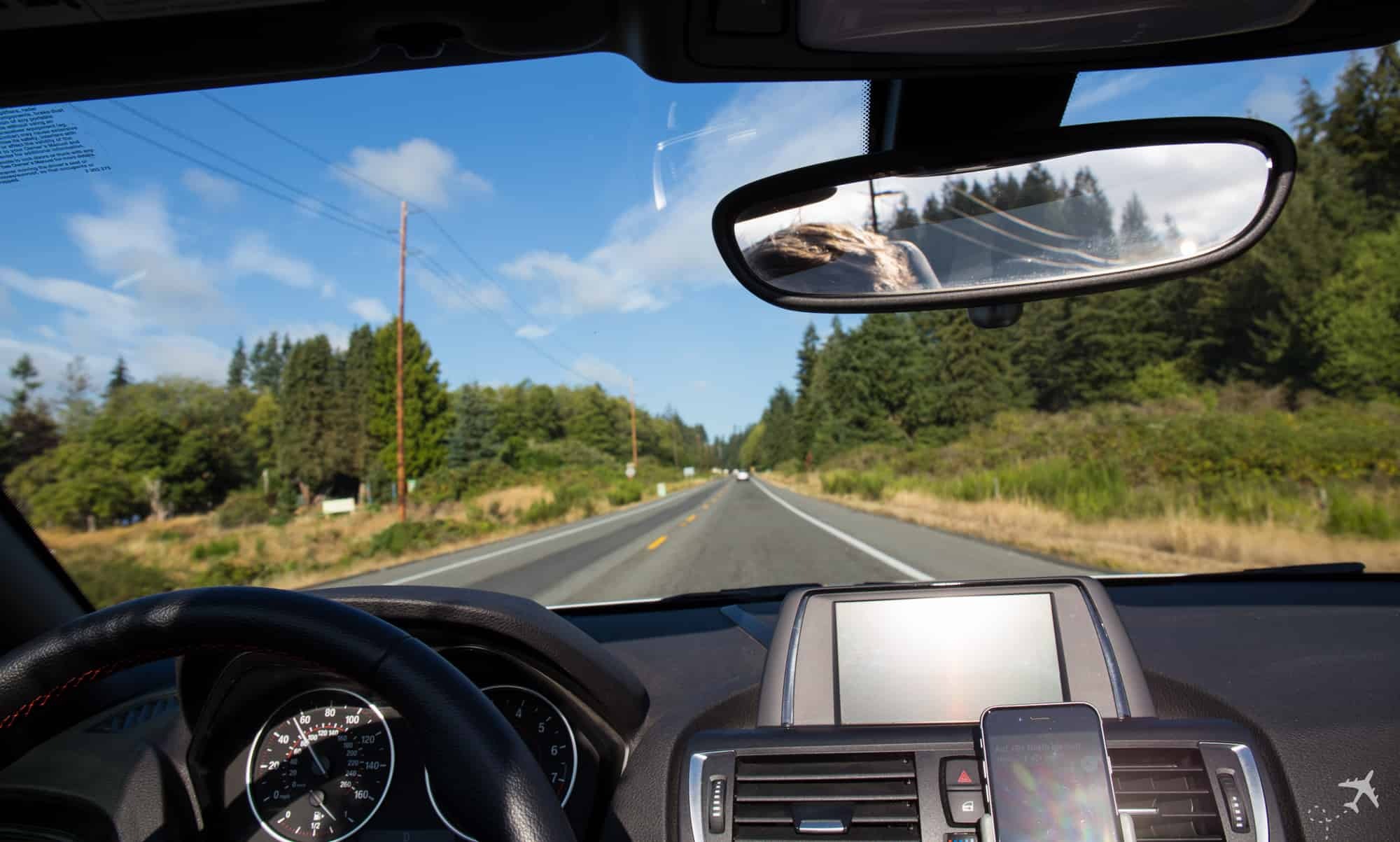
How far you travel each way matters just as much as how often you go. A short hop across town carries a different risk profile than a long highway run you repeat every single morning. Longer routes mean more time at higher speeds, and that raises the odds of a serious crash.
Insurers often ask for your one-way distance on the application, so the number you give carries weight. A drive of five miles and a drive of forty miles can land in very different pricing tiers.
You may not be able to move closer to the office, but you can still pay attention. If you are choosing a new home or a new job, factor the commute into your total cost, not only the gas and tolls but the insurance too. A shorter drive could save you more than you expect.
Already stuck with a long haul? Ask your insurer whether any programs reward safe highway driving. Some companies offer discounts for clean records, and a long commute with no claims is worth mentioning.
3. Rush Hour Timing
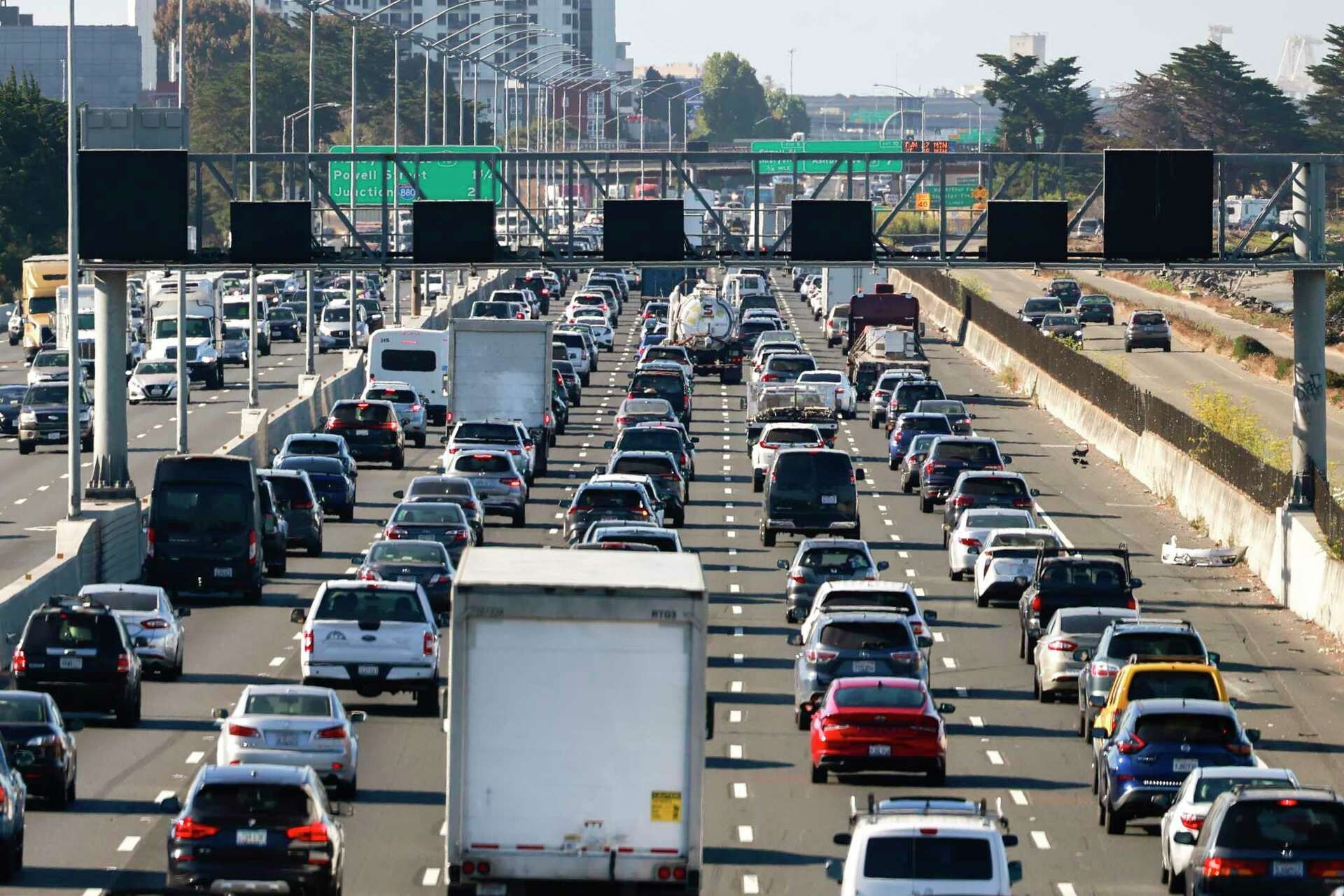
Leaving home during the morning rush and returning in the evening can expose you to some of the busiest driving conditions of the day. Heavy traffic, frequent braking, impatient drivers, and crowded intersections can increase the likelihood of minor collisions and other accidents.
Consider what happens during a typical rush-hour commute. Vehicles move slowly, drivers change lanes frequently, and sudden stops are common. Even a moment of distraction can result in a rear-end collision.
Stop-and-go traffic also creates situations where motorists have less time and space to react. A driver checking a phone, following too closely, or attempting to squeeze into a small gap can easily cause an accident.
Insurance companies may consider commuting patterns when assessing risk, particularly when combined with mileage, location, and other driving information. However, not every insurer directly adjusts premiums based on the exact time you travel.
If your work schedule allows flexibility, leaving earlier or later may help you avoid the busiest periods. This can make your daily journey less stressful and reduce your exposure to crowded traffic conditions.
Carpooling is another option worth considering. Sharing the drive with coworkers can reduce the number of days you personally drive, potentially lowering your annual mileage.
Although changing your schedule will not automatically produce an insurance discount, safer and less frequent driving may help reduce your exposure to accidents and support a lower-risk driving history.
4. Low-Visibility and Weather Conditions
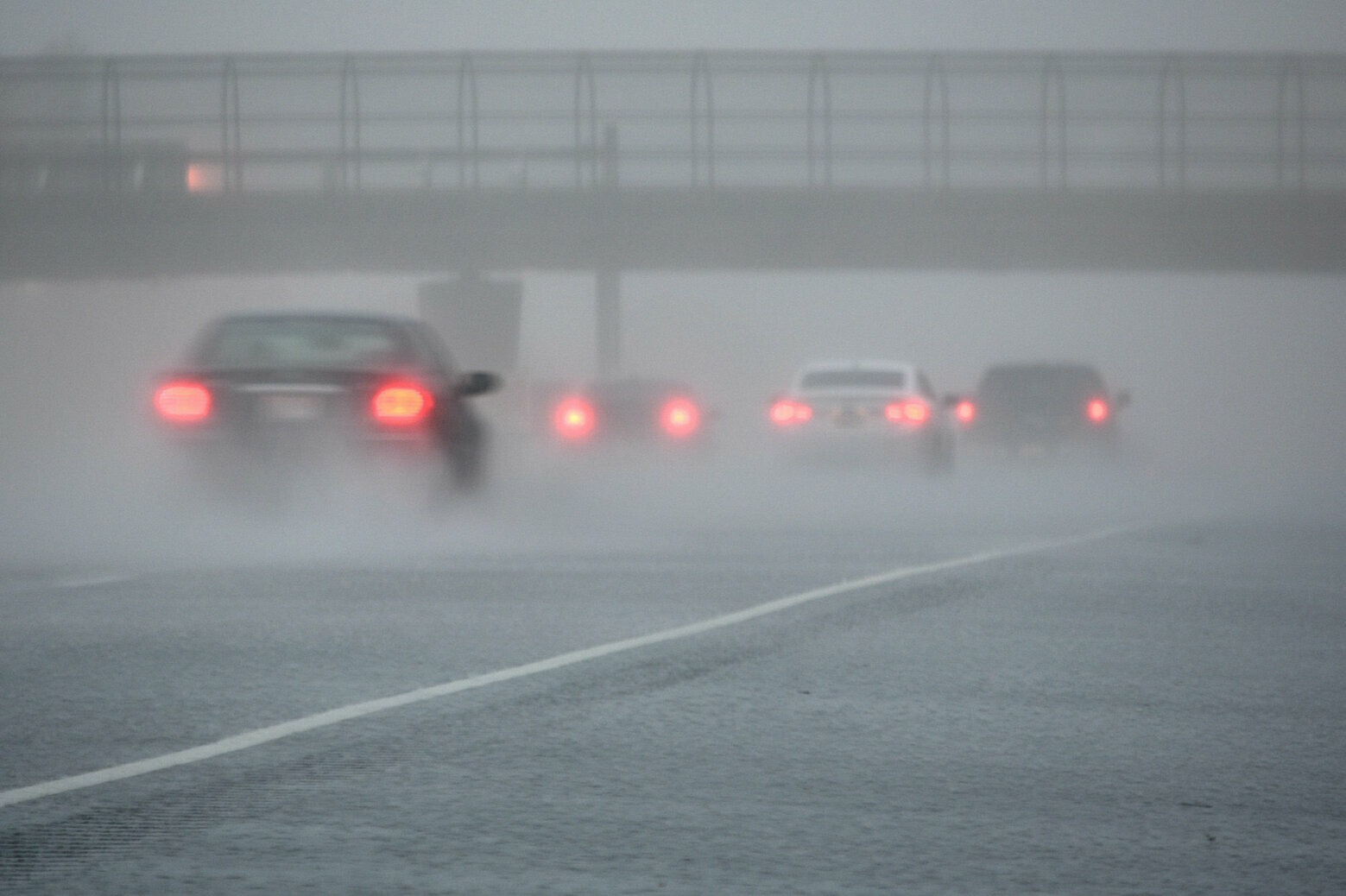
Your commute may become more challenging when you regularly drive during poor visibility or unfavorable weather. Early morning darkness, evening glare, heavy rain, snow, and icy roads can all affect how safely you travel.
For instance, drivers who leave home before sunrise may have difficulty spotting pedestrians, cyclists, animals, and road hazards. During winter, shorter daylight hours can also mean completing much of the daily commute in darkness.
Weather conditions create additional concerns. Heavy rain can reduce visibility and make roads slippery, while snow and ice can increase stopping distances and make vehicles harder to control.
These conditions may increase the likelihood of accidents, particularly when drivers travel too quickly or fail to leave enough space between vehicles.
Insurance providers may consider regional weather patterns, accident statistics, and the general risk associated with your location when calculating premiums. However, the exact influence of your commute’s weather conditions depends on the insurer and its pricing methods.
You can reduce driving risks by checking weather forecasts before leaving, cleaning your headlights and windshield, and maintaining good tire condition. During poor weather, reduce your speed and increase your following distance.
If visibility becomes dangerously low, consider delaying your journey until conditions improve. A few minutes of caution can be worth far more than the cost and inconvenience of an accident.

5. Urban vs. Rural Routes
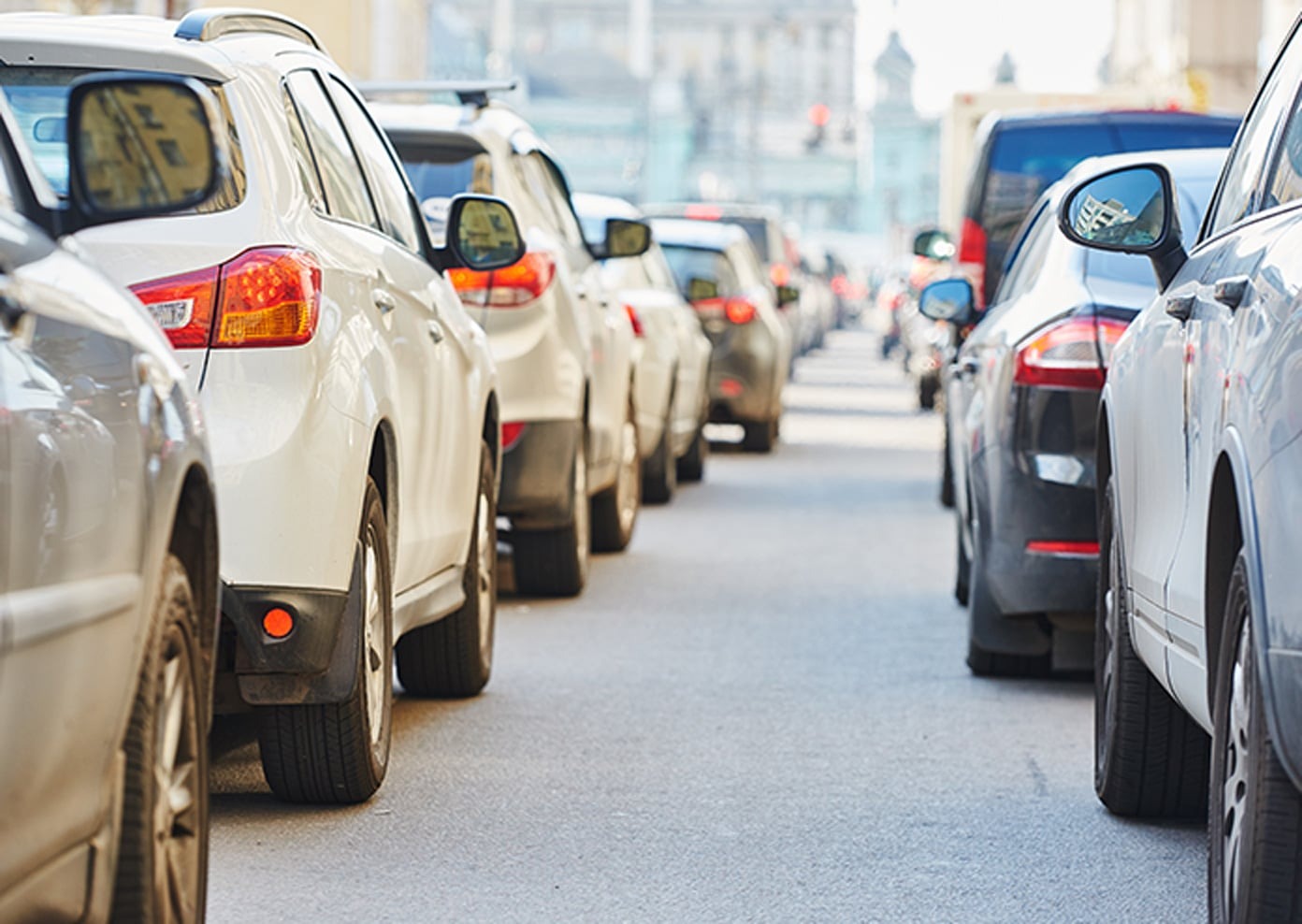
City streets are busy places. More cars, more pedestrians, tighter lanes, and more intersections all add up to a higher accident rate. Dense areas also see more theft and vandalism, which raises the risk of comprehensive claims. That is why drivers who commute into a downtown core often pay more than those on quiet country roads.
Rural routes have their own quirks, like wildlife on the road or long stretches without help nearby. Still, the baseline traffic is usually lighter, and insurers tend to price that as lower risk.
Where you live and where you work both count. If you can, look at the commute from the insurer’s point of view. Moving a few miles to a calmer area, or taking a job outside the busiest district, could trim your premium.
Not ready to relocate? Use public transit for part of the trip, or park at the edge of the city and ride in. Driving fewer urban miles can help your rate, and it may save you parking fees too.
6. Commute vs. Pleasure Classification
Insurers sort drivers into categories, and two of the most common are commuting and pleasure use. Pleasure use means occasional, recreational driving, such as weekend outings or trips to the store. Commuting is repetitive and happens during busy, high-risk windows, so it costs more.
Here is where a life change can pay off. If you retire, switch to working from home, or otherwise stop driving to a job, your classification may no longer fit. Moving your policy from commute use to pleasure use can lower your bill.
Do not wait for your insurer to notice. Call or log in to your account and report the change as soon as it happens. Many companies will not adjust your rate unless you tell them.
Be accurate, though. Claiming pleasure use while you still drive to work every day can lead to a denied claim or a canceled policy. Honest information keeps you protected. Review your classification at every renewal, since your routine can change faster than you realize.
7. Parking Environment
Your car spends far more time parked than moving, so where it sits matters. A vehicle left on a high-crime street or in an unmonitored lot faces a higher chance of theft, break-ins, and vandalism. That raises your comprehensive risk, and insurers price it in.
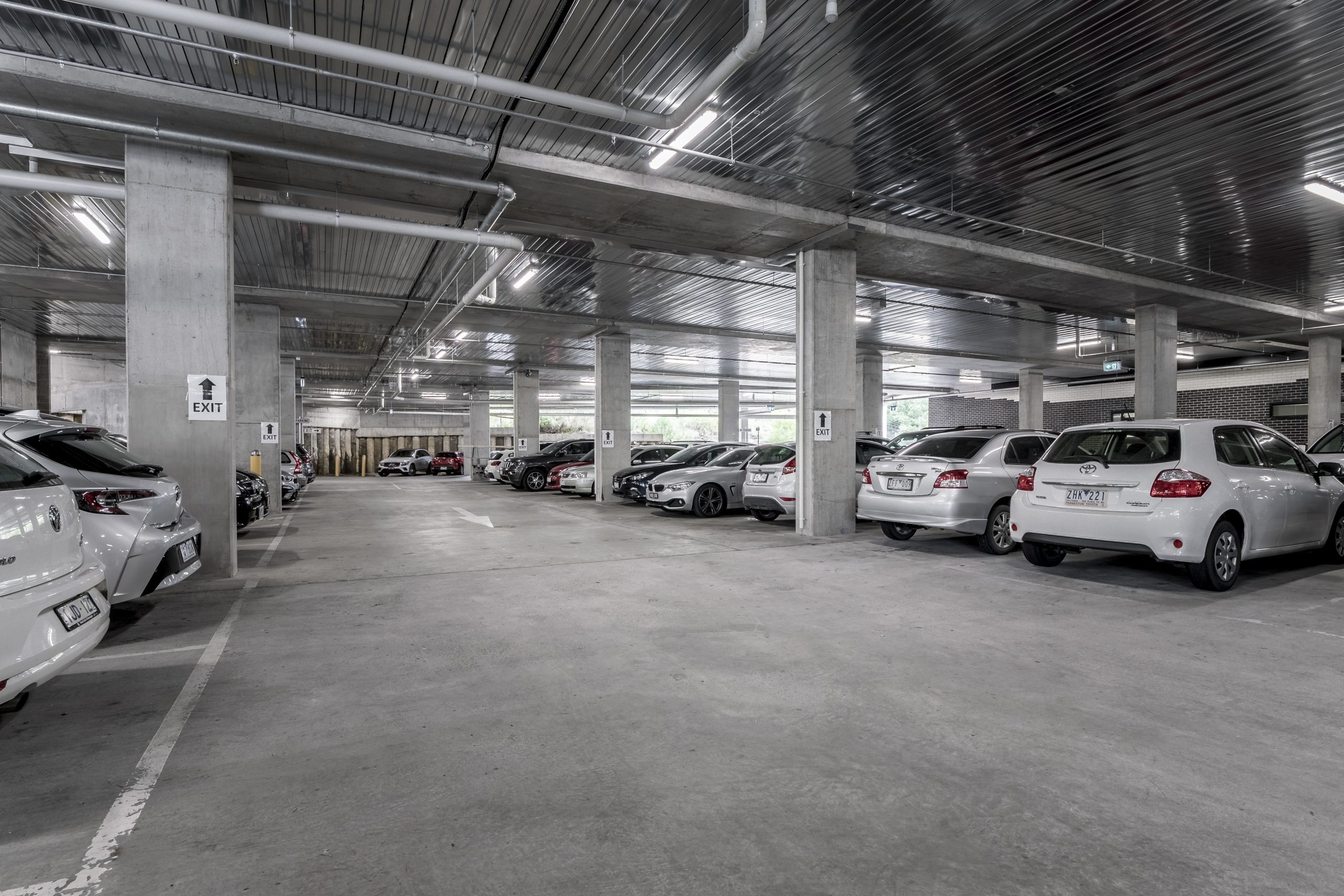
A secure garage tells a different story. Locked, covered, and out of sight, your car is a much safer bet, and many insurers will reflect that with a lower rate.
At work, look for the safest option available. Choose a lot with good lighting, cameras, or an attendant. If your employer offers a gated or garage space, take it. At home, use a garage or a driveway behind a gate whenever possible.
Develop simple security habits such as keeping valuables out of sight and making sure all doors are locked before leaving your car. You can also install an anti-theft device for added protection. Be sure to inform your insurance provider about these security features, as they may qualify you for discounts. Choosing safer parking spots can also help protect your vehicle while potentially lowering your insurance costs.