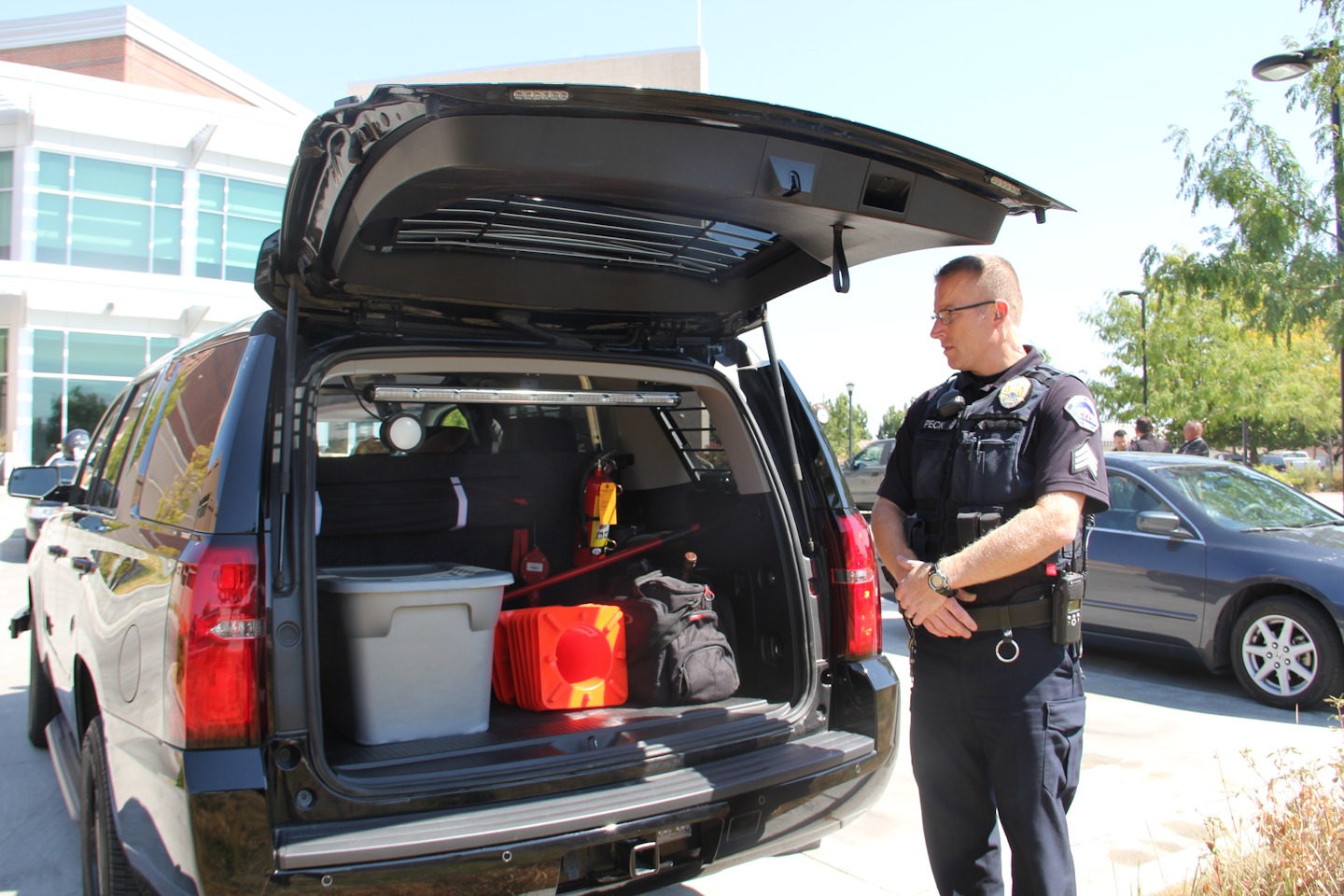
Your trunk is probably the last place you’d expect to find something that could get you a traffic ticket. After all, it’s where most drivers keep spare equipment, shopping bags, tools, and other everyday items. But some ordinary belongings can create unexpected legal problems when they’re transported incorrectly.
State laws covering vehicle safety, fire prevention, drug storage, and road visibility can make certain items illegal to carry under specific circumstances. Even something as simple as a loose fuel container or an improperly secured load could attract unwanted attention during a traffic stop.
Before your next road trip, take a closer look at what’s stored in your vehicle. These ten items deserve special attention because carrying them the wrong way could put you on the wrong side of state law.
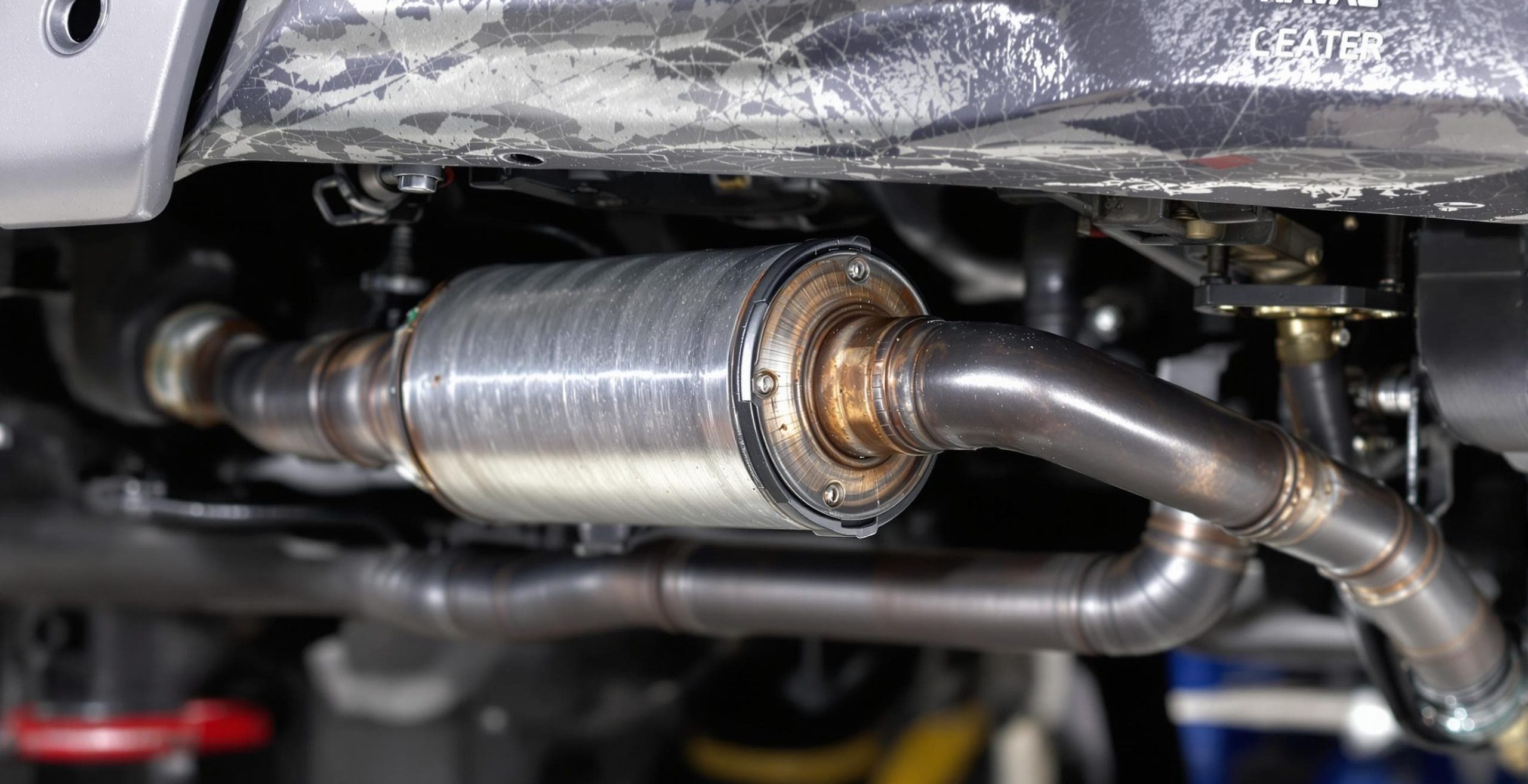
1. An Unattached Catalytic Converter
Finding an old catalytic converter in your trunk might seem perfectly harmless, especially if you recently replaced one at an auto repair shop.
However, carrying a loose catalytic converter without proof of ownership can raise questions in states with strict laws targeting automotive parts theft.
Minnesota and Georgia, for example, have laws addressing catalytic converter theft and the possession or sale of suspicious vehicle emissions equipment.
Depending on the circumstances, possessing a detached converter without legitimate documentation could create serious legal problems.
Why are authorities concerned? Catalytic converters contain valuable metals, including platinum, palladium, and rhodium. Their resale value has made them frequent targets for thieves, leading several states to introduce tougher regulations.
If you’re transporting a replacement part or taking an old converter to a recycling facility, keep your repair invoice, purchase receipt, or other documentation showing where it came from.
Never assume that explaining the situation verbally will automatically resolve questions about ownership. Documentation makes it easier to establish that the component was obtained legally.
Also, avoid purchasing detached converters from unfamiliar sellers who cannot provide proof of ownership.
A legitimate automotive repair shouldn’t become a legal headache simply because you forgot the paperwork. Before placing a catalytic converter in your trunk, make sure you can demonstrate where it came from and why you’re transporting it.
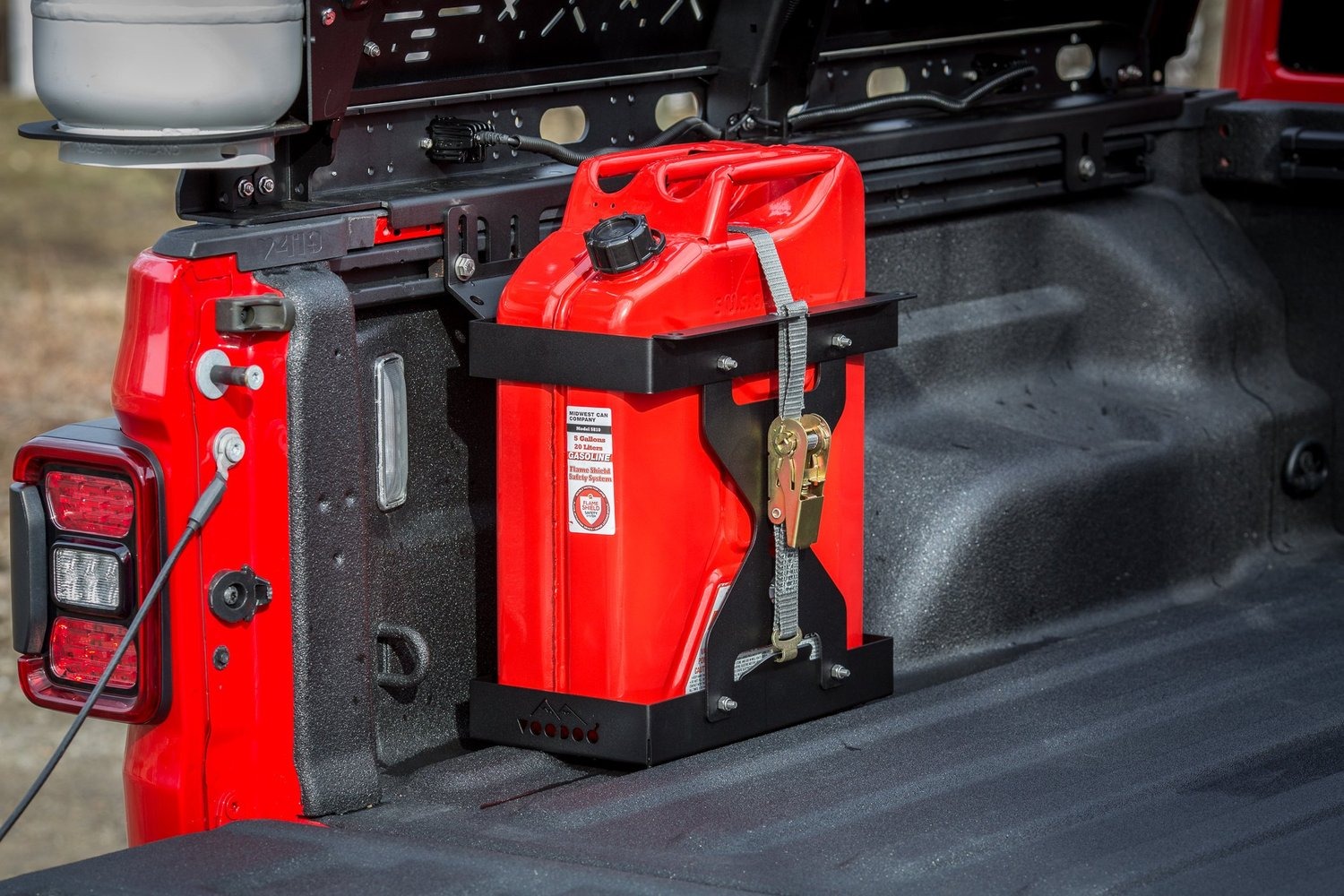
2. An Unsecured Gas Can
Keeping an emergency gas can in your vehicle sounds like sensible preparation, particularly when traveling through remote areas or during long road trips. However, transporting gasoline comes with fire safety requirements that drivers shouldn’t ignore.
Gasoline produces flammable vapors that can accumulate inside enclosed spaces. A leaking or poorly sealed container in your trunk can expose passengers and the vehicle to dangerous fumes.
An unsecured container can also tip over, spill fuel, or become damaged when the vehicle brakes suddenly.
State fire codes and transportation regulations may impose requirements concerning approved fuel containers, proper sealing, and the amount of gasoline that can legally be transported. The exact rules depend on the state and circumstances.
Use a container specifically designed and approved for gasoline storage. Check that its cap closes securely, inspect it for cracks, and keep it upright during transportation. Never use ordinary plastic bottles or containers that weren’t manufactured for fuel.
Avoid placing gasoline inside the passenger compartment whenever possible. A properly ventilated and secured location, following the manufacturer’s instructions and applicable regulations, is essential.
If you regularly carry emergency fuel, check your state’s fire safety guidance before traveling. Also, keep gasoline away from cigarettes, flames, and other ignition sources.
A small fuel container can be useful during emergencies, but improper storage can turn a convenient backup into a serious safety hazard.
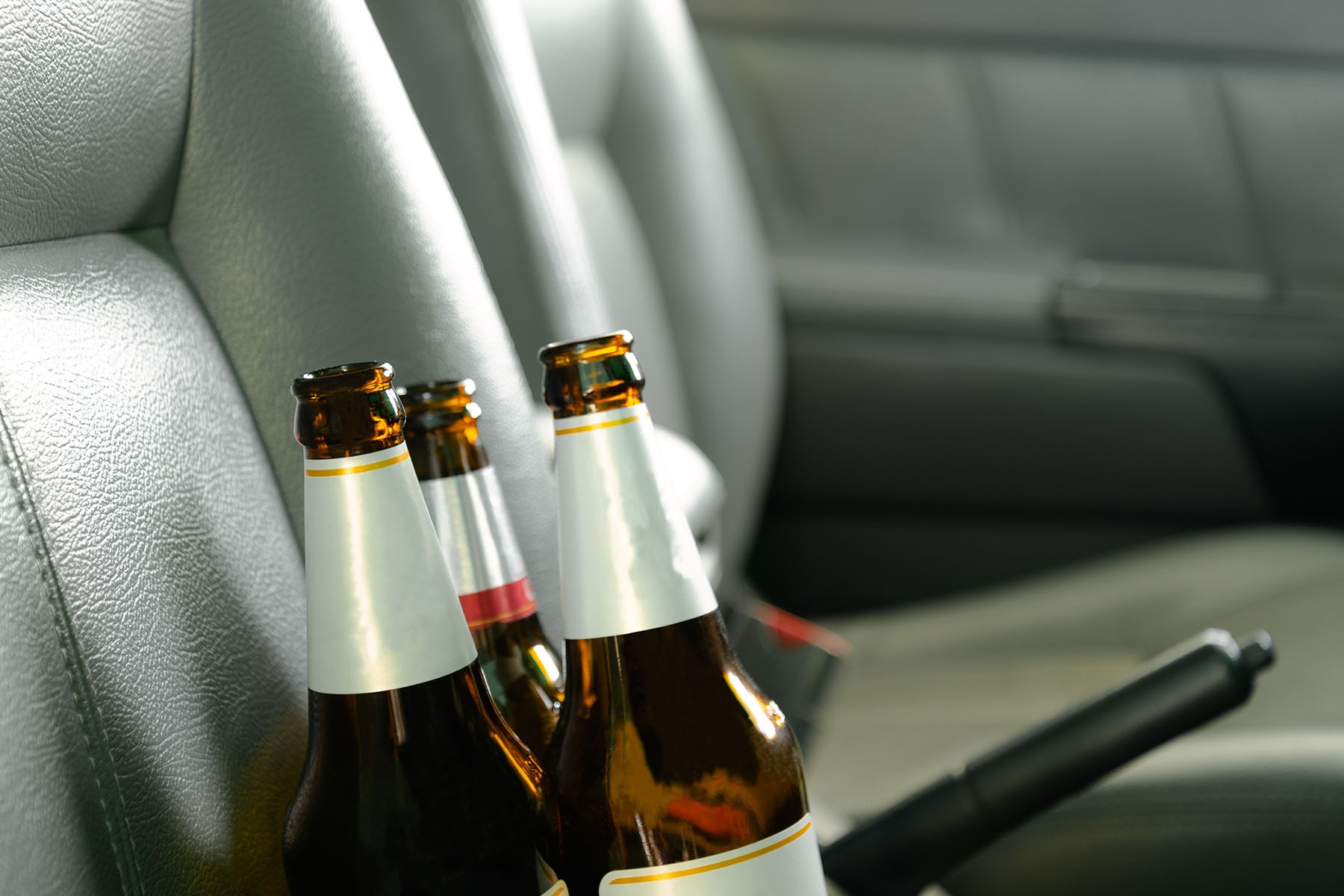
3. An Open Container of Alcohol
That half-empty bottle of wine left in your trunk after a weekend gathering could create an unexpected problem during a traffic stop. Many states have open-container laws restricting where opened alcoholic beverages can be carried inside a vehicle.
Generally, these laws prohibit open alcoholic beverage containers in the passenger compartment, including areas accessible to drivers and passengers. However, the precise definitions, exemptions, and penalties differ between states.
Vehicles with separate enclosed trunks may receive different treatment from pickup trucks, SUVs, and hatchbacks. In some jurisdictions, alcoholic beverages may need to be stored in a location inaccessible to occupants, while other states have specific exceptions for certain vehicle configurations.
Don’t assume that putting an opened bottle behind your seat or underneath luggage makes it legally acceptable.
If you’re transporting an opened alcoholic beverage, check the applicable state rules before traveling. An unopened bottle should remain properly sealed, while opened containers should be stored only in locations permitted by local law.
For pickup truck owners, an open truck bed isn’t automatically a legally acceptable storage location in every jurisdiction. Check the relevant regulations rather than relying on assumptions.
The easiest way to avoid confusion is to finish your trip with alcoholic beverages properly stored according to local requirements. Never drink while driving, and never leave an open alcoholic beverage within reach of the driver.
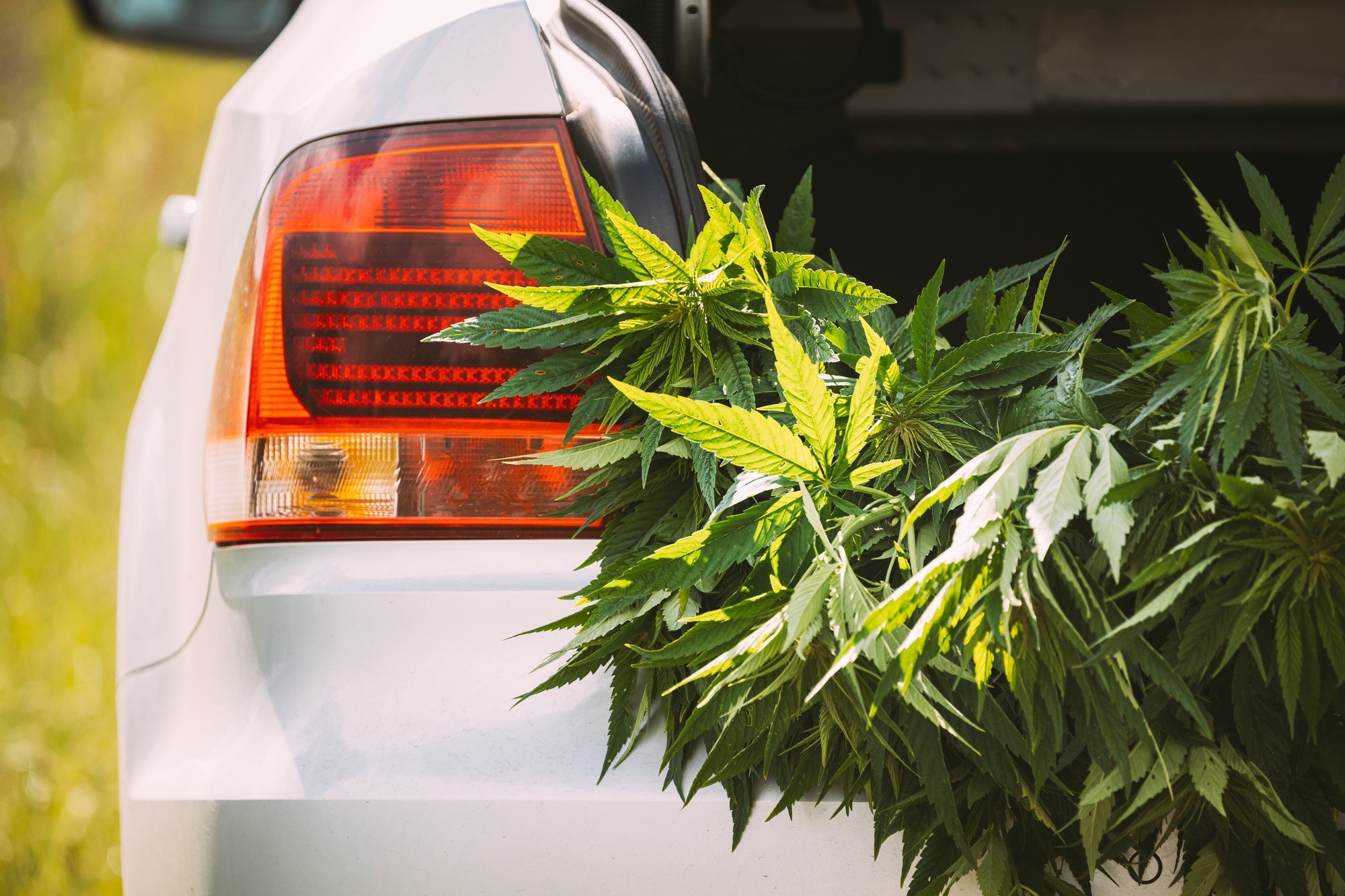
4. Improperly Stored Legal Cannabis
Living in a state where recreational cannabis is legal doesn’t mean you can transport it however you like. Even where possession is permitted, transportation rules can impose strict requirements on packaging, accessibility, and storage.
Illinois, for example, requires cannabis to be transported in a secured, sealed, and odor-proof container that is reasonably inaccessible while the vehicle is moving. Child-resistant packaging requirements also apply under relevant state regulations.
Placing loose cannabis in your glove compartment, center console, or an ordinary shopping bag could create legal problems, even when the original purchase was lawful.
The reason behind these restrictions is straightforward. Authorities want to prevent accidental access, discourage impaired driving, and reduce the possibility of cannabis being consumed inside a moving vehicle.
If you’re traveling within a state where possession is legal, check the current transportation requirements before placing cannabis in your vehicle. Keep it in the required packaging and follow any restrictions concerning where it can be stored.
Remember that state legalization doesn’t make cannabis legal everywhere. Transporting it across state lines can create federal legal issues, even when both states permit recreational use.
Never drive while impaired, and don’t assume that a product purchased legally can be carried without restrictions.
Proper storage protects you from unnecessary legal trouble and helps prevent children or other passengers from accessing substances they shouldn’t handle.
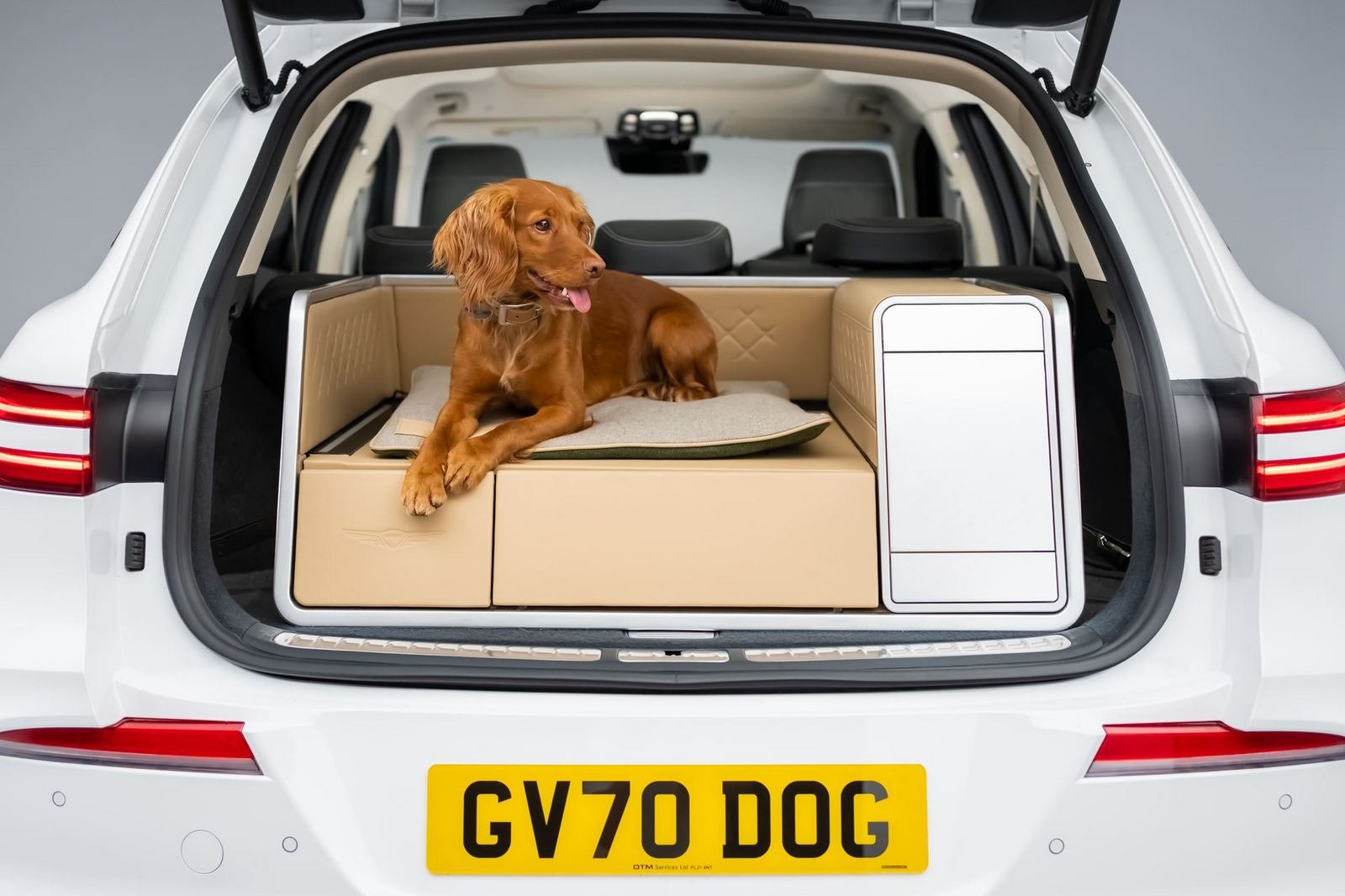
5. A Loose Dog in the Truck Bed
Your dog might love riding in the back of your pickup truck, especially when the weather is pleasant and there’s plenty to see along the road. However, allowing an animal to move freely in an open truck bed can violate state animal transportation laws.
California is among the states with restrictions on transporting animals in pickup truck beds without appropriate protection. Certain New England states also have rules addressing how animals must be restrained during transportation.
The concern isn’t simply about traffic violations. A sudden stop, sharp turn, or unexpected road hazard can throw an unsecured dog out of the truck bed, potentially causing severe injuries or exposing other motorists to danger.
Some states permit animals to ride in pickup beds when they’re properly secured using approved restraints or enclosed transportation systems. Requirements vary, so check the applicable law before traveling.
A properly secured crate is often a practical option. Choose one that provides enough room for your dog to stand and turn comfortably, and make sure it is firmly attached to the vehicle.
Cross-tethering may also be permitted under certain state laws, but the restraint must prevent the animal from reaching the sides or jumping out.
Never assume a short trip makes an unsecured ride safe. Your pet depends on you to provide proper protection, whether you’re driving across town or heading out on a long holiday journey.
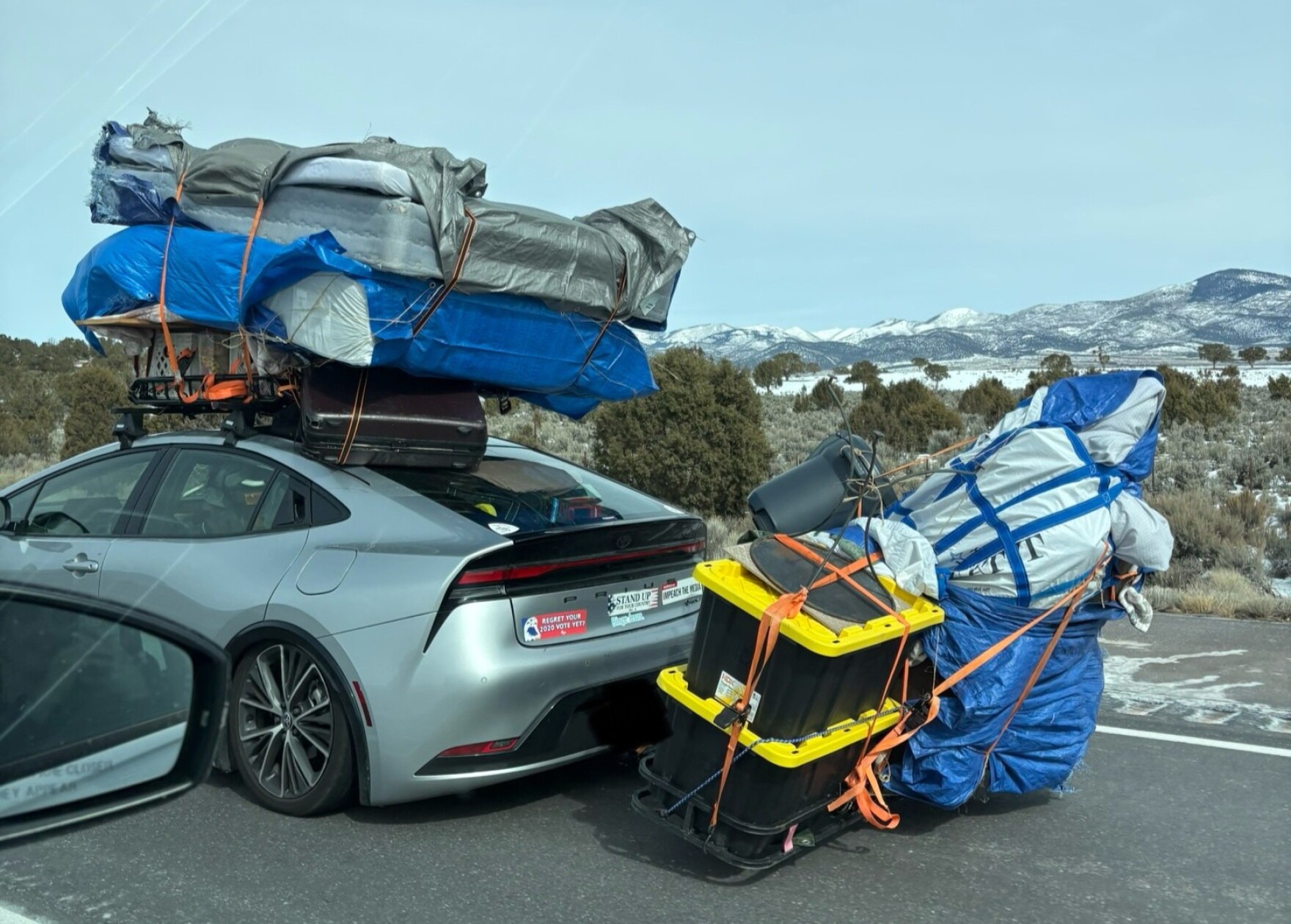
6. An Un-Tarped or Unsecured Load
Transporting furniture, construction materials, garden equipment, or loose debris in your truck bed requires more attention than simply placing everything inside and driving away.
Most states have laws requiring motorists to secure their loads properly. California, for example, has regulations requiring loads to be secured to prevent objects from falling onto public roads. Similar requirements exist throughout the United States.
Why does this matter? An unsecured mattress can become airborne, loose lumber can slide onto the highway, and small pieces of debris can strike vehicles traveling behind you.
Even something that appears too heavy to move can become dangerous when a vehicle brakes suddenly or takes a sharp corner.
Use suitable tie-down straps, cargo nets, or tarps to secure everything before leaving. Heavy objects should be positioned carefully, with lighter items placed where they cannot blow away. Check that the load doesn’t obstruct your rear lights, license plate, or driver’s visibility.
Pay particular attention to furniture, ladders, metal equipment, and construction materials. These items can cause serious damage if they fall onto a busy road.
State penalties vary according to the violation and the danger created. Drivers may face fines, citations, or additional liability if an unsecured load causes an accident.
Before every trip, walk around your vehicle and inspect the cargo. A few minutes spent checking your straps can prevent injuries, expensive damage, and an avoidable traffic stop.
7. A Thick License Plate Frame
That decorative license plate frame you purchased at an automotive accessories store might look attractive, but it could create a legal problem if it covers important registration information.
Every state has requirements concerning license plate visibility. Depending on local regulations, the plate must remain readable, properly illuminated, and free from obstructions that hide identifying information.
Some thick aftermarket frames cover the state name, registration stickers, plate numbers, or other required details. Even when the obstruction appears minor, it may be enough to attract attention during a traffic stop.
Certain states also restrict tinted plate covers and accessories that interfere with automated license plate readers.
Here’s something worth checking: a spare license plate frame sitting in your trunk isn’t necessarily illegal by itself. The issue generally arises when an obstructive frame is installed on the vehicle or when other applicable laws are violated.
Before purchasing or installing an aftermarket frame, compare its design with your state’s license plate regulations.
Make sure every required letter, number, sticker, and identifying detail remains visible.
If you already have a decorative frame installed, inspect it from different angles. Don’t rely on your view from the driver’s seat to determine whether the plate is readable.
A simple, properly fitted frame is usually a safer choice than an oversized accessory that covers important information.
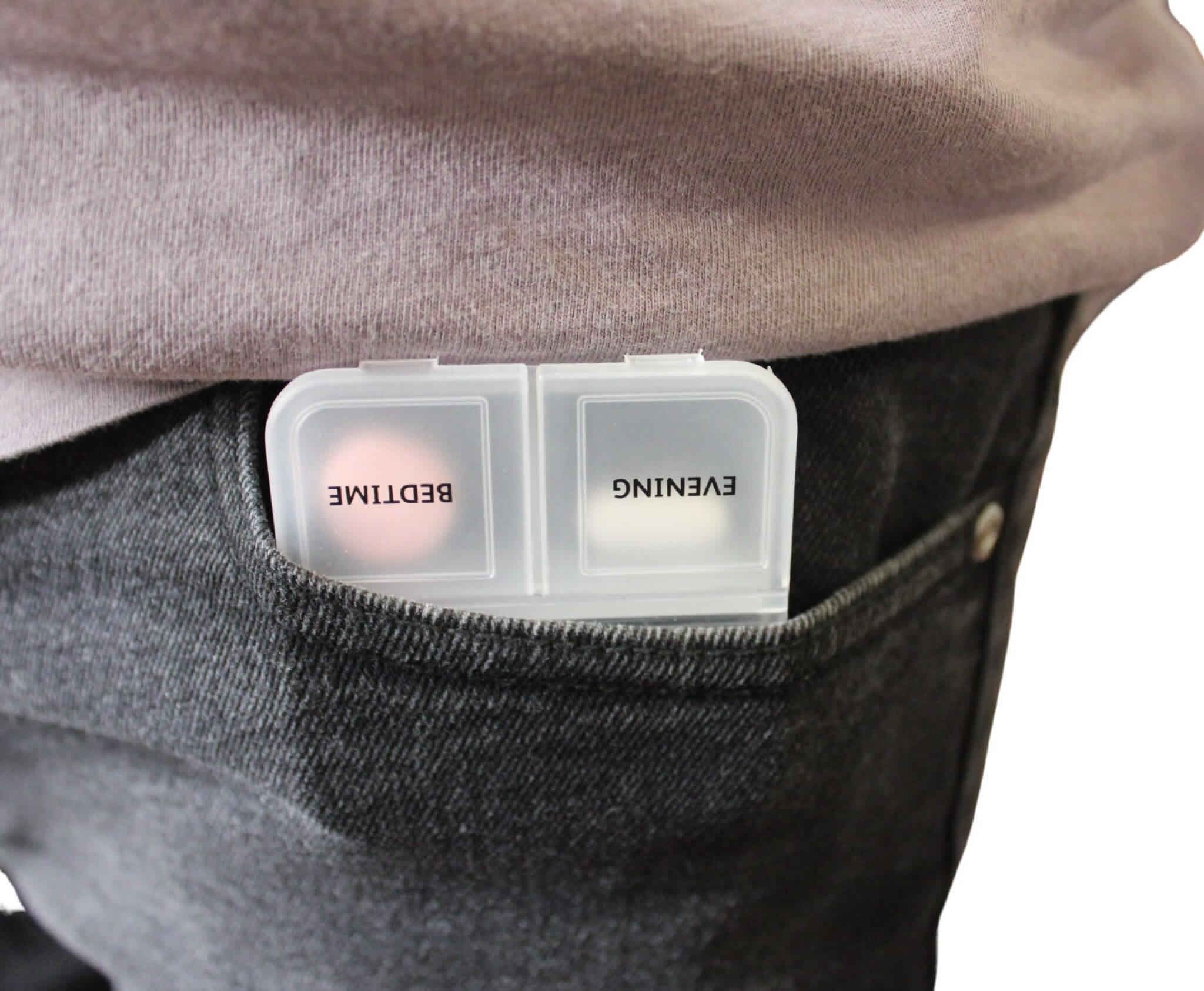
8. An Uncontained Plastic Pillbox
Daily pill organizers are handy, but they can create a legal gray area. Carrying prescription medication outside its original pharmacy container, such as in a day-of-the-week plastic organizer, can technically violate state controlled substance labeling laws.
Why does it matter? Officers cannot verify what the pills are or whether they belong to you. For certain medications, that can lead to questions or even charges.
The easy fix is to carry medication in the original bottle, with the pharmacy label showing your name, the drug, and the prescriber. If you prefer an organizer at home, bring the labeled bottle along on trips and in the car.
Keep medication out of the trunk when temperatures are extreme. Heat and cold can damage pills, so store them in the cabin in a bag or small case, but away from direct sunlight.
If you travel, carry a copy of the prescription or a note from your doctor. It adds a helpful layer of proof.
Never share your medication with anyone, and never leave it visible in your parked car. Locked, labeled, and tucked away is the safest approach.
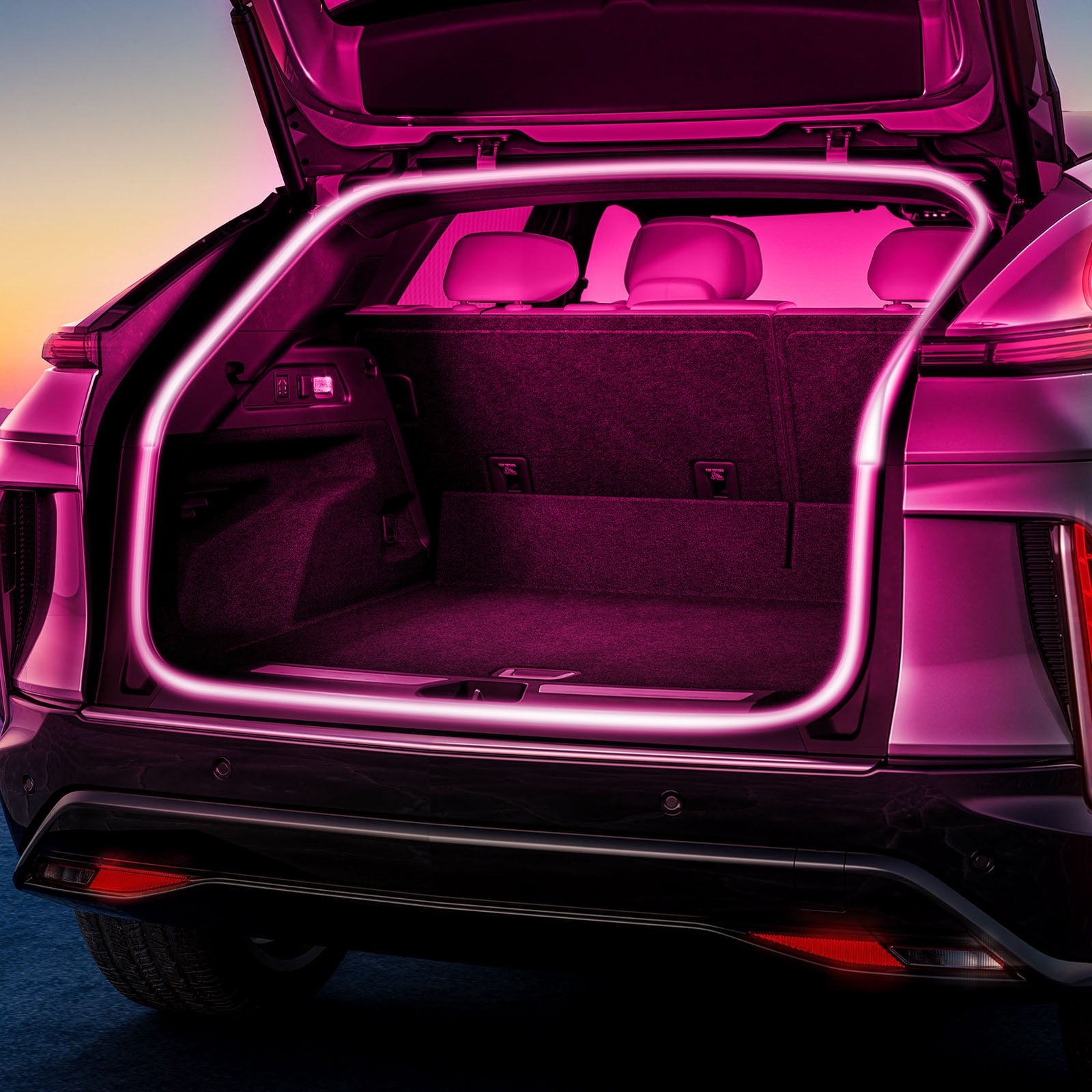
9. Uncovered LED Light Bars
Off-road LED light bars are popular among pickup truck and SUV owners because they provide powerful illumination when driving away from public roads. However, installing these accessories doesn’t mean they’re legal to operate on ordinary highways.
Many states restrict the use of auxiliary driving lights, particularly when their brightness, positioning, or beam direction could distract or temporarily blind other motorists.
Some jurisdictions also require certain off-road lighting equipment to remain covered while vehicles are driven on public roads. California, for example, has restrictions concerning auxiliary driving lamps and off-highway lighting equipment.
This is where drivers can get caught out. A light bar that works perfectly on a private trail may violate equipment regulations when used on a public street.
If your vehicle has an LED light bar, check your state’s vehicle equipment requirements before driving. Pay attention to permitted mounting positions, beam colors, brightness restrictions, and whether protective covers are required.
Keep the lights switched off whenever their use isn’t legally permitted. If the law requires covers, install appropriate covers before entering public roads.
Also, don’t assume that a light bar becomes legal simply because it’s mounted on the roof or bumper rather than the grille.
Off-road lighting can be useful in appropriate locations, but public road regulations exist to protect every driver. Make sure your equipment meets local requirements before taking your vehicle onto the highway.
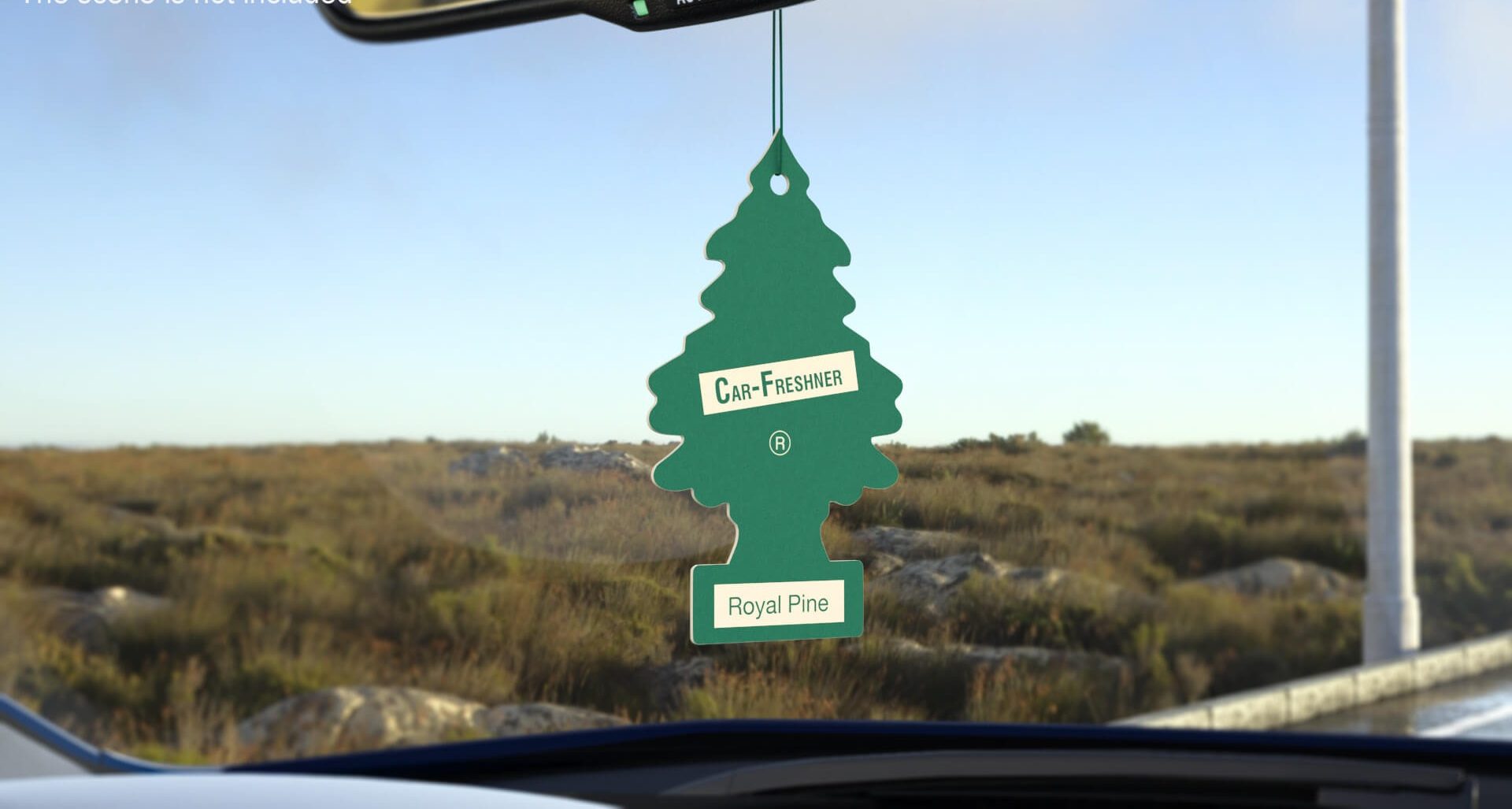
10. Hanging Air Fresheners or “Little Trees”
A small air freshener hanging from your rearview mirror might seem like one of the most harmless accessories inside your vehicle. However, some states have laws restricting objects that obstruct a driver’s view through the windshield.
Items such as hanging air fresheners, decorative ornaments, parking permits, and other accessories can potentially interfere with visibility when they’re positioned incorrectly.
Minnesota, for example, has windshield obstruction regulations, and violations involving objects that interfere with the driver’s view can carry financial penalties. The exact amount depends on the circumstances and applicable law.
The issue isn’t necessarily the air freshener itself. Its position, size, and effect on the driver’s field of vision are what matter.
A large decoration swinging from the mirror can distract you, obscure part of the windshield, or interfere with your ability to notice pedestrians, cyclists, and approaching vehicles.
Before installing any hanging accessory, check your state’s windshield obstruction laws. Some states allow certain items in limited areas, while others apply broader restrictions.
A safer option is to use a vent-mounted air freshener or another product that doesn’t hang in your direct line of sight.
Also, remove unnecessary objects from the dashboard and windshield area. Keep your view clear, especially when driving through busy intersections or unfamiliar roads.
That inexpensive air freshener isn’t worth an avoidable traffic citation or reduced visibility. Choose a placement that keeps your windshield clear and allows you to concentrate fully on driving.