
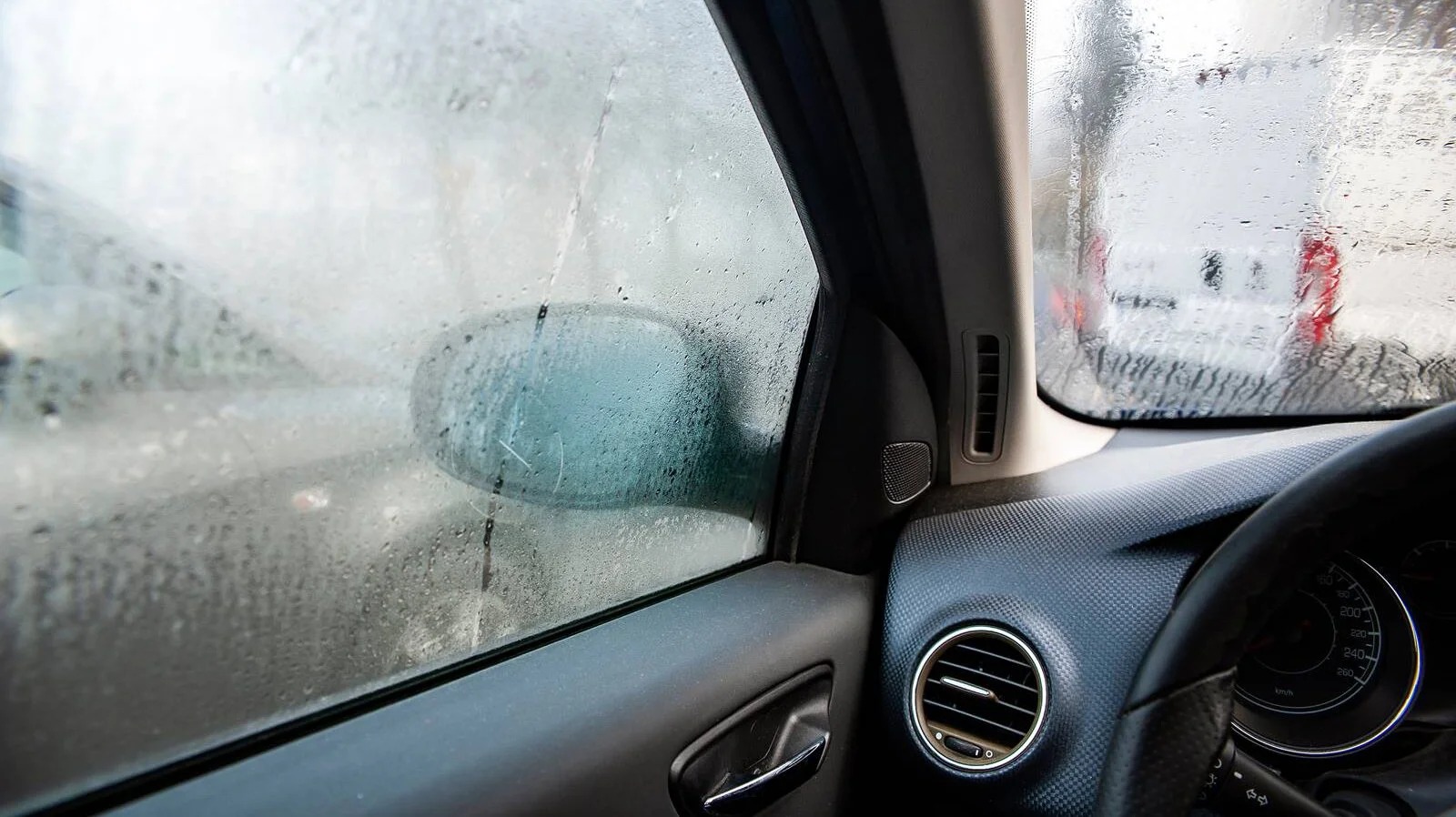
Foggy windows can turn a comfortable winter morning into a frustrating experience. Whether you’re struggling with a misty car windshield or condensation covering your home windows, excess moisture is usually responsible. Cold glass meets warm, humid air, causing water droplets to form and obstruct your view. Fortunately, you don’t need expensive equipment or professional treatments to tackle the problem.
Several inexpensive household items and simple adjustments can help keep your windows clearer throughout the colder months. From using shaving cream as a temporary anti-fog treatment to improving airflow inside your vehicle, these 10 practical solutions cost less than $15 each. They’re easy to try, require little preparation, and can make winter mornings much more manageable.
1. Turn on the A/C
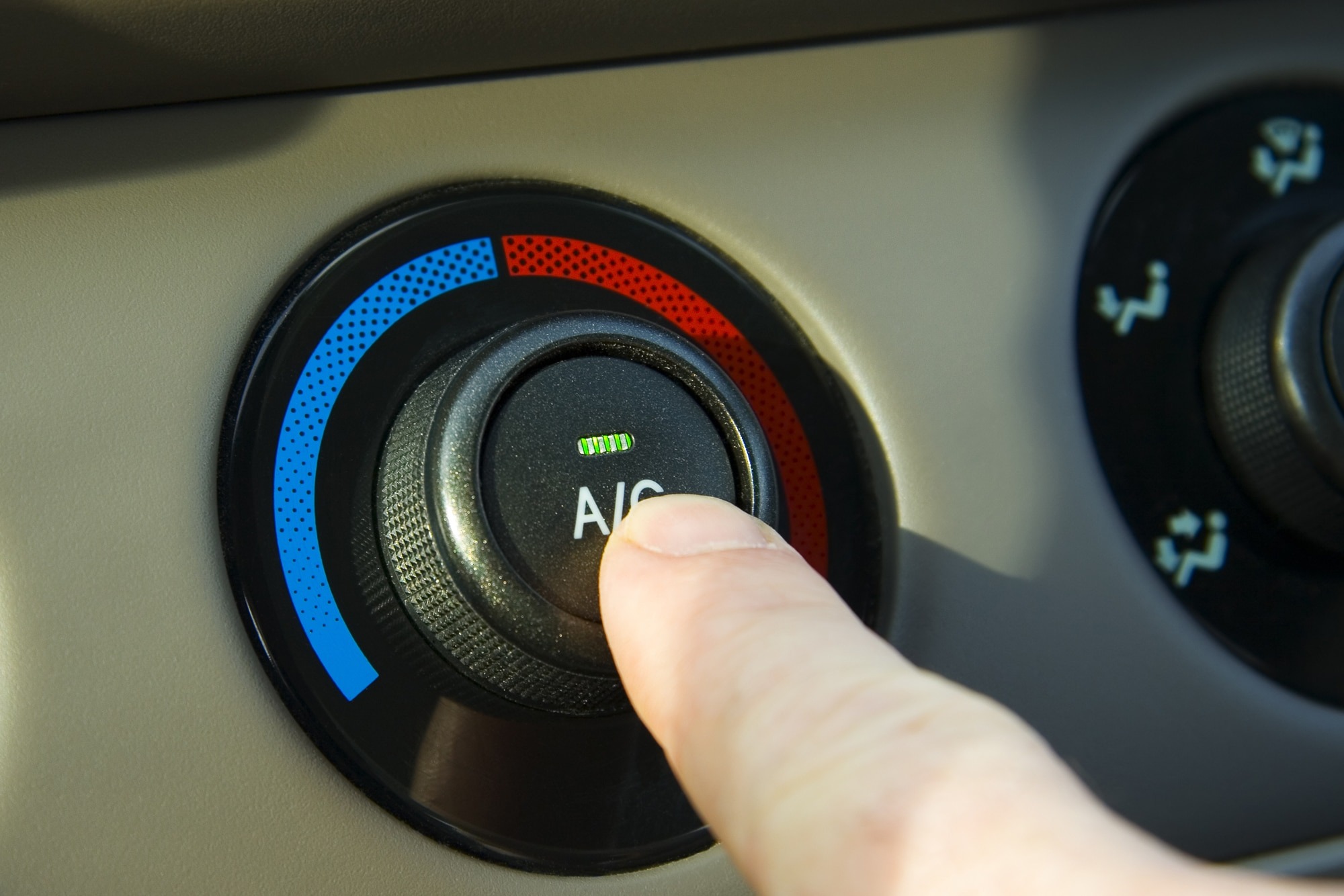
It might seem strange to use your car’s air conditioner during freezing weather, but it is actually one of the easiest ways to clear a foggy windshield.
Your A/C system does more than cool the cabin. It also removes moisture from the air, helping reduce the humidity responsible for condensation on cold glass.
An effective way to clear windshield condensation is to set the cabin temperature to warm, direct the airflow toward the windshield, and turn on the air conditioning. This helps circulate warm, dry air that removes moisture from the glass while keeping the cabin comfortable.
Many modern vehicles automatically activate the air conditioner when you select the front windshield defrost setting. However, this feature varies by manufacturer, so check the dashboard indicator to confirm that the A/C is operating.
You might wonder whether running the air conditioner during winter wastes fuel. While it can increase fuel consumption slightly, using it briefly to clear your windshield is a reasonable trade-off for better visibility.
There is another benefit worth considering. Running your A/C periodically during colder months helps circulate refrigerant and lubricate internal seals, supporting the system’s maintenance needs.
You do not need special equipment, expensive products, or complicated adjustments to try this method.
Cost: $0. Simply use your existing climate controls, and you could have a much clearer windshield within minutes.
2. Turn off air recirculation
Your car’s recirculation setting might be making winter fog worse without you realizing it. Although this feature is useful in certain driving conditions, leaving it switched on continuously can trap moisture inside the cabin.
Think about everything that introduces humidity into your vehicle. Your breath, wet jackets, damp shoes, and snow-covered clothing all release moisture into the surrounding air.
When that humid air repeatedly circulates inside a cold vehicle, condensation can collect on the windshield and side windows.
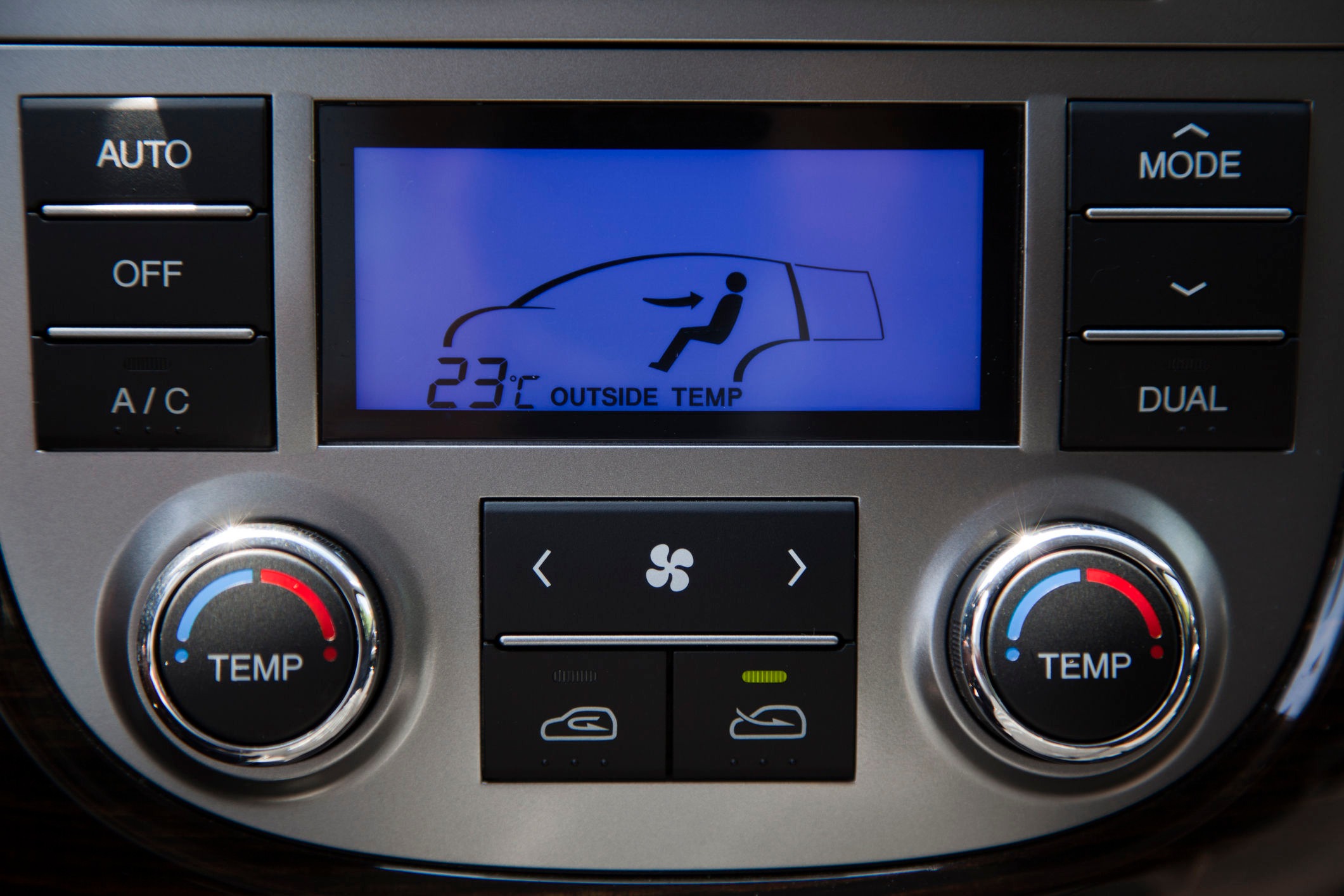
Fortunately, correcting the problem takes only a moment. Look for the dashboard button showing a vehicle outline with a curved arrow inside it.
When the indicator is illuminated, recirculation is active. Press the button to deactivate it and allow your ventilation system to draw fresh air from outside.
Fresh-air ventilation can help reduce cabin humidity, making it easier for your defroster to clear condensation. For quicker results, combine this setting with warm airflow directed toward the windshield.
Make checking this button part of your regular winter driving routine. Some vehicles automatically activate recirculation under certain climate-control settings, so it is worth checking whenever fog appears.
You can still use recirculation when appropriate, such as when driving through areas with unpleasant outside odors. Just avoid relying on it continuously when interior humidity is already high.
Cost: $0. One quick dashboard adjustment could make a noticeable difference to your winter driving visibility.
3. Crack the windows
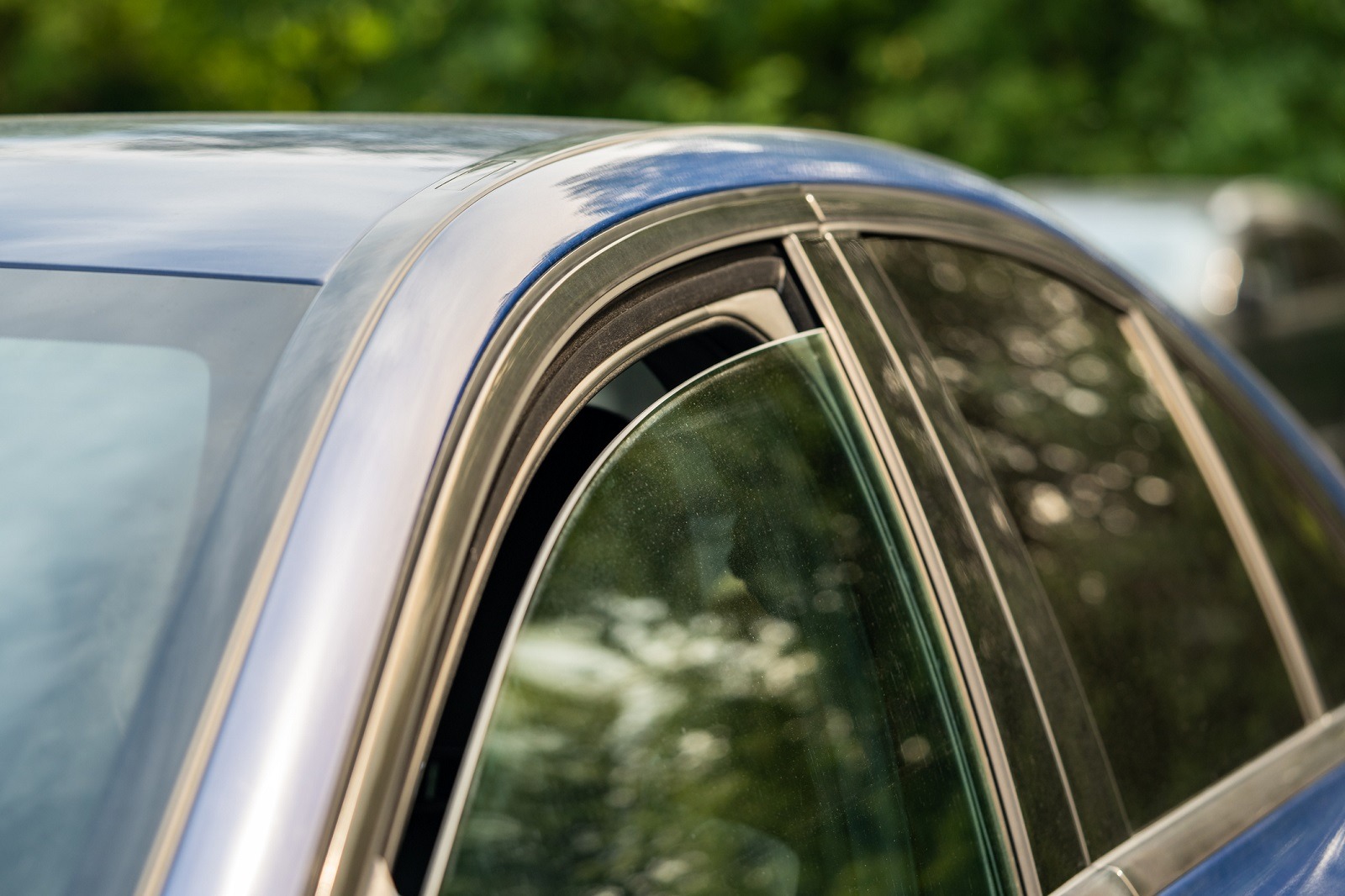
Sometimes, allowing a little outside air into your vehicle is all it takes to reduce stubborn window fog. It sounds uncomfortable during winter, but opening your windows slightly can help release humid air trapped inside the cabin.
Consider what happens during an ordinary drive. Every passenger contributes moisture through breathing, while wet coats, umbrellas, and snow-covered footwear introduce additional dampness.
Without adequate ventilation, that moisture accumulates and eventually settles on cold glass as condensation.
Opening a window slightly creates an escape route for humid air. You do not need to lower it completely. Even a small opening can encourage ventilation while limiting how much cold air enters the vehicle.
For better airflow, try opening windows on opposite sides of the cabin. This creates a gentle cross-breeze that helps move trapped air outside.
It can be particularly useful shortly after starting your vehicle, when the windshield is cold and interior humidity is high.
You can also use this approach at home by briefly opening windows in rooms where condensation frequently develops. Bathrooms, kitchens, and bedrooms often benefit from improved ventilation.
However, pay attention to the weather and your surroundings. Avoid leaving windows open during rain, snowfall, or when vehicle security could be compromised. Never sacrifice passenger comfort or safe driving conditions.
Another helpful habit is shaking snow and water off your clothing before entering the vehicle.
Cost: $0. A little ventilation can help control moisture without requiring expensive equipment or special treatments.
4. The kitty litter sock trick
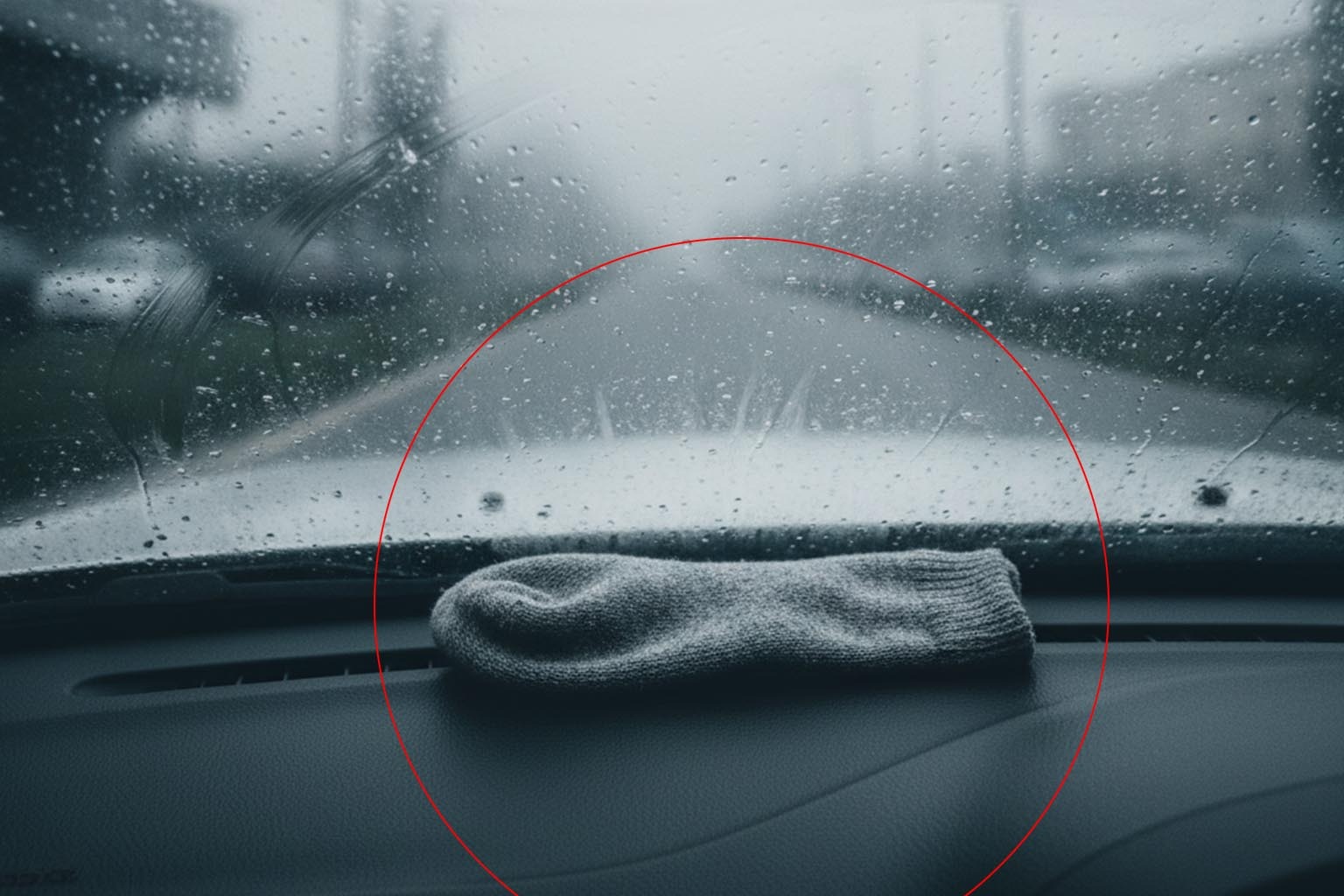
An affordable way to reduce excess moisture inside your vehicle is to fill an old sock with silica-based kitty litter and place it in the cabin.
Crystal kitty litter often contains silica gel, a material designed to absorb moisture from its surroundings. That makes it useful for reducing dampness in enclosed spaces, including vehicle cabins.
To prepare your moisture absorber, find a clean, dry tube sock and fill it with silica-based crystal litter. Tie the opening securely so the contents cannot spill.
Place the filled sock underneath a seat or in another stable location where it won’t interfere with pedals, seat adjustments, or other vehicle controls.
As moisture collects in the cabin, the silica material absorbs some of it. This can help reduce the humidity contributing to repeated windshield fogging.
A few precautions are worth remembering. Use crystal litter specifically identified as silica-based rather than assuming every type of kitty litter has the same moisture-absorbing properties.
Keep the sock away from children and pets, and replace or dry the contents according to the manufacturer’s guidance.
The price depends on the litter brand and package size, but a small quantity can cost less than $5.
For drivers who regularly deal with damp interiors, this homemade moisture absorber offers a simple way to make use of an inexpensive household product.
5. Baking soda open box
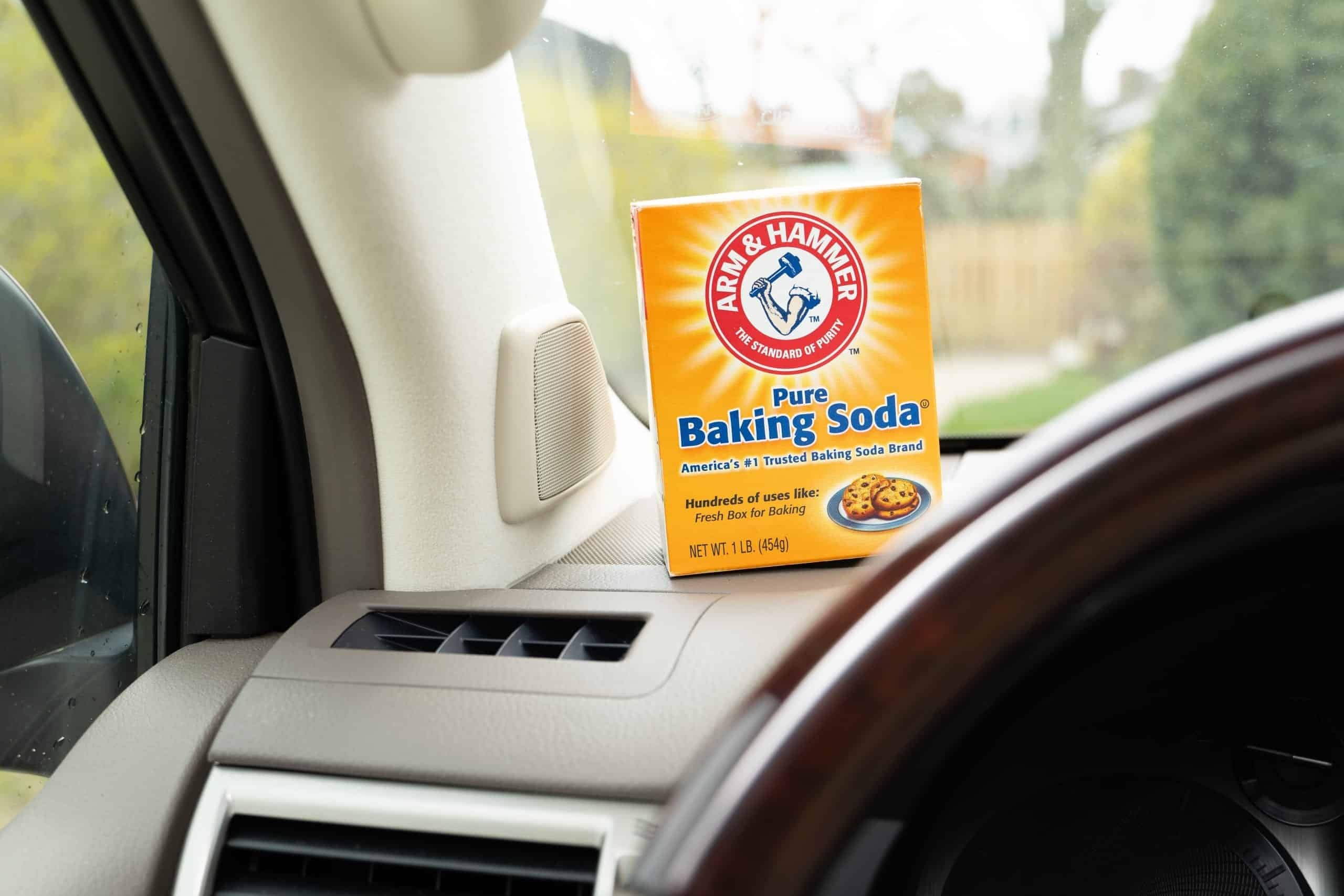
A familiar kitchen ingredient can also help manage moisture in small spaces. Baking soda is inexpensive, easy to find, and commonly used for absorbing odors. It can provide some moisture absorption, although it is less effective than dedicated silica-gel products.
To try this method, place a small amount of baking soda in an open, stable container. Set it on a windowsill at home or in a secure location inside a parked vehicle where it cannot spill.
The powder can help manage minor dampness while also reducing unpleasant odors associated with enclosed spaces.
This may be particularly useful in vehicles where wet clothing, food spills, or damp floor mats leave lingering smells.
For the best results, use a shallow container with a wide opening. Keep it away from areas where passengers might accidentally knock it over, and never place it where it could interfere with driving controls.
Remember that baking soda isn’t a substitute for proper ventilation or fixing water leaks. If your windows repeatedly fog, investigate whether moisture is entering through damaged seals, wet carpets, or clogged drainage areas.
A small box generally costs only a few dollars, making this an affordable experiment for homeowners and motorists.
Replace the powder when it becomes damp or contaminated. If you want a simple household option that addresses odors and may help with minor moisture issues, baking soda is worth considering.
6. The shaving cream barrier
Shaving cream can also serve as an unexpected winter solution for reducing fog on glass surfaces. Its surfactants leave behind a thin film that helps moisture spread more evenly across the glass rather than collecting into droplets that obstruct visibility.
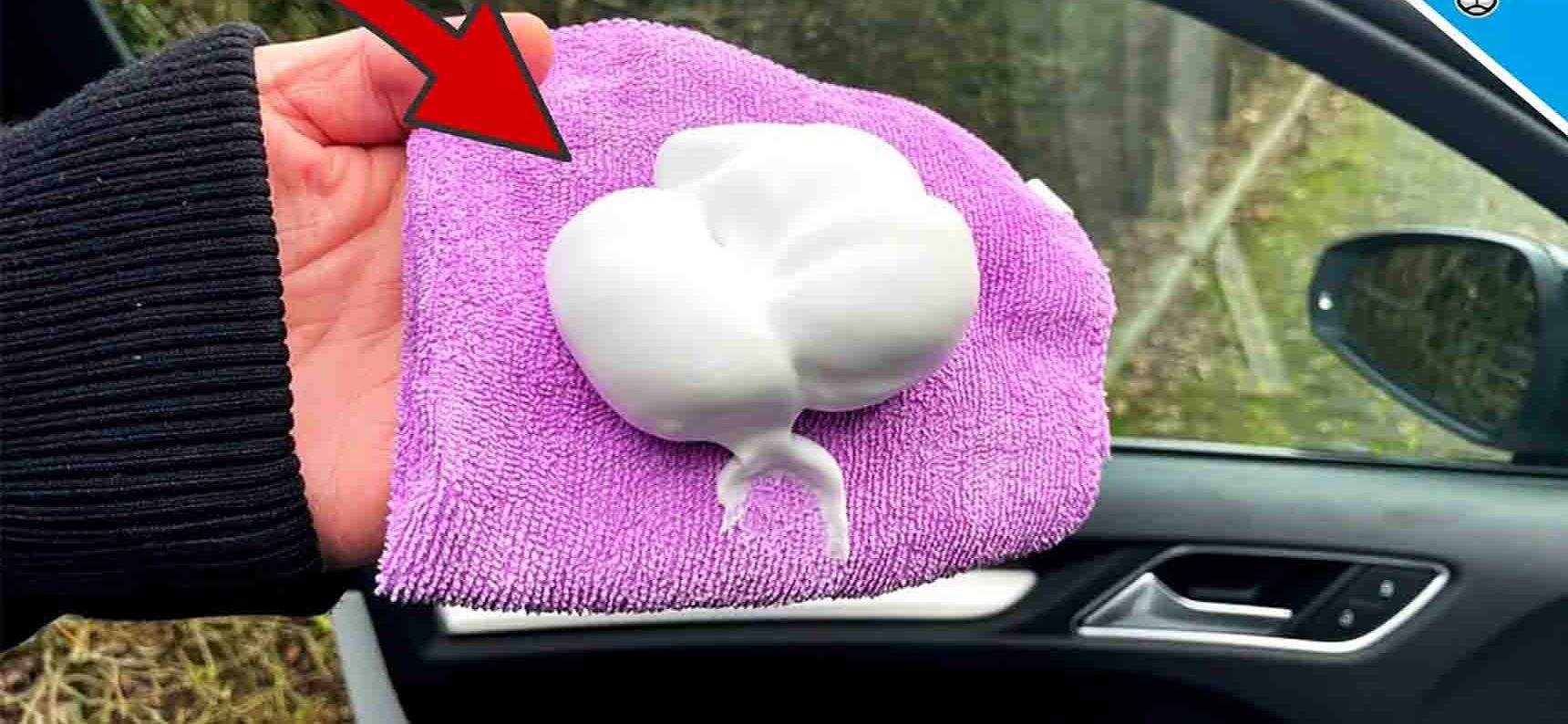
Start by cleaning the inside of your window with a suitable glass cleaner. Once the surface is dry, apply a small amount of ordinary shaving cream to a clean microfiber cloth.
Spread a thin layer across the glass, working in manageable sections. Next, use another clean, dry microfiber cloth to buff away the residue until the window looks completely clear.
The aim isn’t to leave a thick white coating. Excess product can create smears, glare, and visibility problems, so careful buffing is essential.
This treatment may provide temporary anti-fog assistance on suitable glass surfaces. However, results vary depending on the product formula and environmental conditions.
Test a small area first, especially on coated or tinted glass, and avoid applying it to surfaces where residue could interfere with visibility.
A basic shaving cream container can cost less than $10, and only a small quantity is needed for each application.
For a quick household experiment, this method is inexpensive and easy to perform. Just make sure the finished glass is completely clear before driving or relying on the treated window for visibility.
7. Dish soap wipe-down
A few drops of liquid dish soap can help reduce visible condensation on glass when applied correctly. Like shaving cream, dish soap contains surfactants that influence how water behaves on a surface.
Instead of allowing moisture to gather into numerous small droplets, a thin soap residue may encourage water to spread into a more uniform film. This can make fog less noticeable, although it does not remove moisture from the air.
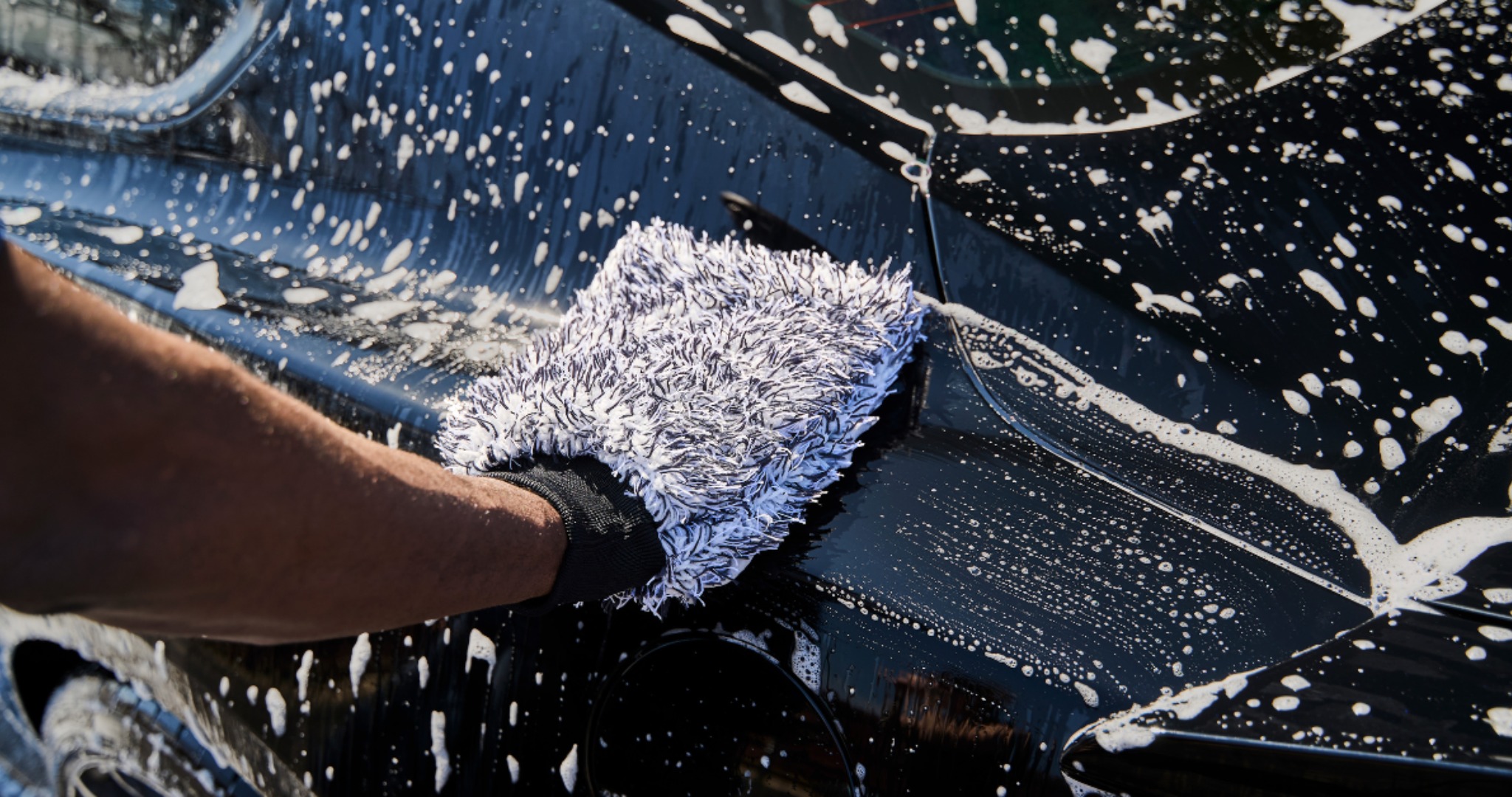
The application process is straightforward. Begin with a clean, completely dry microfiber cloth. Add just one or two drops of concentrated liquid dish soap and gently wipe the inside of the glass.
Next, take a second clean cloth and buff the surface until no visible residue remains. Avoid using too much soap because excessive product can leave streaks and create distracting glare.
This approach is inexpensive because most households already have dish soap available. A small bottle typically costs less than $10, depending on the brand and size.
Before treating an entire window, test a small section to check for streaking or compatibility issues. Avoid applying the mixture to vehicle windshields if the resulting film could interfere with visibility, especially during nighttime driving.
Used carefully on suitable glass, a light dish soap treatment may offer temporary help with condensation. The most important part is leaving the surface clean, clear, and free from distracting residue.
8. Commercial anti-fog sprays
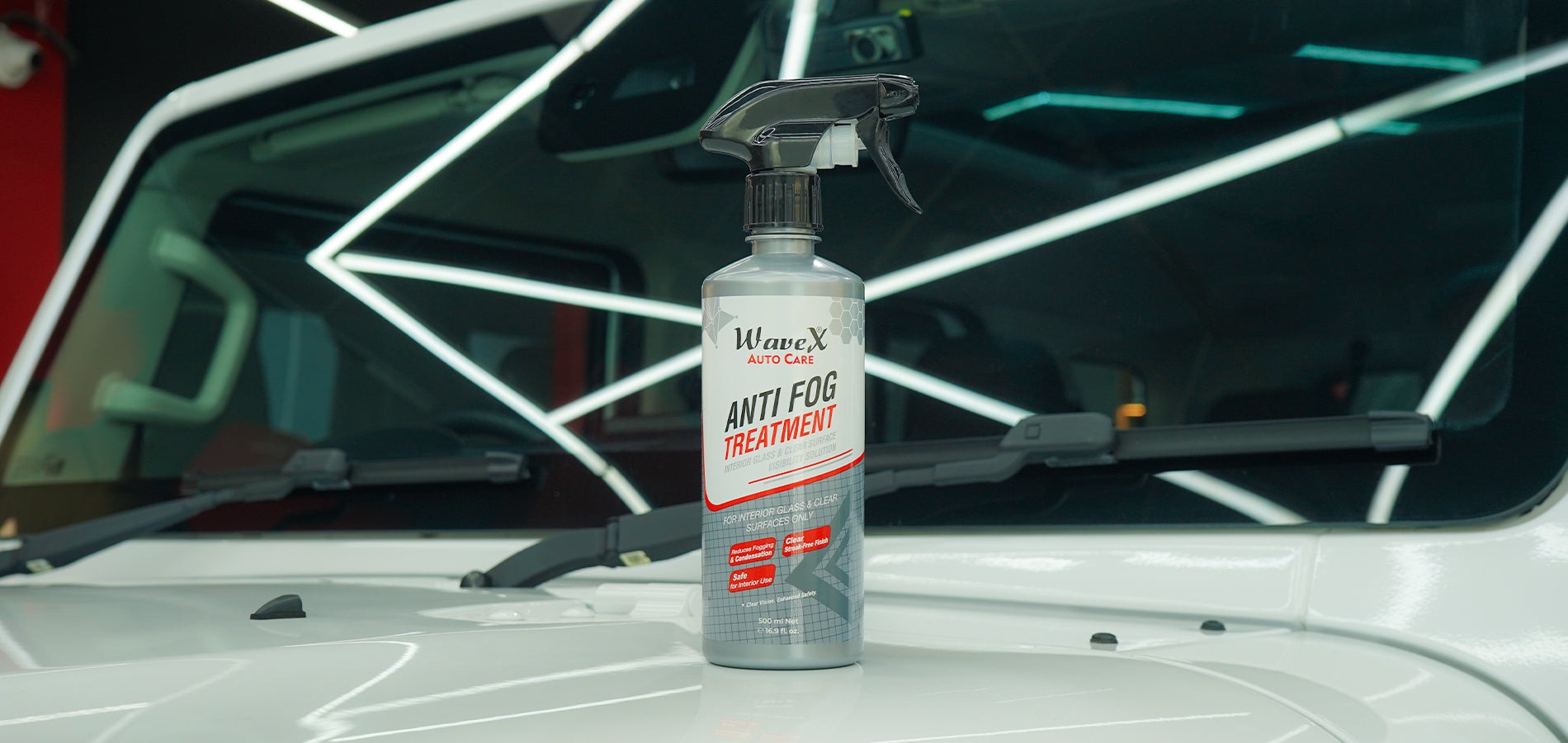
If homemade treatments sound messy, a ready-made anti-fog spray offers a convenient alternative. Products such as Rain-X Anti-Fog are designed to reduce fogging by treating glass with a formulation that changes how moisture collects on the surface.
These products are available at many automotive retailers and online stores. Some smaller bottles can be found for under $15, making them an accessible option for drivers who want a product specifically designed for fog prevention.
Application is generally simple. Start with a clean window and read the manufacturer’s instructions carefully. Spray the product onto an appropriate cloth rather than applying excessive amounts directly to the windshield.
Spread the treatment evenly across the glass, following the recommended application method. Use a clean cloth to remove excess product and achieve a clear finish.
Different formulations have different instructions, so avoid assuming that every anti-fog spray works identically. Some products are intended for interior automotive glass, while others may be suitable for household windows or mirrors.
Check compatibility before applying the product to tinted windows, coated surfaces, or specialized glass. Never allow a treatment to leave visible smears that could interfere with your view.
For motorists who experience repeated condensation, a dedicated anti-fog spray is a practical option worth keeping in the glove compartment. Follow the label instructions and reapply when recommended.
9. Rubbing alcohol prep
Sometimes, fogging becomes worse because the glass is covered with an invisible layer of dirt, grease, fingerprints, and other residue. Cleaning that buildup can improve visibility and make it easier to identify the actual source of condensation.
Rubbing alcohol offers an affordable cleaning option for suitable glass surfaces. A mixture of equal parts rubbing alcohol and water can help remove greasy fingerprints and other residue from windows.
To prepare the solution, combine the two liquids in a clean spray bottle. Lightly apply the mixture to a microfiber cloth rather than soaking the glass. Wipe the window thoroughly, then use a separate dry cloth to remove remaining moisture and streaks.
This treatment is particularly useful for the inside of vehicle windshields, where dashboard materials and everyday handling can leave an oily film.
Clean glass is easier to see through when condensation appears, and removing residue can help prevent the streaky appearance that makes fogging especially frustrating.
However, rubbing alcohol does not permanently prevent condensation or remove humidity from a room or vehicle. It is a cleaning measure rather than a dedicated moisture-control treatment.
Avoid using it on surfaces that may be damaged by alcohol, including certain plastic finishes, window coatings, and tinted films. Test an inconspicuous area first and provide adequate ventilation while cleaning.
A small bottle usually costs less than $10, making this a useful addition to an inexpensive winter window-care routine.
10. Use a windshield frost cover
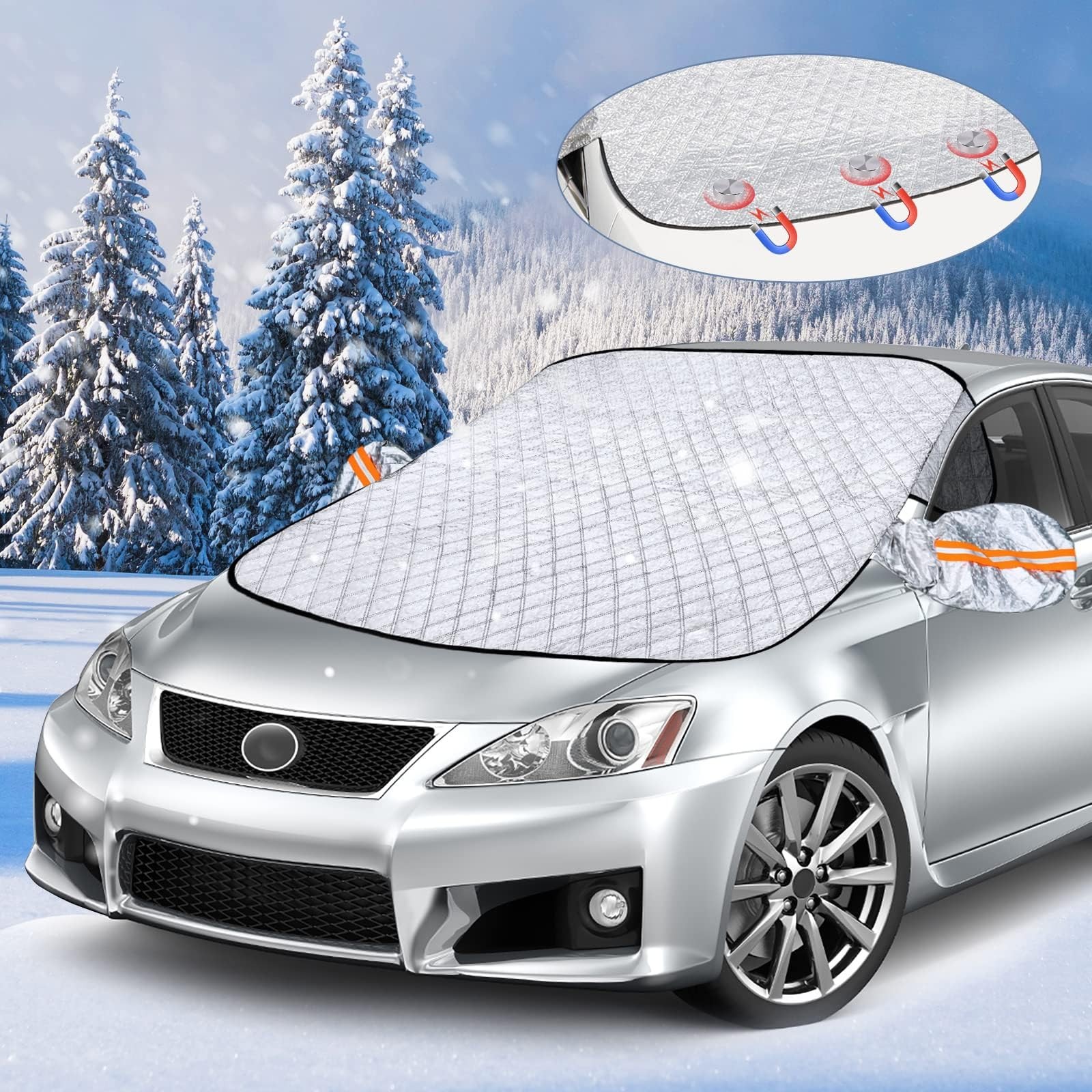
Protecting your windshield before the temperature drops can make the next morning much easier. A windshield frost cover creates a physical barrier between the glass and outdoor conditions, helping reduce direct exposure to frost, snow, and freezing moisture.
These covers are designed to sit across the outside of the windshield and are usually secured using straps, magnets, or door-mounted flaps, depending on the model.
Some inexpensive options cost less than $15, while a simple weather-resistant tarp may provide a cheaper alternative when properly secured.
Why does this help with fogging? A covered windshield can experience less direct exposure to overnight frost and moisture. Keeping snow and ice away from the glass also reduces the amount of scraping and clearing required before departure.
Installation is usually quick. Place the cover across the windshield, secure its attachment points, and check that it cannot blow away in strong winds. Remove it before driving and store it somewhere dry.
A frost cover does not directly remove humidity from the cabin, so it works best alongside good ventilation and dry interior surfaces.
For additional protection, avoid leaving wet clothing, umbrellas, or snow-covered items inside your vehicle overnight. These materials can release moisture into the cabin and contribute to morning condensation.
If you’re tired of scraping frozen glass before work, an inexpensive windshield cover is a practical purchase that can make winter mornings less stressful.
