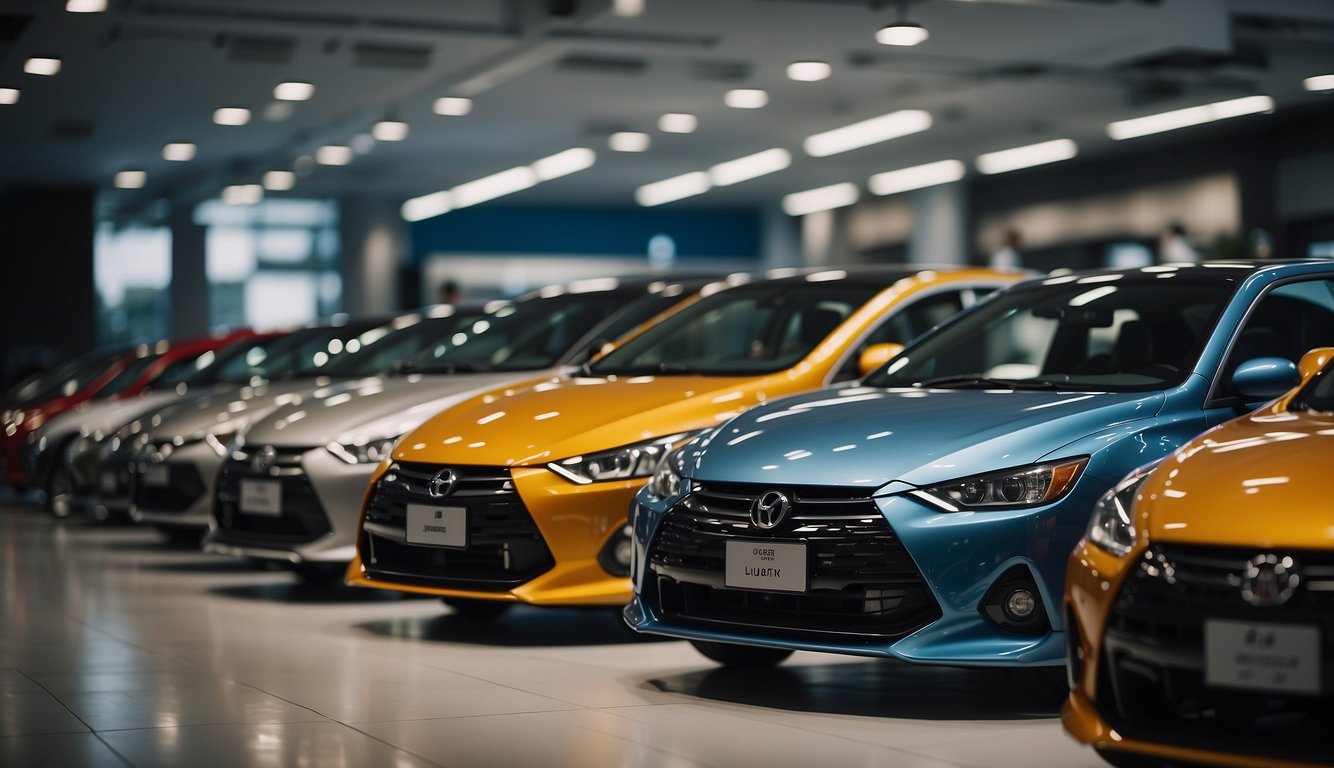
Japanese automakers delivered a commanding performance in Consumer Reports’ 2026 vehicle reliability rankings, claiming six of the top seven positions. The results reinforce the strength of brands such as Toyota, Subaru, Lexus, and Honda in an industry where increasingly complex technology can make long-term ownership less predictable.
The rankings are based on owner-reported problems across hundreds of thousands of vehicles, rather than manufacturers’ claims or short-term road tests. They offer buyers a useful way to compare expected reliability, although a brand’s position does not guarantee that every model it sells will be trouble-free.
Toyota, Subaru, Lexus, and Honda Lead the Reliability Race
The six Japanese brands occupying the first seven positions were Toyota, Subaru, Lexus, Honda, Nissan, and Acura. BMW was the only non-Japanese automaker to break into that group, taking fifth place. The result gives Japanese manufacturers a strong presence at the top, with Toyota securing the number-one position for the first time since 2022.
Subaru finished second, followed by Lexus in third and Honda in fourth. BMW placed fifth, while Nissan and Acura completed the top seven.
The rankings show that Japanese manufacturers are not simply benefiting from one or two standout companies. Several brands with different product ranges and price points are producing vehicles that owners report fewer problems with over time.
Toyota’s return to the top is particularly significant because Subaru had held the leading position in the previous two annual reliability rankings.
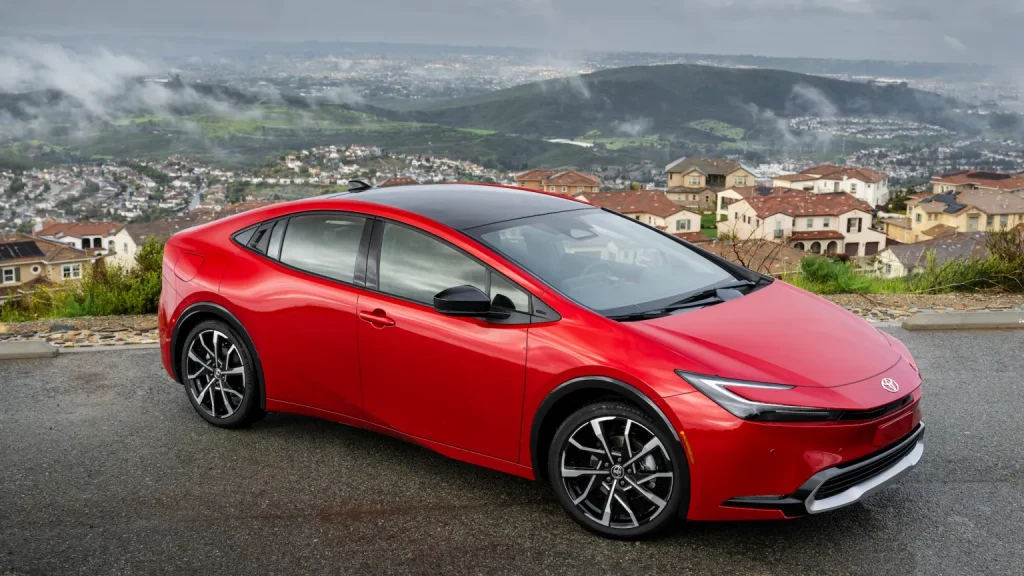
Consumer Reports attributed Toyota’s improvement partly to better results from the Camry, Tacoma, and Tundra, along with a promising early performance from the redesigned 4Runner. These improvements helped Toyota edge ahead of Subaru.
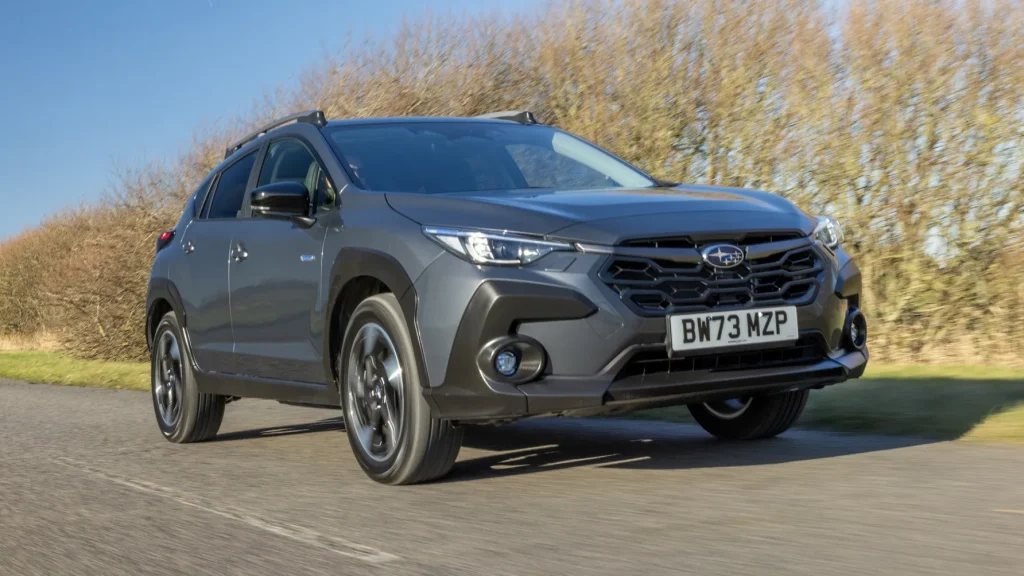
Subaru’s second-place finish nevertheless reinforces its reputation for dependable vehicles. Its lineup includes popular models such as the Crosstrek, Forester, Outback, and Impreza.
Lexus, Toyota’s luxury division, took third place, demonstrating that premium vehicles can also perform strongly in long-term reliability surveys. Honda’s fourth-place result added another familiar Japanese name to the leading group.
BMW’s fifth-place finish deserves attention because European luxury manufacturers do not always perform as strongly in reliability comparisons as their reputations for engineering might suggest.
Consumer Reports identified BMW as the most reliable European brand in the 2026 survey. Its position between Honda and Nissan shows that strong reliability is not exclusive to Japanese automakers, even though they dominate the leading positions.
Nissan and Acura rounded out the top seven. Acura, Honda’s luxury division, benefits from sharing engineering and components with its mainstream parent company, although the two brands have different model ranges.
Nissan’s sixth-place position also gives the Japanese industry another strong result, despite the reliability challenges that have affected some of its vehicles in previous years.
The distinction between reliability rankings and broader brand rankings is important. Consumer Reports publishes a separate Automotive Brand Report Card that combines reliability with road-test performance, safety ratings, and owner satisfaction.
Subaru secured the top spot in the 2026 report card, with Toyota ranking fifth. However, these rankings differ from the reliability-specific results, in which Toyota came out ahead of all other brands.
How Consumer Reports Measures Vehicle Reliability
The 2026 rankings are based on owner feedback covering approximately 380,000 vehicles. The survey includes vehicles from the 2000 through 2025 model years, along with a limited number of early 2026 models. That large sample gives Consumer Reports a substantial pool of real-world ownership experiences to analyze.
Rather than relying only on mechanical breakdowns, the organization examines as many as 20 potential trouble areas. These include engines, transmissions, electric motors, batteries, charging systems, climate controls, in-car electronics, electrical accessories, body hardware, and paint and trim.
Problems are assessed according to their frequency and seriousness, with more weight given to issues that can lead to expensive repairs or leave a vehicle unusable.
The resulting data helps Consumer Reports calculate predicted reliability scores for new vehicles. These predictions generally draw on the reliability history of the previous three model years, provided the vehicle has not undergone a major redesign during that period.
When a model has been redesigned recently, the organization may use a shorter history or supplement limited model-specific information with brand-level data.
This approach explains why a strong brand ranking should not be interpreted as a guarantee that every model from that manufacturer will be dependable.
A company can have several reliable vehicles while one particular model struggles with engine, transmission, electrical, or software-related problems. Buyers still need to investigate the reliability record of the specific vehicle they intend to purchase.
The survey also highlights why established designs can have an advantage. Consumer Reports has repeatedly found that vehicles with gradual improvements tend to avoid some of the problems associated with major redesigns and newly introduced technology.
A manufacturer introducing a new platform, engine, transmission, or complex electronic system may need time to identify and correct early production issues.
Jake Fisher, Consumer Reports’ senior director of auto testing, has emphasized that reliability-conscious buyers should be cautious about newly introduced or redesigned models during their first model year.
That does not mean every new vehicle will be problematic, but it does mean that a proven model with several years of ownership data can be a safer choice for buyers who prioritize dependability.
The size of the survey is another important factor. With hundreds of thousands of vehicles represented, the rankings offer a broader picture than a small collection of individual owner reviews.
However, they remain predictions based on reported experiences, not guarantees of future performance. Maintenance history, driving conditions, mileage, and how a vehicle is used can all influence its long-term condition.
Japanese Brands Have an Advantage, but Buyers Should Look Beyond the Rankings
The Japanese manufacturers’ performance becomes even more impressive when the full top 10 is considered. Seven of the 10 highest-ranked brands are headquartered in Asia. Alongside Toyota, Subaru, Lexus, Honda, Nissan, and Acura, South Korea’s Kia also made the leading group. The remaining positions included BMW, Buick, and Tesla.
This broader result shows that Asian manufacturers are performing strongly, but it also makes clear that reliability is not determined by nationality alone. BMW’s fifth-place finish and Buick’s position in eighth demonstrate that manufacturers outside Japan can also deliver competitive results.
Tesla’s ninth-place position is notable as well, as the company recorded its highest reliability ranking in Consumer Reports’ survey to date.
There were also significant differences between brands in the lower half of the rankings. Mazda, which has traditionally enjoyed a strong reputation for reliability, dropped to 14th place. Consumer Reports pointed to problems involving the conventional and plug-in hybrid versions of the CX-70 and CX-90.
Several models from those ranges received below-average or well-below-average predicted reliability scores. Genesis also struggled, finishing 21st without a model receiving an average or better reliability score in the survey.
The results also offer useful information for shoppers considering electrified vehicles. Conventional hybrids performed particularly well, averaging approximately 15% fewer problems than gasoline-only vehicles in the latest survey.
That finding supports the appeal of established hybrid systems, especially for buyers who want better fuel economy without moving entirely to an electric vehicle.
Fully electric vehicles and plug-in hybrids presented a different picture. Consumer Reports found that these vehicles averaged approximately 80% more problems than conventional gasoline-powered vehicles.
Reported trouble areas included batteries, charging systems, electric motors, and drive systems. However, this does not mean every EV or plug-in hybrid is unreliable. Several electric models from manufacturers including Tesla, Ford, Toyota, Lexus, Subaru, and Hyundai achieved average or better predicted reliability ratings.
For American buyers, the practical lesson is to use brand rankings as a starting point rather than a final purchasing decision. A highly ranked manufacturer may still sell a model with a weak reliability record, while a lower-ranked brand may offer an individual vehicle that performs well.
Checking model-specific ratings, researching known issues, reviewing recall information, and obtaining a thorough inspection when buying used are all important steps.
Japanese automakers have secured a clear advantage in the 2026 Consumer Reports reliability survey, with six of the top seven positions going to manufacturers from Japan. Toyota’s return to first place strengthens that result, while Subaru, Lexus, Honda, Nissan, and Acura demonstrate the depth of the region’s performance.
The rankings do not mean every Japanese vehicle is automatically a safe purchase, but they provide strong evidence that these manufacturers are delivering dependable choices across a wide range of buyers’ needs.