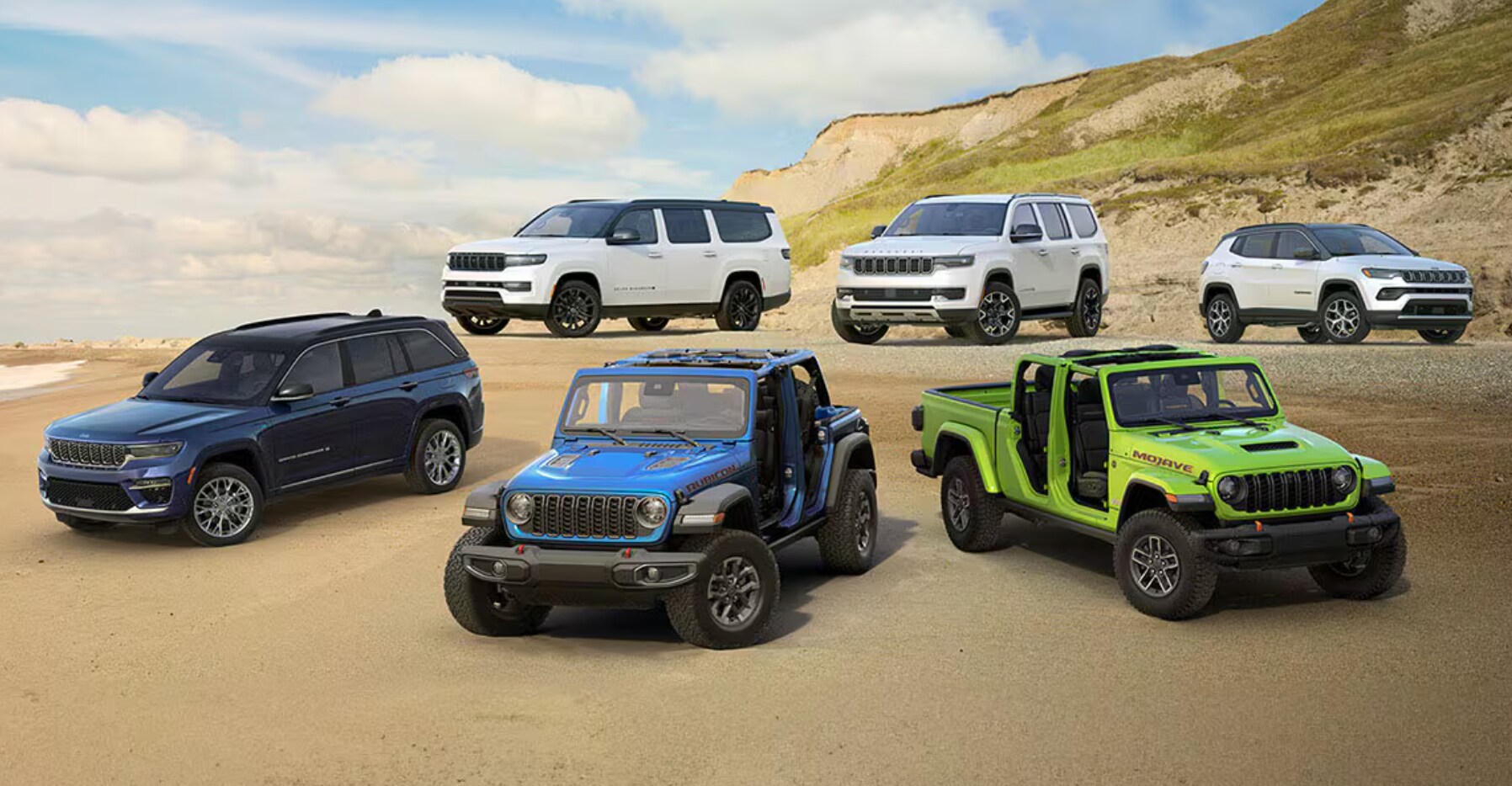
Consumer Reports’ 2026 Automotive Brand Report Card offers little encouragement for several automakers that have struggled to impress buyers in recent years. The organization says its bottom five brands remain largely unchanged from the previous year, with Dodge, GMC, Land Rover, Rivian, and Jeep occupying the final positions.
Jeep has the unwanted distinction of finishing last for the third consecutive year. The results are based on a combination of road-test performance, predicted reliability, owner satisfaction, and safety.
It is worth noting that Alfa Romeo was excluded from the rankings because Consumer Reports did not have enough reliability data to assess the brand. Therefore, it should not be considered a confirmed member of the bottom five.
The Five Brands Struggling to Improve Their Standing
Consumer Reports’ 2026 Automotive Brand Report Card places Dodge, GMC, Land Rover, Rivian, and Jeep at the bottom of its rankings. The organization describes the group as largely unchanged from the previous year, suggesting that several manufacturers have struggled to make meaningful progress across the areas measured by the report.
Jeep’s position is particularly concerning. It finished last for the third consecutive year, reflecting weaknesses in predicted reliability, road-test performance, and owner satisfaction. The brand scored poorly across these categories despite having a strong identity built around off-road capability and distinctive vehicle designs.
Dodge is another familiar name near the bottom. Its position reflects the challenges of delivering vehicles that perform consistently across reliability, safety, owner satisfaction, and road testing.
The brand has a long history of performance-oriented cars and powerful engines, but those characteristics do not automatically translate into strong scores across Consumer Reports’ broader evaluation.
GMC also remains among the five lowest-ranked brands. Its lineup focuses heavily on trucks and SUVs, including the Sierra, Canyon, Terrain, Acadia, and Yukon. These vehicles compete in segments where buyers often expect strong performance, practicality, and durability.
However, the brand’s position indicates that its results across the report’s combined categories have not been competitive with those of higher-ranked manufacturers.
Land Rover’s continued presence near the bottom is another notable result. Its vehicles are known for luxury interiors, advanced technology, and off-road capability, but those features can come with complicated engineering and expensive ownership considerations.
Reliability and owner satisfaction are important parts of Consumer Reports’ assessment, and premium positioning does not protect a manufacturer from poor results in those areas.
Rivian completes the bottom five. The electric vehicle manufacturer has attracted attention with the R1T pickup and R1S SUV, but it is still a relatively young automaker compared with established manufacturers.
Developing vehicles, expanding production, and improving service operations at the same time can create challenges. Consumer Reports’ reliability findings have also been difficult for the company, with the R1T recording the lowest predicted reliability score among the models included in its 2026 reliability analysis.
These results should not be interpreted as proof that every vehicle from these five manufacturers is a poor purchase. Brand-level rankings combine information across multiple models and evaluation categories.
An individual vehicle can perform better or worse than its manufacturer’s position suggests. Still, the repeated presence of these brands near the bottom is a reason for buyers to investigate model-specific ratings carefully.
Why Jeep Continues to Finish Last
Jeep’s third consecutive last-place finish is arguably the most striking part of the 2026 report. The brand has considerable recognition in the American market, particularly because of the Wrangler’s off-road reputation. However, Consumer Reports evaluates vehicles on much more than their ability to handle difficult terrain.
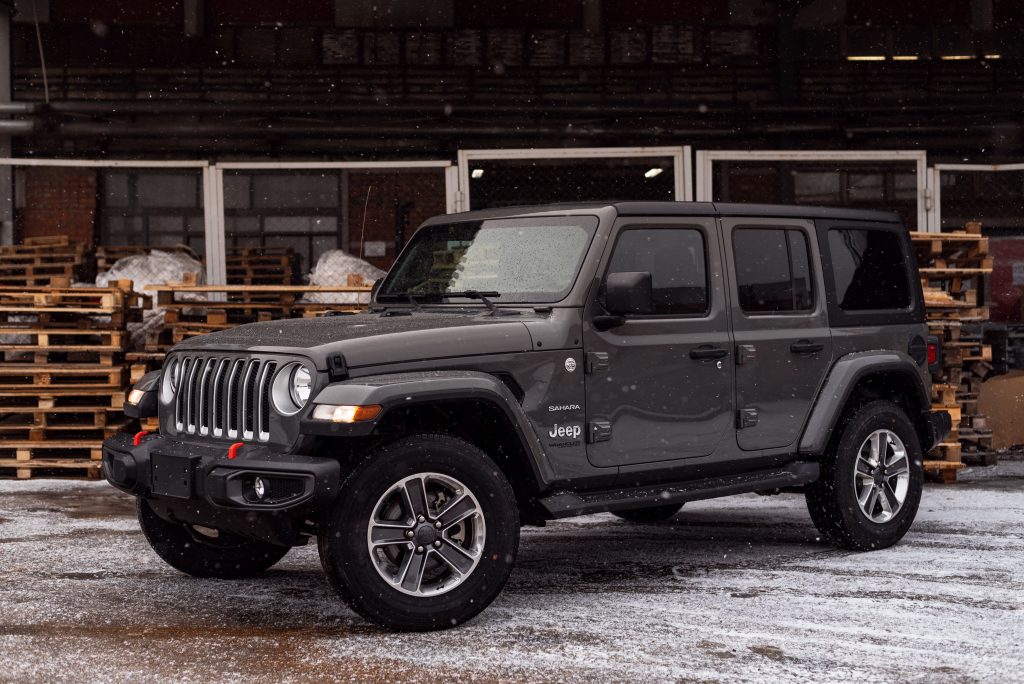
The organization identified below-average brand reliability, the lowest average road-test score among the brands it evaluated, and the weakest owner satisfaction results as the main reasons for Jeep’s position. Its findings also indicate that none of Jeep’s current models meet the organization’s criteria for a recommendation.
The Wrangler illustrates the difference between a vehicle’s appeal and its performance in a broad consumer evaluation. Its body-on-frame construction, removable doors, removable roof, and available four-wheel-drive systems make it attractive to buyers who want genuine off-road capability.
Yet those same buyers may have to accept compromises in everyday comfort, fuel economy, cabin noise, and on-road behavior.
Consumer Reports has highlighted the Wrangler’s poor fuel economy, wind noise, and uncomfortable interior, alongside reliability scores near the bottom of its rankings. These shortcomings matter because the organization evaluates vehicles as everyday transportation, not solely as specialist off-road machines.
A vehicle can be exceptionally capable in one environment while receiving weaker results in ordinary commuting and family use.
The Grand Cherokee presents a different set of concerns. It competes in the midsize SUV segment, where buyers often expect a comfortable cabin, practical space, modern safety equipment, and dependable operation.
The plug-in hybrid Grand Cherokee 4xe has been particularly problematic in Consumer Reports’ reliability survey. It was among the least reliable vehicles included in the 2026 results, with a predicted reliability score of just 10 on the organization’s 100-point scale.
That figure should not be confused with a score for every Grand Cherokee version. The conventional model and the plug-in hybrid have different powertrains and technology, so their reliability results can vary.
However, problems with a prominent model can affect a manufacturer’s brand-level standing, particularly when other vehicles in the lineup also struggle.
Jeep’s position is therefore not simply a consequence of one unpopular model. The brand’s broader performance across road tests, reliability, and owner satisfaction has left it with little room to recover in the combined report card.
Its loyal customer base and strong off-road identity remain valuable assets, but they do not eliminate the need to improve everyday usability and ownership experience.
Alfa Romeo’s Missing Ranking and the Difference Between Reliability and Brand Scores
Alfa Romeo is worth discussing because some secondary reports have placed it alongside the lowest-ranked brands. However, Consumer Reports’ official 2026 findings require a distinction.
The organization did not rank Alfa Romeo because it lacked sufficient data to calculate a reliable brand score. The same limitation applied to several other manufacturers, including Fiat, Infiniti, Jaguar, Lucid, Maserati, Mini, Mitsubishi, and Porsche.
This means Alfa Romeo should not be assigned a confirmed position at the bottom of the 2026 Consumer Reports rankings. A missing ranking is not the same as a poor ranking.
Consumer Reports requires enough information from multiple models and model years before including a manufacturer in its reliability comparisons. Without that evidence, it cannot make a meaningful prediction using the same methodology applied to ranked brands.
There is another important distinction between the Automotive Brand Report Card and the annual reliability rankings. The report card combines road-test scores, predicted reliability, owner satisfaction, and safety ratings.
The reliability ranking, by contrast, focuses specifically on predicted vehicle dependability based on owner-reported problems.
That difference explains why a manufacturer can have a different position in the two lists. A vehicle might perform well in road tests and receive strong safety scores but still have reliability concerns.
Another might be dependable but deliver an average driving experience or weak owner satisfaction. Consumer Reports combines these factors in its report card to provide a broader assessment of vehicle quality.
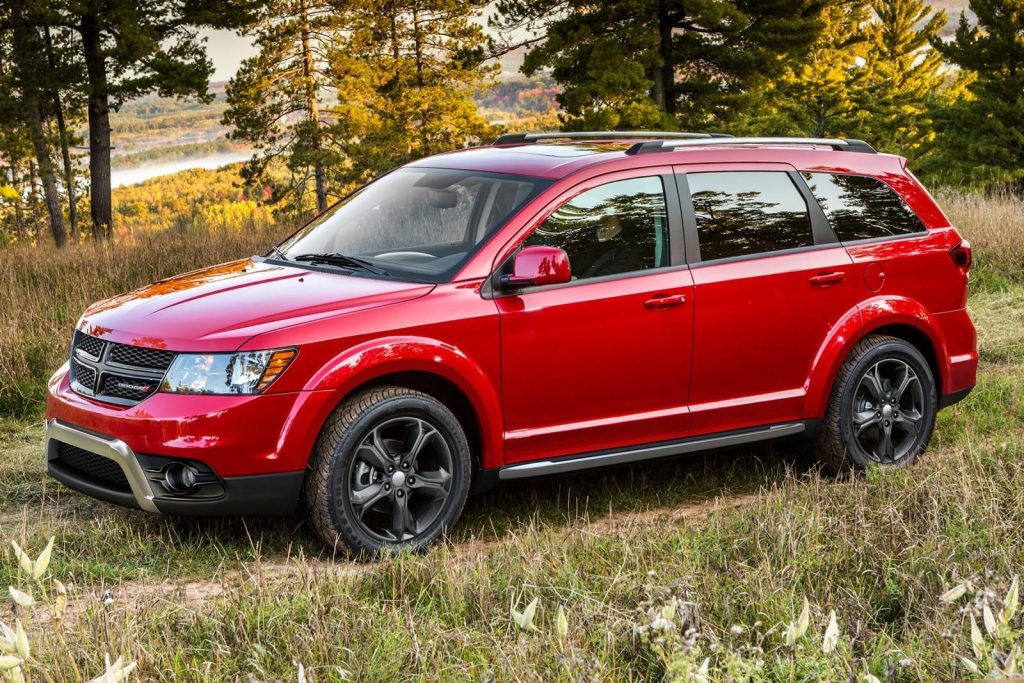
The reliability survey also revealed problems among several brands that do not necessarily occupy the final positions in the combined report card. Chrysler, GMC, Jeep, Ram, and Rivian were among the lowest-ranked manufacturers for predicted new-car reliability.
Their results show that reliability remains a major challenge for several domestic manufacturers, particularly those with newer technology or complicated powertrains.
For buyers, the practical takeaway is to avoid relying on a manufacturer’s reputation alone. Someone considering a Jeep Wrangler for off-road use may value its capabilities more than its road-test score, while a family shopping for a Grand Cherokee may place greater importance on comfort and reliability.
Similarly, buyers considering a Rivian should investigate the reliability history of the specific model and understand the service support available in their area.
Consumer Reports’ 2026 findings show that the bottom of the automotive brand rankings has not changed dramatically. Dodge, GMC, Land Rover, Rivian, and Jeep remain the five lowest-ranked brands, with Jeep finishing last for a third consecutive year.
Alfa Romeo, meanwhile, remains unranked because of insufficient data. Until these manufacturers deliver stronger results in reliability, road testing, safety, and owner satisfaction, moving away from the bottom of the list will remain a difficult task.