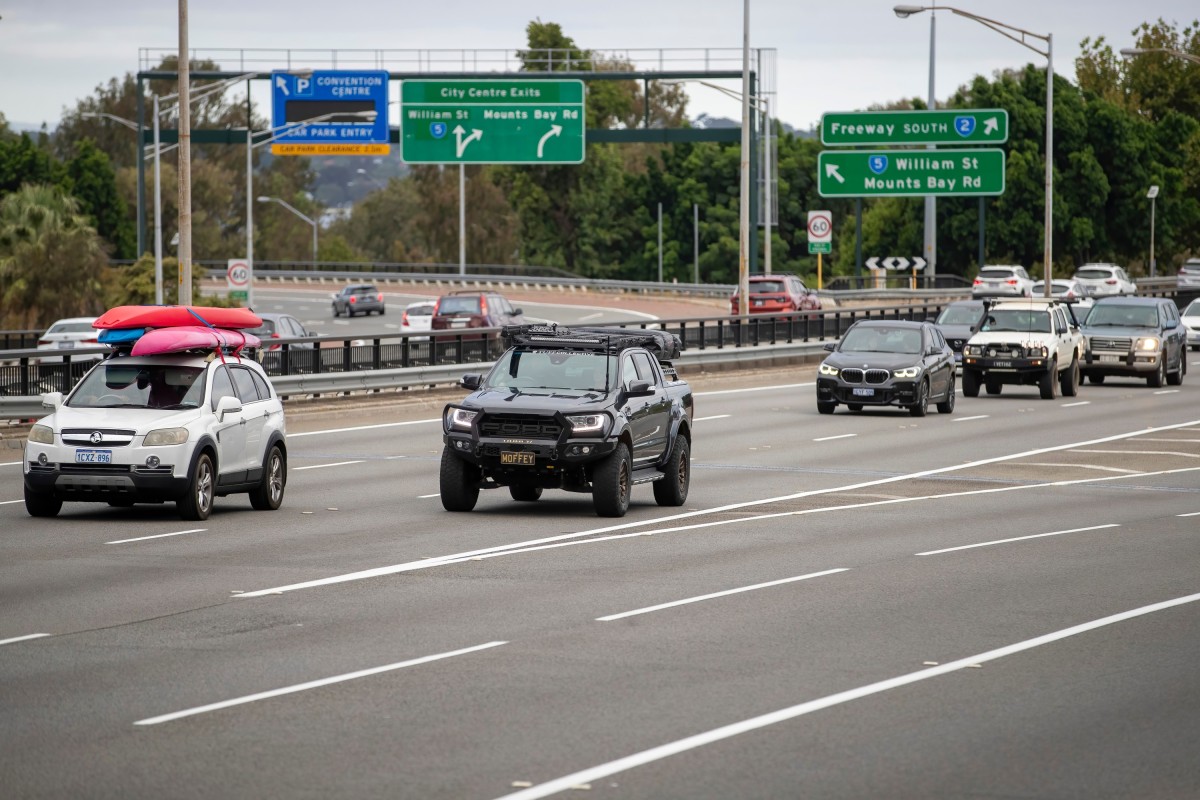
Driving across the United States can be more complicated than following road signs and traffic signals. Although federal safety standards influence many aspects of transportation, states set many traffic laws, creating differences that can catch visiting motorists by surprise.
Rules on cellphone use, speed limits, seat belts, child passengers, and even turning on red can change when you cross state lines. A driving habit that is perfectly legal in one state might result in a traffic citation in another.
Understanding these differences is particularly important for road-trippers, interstate commuters, and anyone planning a long-distance drive.
1. Cellphone Use While Driving
Using a cellphone behind the wheel is treated differently depending on which state you are driving through. Although every state has restrictions on texting while driving, the rules governing handheld phone conversations and other device use are not identical. This distinction can create confusion for motorists who regularly travel between states.
According to the National Conference of State Legislatures (NCSL), 31 states and Washington, D.C., prohibit all drivers from using handheld cellphones while driving. These restrictions generally require motorists to use hands-free technology instead.
Other states rely on texting bans, which prohibit manually composing, sending, or reading messages but may still allow handheld conversations.
Montana stands out because it does not have a statewide law restricting cellphone use while driving. However, that does not mean motorists can disregard other distracted-driving rules or local restrictions.
For a practical comparison, California and New York prohibit handheld cellphone use by drivers, with certain legal exceptions. Texas also prohibits texting while driving statewide, although its restrictions on handheld phone conversations are different. Some states impose additional limitations on novice drivers and school bus operators.
Penalties also vary. Depending on the jurisdiction and circumstances, drivers may face fines, license consequences, or additional penalties for repeat violations.
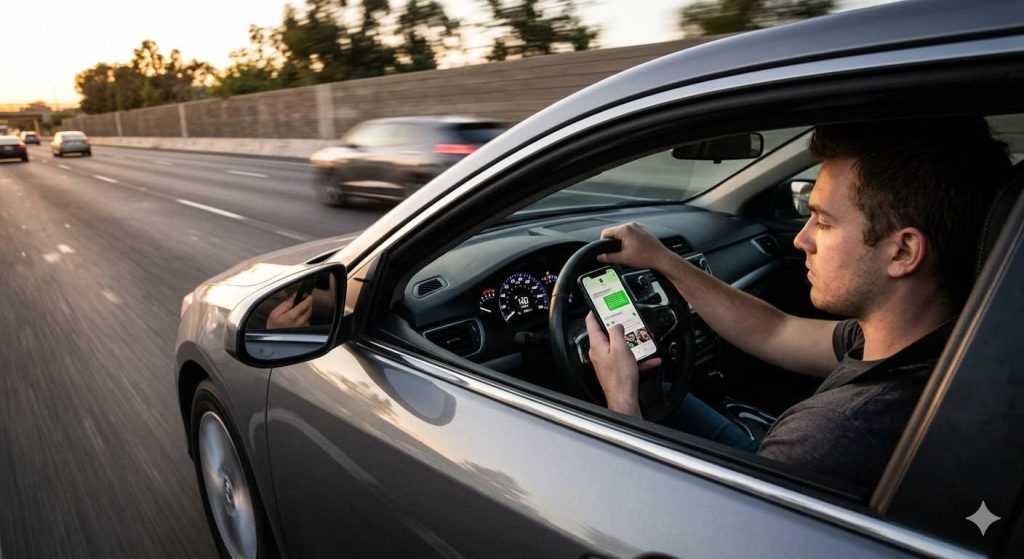
The safest approach is to avoid holding or operating your phone while driving, even when local law permits certain uses. Set navigation before starting your journey, use a properly configured hands-free system, and pull over somewhere safe if you need to respond to a message.
A familiar driving habit can become an expensive mistake simply because you crossed into a state with stricter rules.
2. Maximum Speed Limits on Highways
Speed limits are among the most noticeable differences between American states. A driver traveling across several states may encounter highway limits ranging from 55 mph to 80 mph, with certain designated Texas highways permitting posted limits as high as 85 mph.
These differences reflect state transportation policies, road design, traffic conditions, and safety considerations.
The Insurance Institute for Highway Safety (IIHS) publishes a state-by-state comparison of maximum posted speed limits. Its September 2026 data shows that Texas permits speeds of up to 85 mph on specified highway segments, while several other states have maximum rural interstate limits of 80 mph.
By comparison, California’s maximum rural interstate limit is generally 70 mph for passenger vehicles, with lower limits applying to trucks.
The difference becomes particularly important when drivers cross state borders without noticing a change in posted speed limits. A speed that is legal on one stretch of interstate may become a violation after entering another state.
Urban highways can have considerably lower limits than rural interstates. For example, IIHS lists a maximum urban interstate limit of 55 mph in Connecticut, while Texas permits up to 75 mph on urban interstates under its statewide maximum-limit framework.
It is also important to remember that the maximum legal limit does not mean drivers should always travel at that speed. Weather, construction, visibility, traffic density, and temporary electronic signs can require motorists to slow down.
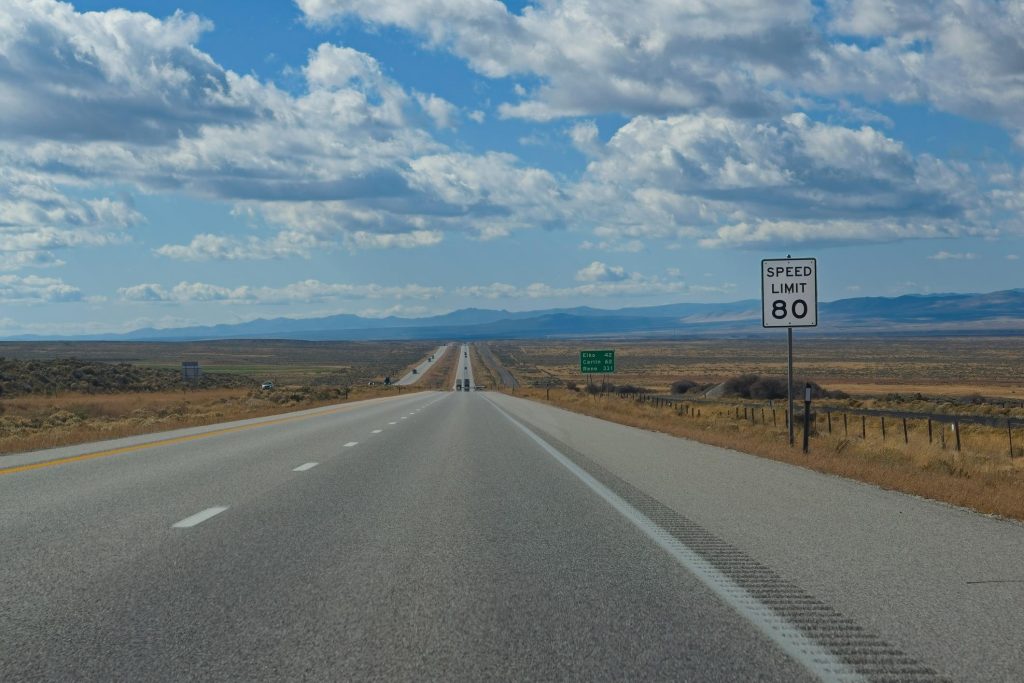
Never assume that an interstate maintains the same speed limit across multiple states. Watch for signs after crossing state lines and pay attention to temporary restrictions.
For road trips, checking the speed regulations along your route is a simple way to avoid unexpected citations.
3. Turning Right at a Red Traffic Light
Turning right at a red light is a familiar driving practice in much of the United States, but motorists should not assume the rule applies everywhere. State laws, local traffic regulations, and posted signs determine whether a right turn is permitted after stopping. This is particularly important for visitors driving through major cities with different traffic restrictions.
In most states, motorists can turn right at a steady red light after coming to a complete stop, checking for pedestrians and yielding to approaching traffic. However, New York City follows a different rule.
According to the New York State Department of Motor Vehicles, right turns on red are prohibited within New York City unless a sign specifically permits them. Outside the city, the general statewide rule allows the turn unless a sign or signal prohibits it.
Washington, D.C., also has a notable restriction. Beginning in January 2025, its updated traffic rules prohibited right turns on red by default, while allowing exceptions where signs specifically authorized them.
These differences can surprise drivers accustomed to treating a red light as a mandatory stop followed by a permitted right turn. In a restricted location, making that turn can result in a traffic citation even when the intersection appears completely clear.
There are additional restrictions to remember. A NO TURN ON RED sign overrides the general permission to turn, and a red arrow can prohibit movement in the indicated direction. Drivers must also yield to pedestrians and cyclists before making any permitted turn.
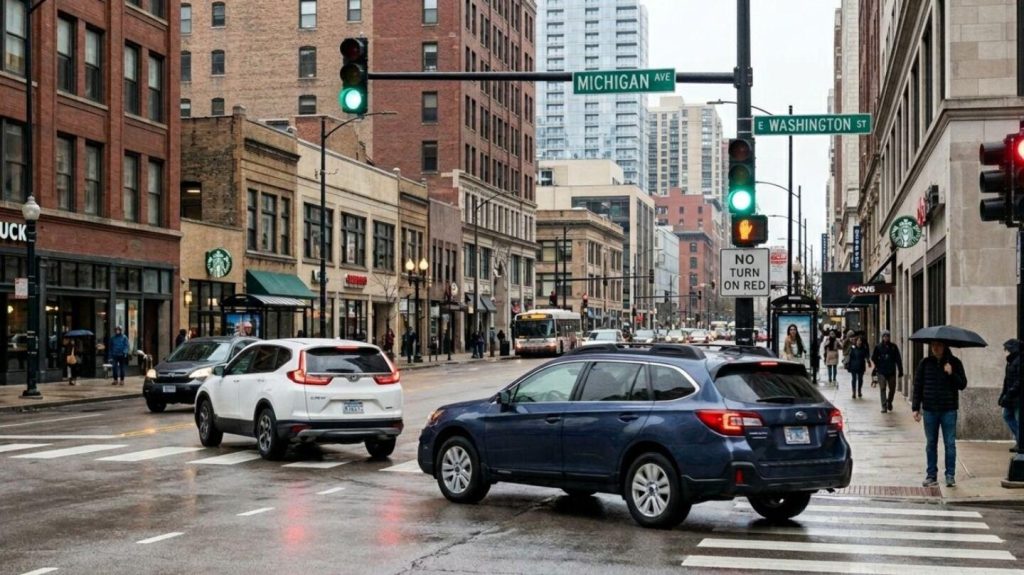
When entering an unfamiliar city, pay attention to signs near intersections instead of relying on habits developed elsewhere. If the rules are unclear, wait for a green signal.
A few seconds of patience are considerably cheaper than an avoidable traffic violation or collision.
4. Seat Belt Requirements and Police Enforcement
Seat belt laws differ considerably across the United States, particularly when it comes to rear-seat passengers and how police officers can enforce violations. Although almost every state requires adult front-seat occupants to wear seat belts, the legal consequences of failing to buckle up are not identical.
According to the Insurance Institute for Highway Safety (IIHS), New Hampshire is the only state without a general adult seat belt requirement. The remaining states and Washington, D.C., require adult front-seat occupants to wear belts. However, rear-seat requirements and enforcement rules vary.
One important distinction is primary versus secondary enforcement. Under primary enforcement, an officer can stop a vehicle and issue a citation solely because an occupant is not wearing a seat belt. Secondary enforcement generally means the officer must first stop the vehicle for another traffic violation before issuing a seat belt citation.
IIHS reported that 35 states and Washington, D.C., had primary enforcement laws in its November 2026 comparison. The remaining states have different secondary enforcement arrangements, including variations between front and rear seats.
The distinction matters because drivers traveling between states may encounter different enforcement practices even when the basic safety requirement appears similar. Some jurisdictions also have different rules for adult rear-seat passengers, younger occupants, and specific vehicle categories.
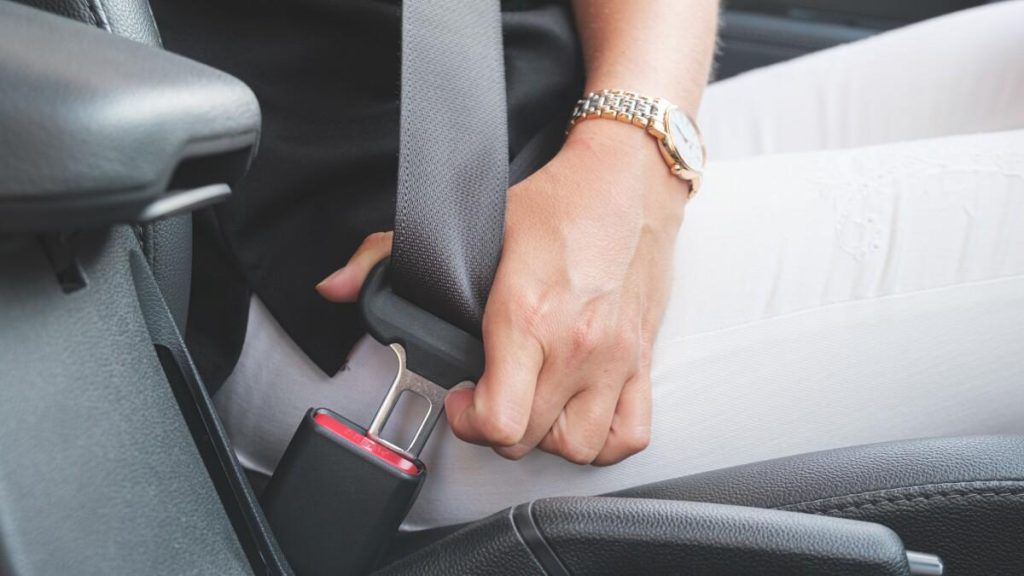
For example, an adult passenger who is not wearing a seat belt may face different enforcement consequences in New Hampshire than in California. That does not make traveling unrestrained a sensible decision.
The Centers for Disease Control and Prevention emphasizes that seat belts reduce the risk of serious crash injuries and deaths. Drivers should make sure every occupant is properly restrained before moving. Regardless of the state, wearing a seat belt in every seating position is the safest choice.
5. Move Over Laws for Stopped Emergency and Roadside Vehicles
A police vehicle stopped on the highway shoulder is a familiar sight, but what drivers are legally required to do when approaching it can differ between states. These requirements are commonly known as Move Over laws.
They are designed to protect police officers, emergency responders, roadside workers and, in some states, motorists dealing with vehicle breakdowns.
The National Highway Traffic Safety Administration (NHTSA) confirms that all 50 states have Move Over laws requiring drivers to move over and slow down for emergency vehicles displaying flashing lights.
Typically, motorists must change into a lane that is not immediately adjacent to the stopped vehicle when it is safe. If changing lanes is not possible, they must slow down appropriately.
However, the definition of protected vehicles differs. According to NHTSA, 19 states and Washington, D.C., extend their laws to additional vehicles displaying flashing or hazard lights. These can include disabled vehicles, highway maintenance trucks, utility vehicles, construction vehicles, and other roadside service providers.
This means a driver who understands the rule in one state should not assume its coverage is identical elsewhere. A broken-down passenger vehicle may receive specific legal protection in one jurisdiction but fall outside another state’s broader definition.
The required speed reduction also varies. Some states specify a particular reduction below the posted limit, while others require drivers to slow to a reasonable or safe speed when a lane change cannot be completed.
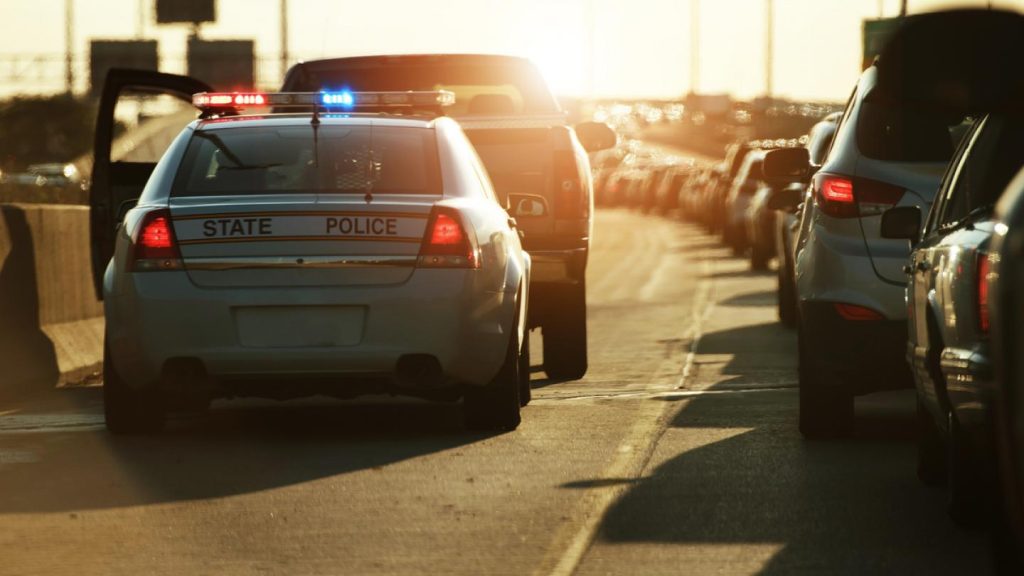
Violations can result in fines and, in certain circumstances, more serious penalties. When approaching any vehicle stopped on the roadside with warning lights activated, reduce speed, check surrounding traffic, and move over whenever safely possible.
Never make a sudden lane change that creates another collision risk. This is one driving rule worth following even when the exact legal requirements differ.
6. Child Car Seat and Booster Seat Requirements
Parents traveling across state lines need to pay particular attention to child passenger safety laws. Every U.S. state and Washington, D.C., has child safety seat requirements, but the ages, heights, and weights that determine when children can move between different restraint systems are not uniform.
The Insurance Institute for Highway Safety (IIHS) maintains a detailed comparison of child passenger laws. California, for example, requires children younger than 2 to ride in rear-facing seats unless they meet specified height or weight exceptions.
Its law also requires appropriate child restraints for children younger than 8, subject to statutory exceptions. Other states use different combinations of age, height, and weight requirements.
Another difference concerns booster seats. Some states require children to use them until a particular age, while others also consider whether a child has reached a specified height or weight. Consequently, a child who legally qualifies for a regular seat belt in one state may still need a booster under another state’s rules.
Rear-seat requirements can differ too. Certain jurisdictions specify when younger children must sit in the back, particularly when passenger-side airbags are present. These provisions are important because an improperly positioned seat belt or an active airbag can increase the risk of serious injury.
The Governors Highway Safety Association (GHSA) notes that first-offense fines for child passenger safety violations vary considerably, ranging from $10 to $500 depending on the jurisdiction.
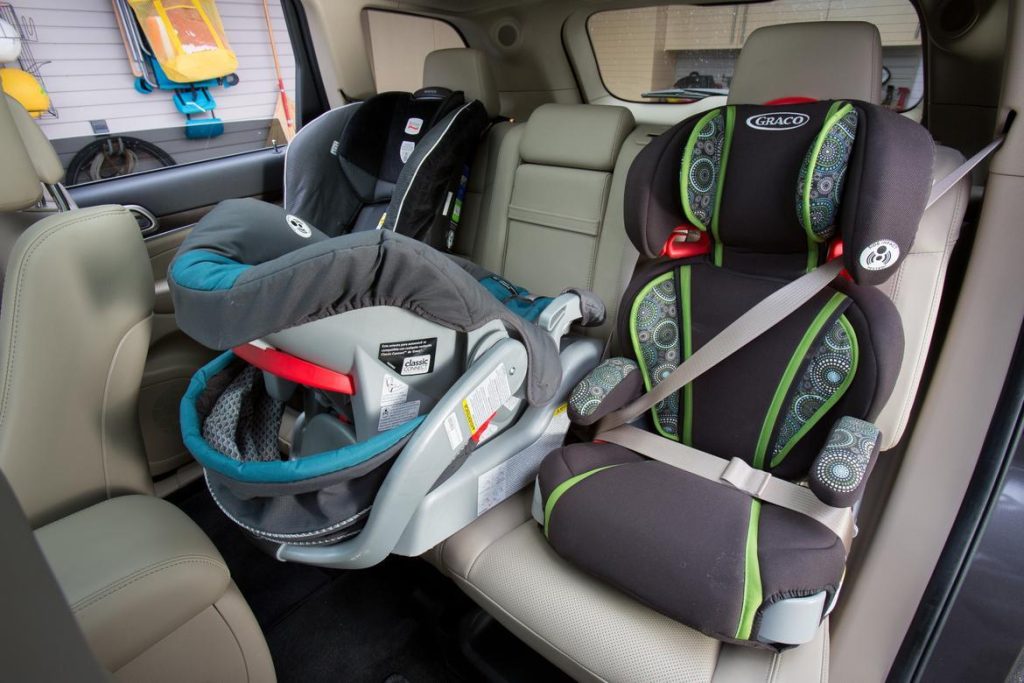
For parents planning interstate travel, the safest approach is to follow the vehicle seat manufacturer’s height and weight limits and consult the laws of every state on the route. Do not move a child into an adult seat belt simply because they have reached the minimum legal age.
A properly fitted child restraint offers protection beyond simply meeting the minimum legal requirement.
7. Motorcycle Helmet Requirements
Motorcycle helmet laws are among the most noticeable differences between American states. Some jurisdictions require every motorcycle rider and passenger to wear a helmet, while others restrict the requirement to younger riders, beginners, or people holding particular permits. A few states do not have a general motorcycle helmet requirement.
According to the IIHS November 2026 motorcycle helmet law comparison, 17 states and Washington, D.C., have universal helmet laws requiring all riders to wear helmets. Thirty states have partial requirements, generally covering younger motorcyclists, while Illinois, Iowa, and New Hampshire have no general motorcycle helmet laws.
The differences become especially important for riders taking interstate motorcycle trips. Florida, for example, requires helmets for riders younger than 21.
Riders aged 21 and older can ride without helmets if they satisfy the state’s applicable medical insurance requirements. California takes a stricter approach, requiring helmets for all motorcycle operators and passengers.
New Hampshire is another notable example because it does not have a general motorcycle helmet requirement. However, riders should still distinguish between state helmet laws and federal helmet manufacturing standards.

NHTSA reports that motorcycle helmets reduce the risk of rider fatalities by approximately 22% to 42% and brain injuries by 41% to 69%, based on research it cites. These figures demonstrate why wearing a properly certified helmet matters even in states where adults are legally allowed to ride without one.
Before crossing state lines, check the helmet requirements for both operators and passengers. Also verify whether special rules apply to learners, younger riders, and particular motorcycle categories.
A helmet law may change when you enter another state, but the physical protection offered by a properly fitted helmet does not.