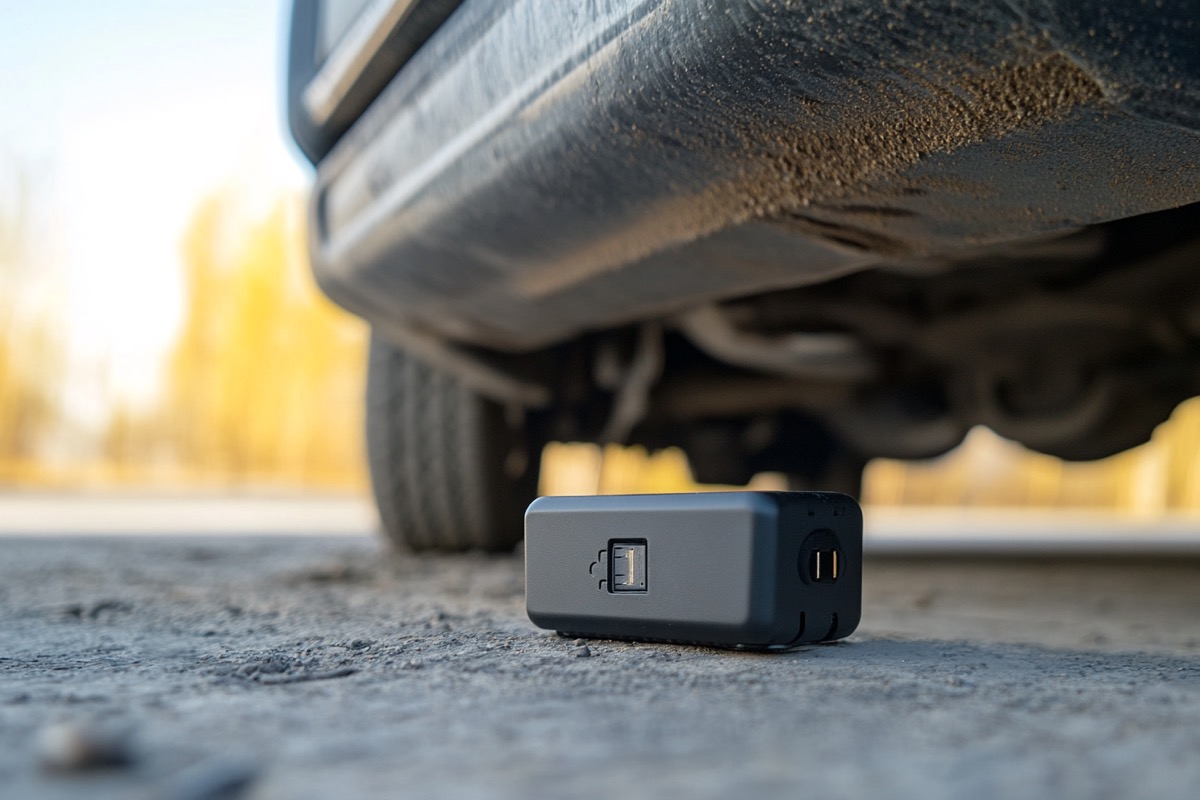
Vehicle tracking technology has made it easier than ever to monitor the location of cars, but these devices can also be misused. Small GPS units and Bluetooth trackers can be placed inside or attached to vehicles without the owner’s knowledge, potentially allowing someone to monitor their movements.
This can create serious privacy and personal safety concerns, particularly when the person responsible is an unwanted acquaintance, former partner, or stranger. Fortunately, there are warning signs drivers should recognize.
From unexpected smartphone alerts to unfamiliar objects discovered during vehicle inspections, understanding these clues can help you identify suspicious tracking activity.
1. Your Phone Displays an Unknown Tracker Alert
One of the clearest warnings that an unknown tracking device may be following your vehicle is an unwanted tracker notification on your smartphone. Modern smartphones have built-in security features designed to identify certain Bluetooth tracking devices that appear to be moving with someone who does not own them.
These notifications can be particularly useful when someone places a small tracking accessory inside a vehicle or attaches it to personal belongings.
Apple and Google introduced cross-platform unwanted tracking alerts in May 2024. The system allows compatible iPhones and Android devices to notify users when an unknown Bluetooth tracker, such as an Apple AirTag or supported third-party accessory, is detected moving with them over time.
On an iPhone, notifications may include messages such as AirTag Found Moving With You or an alert identifying another compatible accessory. Android users can receive an unknown tracker alert. These notifications may also provide a map showing locations where the device was detected traveling alongside the user.
However, receiving an alert does not automatically mean someone has deliberately placed a tracker on your car. You might be traveling with borrowed belongings, someone else’s headphones, or an item belonging to a family member.
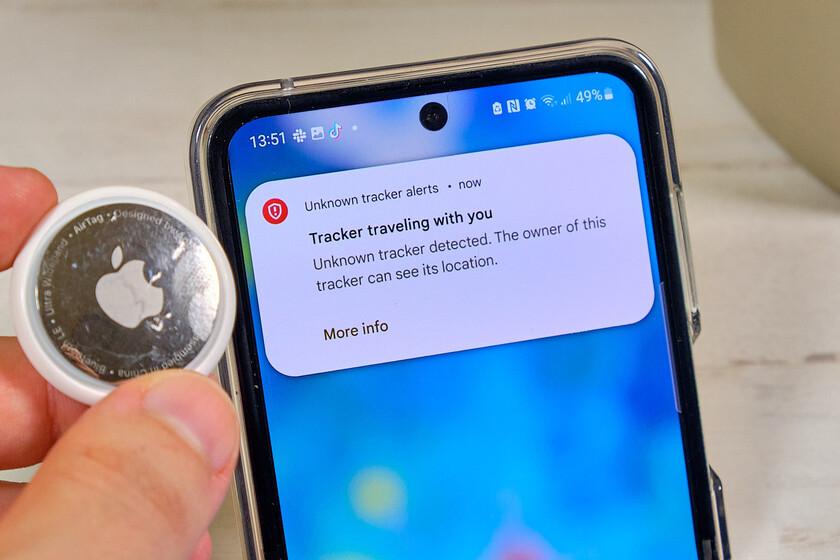
The important detail is whether the device is unfamiliar and continues appearing alongside your movements.
Do not dismiss repeated notifications without checking them. Open the alert, review the device information, and use the available sound or nearby-location features to investigate. If you believe someone is deliberately tracking you, preserve screenshots and seek assistance from local law enforcement.
2. The Tracker’s Detection History Follows Your Driving Routes
An unexpected tracking notification becomes more concerning when its detection history appears to follow your regular driving routine. Some smartphone security features provide a map showing where an unknown Bluetooth tracker was detected moving alongside you.
This information can help establish whether a device has repeatedly traveled with your vehicle rather than simply appearing nearby once.
Apple’s Find My safety features display locations where an unknown AirTag, compatible accessory, or certain AirPods models have been detected near your device. The map uses location markers to show detection points and their sequence. Google provides similar information through its Unknown tracker alerts feature on supported Android devices.
For example, imagine receiving an unfamiliar tracker alert after driving home from work. You review the detection map and notice that the device was also detected during your commute and another journey later that day. If the same unfamiliar tracker repeatedly appears to accompany your movements, it deserves further investigation.
Pay attention to the detection timeline rather than assuming that every location marker represents someone actively watching you. Apple’s documentation specifically explains that the map shows where the unknown accessory was detected, not when its owner viewed its location.
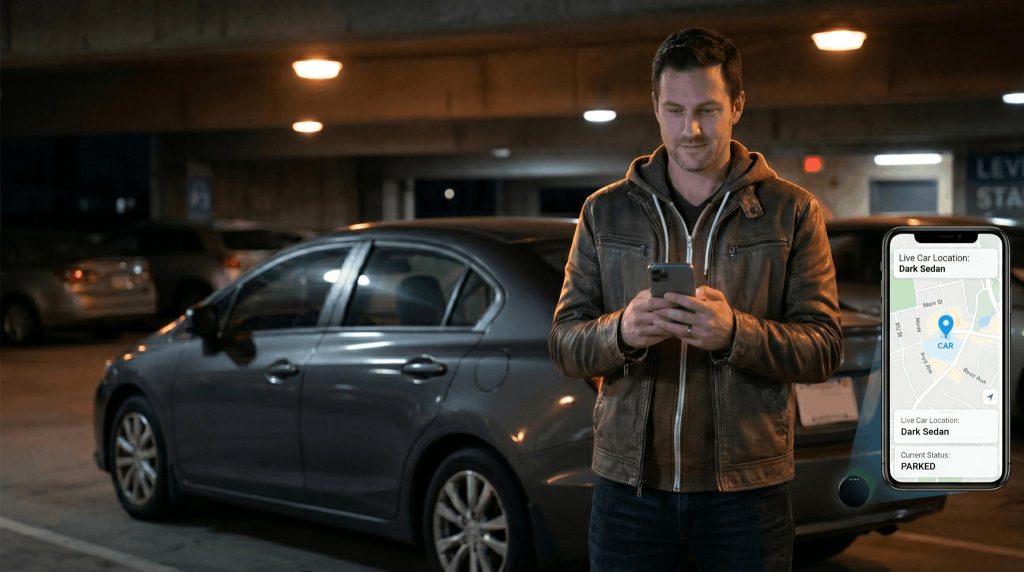
This distinction matters because the notification cannot establish exactly what the other person knows or when they checked the device.
Save screenshots of the alerts and maps, including dates and times. If you suspect deliberate surveillance, this information may help investigators understand the pattern.
Remember that these maps identify compatible Bluetooth trackers, not every type of GPS tracking equipment. A professionally installed vehicle GPS unit may operate independently of your smartphone’s unwanted tracker notification system.
3. You Hear an Unfamiliar Beeping or Chirping Sound
An unfamiliar electronic chirping sound coming from inside your vehicle is another reason to investigate, particularly if it appears while the car is parked or when you move personal belongings.
Certain Bluetooth tracking devices are designed to emit sounds when they have been separated from their registered owners for a period of time. These sounds help alert nearby people that an unfamiliar tracking accessory may be traveling with them.
Apple confirms that an AirTag separated from its owner for a period of time can emit a sound when it is moved. This safety feature is intended to discourage unwanted tracking and make the accessory easier to locate. Compatible third-party Bluetooth trackers may also have sound alerts, although their behavior depends on the manufacturer.
The sound might seem to come from underneath a seat, inside a storage compartment, or somewhere around the vehicle’s interior. However, identifying its source can be difficult because modern cars contain numerous electronic components, warning systems, and connected accessories.
Do not immediately assume that every unexplained beep indicates a hidden tracker. Seatbelt reminders, parking sensors, dashboard warnings, aftermarket alarms, and forgotten electronic accessories can produce similar sounds. Even a Bluetooth tracker belonging to someone who recently borrowed your vehicle could be responsible.
If the sound appears repeatedly and you cannot identify its source, inspect accessible storage areas and personal belongings. Use your smartphone’s unwanted tracking notification features to check for compatible devices. If you discover an unfamiliar tracking accessory, document its appearance and identification information.
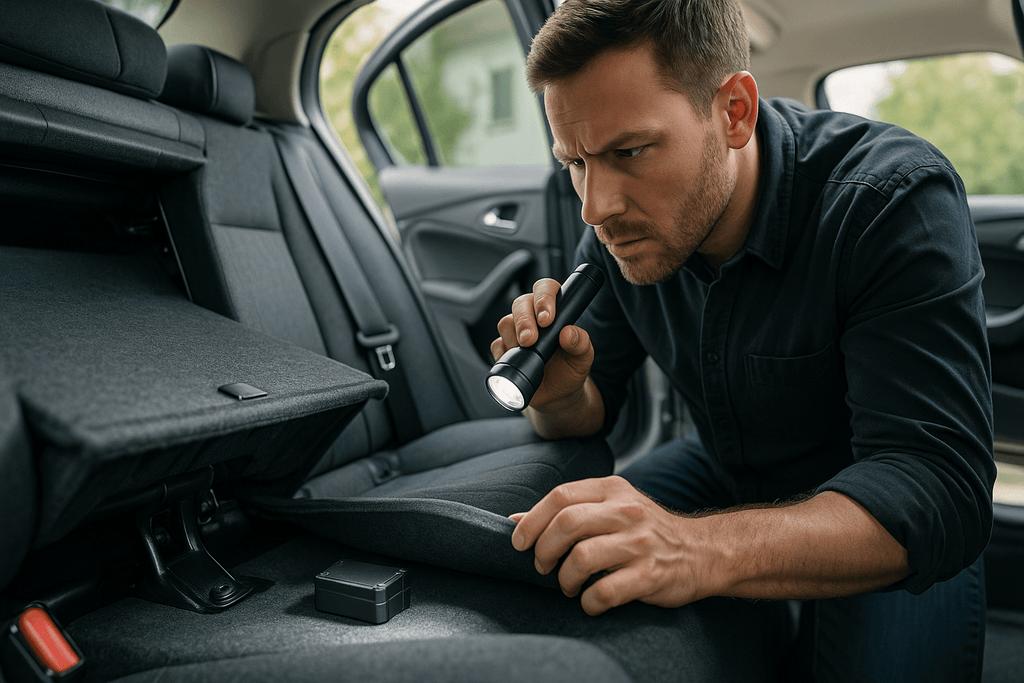
Avoid dismantling vehicle components or interfering with electrical wiring yourself. A qualified automotive technician can help inspect areas that are difficult to access safely.
The important distinction is repetition. An unexplained sound that consistently appears alongside other tracking-related warnings deserves more attention than a single unidentified beep.
4. You Discover an Unfamiliar Electronic Device Inside the Vehicle
Finding an electronic device that you do not recognize inside your vehicle is a warning sign that should never be ignored. Tracking equipment comes in different shapes and sizes, ranging from small Bluetooth tags to dedicated GPS units that communicate with cellular networks.
Some devices are designed for vehicle fleet management, while others can be installed to monitor a vehicle’s location.
Bluetooth trackers are generally compact and designed to be attached to everyday belongings. Dedicated automotive GPS trackers can be larger or connected to a vehicle’s electrical system. Some legitimate tracking equipment is also installed by dealerships, fleet operators, financing companies, or previous owners.
This makes identification important. A device discovered under a seat or inside a storage compartment is not automatically evidence of stalking. It could belong to a previous owner, a family member, or a legitimate vehicle service provider.
Start by photographing the device in the location where you discovered it. Avoid discarding it or immediately removing identifying information. Look for a manufacturer name, model number, serial number, or other identifying markings.
If it is a compatible Bluetooth accessory, your smartphone may provide additional information through its unwanted tracking detection features.
Apple explains that users can obtain identifying information from certain discovered AirTags by holding an NFC-capable smartphone near the device. Depending on the accessory, information such as its serial number and partial owner contact details may be available.
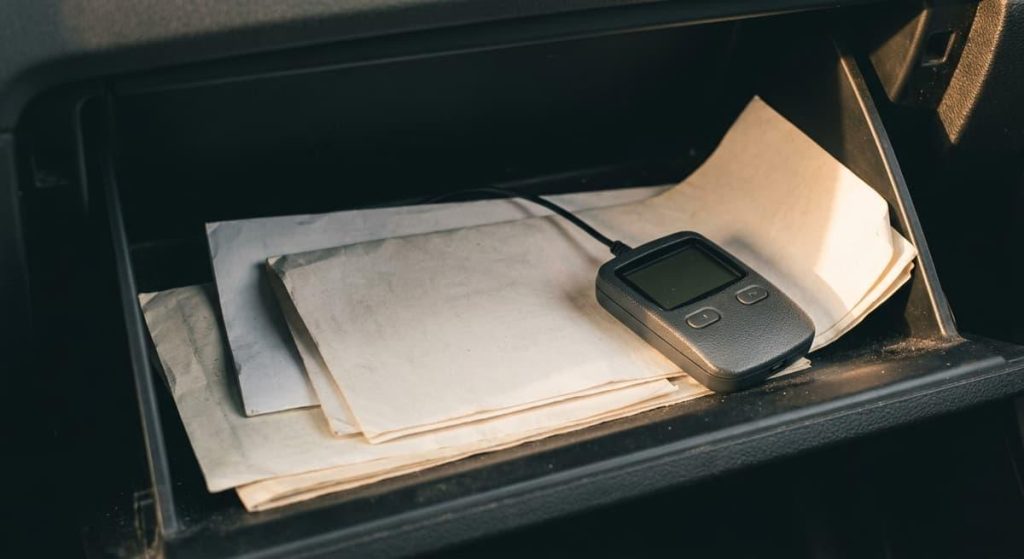
If the device appears professionally installed or connected to vehicle wiring, have a qualified automotive technician examine it. They can help establish whether it is an authorized accessory or something that requires further investigation.
If you suspect deliberate unauthorized tracking, preserve the device and contact law enforcement before altering it. Its identifying information may become useful evidence.
5. Someone Knows Your Private Movements Without an Explanation
Sometimes the most unsettling indication of possible vehicle tracking has nothing to do with a notification or a physical device. Instead, it involves someone repeatedly demonstrating knowledge of your movements that you have never shared with them.
For example, an individual might unexpectedly mention the time you arrived at a particular location, refer to a shopping trip you never discussed, or appear to know which route you regularly take.
One isolated incident may be a coincidence, but repeated instances involving private travel details deserve attention, especially when accompanied by other suspicious behavior.
A person with access to a vehicle’s location information may be able to monitor where it travels, depending on the tracking technology involved. This could include Bluetooth location accessories, dedicated GPS devices, or connected vehicle applications. However, the source of the information is not always a tracker installed on the car.
Other possibilities include shared smartphone location settings, access to a vehicle manufacturer’s connected services account, social media activity, shared calendars, or information obtained from someone familiar with your routine.
The National Network to End Domestic Violence’s Safety Net Project highlights how connected technology can be misused to monitor and control people. Its guidance emphasizes considering the wider technology environment rather than focusing on one device alone.
If someone repeatedly knows details about your movements, record the dates, conversations and circumstances. Review who has access to your vehicle applications and location-sharing accounts, preferably from a device the other person cannot access.
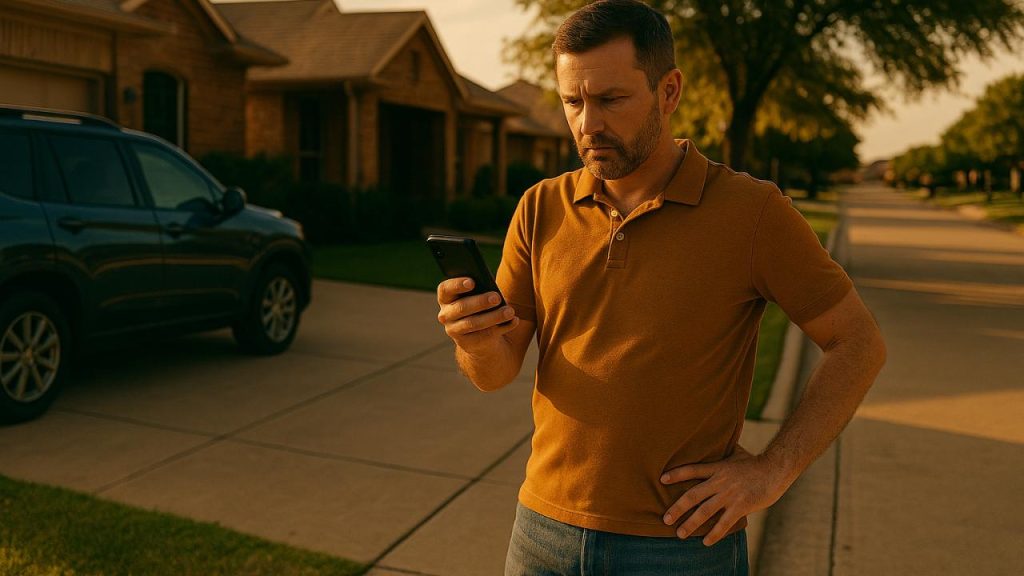
Avoid confronting someone you suspect of surveillance if doing so could put you at risk. If you feel threatened, contact local law enforcement or a specialist support organization.
A pattern of unexplained knowledge is not proof of a hidden tracker, but it is a legitimate reason to review your privacy and personal safety.
6. You Notice Unusual Tampering Around Your Vehicle
Another warning sign is discovering something unusual after your vehicle has been parked somewhere accessible to other people. A disturbed interior panel, unfamiliar wiring, a recently moved component, or an unexpected accessory can justify a closer inspection, particularly if you have already received unwanted tracking alerts.
Dedicated GPS tracking equipment is not always designed to sit loose inside the cabin. Depending on the manufacturer and installation method, certain units can be connected to a vehicle’s electrical system or installed as independent battery-powered devices.
Consequently, identifying suspicious equipment may require more than checking the seats and glove compartment.
Pay attention to changes that cannot be explained by routine maintenance or recent repairs. For example, you might notice an unfamiliar electronic accessory near the dashboard, wiring that appears inconsistent with the vehicle’s factory installation or a component that was not present during your previous inspection.
However, there is an important distinction between suspicious tampering and ordinary vehicle maintenance. Aftermarket alarms, remote-start systems, insurance telematics devices, and dealership-installed equipment can all involve additional wiring or electronic components. A vehicle that has recently undergone repairs may also contain unfamiliar parts.
If you discover something questionable, photograph it before touching anything. Check your purchase documents and contact the dealership or previous owner to establish whether additional equipment was installed legitimately.
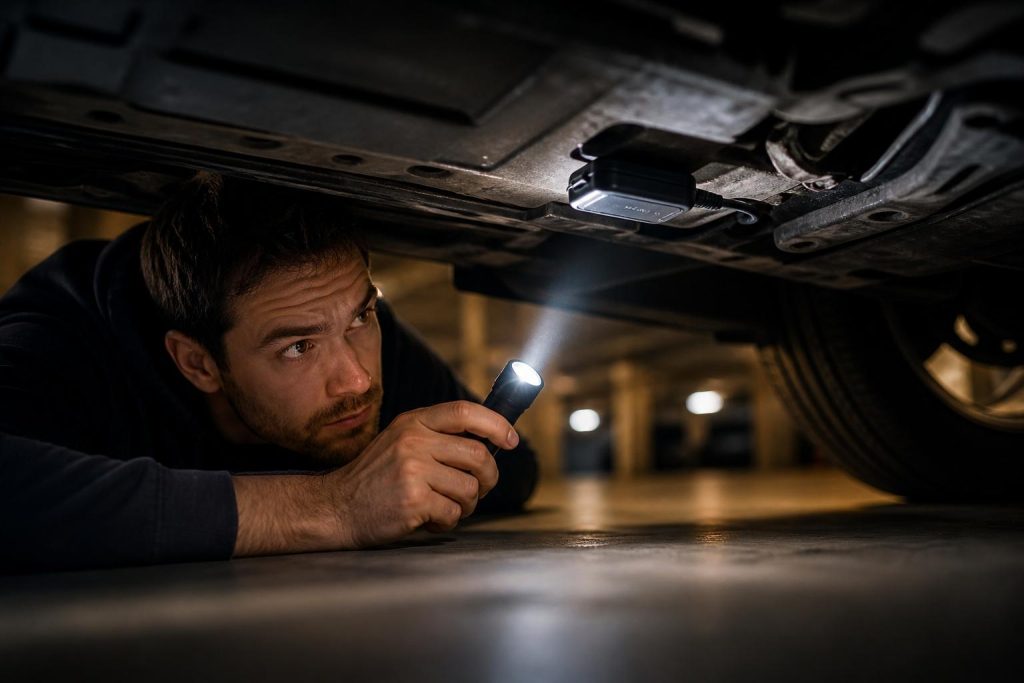
A qualified automotive electrician or technician can inspect the vehicle and identify unfamiliar components without damaging its electrical systems.
Do not crawl underneath an unsupported vehicle or attempt to remove unknown wiring yourself. If you suspect someone has deliberately installed unauthorized tracking equipment, contact law enforcement and ask how the device should be preserved.
Unexplained changes around your vehicle do not prove surveillance, but combined with unwanted tracking notifications or other concerning behavior, they should not be dismissed.