
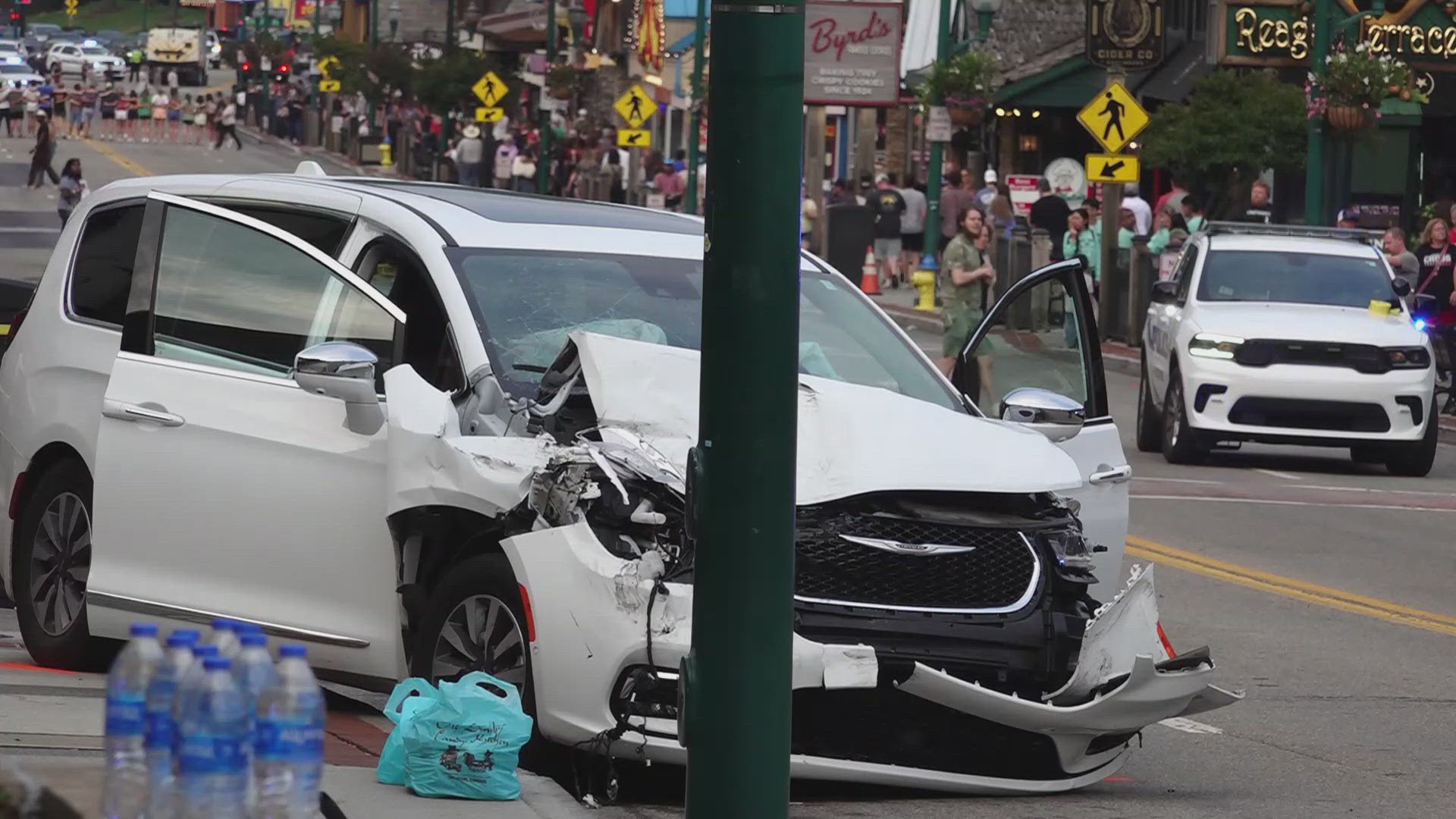
Buying a used car requires more than checking its mileage, engine condition, and asking price. A vehicle that looks clean and drives smoothly may have suffered a major collision before being repaired and put back on the market.
Poorly repaired accident damage can affect structural strength, handling, airbag performance, and long-term reliability. Fortunately, certain clues can reveal when a car has had significant bodywork or structural repairs.
From uneven panels to suspicious welds, knowing where to look can help buyers ask better questions, arrange the right inspections, and avoid paying a premium for a vehicle with a hidden accident history.
1. Uneven Panel Gaps and Misaligned Body Parts
A car’s body panels should fit together consistently. When inspecting a used vehicle, examine the gaps around the hood, front fenders, doors, trunk lid, and headlights. Compare the left and right sides rather than judging one panel in isolation.
If a gap becomes wider toward one end, looks unusually narrow, or changes noticeably between neighboring panels, it may indicate that a section of the body was shifted, replaced, or poorly realigned after an impact.
Pay particular attention to doors and the hood. A door that catches against the body, needs extra force to close, or sits unevenly when shut deserves closer attention. The same applies to a hood that appears higher on one corner or does not line up properly with the fenders.
These problems can result from worn hinges or ordinary repair work, so they do not prove that the vehicle suffered a serious accident. However, several alignment problems concentrated around one area can be a warning that the underlying structure was damaged.
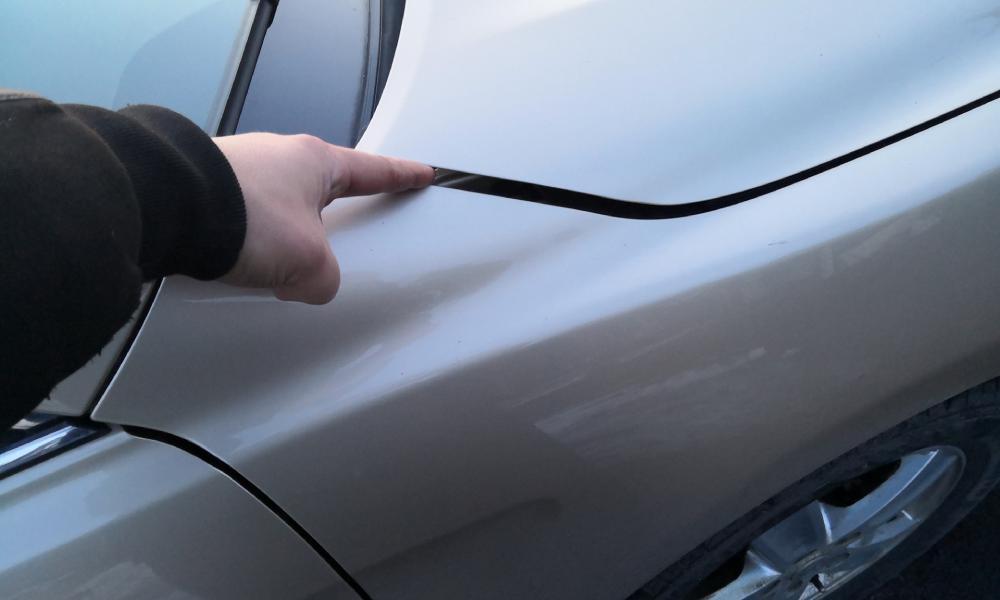
Look at the headlights and bumper edges as well. A replacement headlight on one side, mismatched mounting points, or a bumper that sits differently from the opposite side may indicate previous front-end repairs. Ask the seller why the parts were replaced and request repair records if available.
A small adjustment is not necessarily a reason to reject a car. The concern is a pattern of unexplained misalignment, especially when it appears alongside paint differences or damaged mounting areas. Collision-inspection guidance identifies inconsistent panel gaps and misaligned closures as useful warning signs.
2. Different Paint Shades, Overspray, or Uneven Finishes
Fresh paint can make an older vehicle look surprisingly attractive, but it can also conceal previous collision damage. Inspect the car outside in daylight, preferably when the body is clean and dry. Look at adjacent panels from several angles, paying attention to the doors, fenders, hood, and quarter panels.
A repaired section may have a slightly different shade, gloss level, or surface texture from the surrounding factory finish. Reflections that appear wavy or distorted can also point to body filler or unfinished repair work beneath the paint.
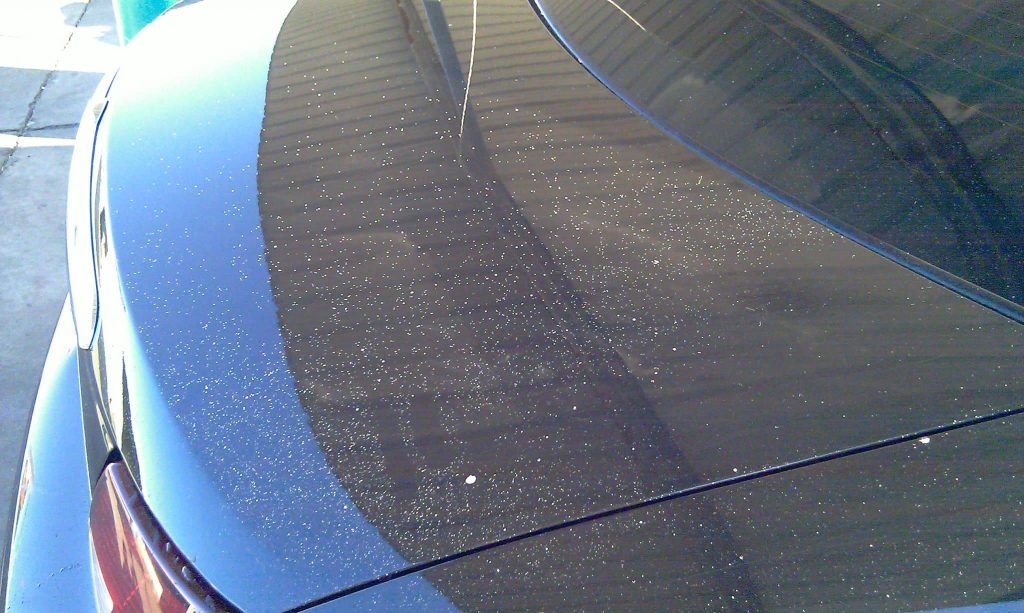
One particularly useful clue is paint overspray. Check the rubber seals around windows and doors, plastic trim, headlight edges, wheel-well liners, and other areas that should not normally carry body paint.
Fine paint particles or sharp masking lines may indicate that a panel was repainted. Also inspect panel edges and door openings, where a quick exterior inspection might miss signs of previous work.
A paint-thickness gauge can provide additional information. A technician can compare readings across different body panels to identify areas with unusually thick paint or filler.
However, readings vary by vehicle construction and material, so there is no single measurement that proves a car was in a serious accident. Aluminum and plastic components may also require different inspection methods.
Remember that repainting does not automatically mean a major crash occurred. A door might have been repainted after a parking scrape, vandalism, or cosmetic damage.
The bigger concern is when a color mismatch or overspray appears alongside uneven panel gaps, replacement components, or visible structural repairs. Ask the seller which panels were painted and request invoices or photographs of the work.
3. Bent Frame Rails, Unusual Welds, or Underbody Repairs
Some of the most serious collision damage is hidden underneath the vehicle. The frame rails, floor pan, suspension mounting points, and other structural sections help support the vehicle and manage crash forces.
If these areas were bent in an accident and repaired incorrectly, the consequences can extend beyond appearance. A car may have difficulty maintaining alignment, develop unusual noises, or fail to provide the protection intended by its original safety design.
Ask a mechanic to inspect the underside on a lift. Look for visibly kinked metal, deep creases, crushed sections, cracked seams, and welding that appears inconsistent with the surrounding factory construction.
Fresh undercoating deserves attention too, particularly when it covers only one section or has a noticeably different texture. It may be legitimate corrosion protection, but it can also make previous repairs harder to see.
The inspection should include the front and rear structural members, floor pan, rocker panels, and suspension mounting areas. On vehicles with unibody construction, these sections are integrated into the body rather than being a separate traditional frame.
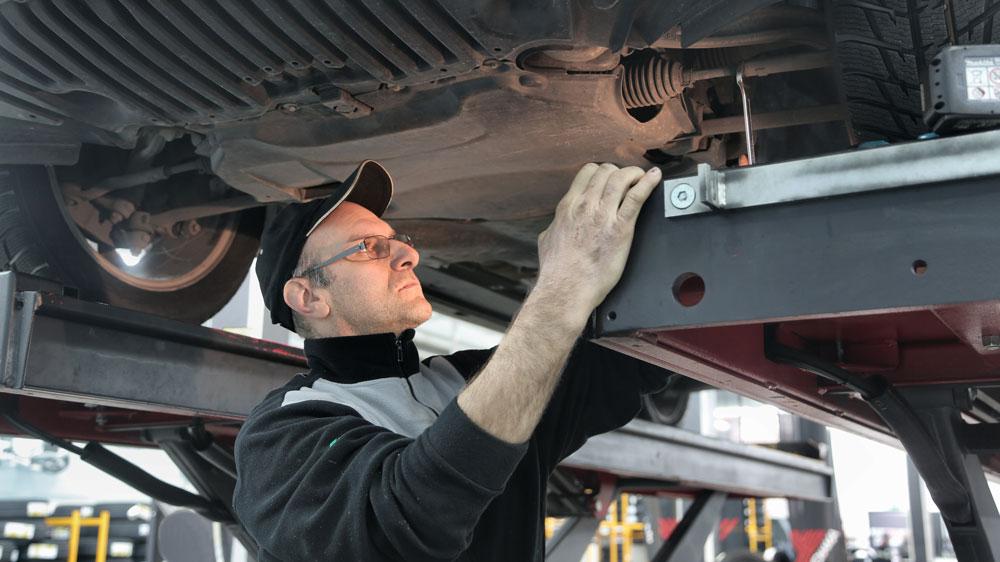
That makes the quality and location of repairs especially important. A technician can compare structural measurements with manufacturer specifications and identify areas that need further investigation.
The Federal Trade Commission’s Used Car Buyers Guide lists frame cracks, corrective welds, rust-through, and bent or twisted frames among major defects buyers should watch for. These are not minor cosmetic concerns. Do not rely on a quick look from the roadside, and never crawl underneath a vehicle supported only by a jack.
4. Airbag Warning Lights or Signs of Missing Safety Equipment
Airbags are among the most important safety systems to check when evaluating a used car with a possible collision history. If airbags were deployed in a previous crash, they should have been replaced according to the vehicle manufacturer’s repair procedures.
The related sensors, control module, wiring, and seat-belt components may also require inspection or replacement. A vehicle that has been repaired cheaply may look presentable while still having an incomplete or malfunctioning restraint system.
Start the car and watch the airbag warning light. On many vehicles, the light illuminates briefly during the initial system check and then switches off. If it stays on, flashes, or never illuminates when the ignition is switched on, ask a qualified technician to investigate.
A missing or disabled warning light can make a fault harder to notice. Do not assume that a dashboard without a warning light means the airbags are functioning correctly.
Look at the steering-wheel airbag cover, passenger-side dashboard, and seat-mounted airbag areas for unusual gaps, damaged trim, or signs of replacement. Check whether seat belts retract smoothly and lock when pulled sharply.
These observations are only preliminary clues. Modern restraint systems can store fault codes that require a suitable diagnostic scan, and some problems cannot be identified through visual inspection.
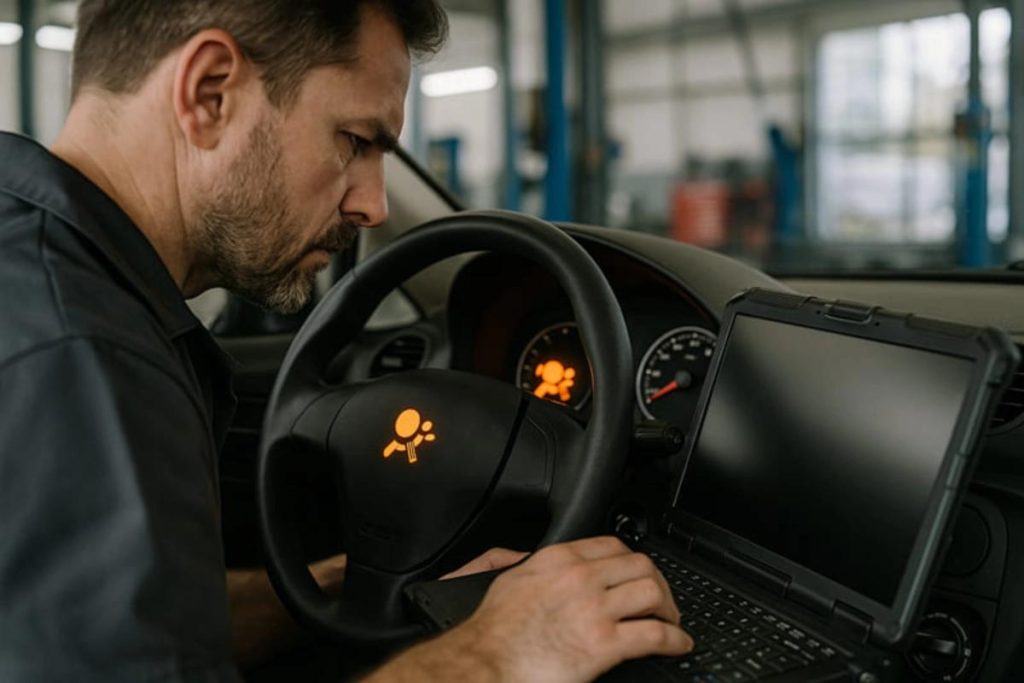
Ask for invoices showing whether deployed airbags and related components were replaced after a collision. The repair should follow the manufacturer’s specifications, not simply involve switching off a warning light.
If the seller refuses an independent SRS inspection or cannot explain evidence of airbag deployment, pause the purchase. A vehicle with uncertain airbag repairs presents a safety concern that should never be treated as a minor bargaining point.
5. Uneven Tire Wear, Poor Alignment, or a Car That Pulls to One Side
A used car that constantly pulls to one side during a straight-road drive may have an alignment problem. That issue can come from ordinary wear, incorrect tire pressure, damaged suspension components, or previous collision damage.
The important question is whether the problem is isolated and repairable or connected to a bent structural section that was never properly corrected.
Begin by examining all four tires. Compare the inner and outer tread edges, looking for one-sided wear, feathering, or noticeably different patterns between the left and right sides.
Uneven wear is not proof of an accident because neglected tire rotations, worn suspension parts, and incorrect alignment can produce similar symptoms. However, unusual wear combined with mismatched tires or visible suspension damage deserves a closer inspection.
During a safe test drive, pay attention to the steering wheel. Does it sit crooked while the car travels straight? Does the vehicle drift noticeably on a reasonably level road? Are there vibrations through the steering wheel, clunks over bumps, or unusual noises when turning?
Road slope, wind, tire pressure, and tire condition can influence these sensations, so repeat the checks on suitable roads rather than concluding one brief drive.
Before buying, request a four-wheel alignment inspection and ask for the measurement printout. A qualified technician should check control arms, tie rods, steering knuckles, subframes, and their mounting points for damage.
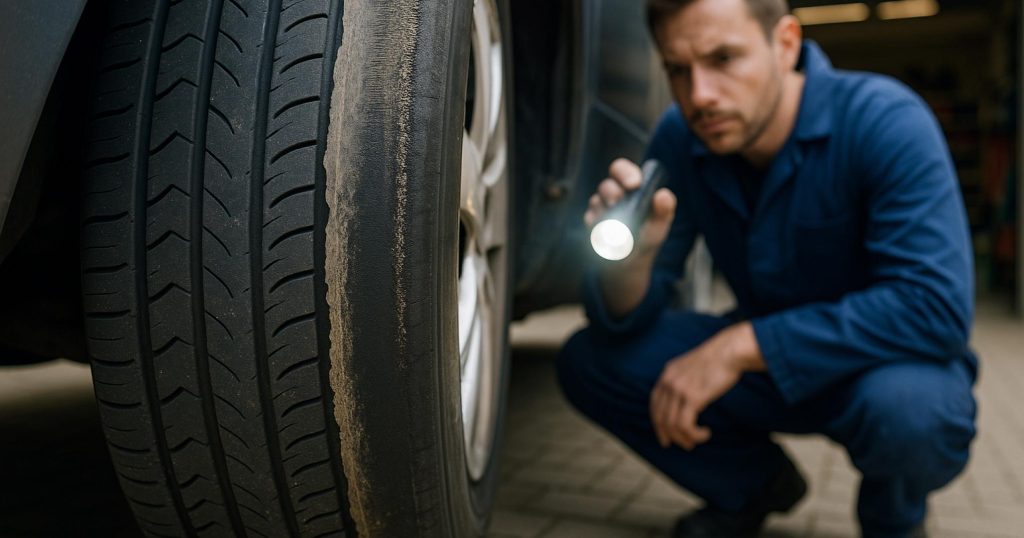
If the alignment cannot be brought within the manufacturer’s specifications, the cause needs to be identified before the sale.
Consumer Reports recommends inspecting tires and having a used vehicle professionally checked, including its undercarriage. A car with persistent alignment problems and signs of structural repair should not be purchased on the assumption that a simple adjustment will solve everything.
6. A Vehicle History Report That Reveals Accident or Salvage Records
A vehicle history report can reveal information that is difficult to discover during a visual inspection. Using the vehicle identification number (VIN), buyers can check for reported accidents, title changes, salvage or rebuilt branding, insurance records, and other events available in the report’s database.
In the United States, services such as CARFAX and AutoCheck provide paid reports, while the National Motor Vehicle Title Information System (NMVTIS) offers access to title, brand, and certain other vehicle-history information through approved providers.
Pay close attention to the wording of any accident entry. A reported collision does not automatically mean the car suffered severe structural damage. A low-speed bumper impact and a major collision involving airbags or frame repairs are very different situations.
Look for details about the damage location, title status, and recorded repairs. Then compare those entries with the seller’s explanation and the physical condition of the car.
A salvage or rebuilt title deserves particular caution. A salvage designation generally indicates that an insurer or relevant authority classified the vehicle as a total loss under applicable rules.
A rebuilt title may mean it was repaired and passed the required state process, but it does not guarantee that every repair was performed correctly. State title-branding rules vary, so buyers should verify the requirements where the vehicle is titled.

However, vehicle history reports have an important limitation because they cannot guarantee that a car has never been involved in an accident. Some damage is repaired privately, covered out of pocket without involving insurance, or never reported to the databases used by these services. Consumer Reports also cautions that these reports are not completely reliable.
Use the report as one part of the decision, not as a substitute for a professional inspection. If the records are incomplete or the seller’s story conflicts with the evidence, get an independent inspection before paying.
